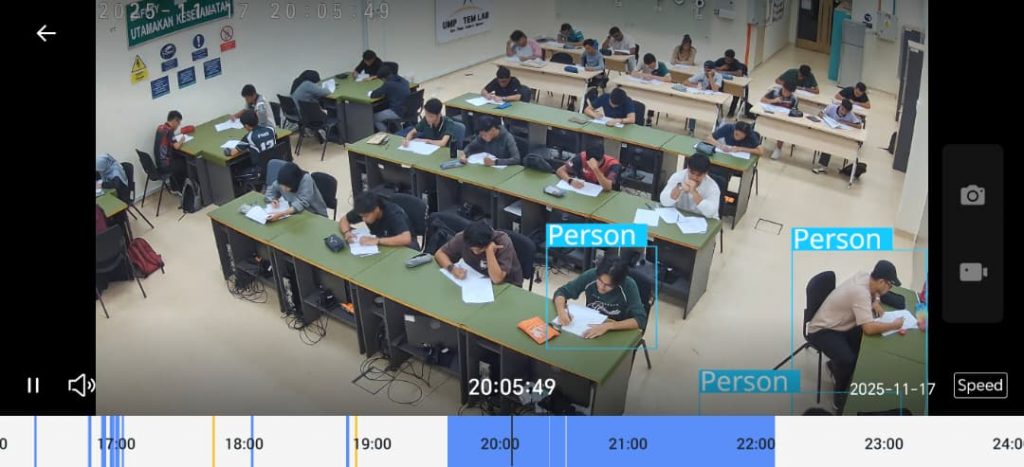
Organised by Bahagian Pembangunan Bakat, UMPSA
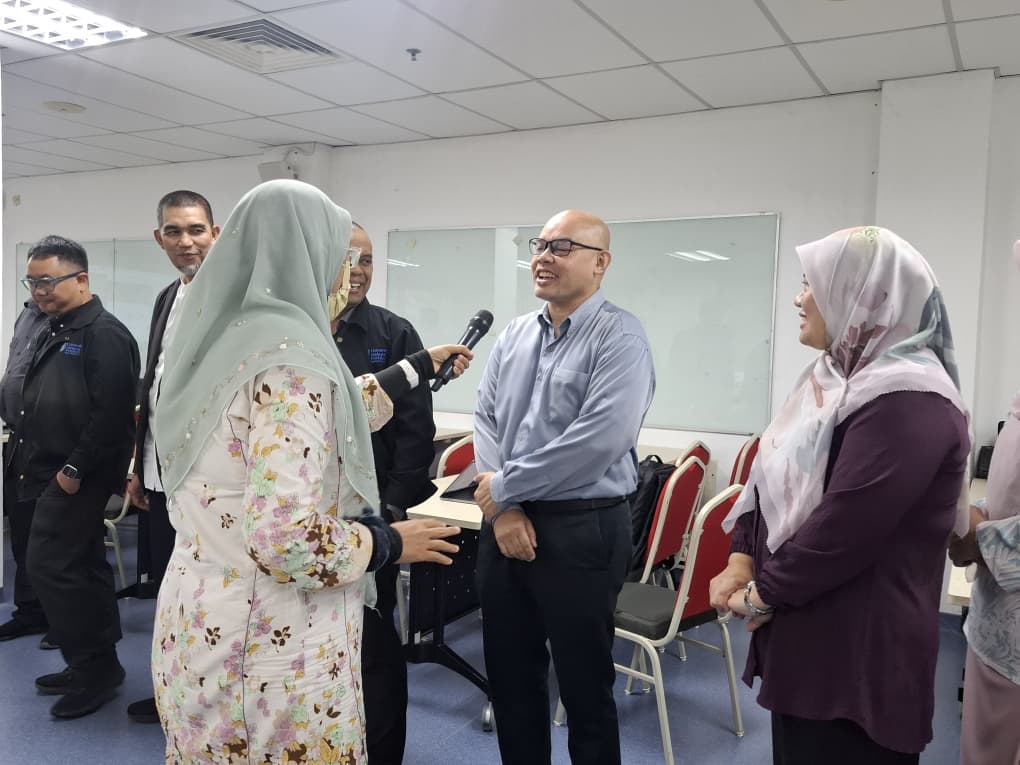
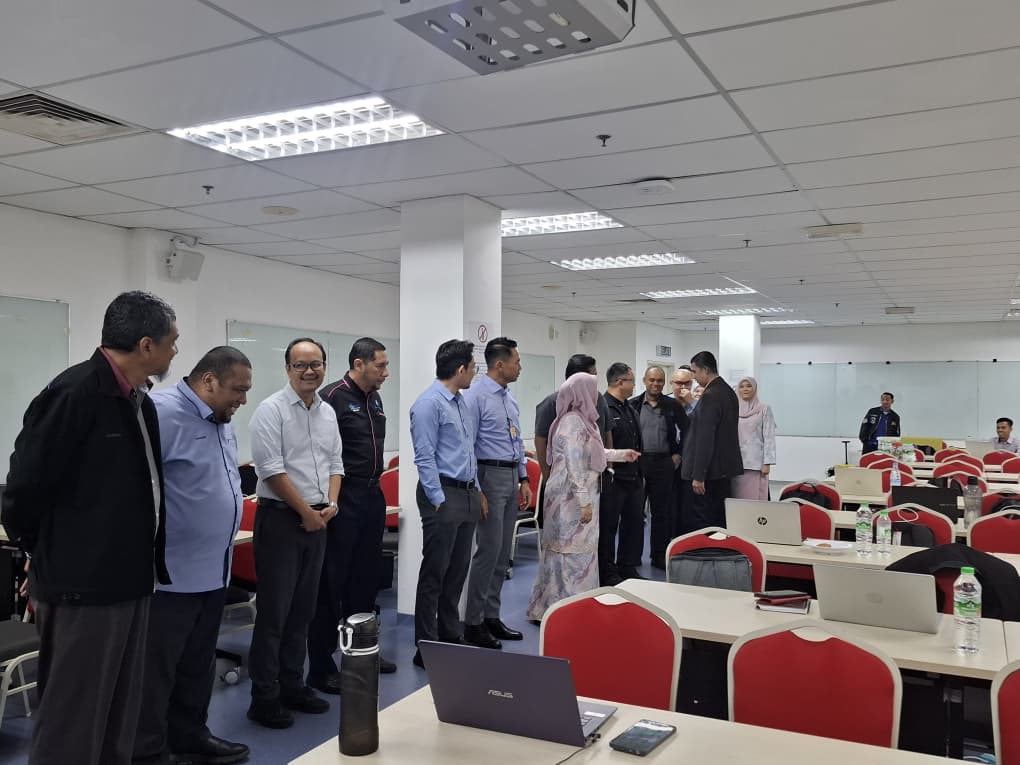
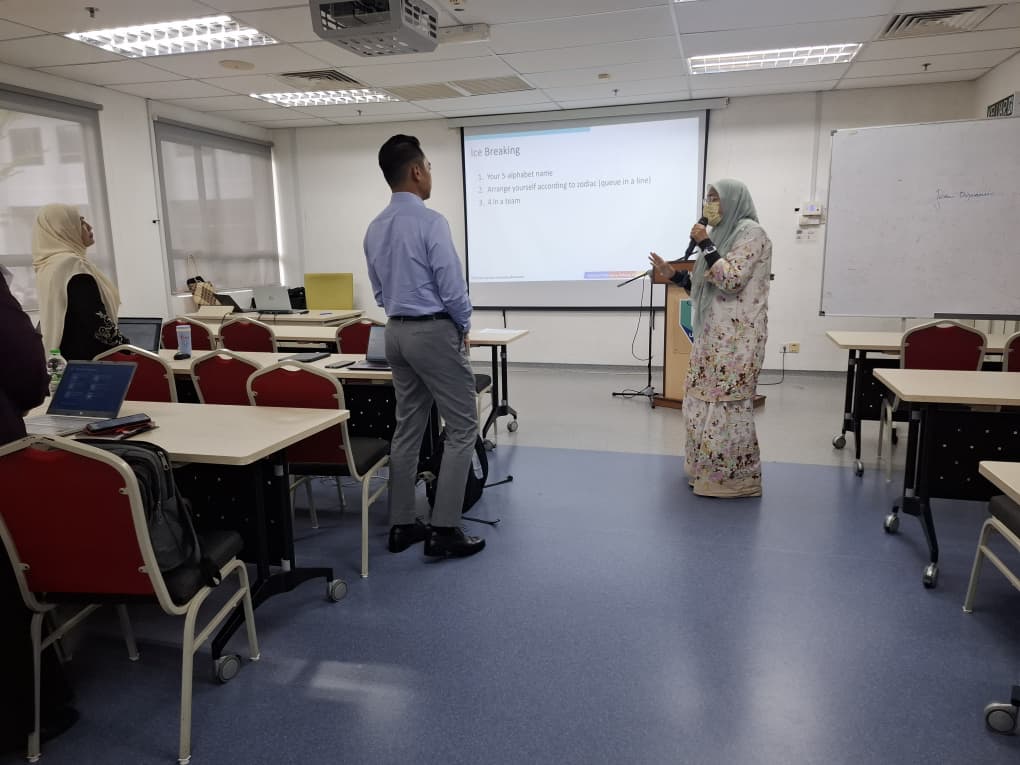
Delivered a full-day workshop titled “Strategic Negotiation for Effective Results Leadership”, today at UMPSA. Organised by the Bahagian Pembangunan Bakat, Human Resources UMPSA, as part of their mission to cultivate strong, future-ready leaders within the university ecosystem.
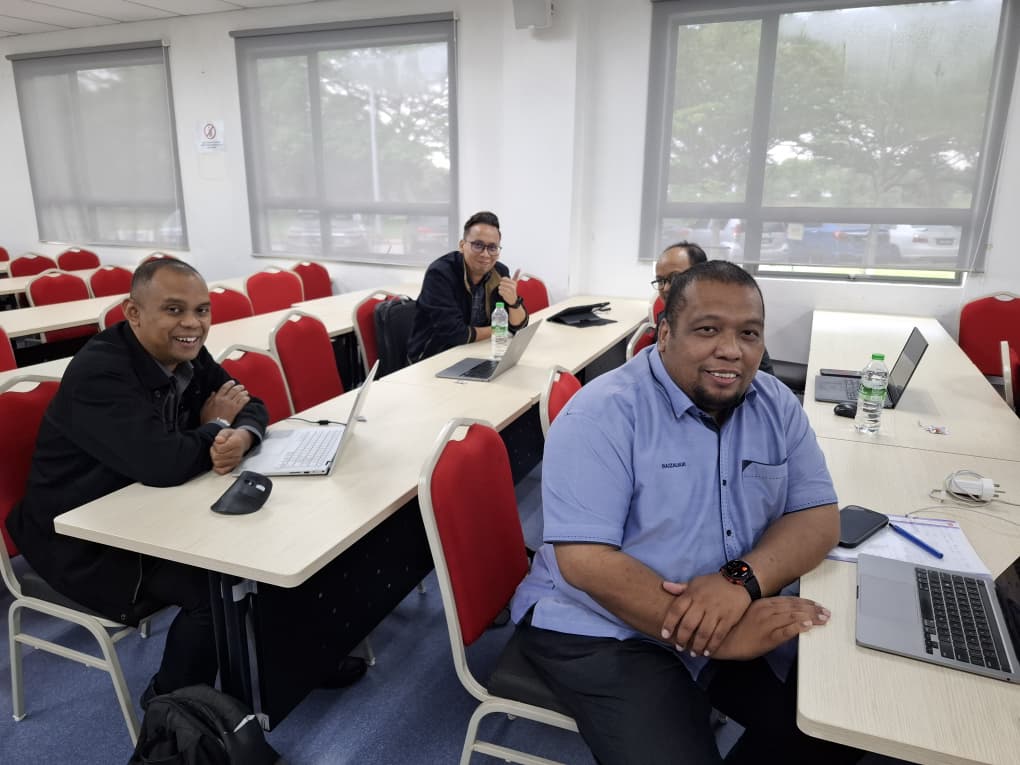
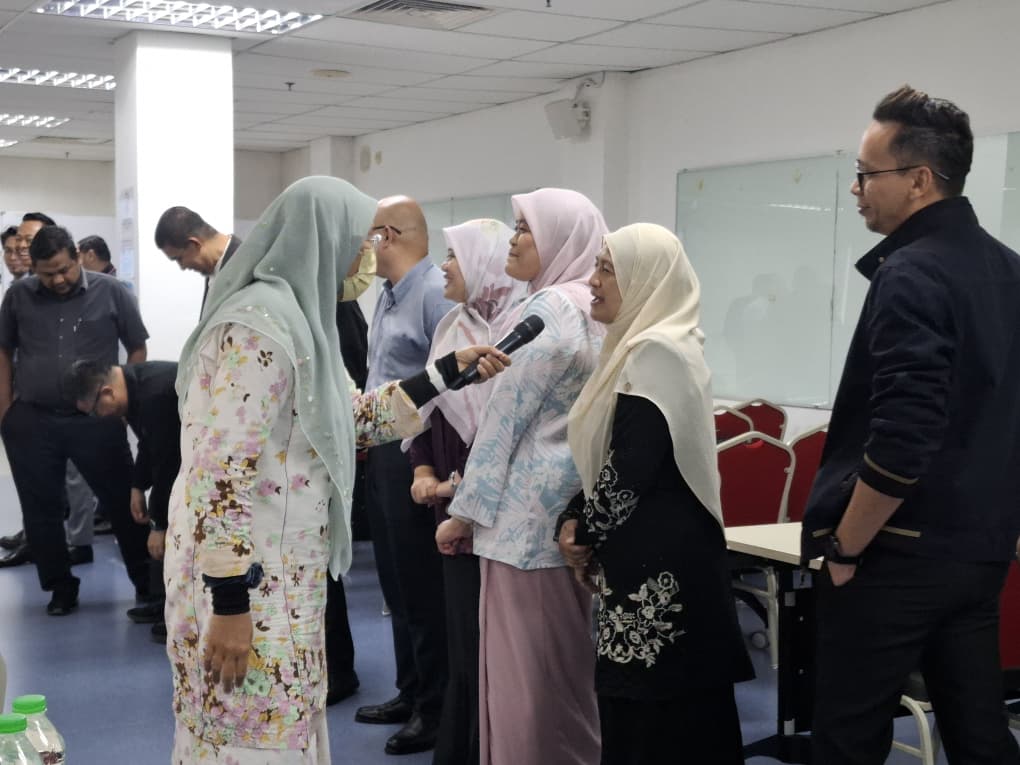
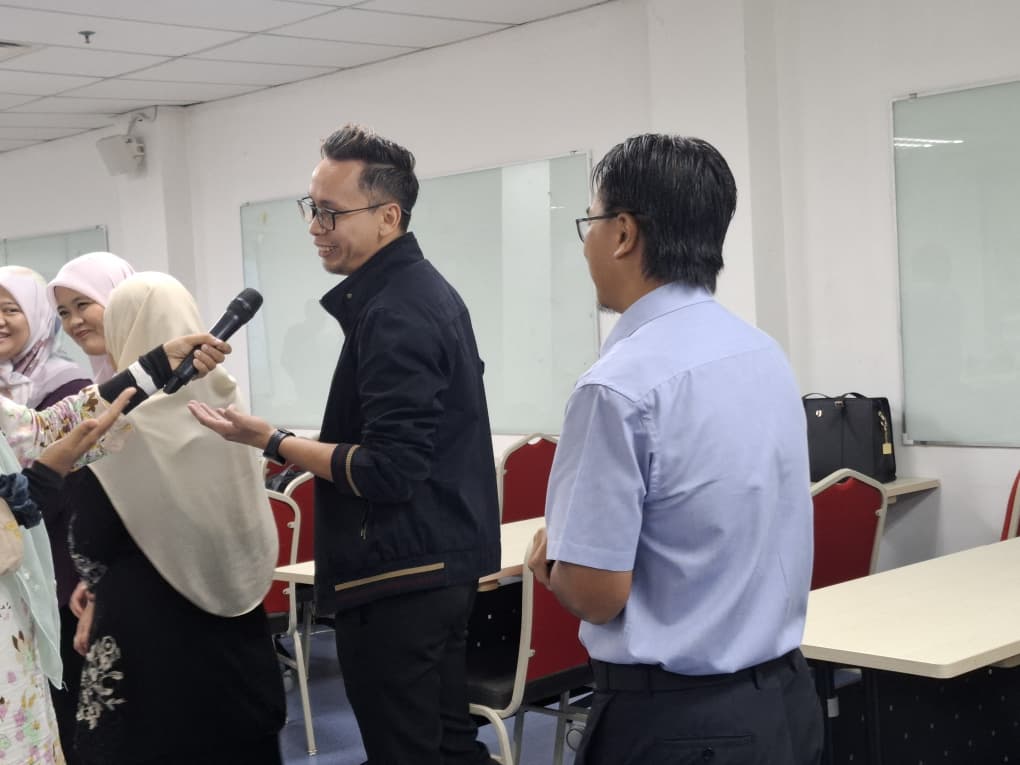
The session brought together 20 UMPSA staff, including lecturers, unit heads, and directors, each bringing their own leadership experiences, challenges, and negotiation stories. This results in a session filled with insightful discussions, deep reflections, lively role-plays, and surprisingly creative solutions.
Negotiation is not just as a skill, but a core leadership competency for academia, where alignment, collaboration, and resource optimisation are daily realities.
We explored and practiced:
1. Foundations of Strategic Negotiation
-
-
-
Negotiation vs. persuasion vs. conflict resolution
-
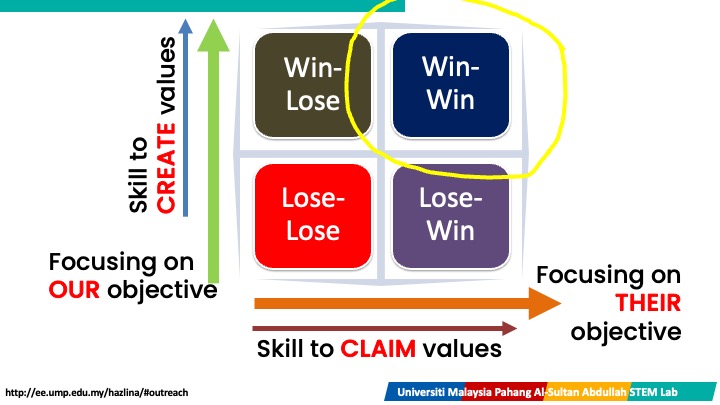
Understanding BATNA, ZOPA, and Interests vs. Positions
-
Cultivating win–win value through goal setting, questioning, trust-building, and solution-finding
-
Discussions on real UMPSA scenarios involving scheduling, student issues, and inter-faculty coordination
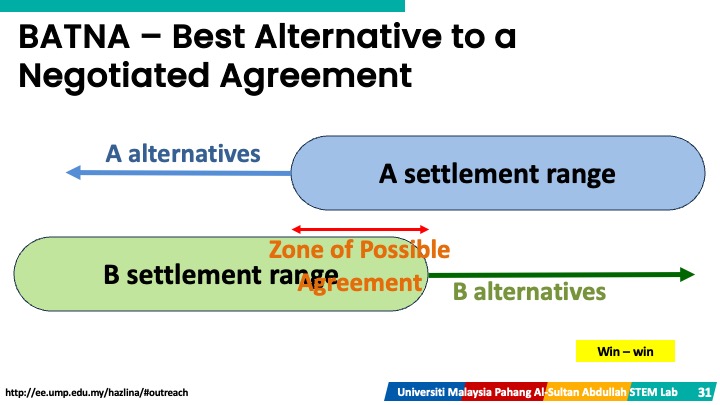
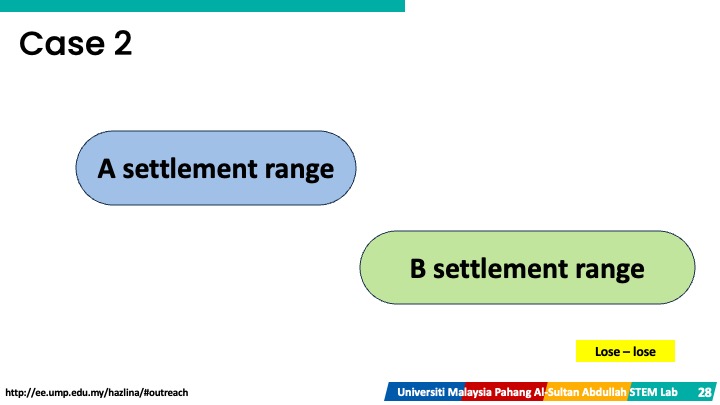
Participants reflected on their own negotiation experiences—many eye-opening moments were shared, including challenges in securing resources, addressing workload distribution, and managing expectations across units.
2. Negotiation Styles, Tactics & Cultural Dimensions
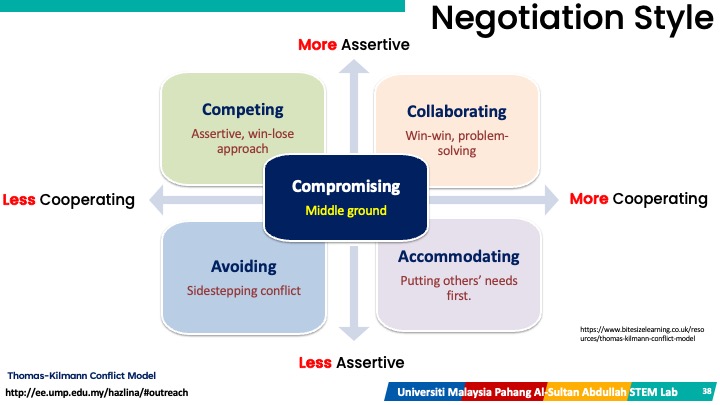
Participants assessed their own negotiation styles (Competing, Collaborating, Compromising, Avoiding, Accommodating) and were surprised at how accurately the profiles reflected their everyday behaviour.
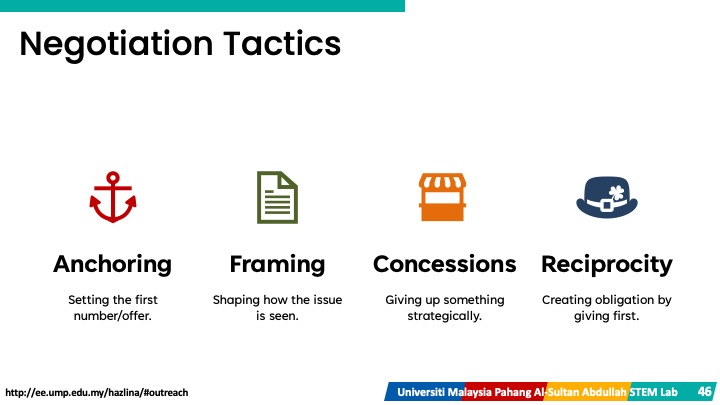
We explored four core tactics:
-
-
-
Anchoring – how first offers shape outcomes
-
Framing – how perspective determines acceptance
-
Concessions – strategic give-and-take
-
Reciprocity – the principle of “I give, you give”
Discussions became especially lively when participants applied these concepts to current topics such as Malaysia–US academic agreements, SKU allocations, staffing, and faculty collaborations.
3. Practical Negotiation Scenarios
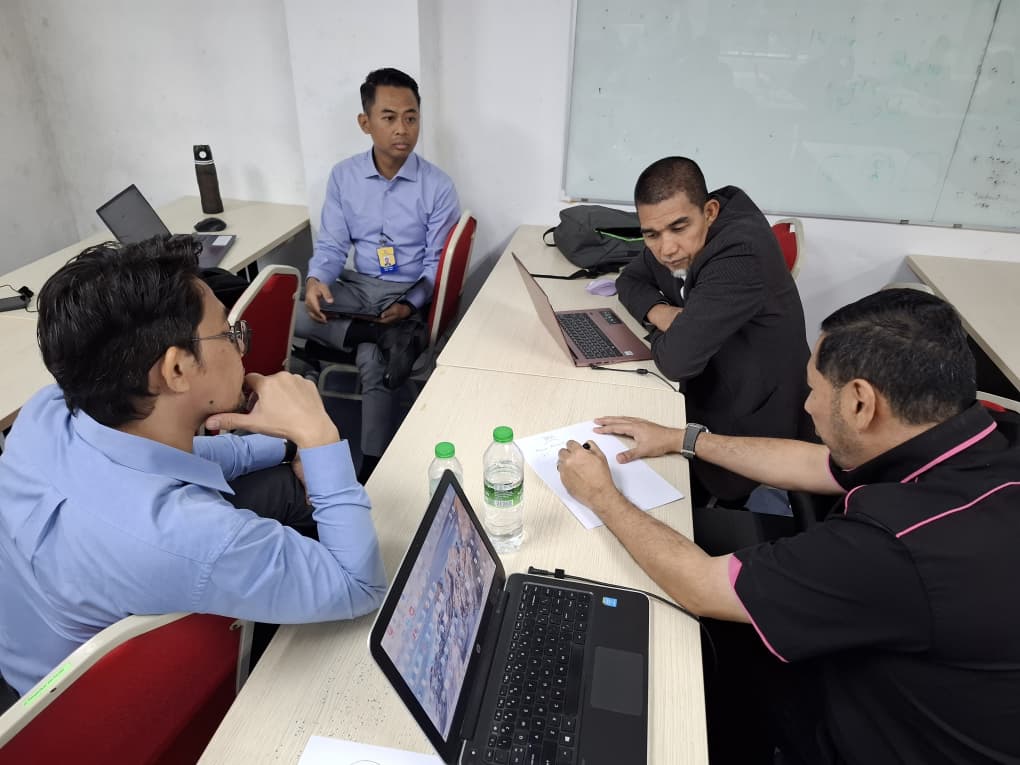
The highlight of the day was the group simulations.
Participants negotiated across three case studies involving:
-
-
-
Faculty resource allocation
-
Budget approval between departments
-
International research collaboration (MoU)
The negotiating tables became energetic zones of persuasion, power dynamics, alliance building, and clever concessions. Observers used structured evaluation templates to assess tactics and highlight real-time negotiation behaviour.
4. Advanced Strategies & Personal Action Plans
In the final segment, we explored:
-
-
-
Multi-party negotiation challenges
-
Power & Influence Mapping
-
Emotional intelligence for negotiation success
-
Drafting a personal negotiation strategy to use immediately in UMPSA contexts
Participants concluded with three personalised strategies they will apply in upcoming meetings, discussions, and collaborations.
The energy throughout the day was exceptional. Thank you =)
Participants openly exchanged experiences, challenged ideas, and engaged in intellectual debates around:
Everyone contributed—and everyone learned from one another.
This was not just a training, but a shared learning journey.
Negotiation lies at the heart of academic leadership.
Whether it’s securing resources, aligning stakeholders, or building collaborations, UMPSA’s leaders now carry a stronger toolkit to navigate these challenges.
A heartfelt thank you to Bahagian Pembangunan Bakat UMPSA for organizing this impactful program—and to all 20 participants for their commitment, openness, and enthusiasm.
Together, we’re shaping a more collaborative, strategic, and empowered UMPSA.