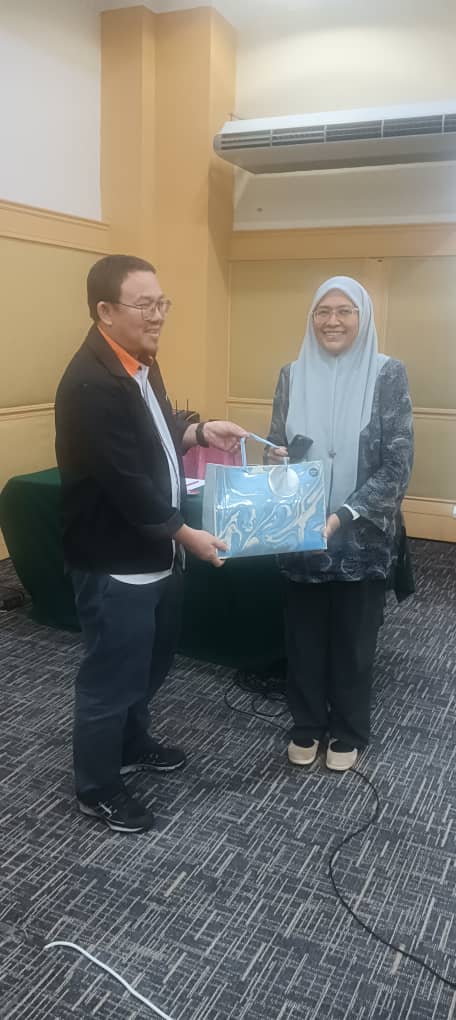
Today, I had the opportunity to serve as a judge for the National Rovation Innovation Competition 2026, evaluating entries under the Innovation Category in Vocational College Kulim, Kedah. The participants came from vocational colleges across Malaysia, bringing with them a diverse range of ideas, solutions, and perspectives.
I have always enjoyed being involved in innovation judging activities like this. In fact, I have been doing this since 2014, which means it has now been 12 years of observing how students conceptualise, build, and present their innovations. Beyond the competition itself, it offers a unique window into the evolving landscape of student innovation and technology adoption.
Over the years, I have noticed a clear shift in the nature of projects. In the earlier days, many innovations revolved around microcontroller-based automation, where students focused on controlling devices and automating processes. As connectivity became more accessible, projects evolved towards Internet of Things (IoT) solutions, incorporating remote monitoring, notifications, and internet-enabled control. More recently, especially over the past one to two years, a growing number of projects have started incorporating elements of Edge AI, reflecting the increasing accessibility of artificial intelligence tools and technologies.
Of course, the overall maturity of many projects is still a long way from industrial deployment. However, that should not overshadow the value of competitions such as this. The competition serves as an important platform for students to transform ideas into tangible solutions, communicate their thinking, and defend their approaches before a panel of judges.
What I find particularly valuable is not necessarily the final prototype, but the opportunity for students to develop the confidence to present and discuss their work. The depth of knowledge naturally varies depending on the students’ academic background, exposure, and experience. Yet, one skill consistently stands out: the ability to remain composed when faced with difficult questions, and to respond, clarify, or sometimes tactfully redirect the discussion. These are skills that are difficult to teach in a classroom but are often developed through competitions and real-world engagement.
Sometimes I find myself wondering whether participating as a judge is worth the sacrifice of being away from formal teaching commitments. My answer is neither a simple yes nor no. Rather, it is about making full use of the time and space given. Every judging session provides an opportunity to understand emerging trends, appreciate the creativity of young minds, and reflect on how education and technology continue to evolve.
Once again, congratulations to all participants. Every project represents effort, courage, and a willingness to share an idea with others. Continue refining your work, asking questions, and exploring new possibilities.
With the accessibility of AI today, there has never been a better time to learn deeply and push ideas further. Use these tools wisely, not merely to generate answers, but to challenge assumptions, explore alternatives, and develop a stronger understanding of the problems you seek to solve.
As we often say at UMPSA STEM Lab 🙂
See. Think. Explore. Marvel.
Keep exploring. The best innovations often begin with curiosity.
Nurul – July 22nd, 2026