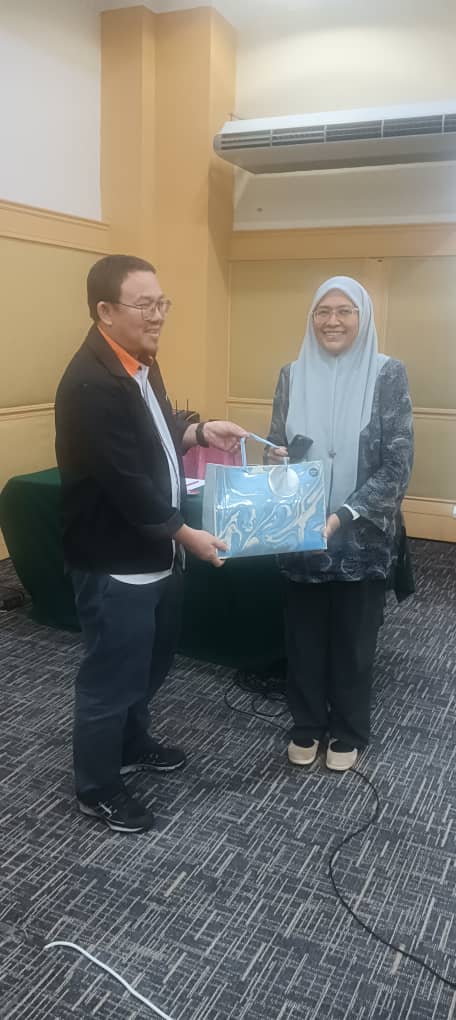
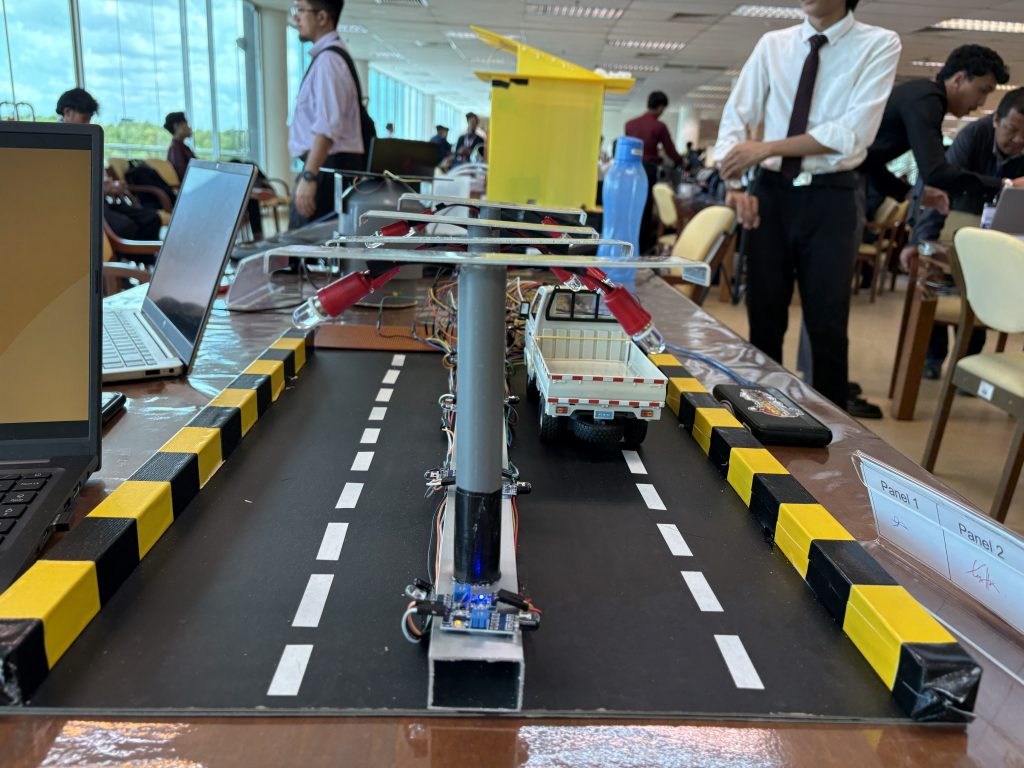
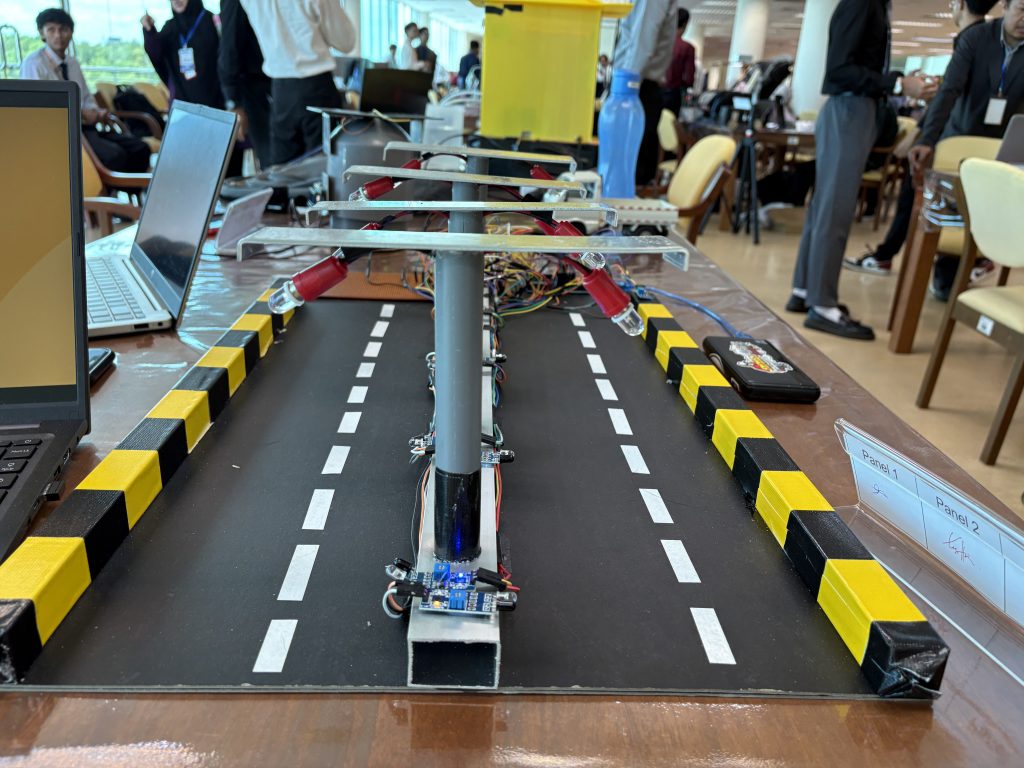
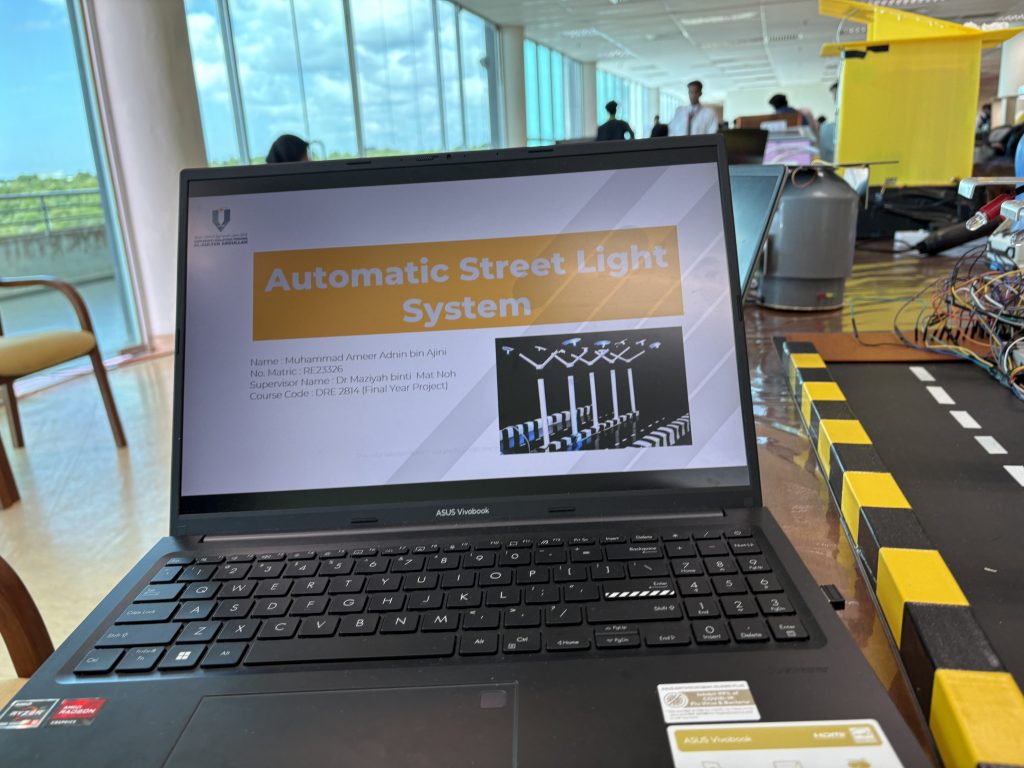
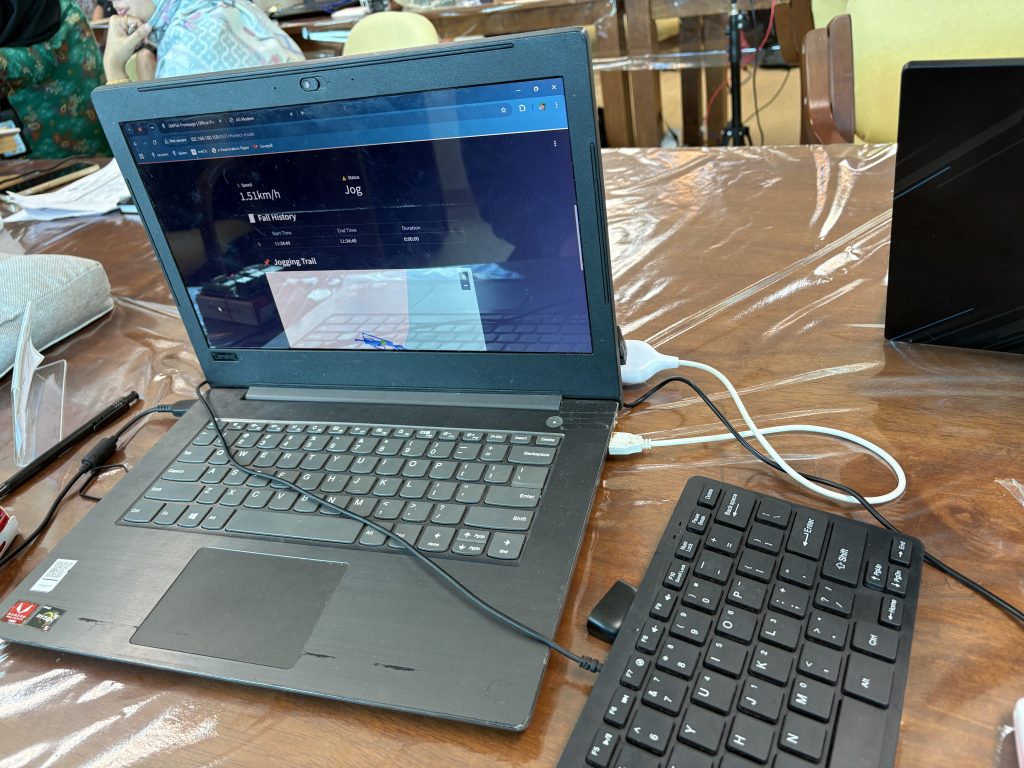
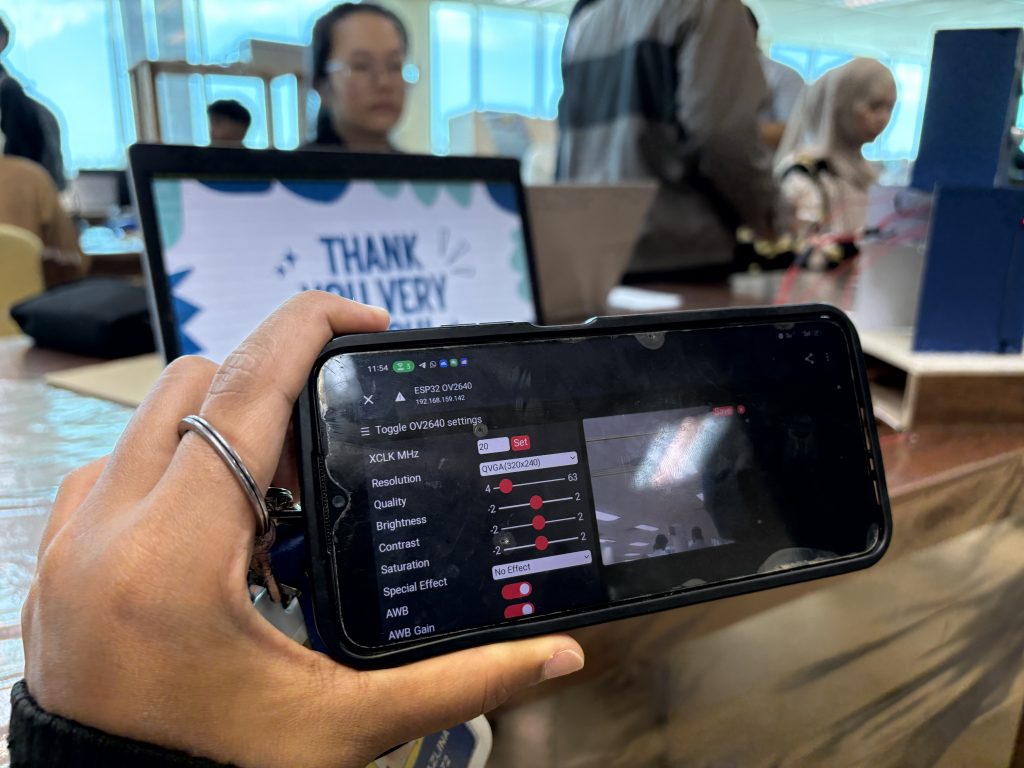
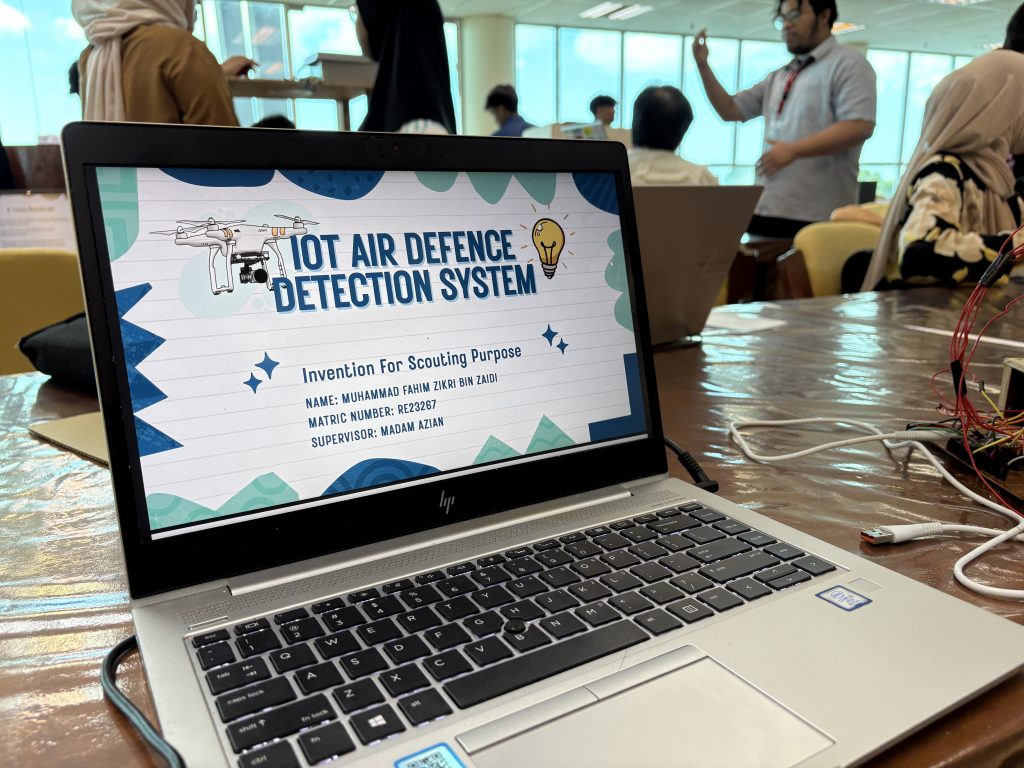
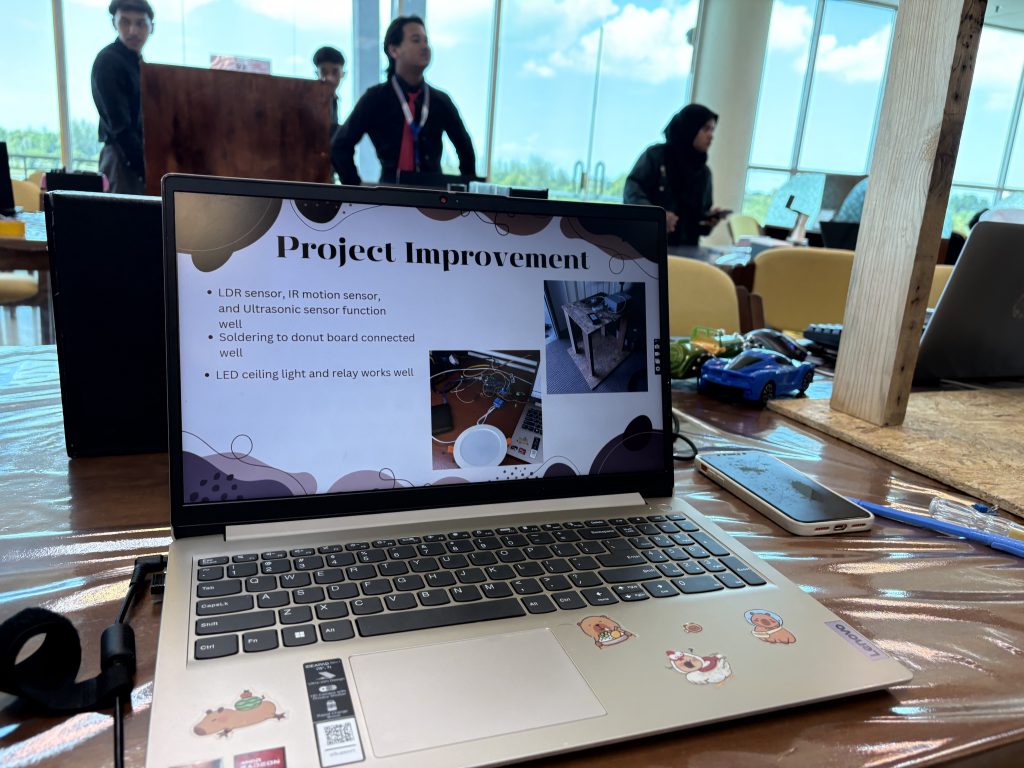
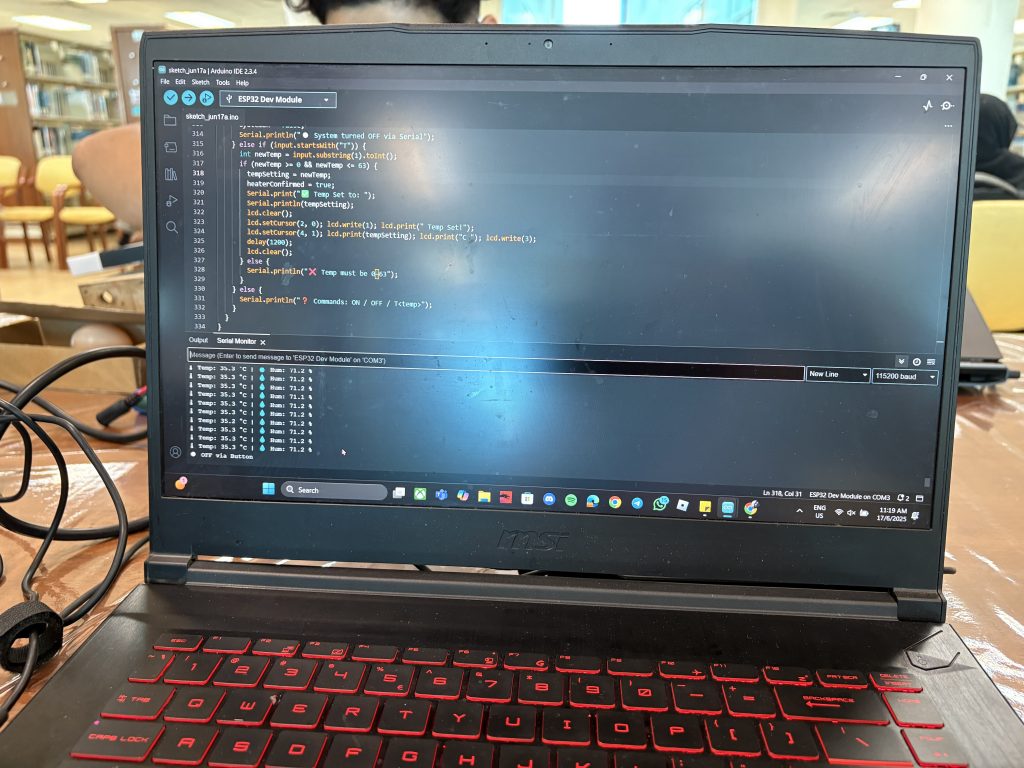
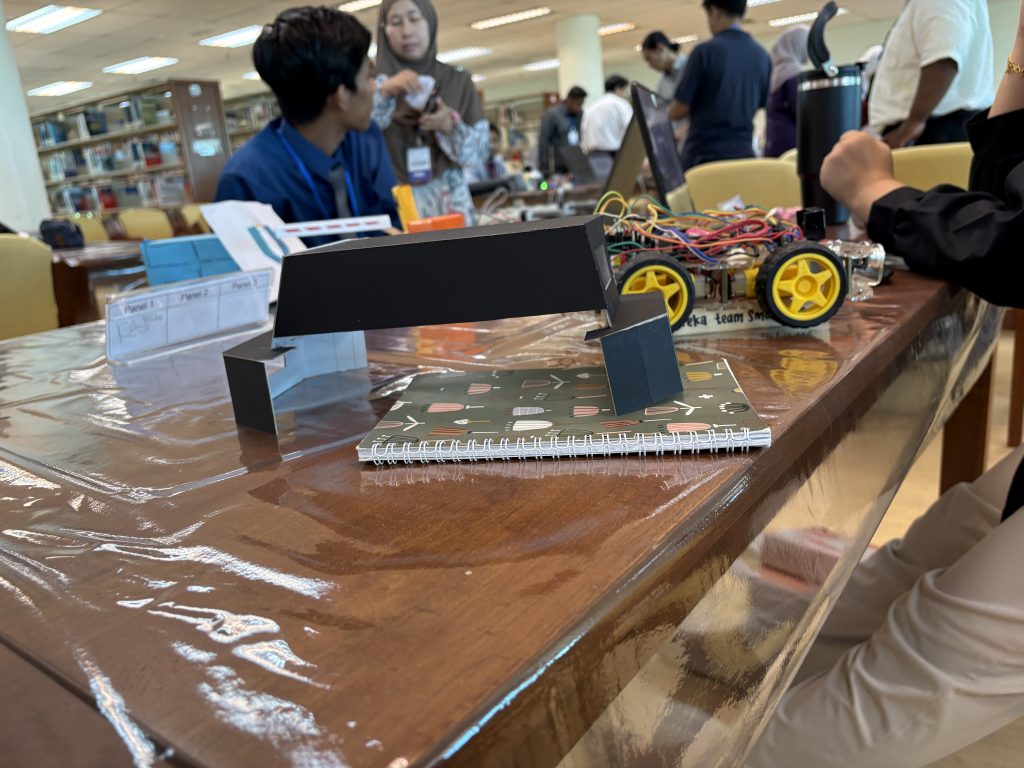
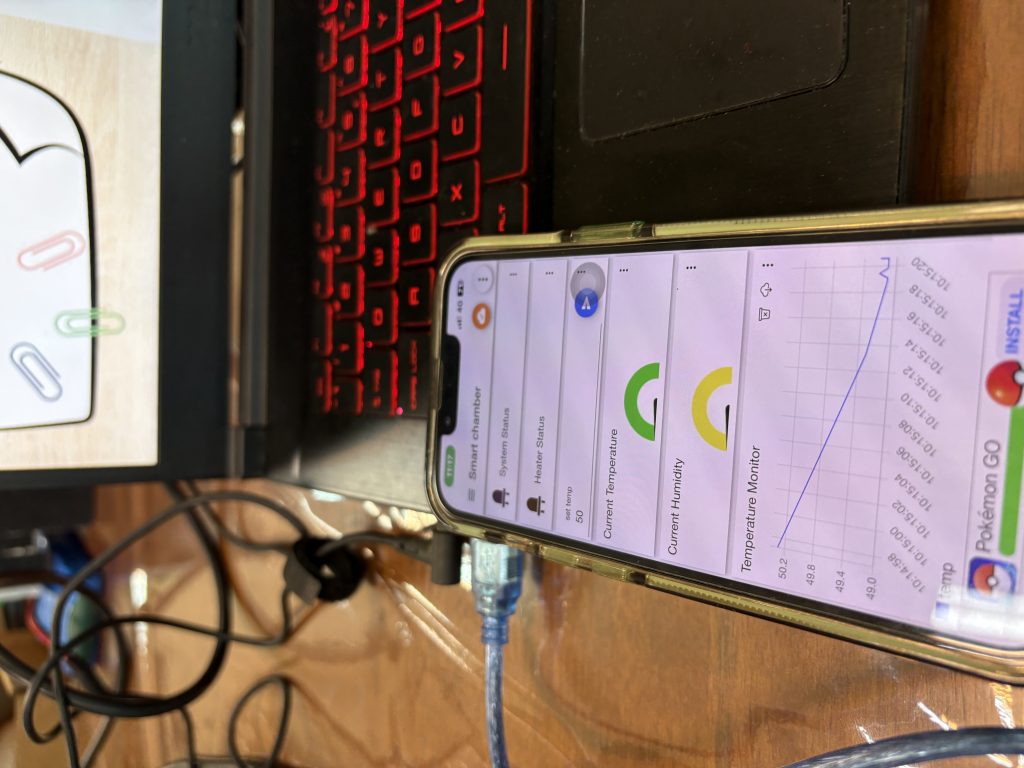
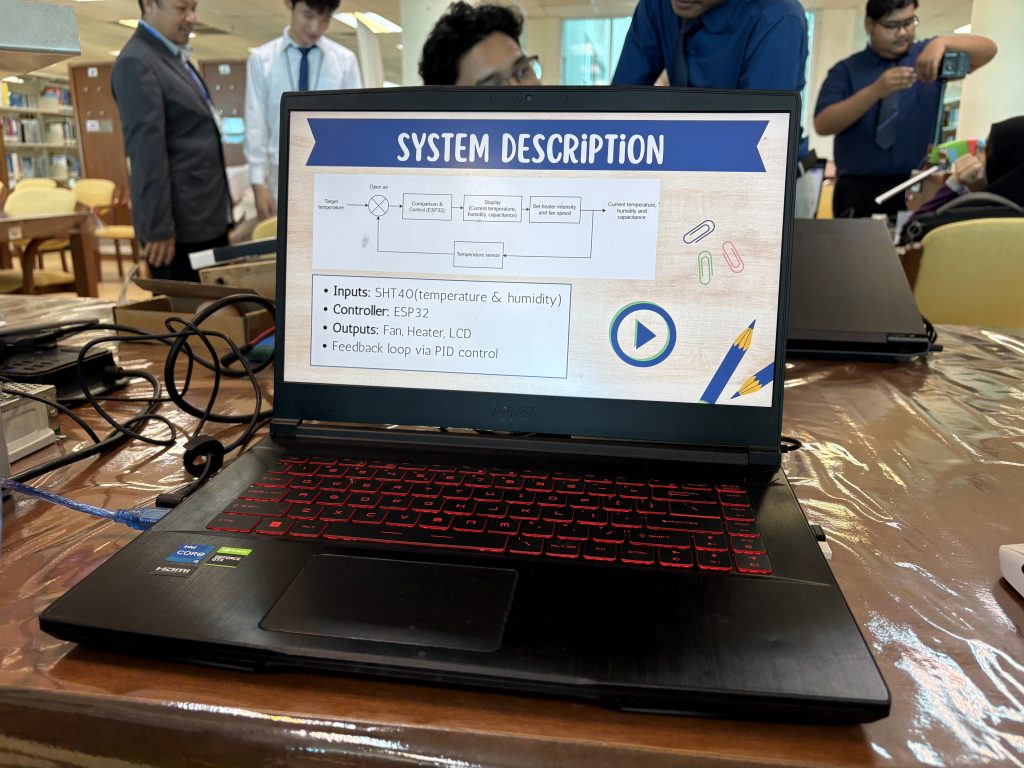
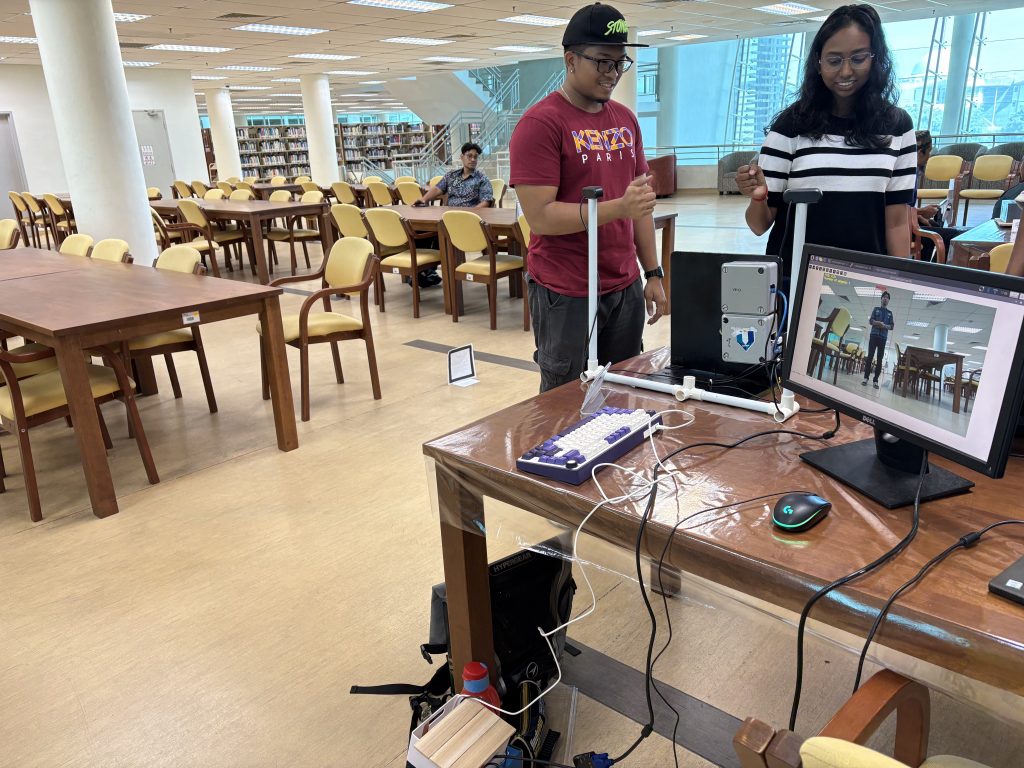
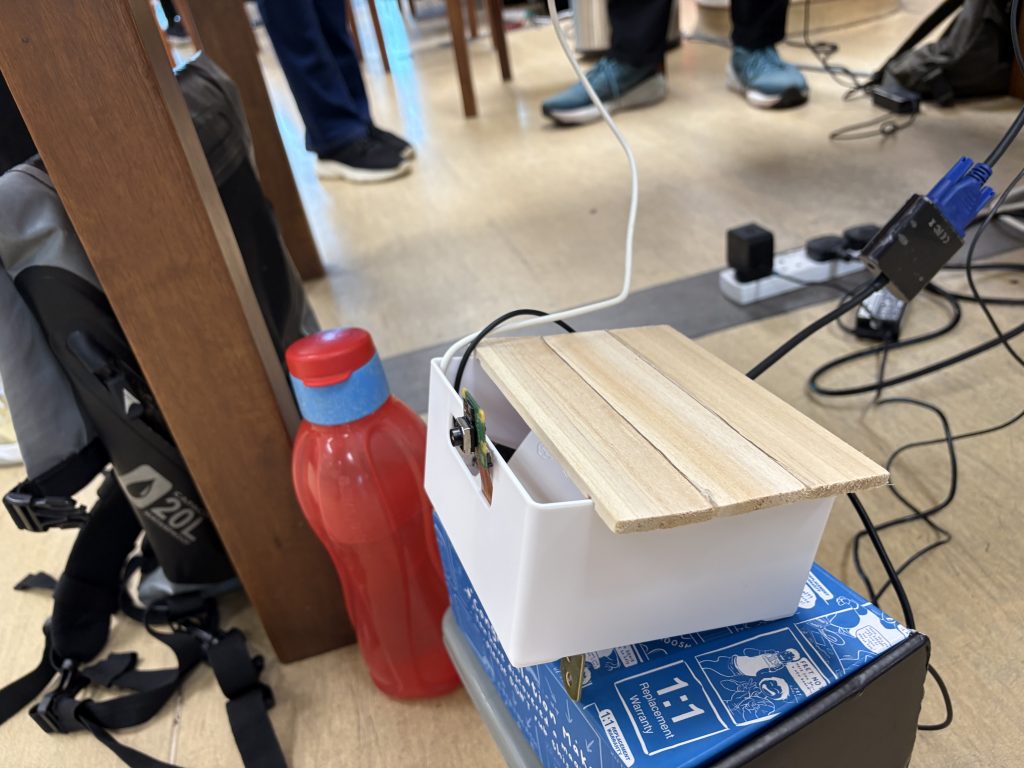
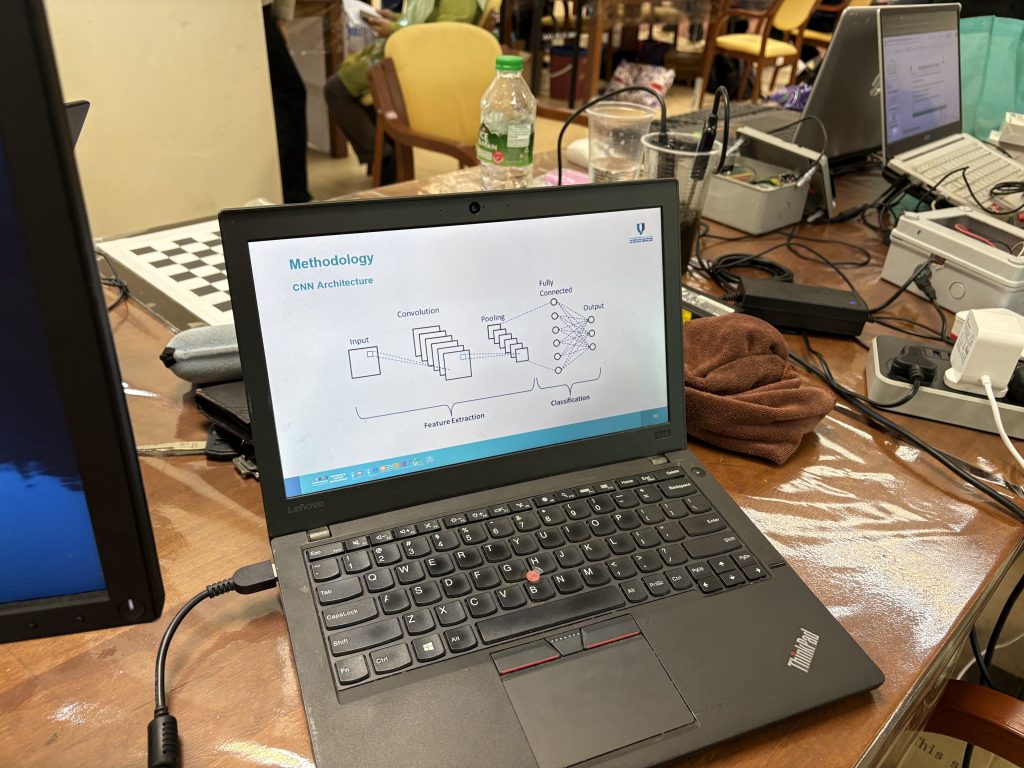
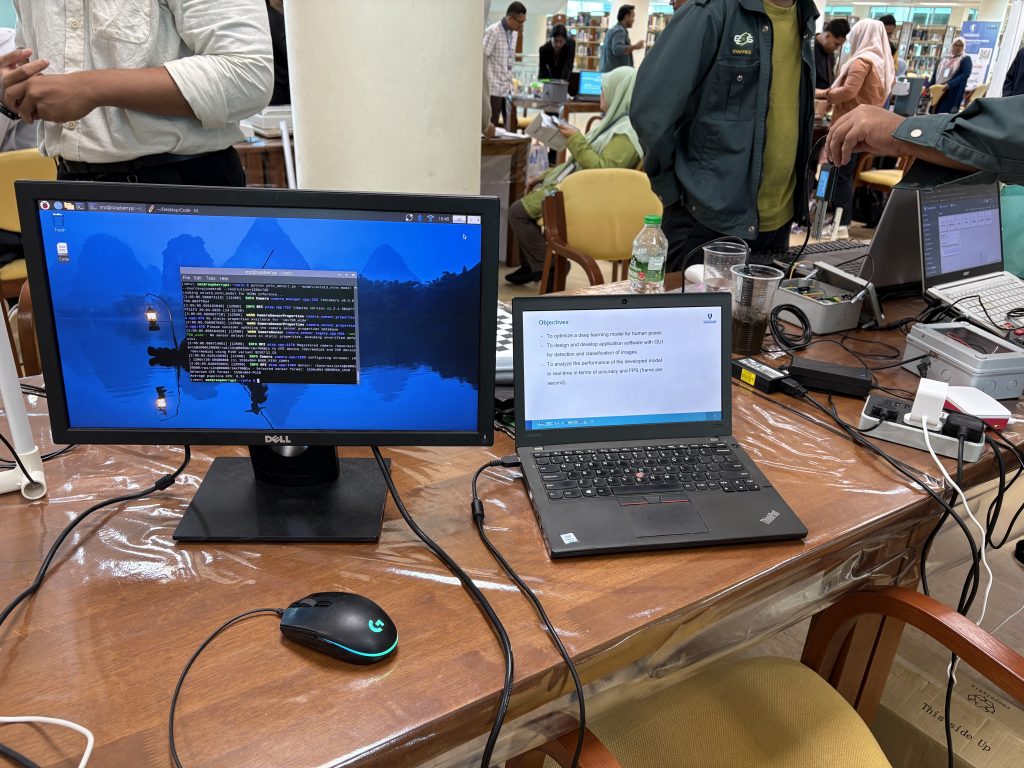
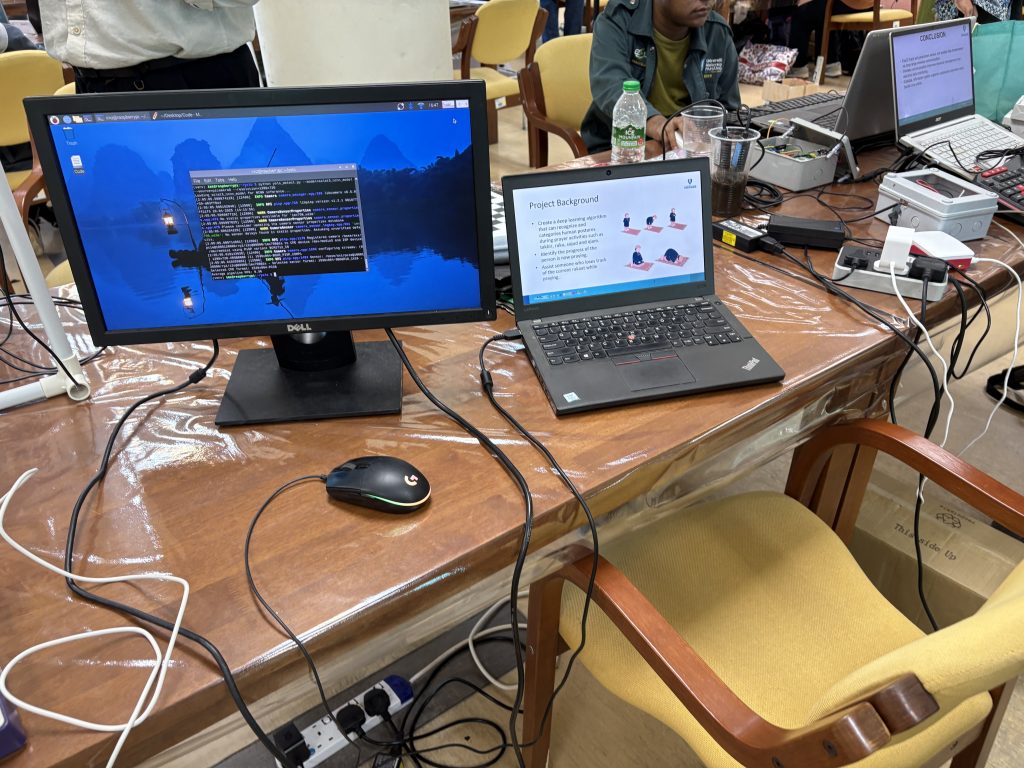
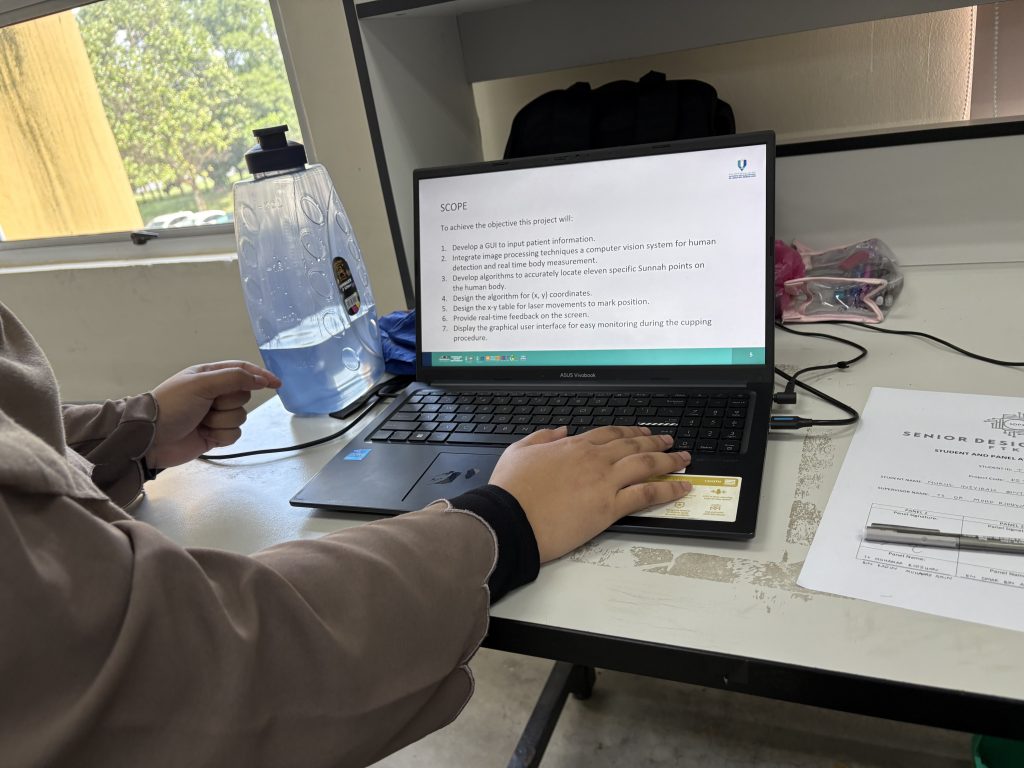
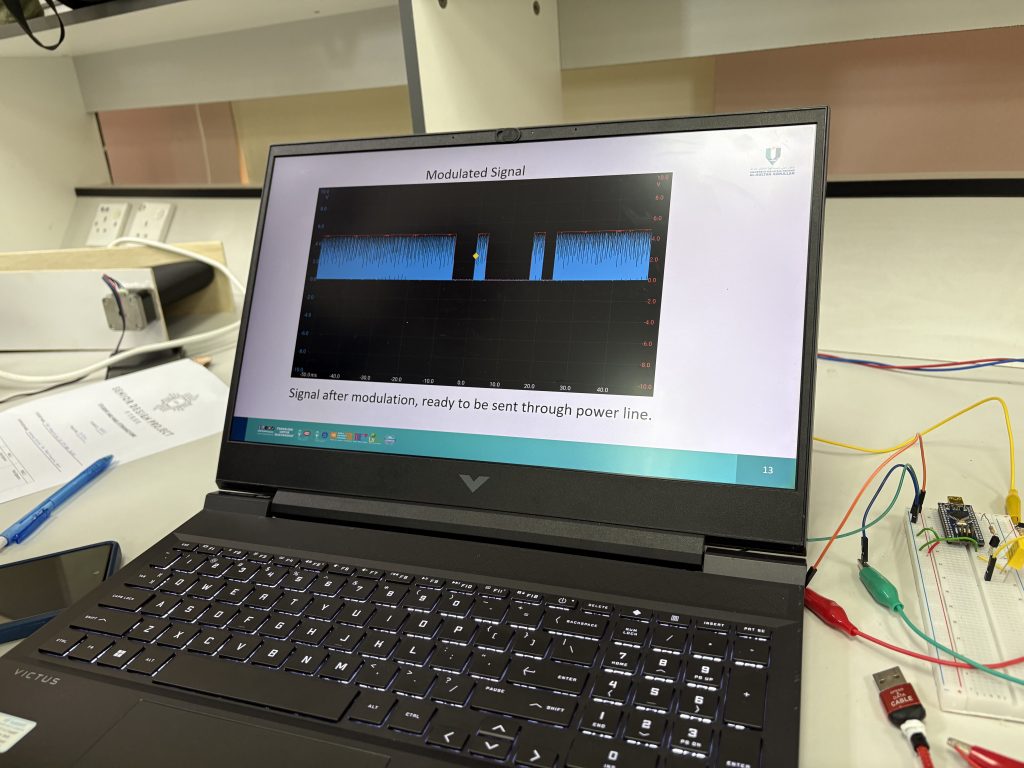
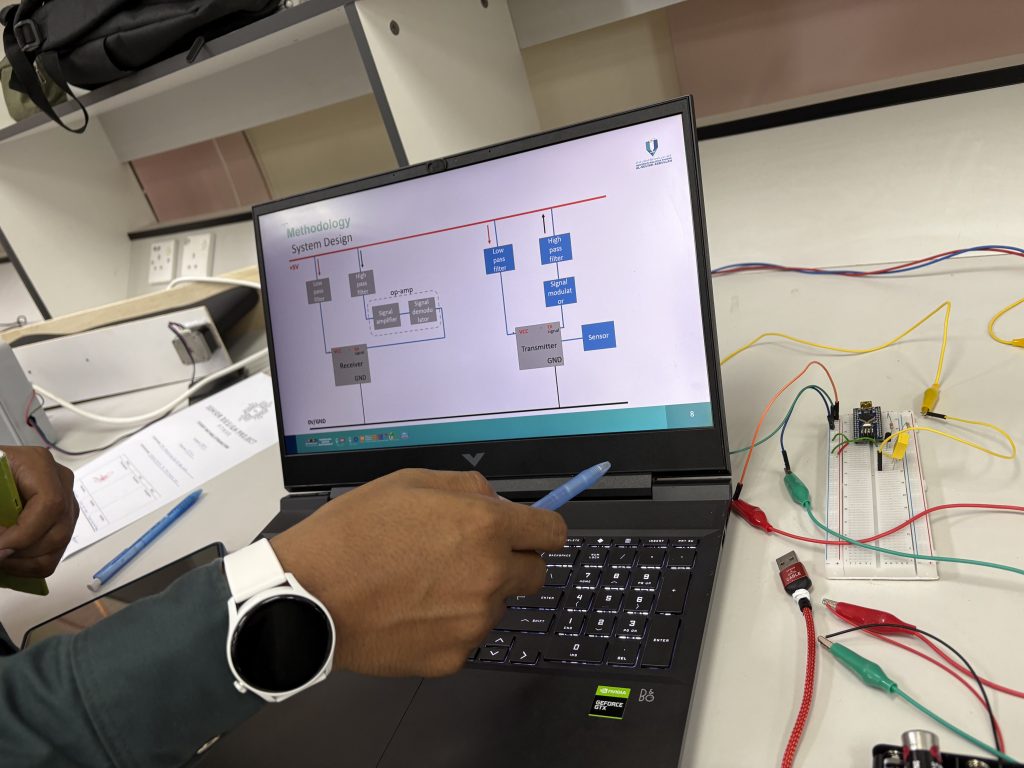
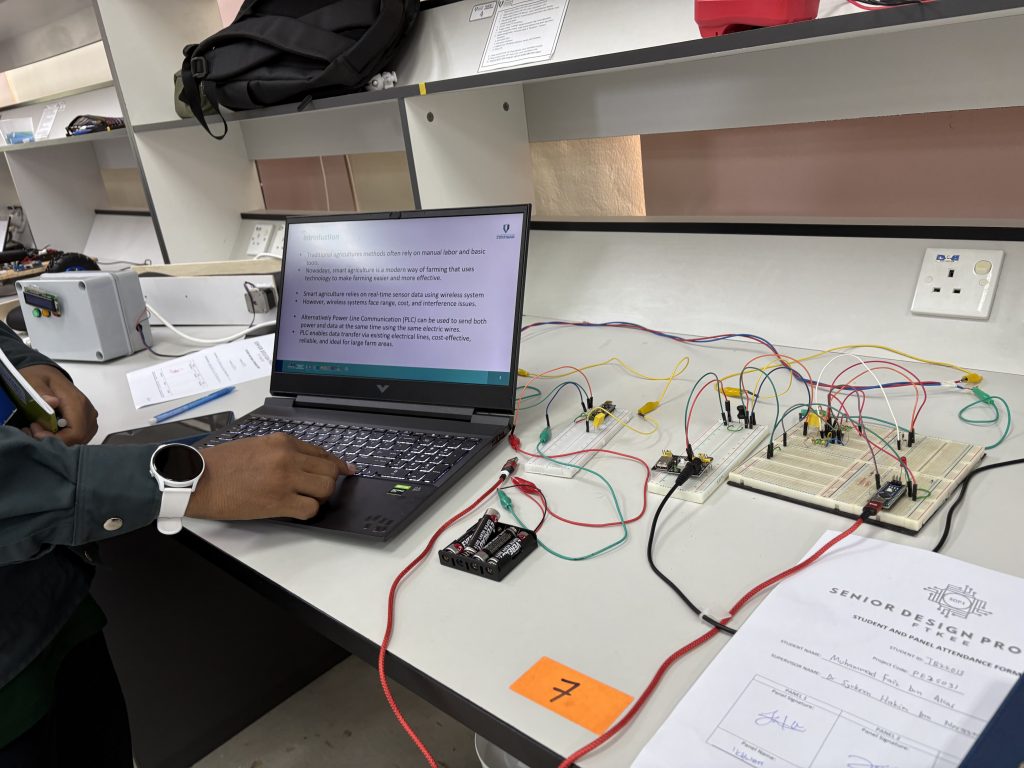
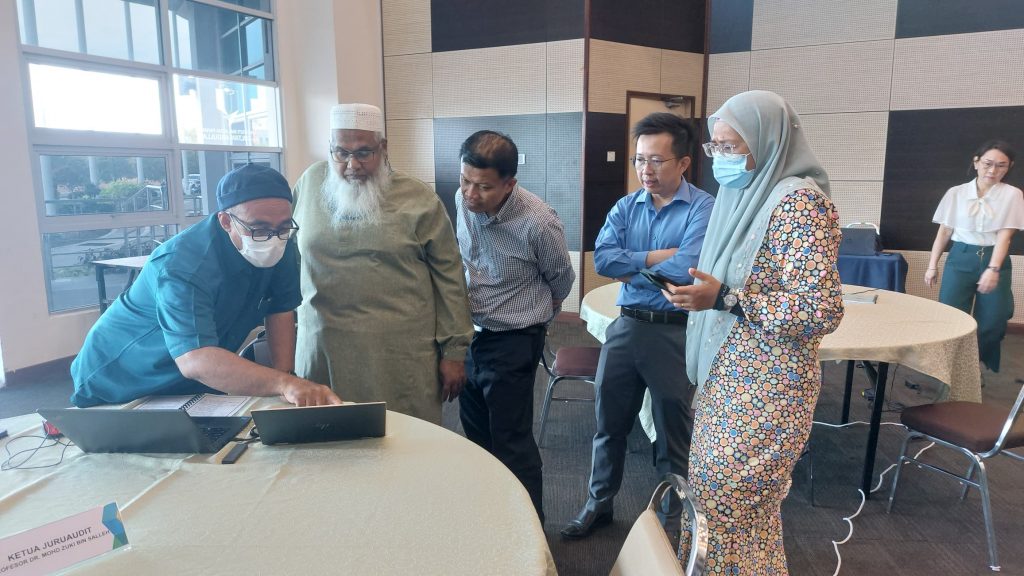
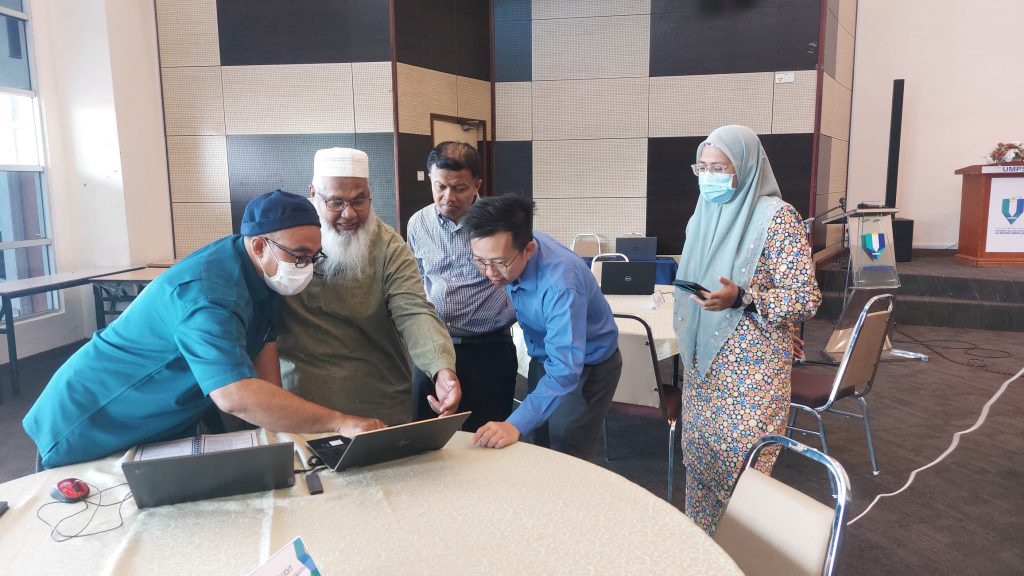
Today, I had the privilege of serving as an evaluator for a program organised by Persatuan Guru Besar Malaysia, Cawangan Pekan, focusing on Best Digital Practices in School. A total of 12 dedicated presenters showcased their digital initiatives, demonstrating how technology is being meaningfully integrated into PdP as well as school management and operations.
The evaluation covered several components, including:
-
-
-
Quality of presentation
-
Effectiveness of the digital intervention
-
Creativity and innovation
-
Improvement and impact
-
Expansion potential and sustainability
-
Way forward and future plans
-
-
The teachers truly impressed me with their creativity, passion, and commitment to enhancing their digital practices. Their work reflects not only technical skill, but also a deep desire to improve students’ learning experiences and strengthen school governance through technology.
Thank you GB Tuan Mohd Zaki, Pekan District Education Office and Persatuan GB Pekan for this initiative. I am honored to have been part of this meaningful programme. It provided a valuable platform to learn, share, inspire, and be inspired by the incredible work happening in our schools.
Looking forward to collaborating in more initiatives like this and continuing to support our educators as they lead the way in digital transformation.