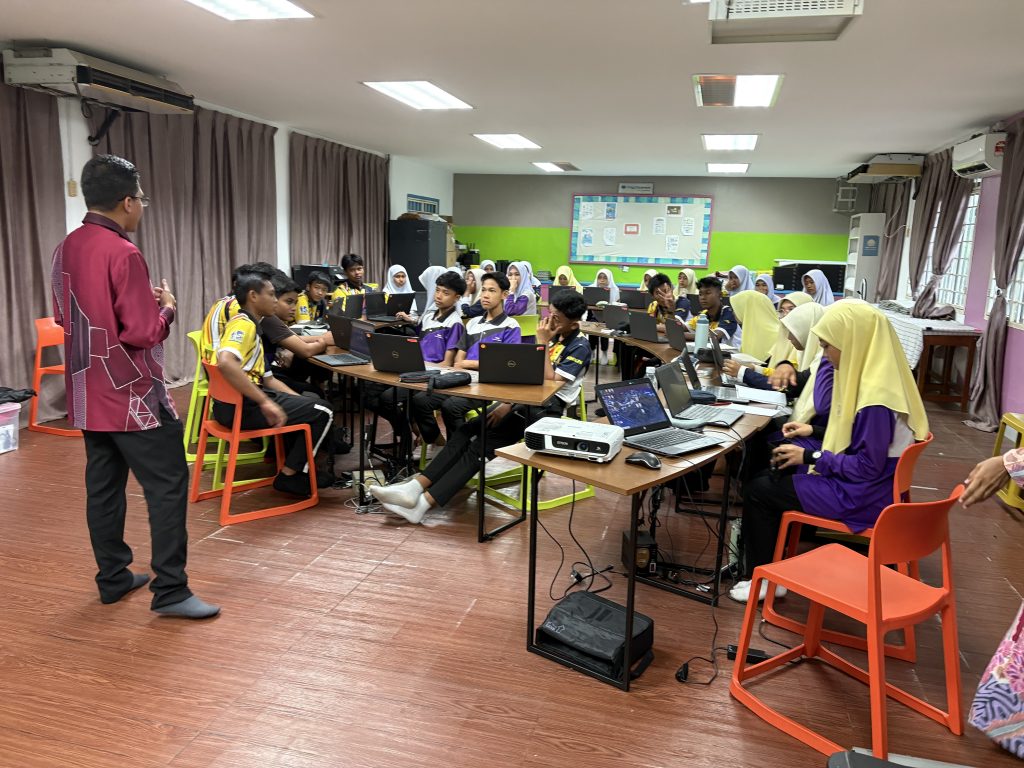
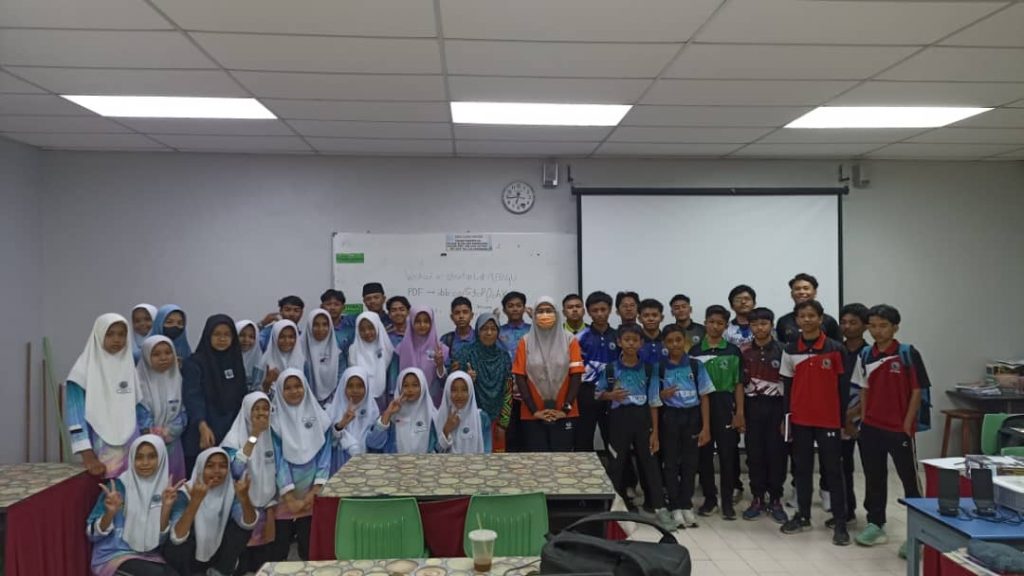
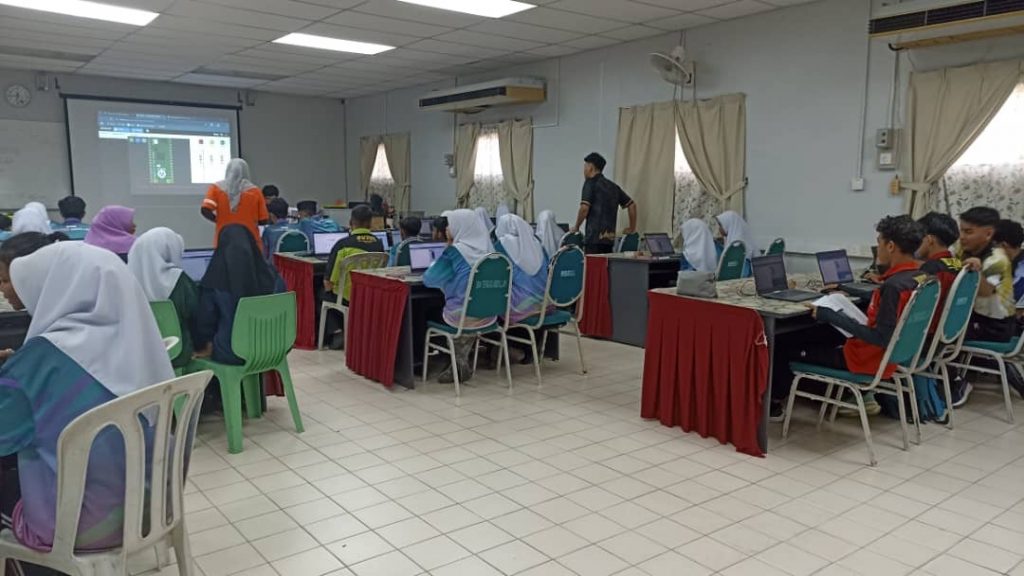
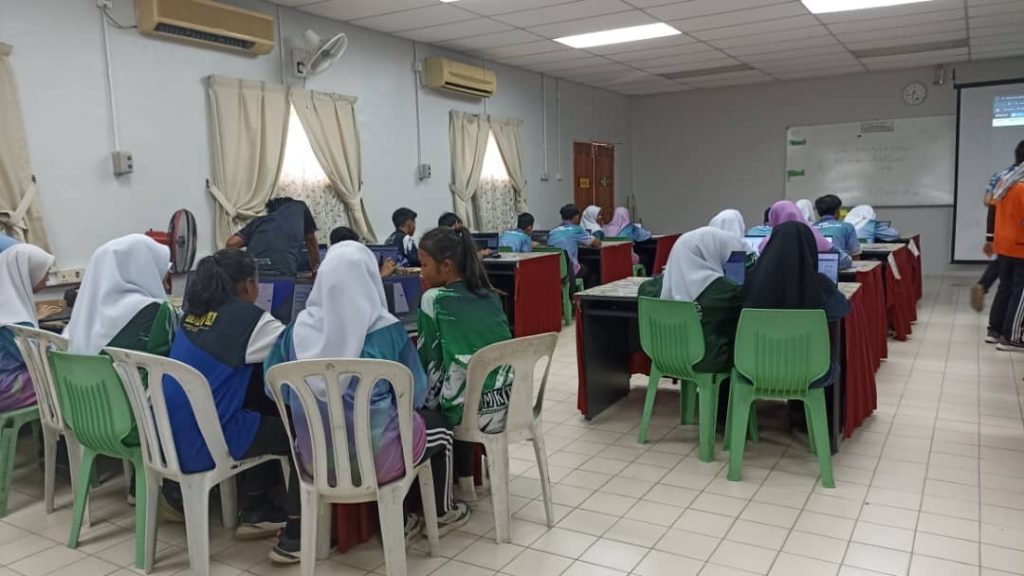
Raspberry Pi Programming 2025/5 – MRSM TAR Pekan

*UMPSA STEM Lab Raspberry Pi Programming Synopsis can be found here.

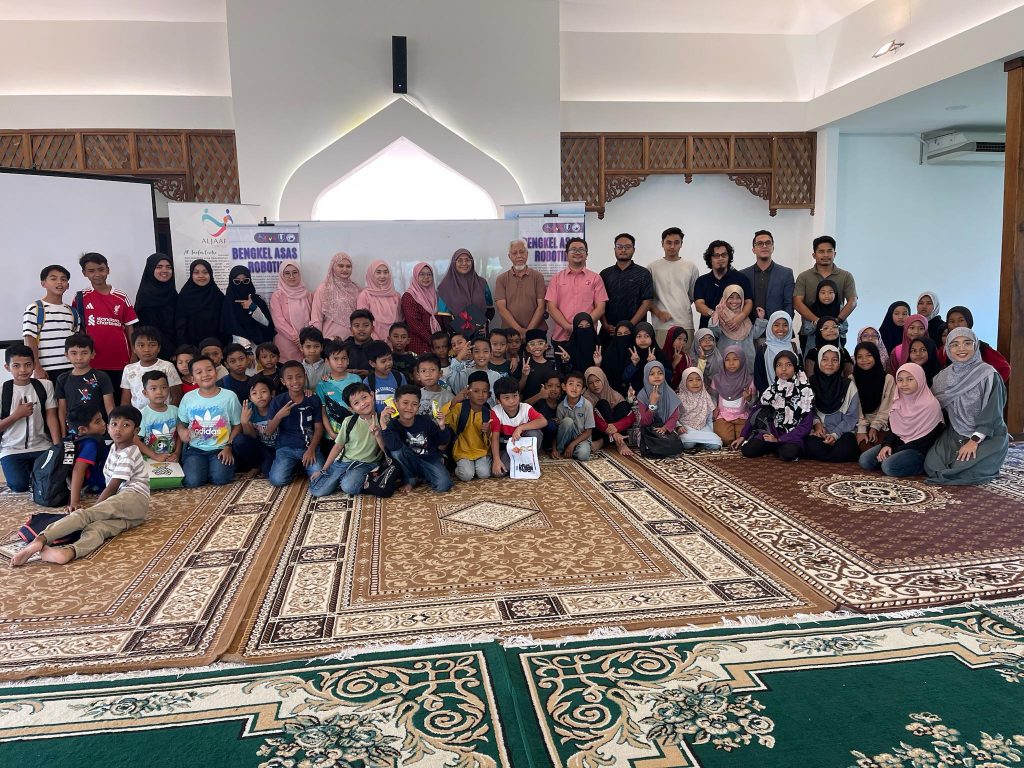
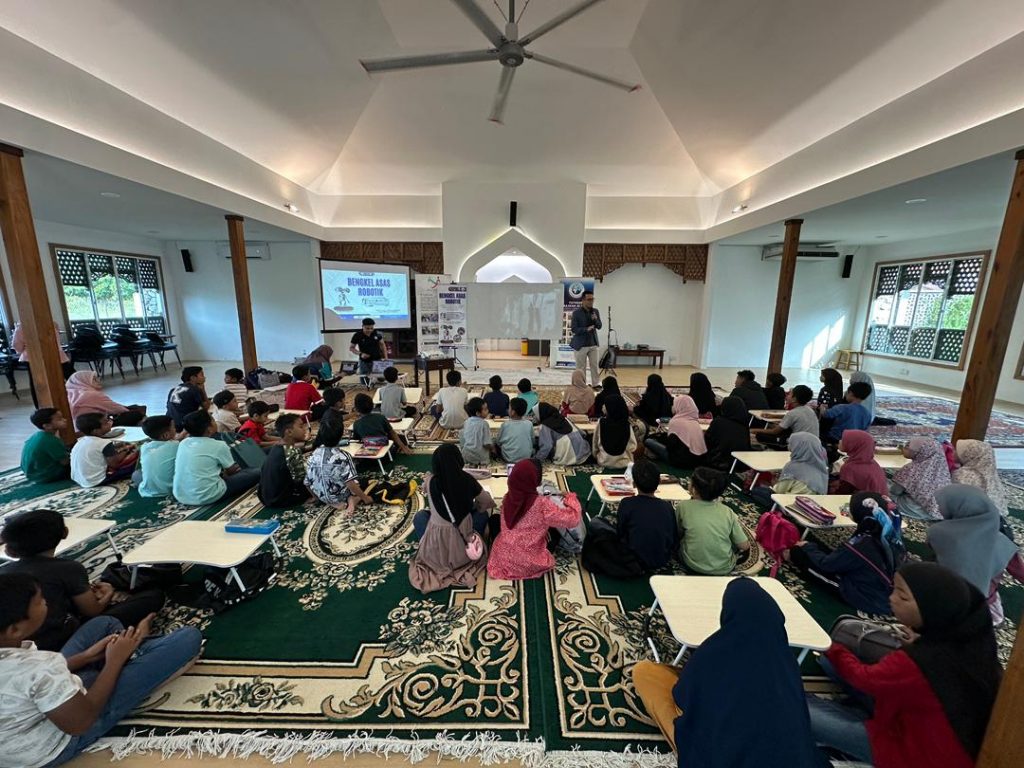
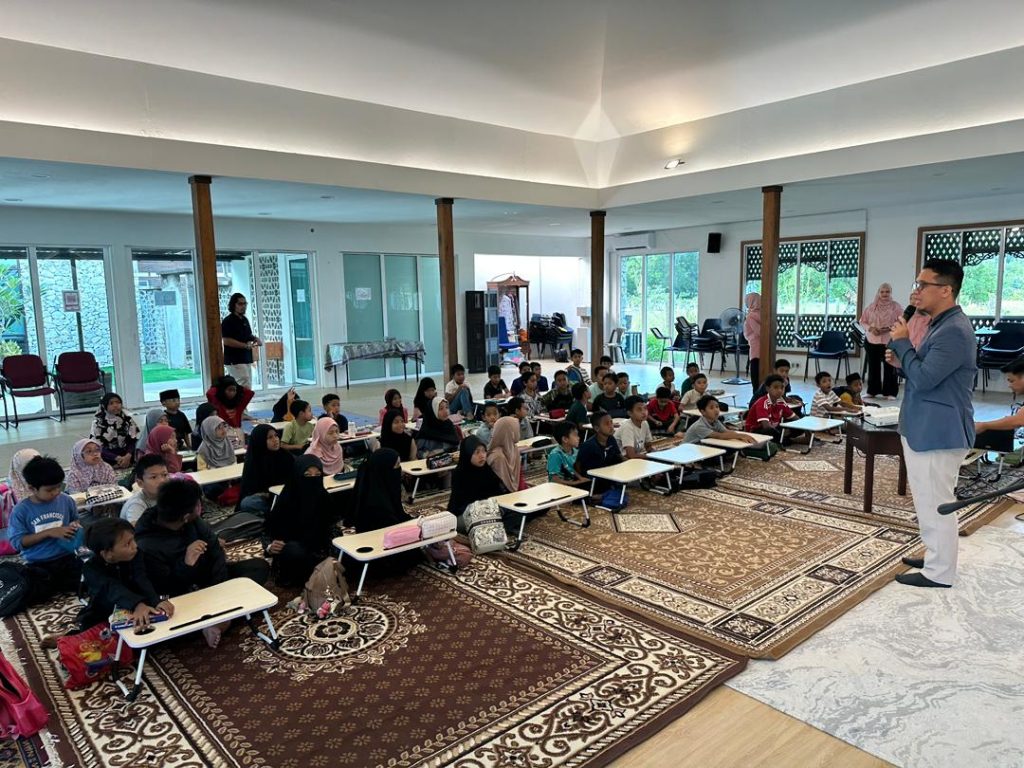
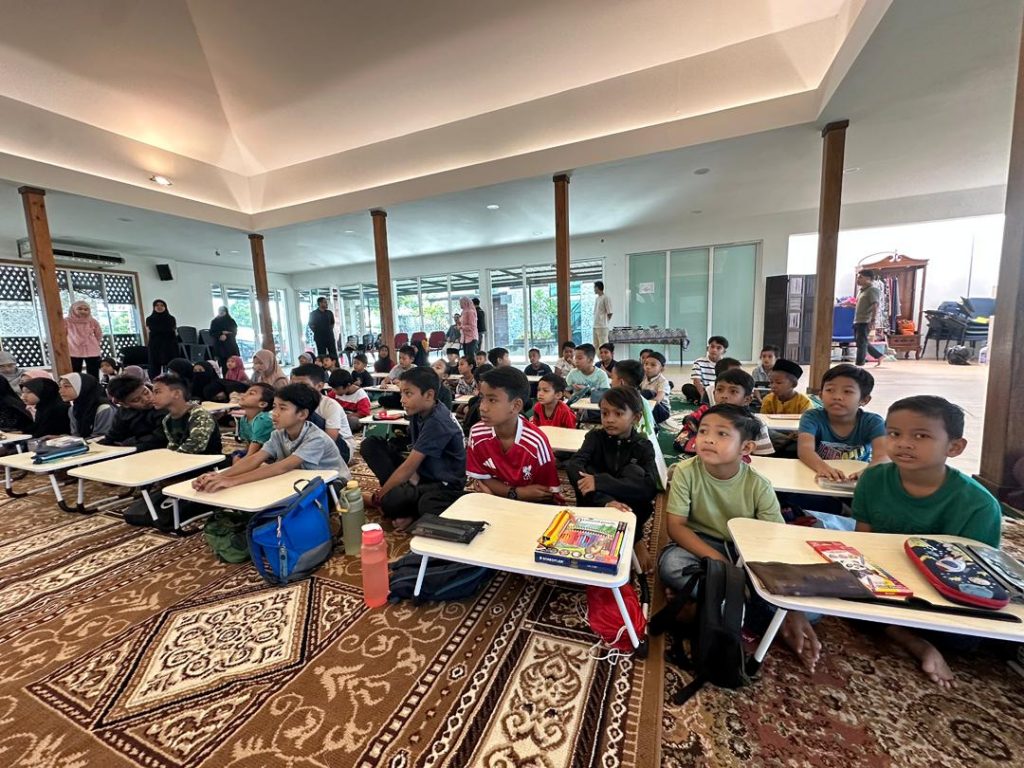
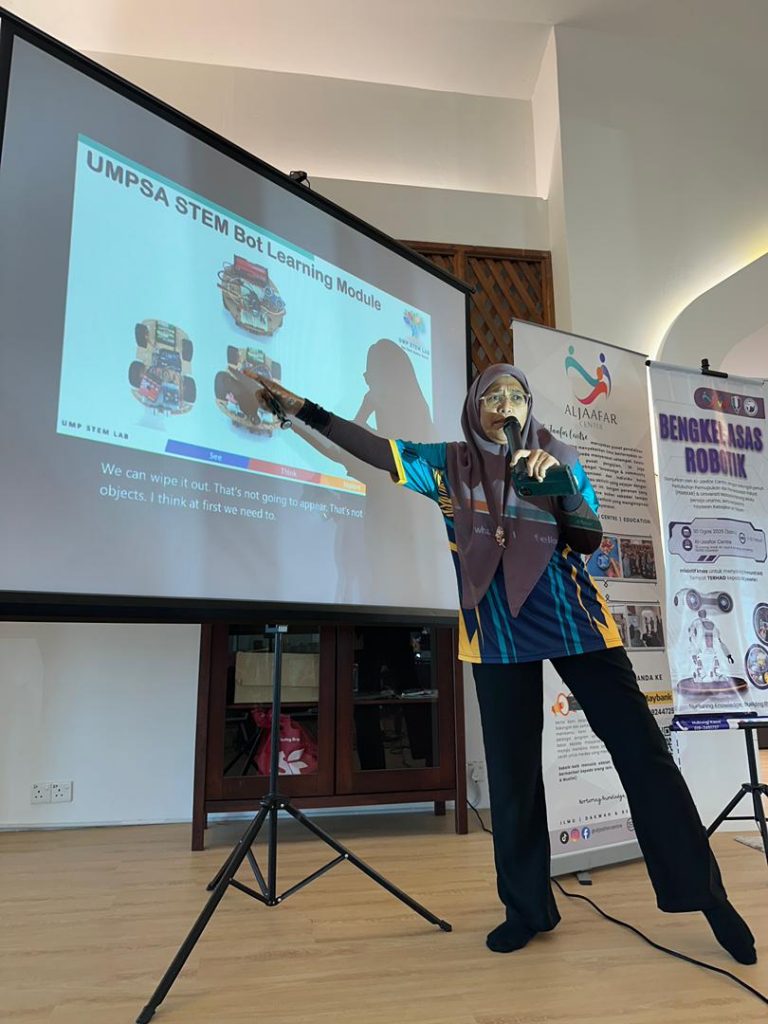
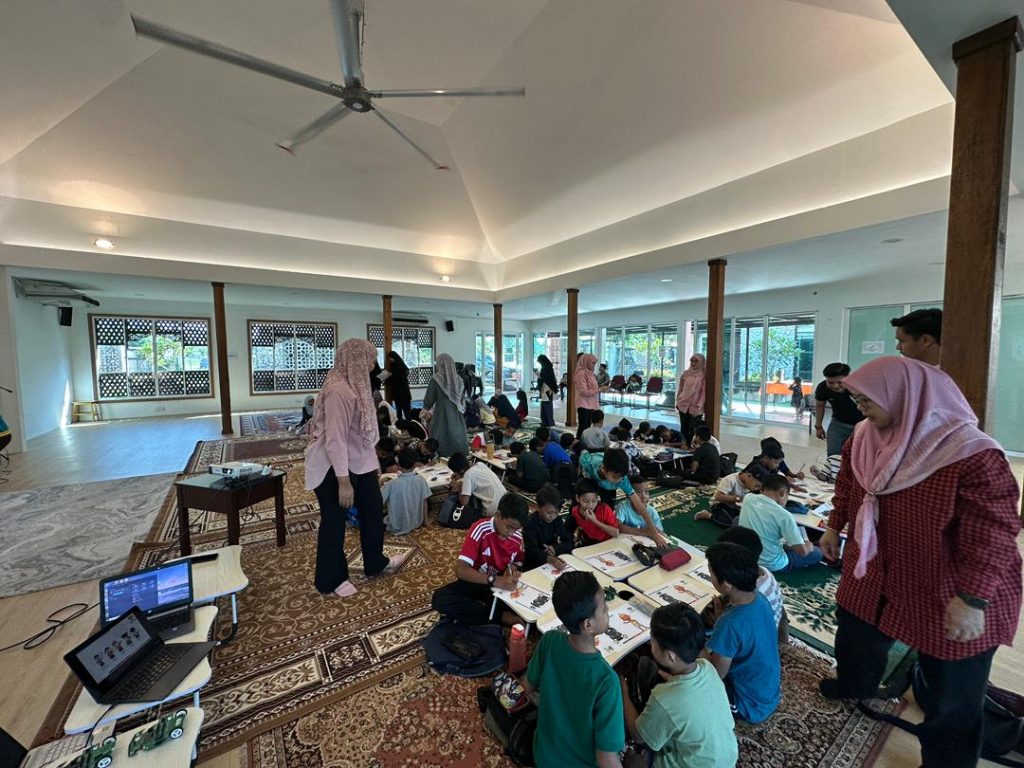
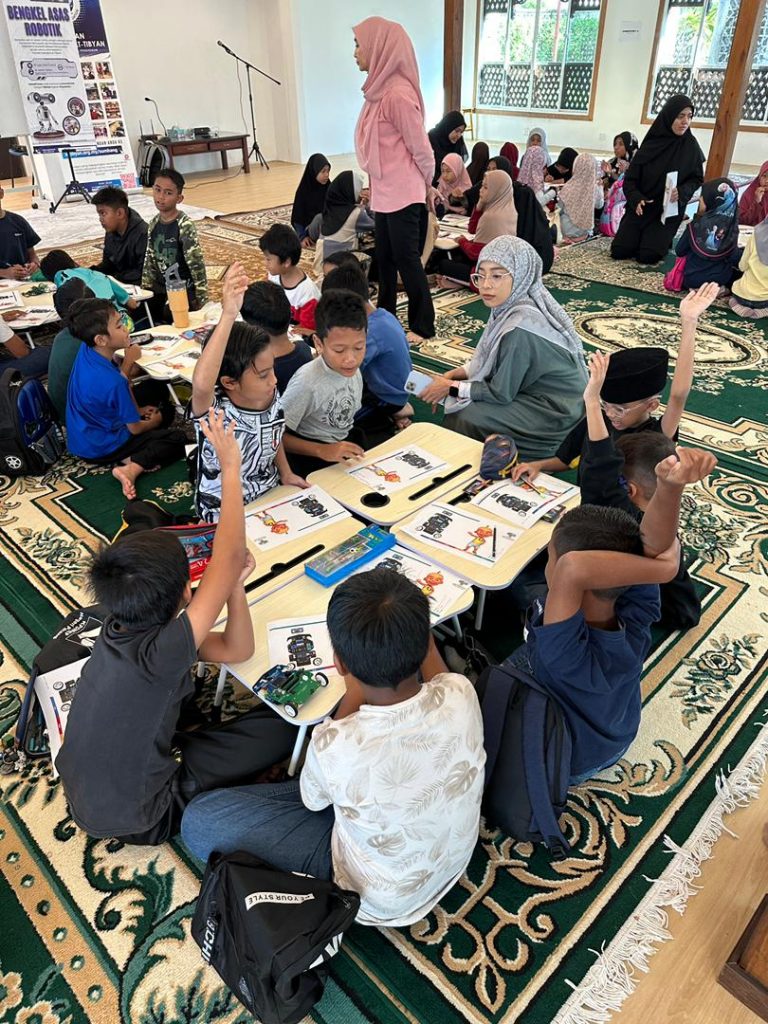
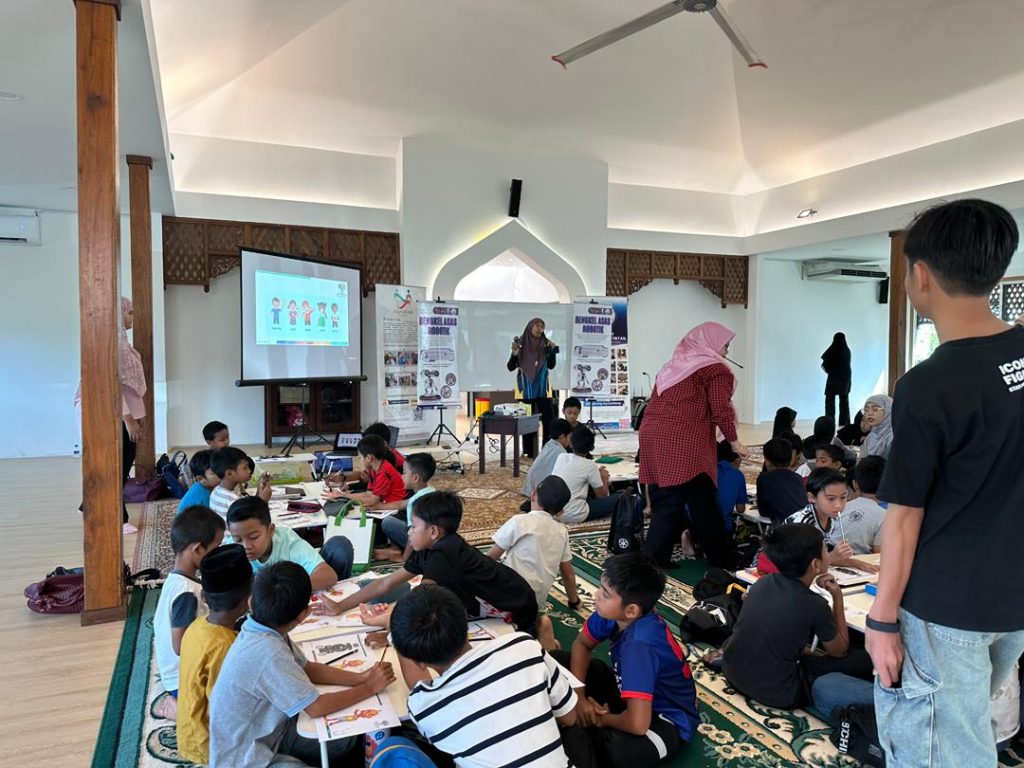
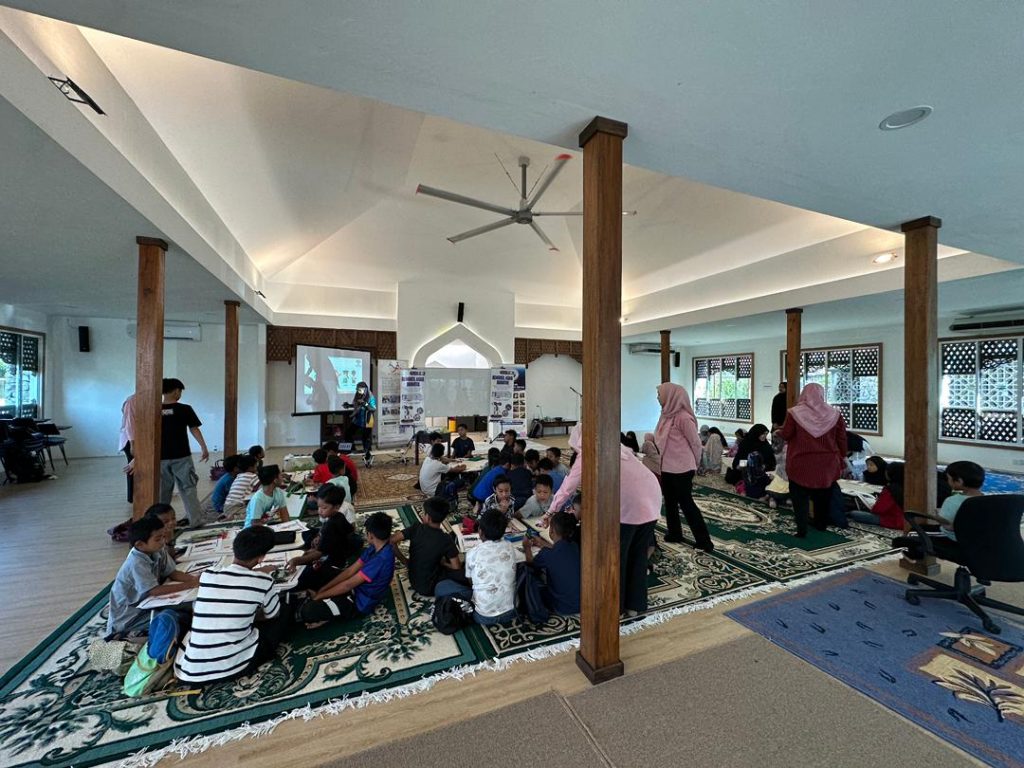
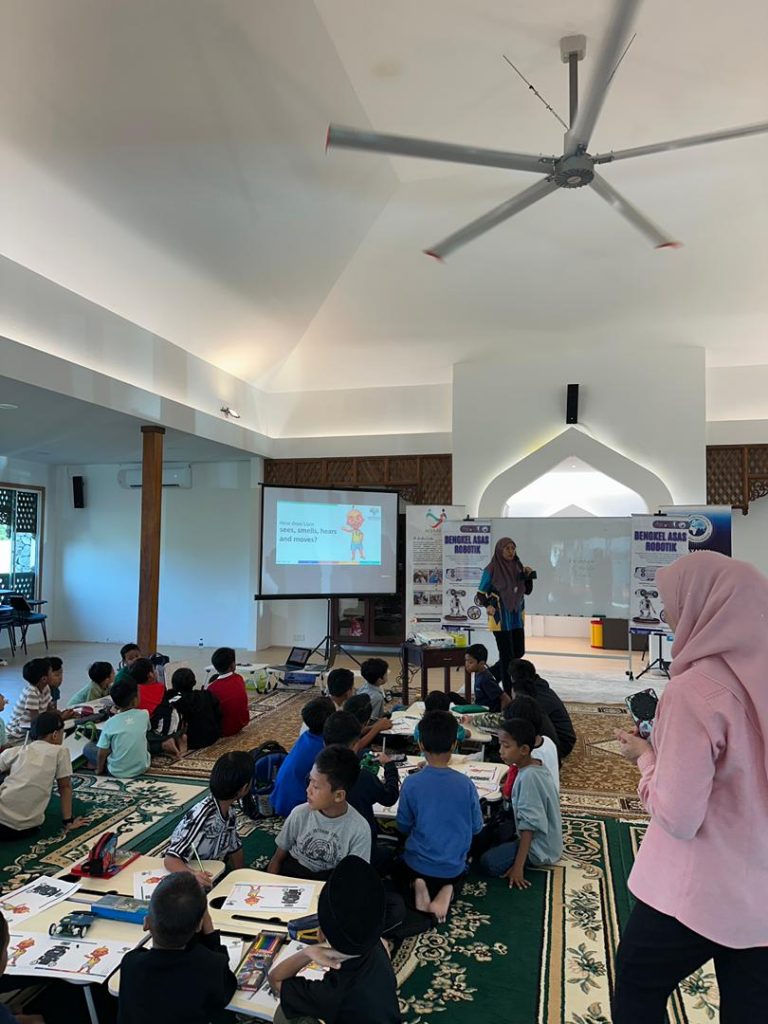
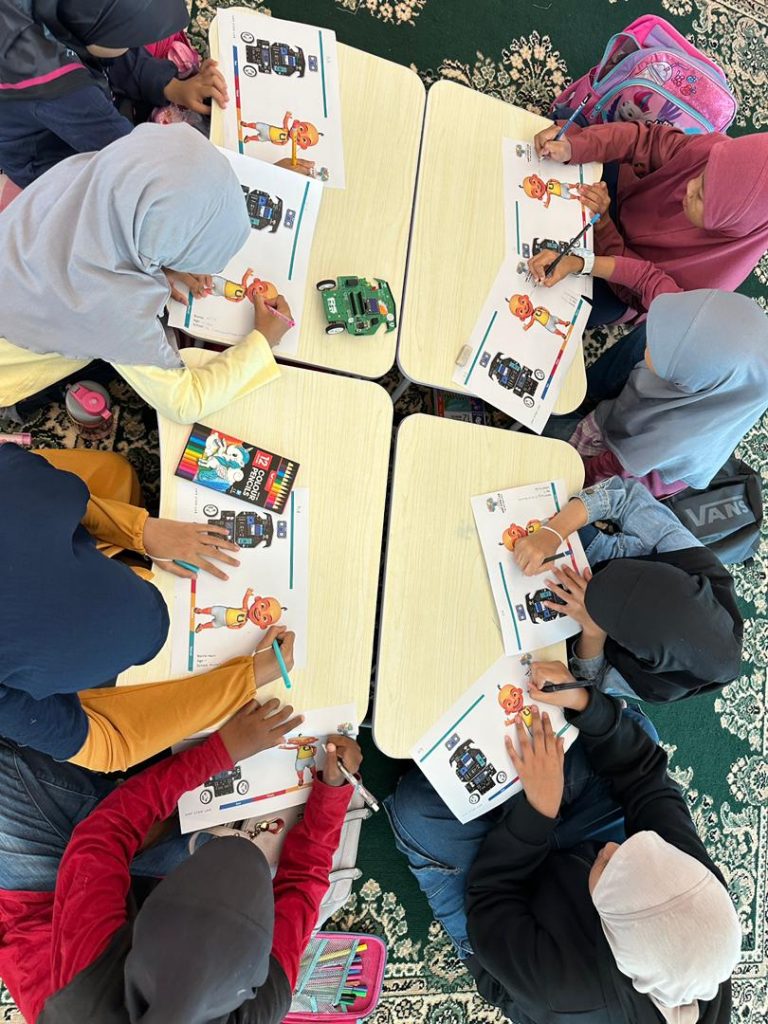
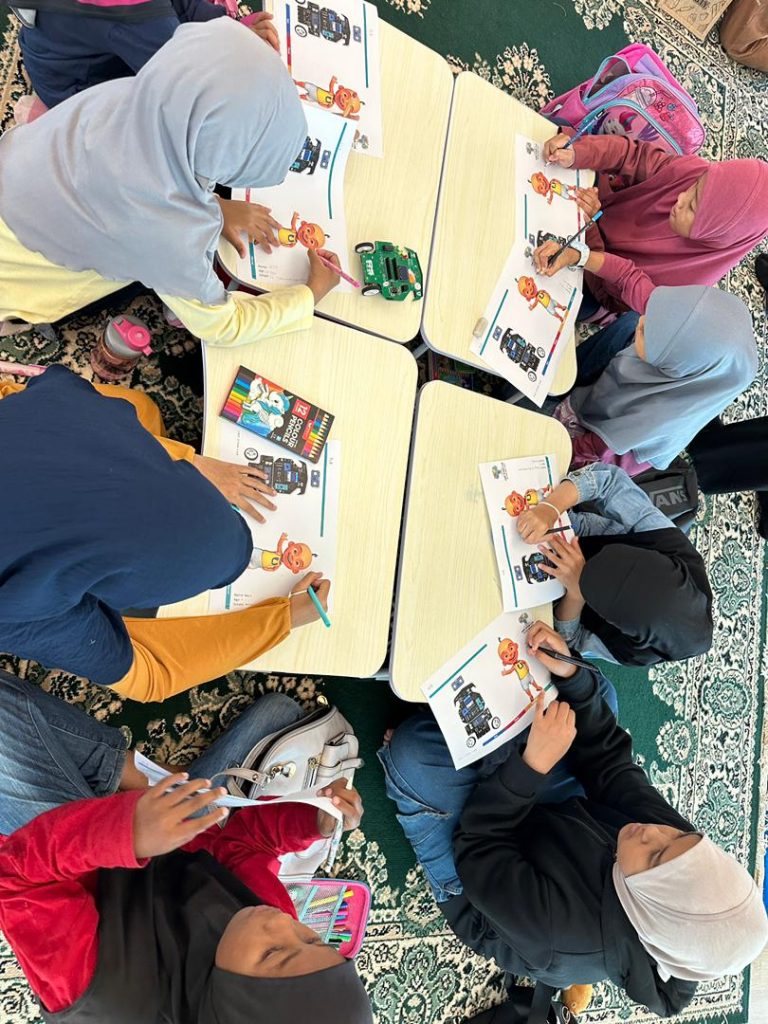
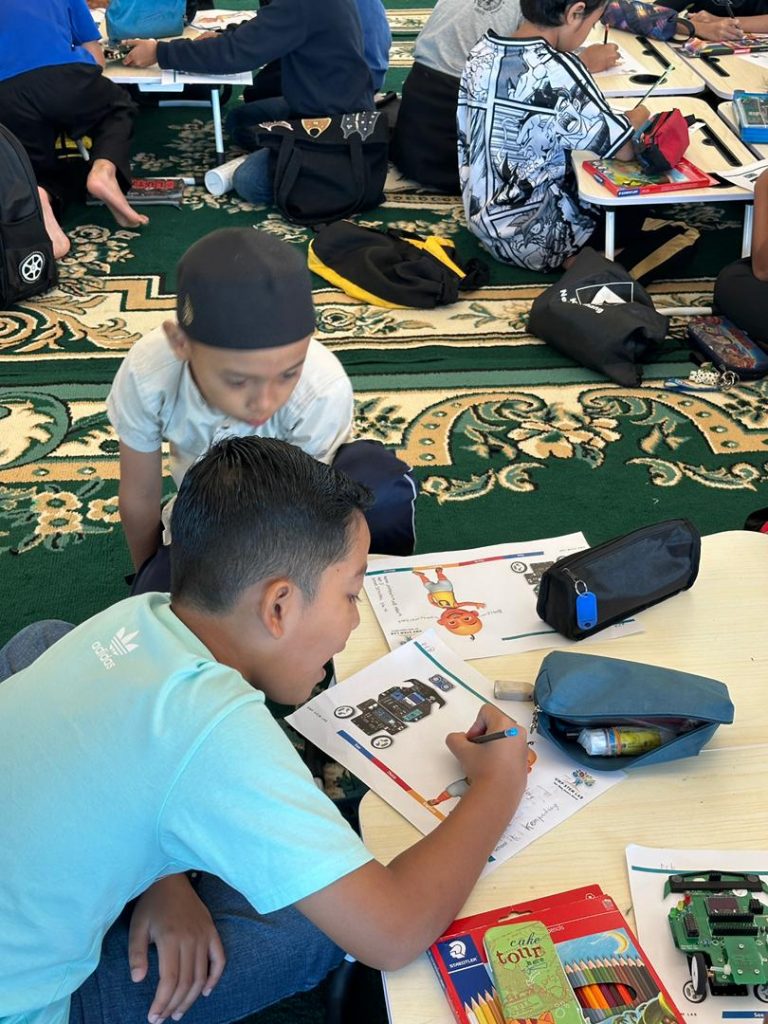
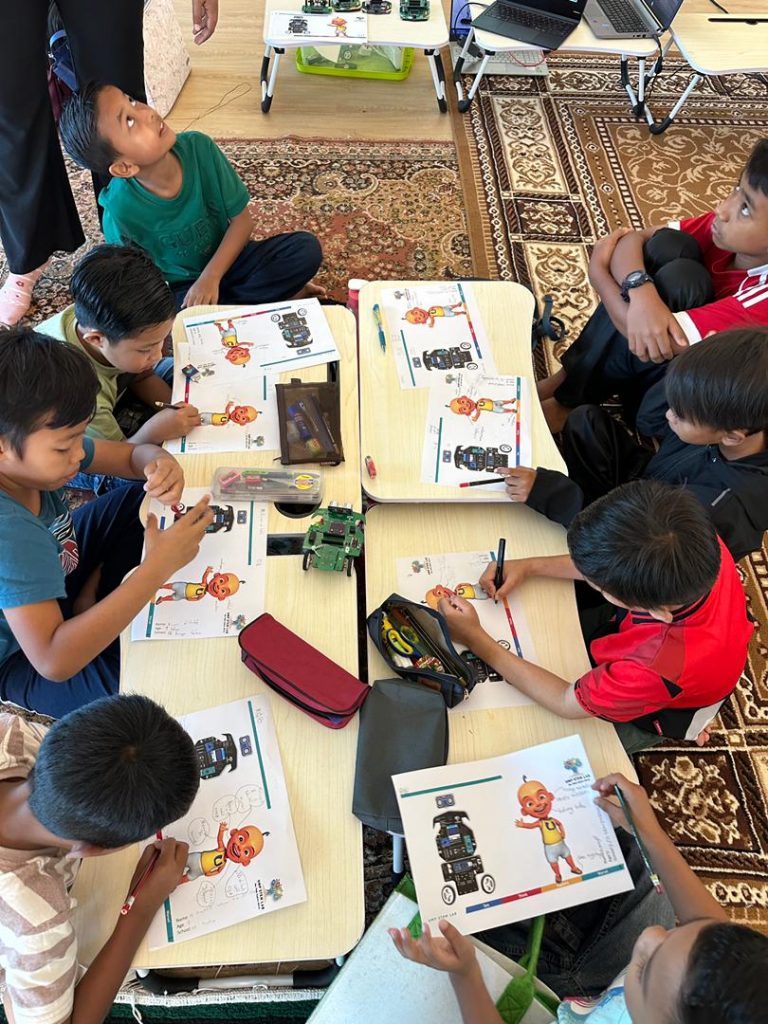
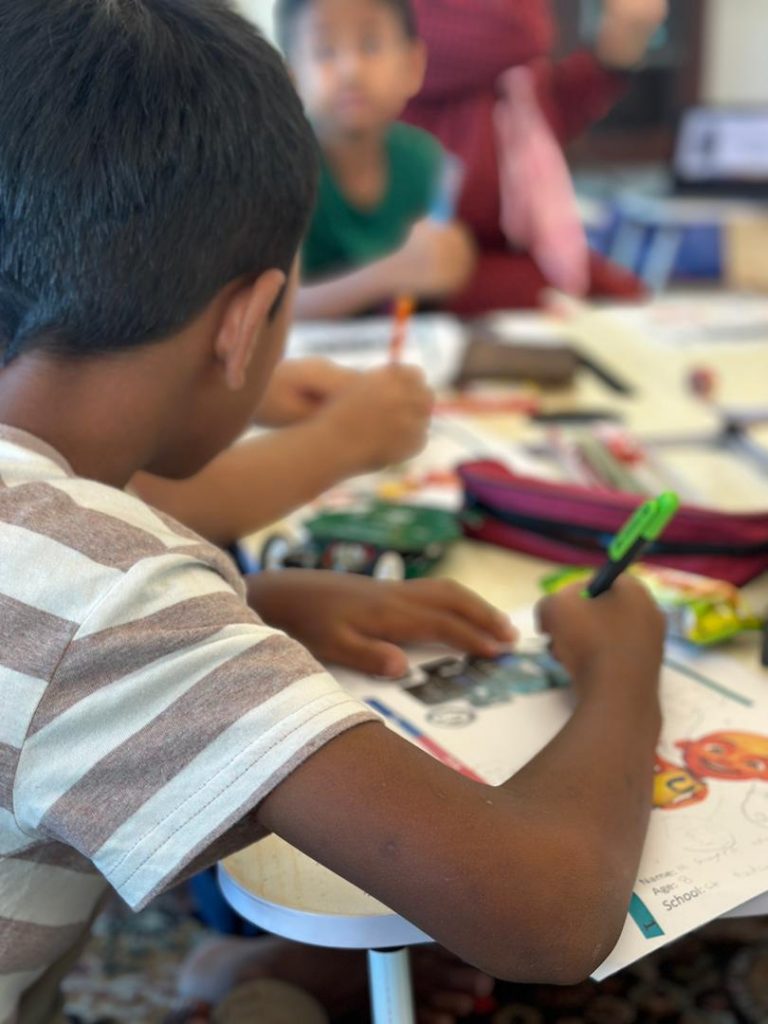
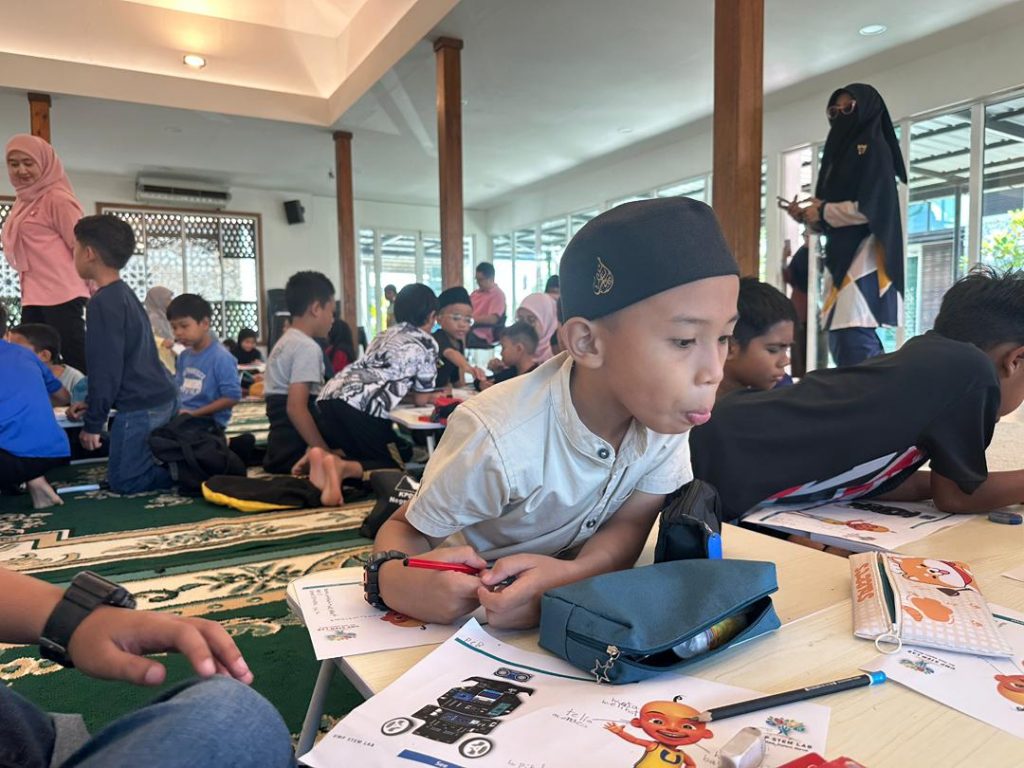
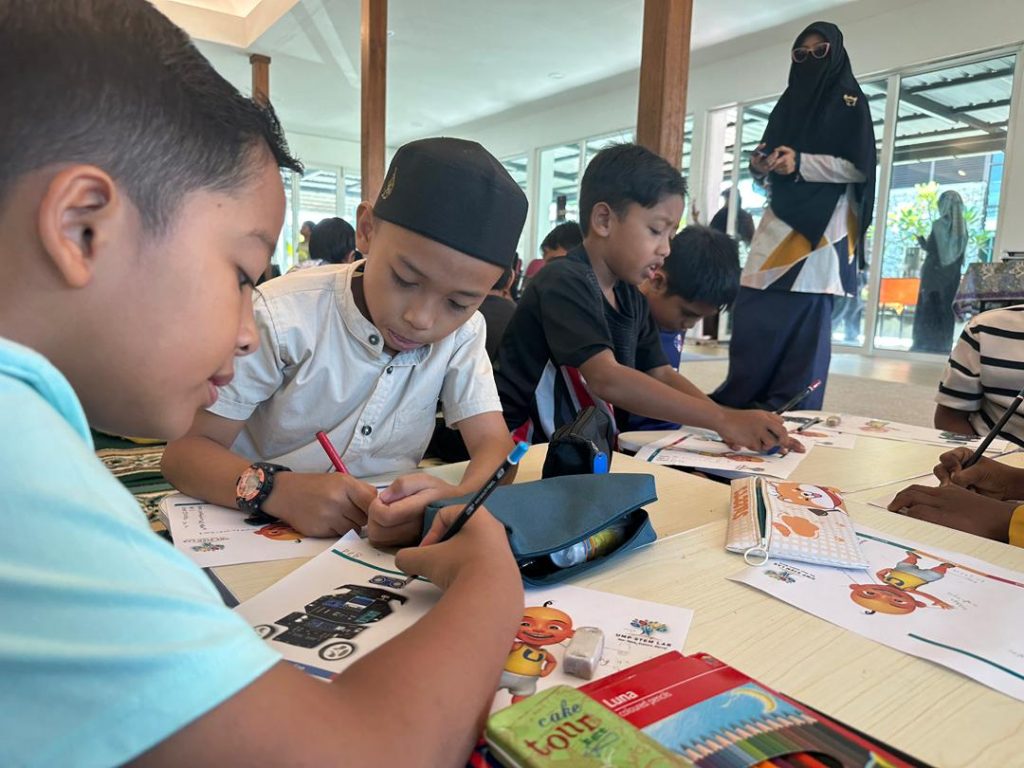
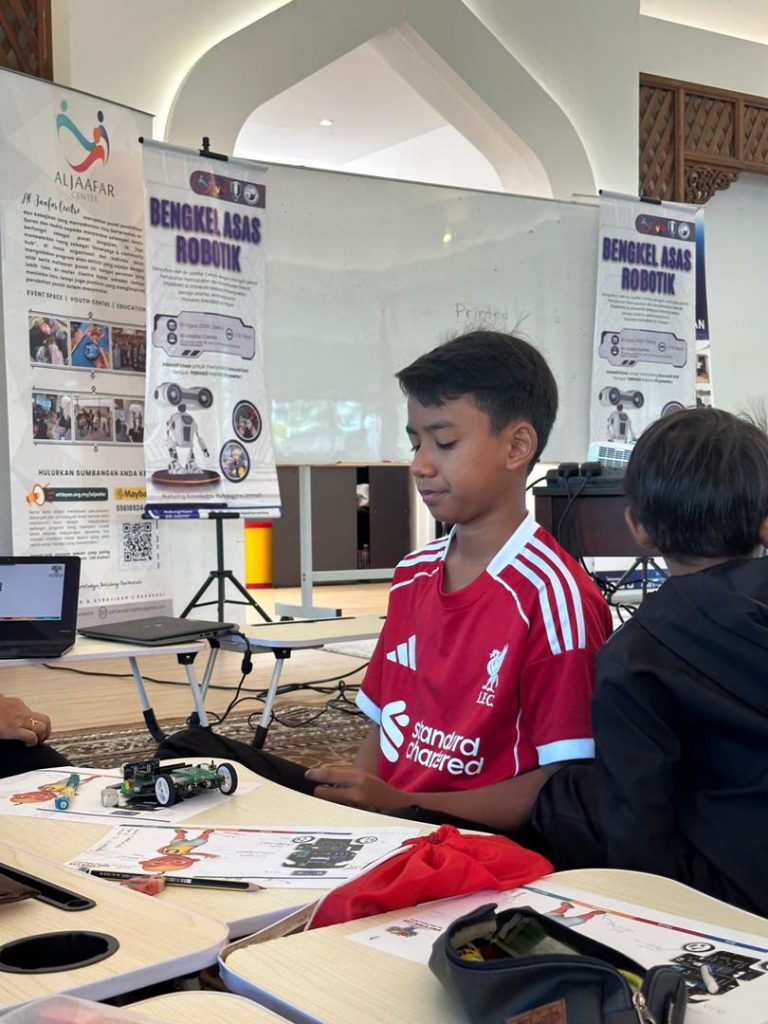
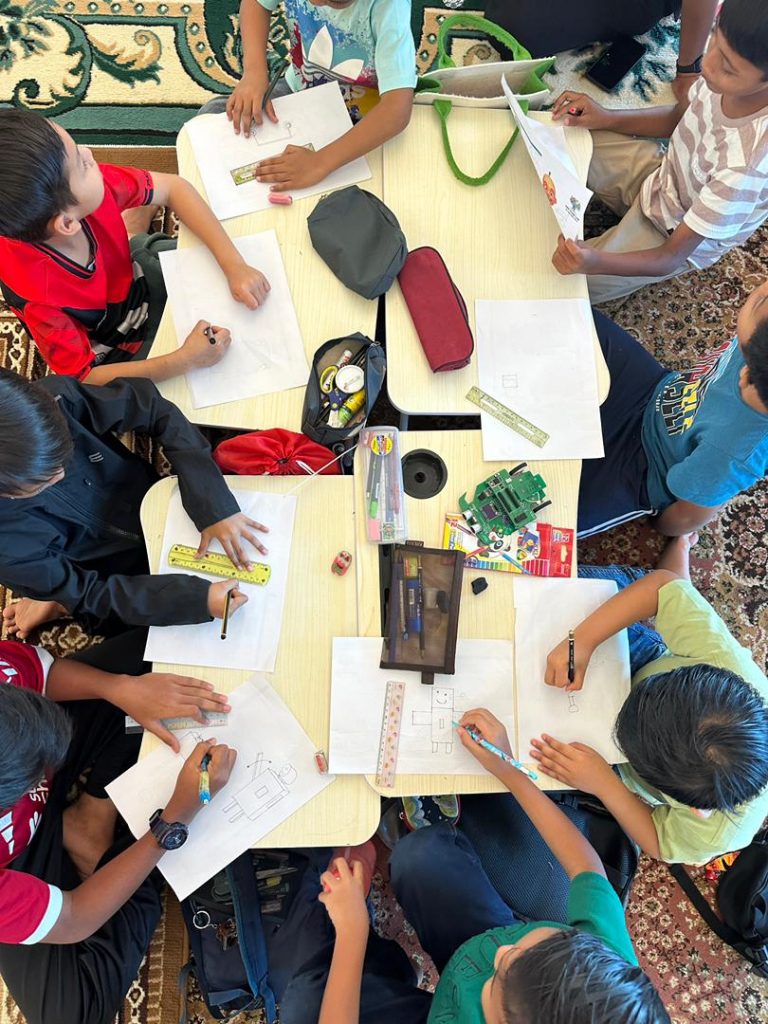
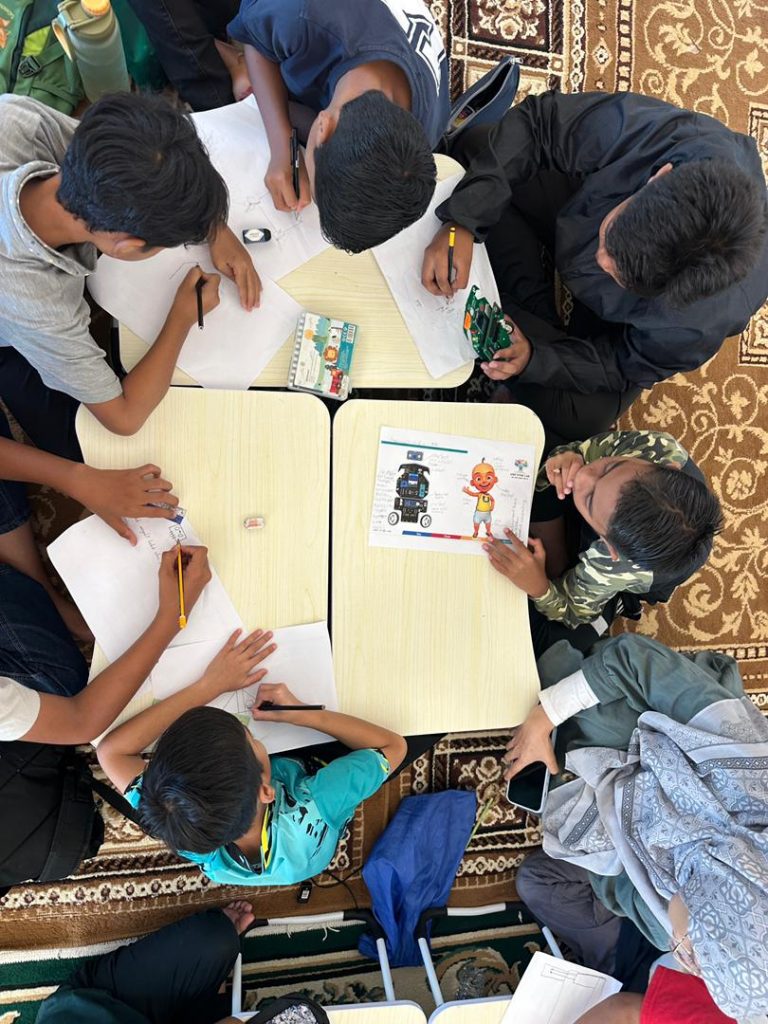
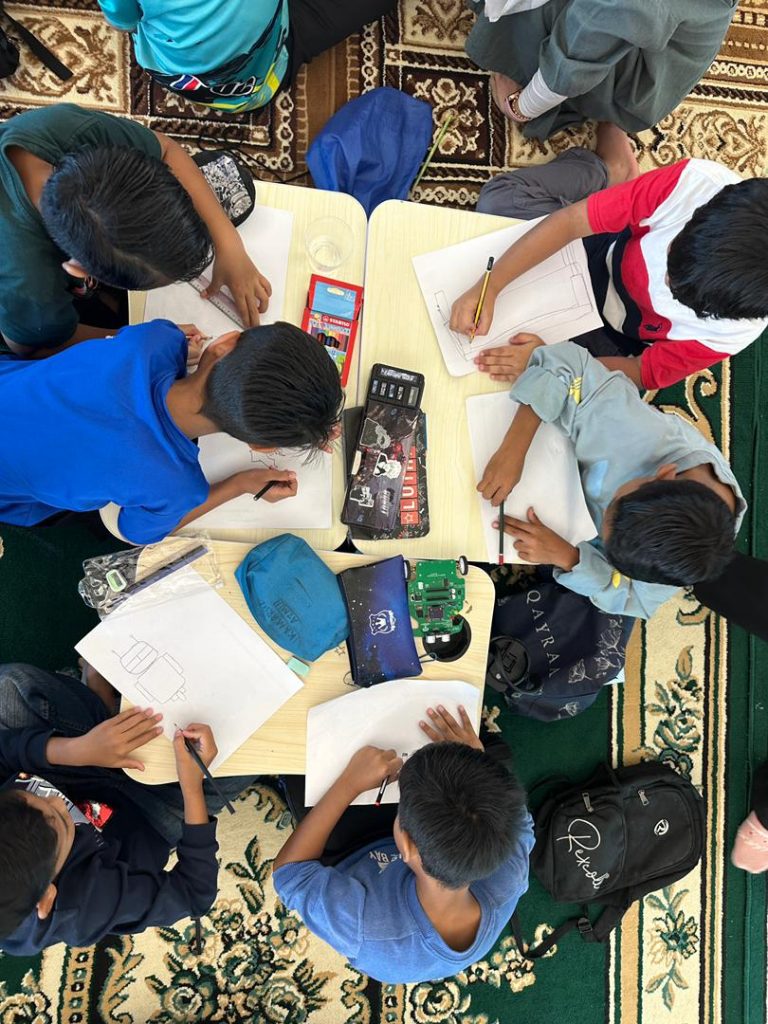
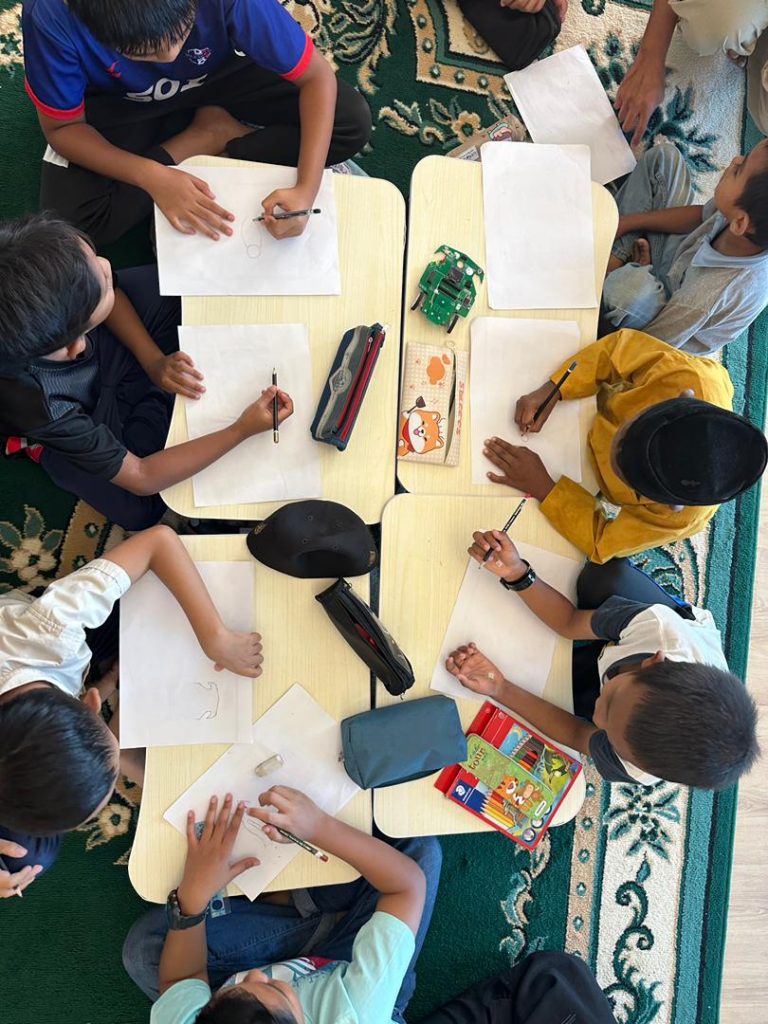
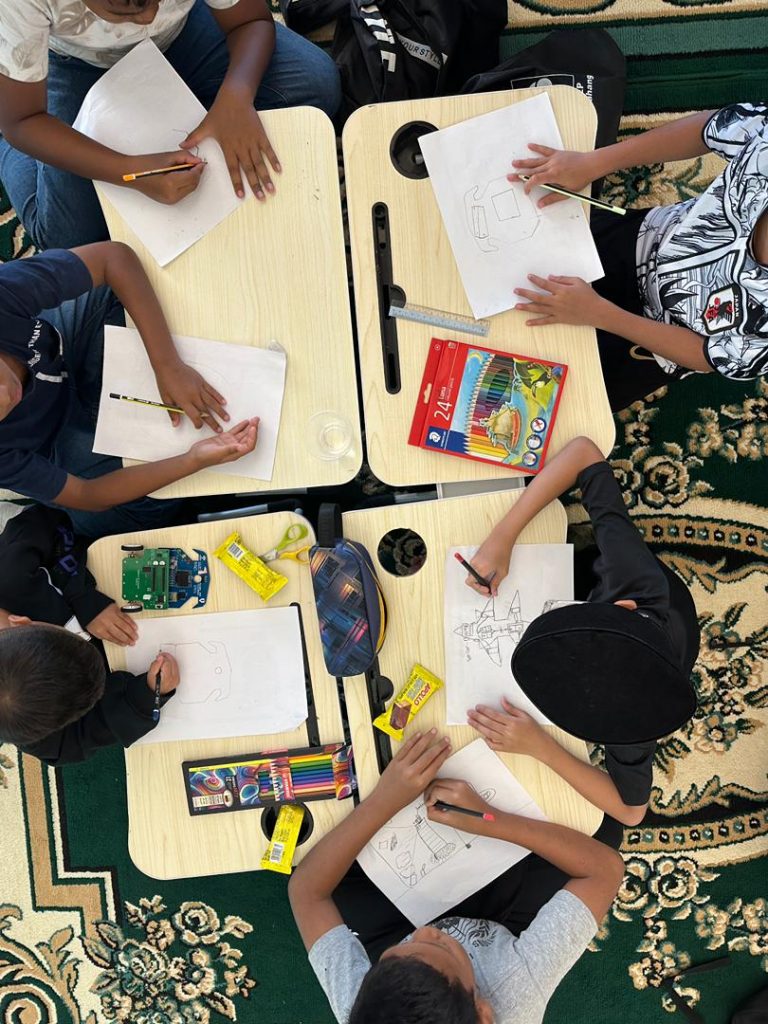
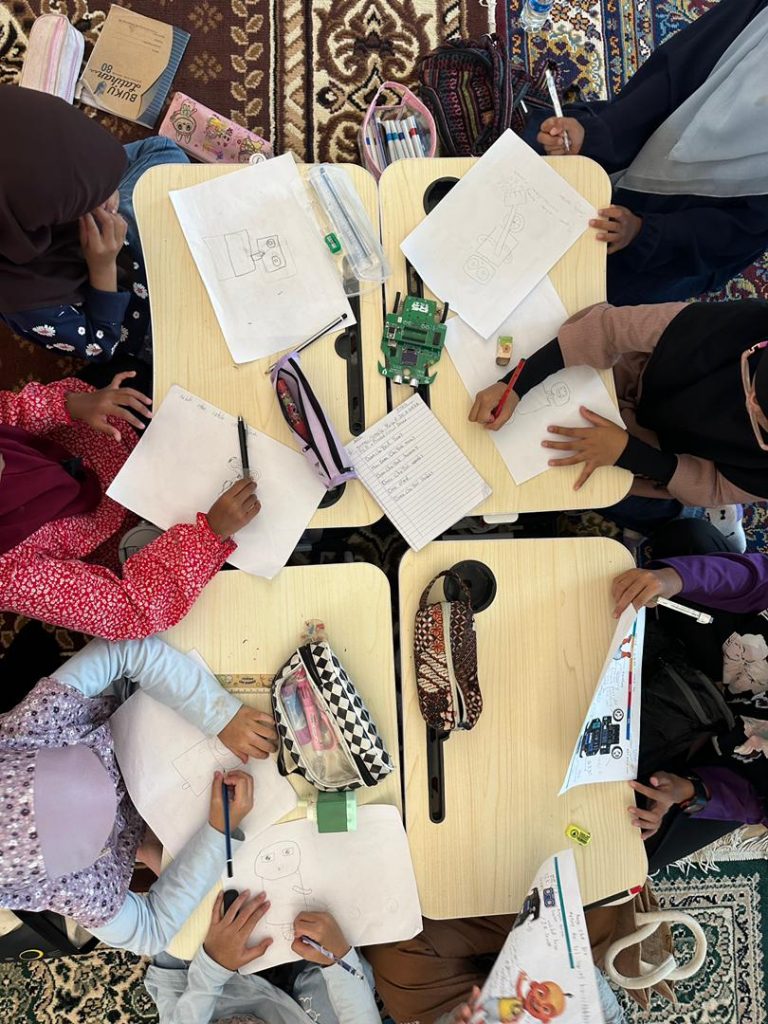
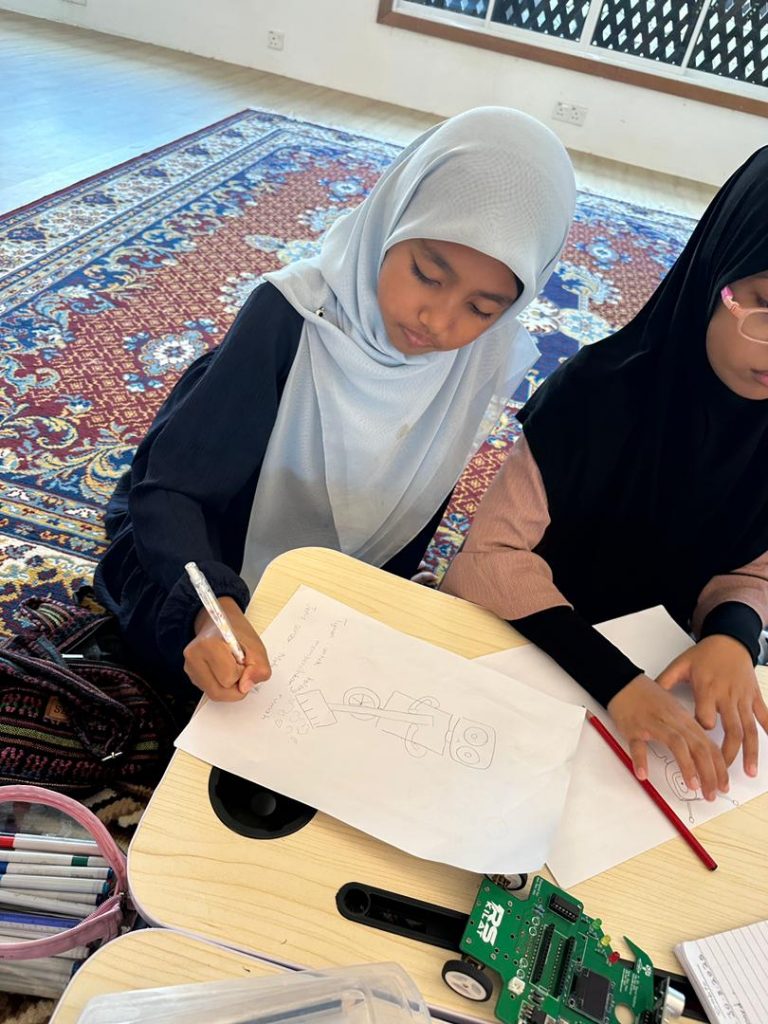
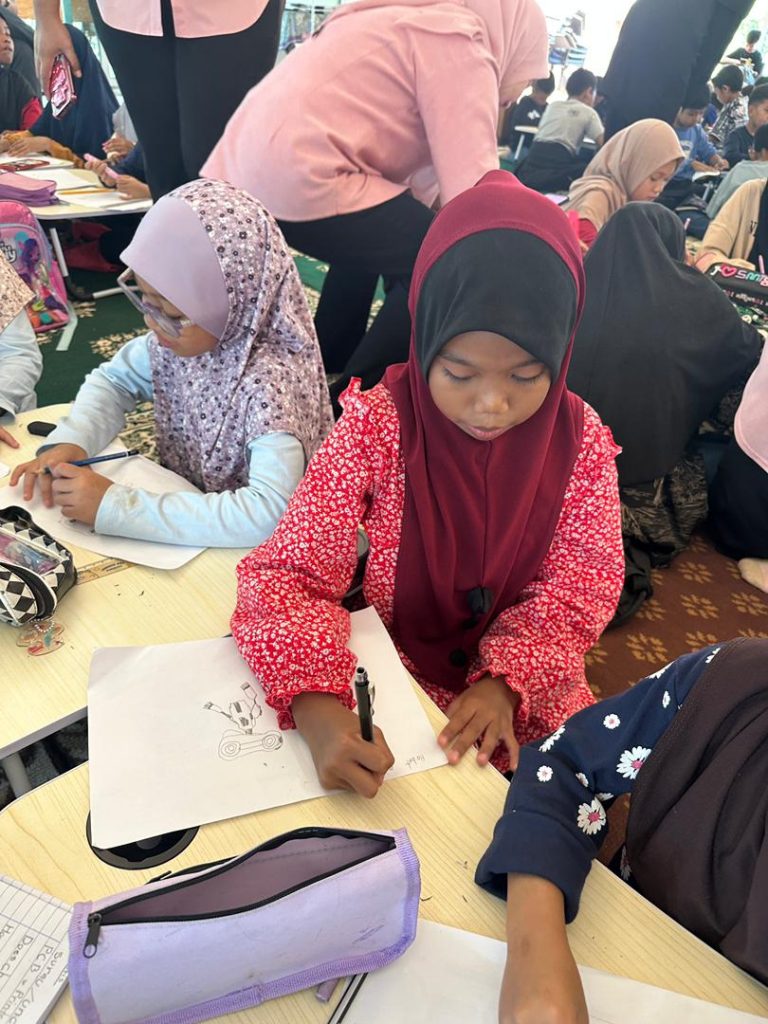
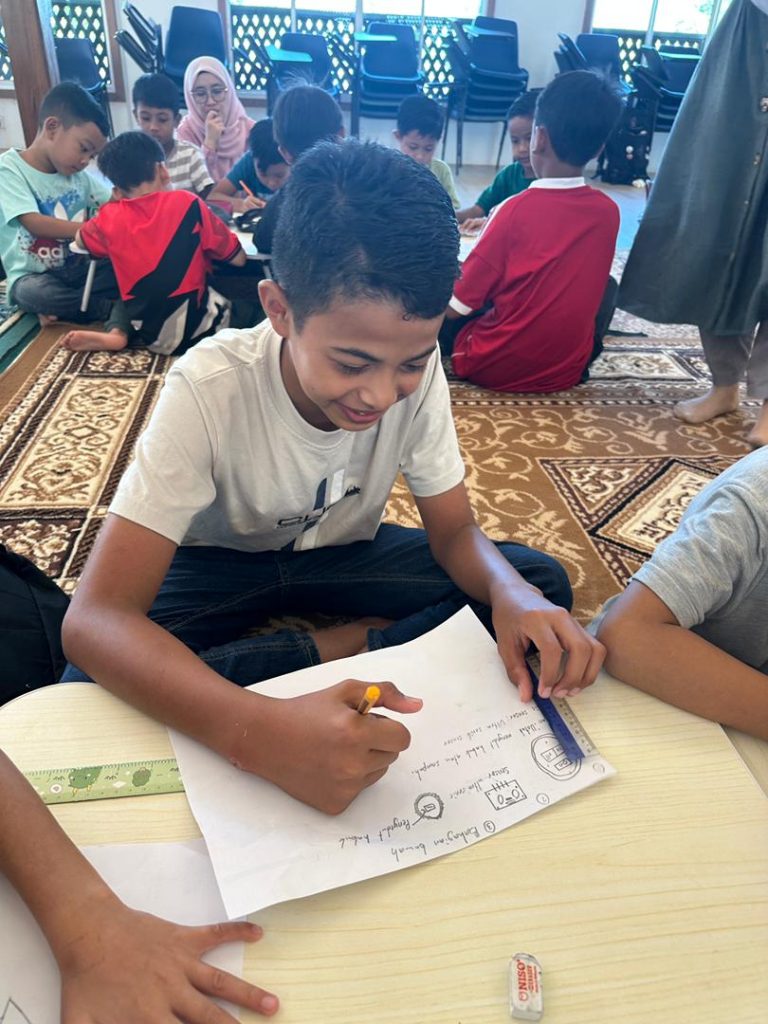
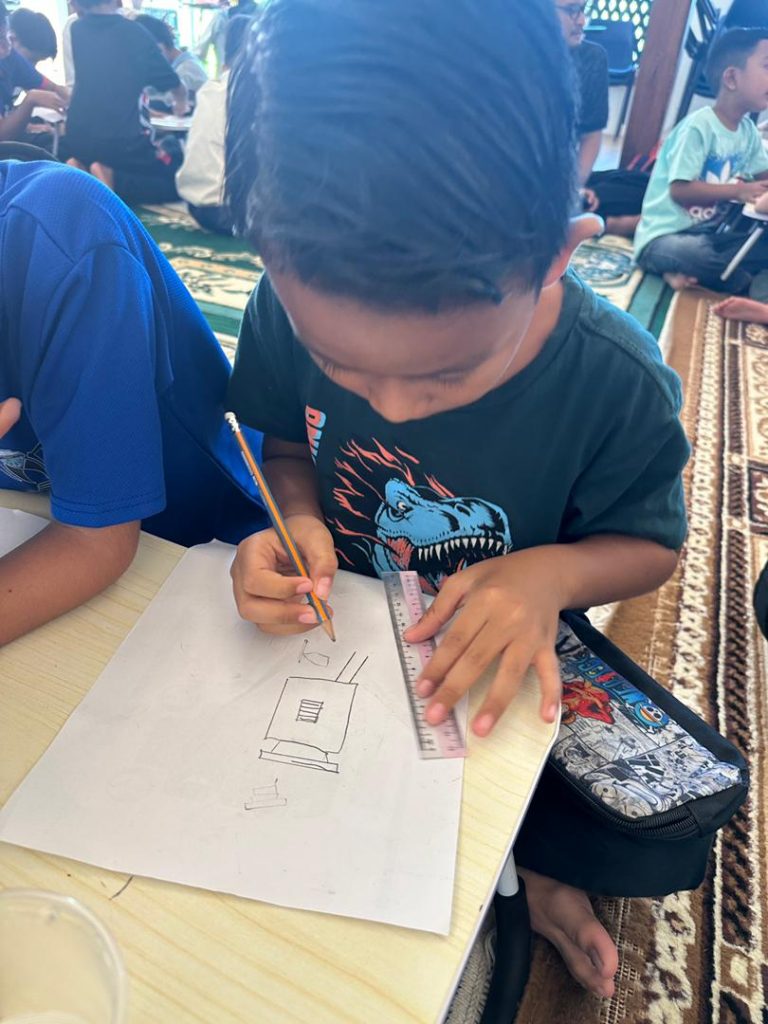
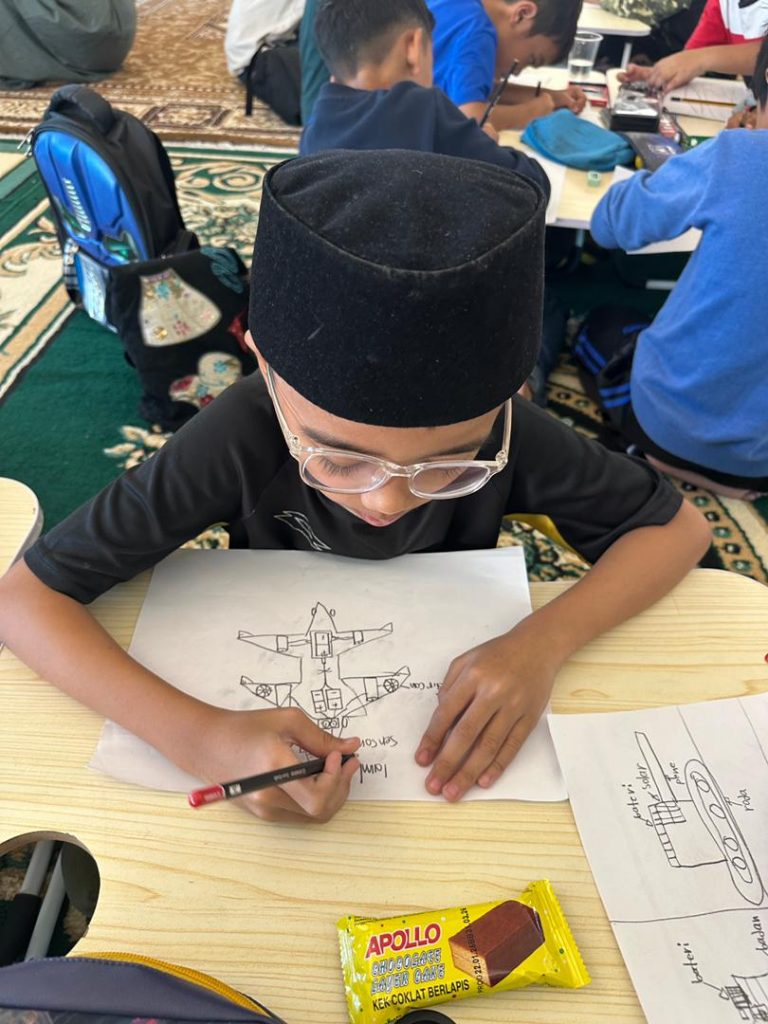
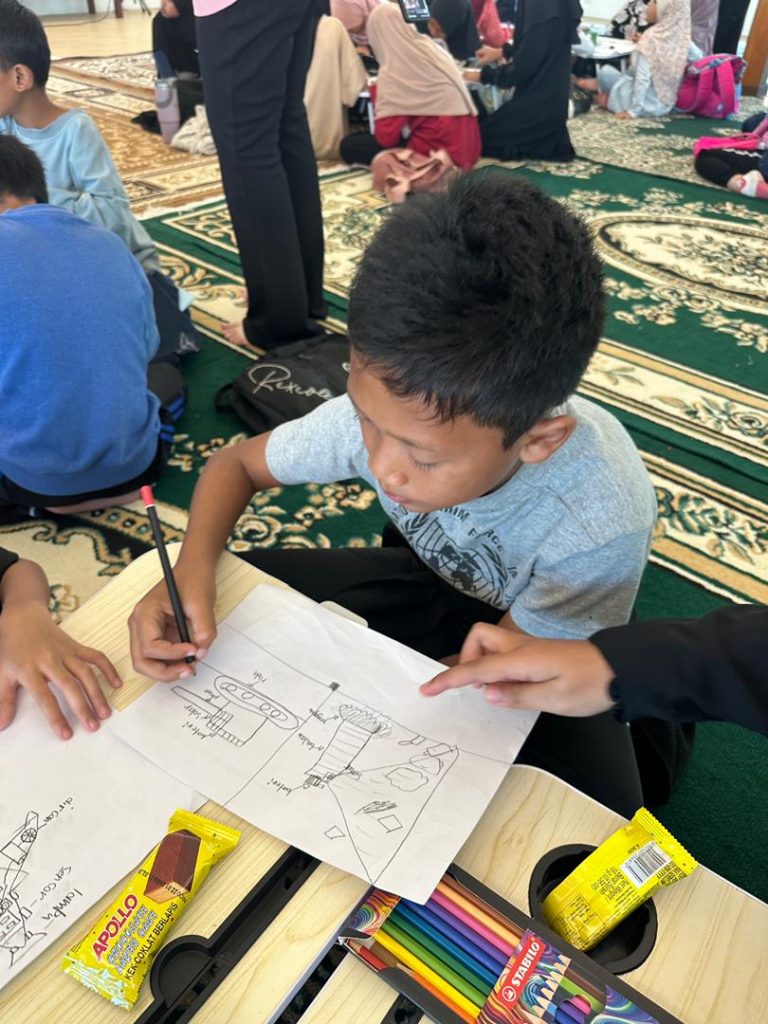
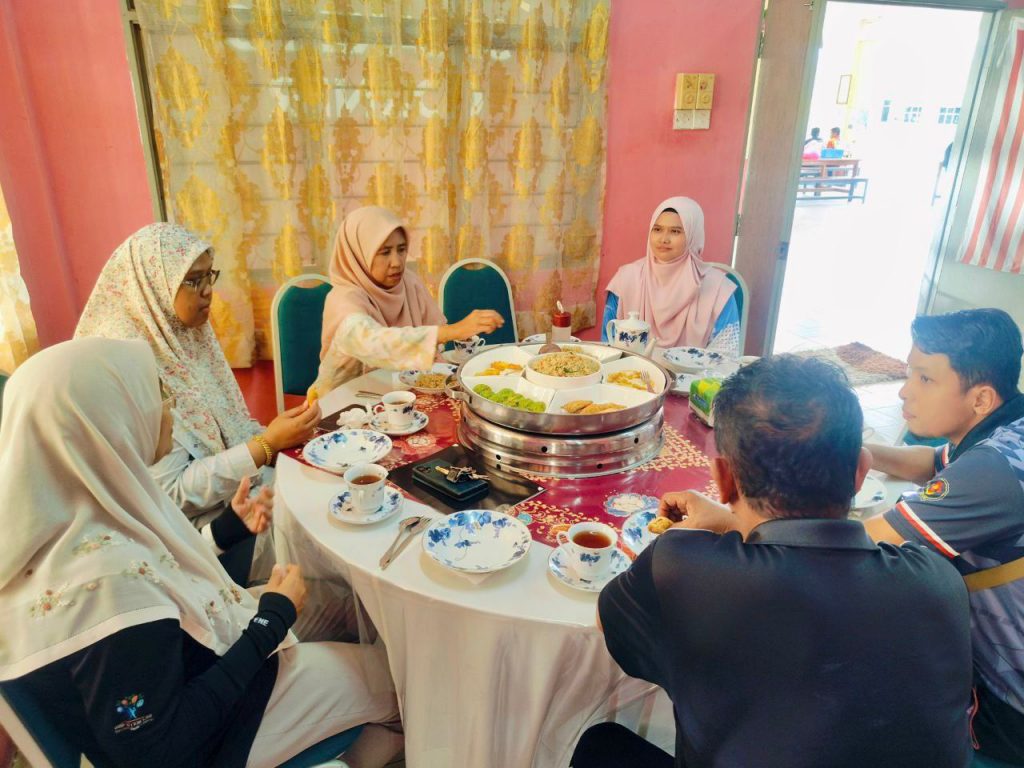
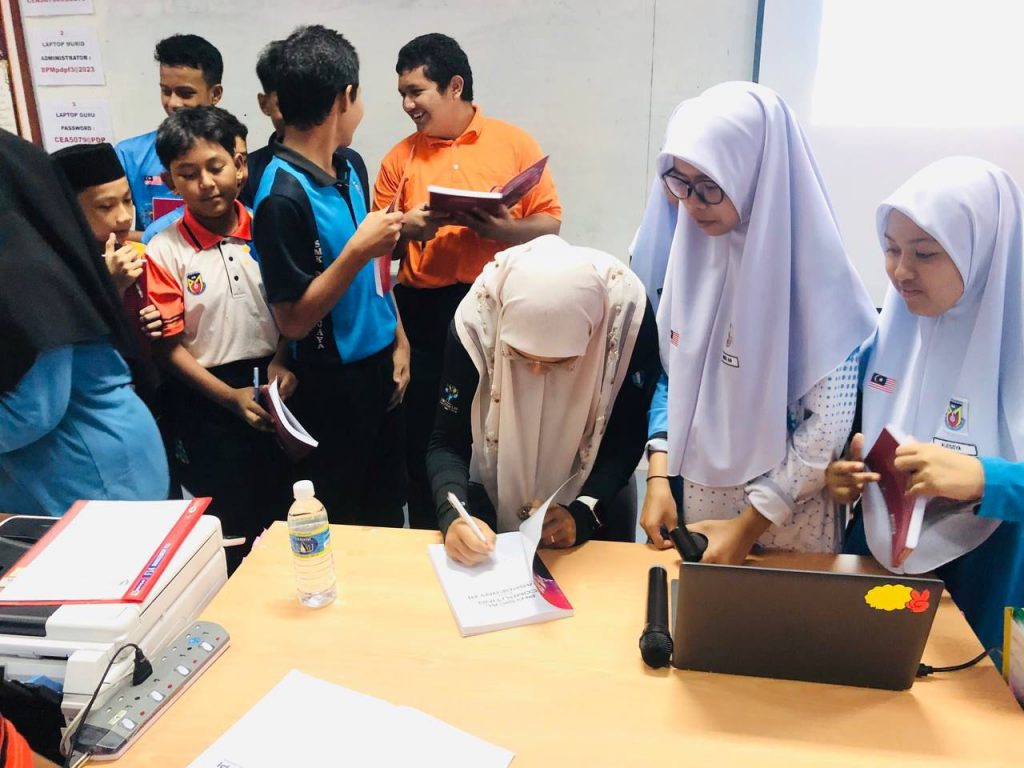
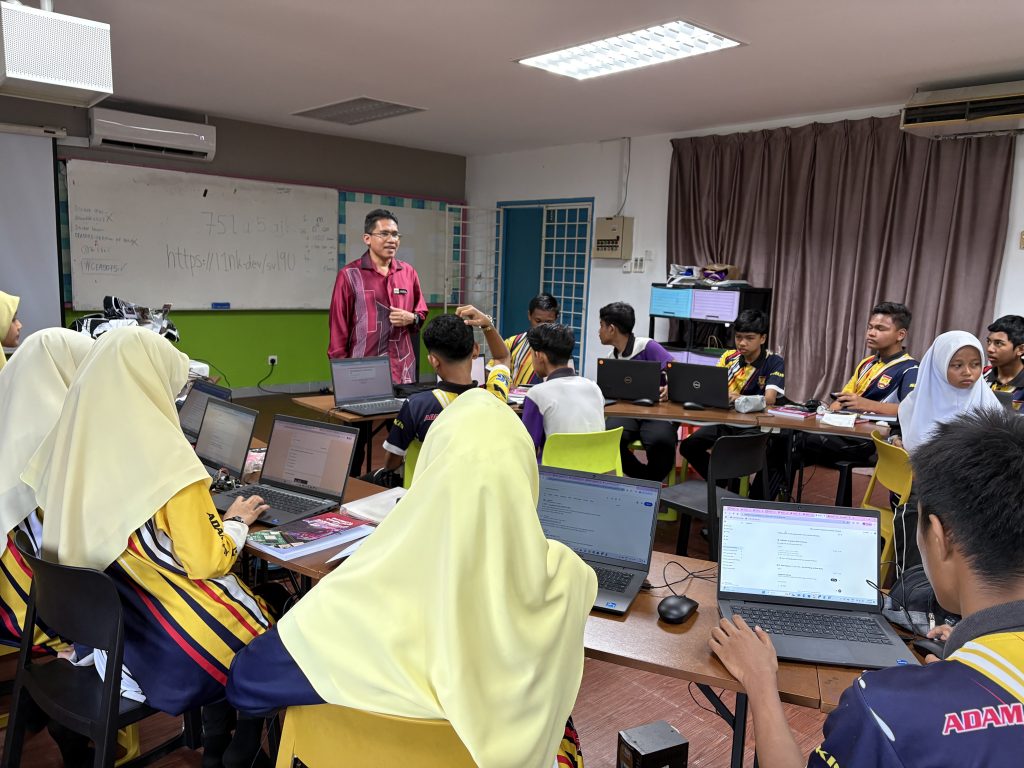
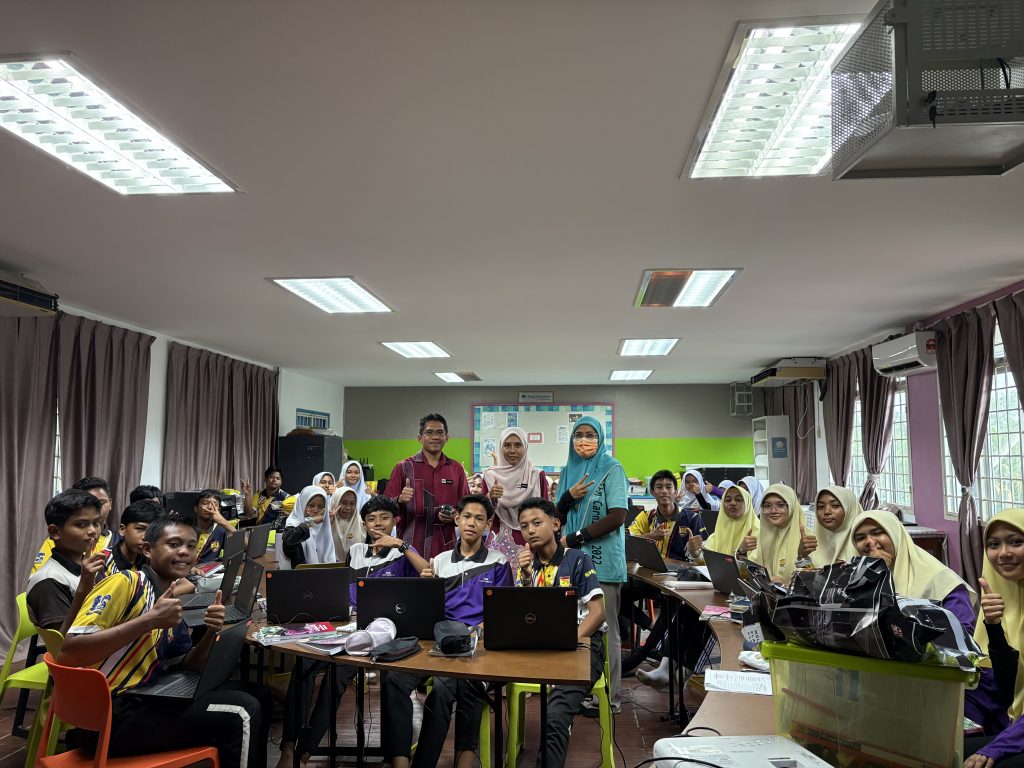
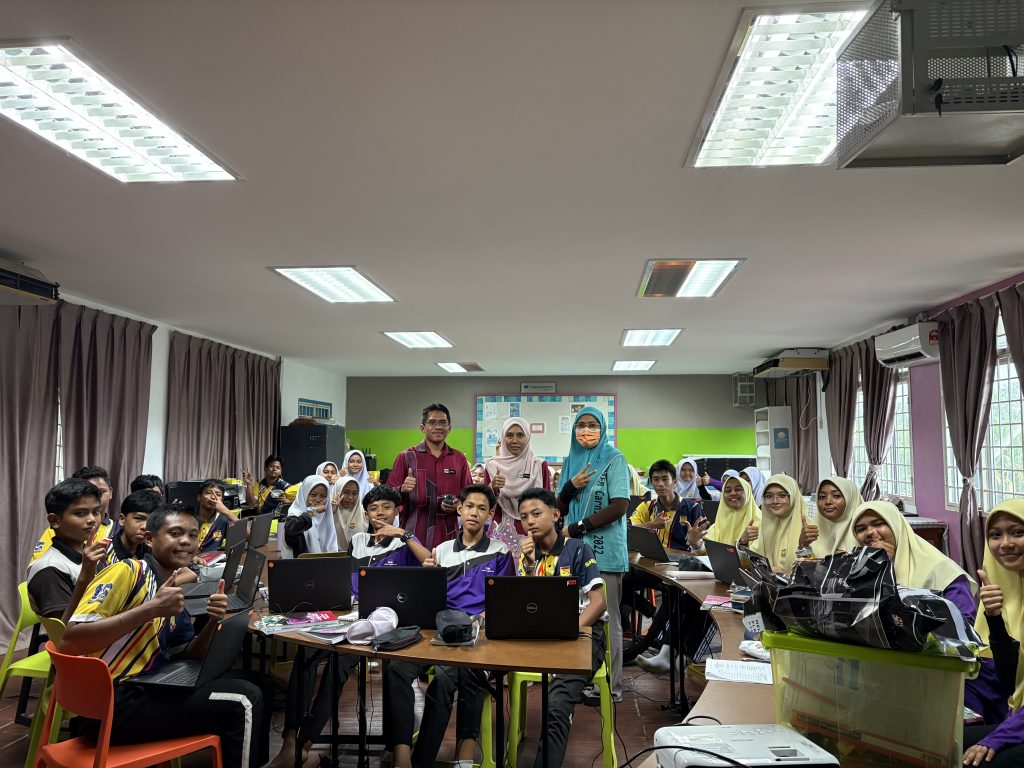
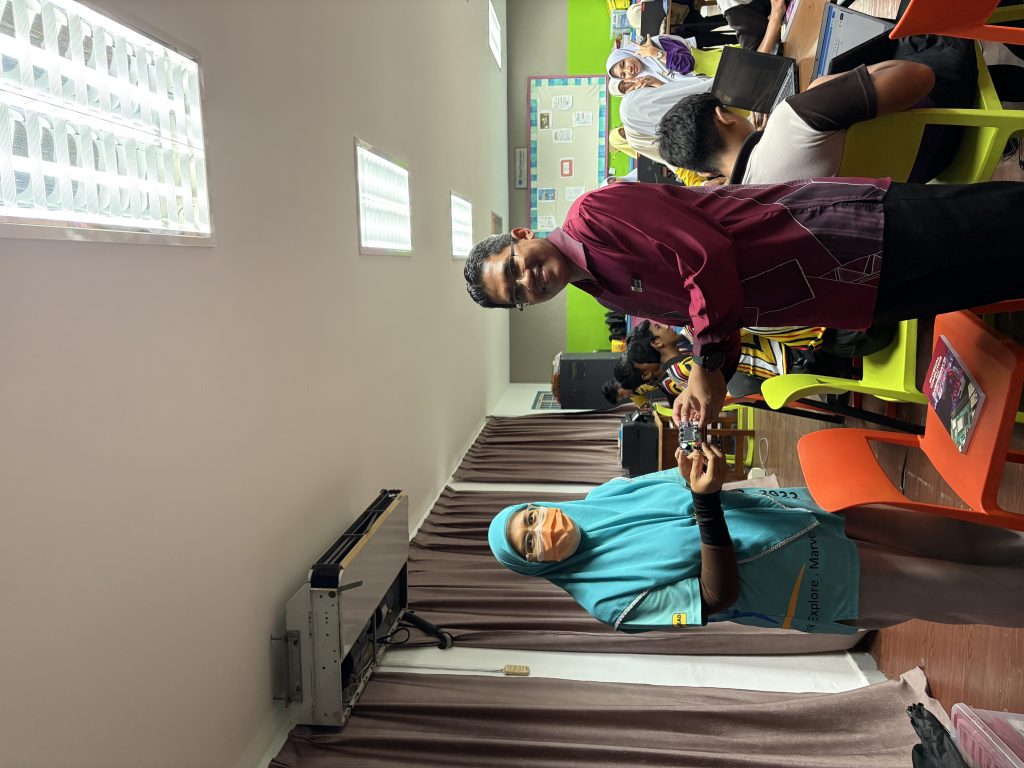
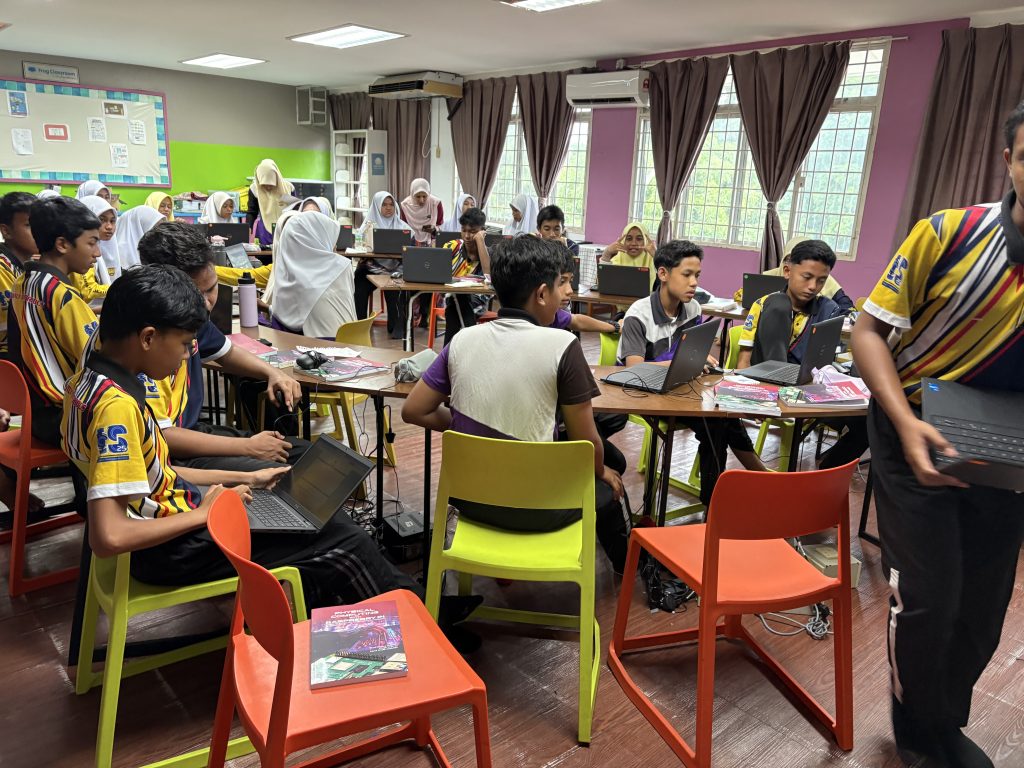
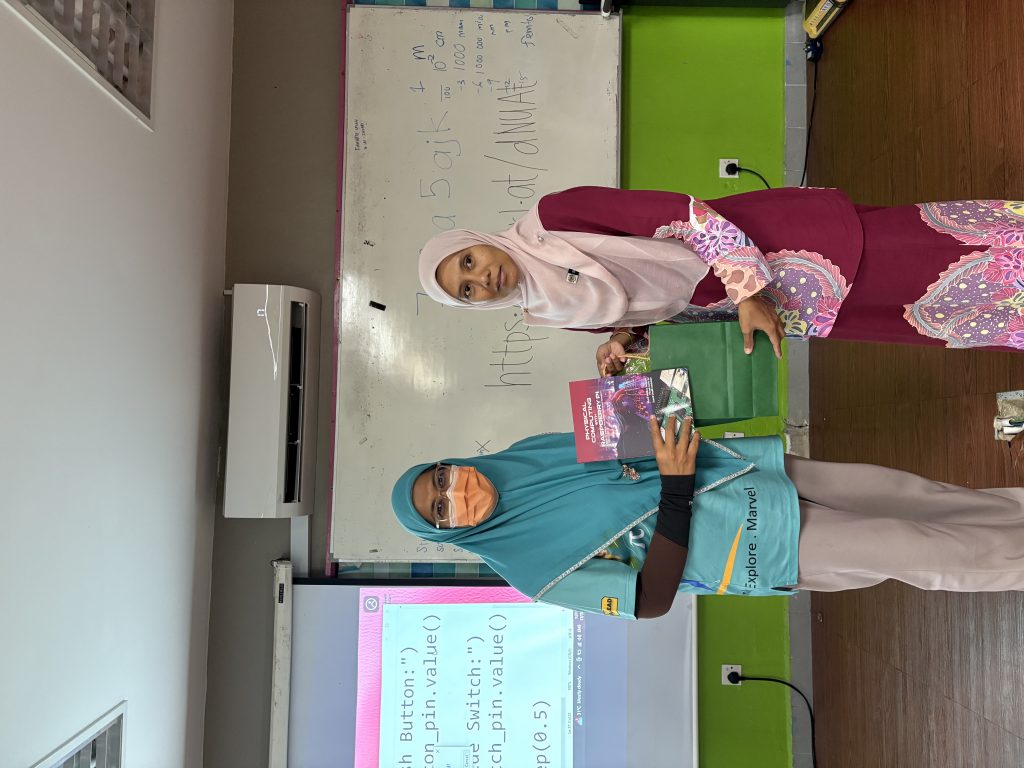
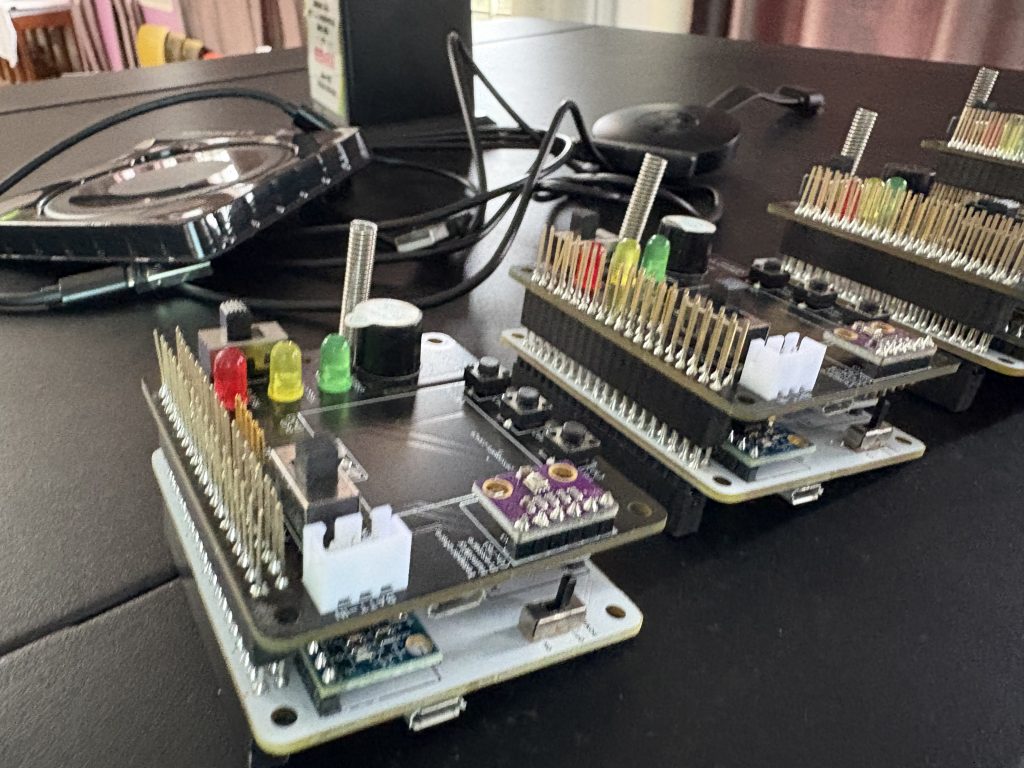
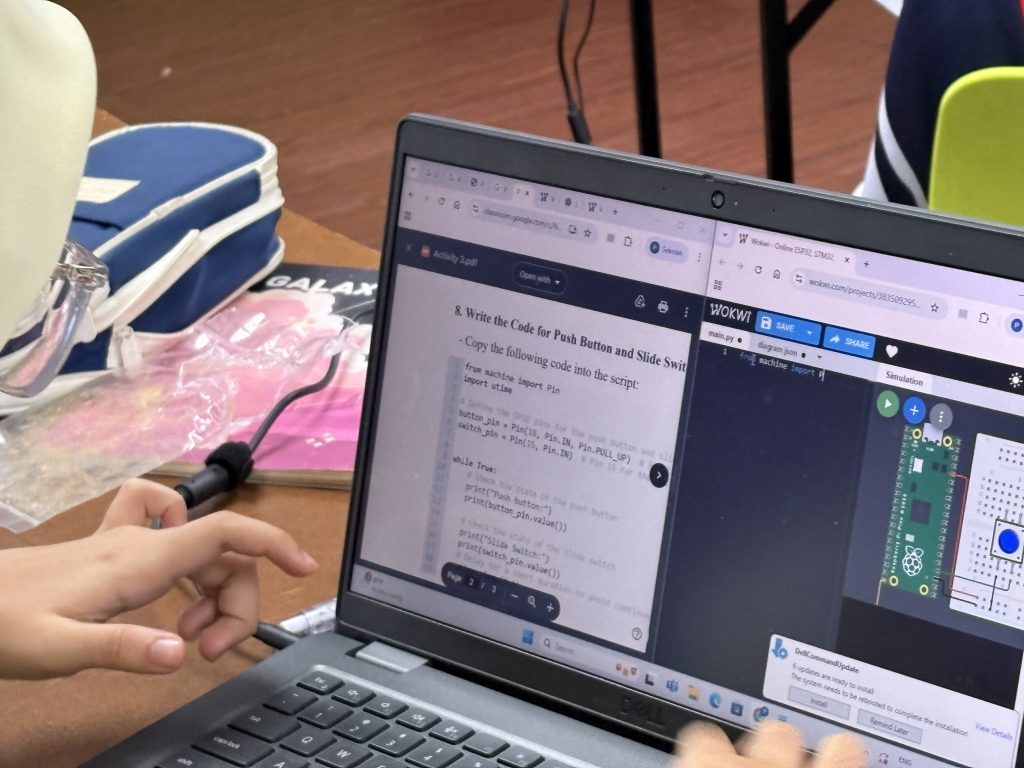
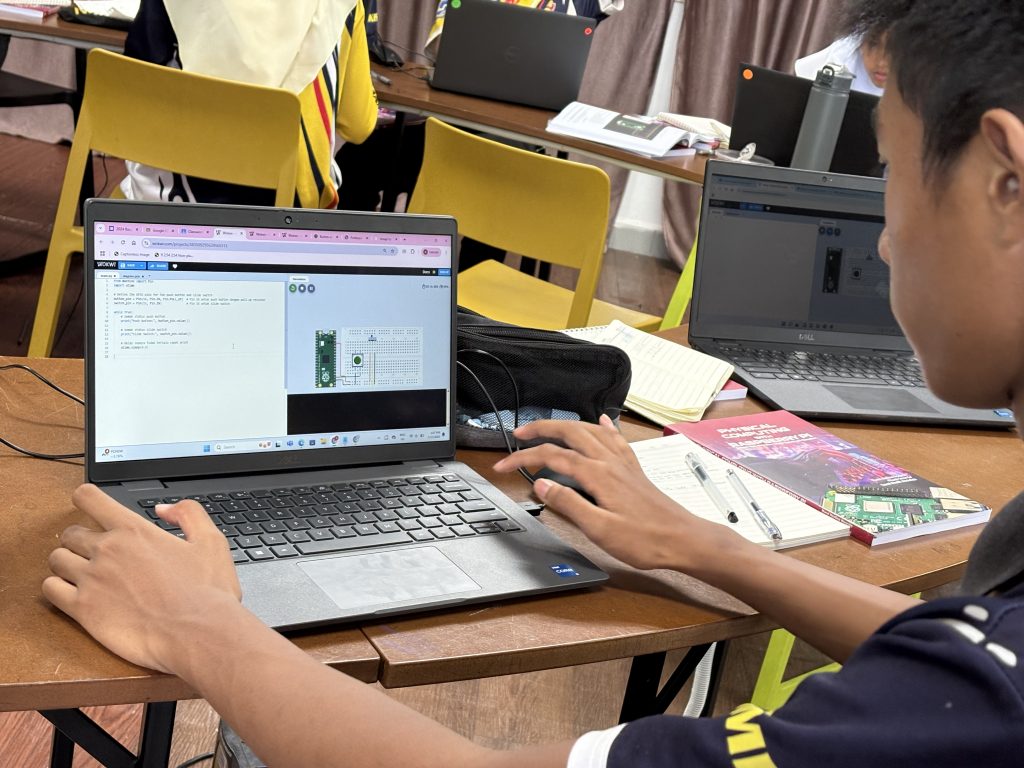
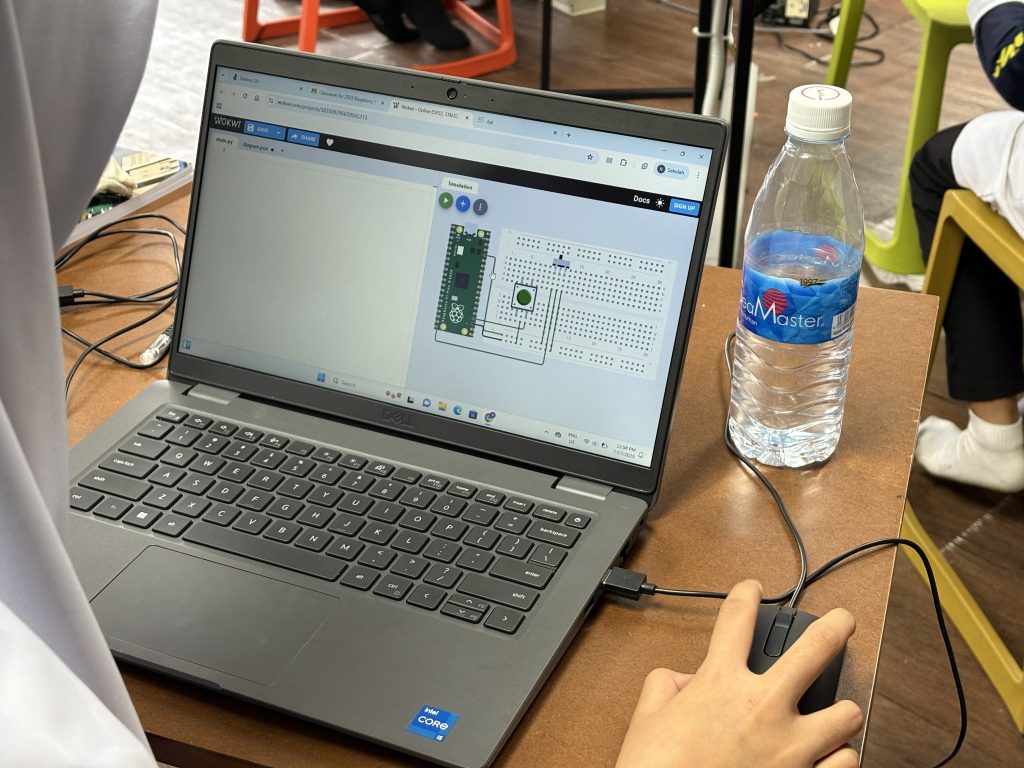
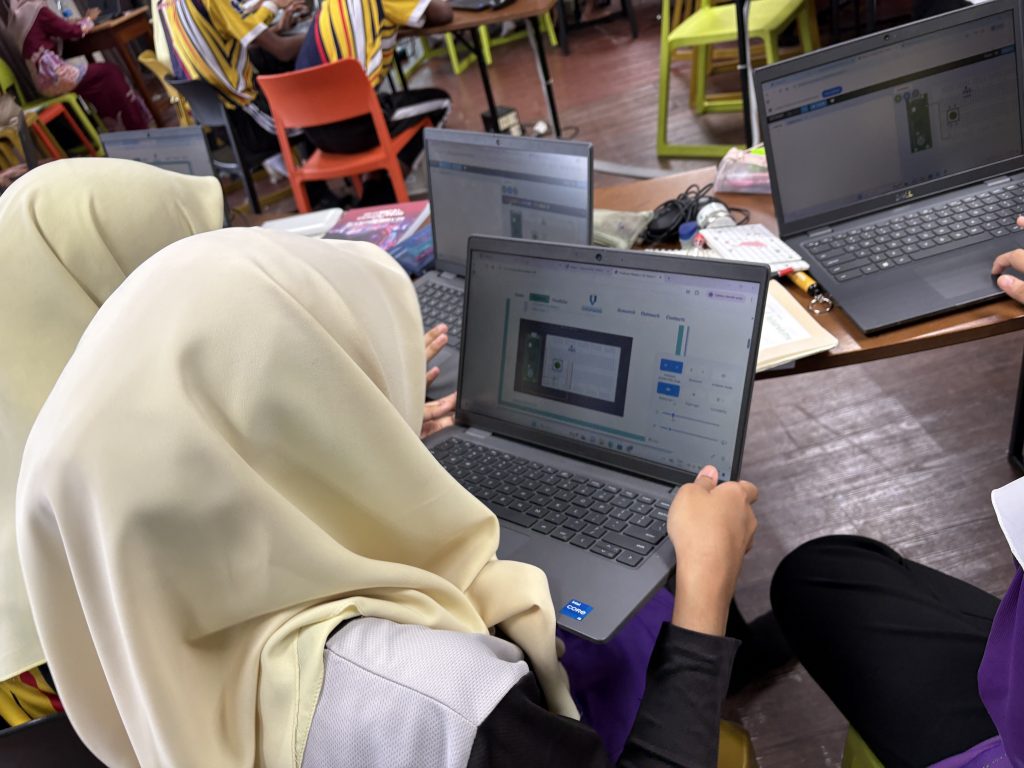
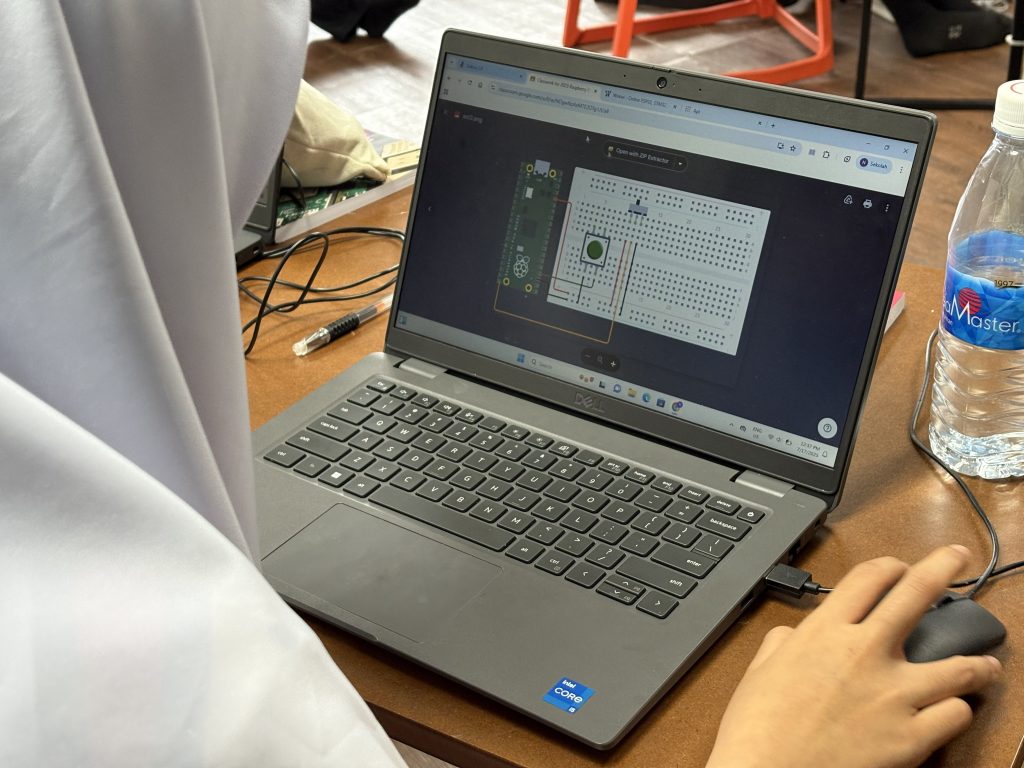
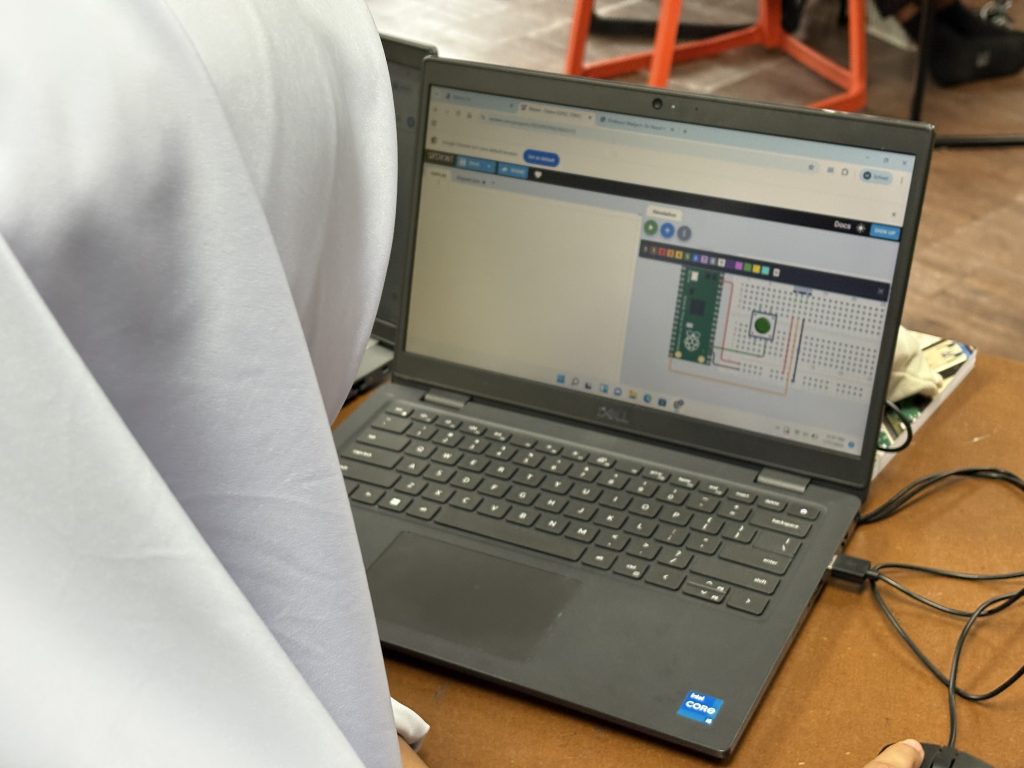
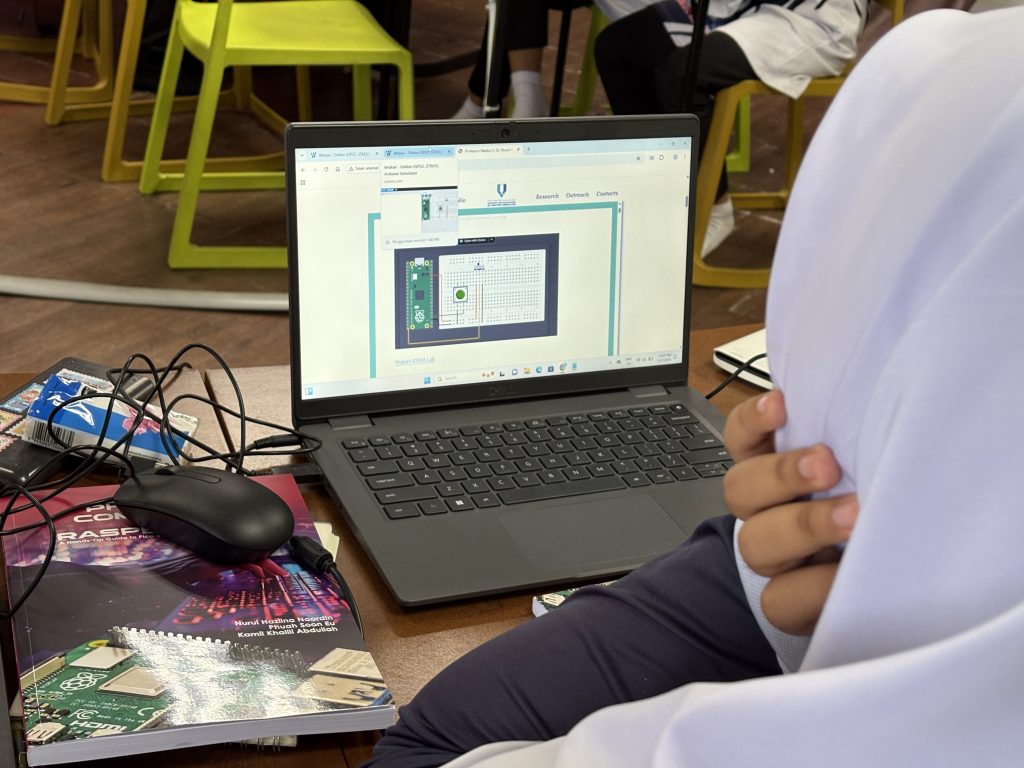
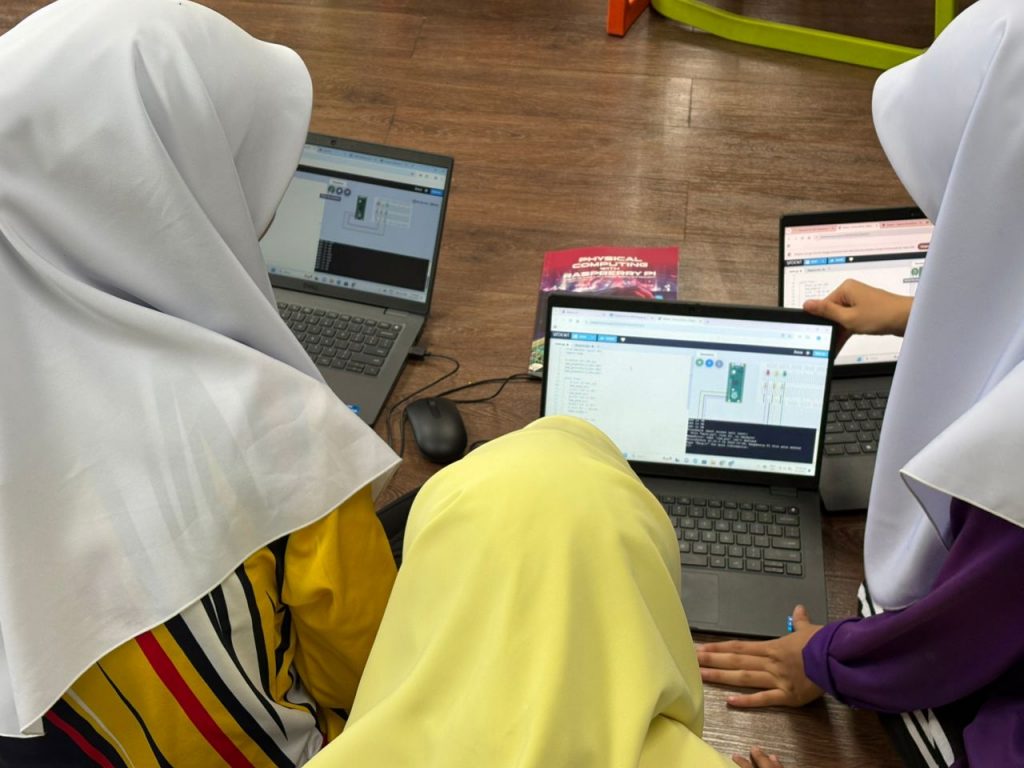
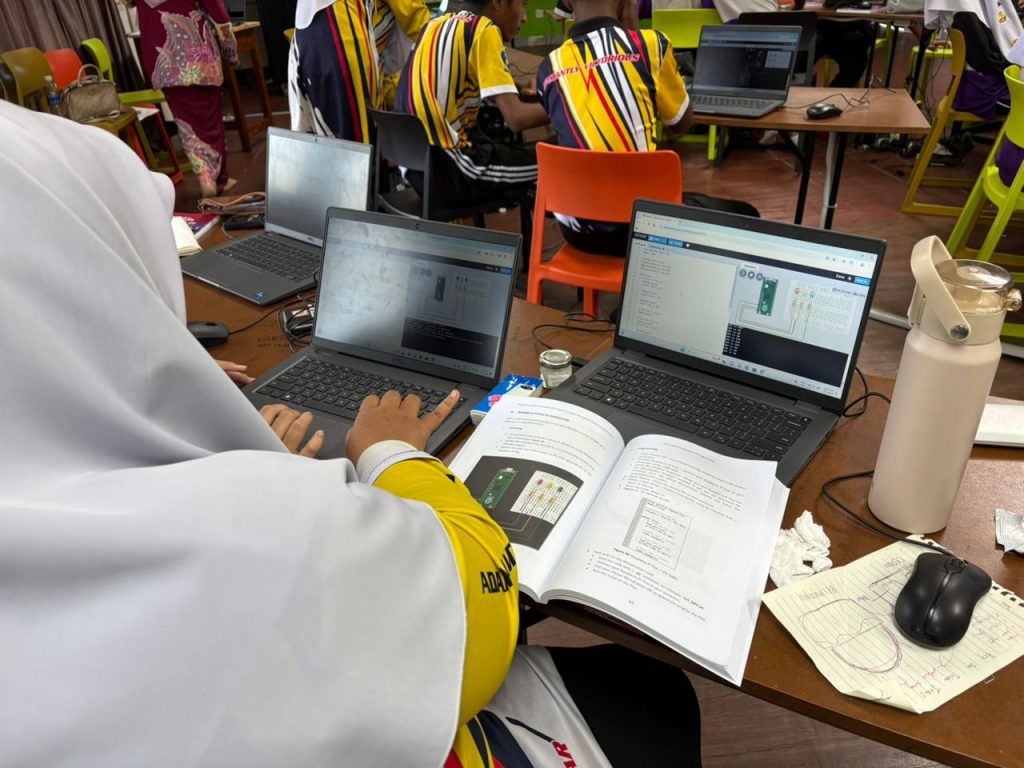
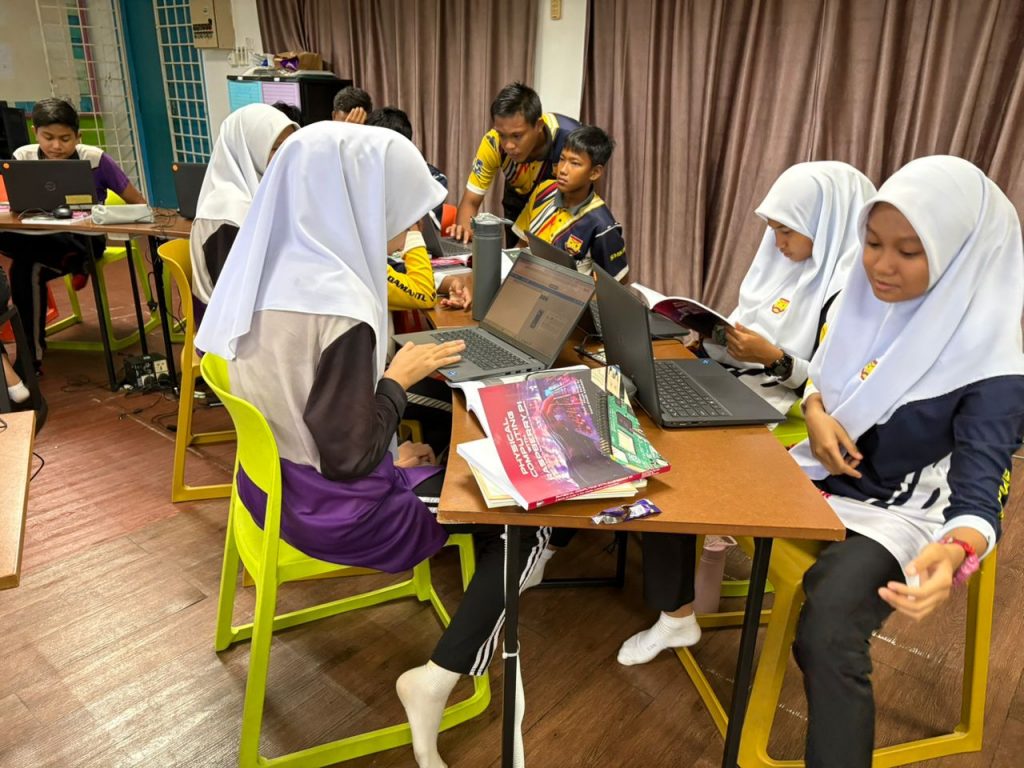
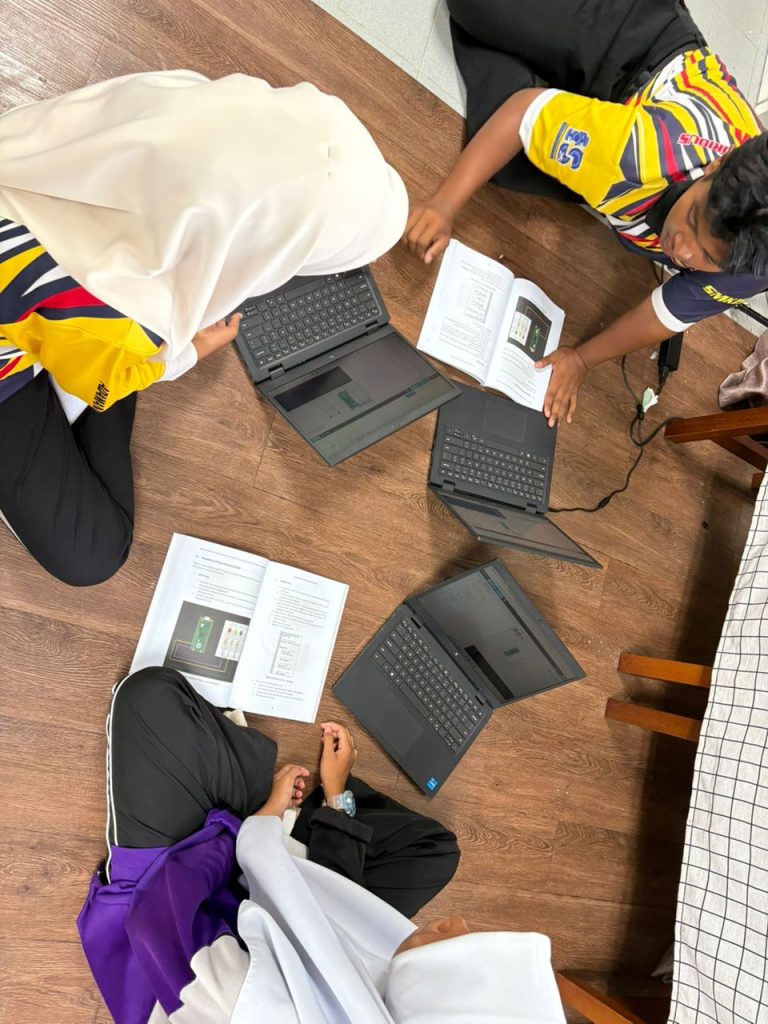
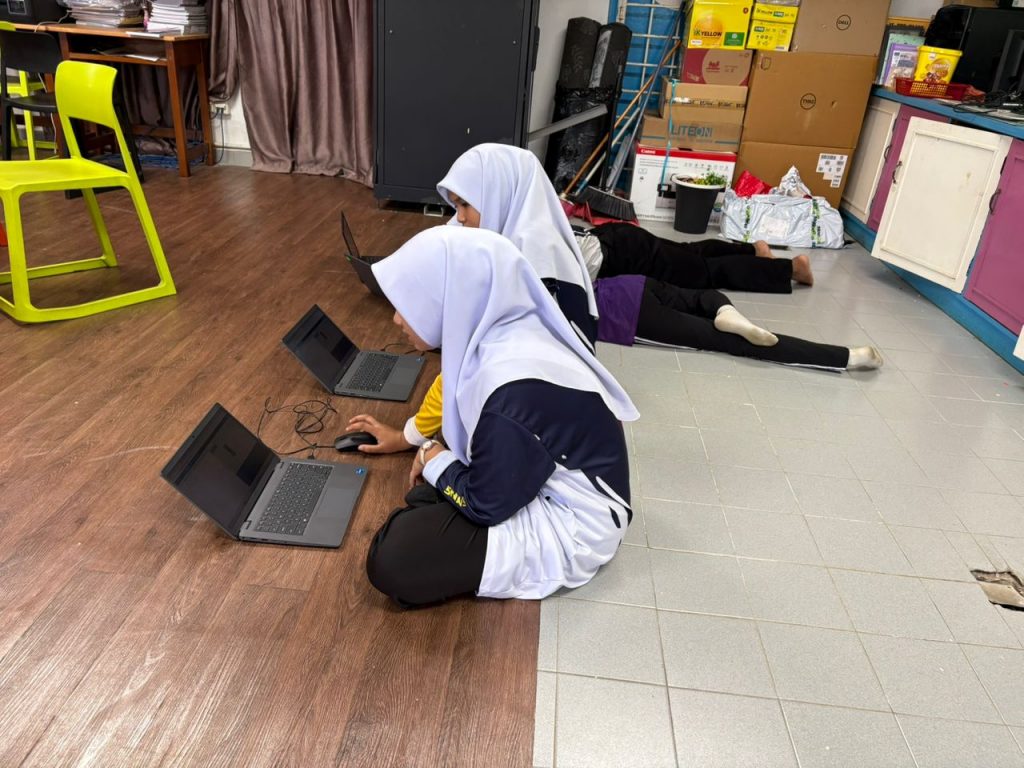
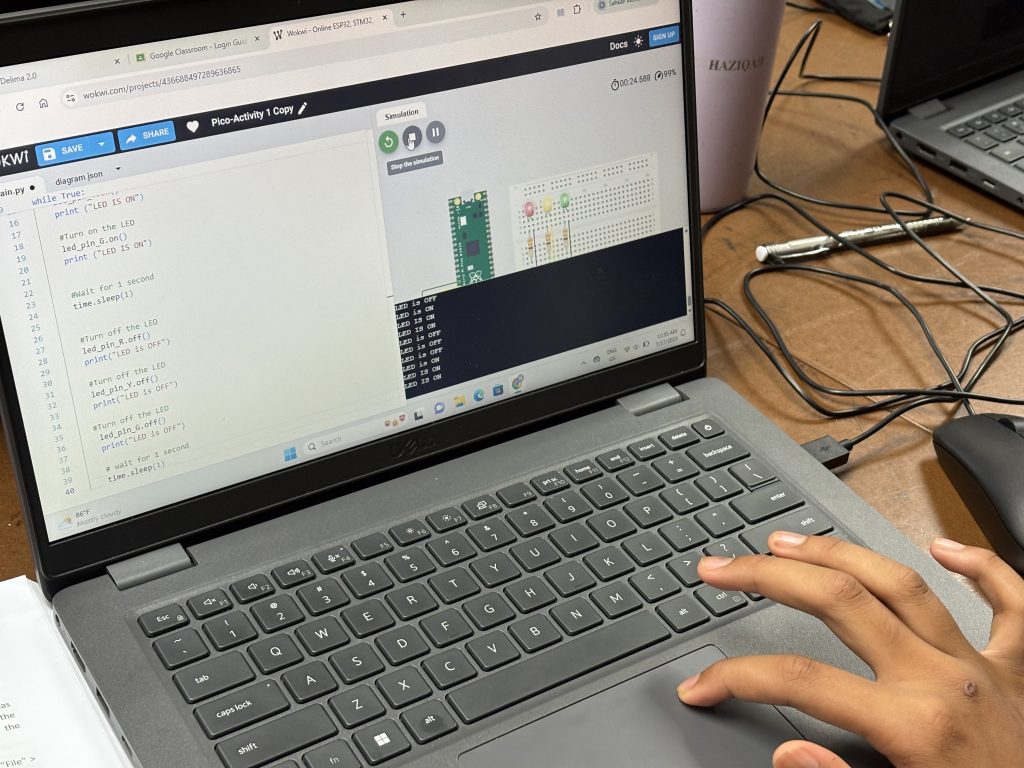
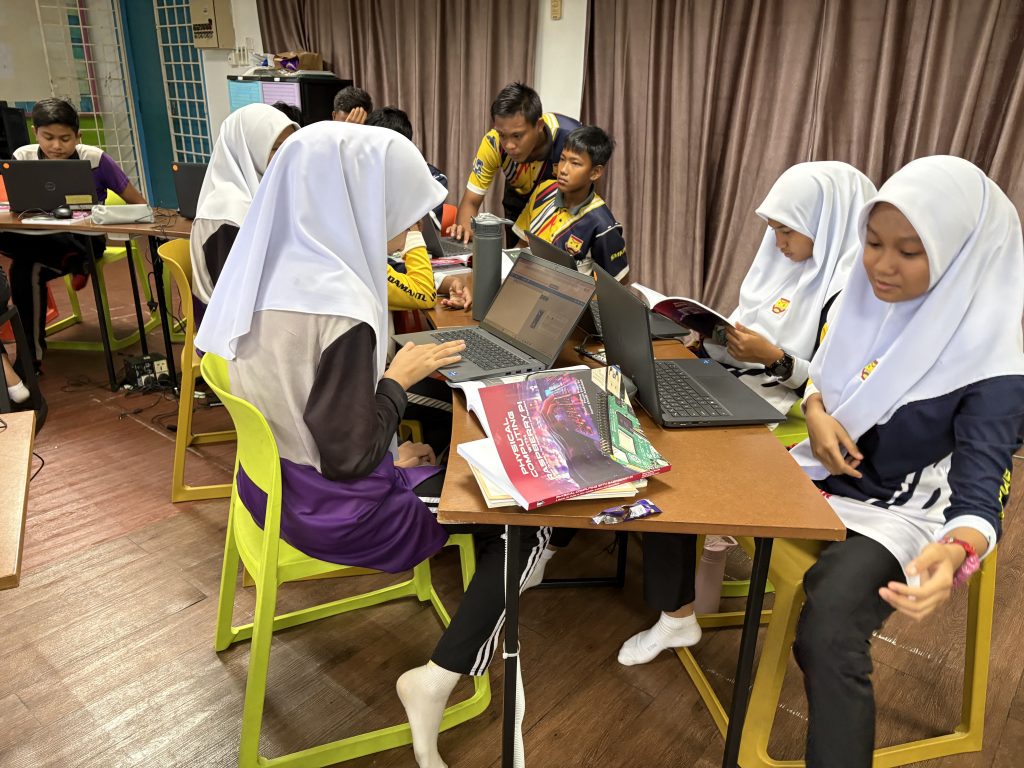
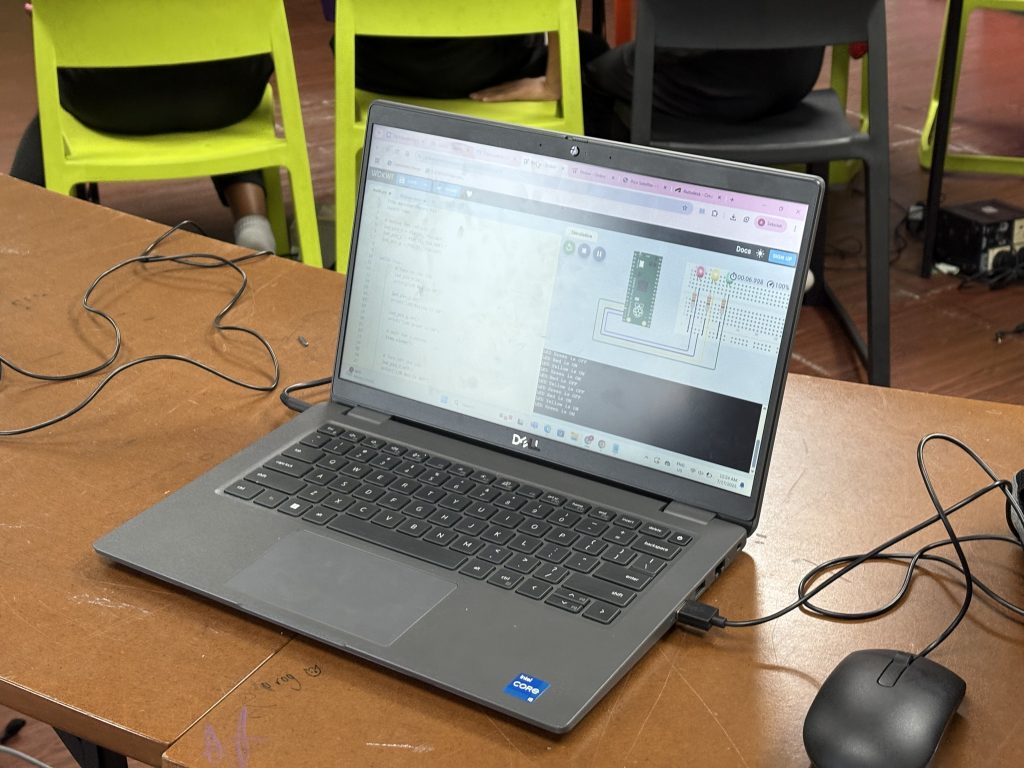
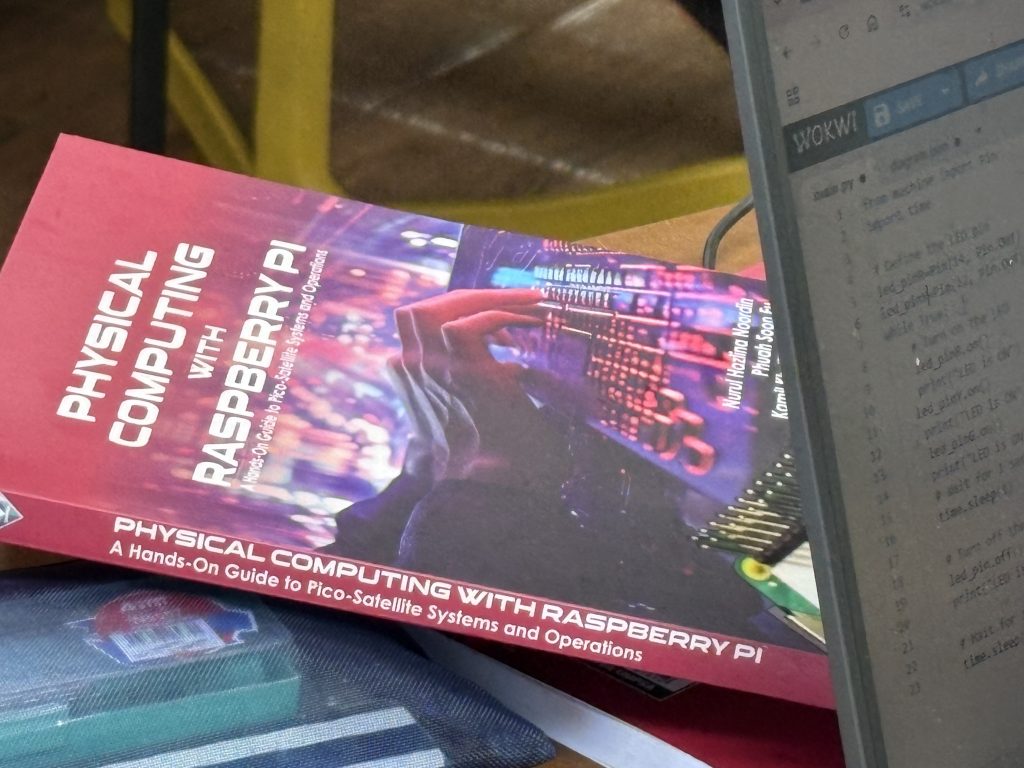
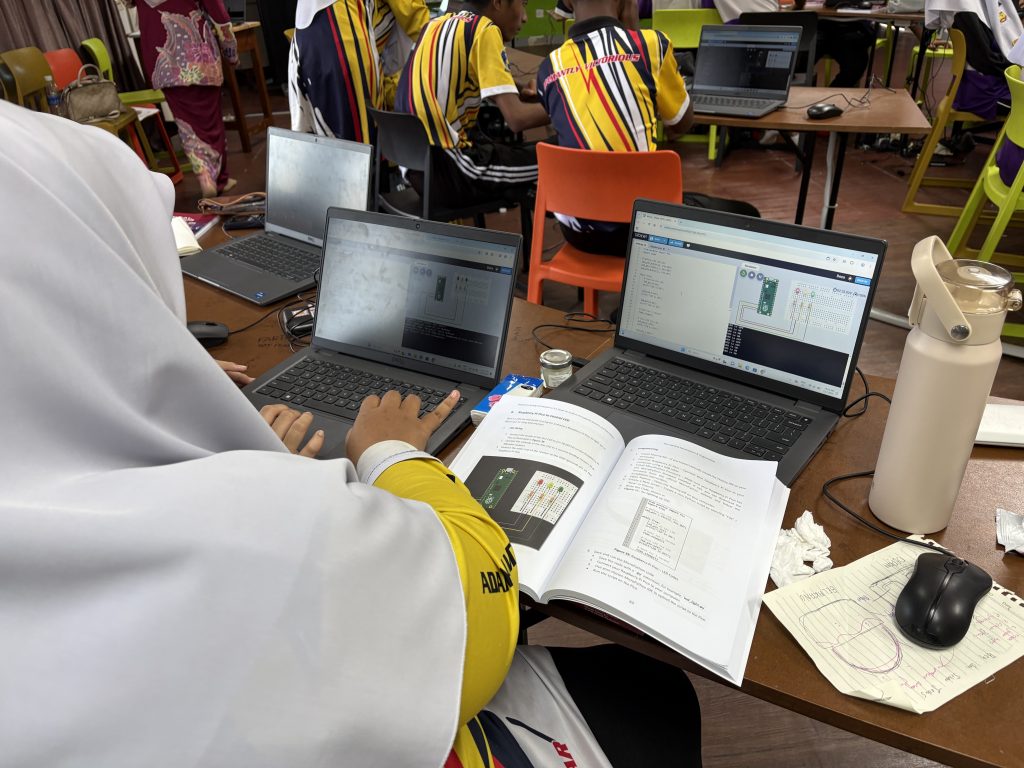
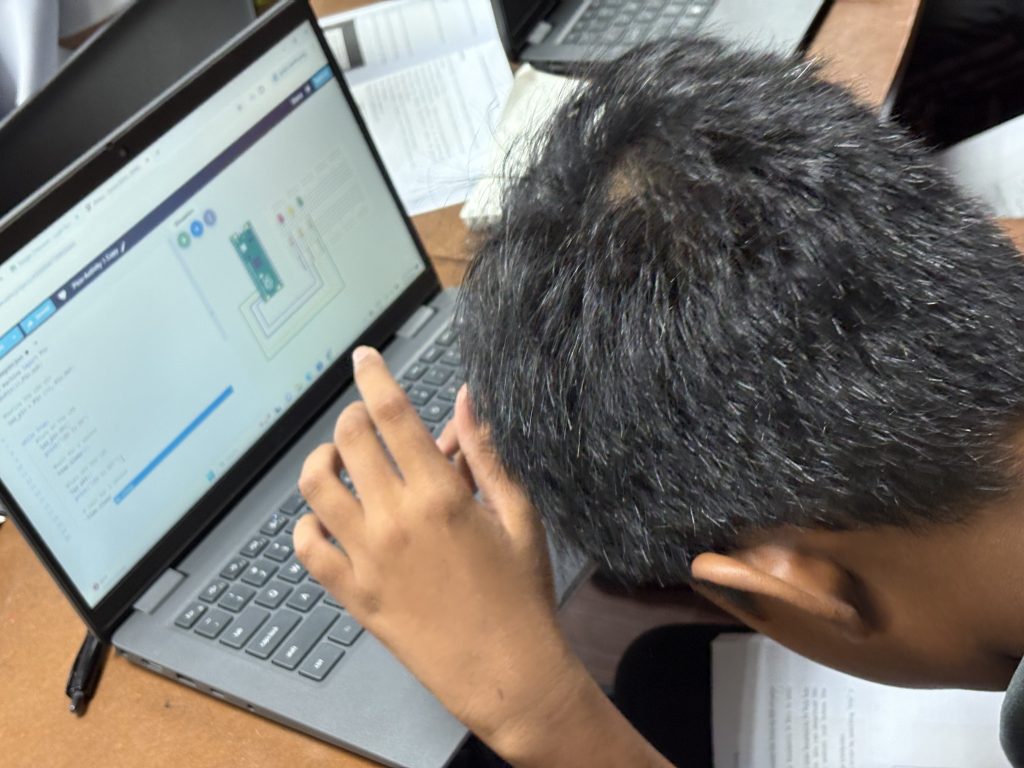
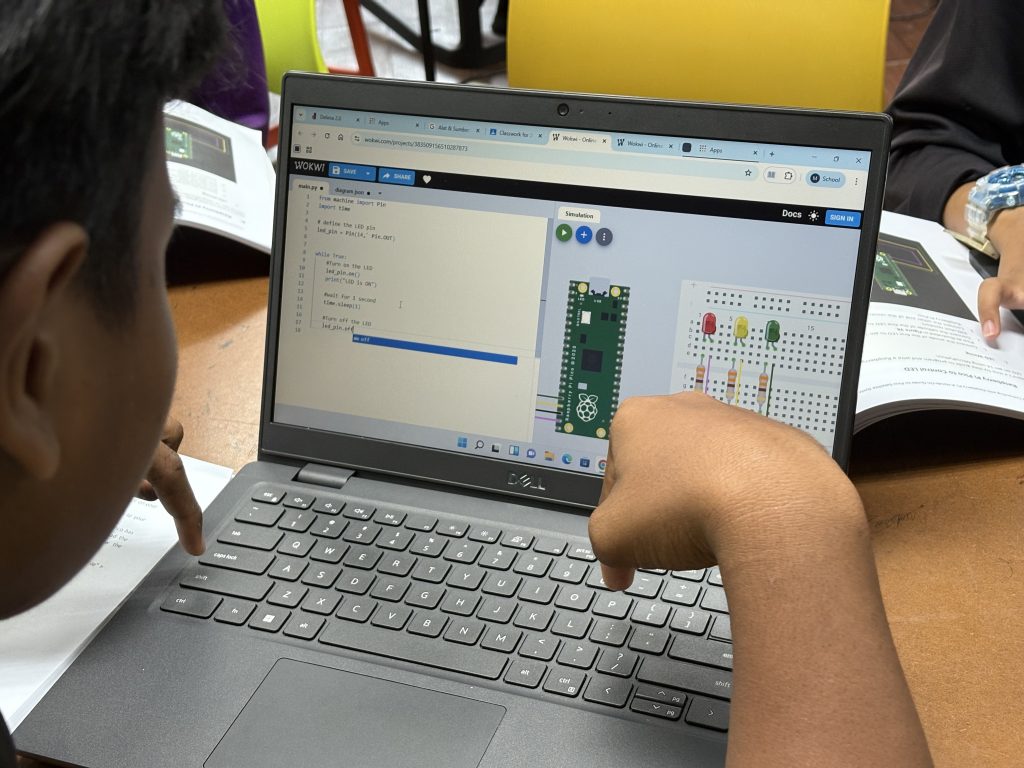
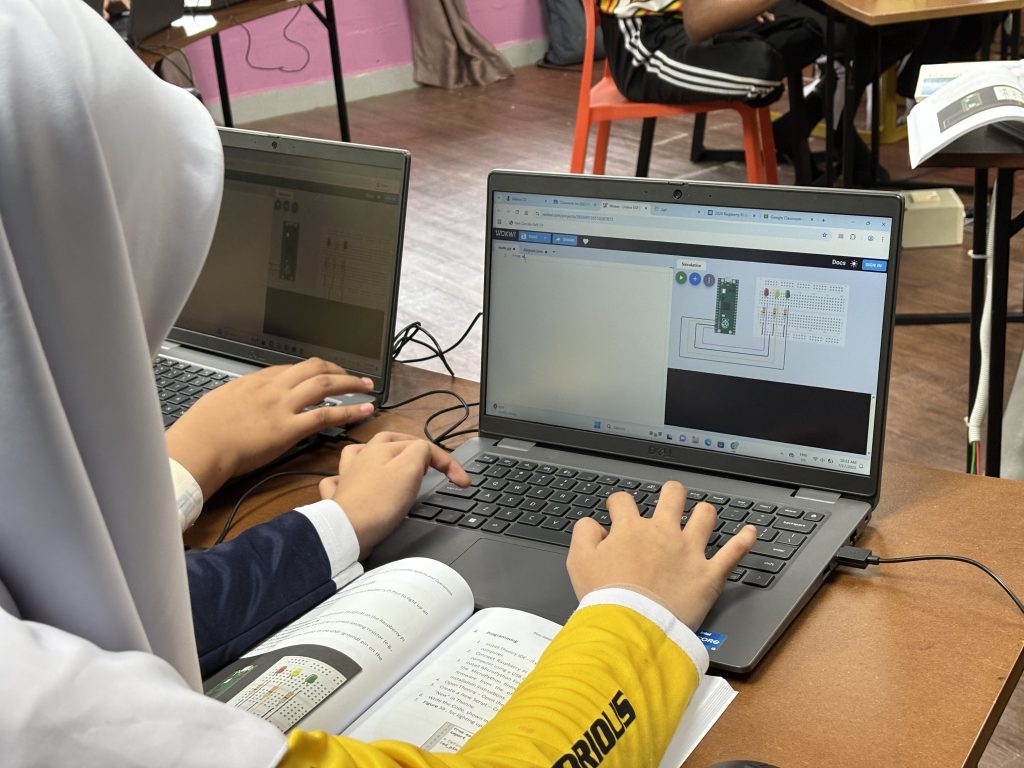
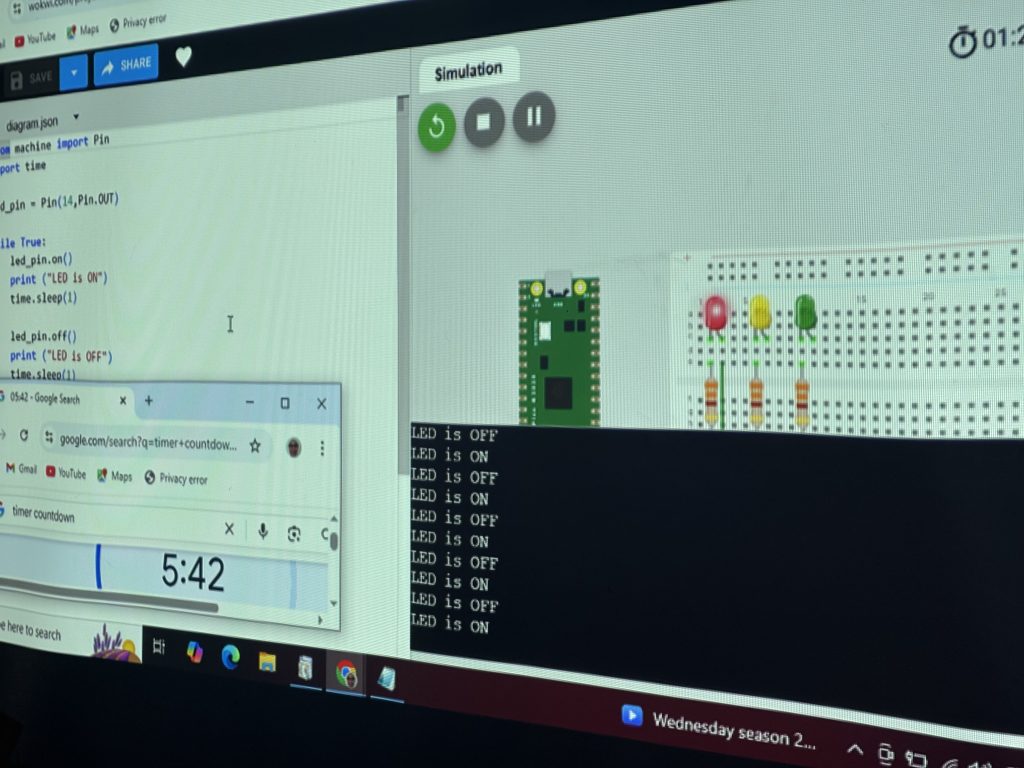
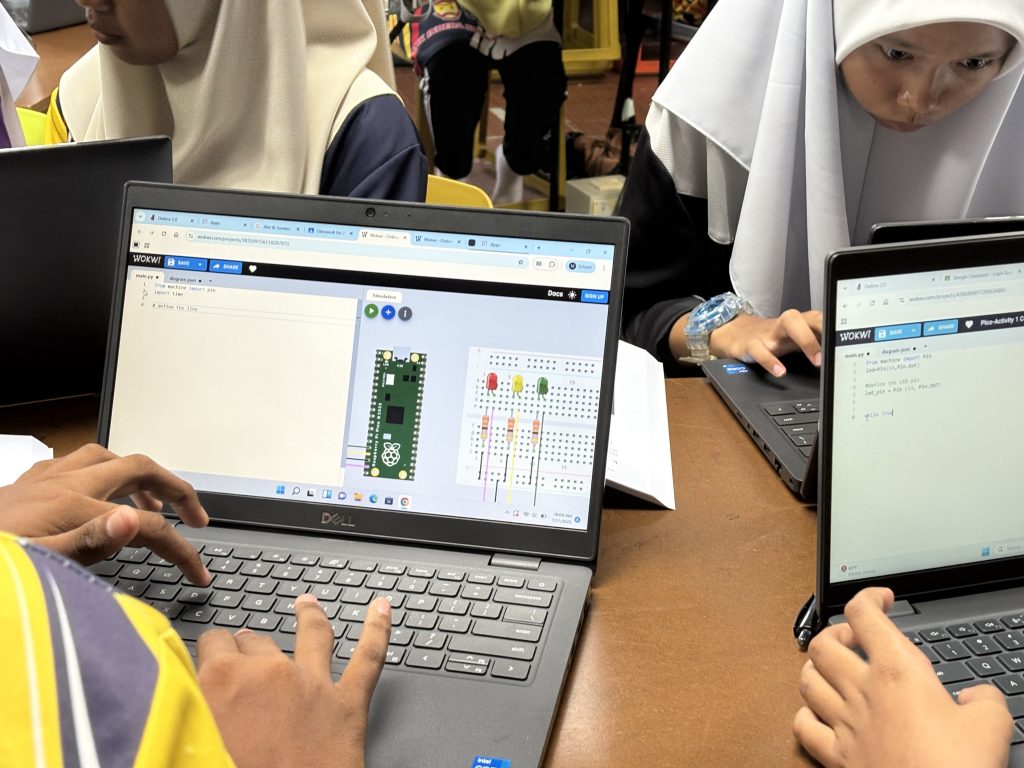
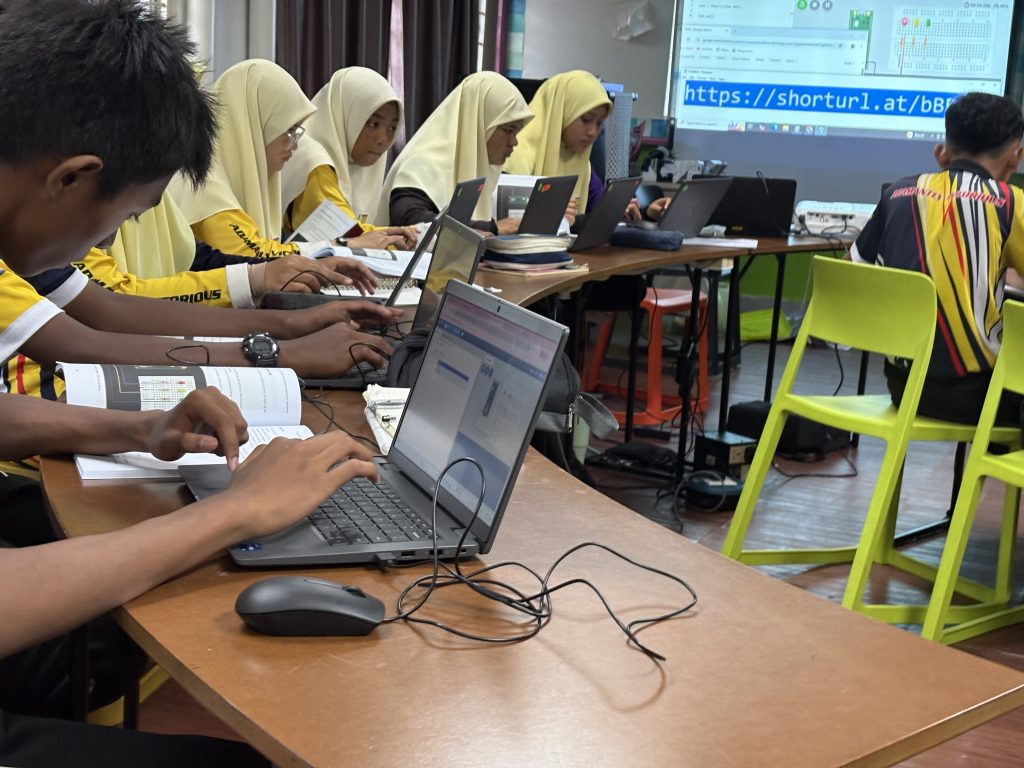
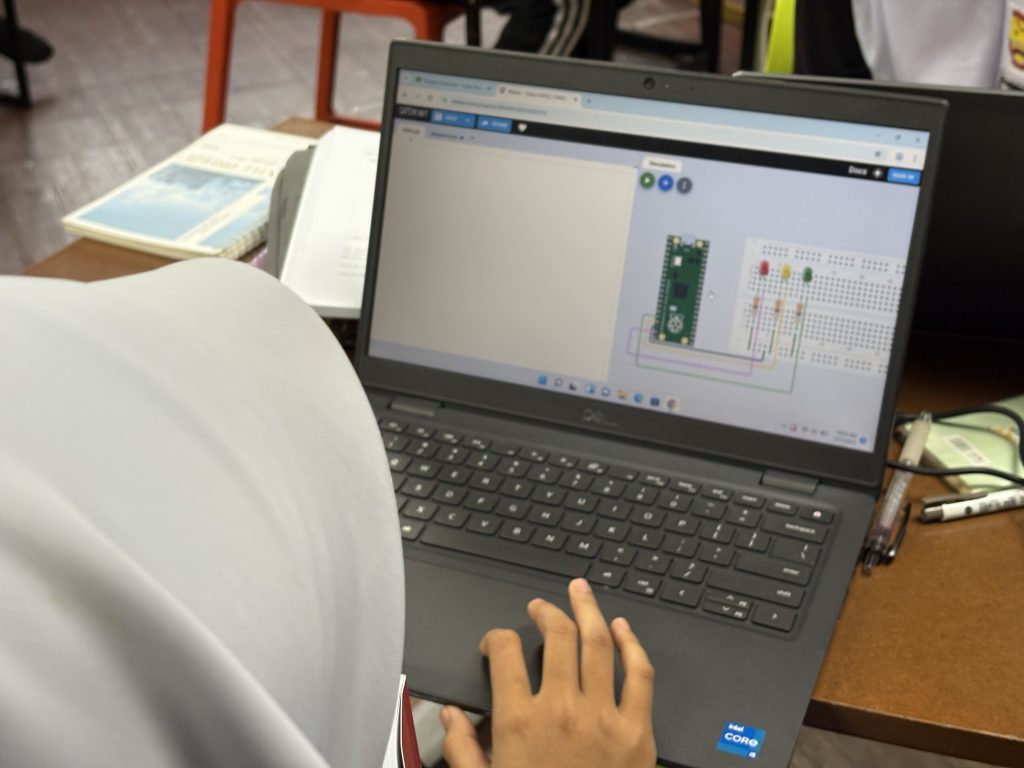
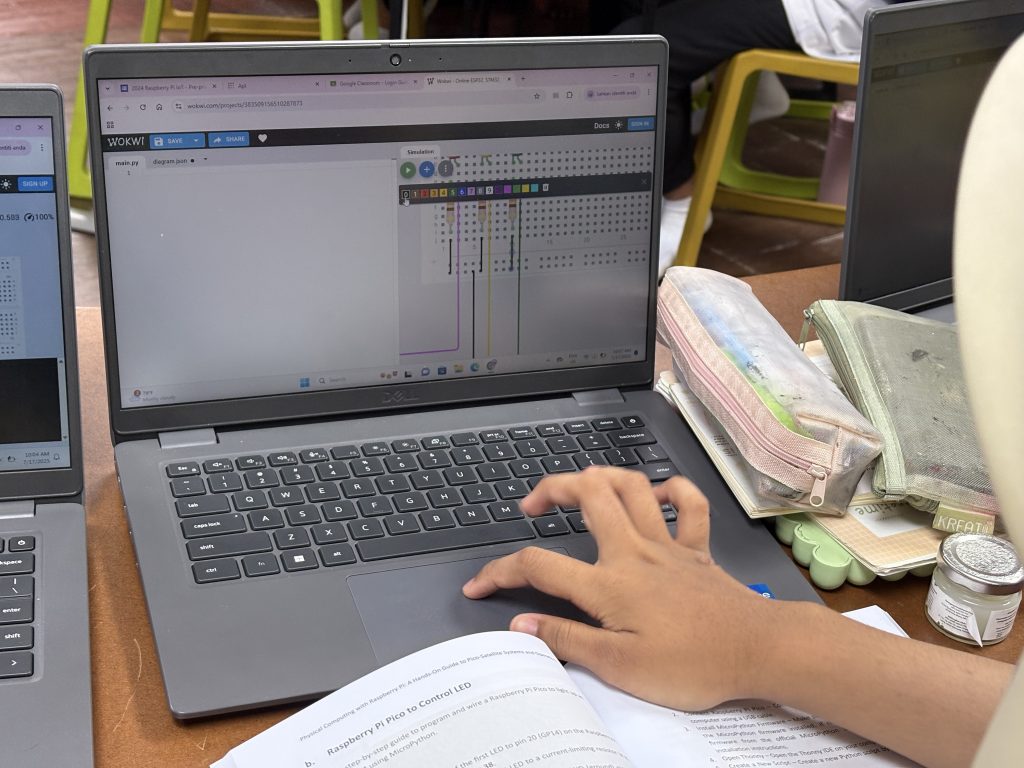
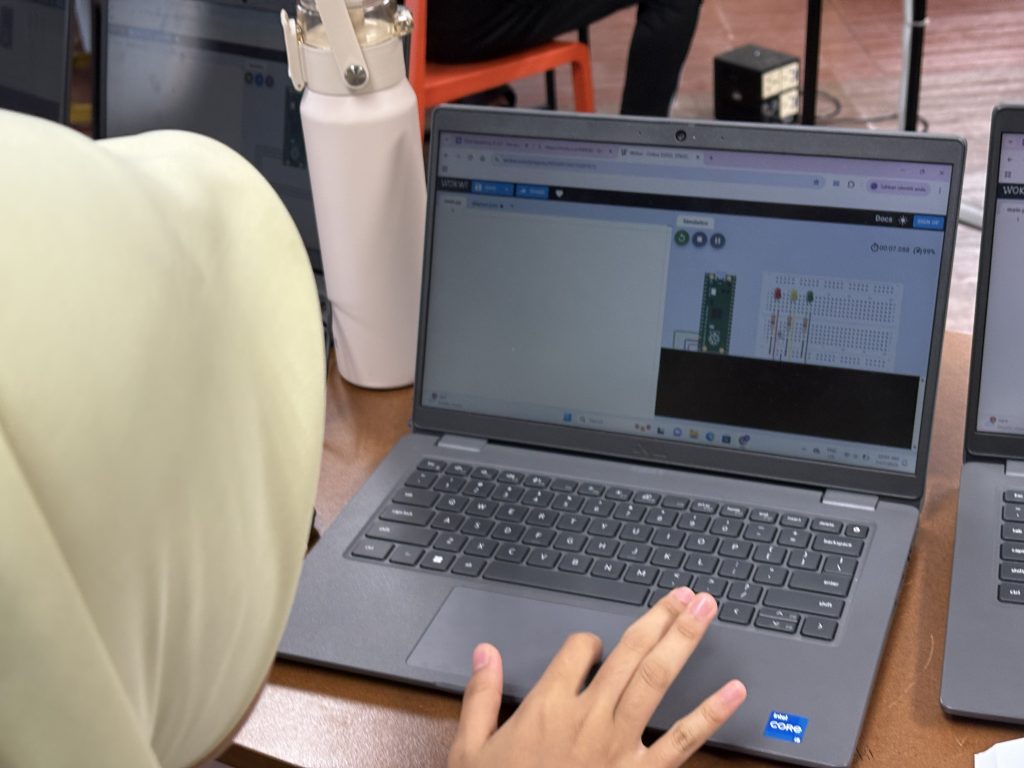
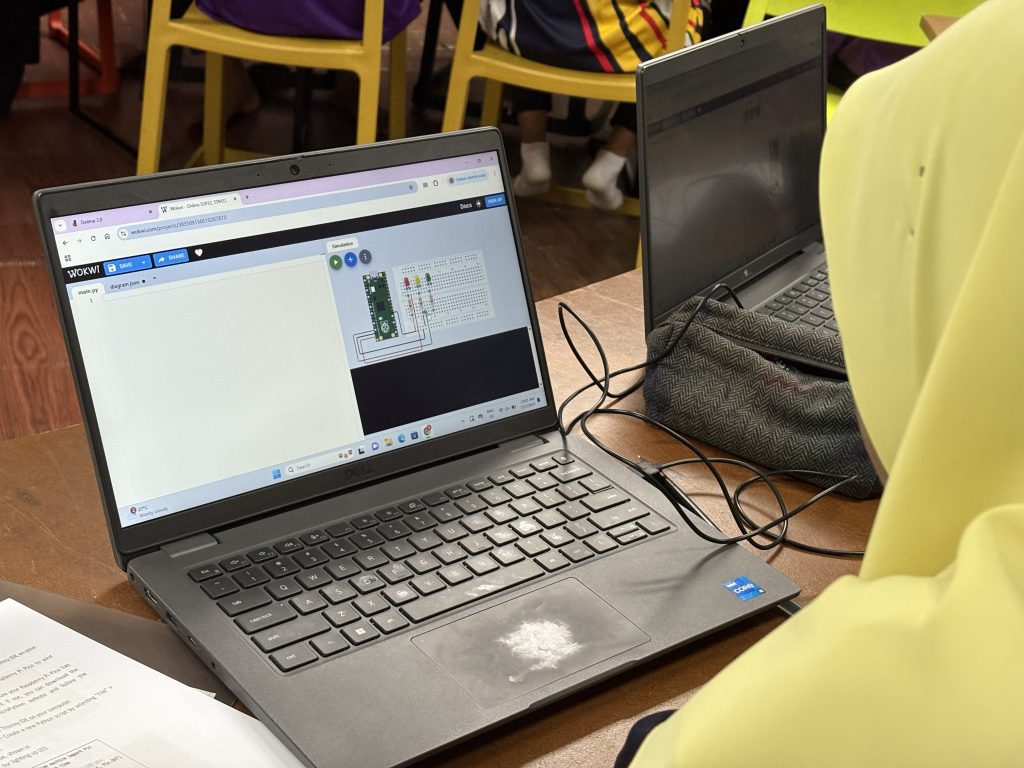
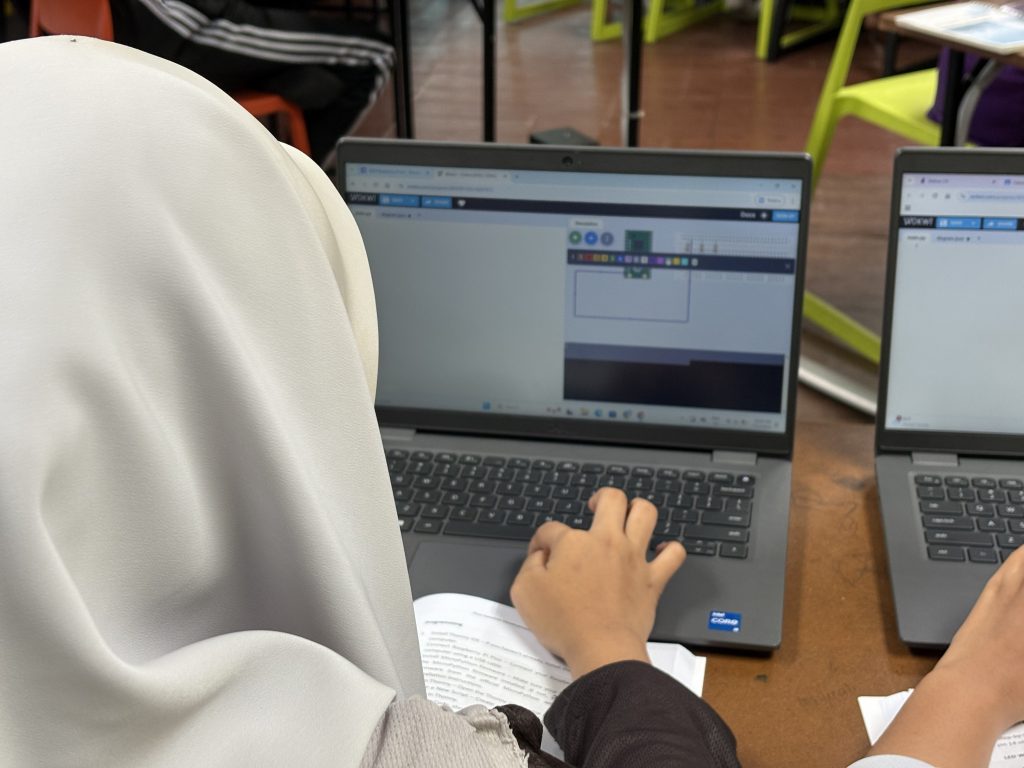
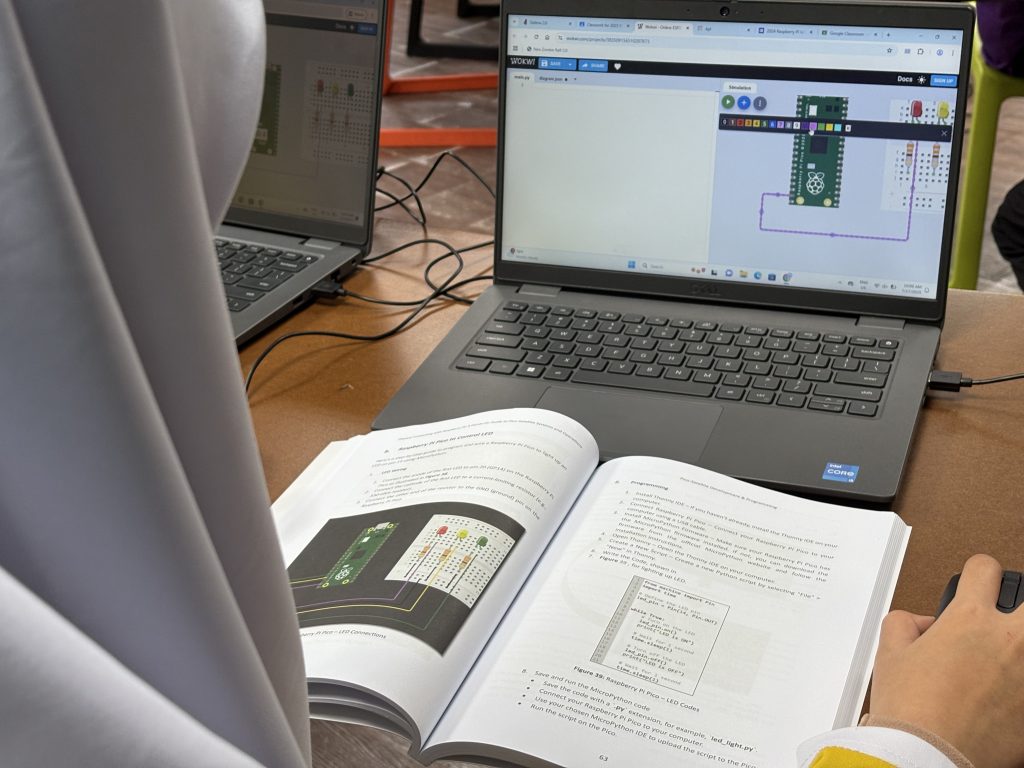
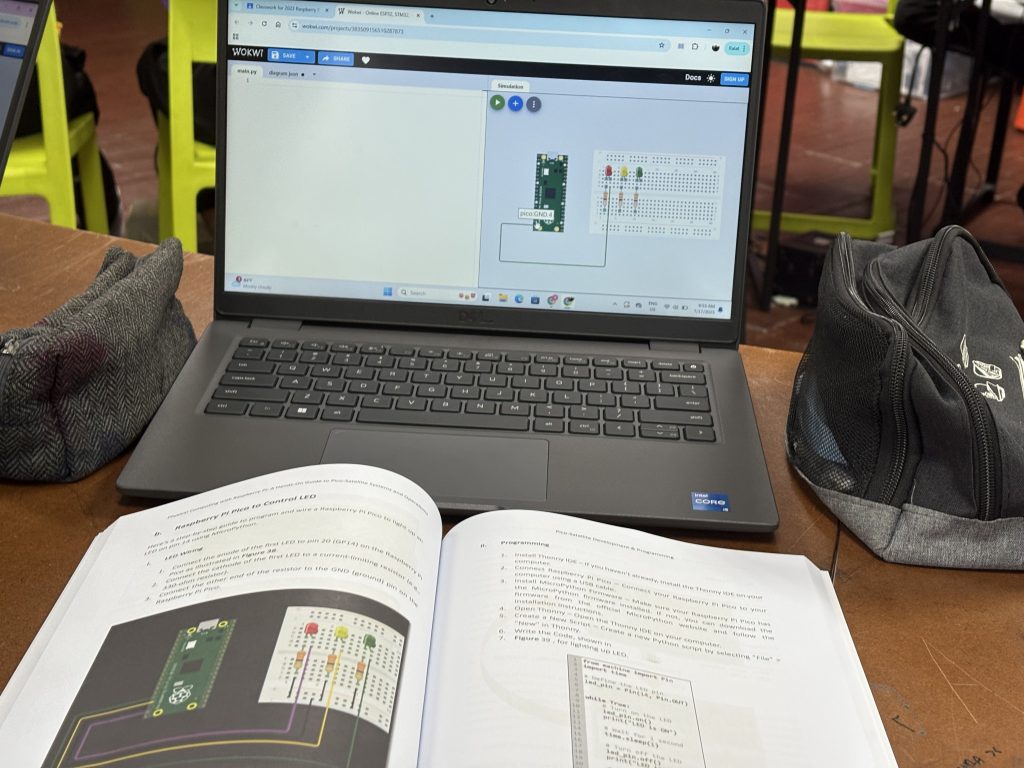
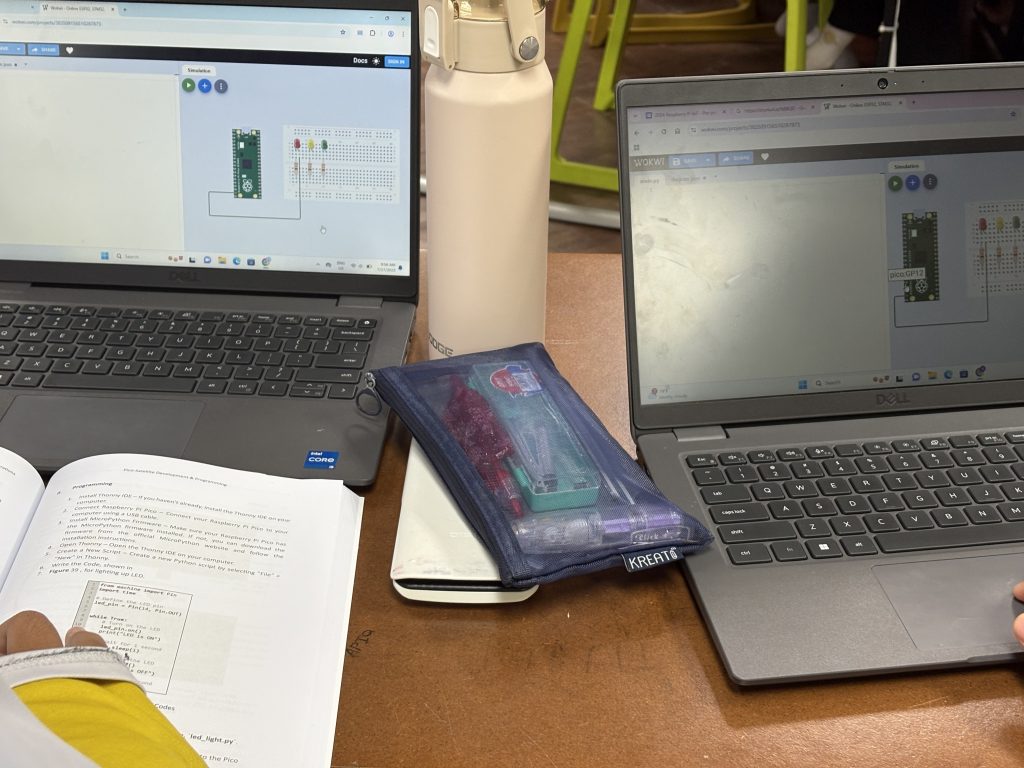
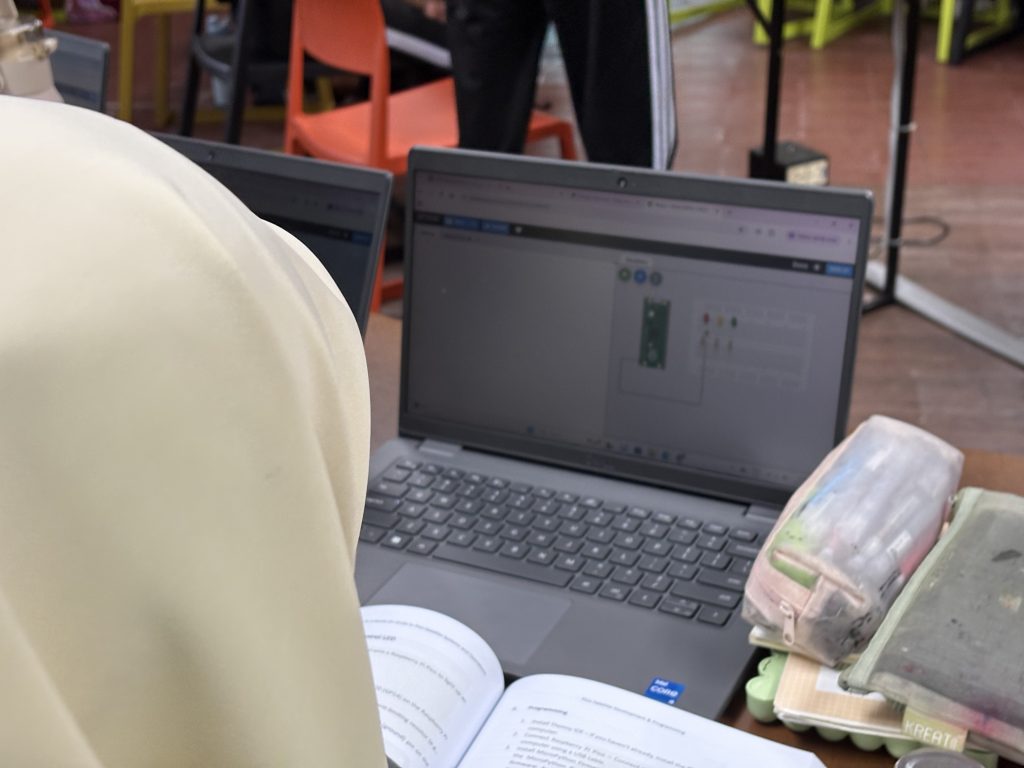
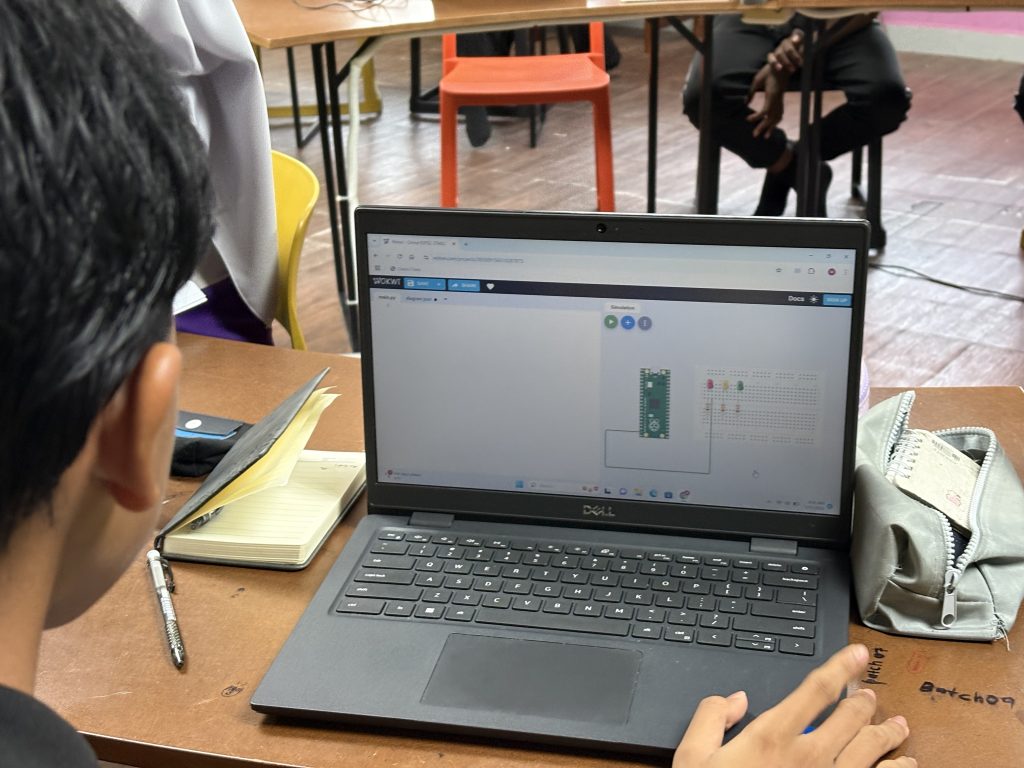
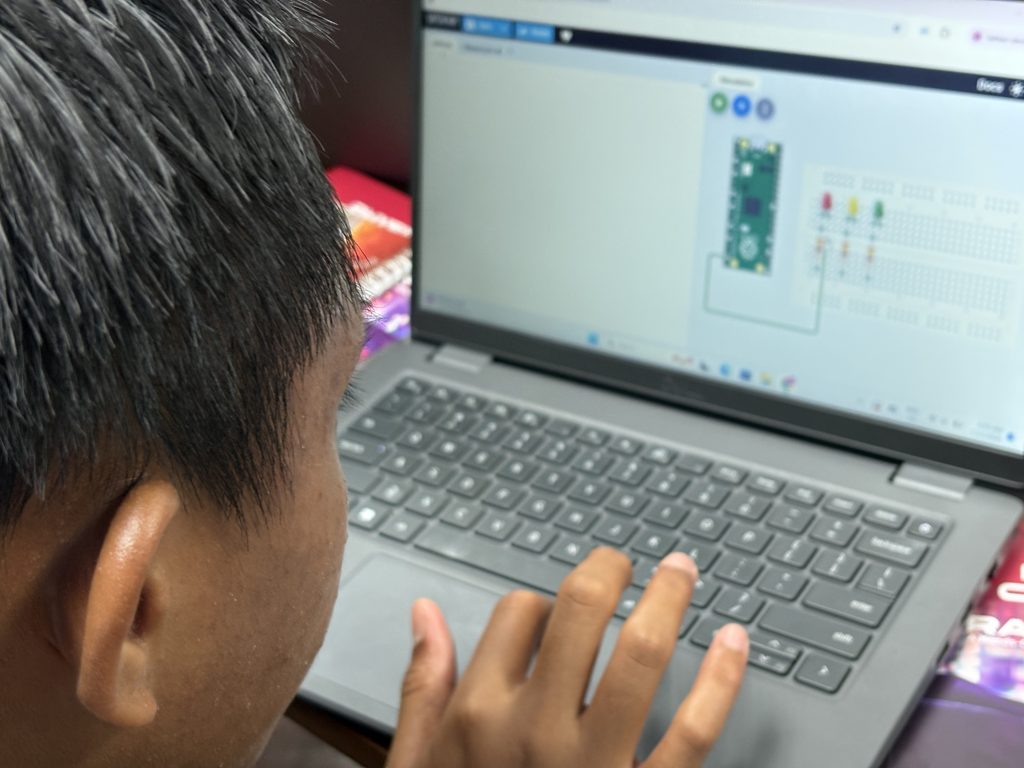
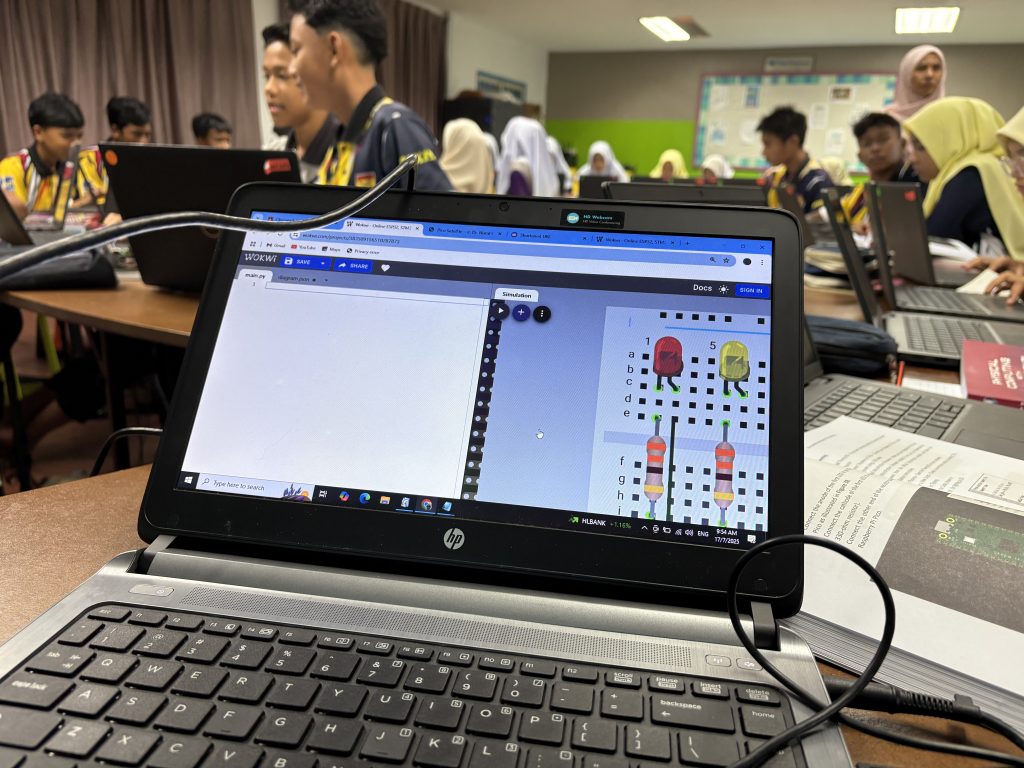
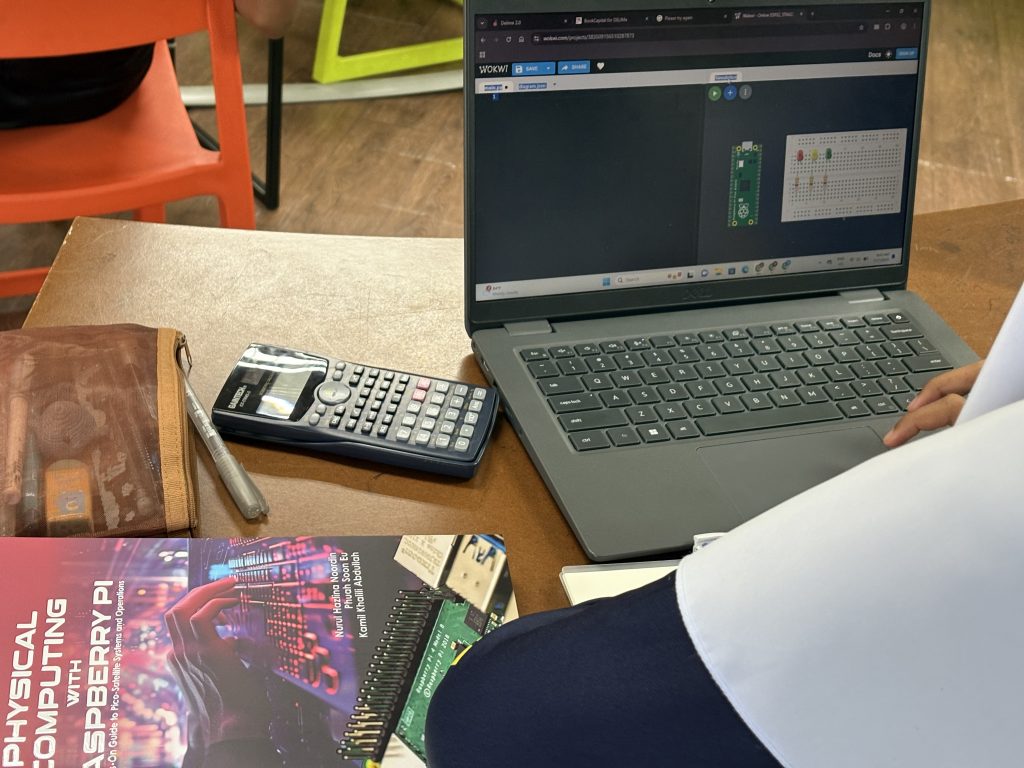
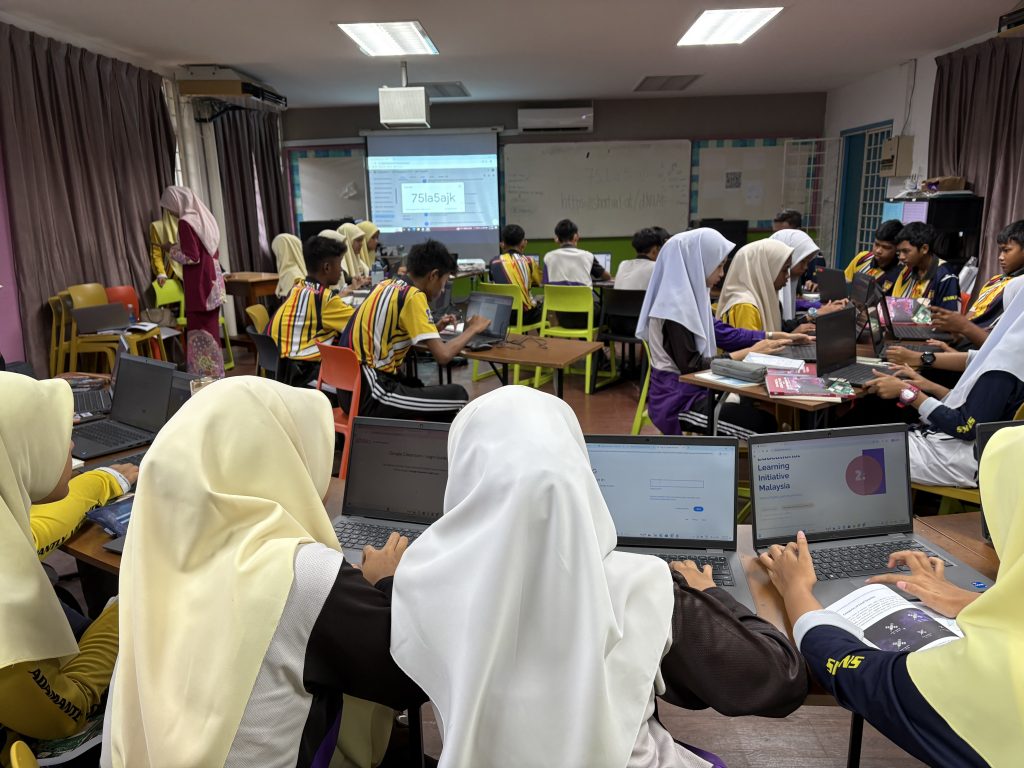
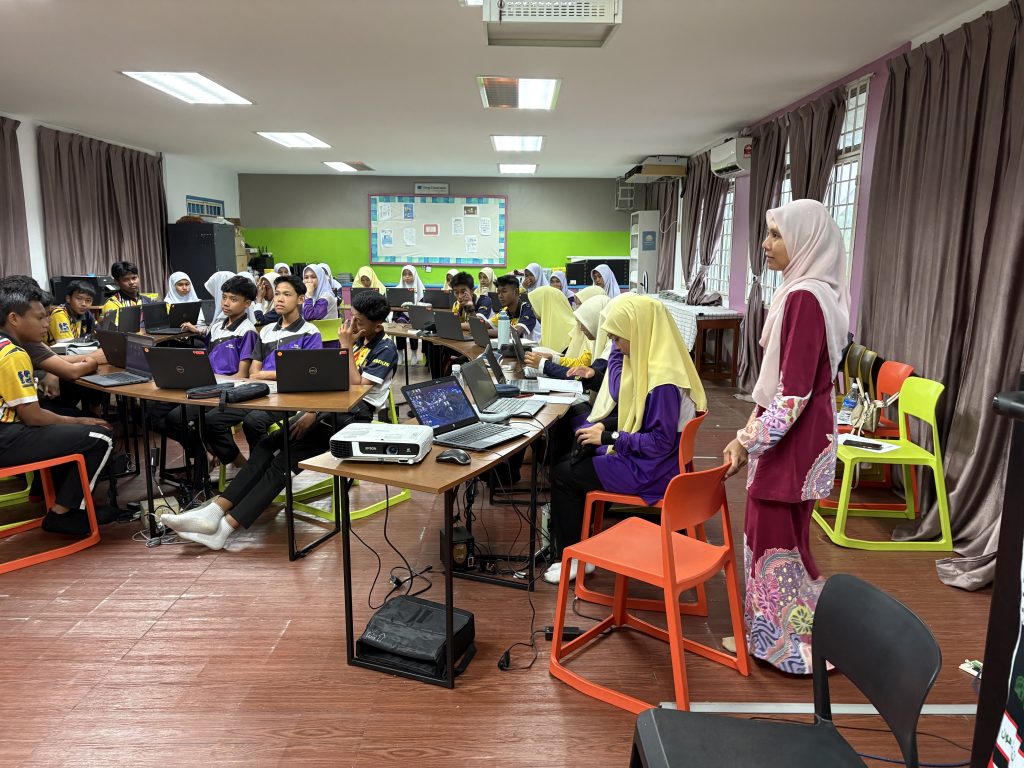
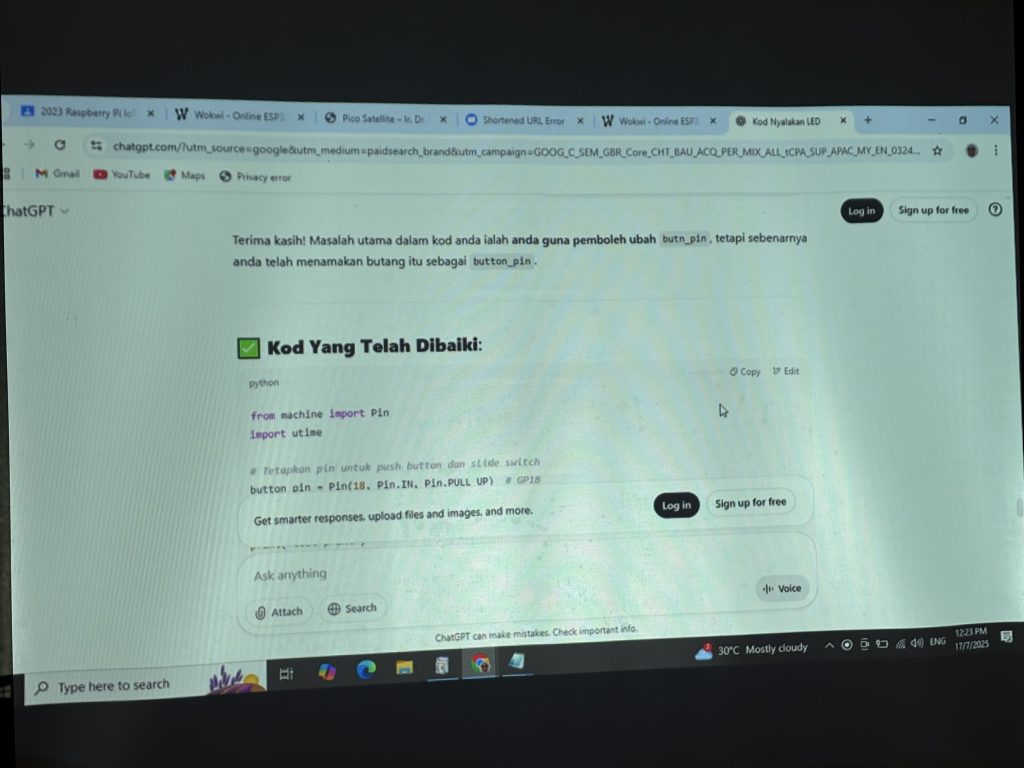
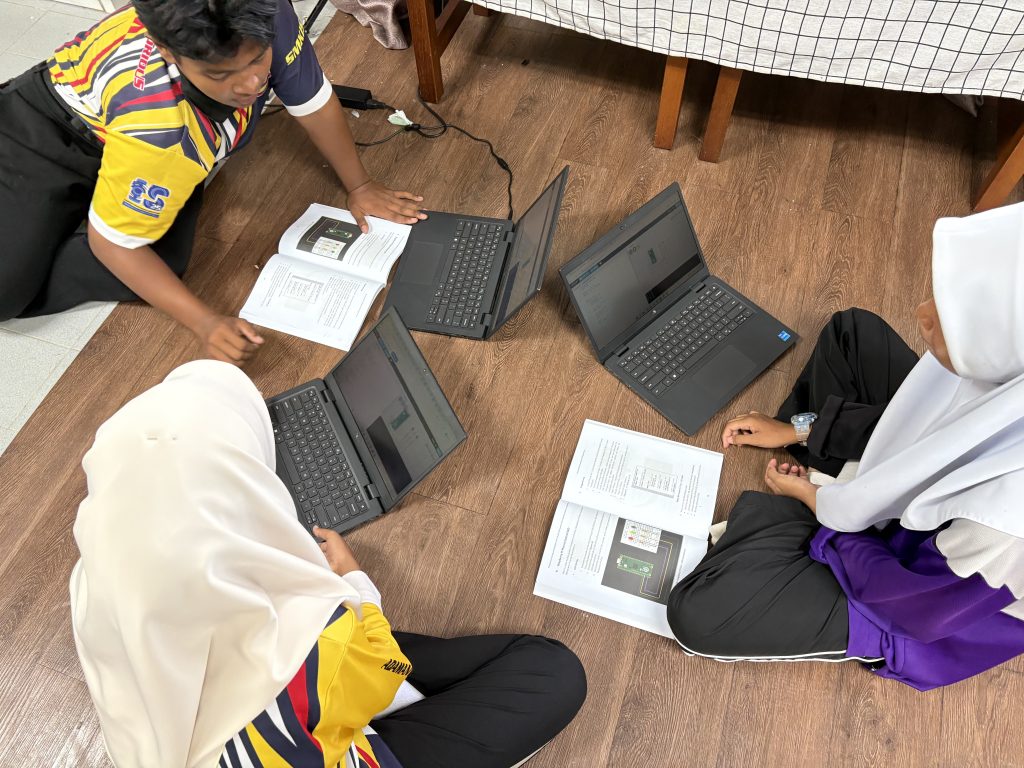
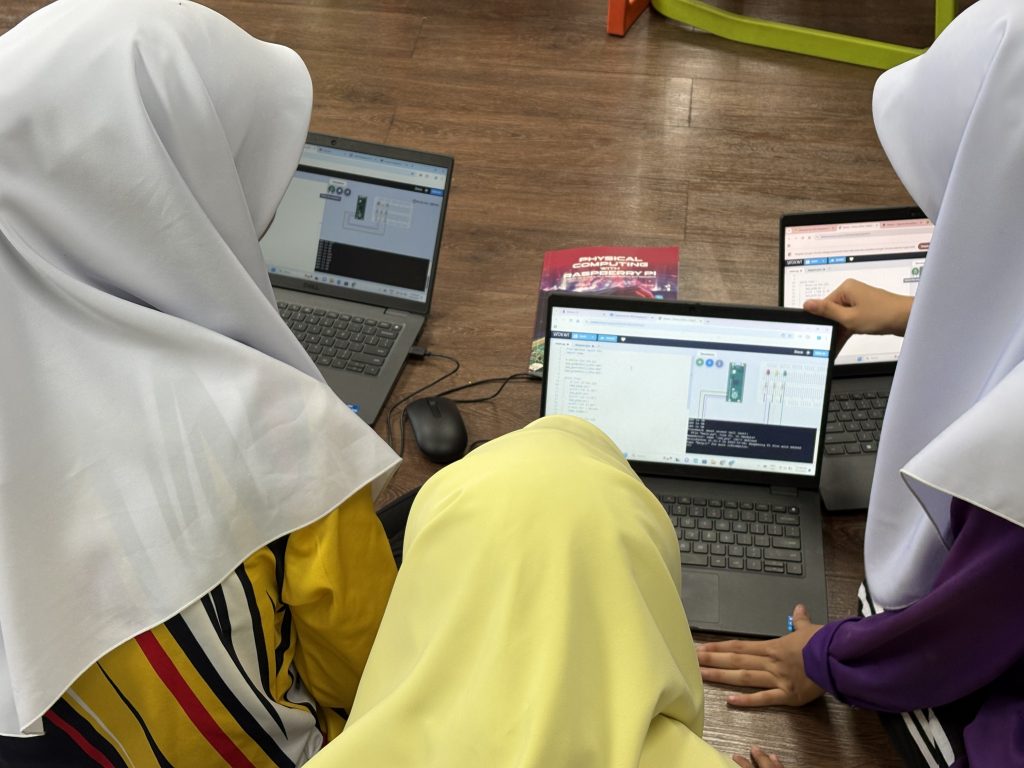
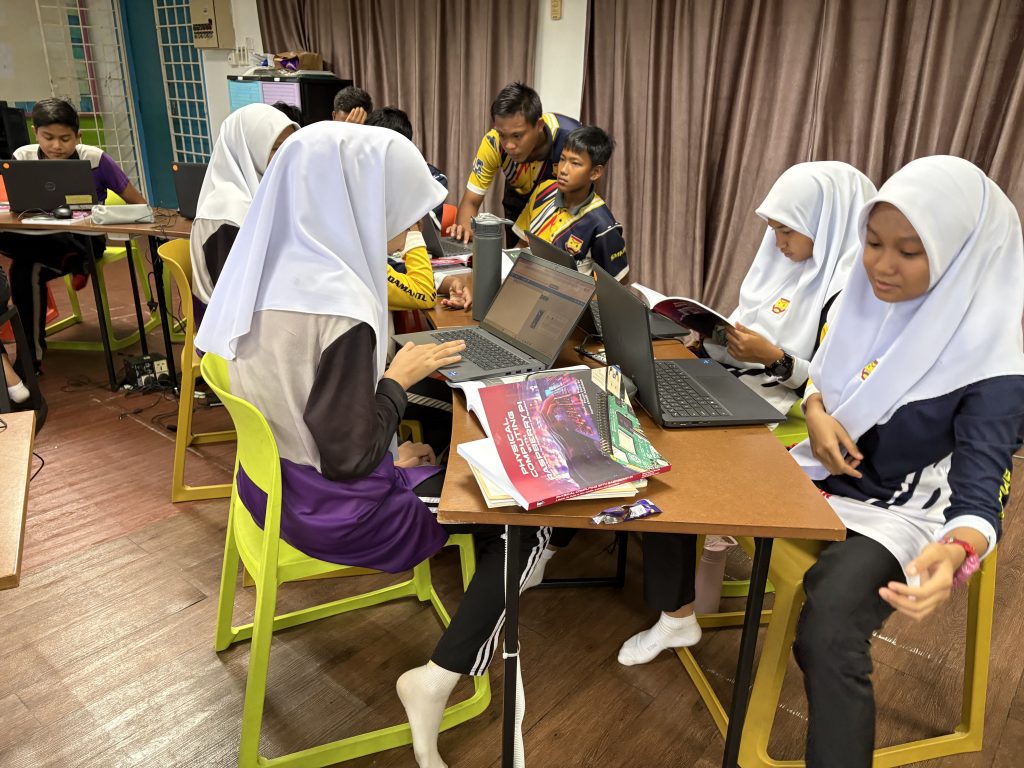
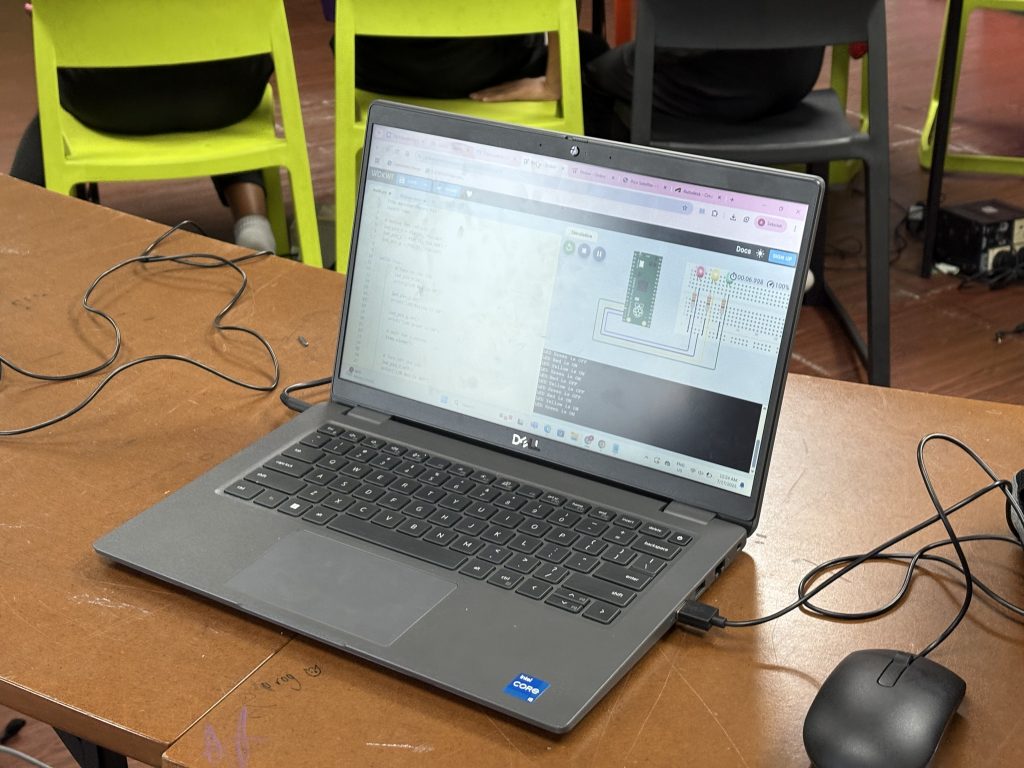
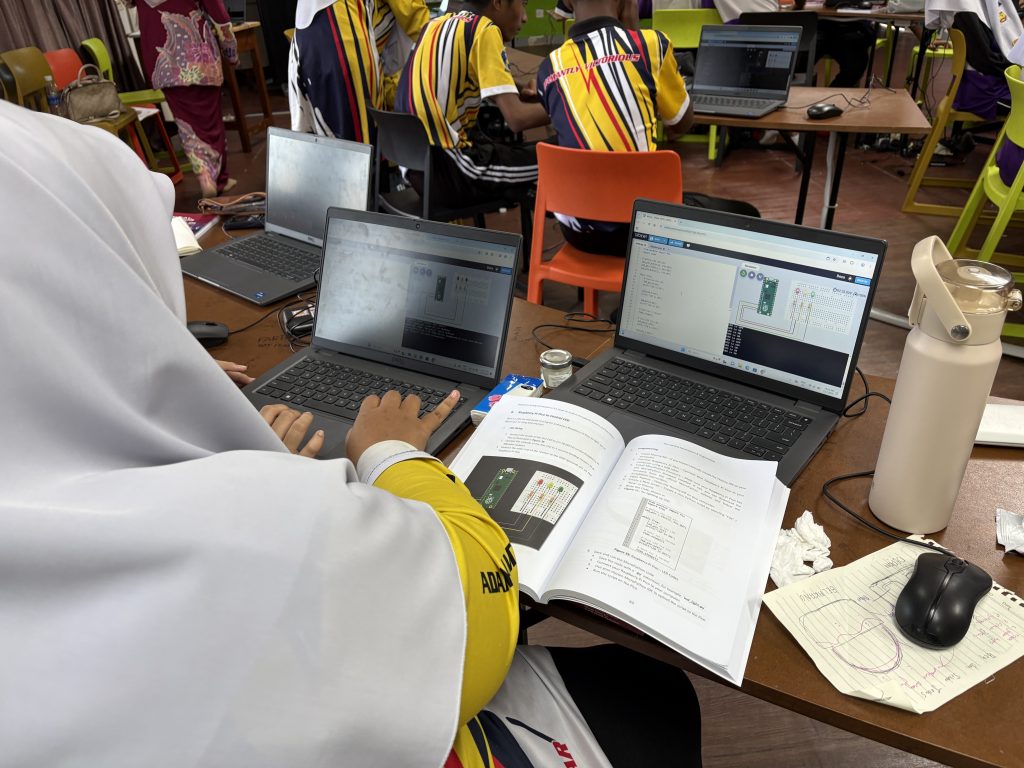
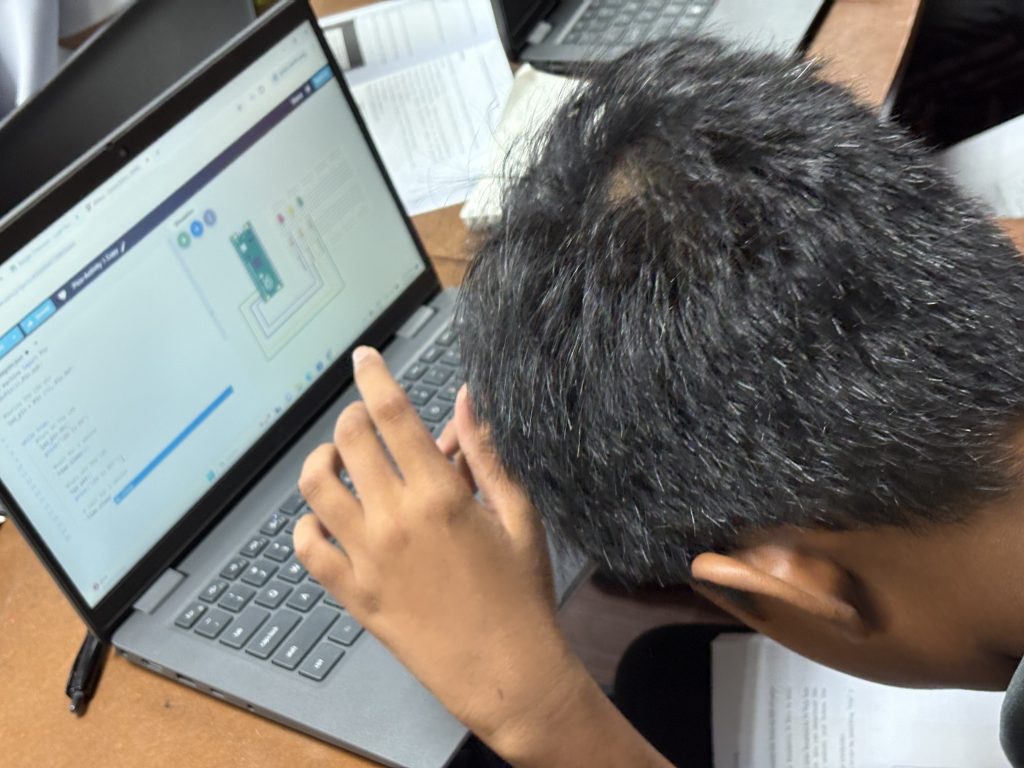
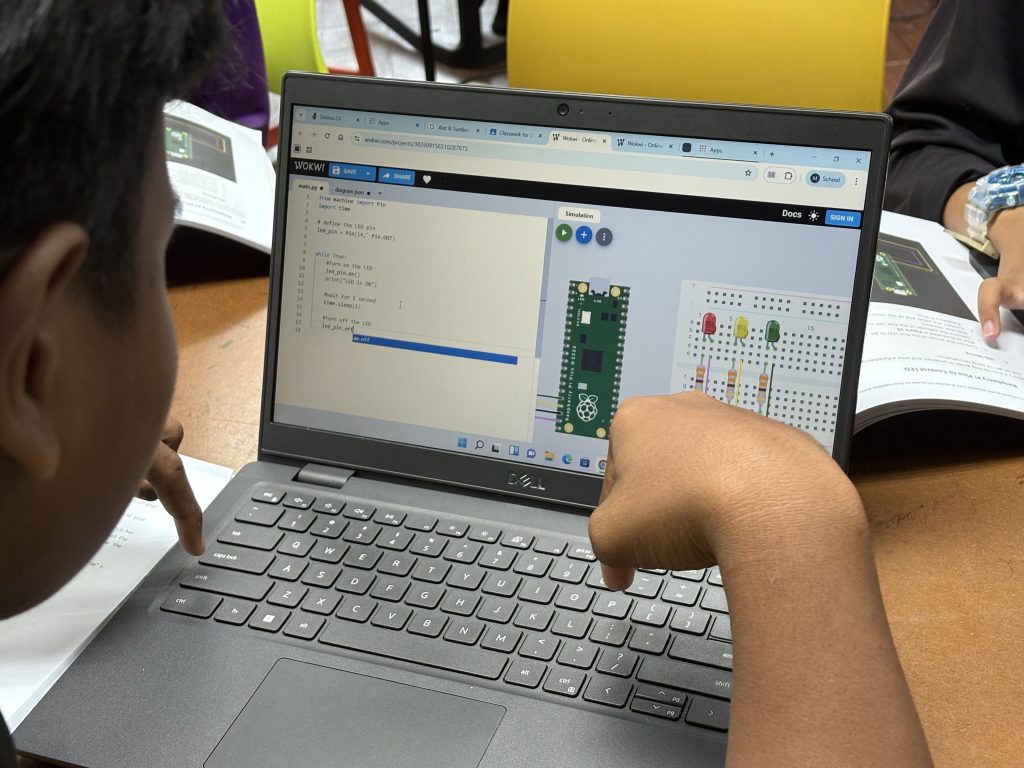
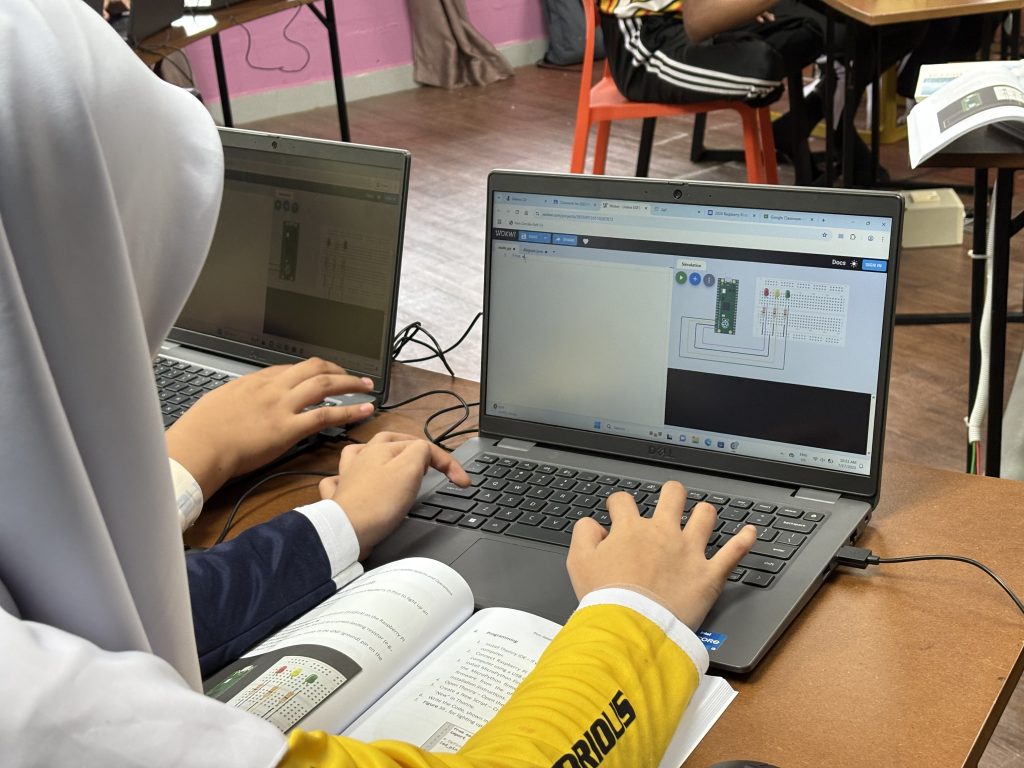
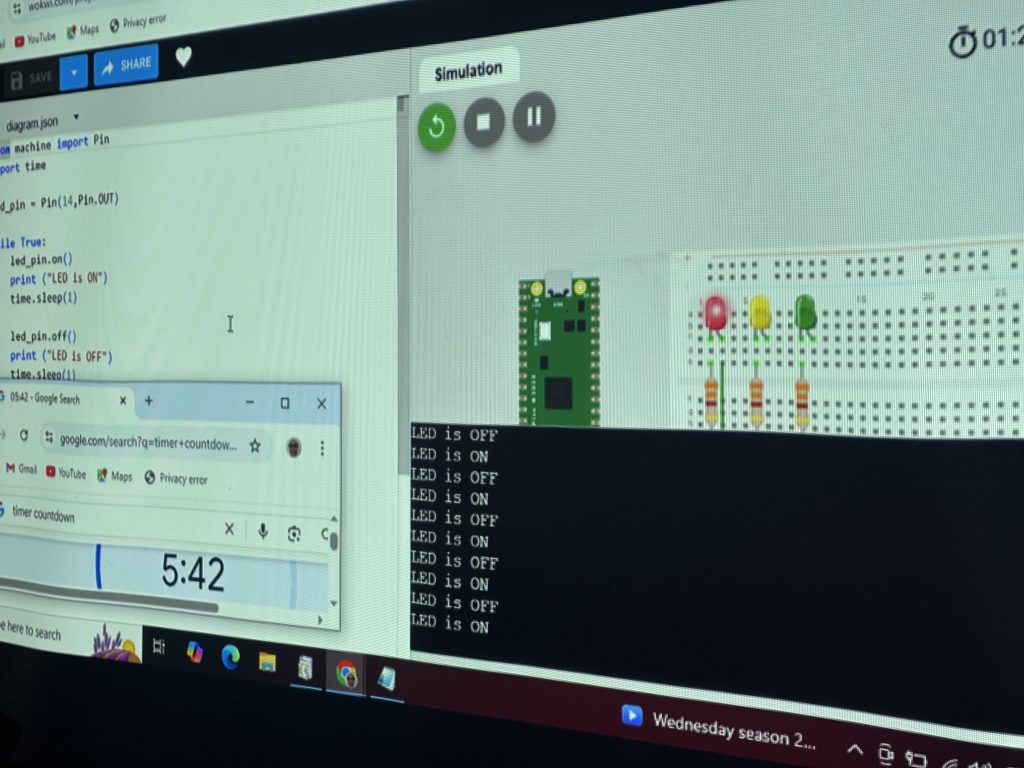
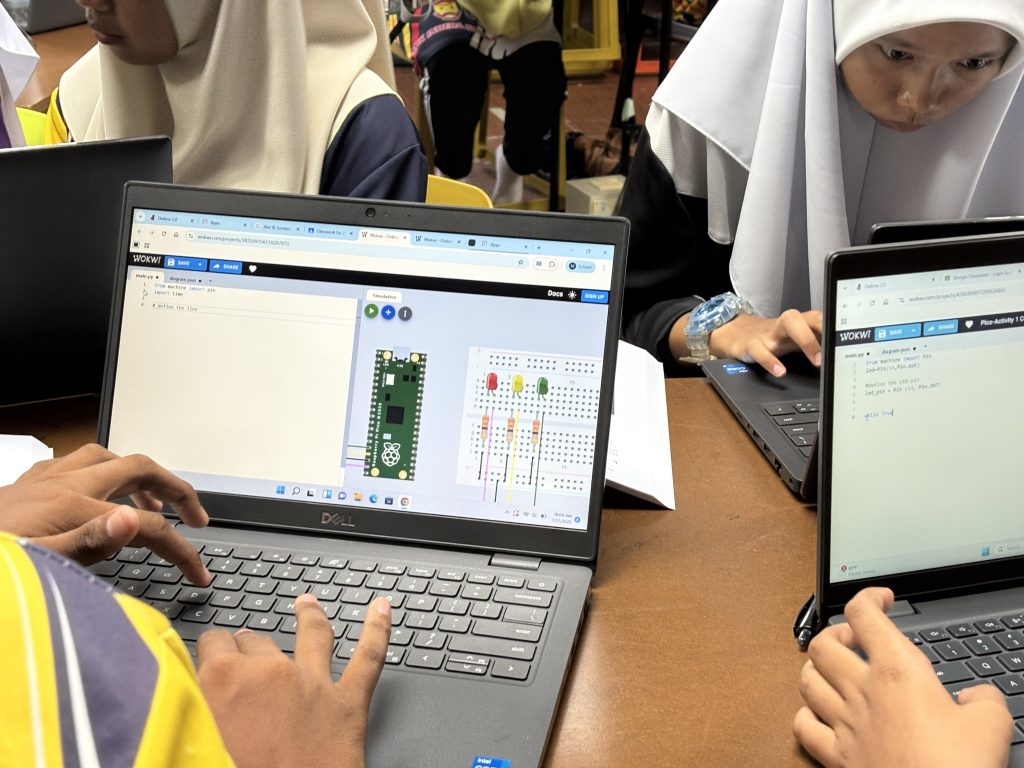
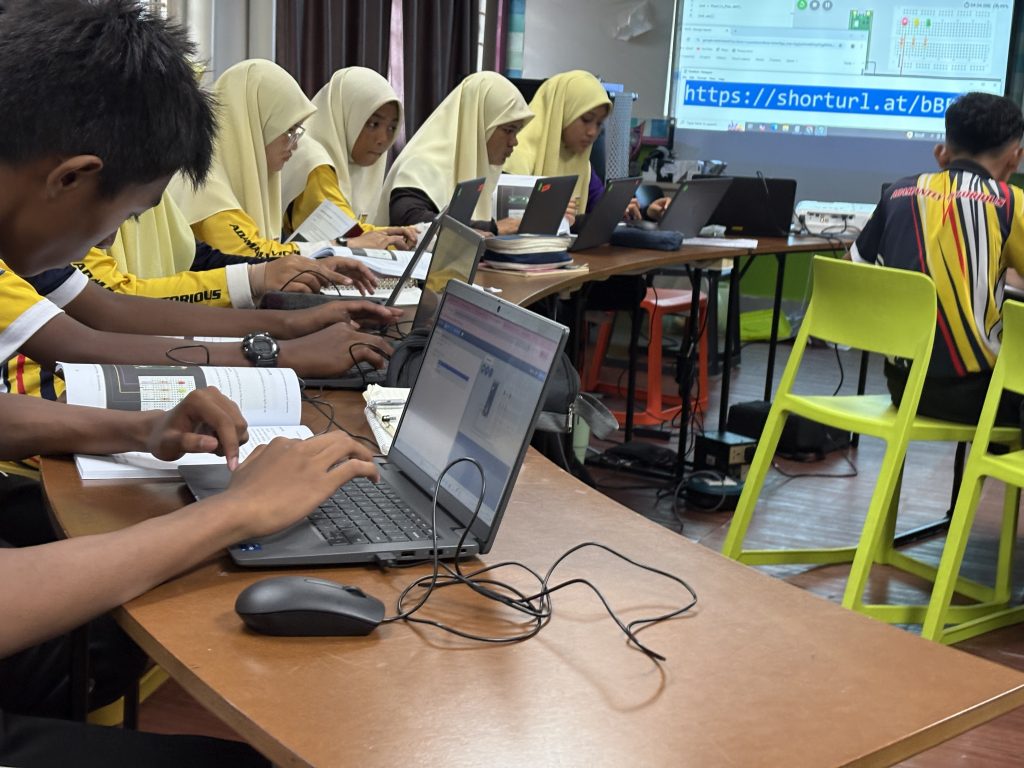
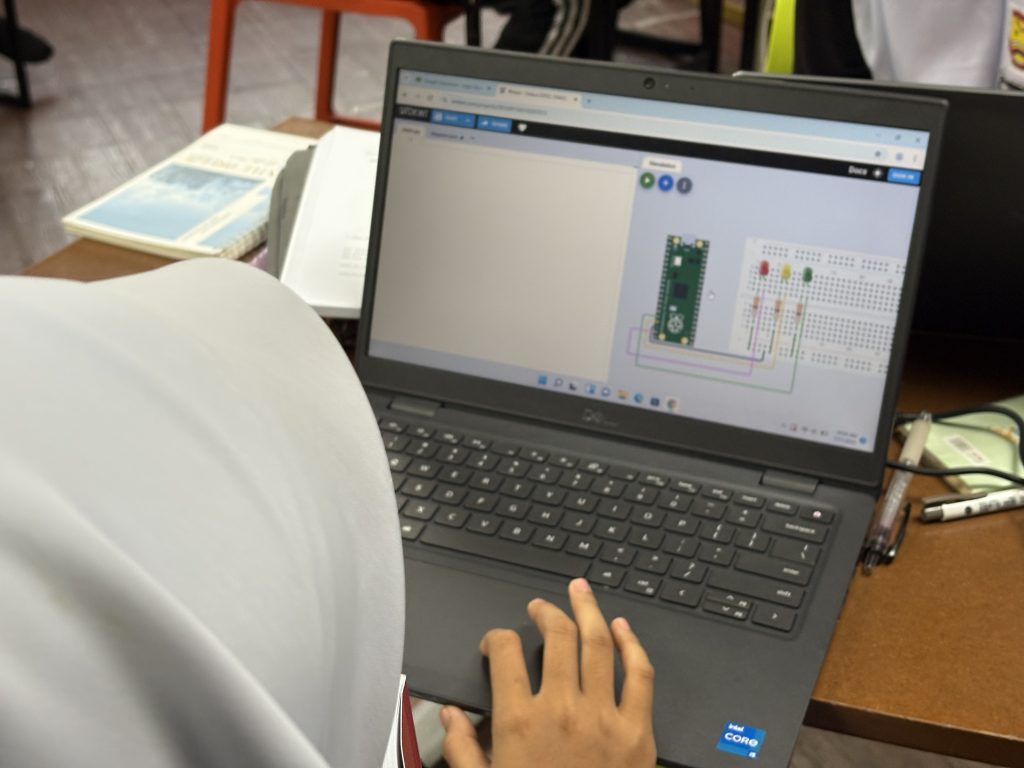
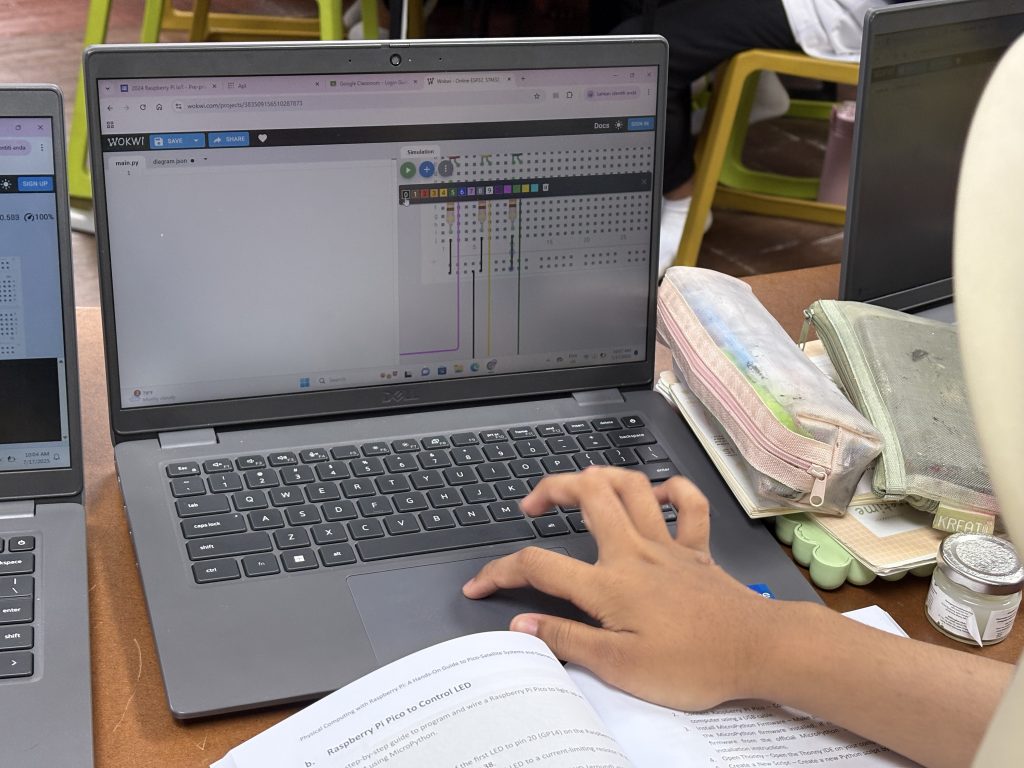
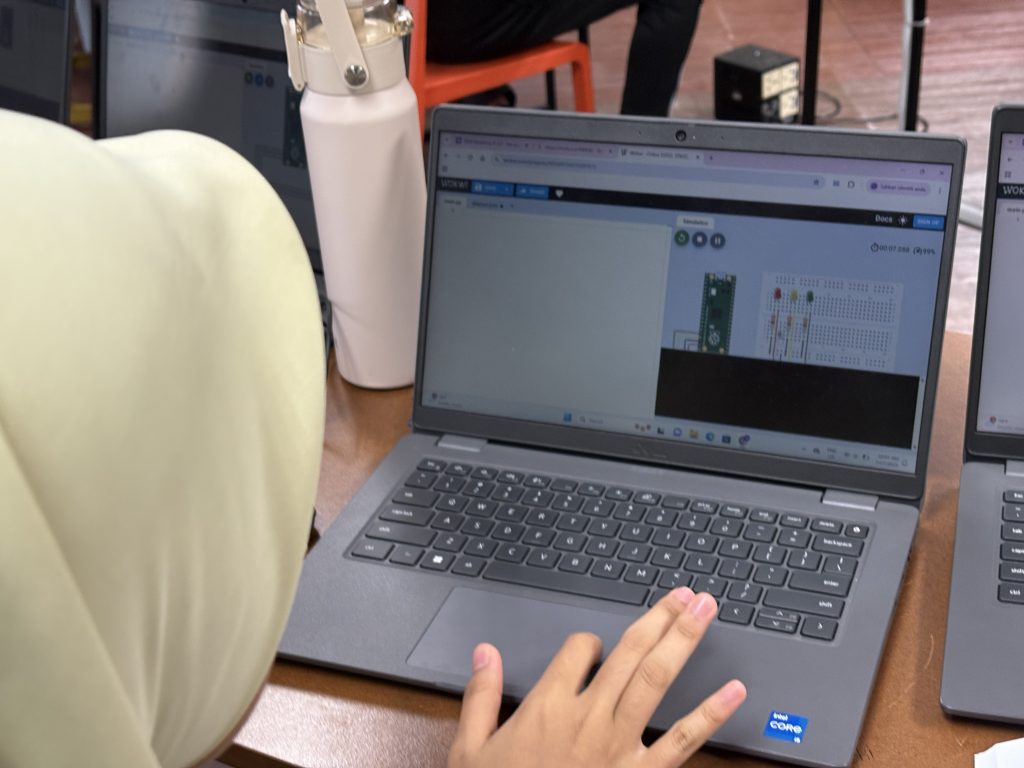
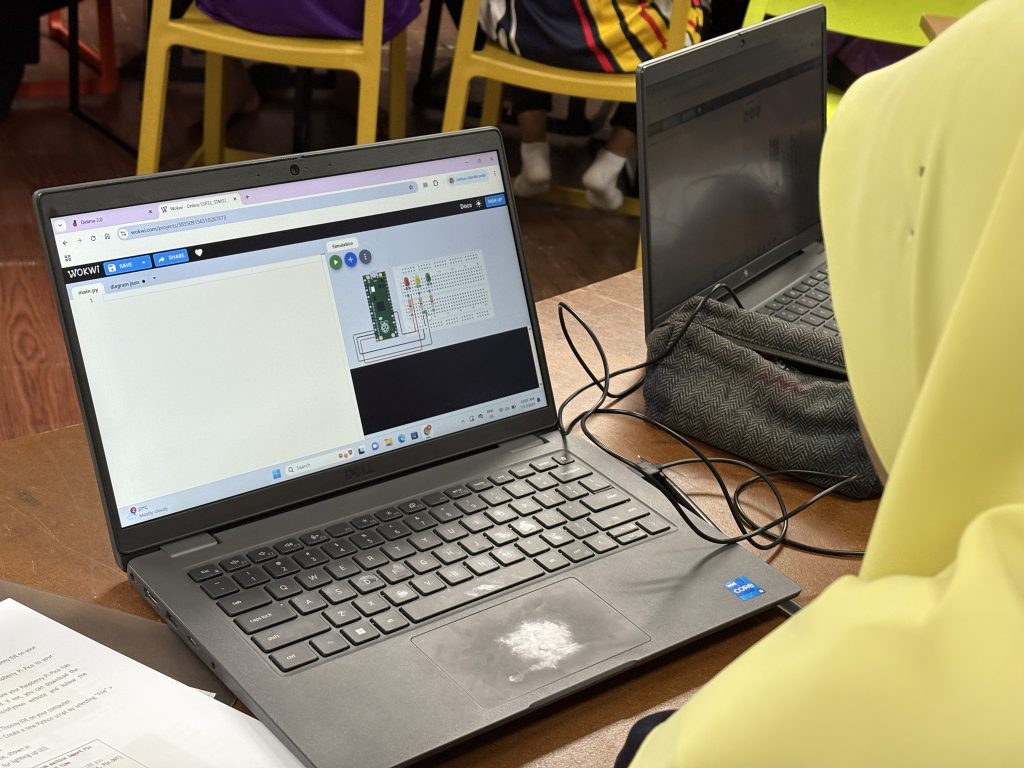
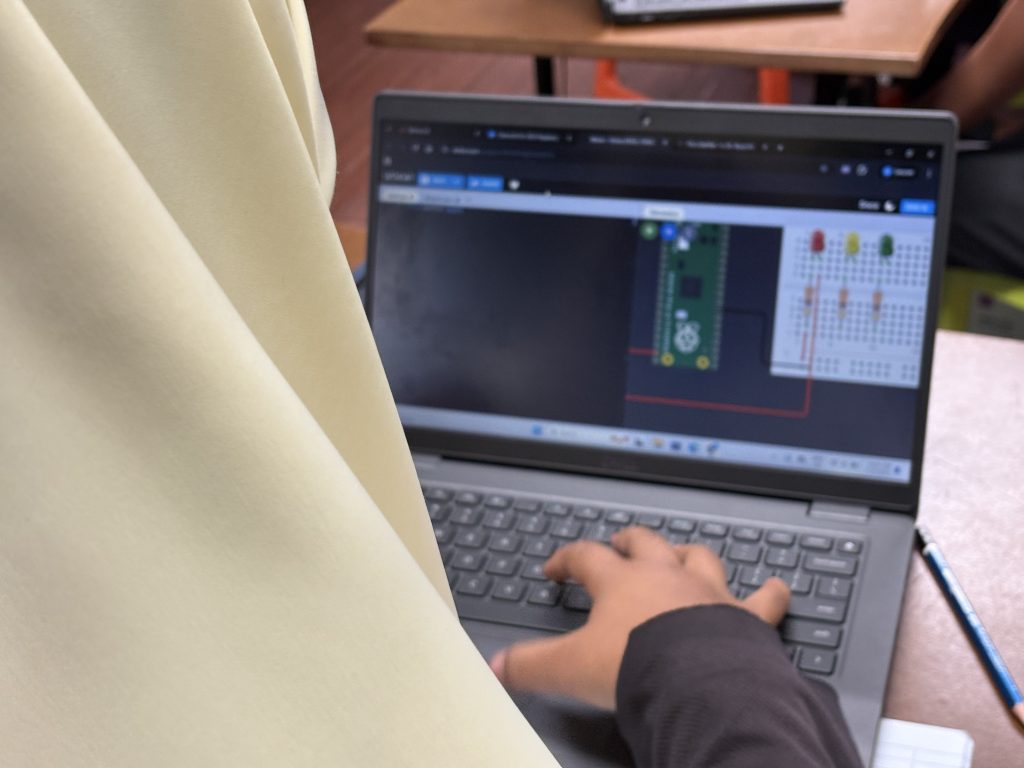
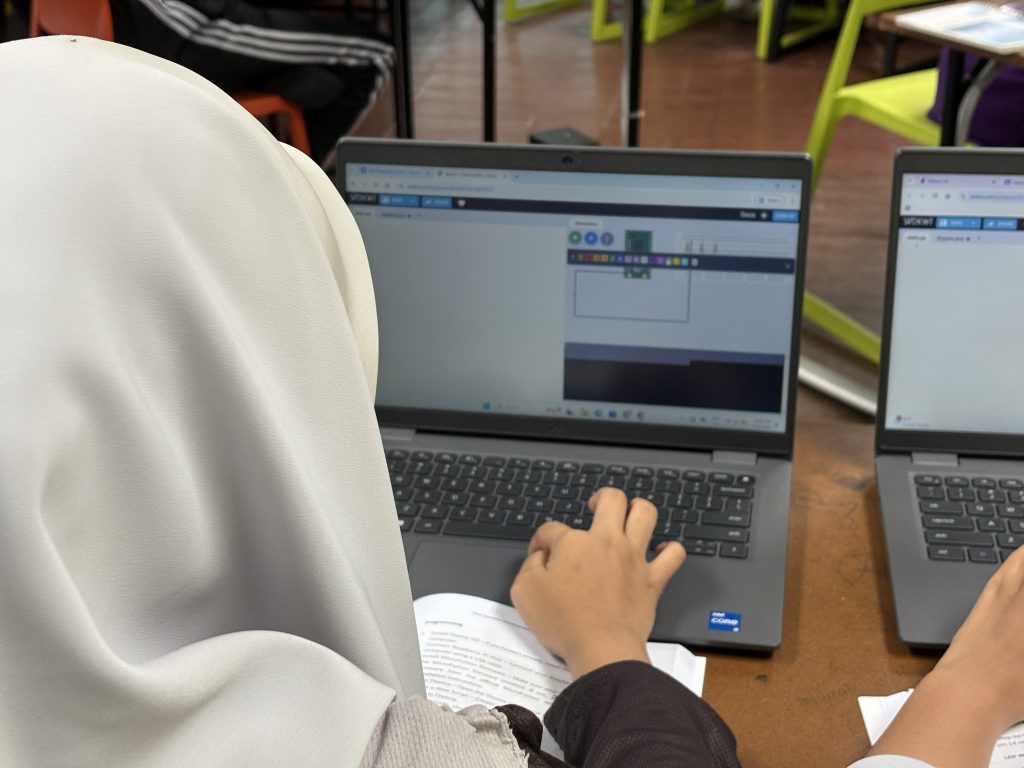
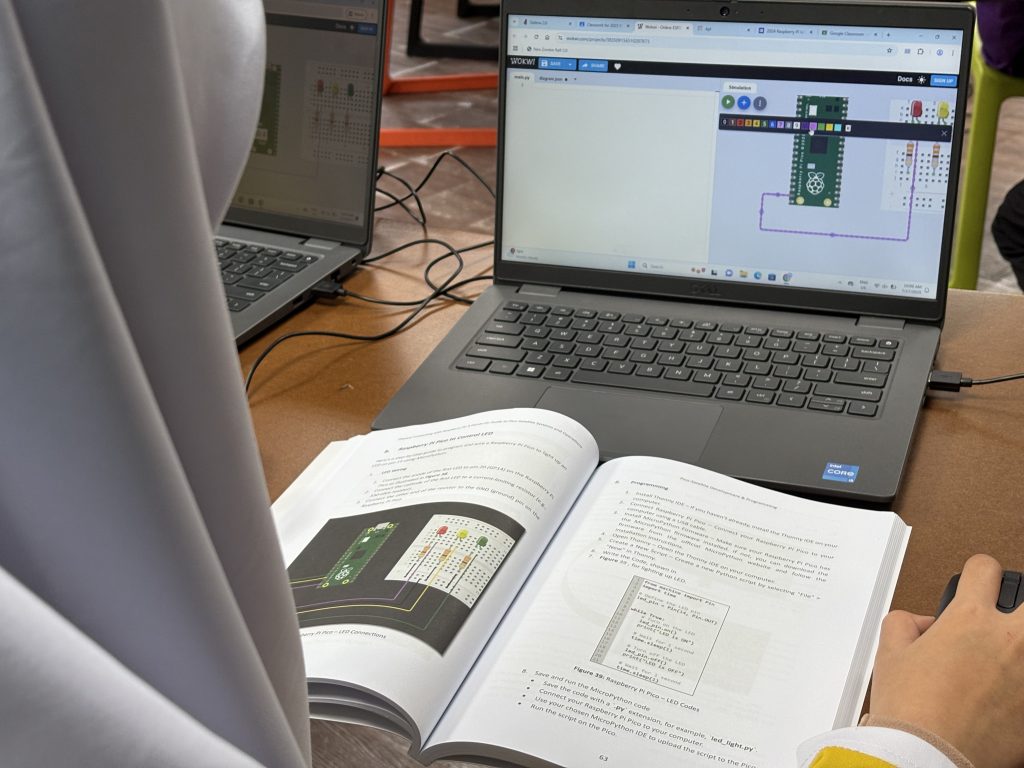
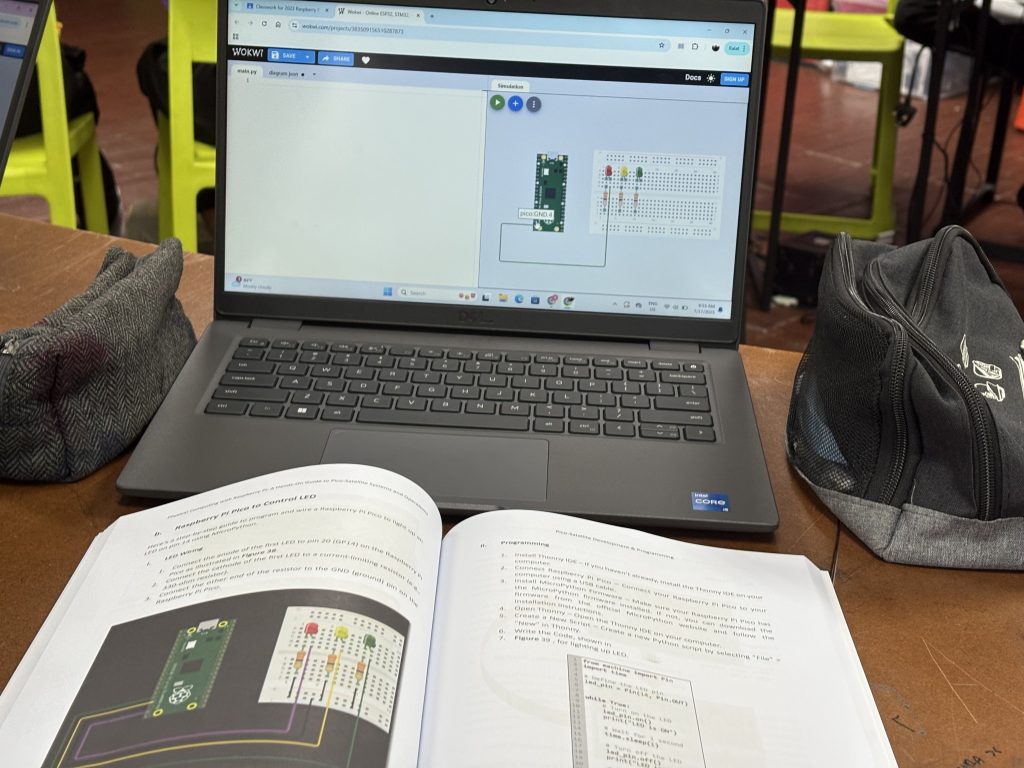
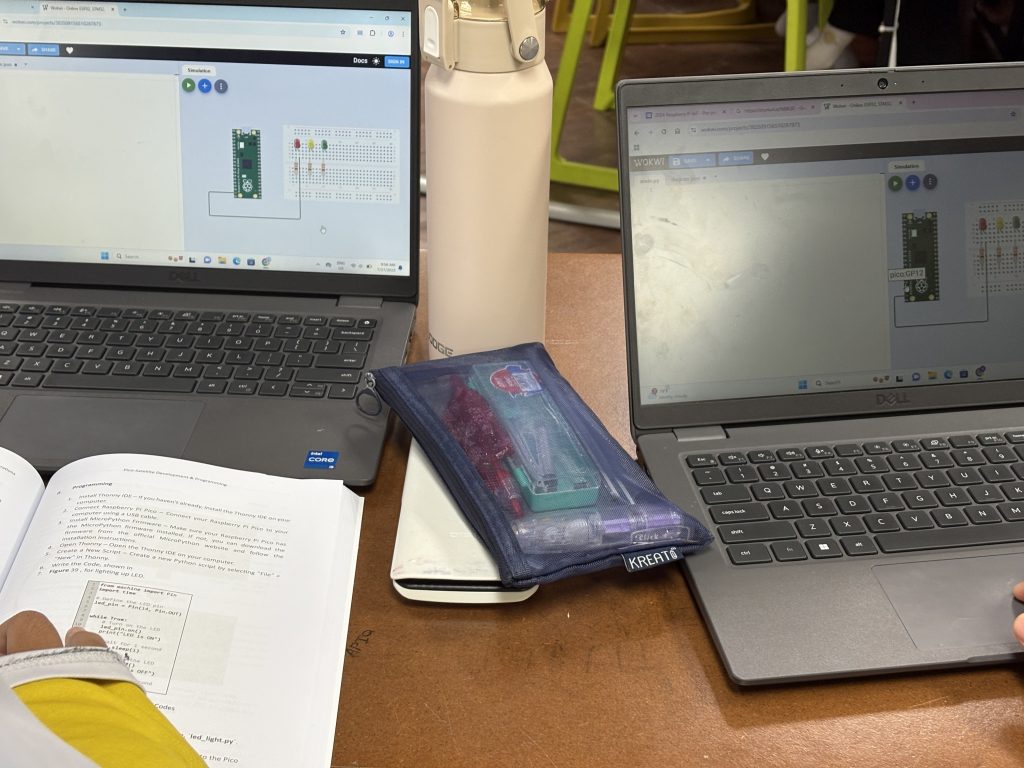
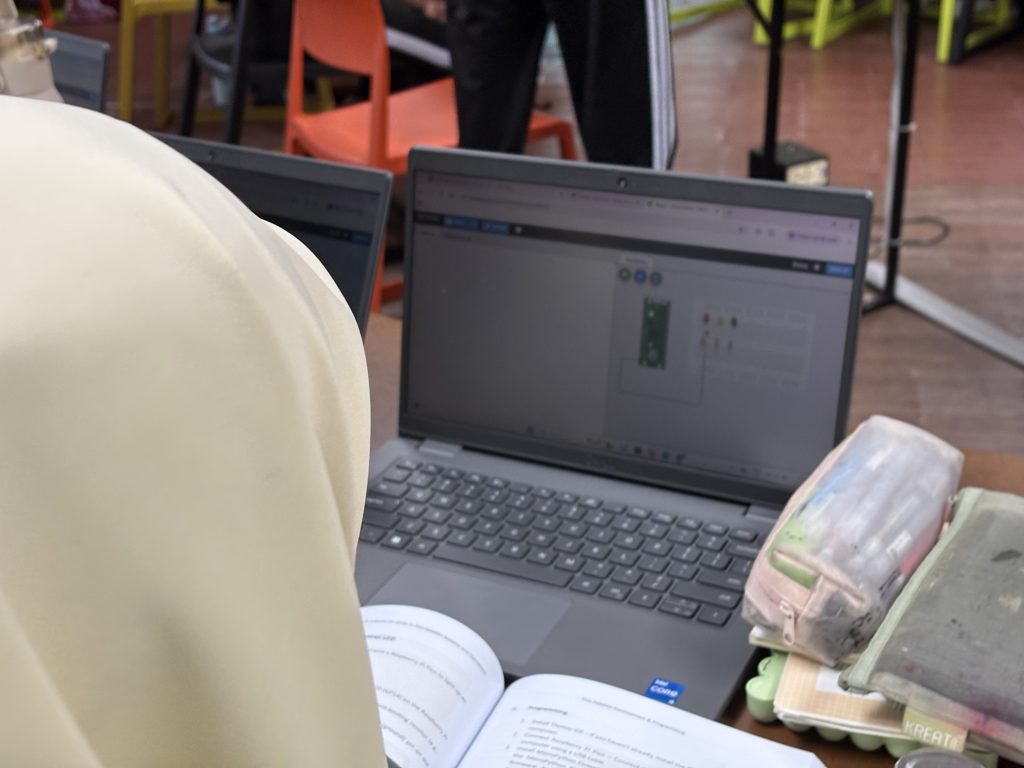
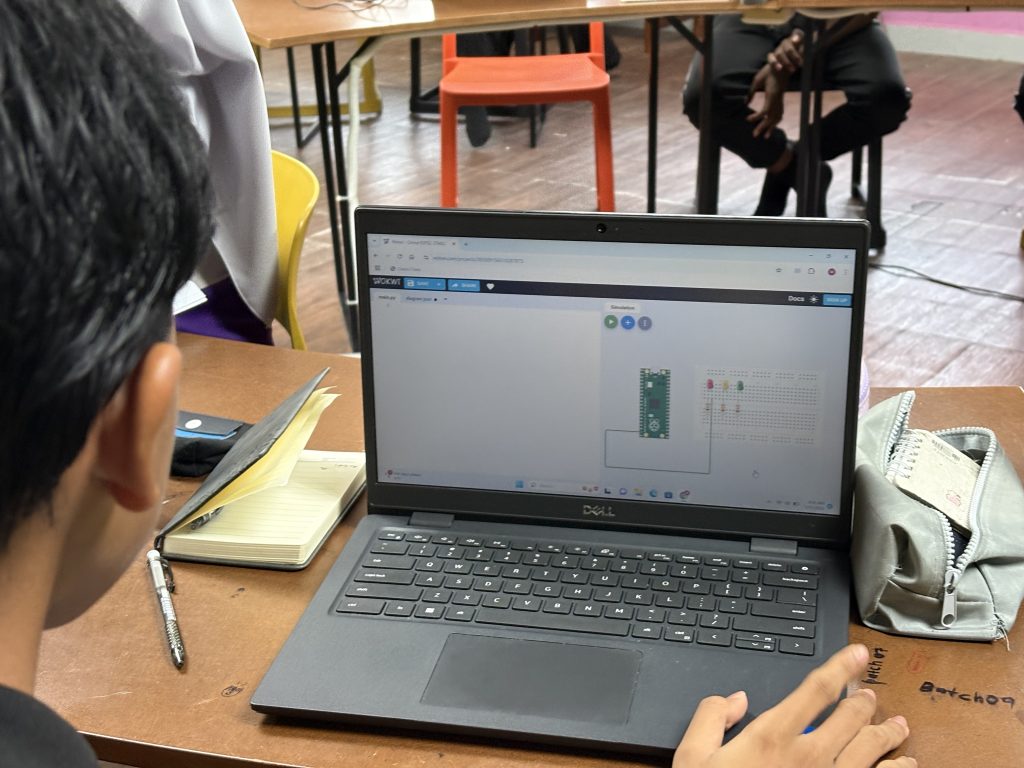
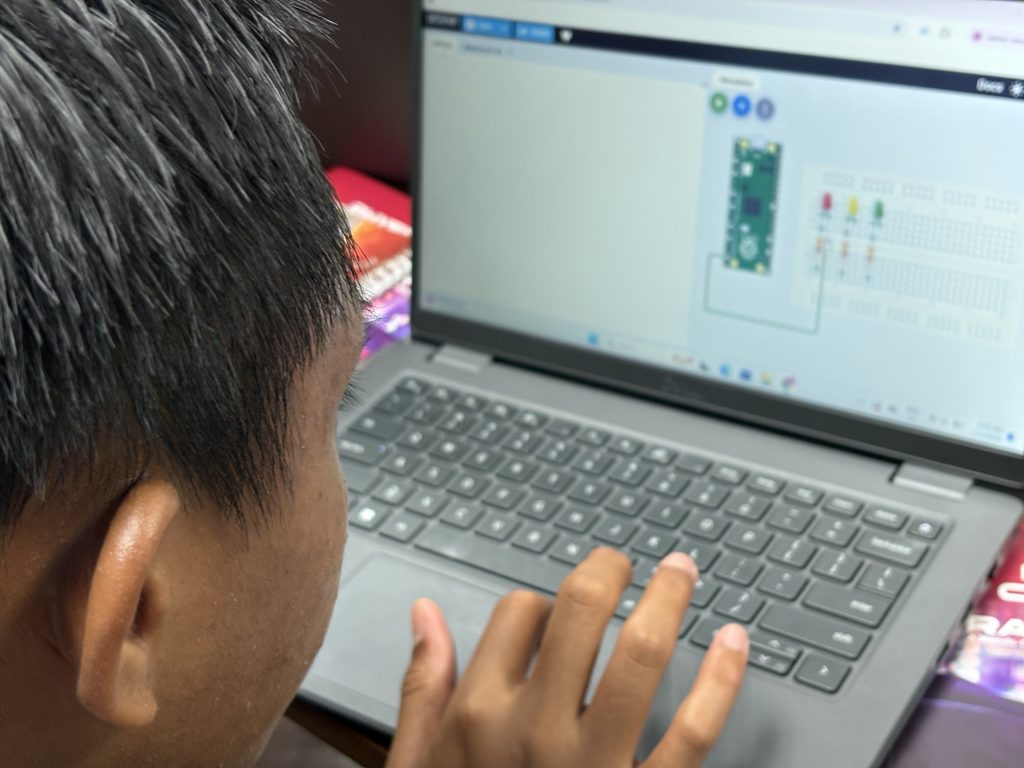
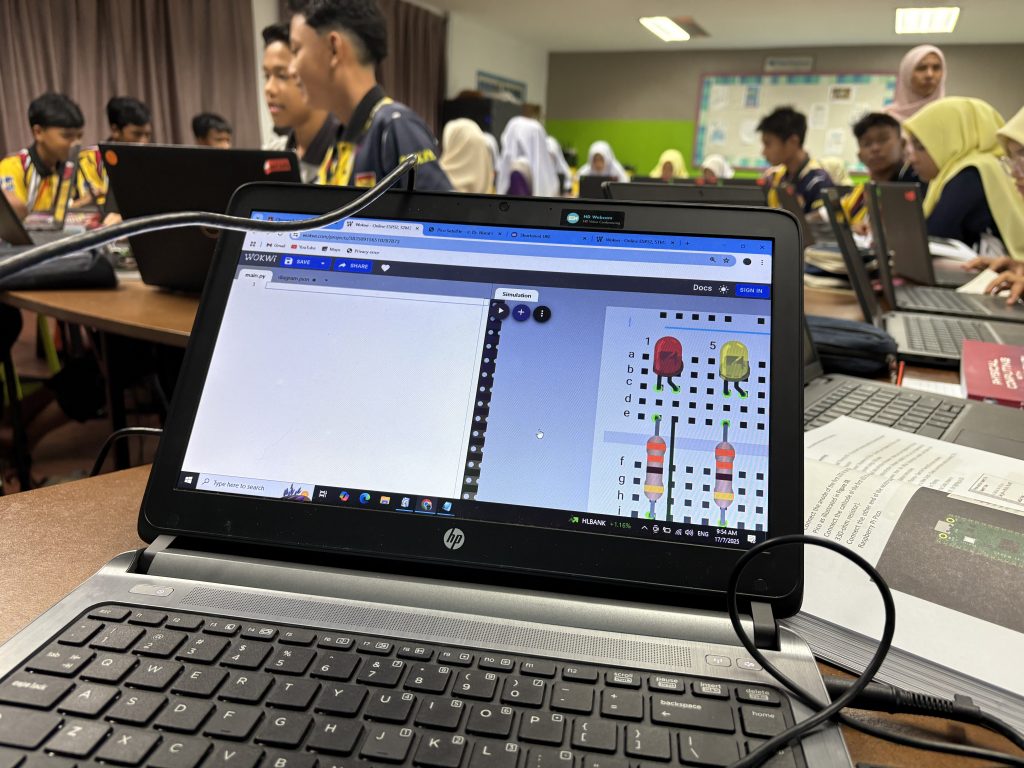
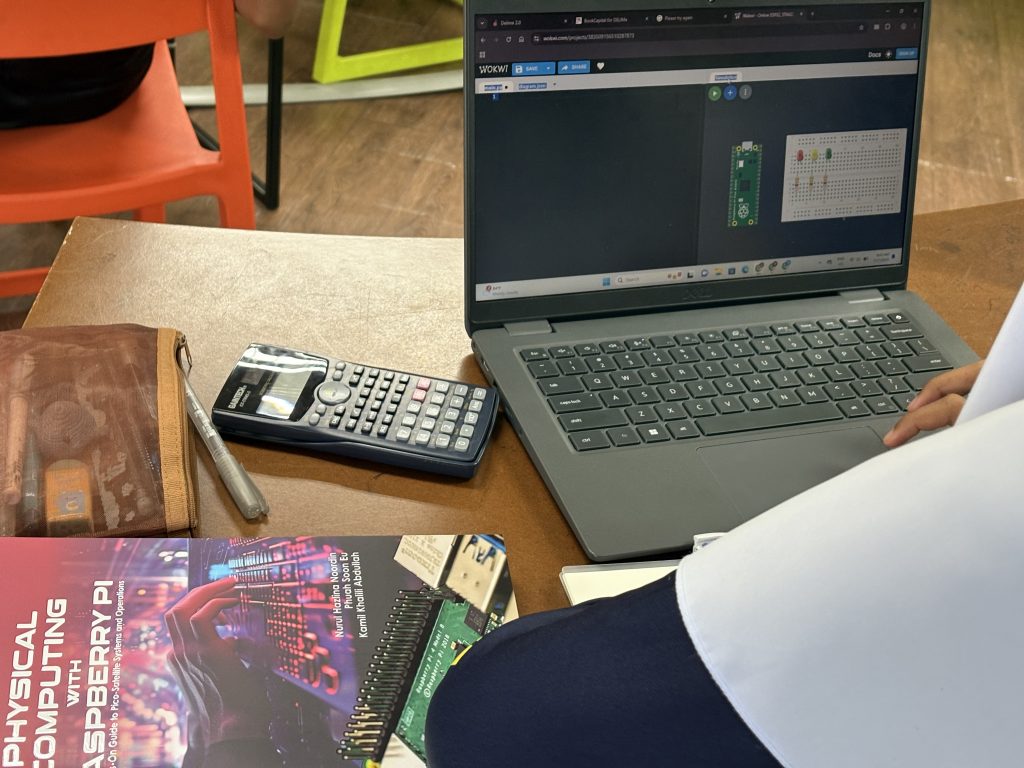
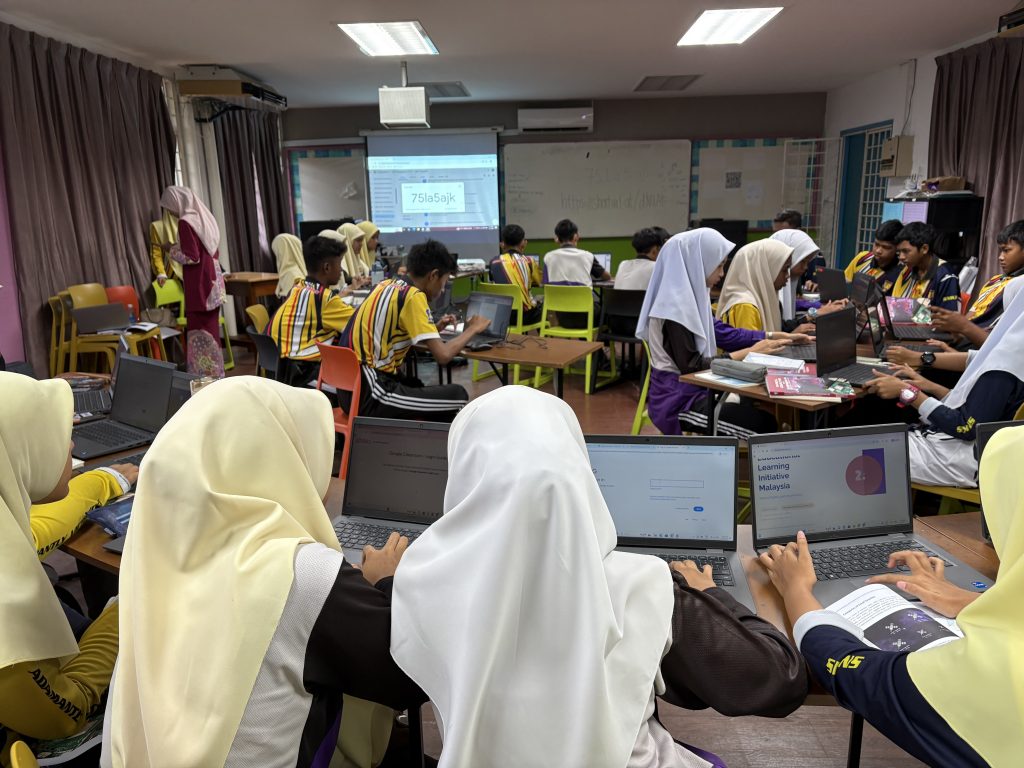
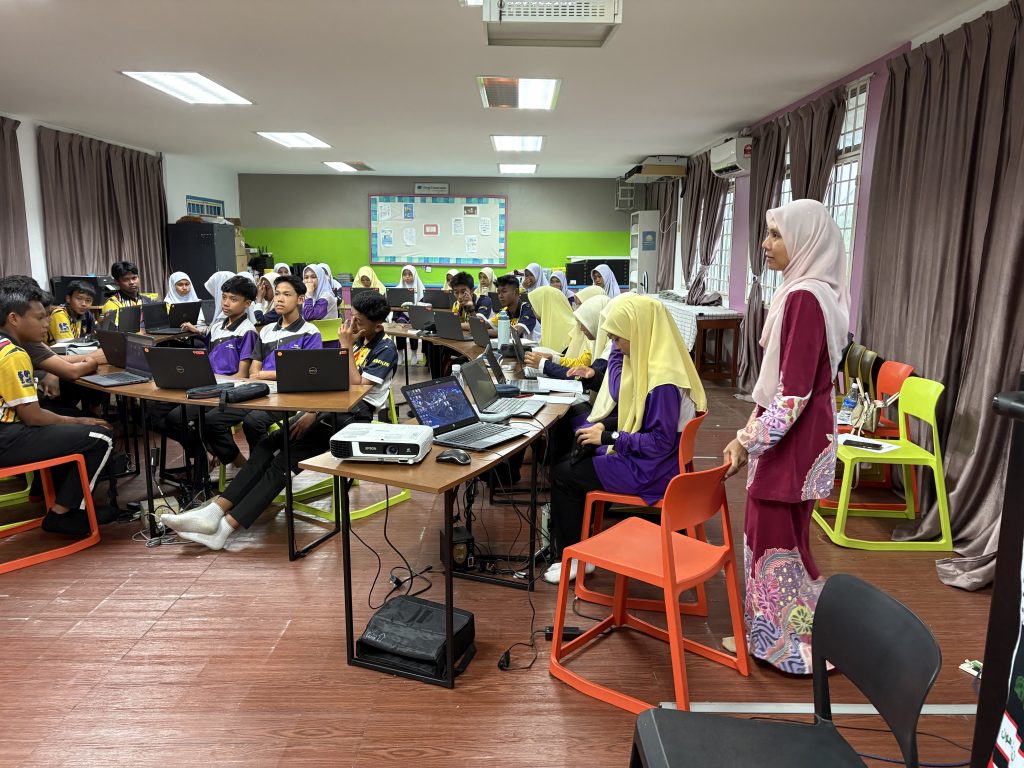
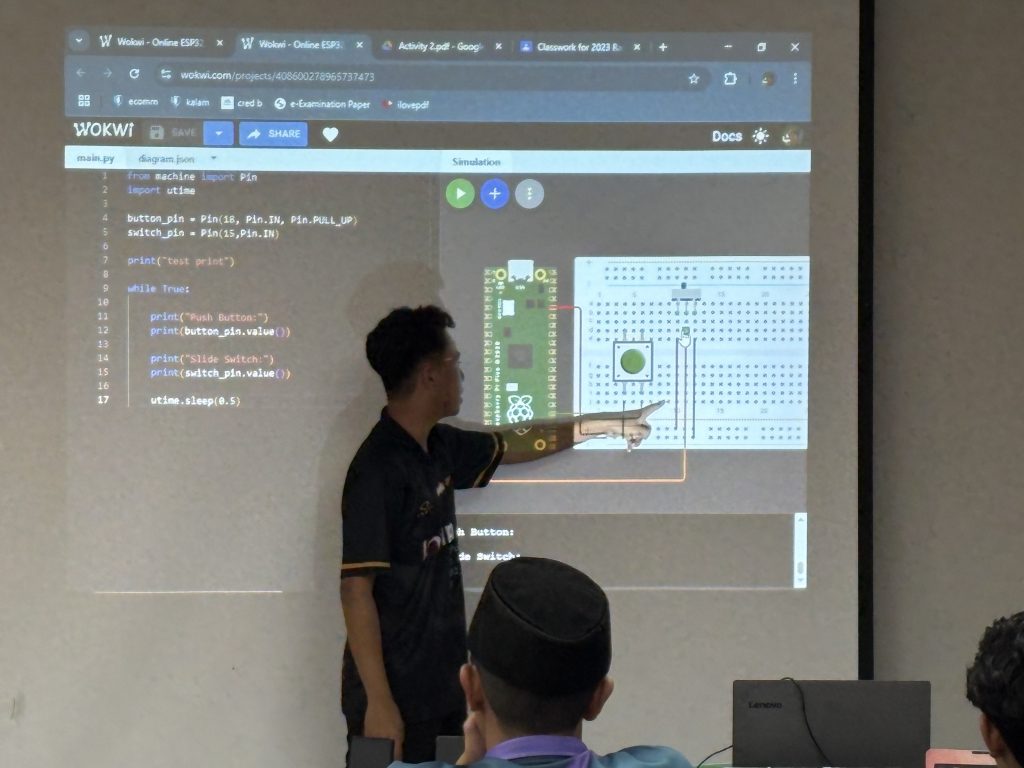
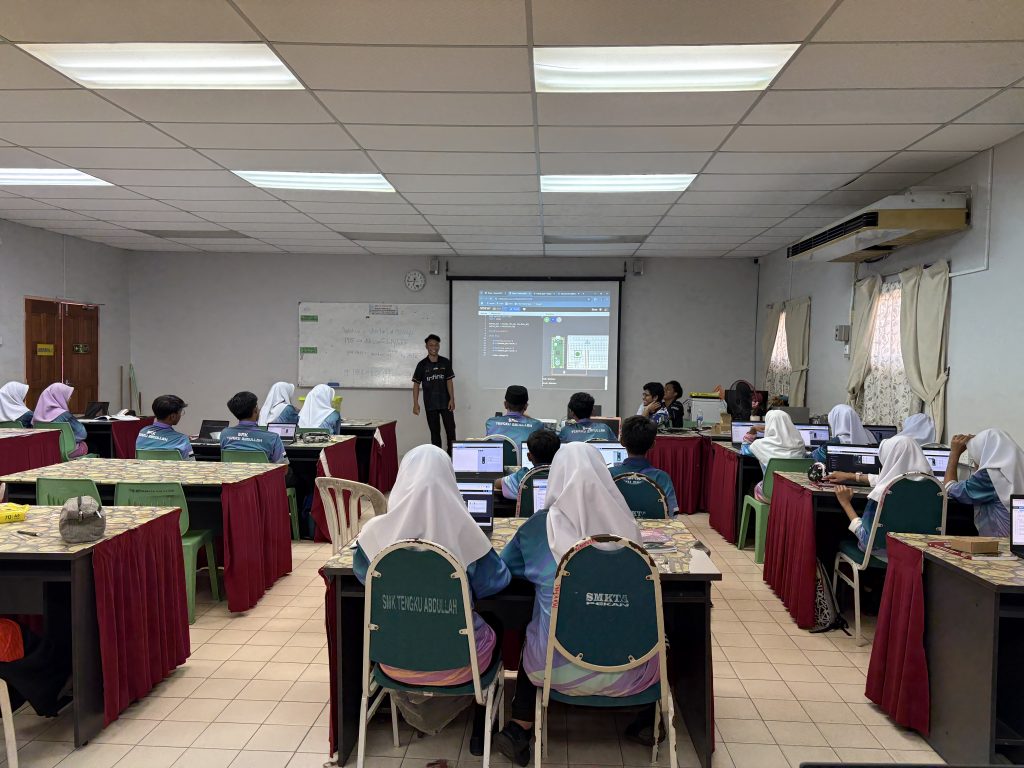
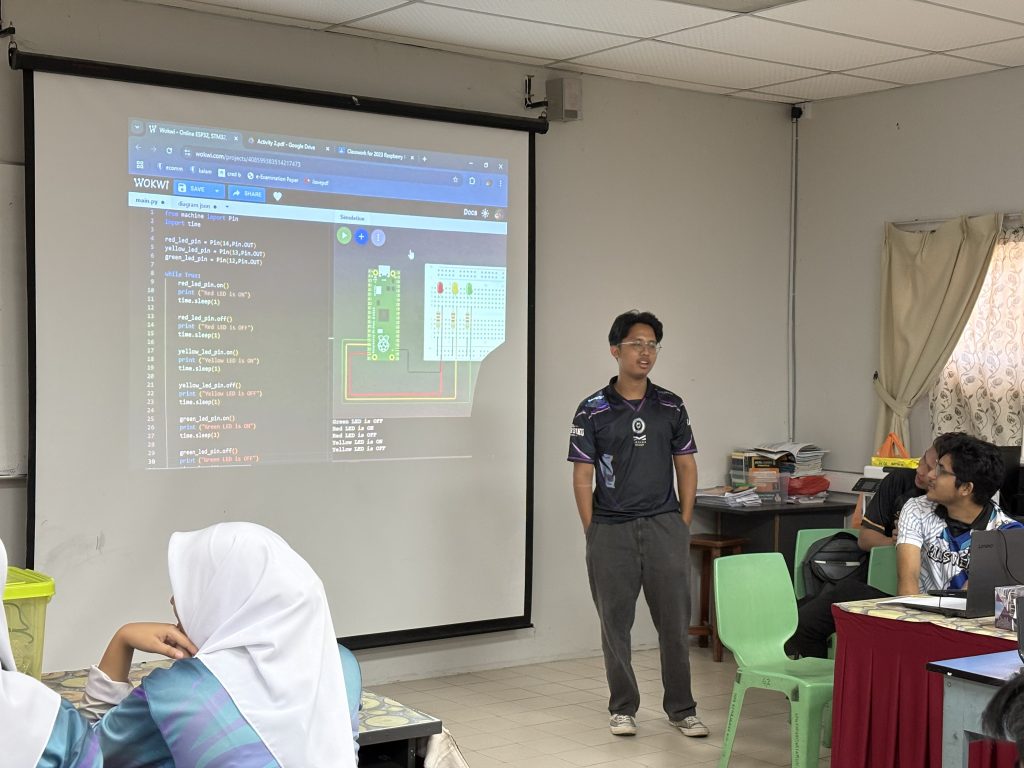
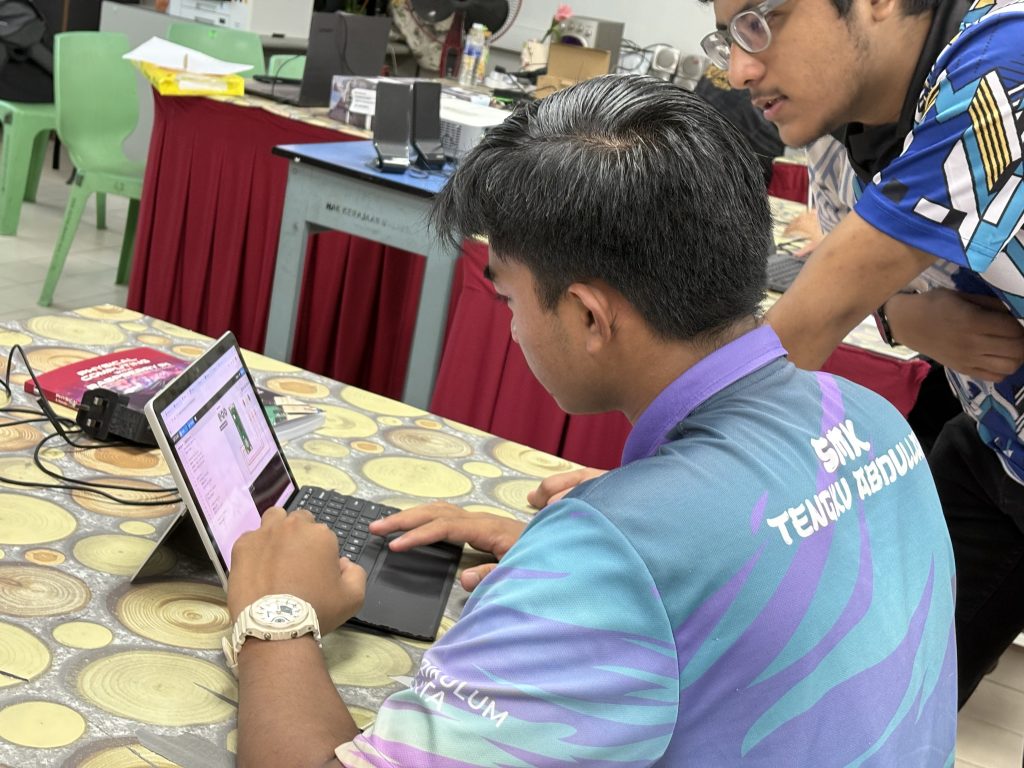
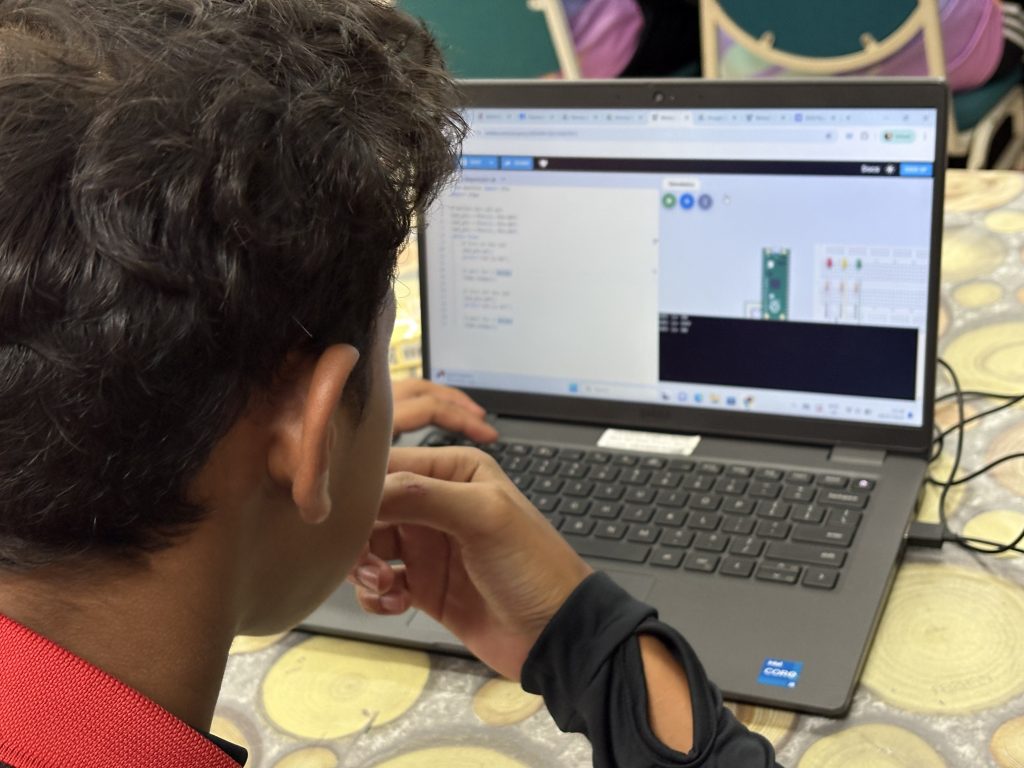
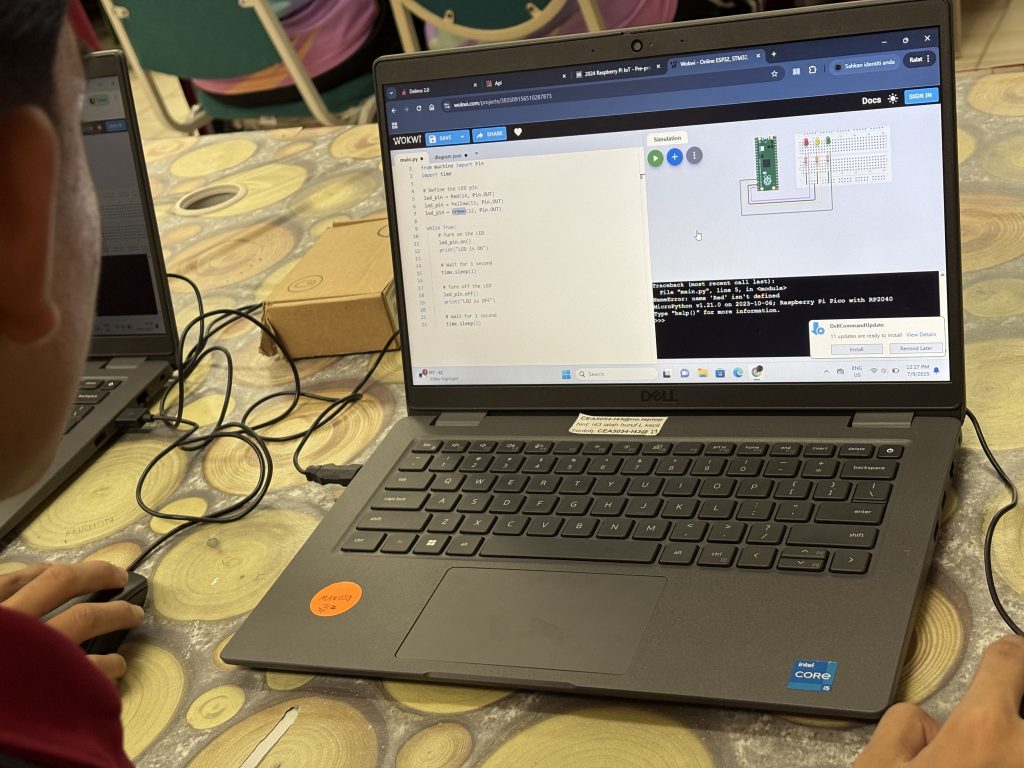
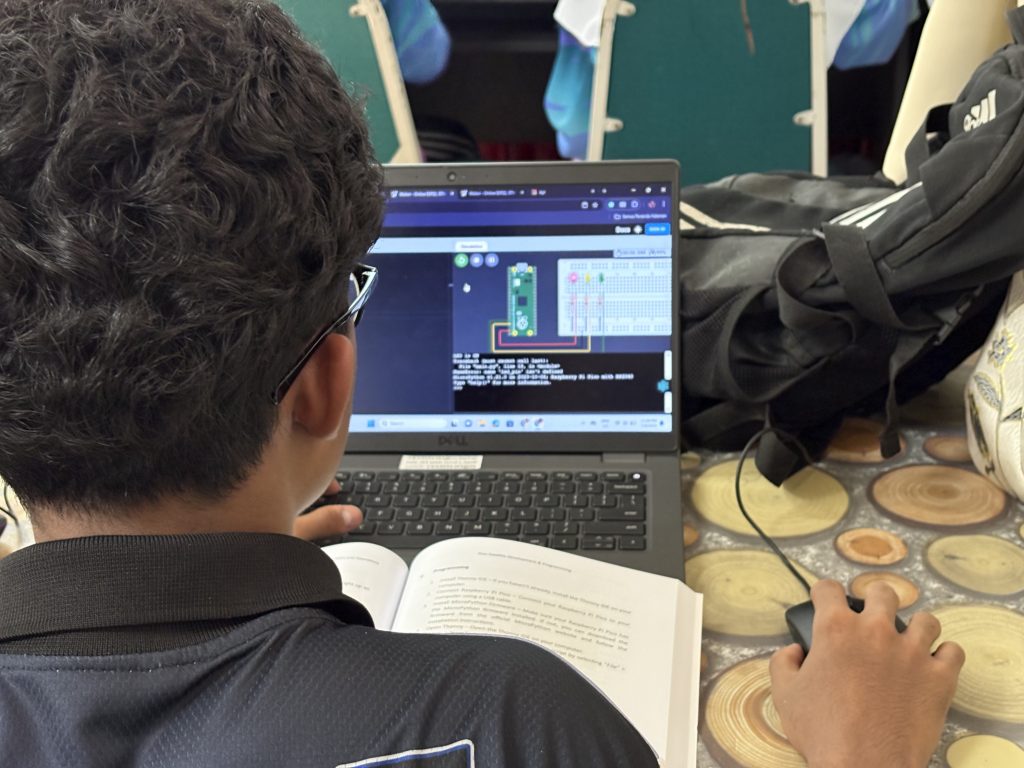
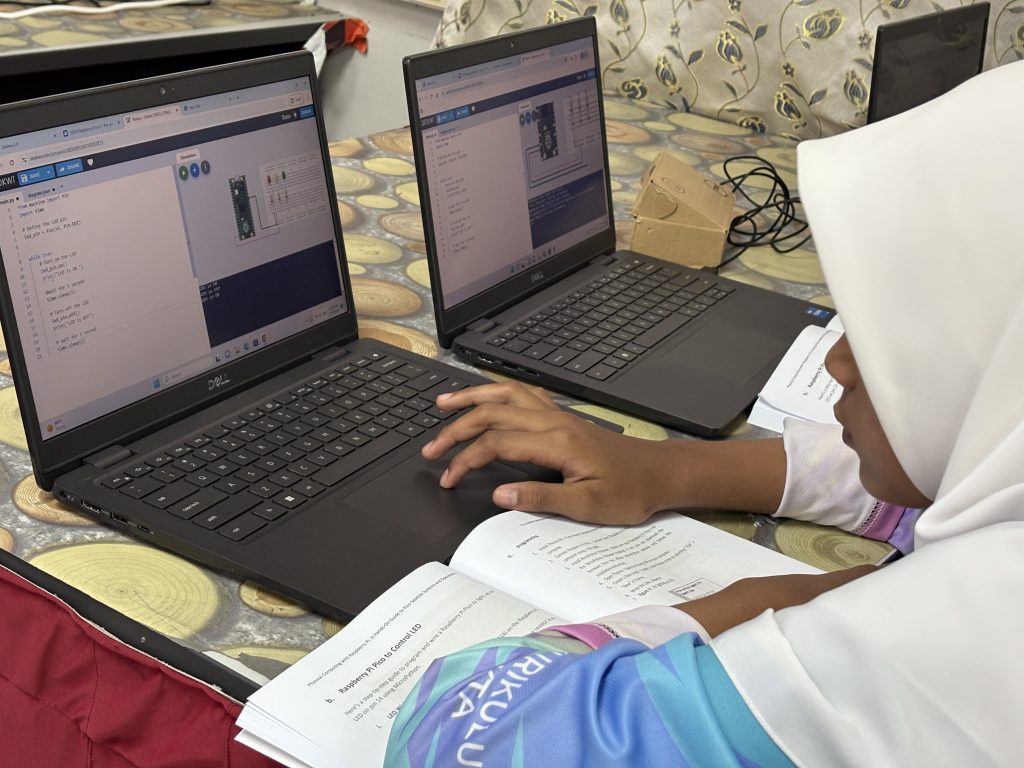
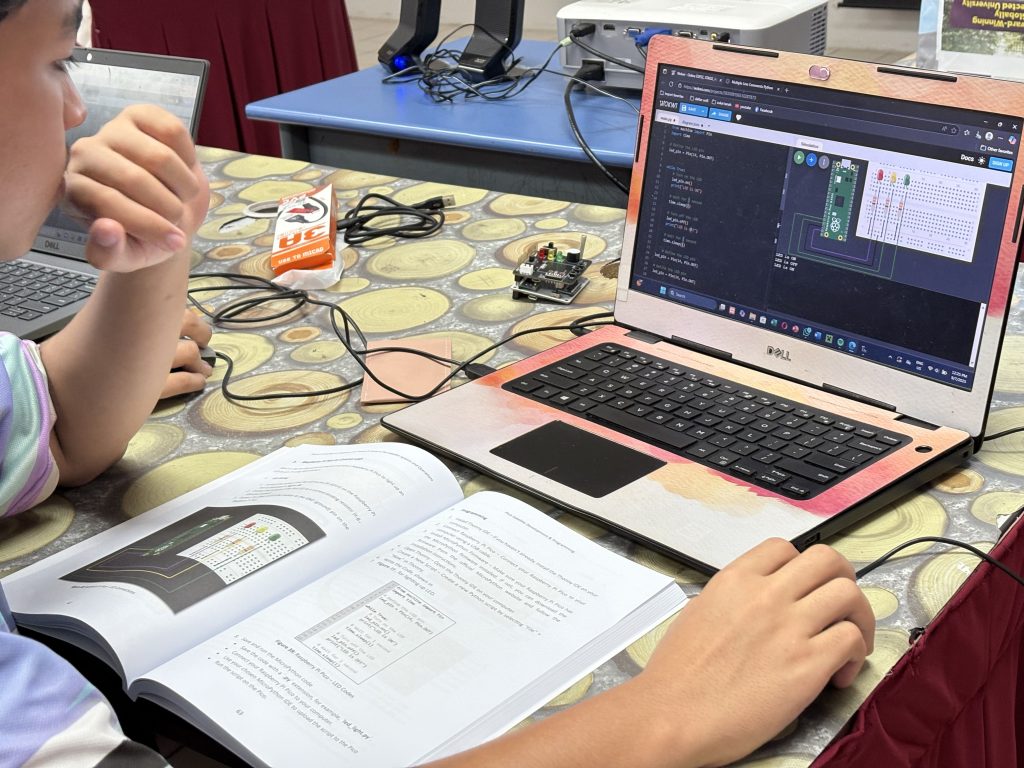
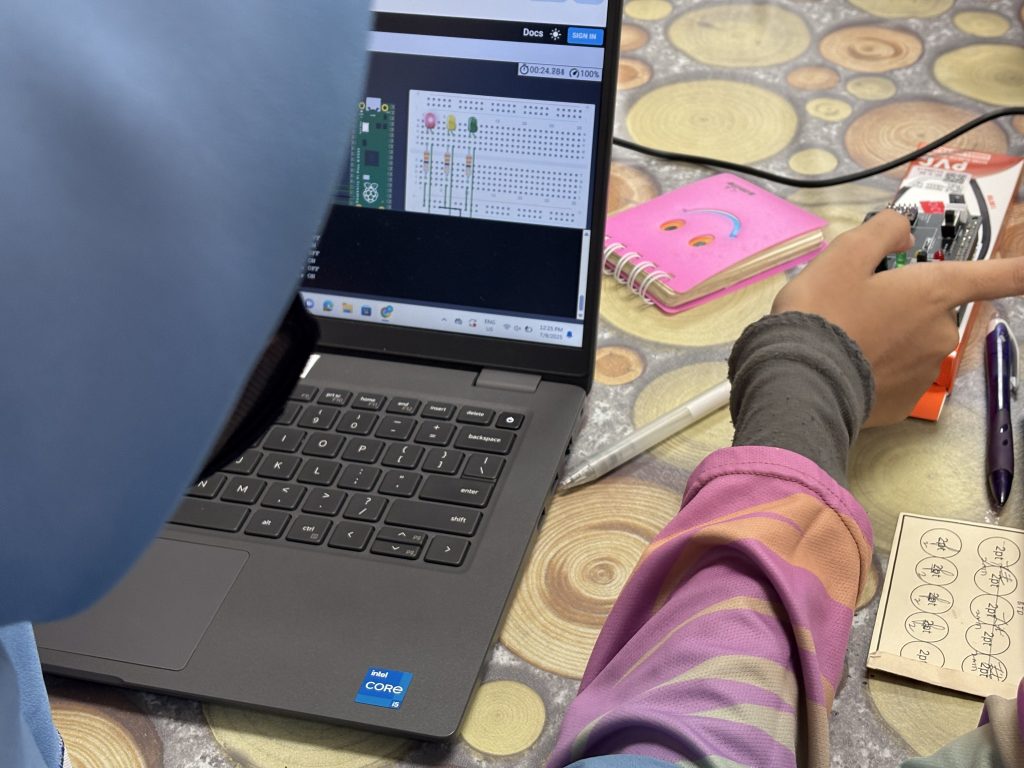
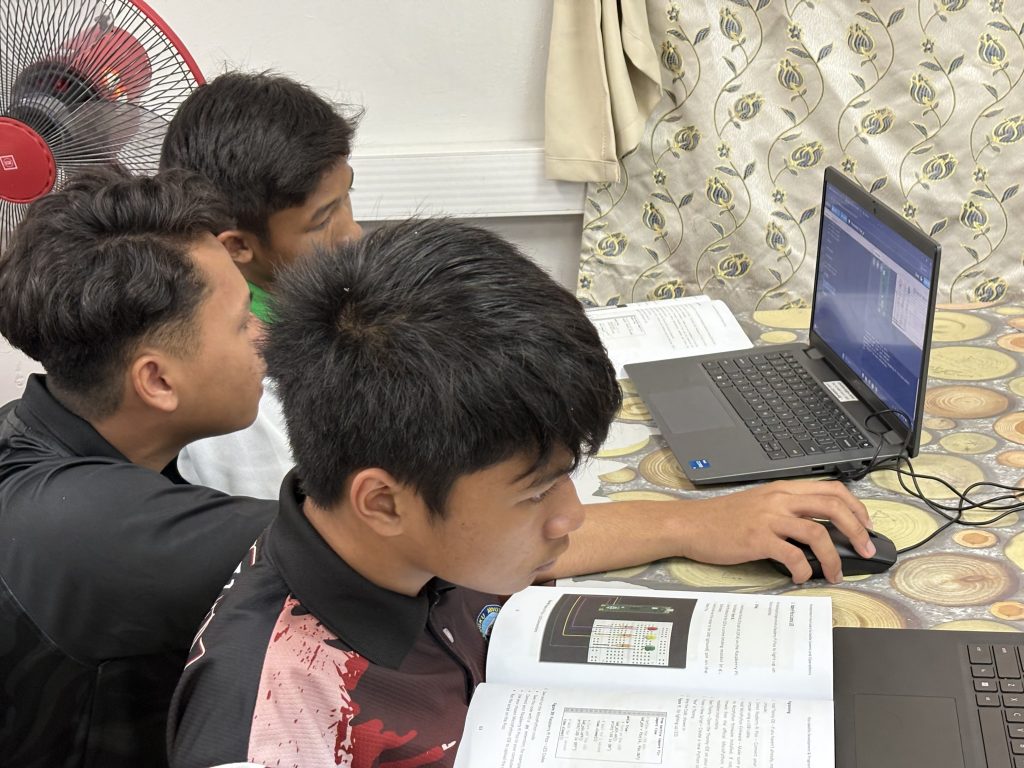
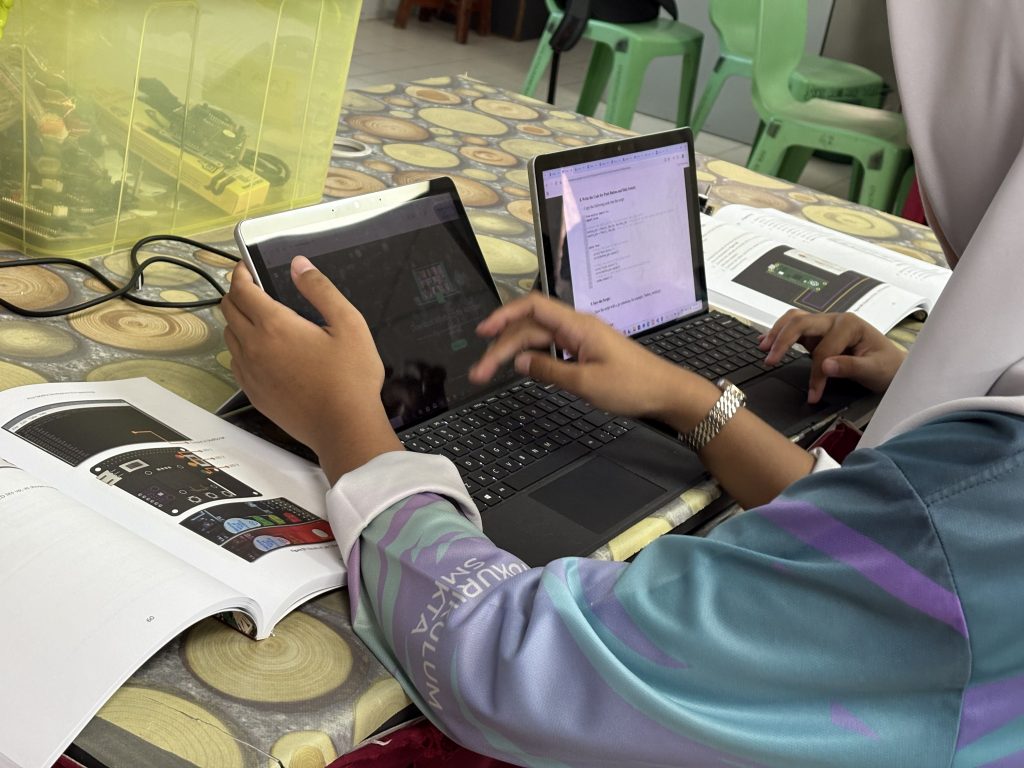
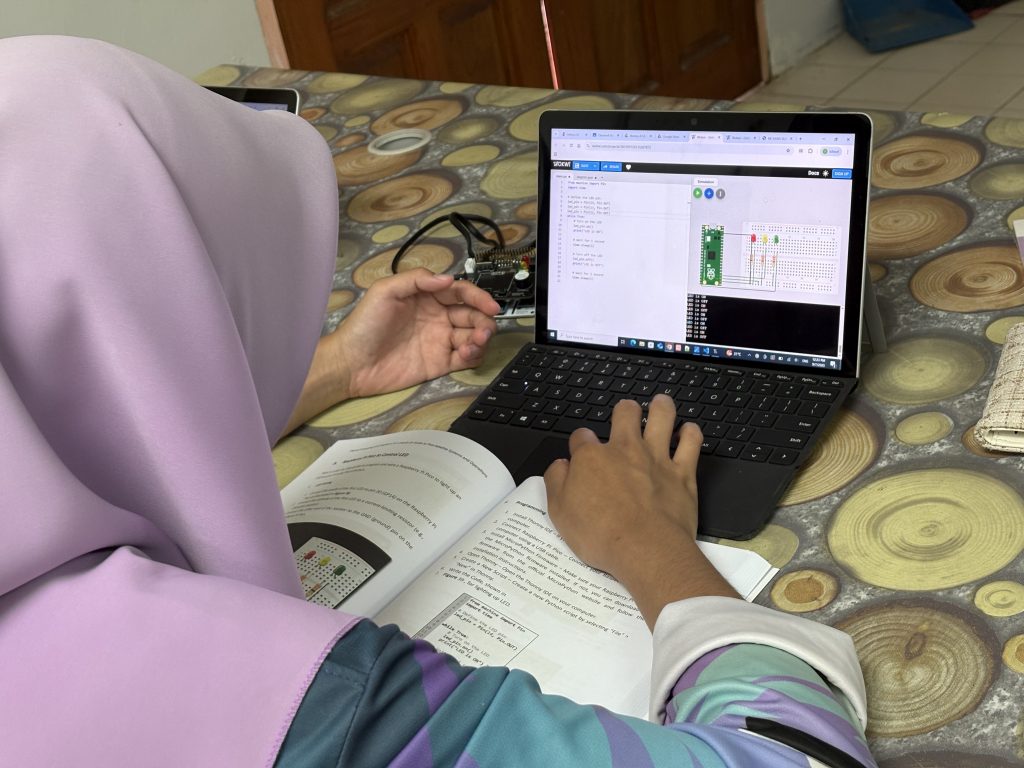
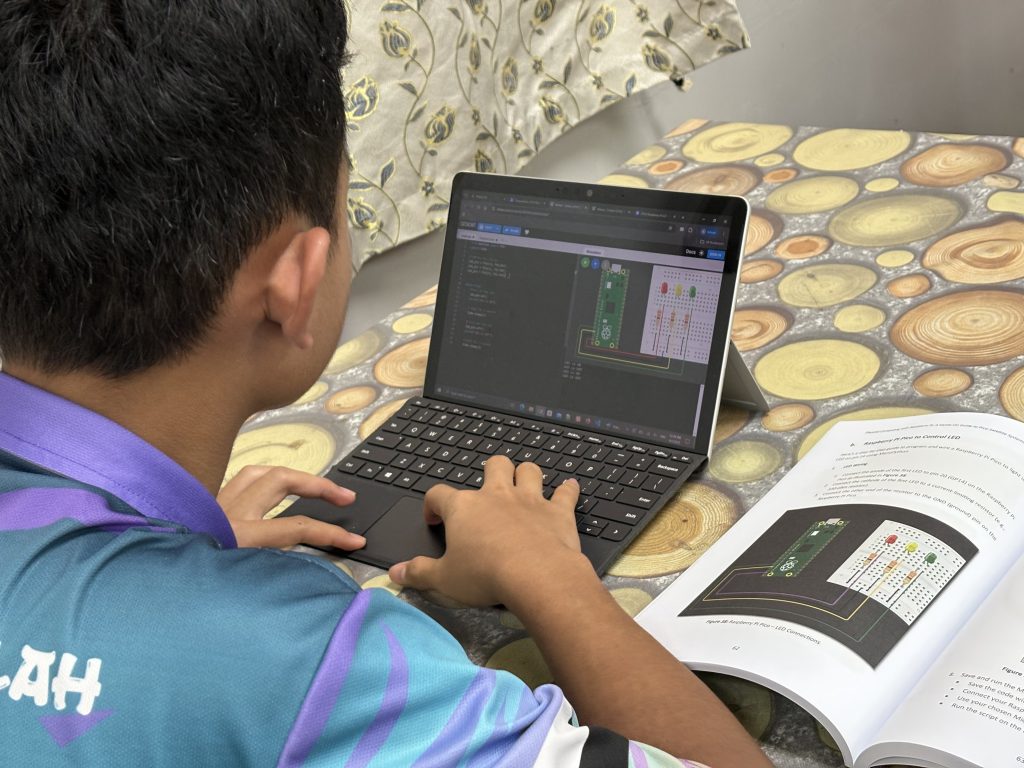
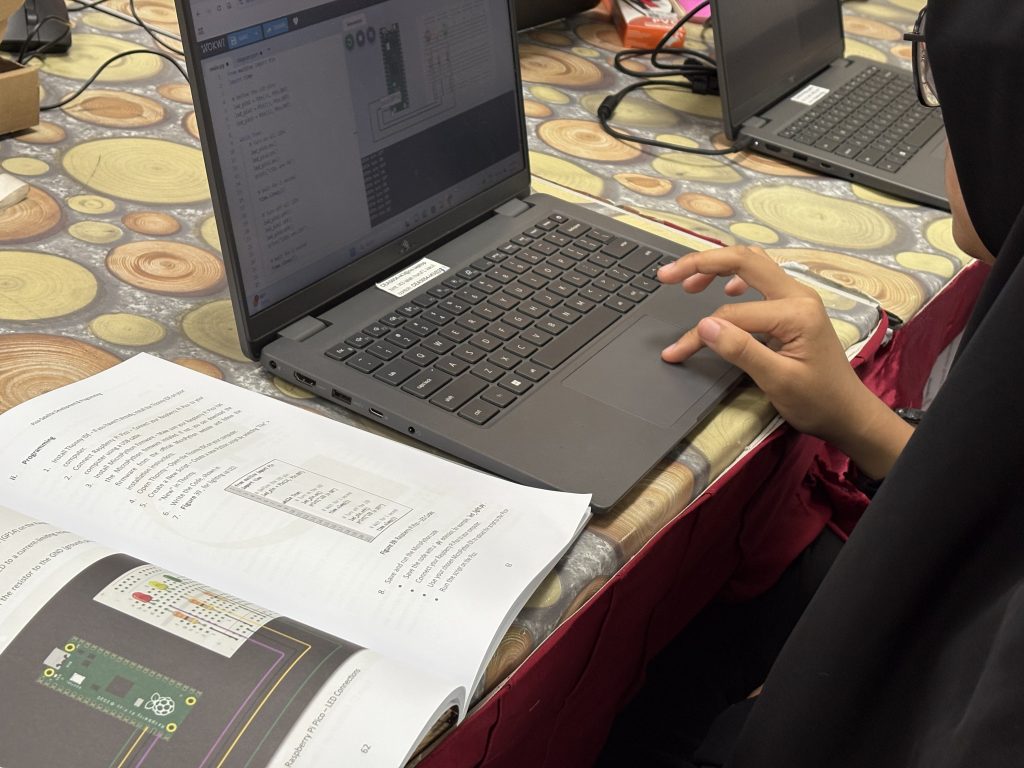
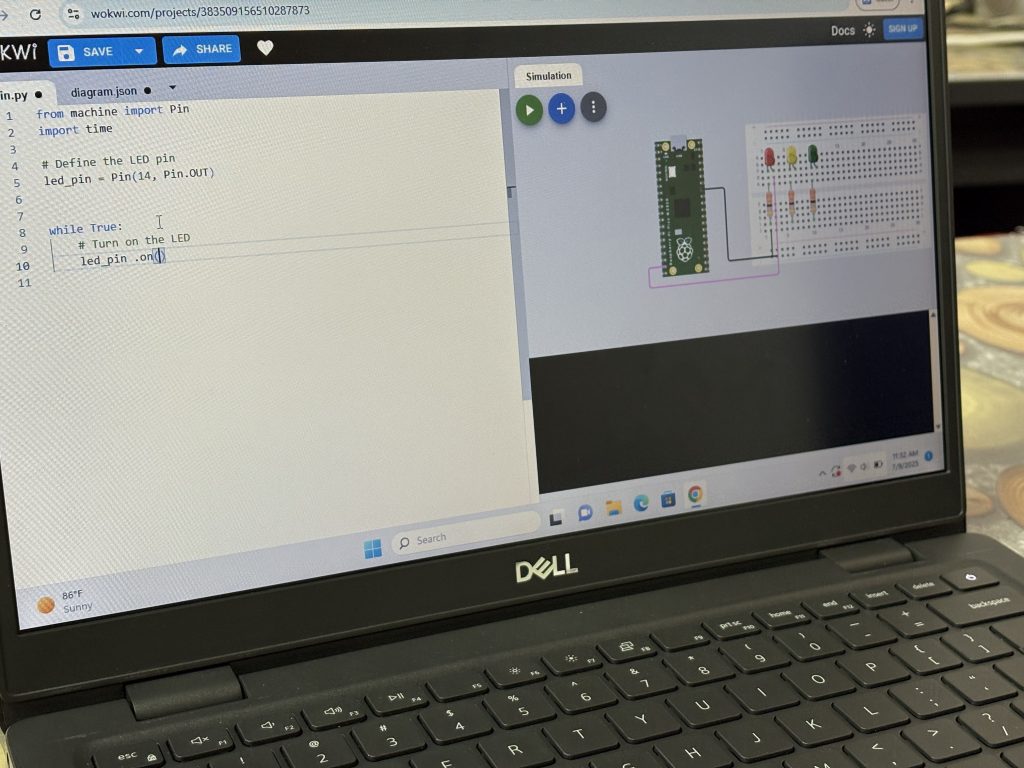
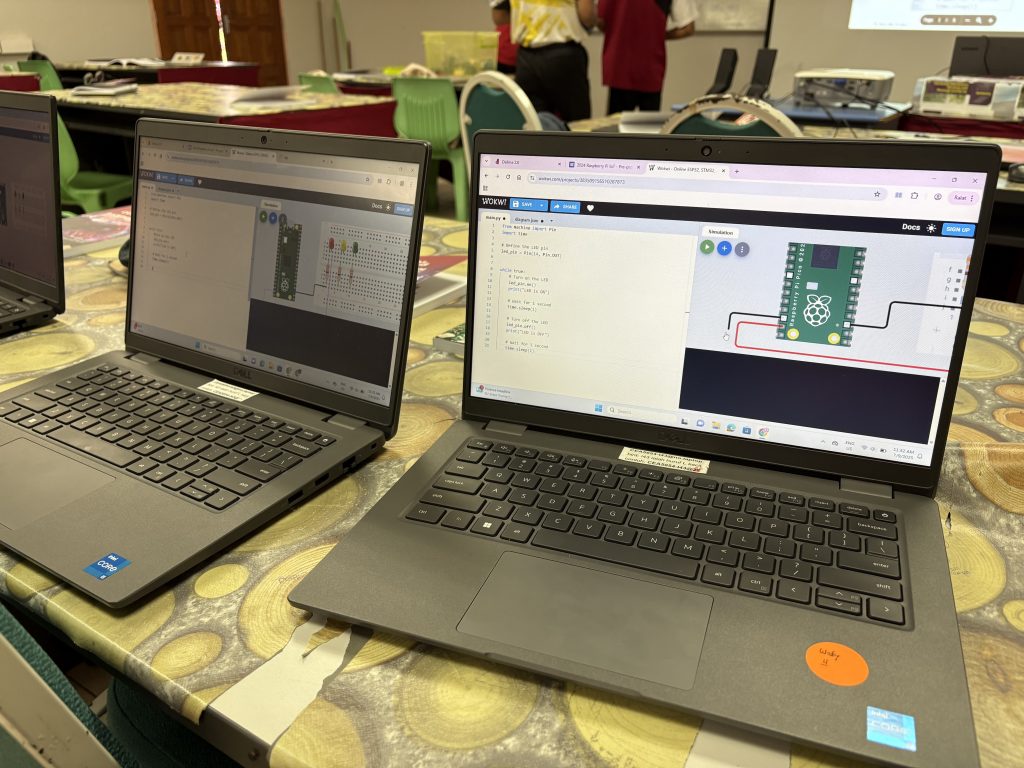
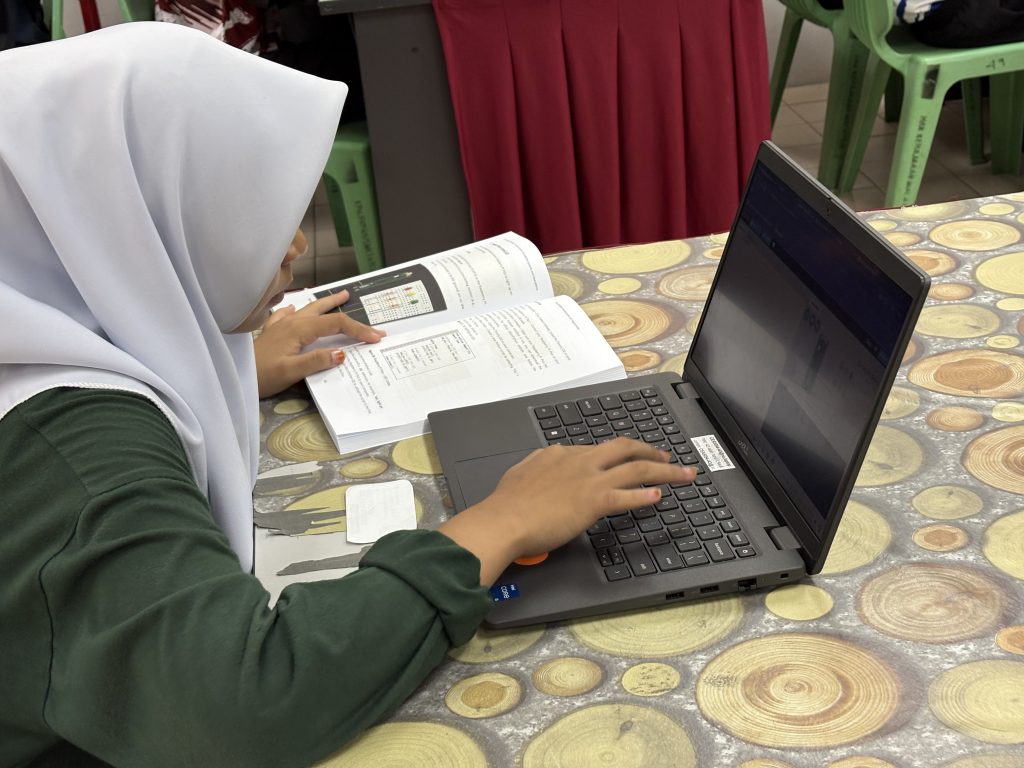
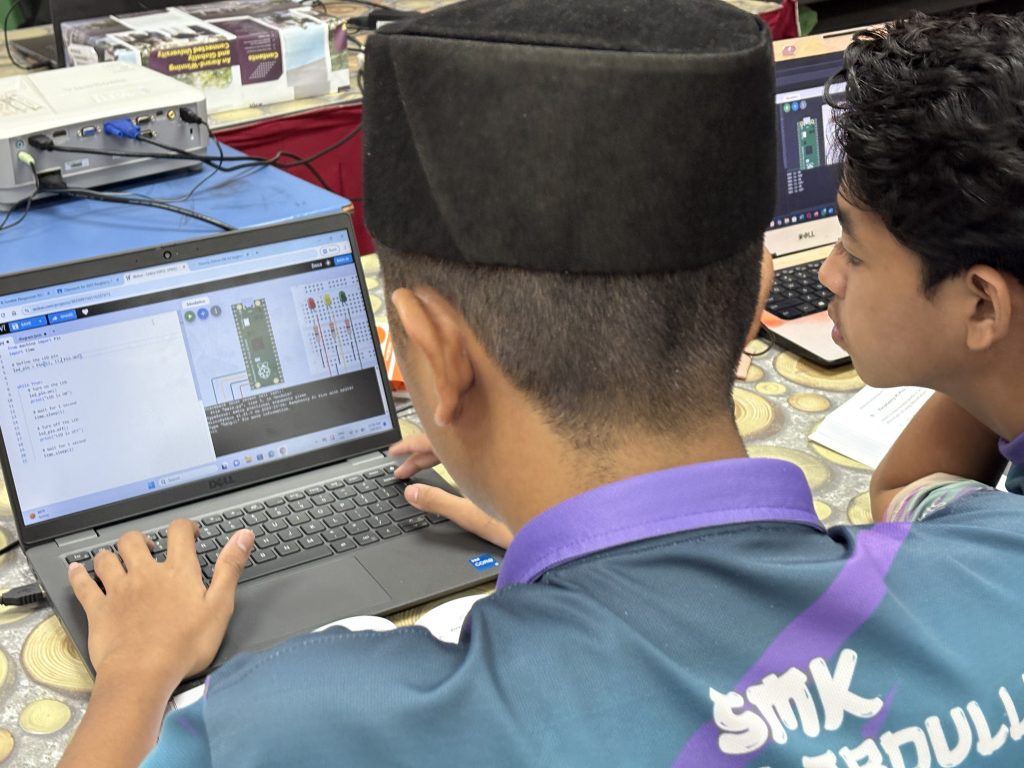
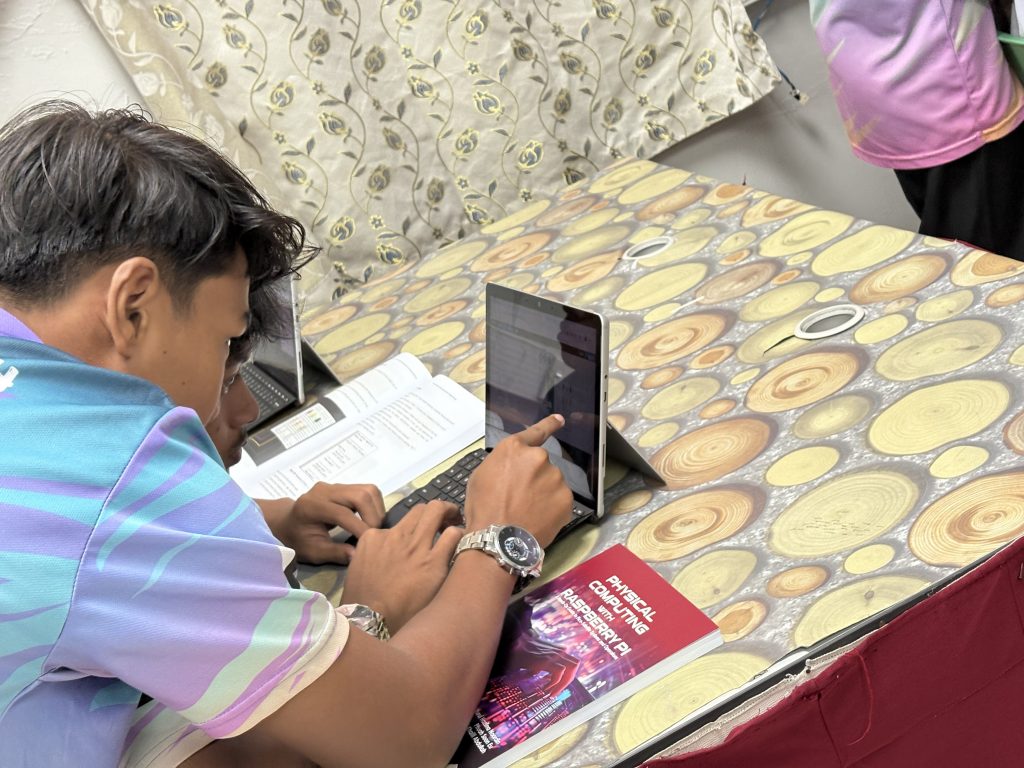
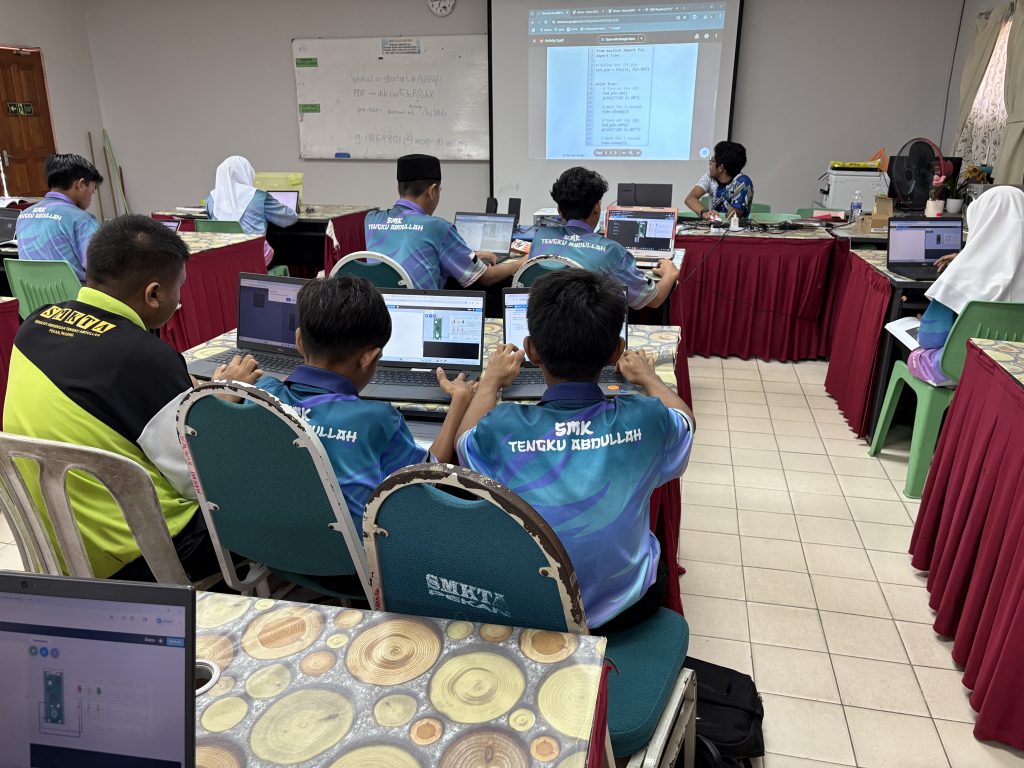
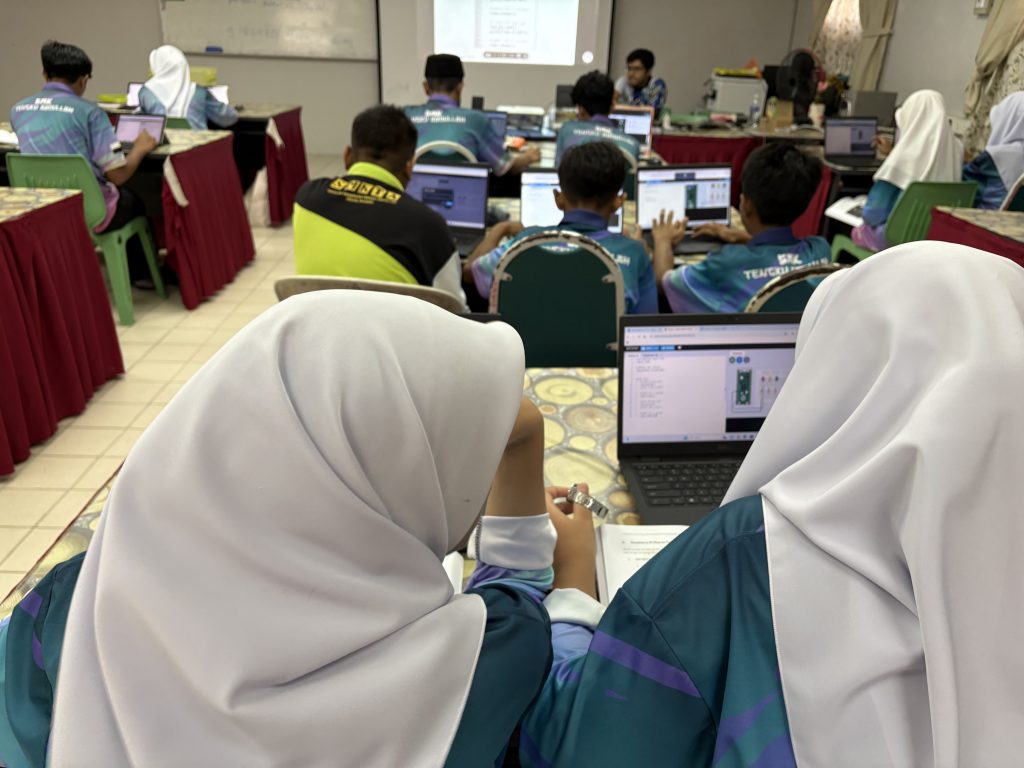
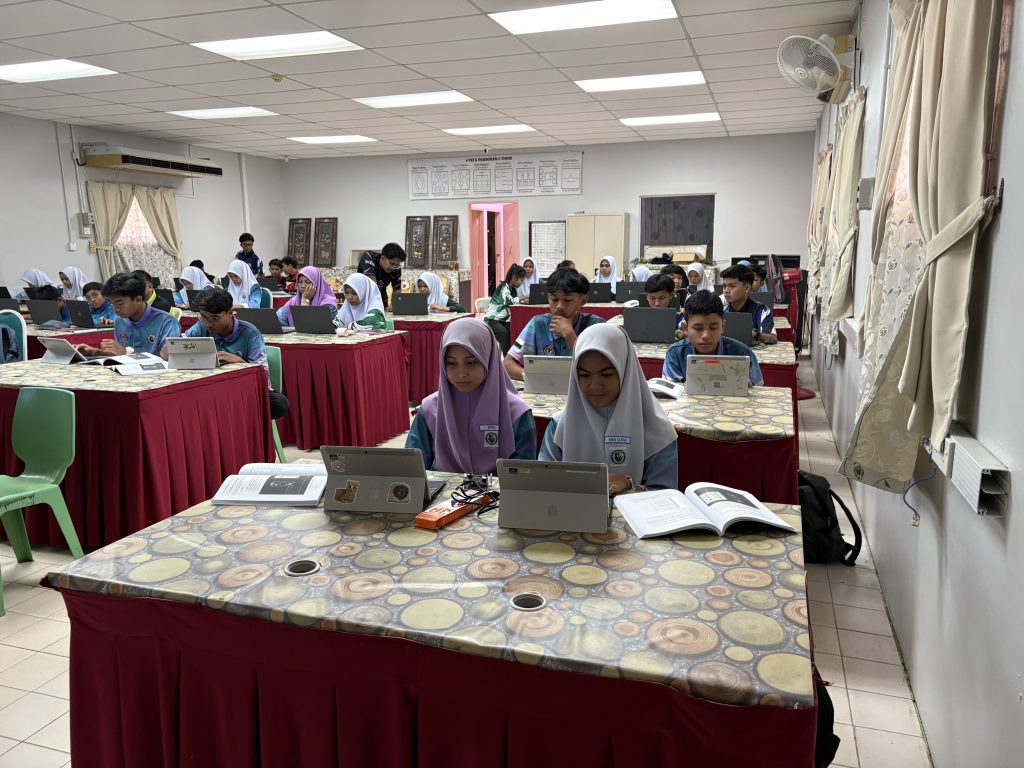
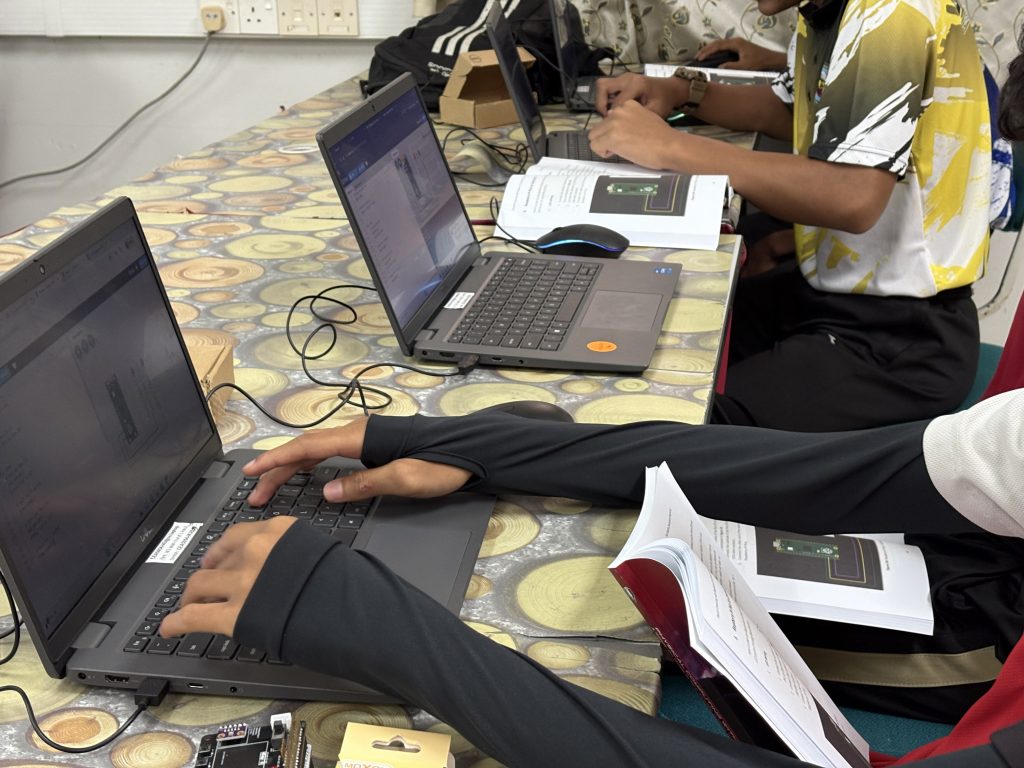
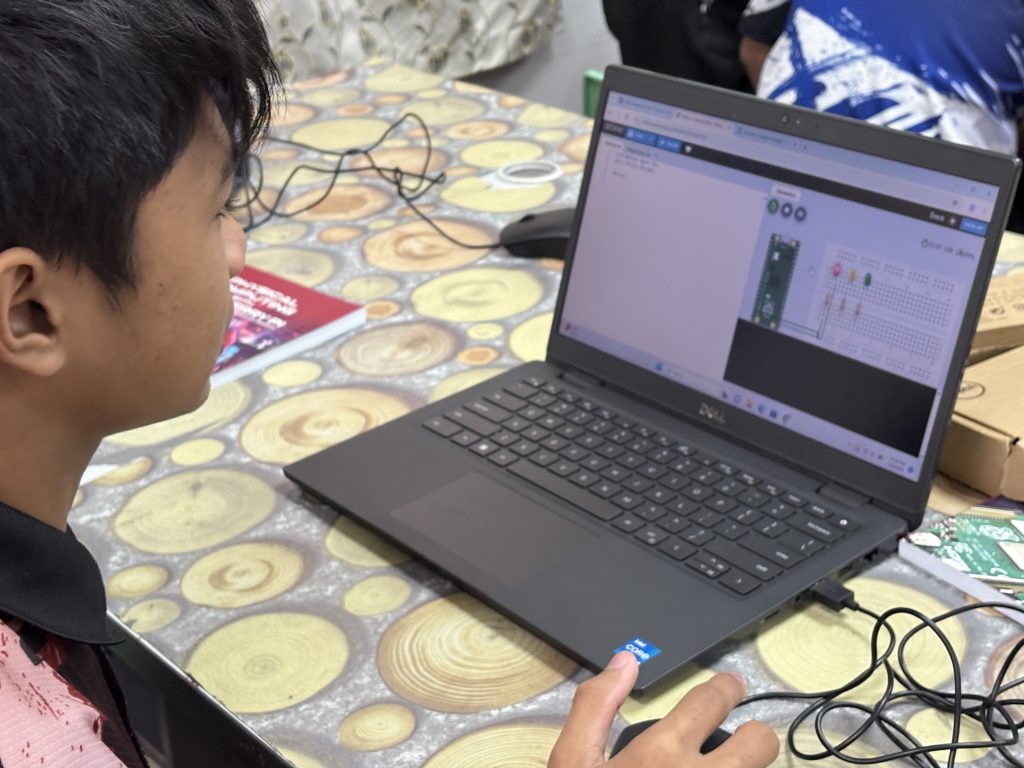
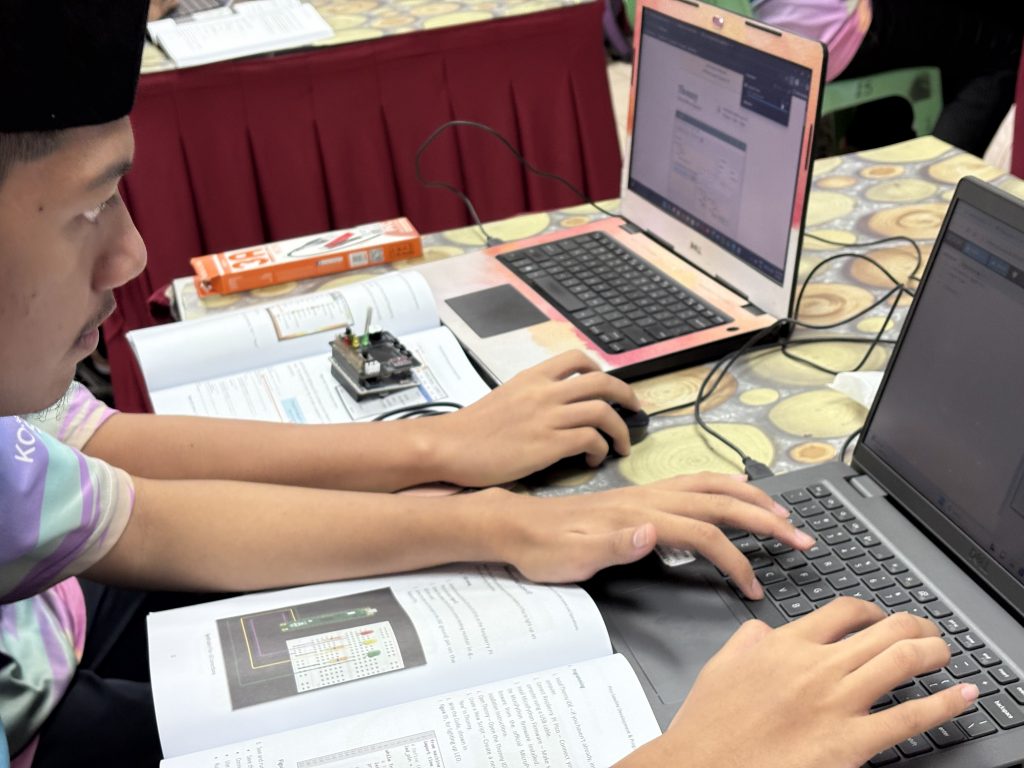
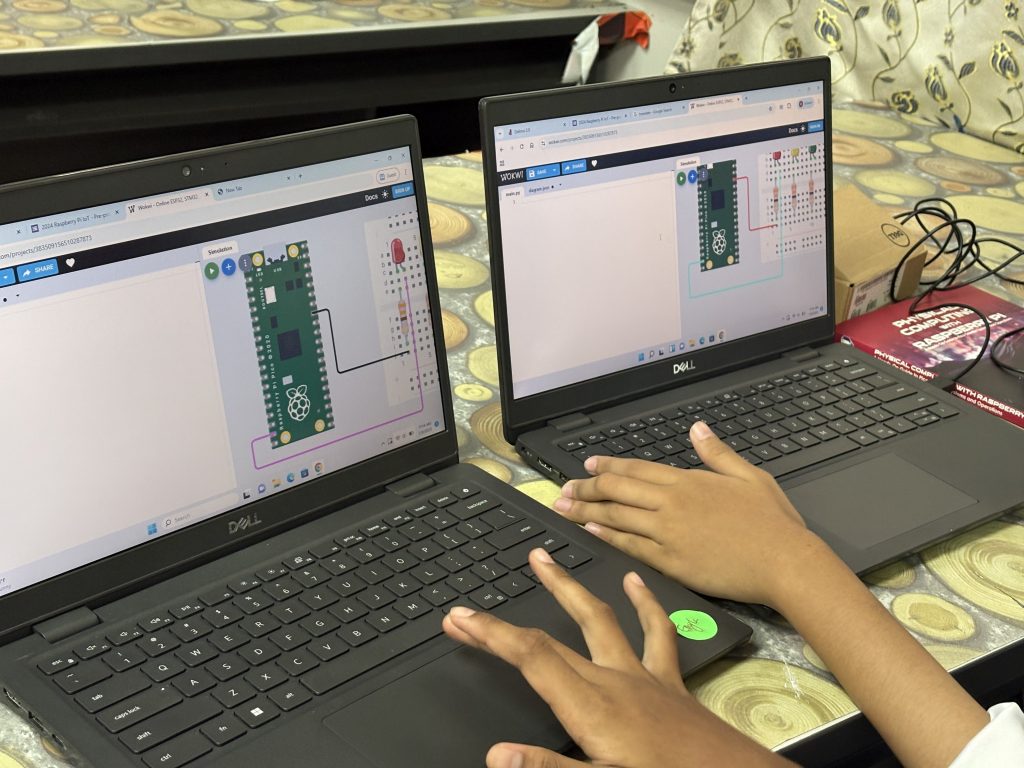
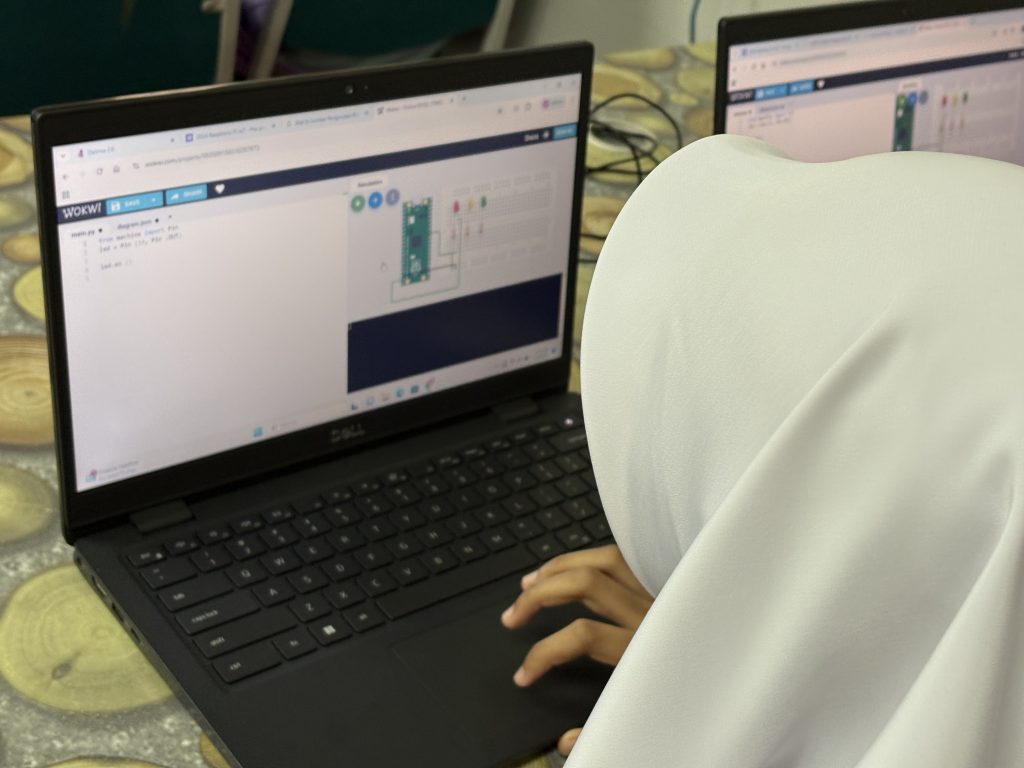
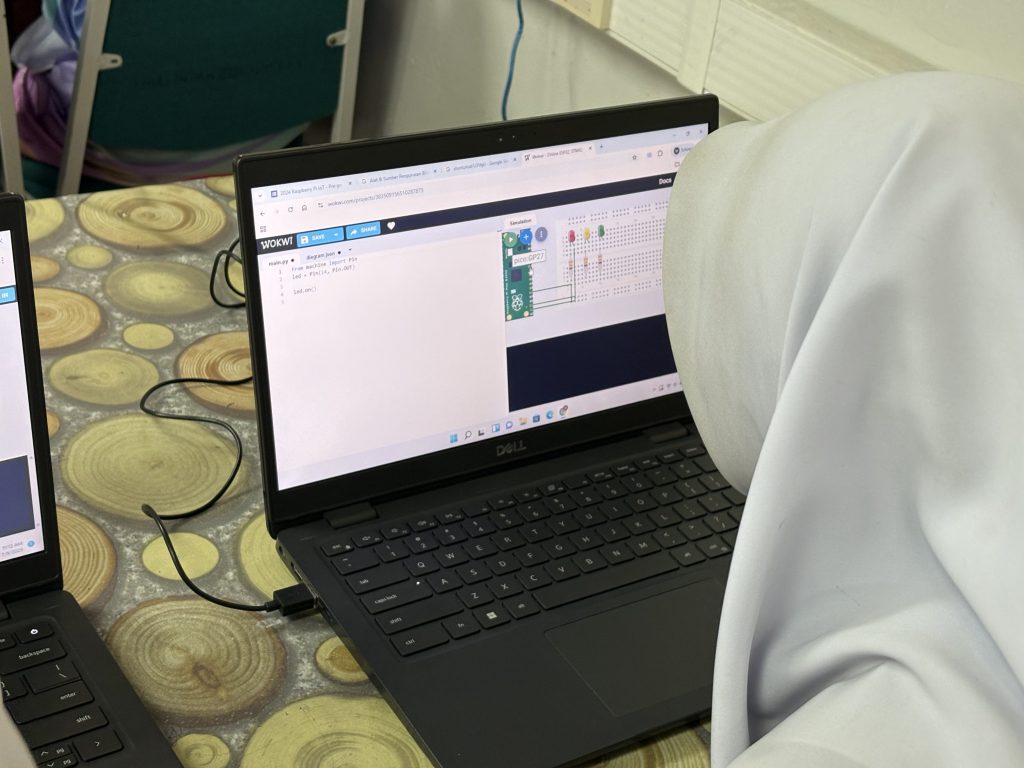
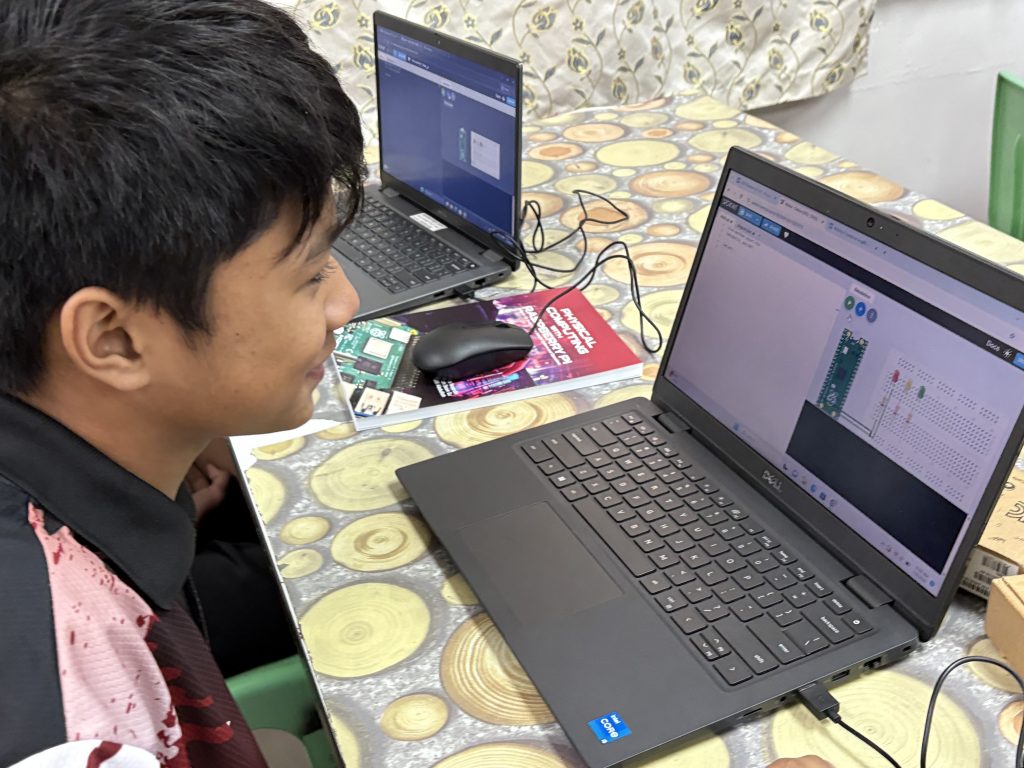
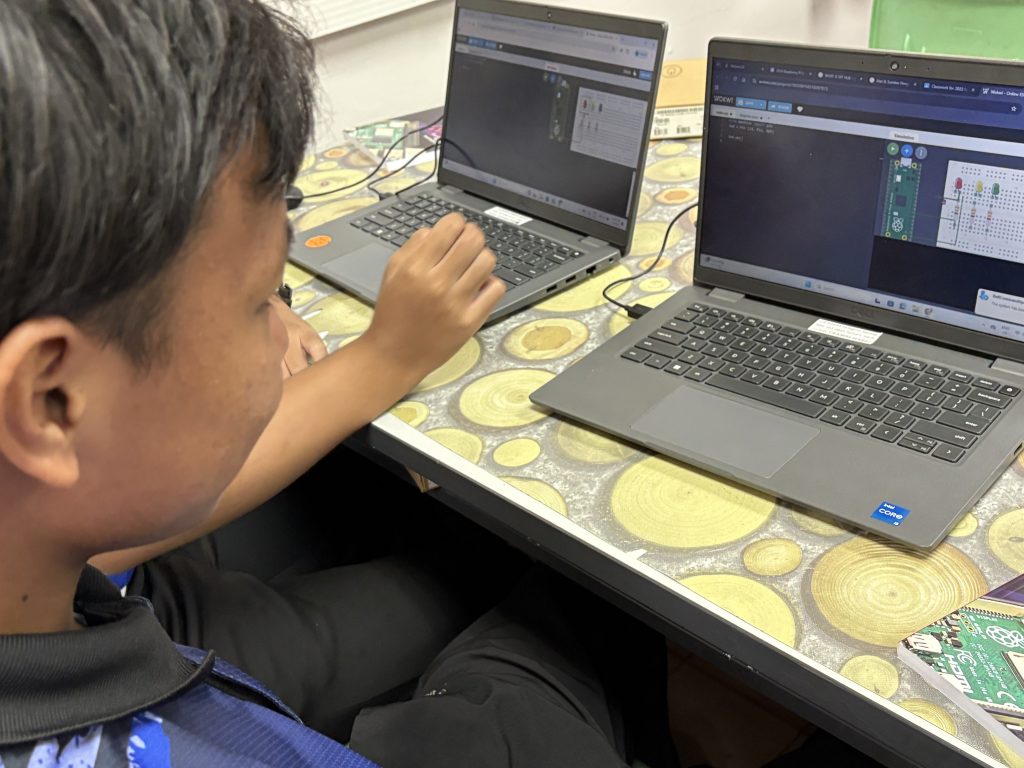
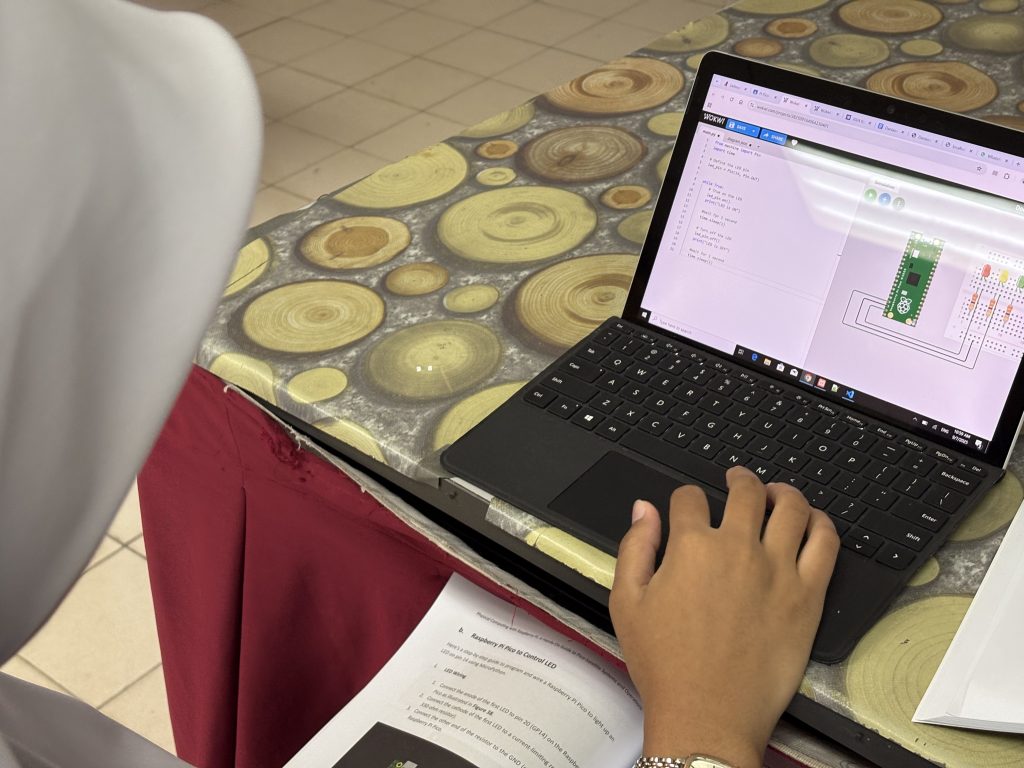
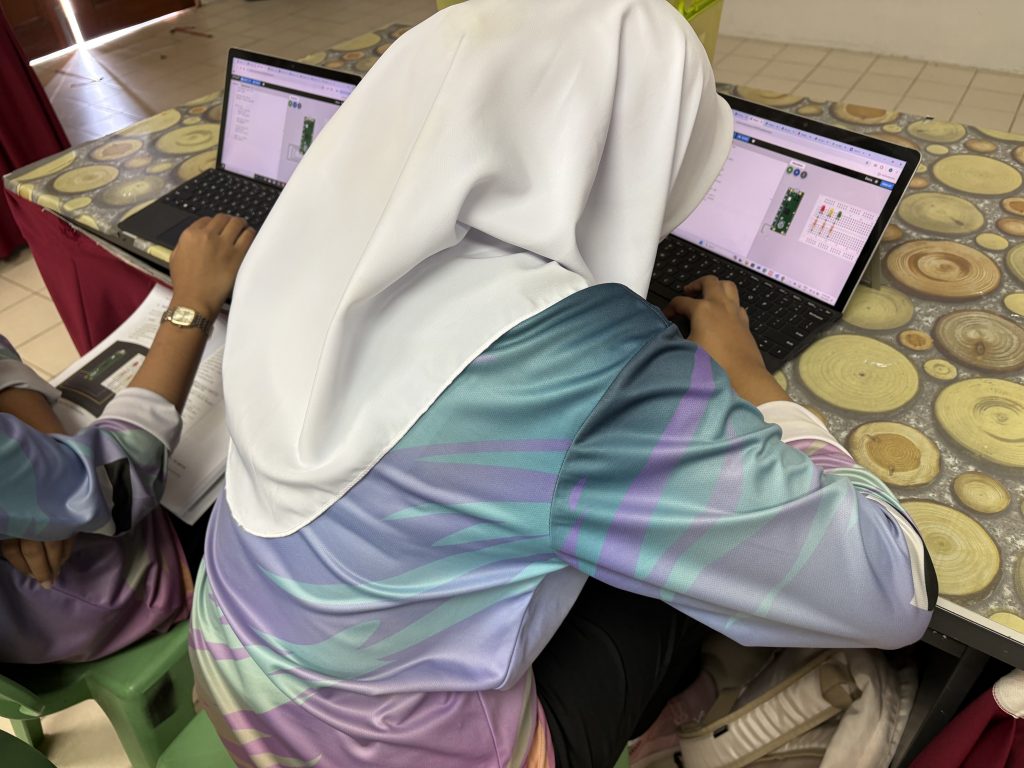
In the Raspberry Pi IoT session, 35 students and teachers from MRSM Tun Abdul Razak Pekan were introduced to the concept of the Internet of Things (IoT) using Raspberry Pi on the UMP STEM Cube, a pico-satellite learning kit specifically designed to facilitate engineering learning.

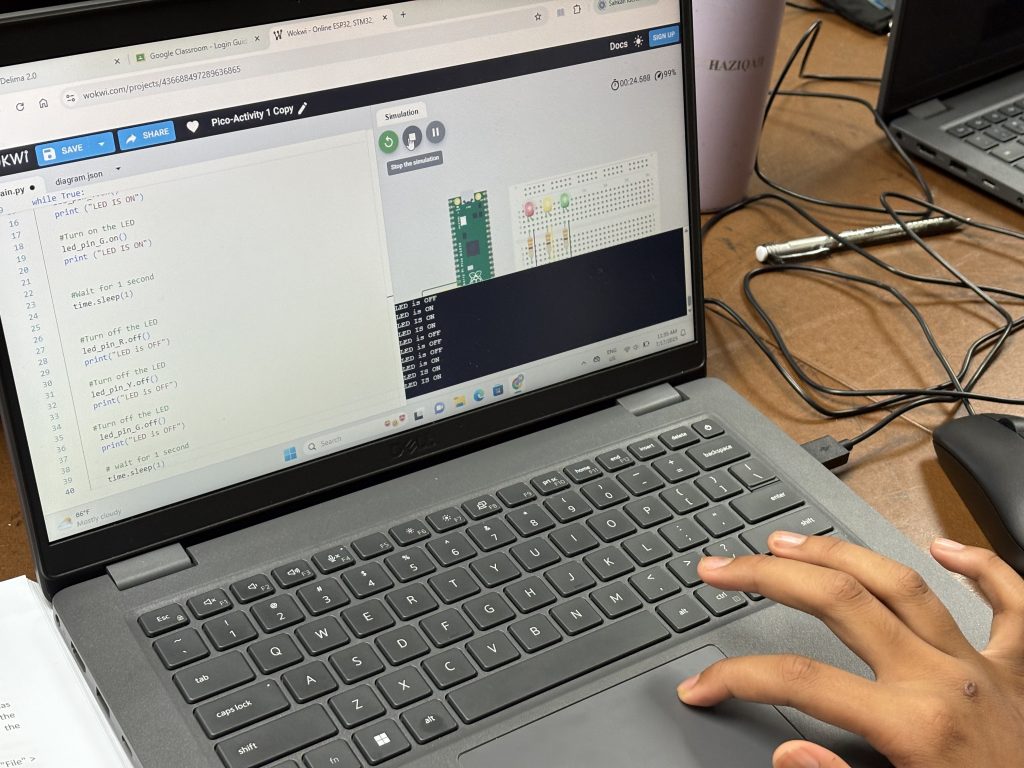
The content covered basic digital input/output operations on onboard LEDs, as well as topics such as dashboard design using gyro meter and BMU280 sensor data, including collecting and storing data in a cloud database. Participants learned to interface sensors with Raspberry Pi boards and develop IoT applications for real-world scenarios. The session provided students with valuable insights into IoT technology and its applications in various domains.

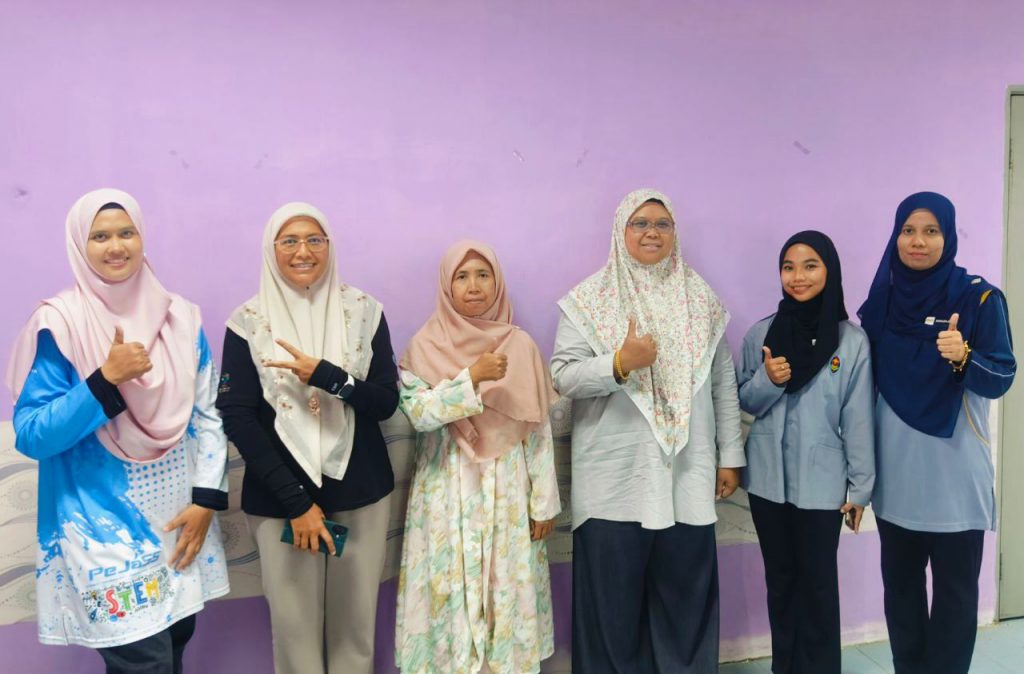
A special appreciation is extended to Cikgu Ismadey and Cikgu Fadilah from MRSM TAR for coordination in facilitating communication between the participants and the UMPSA STEM Lab :).

Aug 13th, 2025

Publication 2025/1 – Computational Thinking Through Scaffolded Game Development Activities: A Study with Graphical Programming

The latest work on programming education and computational thinking (CT) has been published in a Scopus Q2 journal =).

Read Article

This marks a milestone for the UMPSA STEM Lab team, as the journey behind this publication began several years ago with one simple motivation, which is to explore open-source platforms and methods that make programming more accessible and less intimidating for beginners.

Between 2020 and 2023, we designed and refined an instructional module using mBlock, an open-source, graphical programming tool. Our outreach program focused on the introductory level, specifically to address a common problem we see in schools: many beginners struggle with syntax when starting with textual programming, which often leads to frustration and loss of interest.

To make programming more approachable, two game-based learning modules were crafted, namely Snake and Pac-Man. Each activity began with students exploring the final product. They then applied computational thinking to break the game into smaller tasks (decomposition), identify patterns (abstraction), and plan their approach through flowcharts.

On the programming side, students first created or customised sprites to become familiar with the software—either on PC or online—before moving into block-based coding. This introduced them to core programming concepts such as iteration, conditionals, sequencing, and variables. By developing sprite movements, interactions, and game logic, students could see the immediate results of their coding decisions, helping them visualise and understand how each step contributes to the program.

We embedded tiered scaffolding throughout the learning process:

  1. Workout instruction – detailed, fully guided tasks.

  2. Debugging – fixing provided code with guidance.

  3. Semi-completed tasks – filling in missing code.

  4. Independent tasks – creating new features from scratch.


This structured approach proved effective, giving students a clear sense of completion and boosting their confidence as they progressed.

I would like to personally thank all the teachers, schoolchildren, and UMPSA STEM Lab mentors who contributed, not just by participating in our outreach programs but by helping us improve the instructional sets. This is the essence of what UMPSA STEM Lab strives for: bringing engineering to schoolchildren and constantly improving how we teach it.

We look forward to delivering more innovative engineering education initiatives within STEM, not just doing outreach, but nurturing talent for the future.

mBlock Programming 2025/2 – SMK Peramu Jaya

A synopsis of the program can be retrieved via the following link.

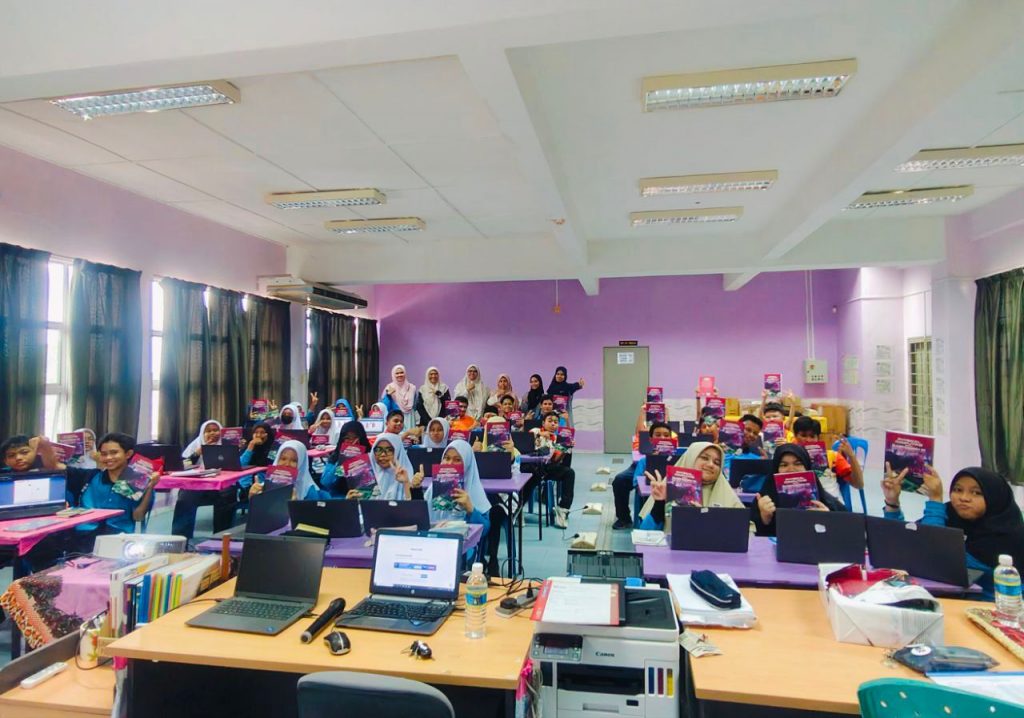
In today’s program, 36 participants from SMK Peramu Jaya Pekan were introduced to mBlock programming, learning to use its graphical interface to create sequences of instructions. They explored sequential programming, conditional statements, and loops through hands-on tutorials. These foundational skills were applied in two projects: a Snake game and a Pac-Man game. In the Snake game, they programmed the snake’s movement, growth, and collision detection, while in the Pac-Man game, they navigated a maze, collected points, and avoided ghosts. This approach provided a comprehensive understanding of programming concepts and their practical applications.

Appreciation to Cikgu Arni for coordinating the communication between the participants and UMPSA STEM Lab.


Raspberry Pi Programming 2025/3 – SMK Indera Shahbandar, Pekan

*UMPSA STEM Lab Raspberry Pi Programming Synopsis can be found here.

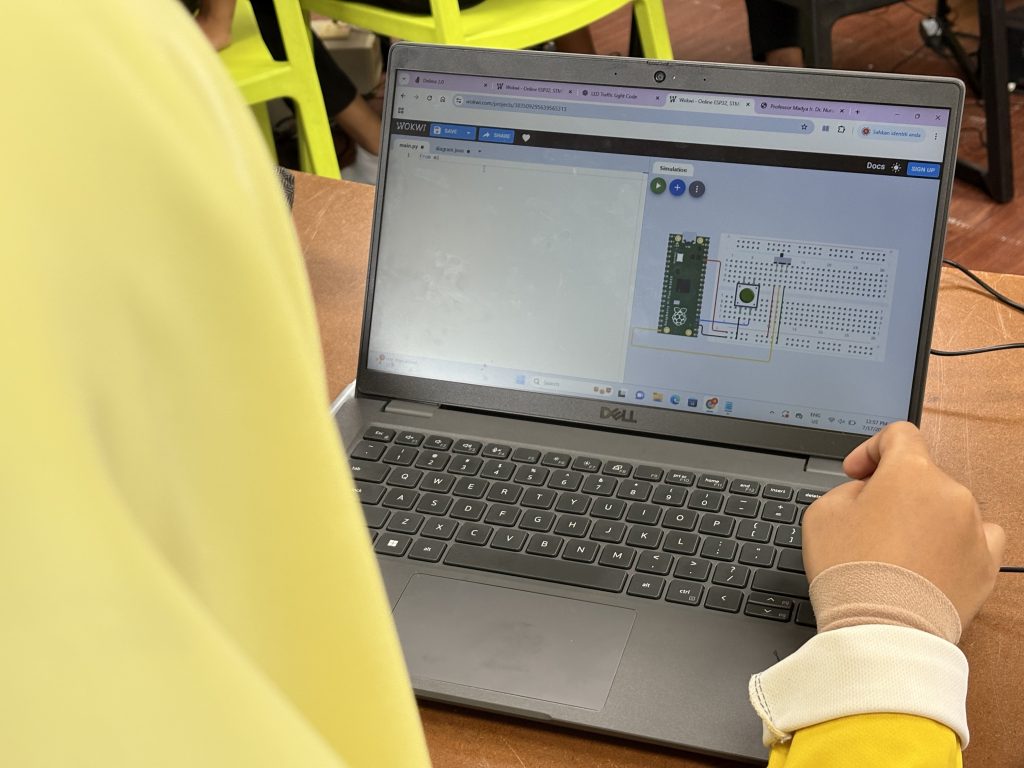
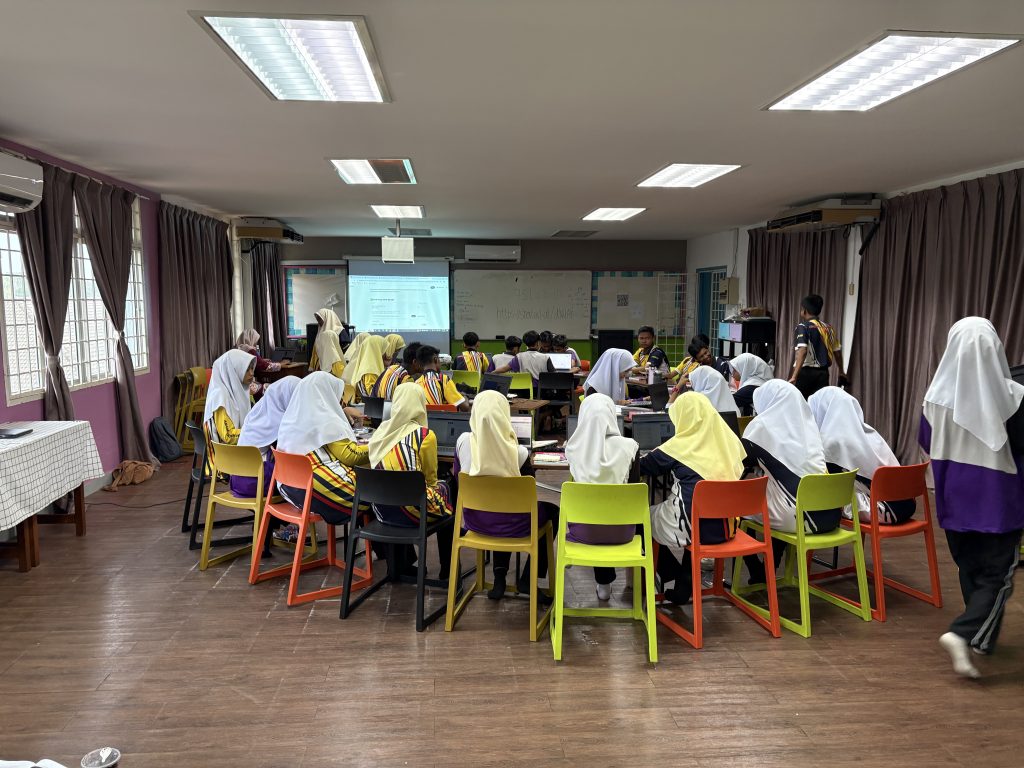
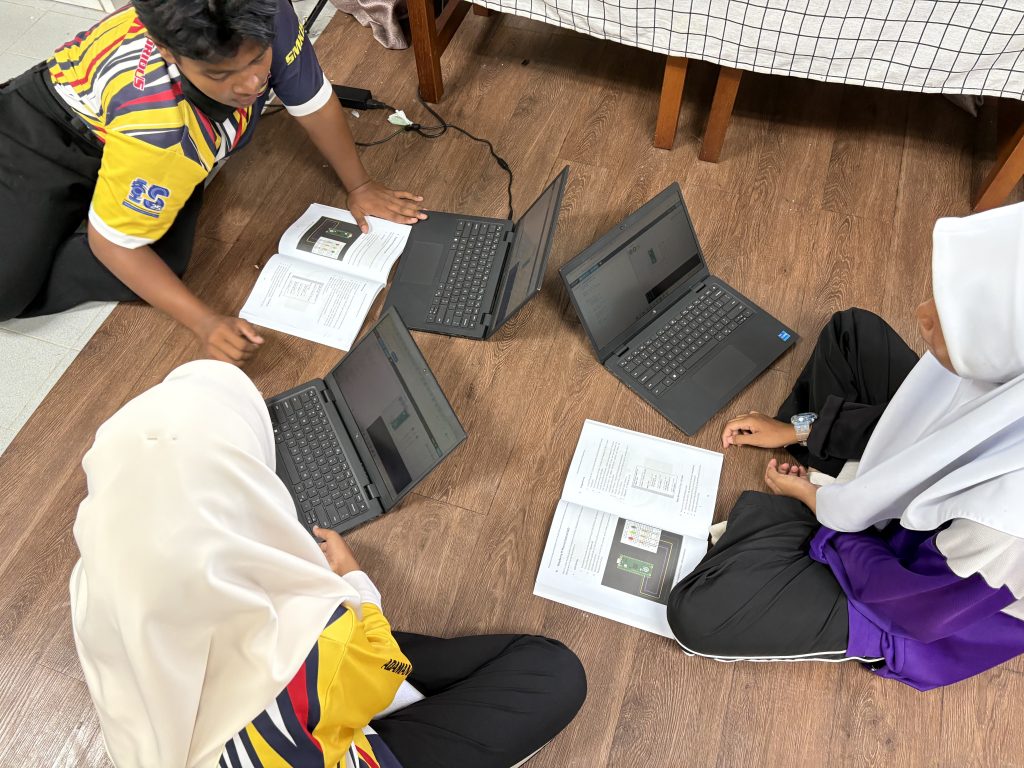
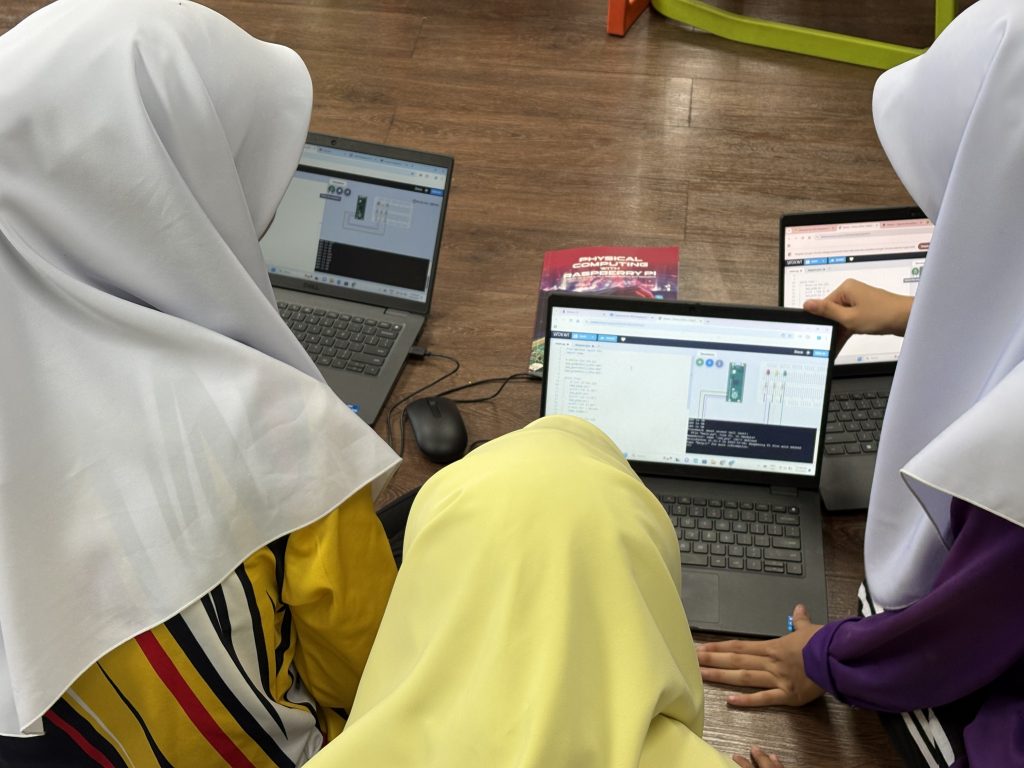
In the Raspberry Pi IoT session, 35 students and teachers from SMK Indera Shahbandar were introduced to the concept of the Internet of Things (IoT) using Raspberry Pi on the UMP STEM Cube, a pico-satellite learning kit specifically designed to facilitate engineering learning.

The content covered basic digital input/output operations on onboard LEDs, as well as topics such as dashboard design using gyro meter and BMU280 sensor data, including collecting and storing data in a cloud database. Participants learned to interface sensors with Raspberry Pi boards and develop IoT applications for real-world scenarios. The session provided students with valuable insights into IoT technology and its applications in various domains.

A special appreciation is extended to Cikgu Adzrul and Cikgu Suzanna from SMK Indera Shahbandar for coordination in facilitating communication between the participants and the UMPSA STEM Lab :).

July 17th, 2025


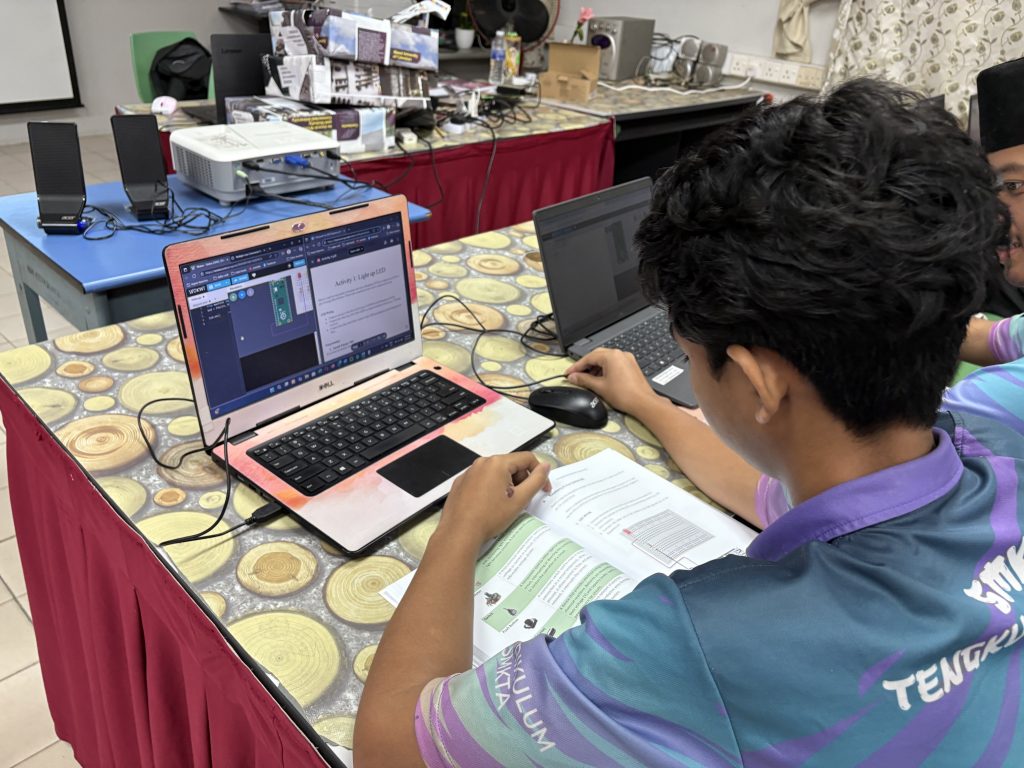
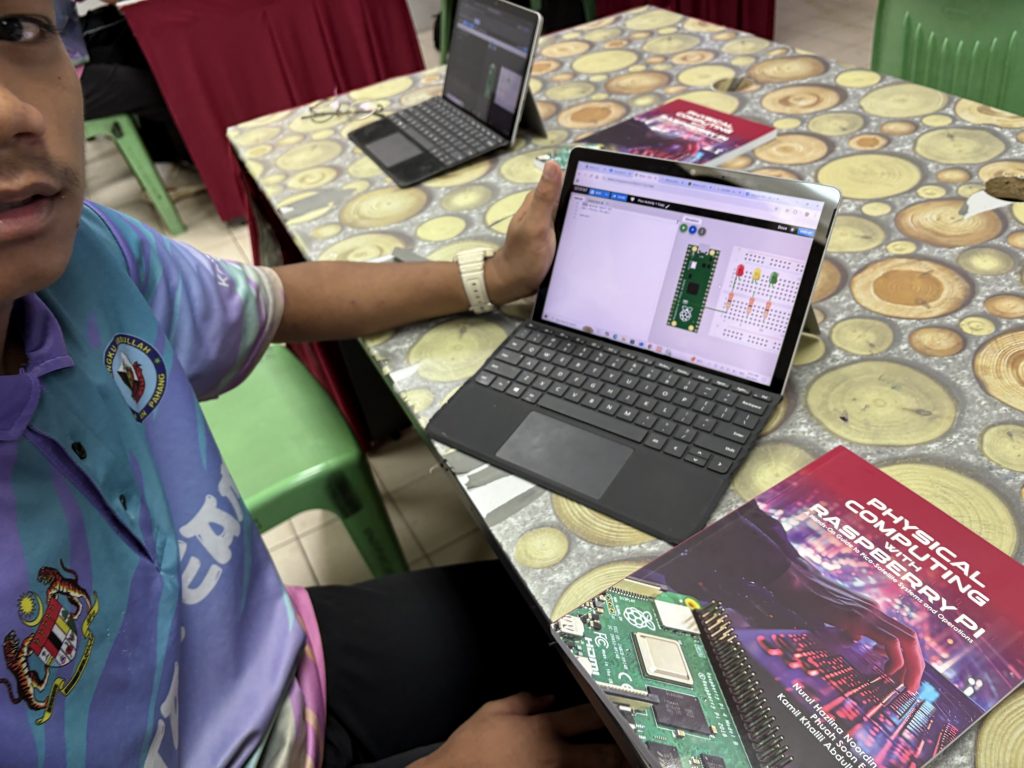
Raspberry Pi Programming 2025/2 – SMK Tuanku Abdullah Pekan

*UMPSA STEM Lab Raspberry Pi Programming Synopsis can be found here.

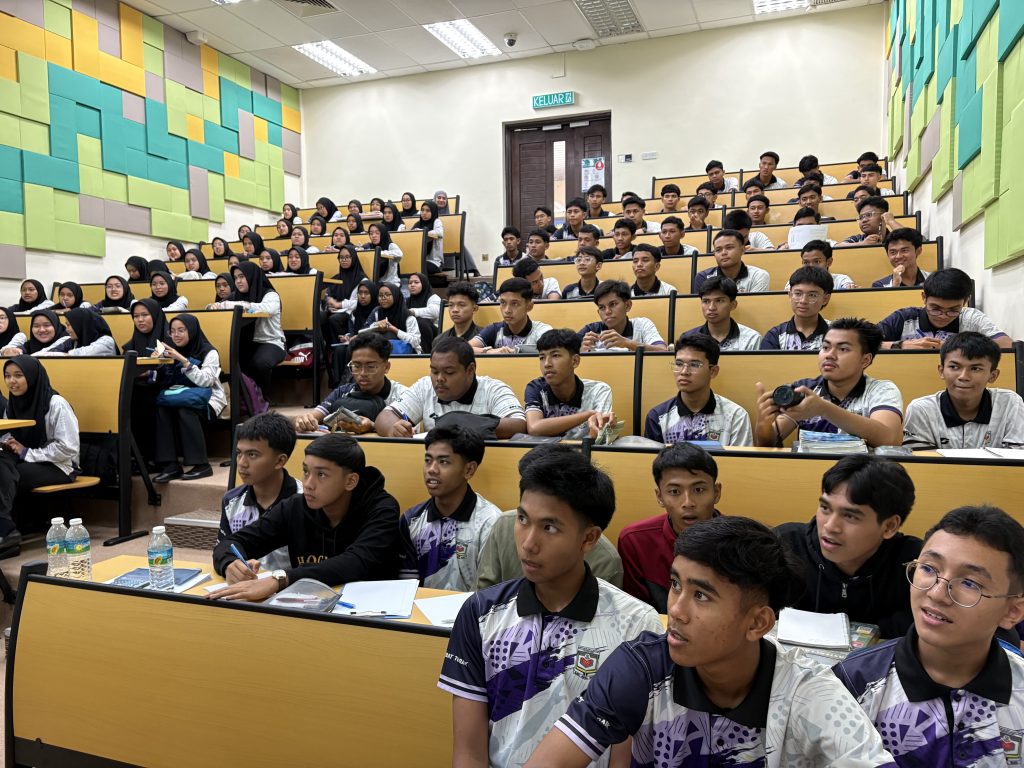
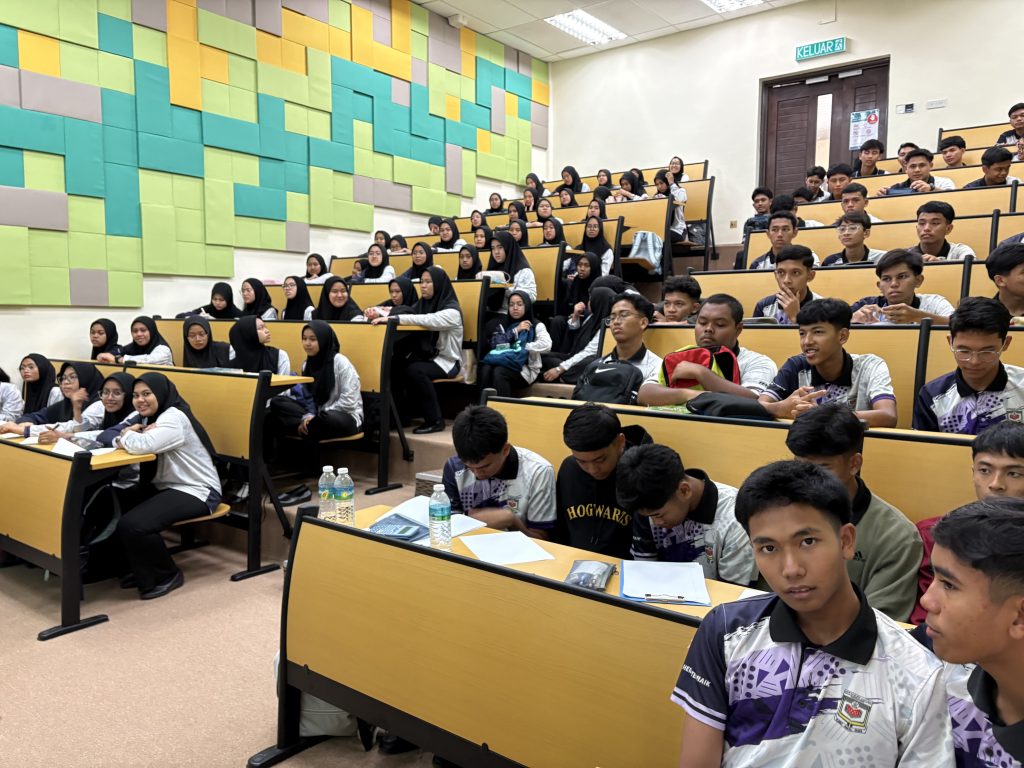
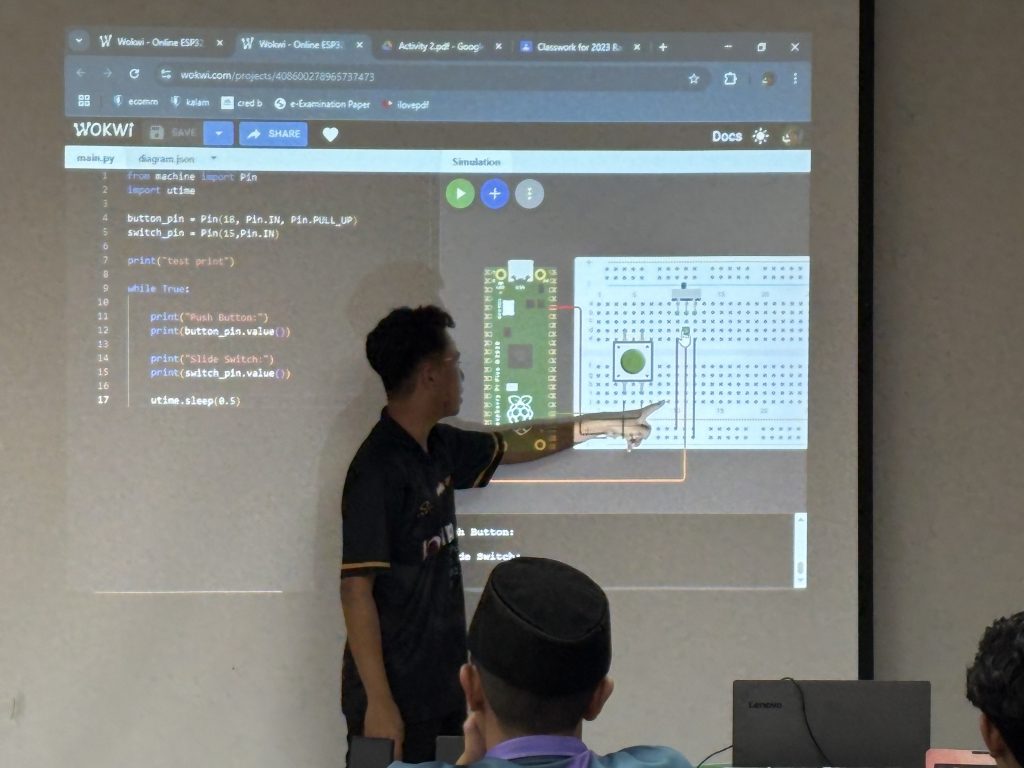
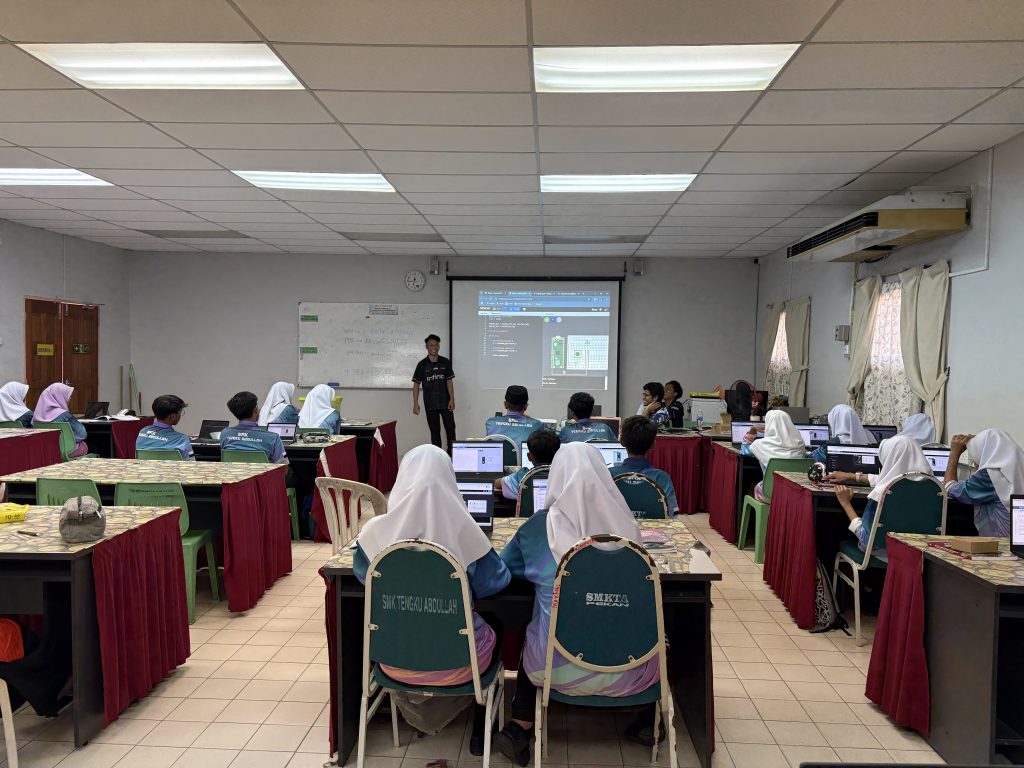
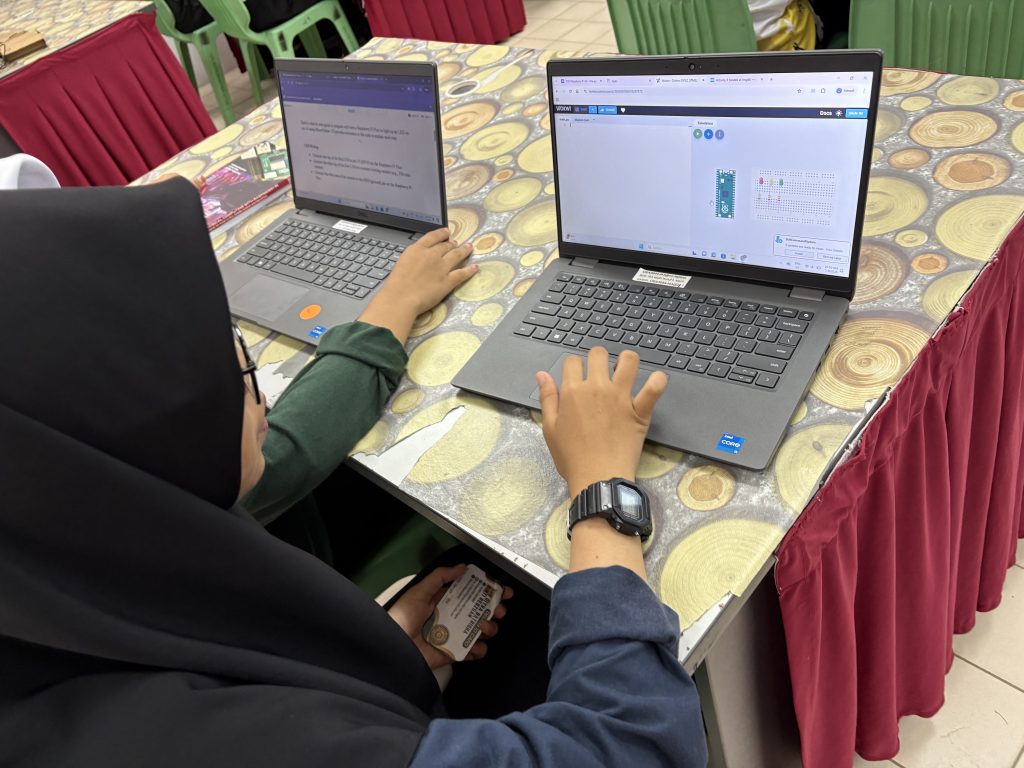
In the Raspberry Pi IoT session, 60 students and teachers from SMK Tuanku Abdullah were introduced to the concept of the Internet of Things (IoT) using Raspberry Pi on the UMP STEM Cube, a pico-satellite learning kit specifically designed to facilitate engineering learning.

The content covered basic digital input/output operations on onboard LEDs, as well as topics such as dashboard design using gyro meter and BMU280 sensor data, including collecting and storing data in a cloud database. Participants learned to interface sensors with Raspberry Pi boards and develop IoT applications for real-world scenarios. The session provided students with valuable insights into IoT technology and its applications in various domains.

A special appreciation is extended to Cikgu Zulkarnain and Cikgu Zaiti from SMK TA for coordination in facilitating communication between the participants and the UMPSA STEM Lab :).

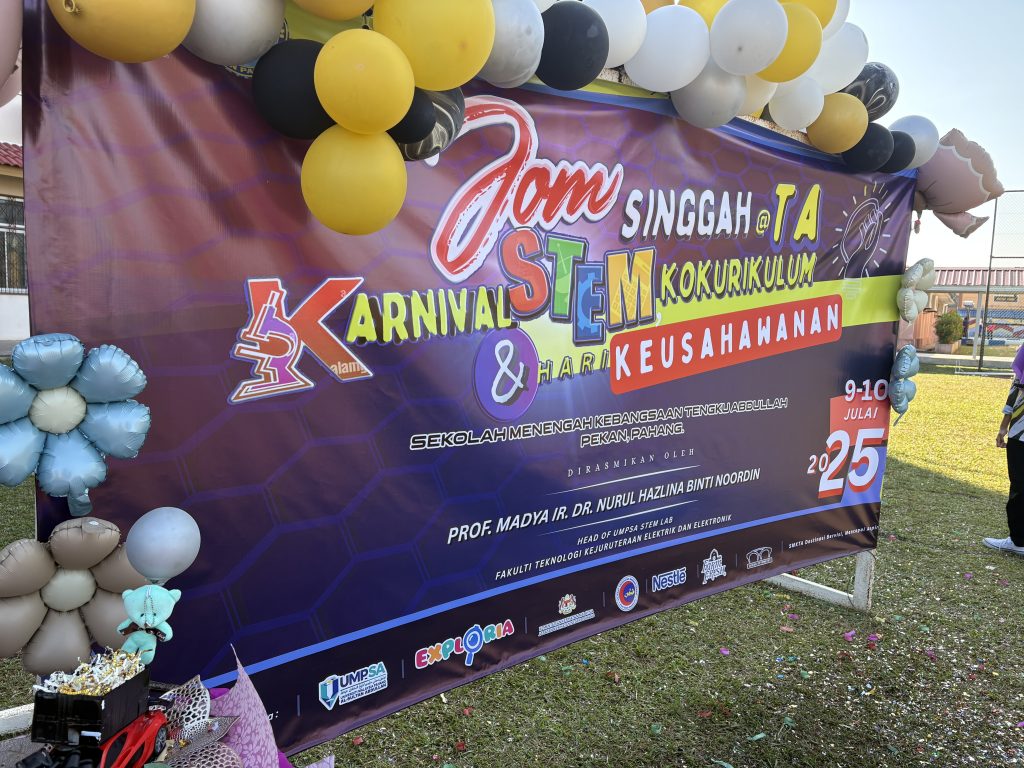
STEM – Co-curriculum – Entrepreneurship

Today, I had the honour of being invited to officiate the launch of the STEM-CO Curriculum-Entrepreneurship Program at SMK Tuanku Abdullah. The event was more than just a launch — it was a meaningful milestone in how we approach STEM education, entrepreneurship, and student empowerment.

The STEM-CO (STEM + Co-curriculum + Entrepreneurship) framework is a forward-thinking initiative designed to integrate STEM learning with real-world entrepreneurial experiences. At its core, this curriculum encourages students to go beyond textbooks, empowering them to identify opportunities (or simply said as “menghidu peluang keusahawanan”), solve community problems, and develop STEM-based innovations with commercial potential.

What makes this program exciting is its interconnectedness. STEM teaches students to think critically and solve problems. Entrepreneurship teaches them to act on those ideas and create value. Together, they form a powerful ecosystem that cultivates STEM leadership — nurturing a generation of thinkers, doers, and changemakers.
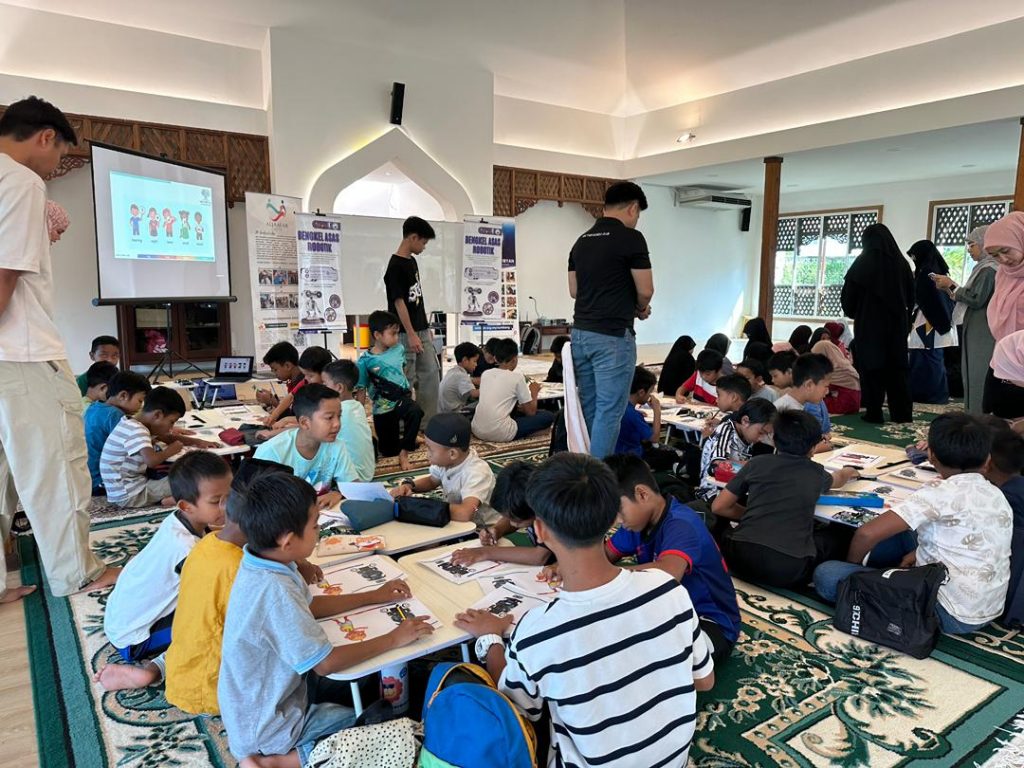
Throughout the event, I was inspired by the energy and vision of the students and teachers. Their enthusiasm reaffirmed my belief that when students are given the right platforms and guidance, they can thrive as future technopreneurs and leaders of innovation.
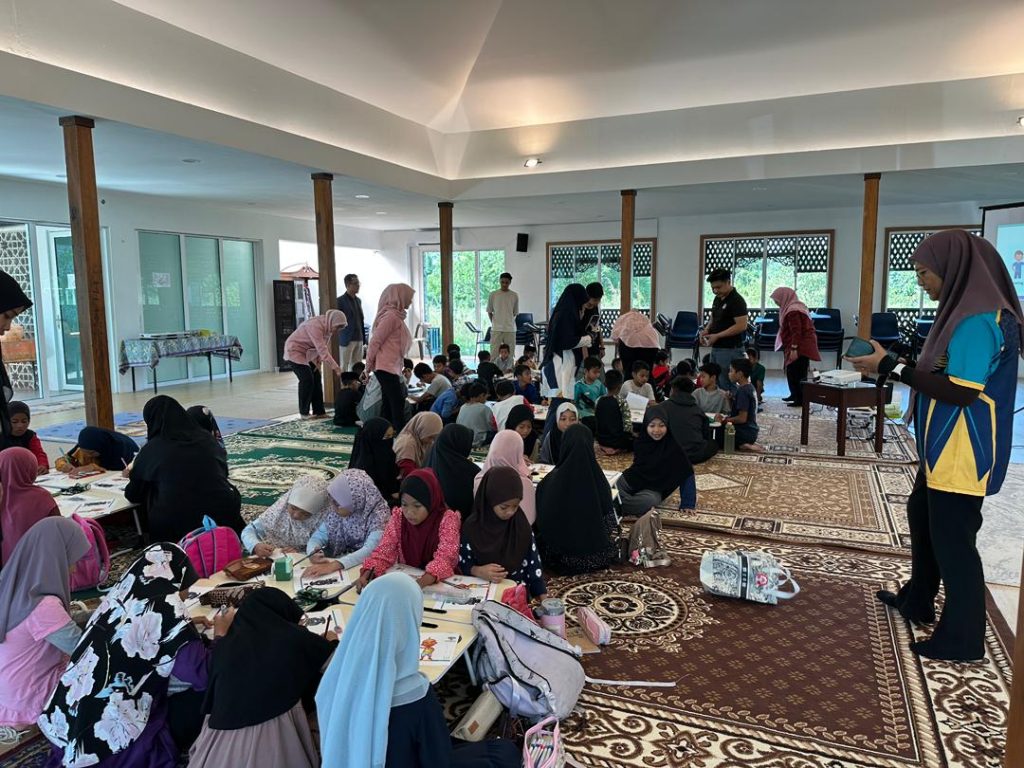
Kudos to SMK Tuanku Abdullah and all stakeholders for championing this initiative. May this be the spark that ignites many more innovations to come.


YIC 2025 TTT Workshop

Brain – Buddy – Boss – is an interesting technique adopted in today’s Young Innovate TTT session.

Today marked another milestone in our journey to nurture Malaysia’s next generation of tech innovators through the Train-the-Trainer (TTT) session for YIC 2025. This session is part of an ongoing initiative under the matching grant collaboration between UMPSA STEM Lab and Chumbaka, focused on developing future-ready skills in embedded systems, hardware programming, and AI.

What We Covered

The session focused on two core areas:

        • Hardware Programming: using Arduino and ESP32 microcontrollers

        • AI and Machine Learning: via PictoBlox, a block-based visual programming platform

The goal was not only to build technical capacity among the trainers but also to model a pedagogical approach that encourages independent problem-solving, peer collaboration, and guided mentorship.

One of the most unique aspects of today’s TTT was our instructional delivery method: the Brain-Buddy-Boss model.

This scaffolding technique encourages participants to follow a structured support sequence:

      1. Brain – Try to understand and solve the problem independently.

      2. Buddy – Discuss and troubleshoot with a peer.

      3. Boss – Seek help from the facilitator (teacher) only if the issue still persists.
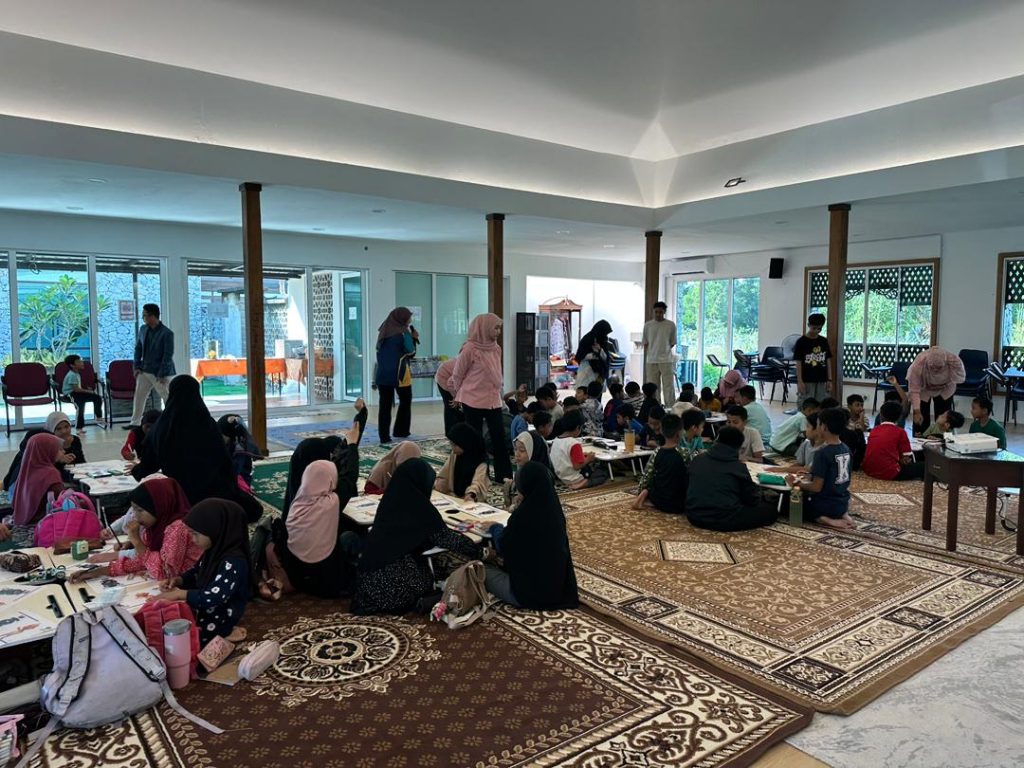
This method promotes learner autonomy, critical thinking, and collaborative problem solving—key attributes for any tech innovator.
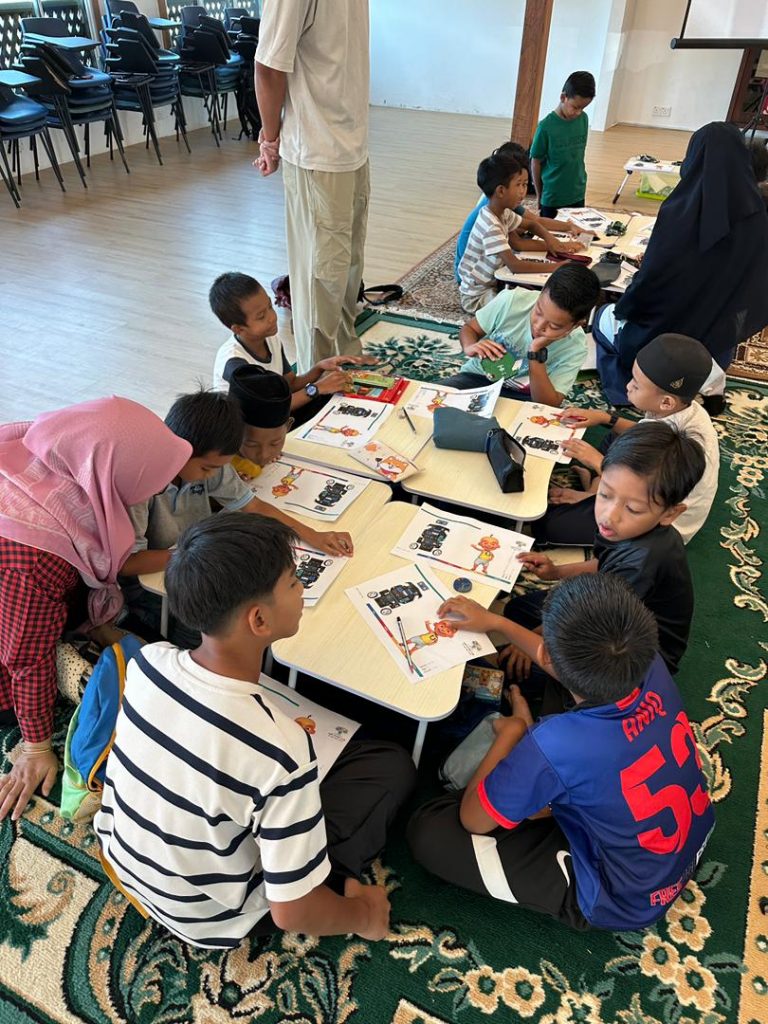
At the heart of the Brain-Buddy-Boss scaffolding strategy lies Lev Vygotsky’s Sociocultural Theory, especially the concept of the Zone of Proximal Development (ZPD). According to this theory, learning occurs most effectively in the “zone” between what a learner can do alone and what they can do with help from peers or instructors.

1. Zone of Proximal Development (ZPD)

      • Brain: The learner works independently, activating prior knowledge and attempting to solve problems. This encourages self-regulation, cognitive engagement, and resilience—skills crucial in engineering.

      • Buddy: The learner collaborates with a peer, engaging in social learning. They explain, question, and support one another, reinforcing concepts through dialogue.

      • Boss: Only after these steps does the instructor (as the More Knowledgeable Other, or MKO) step in with targeted feedback, ensuring that the learner crosses the ZPD with just enough support.

This strategy transforms the instructor from a content deliverer to a facilitator of learning, a critical shift in 21st-century STEM education.

2. Constructivist Learning Theory

The strategy also draws from constructivist pedagogy, which asserts that Learners actively construct their own understanding based on experiences, prior knowledge, and reflection.

In engineering contexts—where problem-solving, iteration, and design thinking are key—constructivist approaches are ideal. The Brain-Buddy-Boss model:

      • Promotes active learning through trial and error (Brain)

      • Reinforces learning through peer discussion and reflection (Buddy)

      • Consolidates understanding via guided intervention (Boss)

It Fits Engineering Education Perfectly as Engineering is not memorization—it’s systematic problem-solving, critical analysis, and applied design thinking. The Brain-Buddy-Boss model naturally complements these elements:

Engineering Education Need How Brain-Buddy-Boss Supports It
Complex problem-solving Encourages learners to attempt solutions independently (Brain)
Collaboration & communication Uses peer learning to promote teamwork (Buddy)
Guided exploration of new tools/concepts Offers just-in-time support from instructors (Boss)
Scaffolded mastery of technical content Matches support to learner readiness within the ZPD
Application of theory into practice Through hands-on digital making and debugging using real-world tools
Lifelong learning mindset Builds self-efficacy and help-seeking behavior in structured ways
      • Brain: A participant tries to connect an LED with an ESP32 and write code to blink it.

      • Buddy: If it doesn’t work, they discuss with a peer—checking wiring or code syntax together.

      • Boss: If still unresolved, the instructor helps debug using questions to guide—not give—the answer.

By engaging at cognitive, social, and instructional levels, this approach ensures deep learning and conceptual understanding in even the most technical of engineering subjects.

For me,  engineering education concept the involves scaffolded learning like Brain-Buddy-Boss ensures that students are not passive recipients of information but active problem-solvers, capable of transferring learning across contexts. It nurtures confidence, collaboration, and competence—the very foundations of future-ready engineers and innovators.


Arduino Robotics 2025/2 – PPD Maran Day 2

*UMPSA STEM Lab Arduino Robotics Programming Synopsis can be found here.

The Arduino robotics programming session focused on introducing 84 students and teacher, from the district of Maran Pahang, to the fundamentals of coding and robotics using Arduino microcontrollers. The content covered basic coding concepts and gradually progressed to advanced topics such as line following algorithms. Through hands-on exercises and projects, students gained practical experience in programming Arduino boards to control a miniature 2-wheel robotic systems. The session successfully engaged students in interactive learning activities, fostering their understanding of robotics principles and enhancing their coding skills.

A special appreciation is extended to Tuan Hailmey for his exceptional coordination in facilitating communication between the participants and the UMPSA STEM Lab.

de674b80-f40f-48e9-8d35-927784590efe 157de31d-fa2e-4a34-94cd-b00a99af19b6