The world is digital, but life is analog..




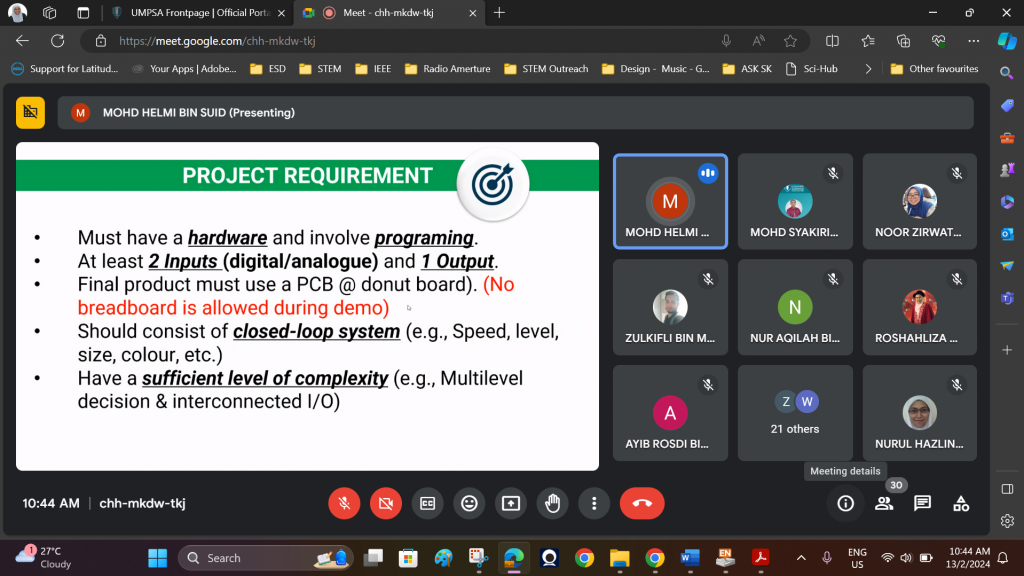
dredre
This marks my fifth viewing of The Swordsman 🙂 and with each watch, its profound depth and nuances never fail to captivate me. Directed by Choi Jae-hoon, this South Korean martial arts film has evolved into a timeless masterpiece, inviting me to rediscover its compelling narrative and breathtaking action sequences.

As the credits roll, the story’s familiarity doesn’t diminish; instead, it deepens my appreciation for the intricacies woven into every frame. The film follows Tae-yul, the best swordsman in Joseon, on a journey marked by sacrifice, loyalty, and unwavering love for his daughter, Tae-ok.
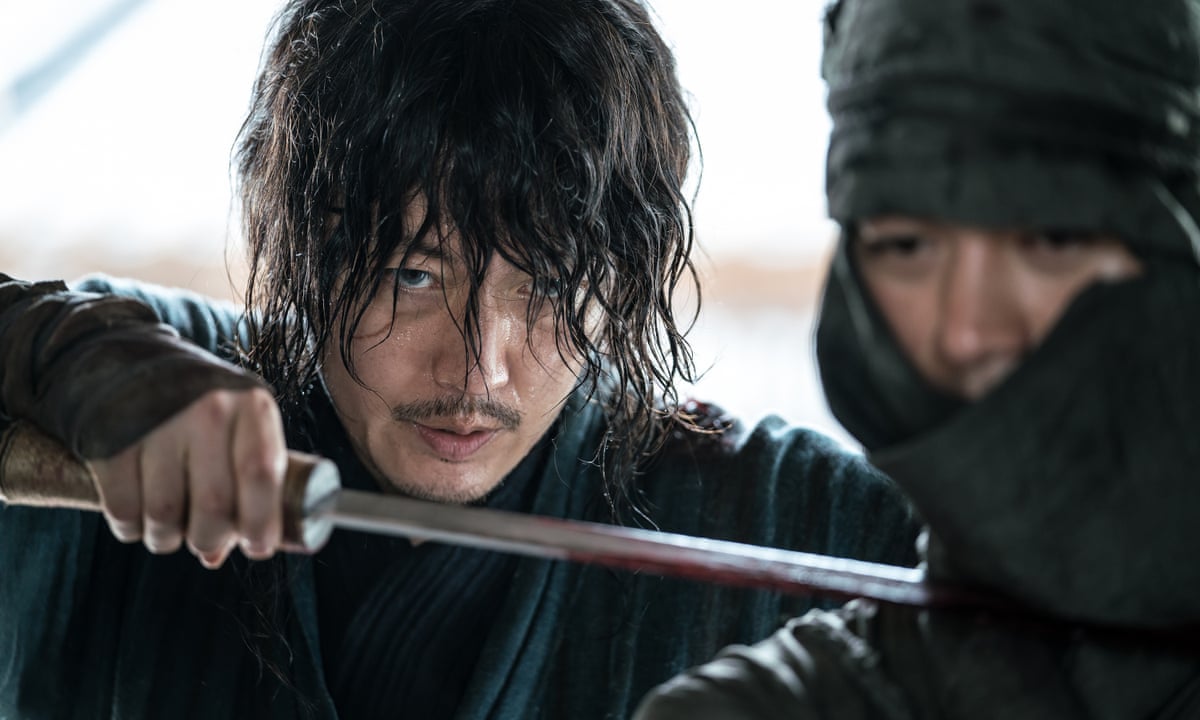
The father-daughter bond, delicately portrayed against a tumultuous historical backdrop, adds emotional layers to intense martial arts sequences. Tae-yul’s sleek moves showcase not just choreography but a visual representation of resilience and determination, echoing broader themes of duty and sacrifice. In a breathtaking moment, Tae-yul materialized like a sudden gust of wind, appearing out of the blue to defend Tae-ok against Gurutai’s men.
Confronting the past takes center stage as Tae-yul faces former allies of the king, exploring complexities of loyalty and personal sacrifice. This is indeed so relevant anywhere, anytime. This adds depth to Tae-yul’s character, enriching overarching themes. With each viewing, the movie transcends its martial arts spectacle label, becoming a unique familial bonds and indomitable spirit. The final battle, a culmination of Tae-yul’s journey, retains its visceral impact. The revelation about Tae-ok adds a poignant twist, showcasing the depth of their connection beyond blood ties.
The father’s love emerges as a thread weaving the emotional fabric of the narrative. This delicate portrayal elevates the film beyond action spectacle to a heartfelt exploration of a father’s protective instincts.
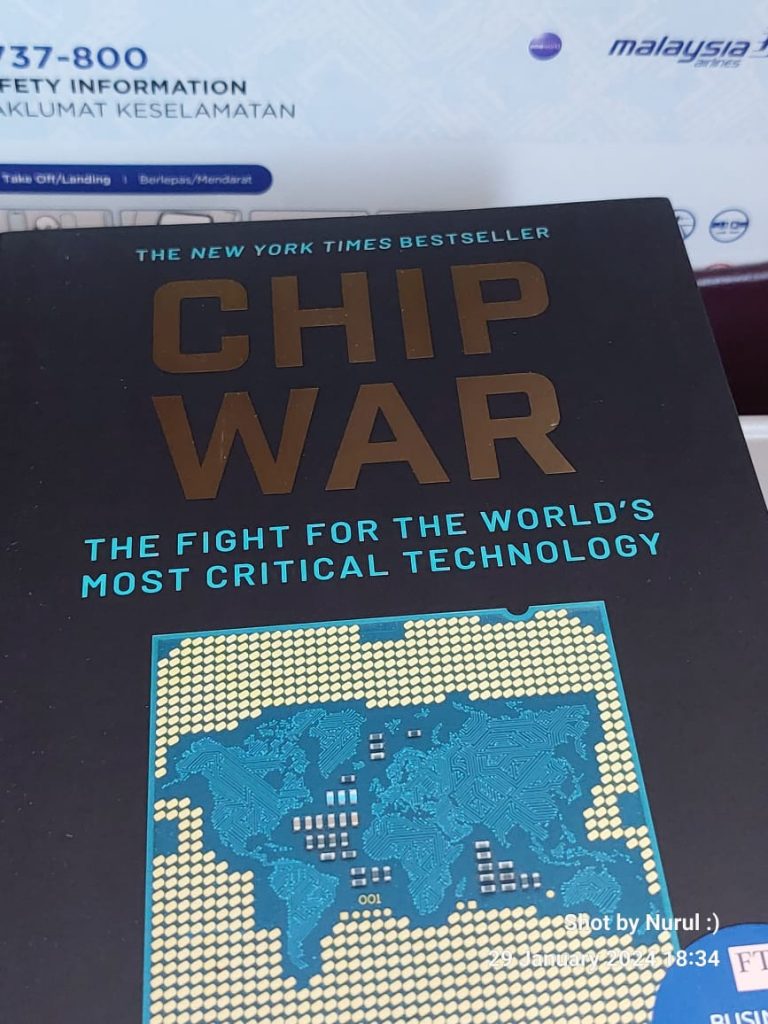
In a world dominated by cutting-edge technology, there exists a silent war—yet very competitive in the semiconductor chips. “Chip War: The Fight for the World’s Most Critical Technology” by Chris Miller, as reviewed by The New York Times, put a perspective of a riveting journey through the evolution, significance, and global impact of these tiny yet transformative components.
I’ve been wanting to read this book for quite some time. This book took root last year when it caught my eye on as I was browsing for a list of good reads in mid-2023. Finally bought at Kinokuniya KLCC last week while attending a Petrosains workshop.
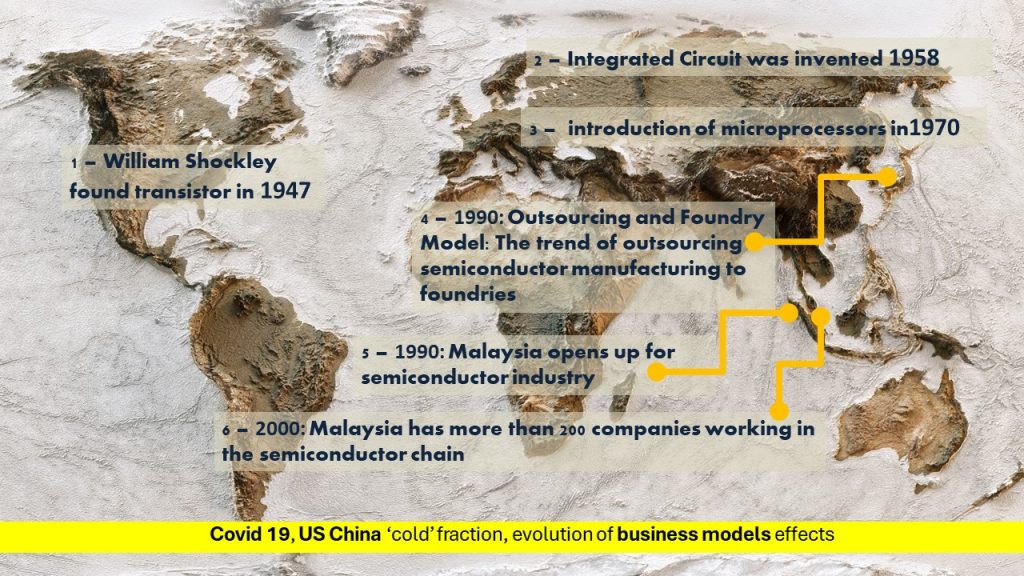
Chris Miller’s narrative unfolds chronologically, beginning with Gordon E. Moore’s groundbreaking prediction in 1965, a forecast that would later be known as Moore’s Law. This prophecy, encapsulated in the article “Cramming More Components Onto Integrated Circuits,” became the catalyst for the exponential growth of transistors on silicon chips, propelling the world into the era of digitization.
The book weaves together characters, from the founding figures in Silicon Valley to the key players in China, Japan, and Taiwan. Miller deftly explores the geopolitical implications of the semiconductor industry, arguing that it not only shapes the global economy but also plays a pivotal role in the delicate balance of power among nations.
Notably, Miller’s narrative touches upon the Malaysia COVID-19 lockdown, revealing the far-reaching consequences on the chip supply chain. The lockdown’s impact on manufacturing, logistics, and workforce availability highlights the vulnerability of the global semiconductor ecosystem to external shocks. The disruptions caused by the pandemic underscore the intricate interdependence of nations in sustaining the production and supply of critical technologies.
This acknowledgment adds depth to the understanding of the challenges faced by nations involved in chip manufacturing, contributing to a more comprehensive and nuanced portrayal of the industry’s landscape. Malaysia, with its significant presence in the semiconductor sector, becomes a notable player in the broader narrative, showcasing how external factors can influence the delicate balance of the semiconductor ecosystem.
As an educator in the field of electrical engineering in Malaysia :), the book provides a firsthand view of the semiconductor industry. Feedback from my students working in Penang and venturing as far as Taiwan highlights the industry’s global impact. The challenge of revising curricula to keep abreast of rapid technological advancements becomes a paramount consideration.
As an academician in EE , the book serves as a wellspring of motivation to delve into FPGA-related research. The ever-changing nature of the semiconductor industry sparks a desire to bridge the gap between theoretical knowledge and practical skills, ensuring that students are equipped for the challenges of this dynamic field.
As a STEM advocate, there’s an inherent urgency to bring the ‘chip’ technology to young minds. The challenge lies in articulating these complex concepts in a language that resonates with the next generation, fostering interest in STEM fields and highlighting the tangible impact of hardware in their everyday lives.
The book prompts a reflection on supporting and nurturing diverse interests in children. Rather than imposing predetermined paths, the emphasis shifts to allowing the freedom to explore passions—be it aerospace engineering, mathematics, or animal sciences.
“Chip War: The Fight for the World’s Most Critical Technology ” emerges not just as a book but as a call to action. It beckons educators, academics, STEM advocates, and parents to navigate the digital landscape with a profound understanding of the critical role played by semiconductor chips. As we stand on the precipice of the future, Miller’s book serves as a guide, shedding light on the unseen battlegrounds that shape our technological destiny. The digital revolution is not merely a spectator sport—it’s a war, and understanding the dynamics of this war is the first step towards mastery of the ever-evolving world of technology.
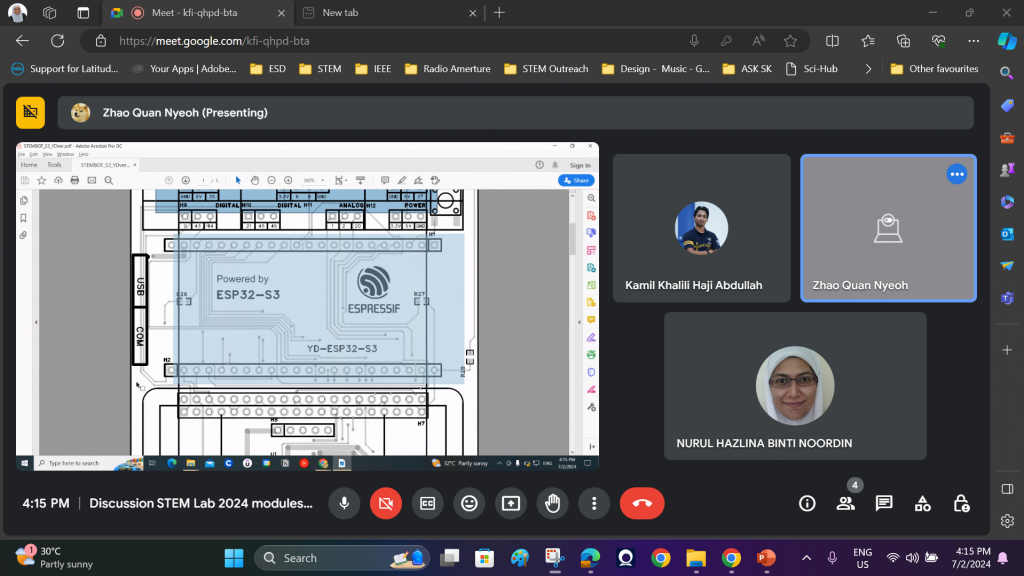
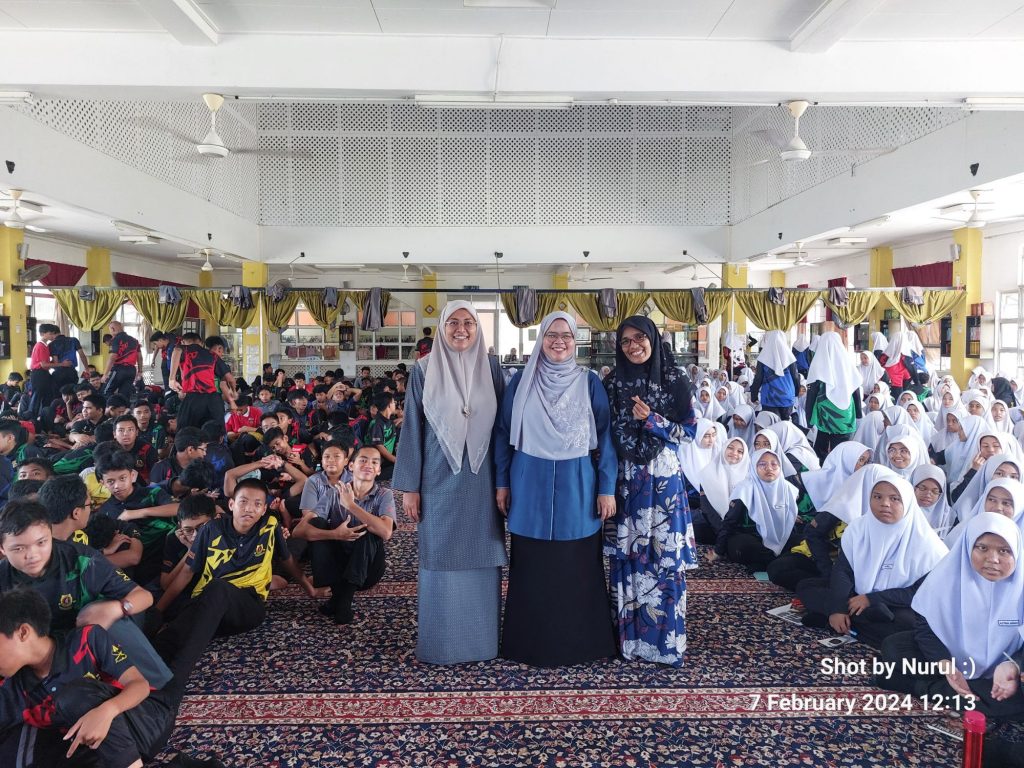
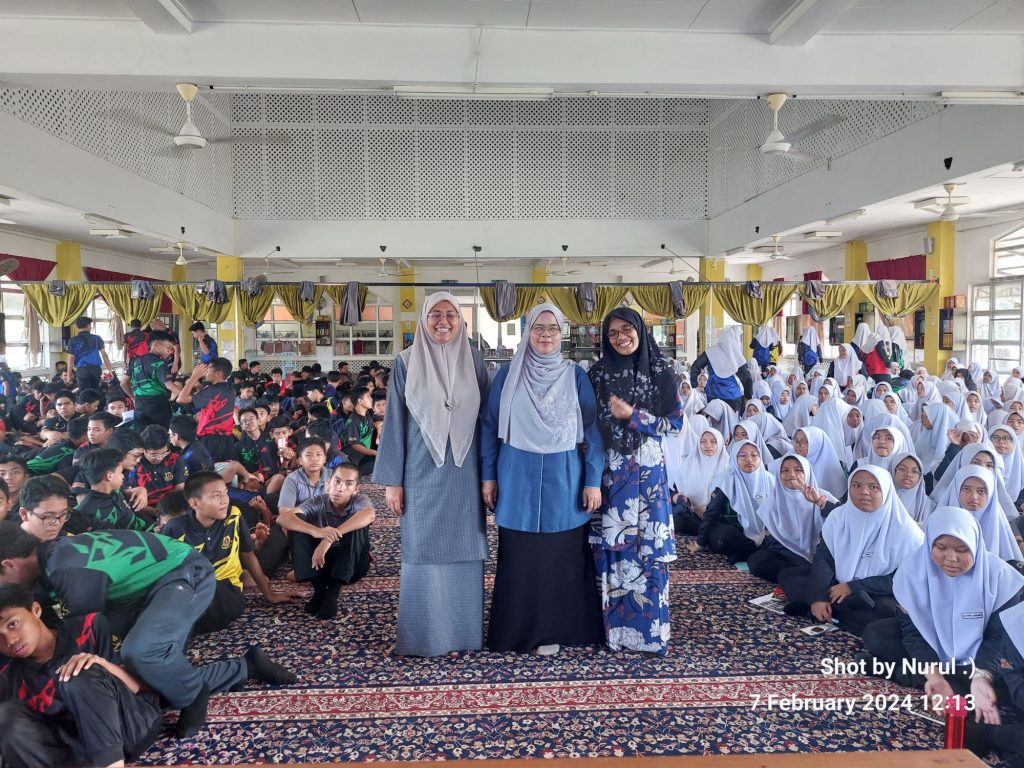
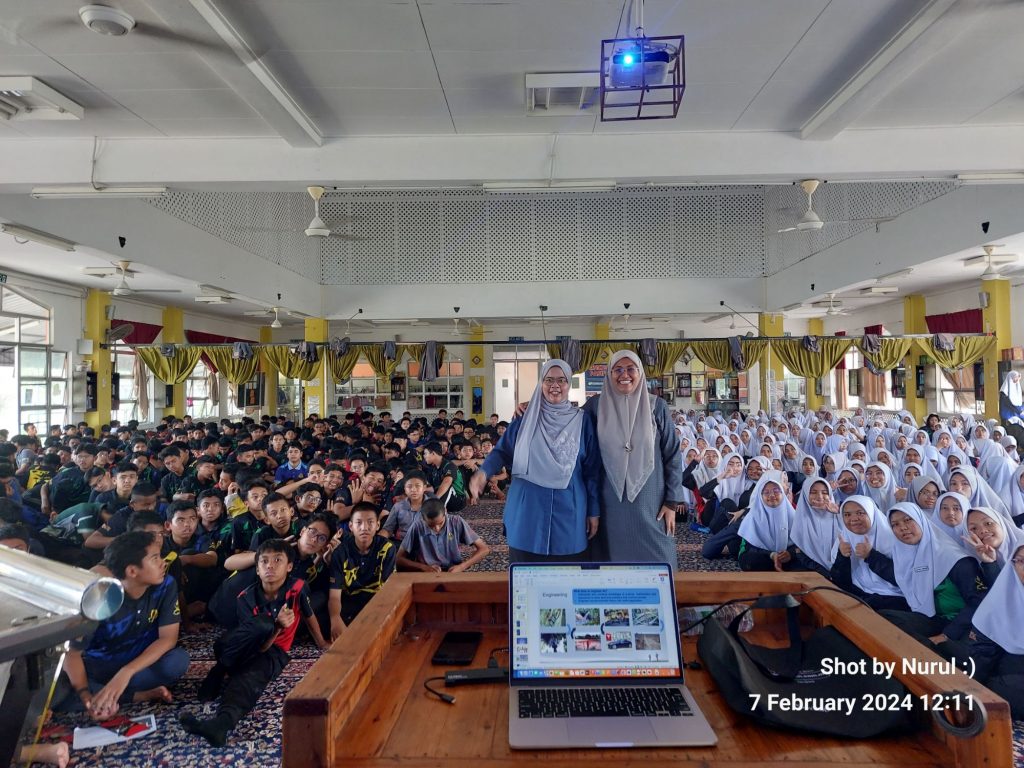
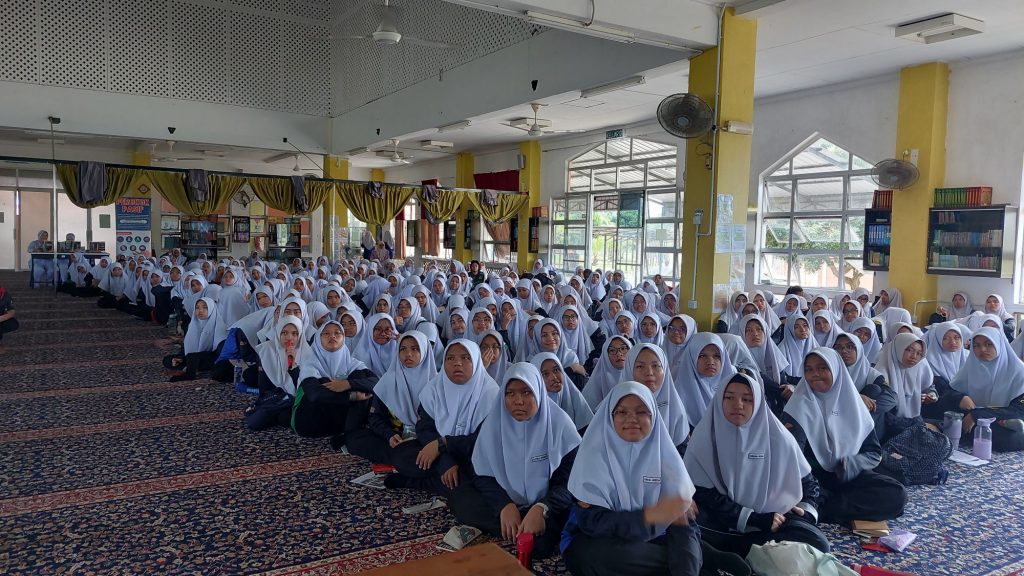
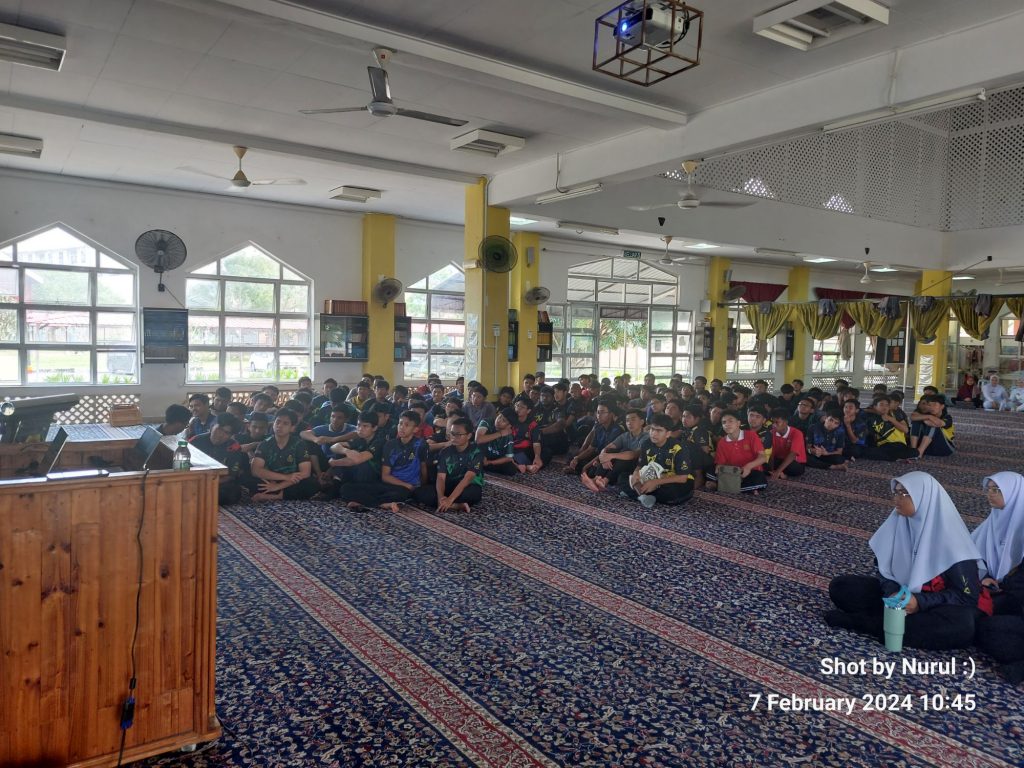
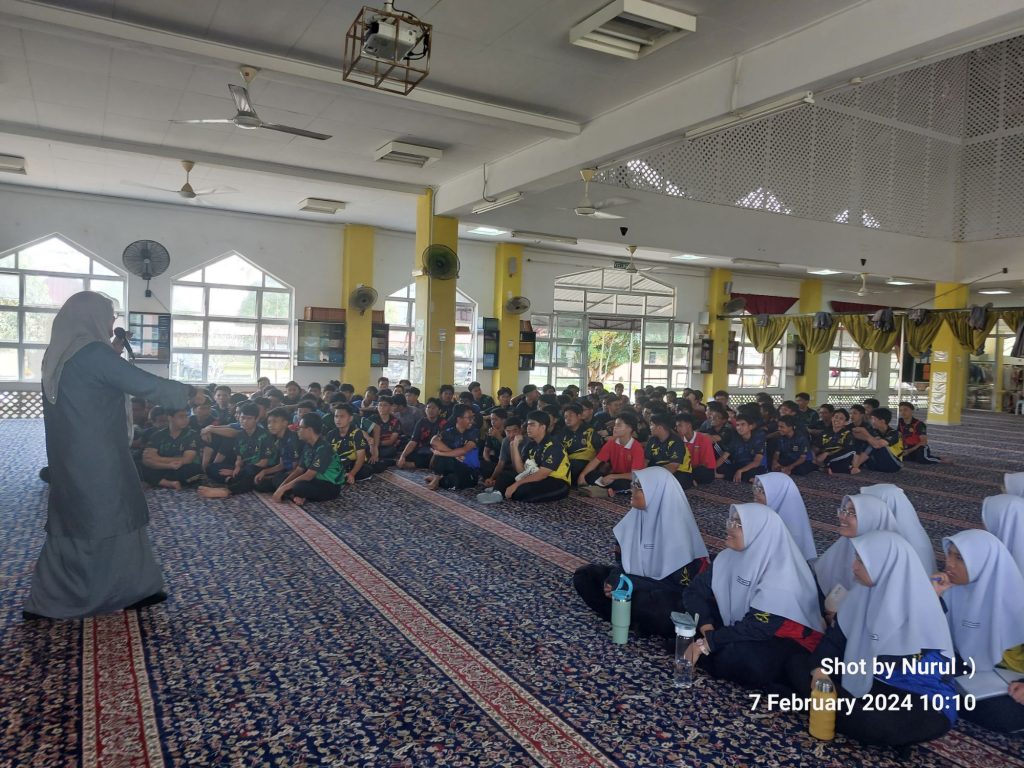
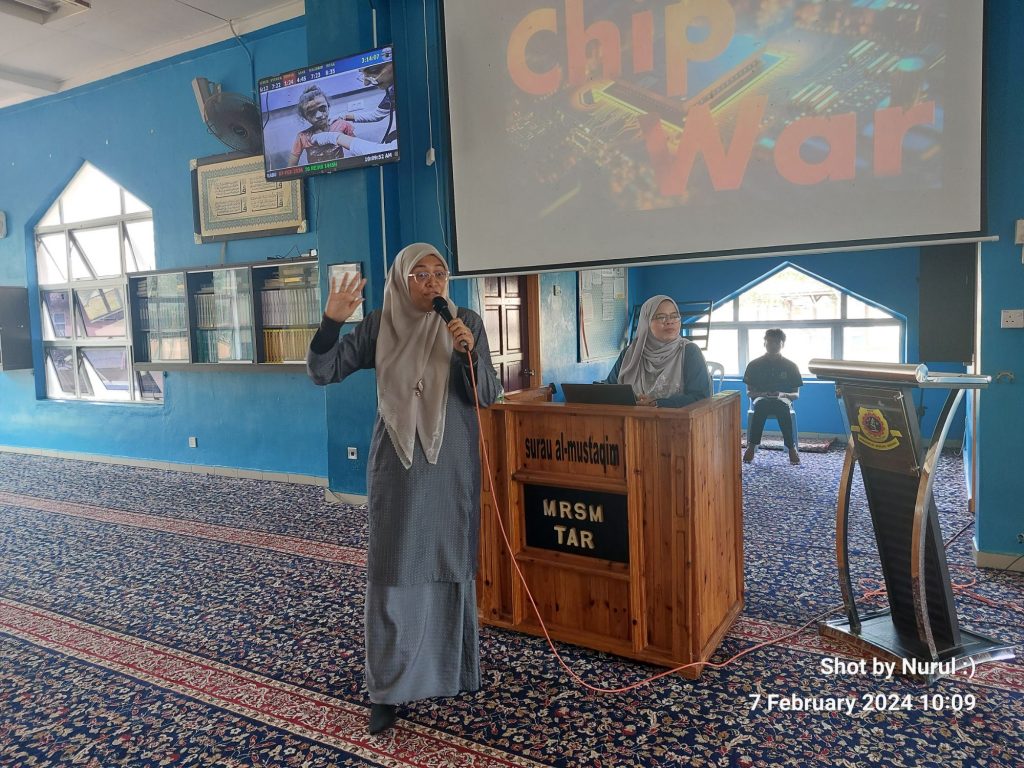
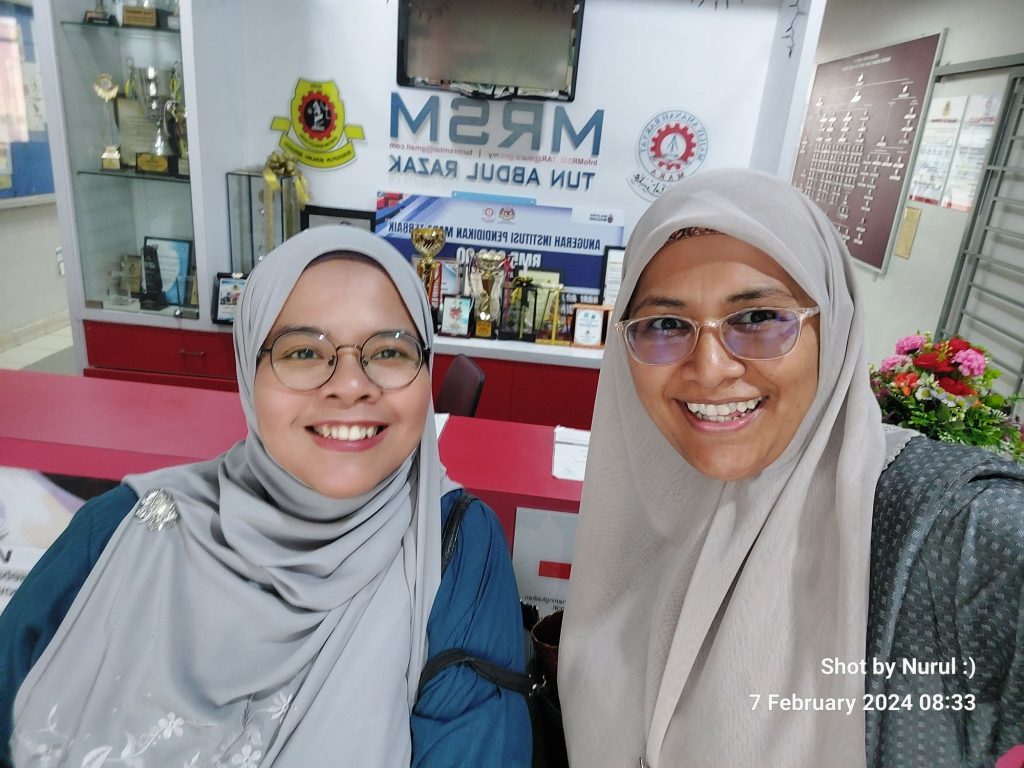
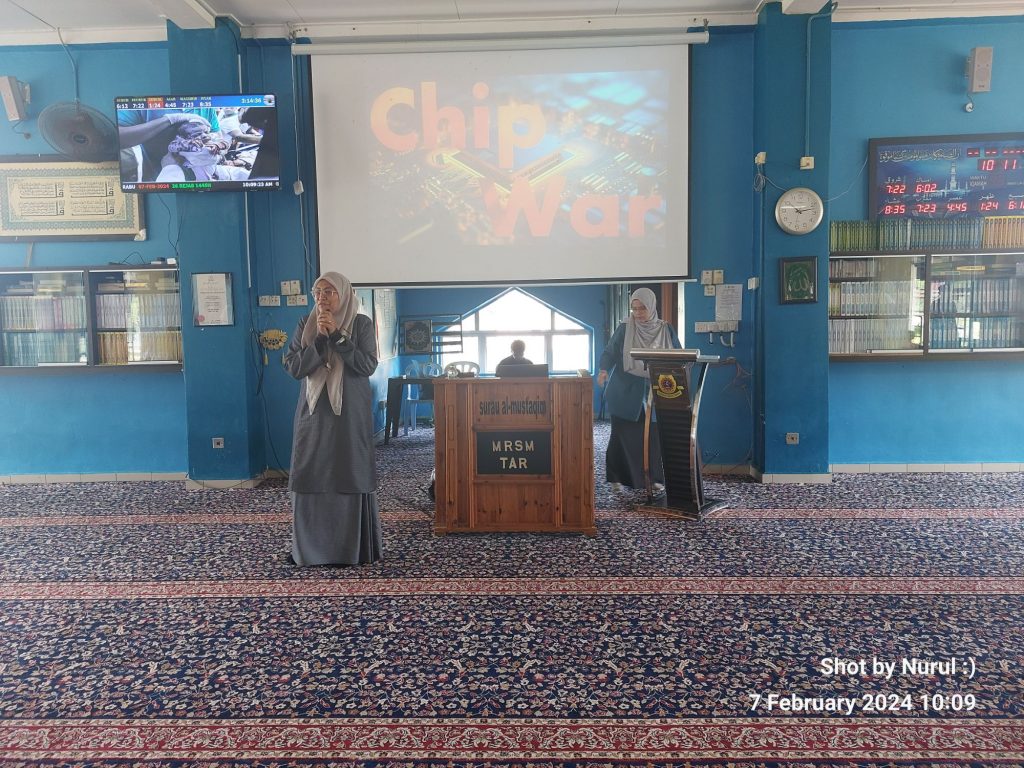
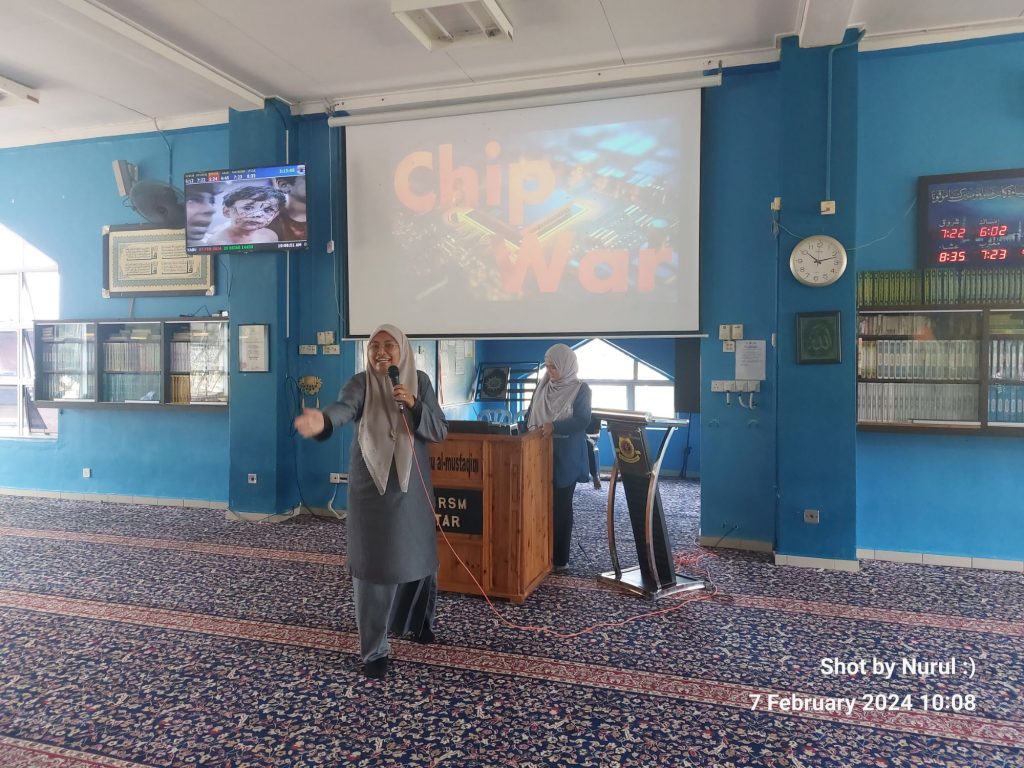
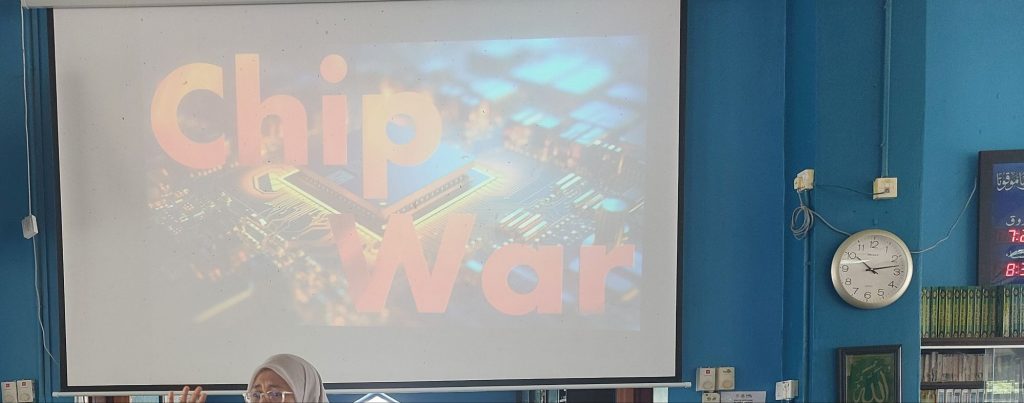
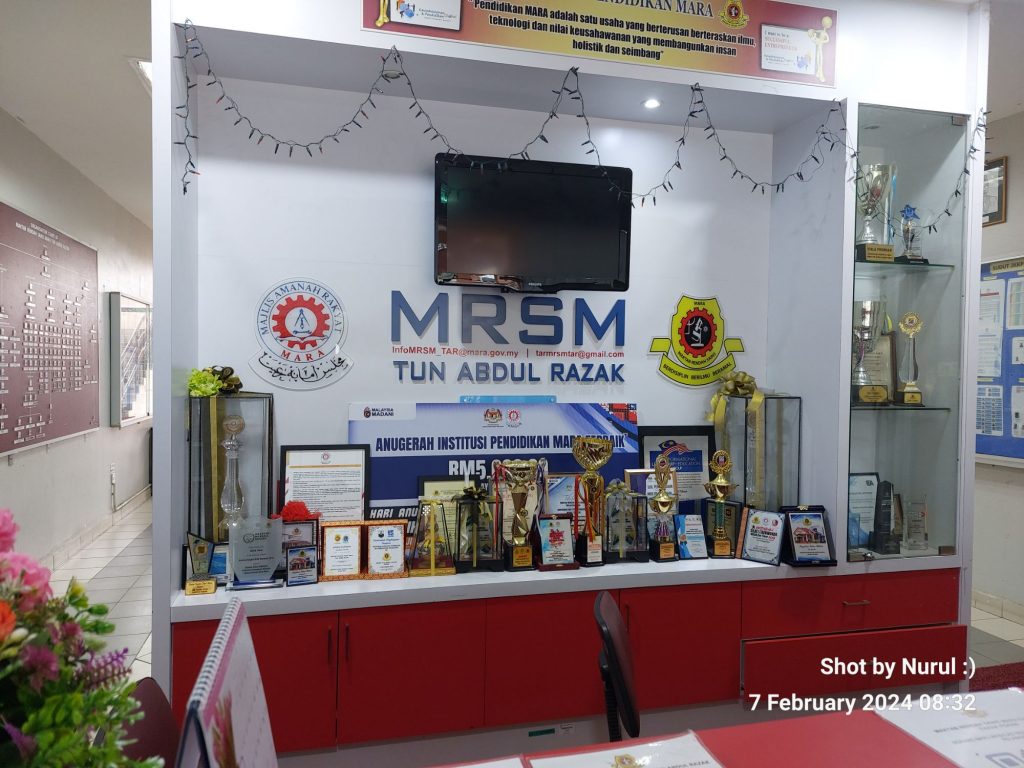
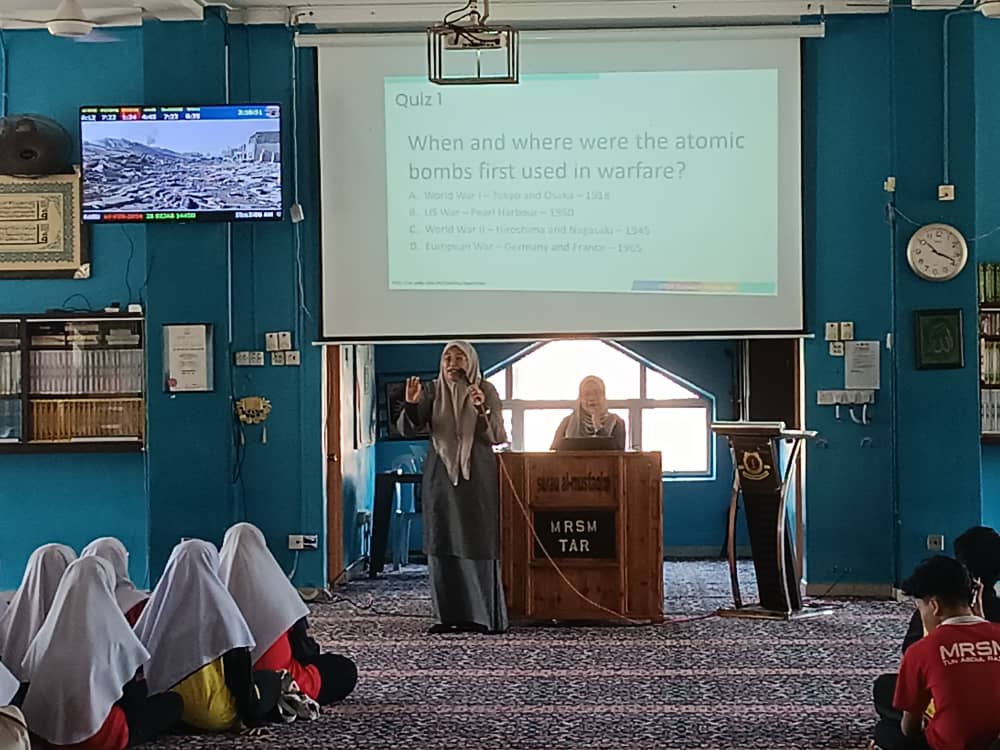
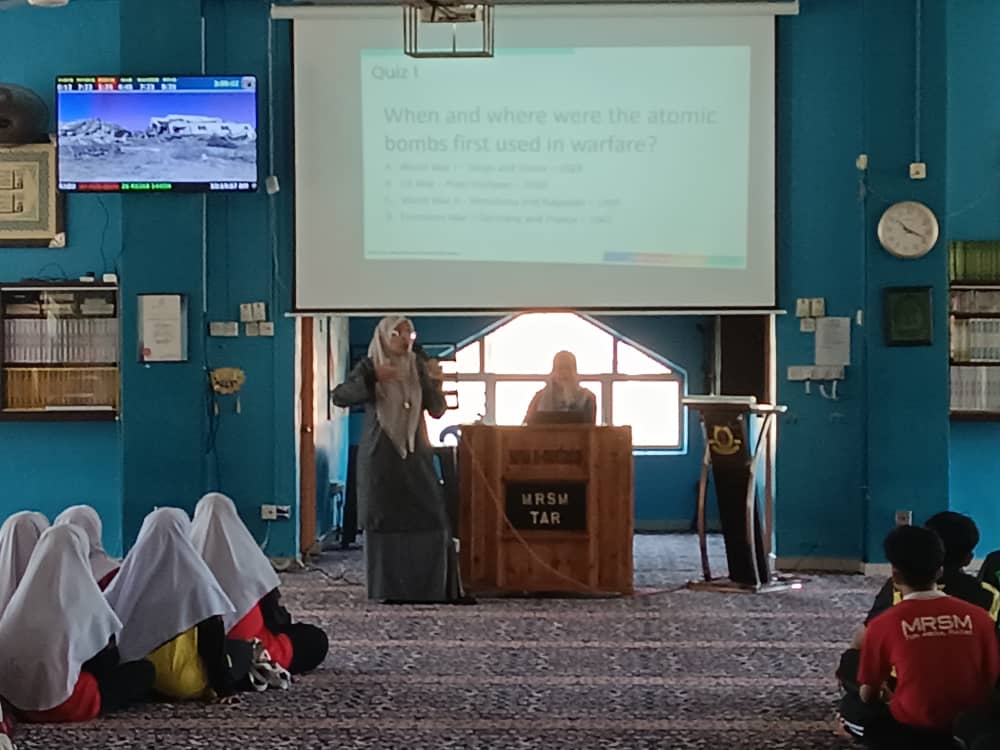
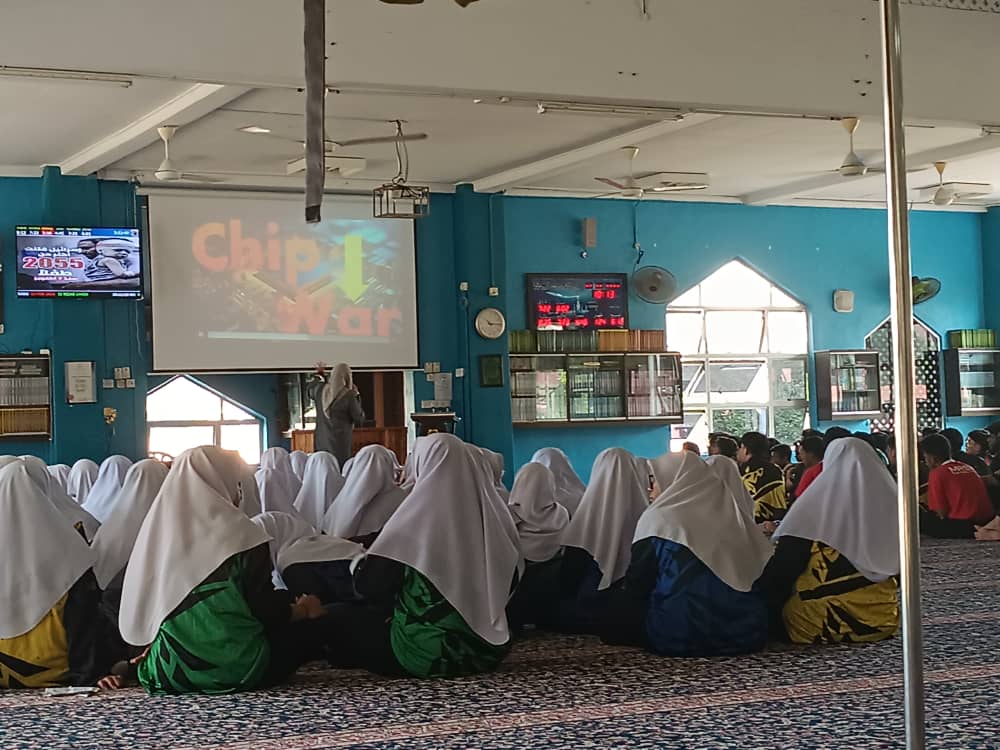
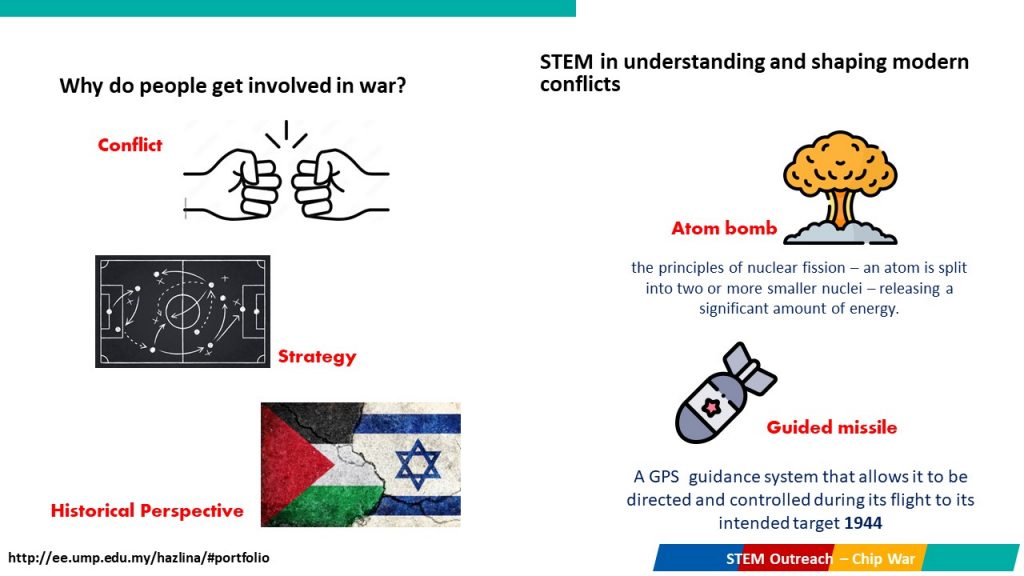
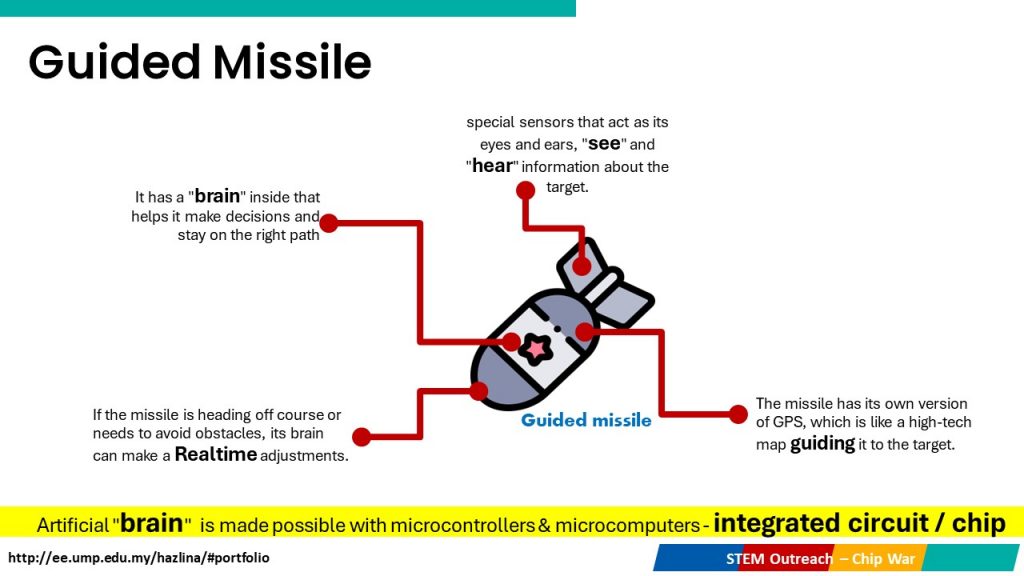
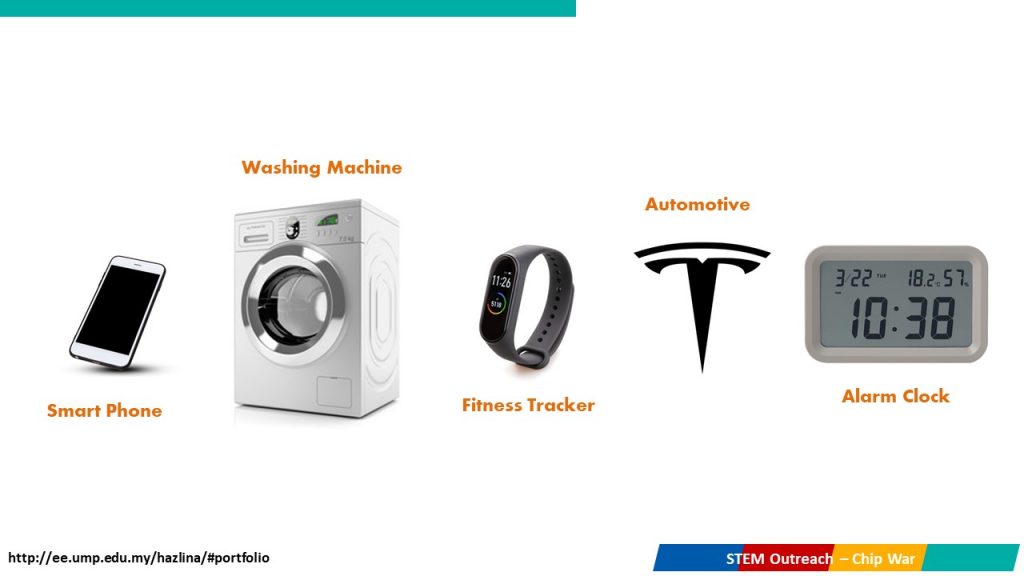
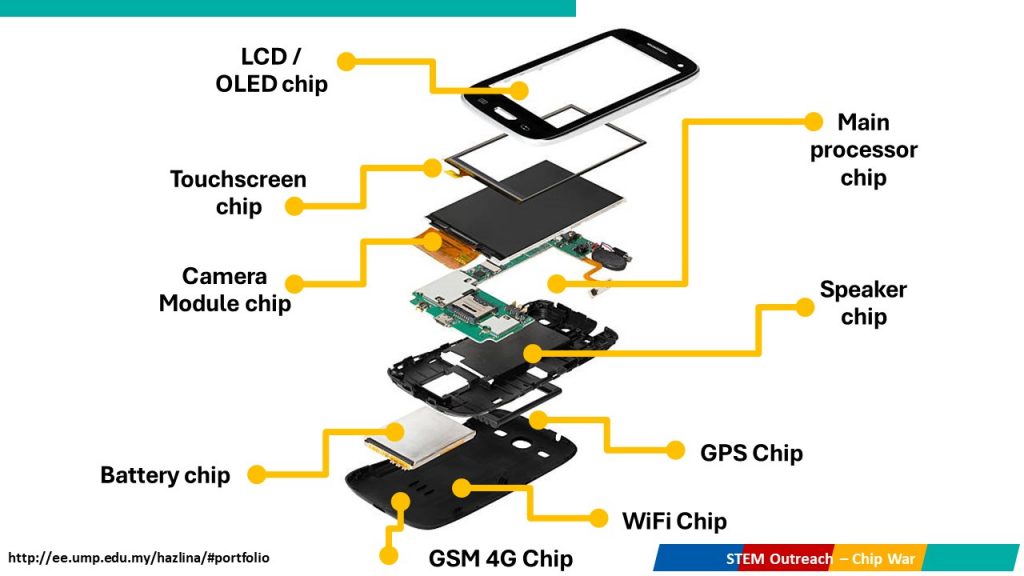
Delivered a STEM career talk at MRSM Pekan today, sharing some experiences and perspectives with the central theme of the ‘Chip War’ or the Battle of Semiconductors.
This topic is inspired by Chris Miller’s Chip War 2022 book. My review on this book 🙂
This session was both fun and fulfilling.