Well done everyone!
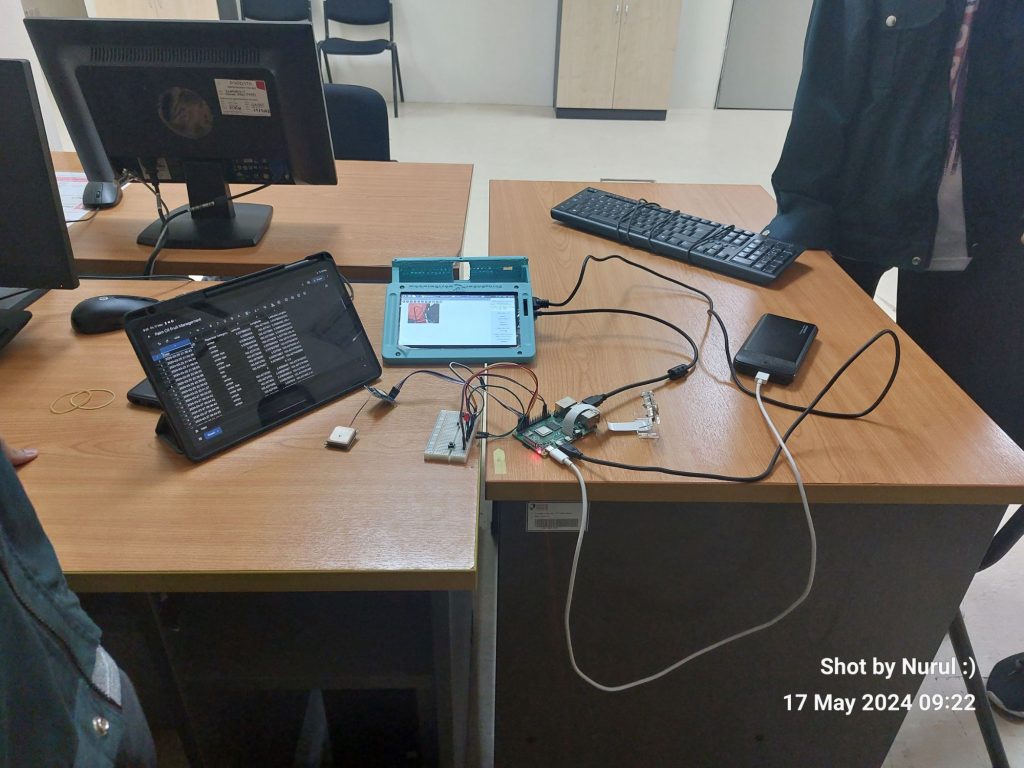


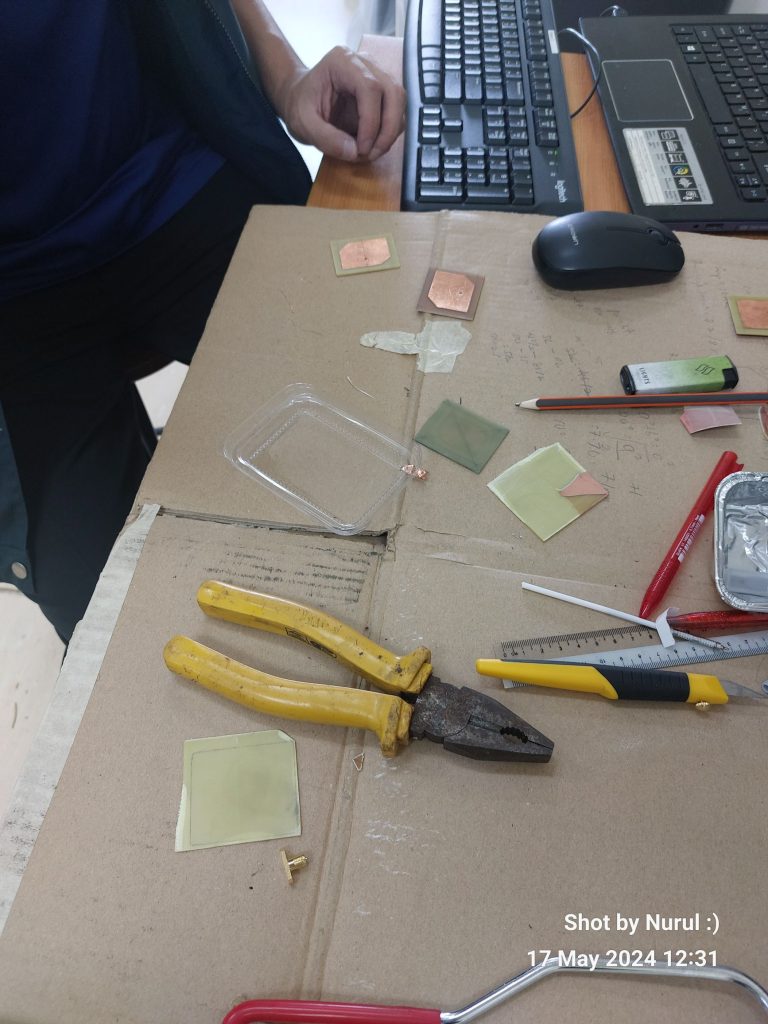
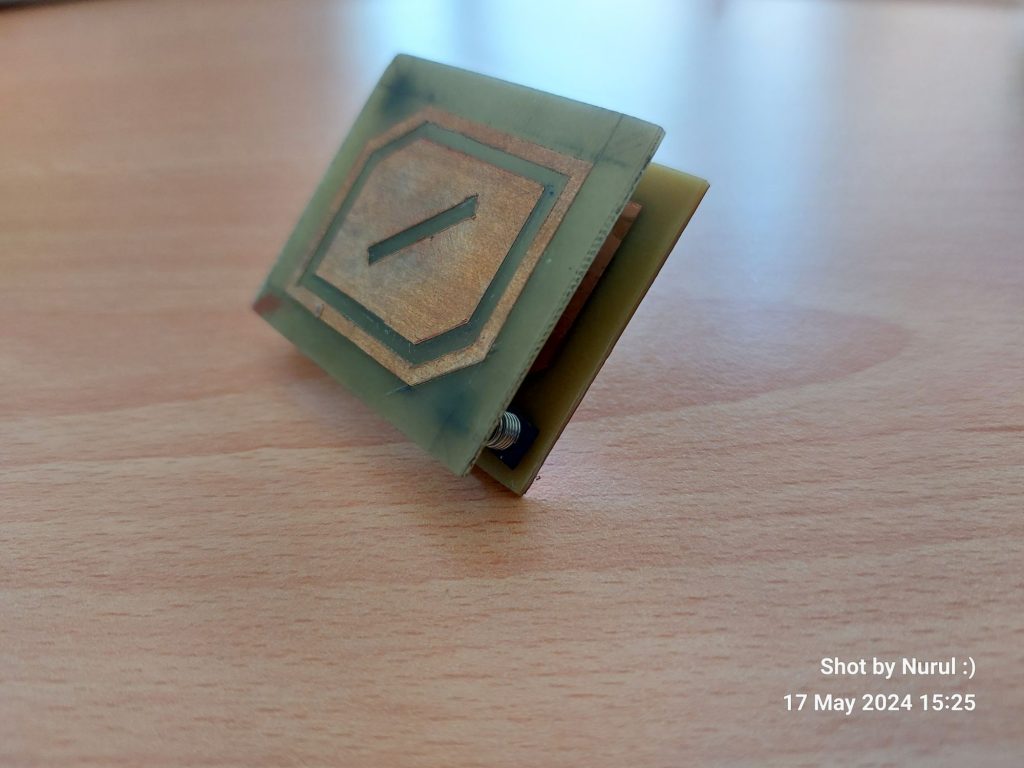

The world is digital, but life is analog..
Well done everyone!
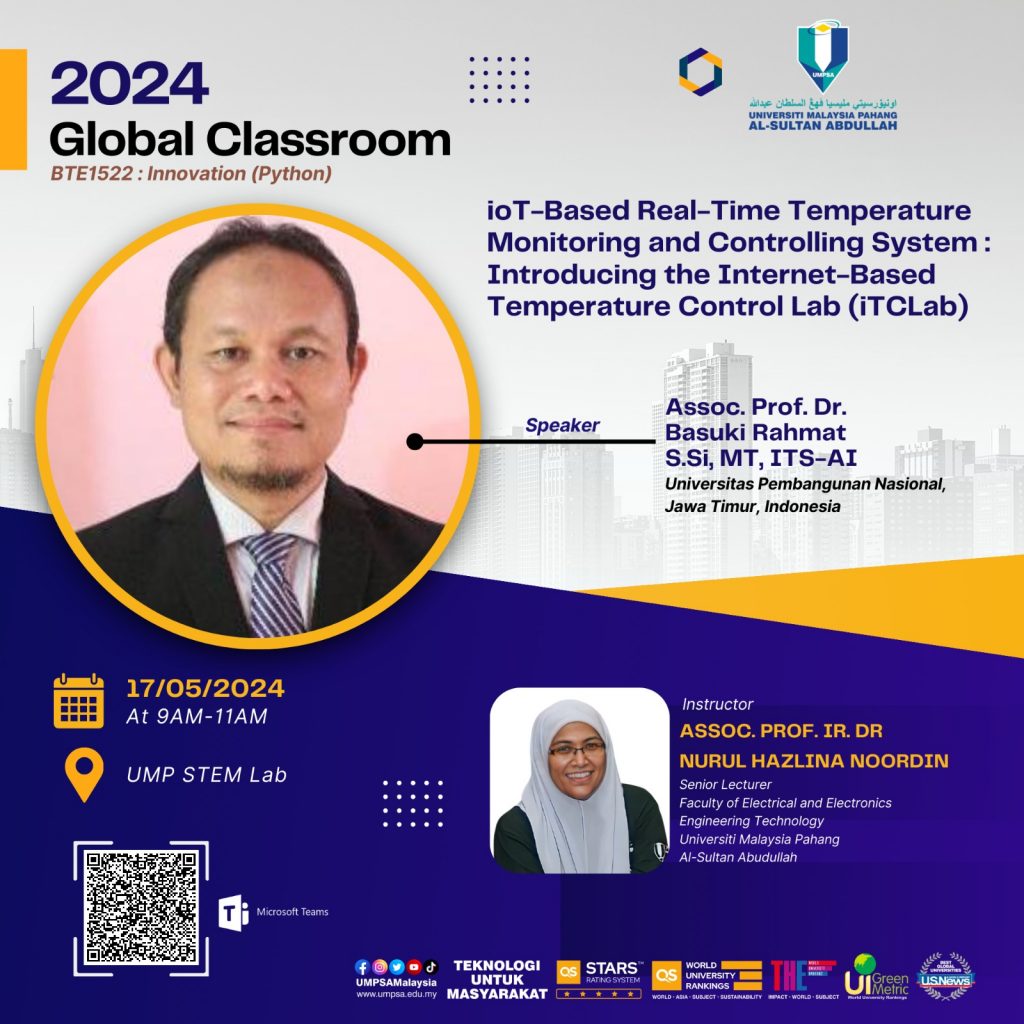
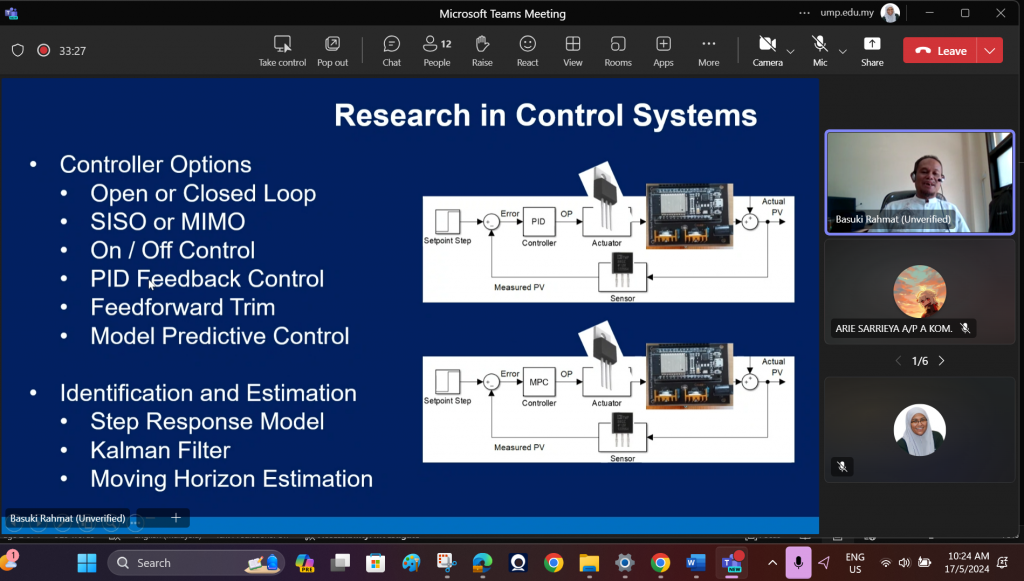
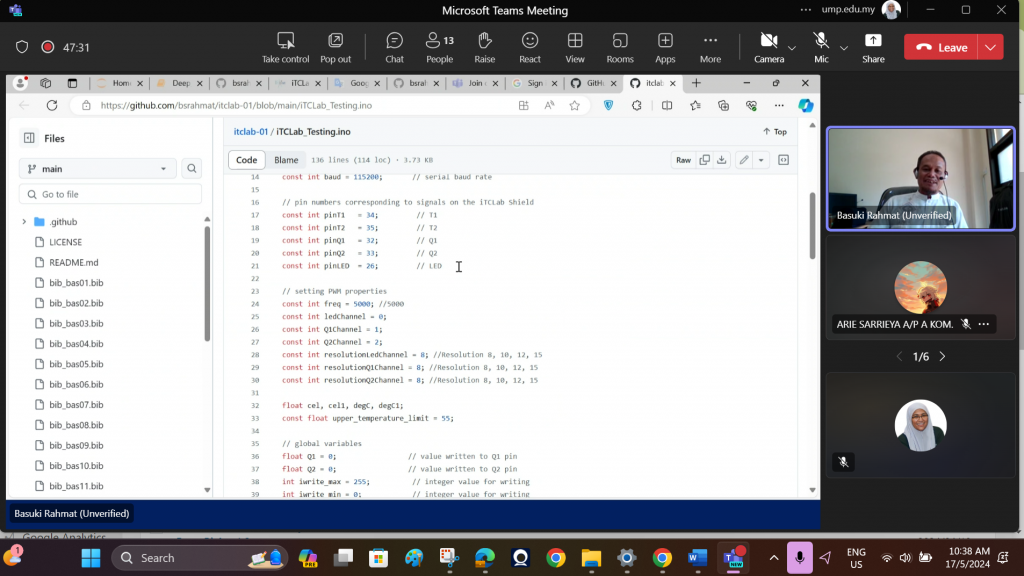
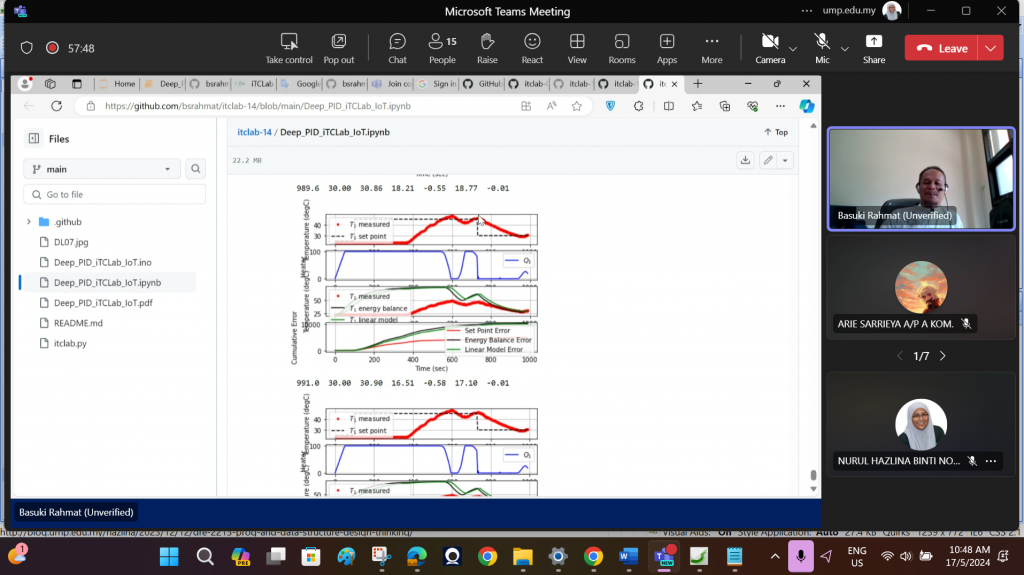
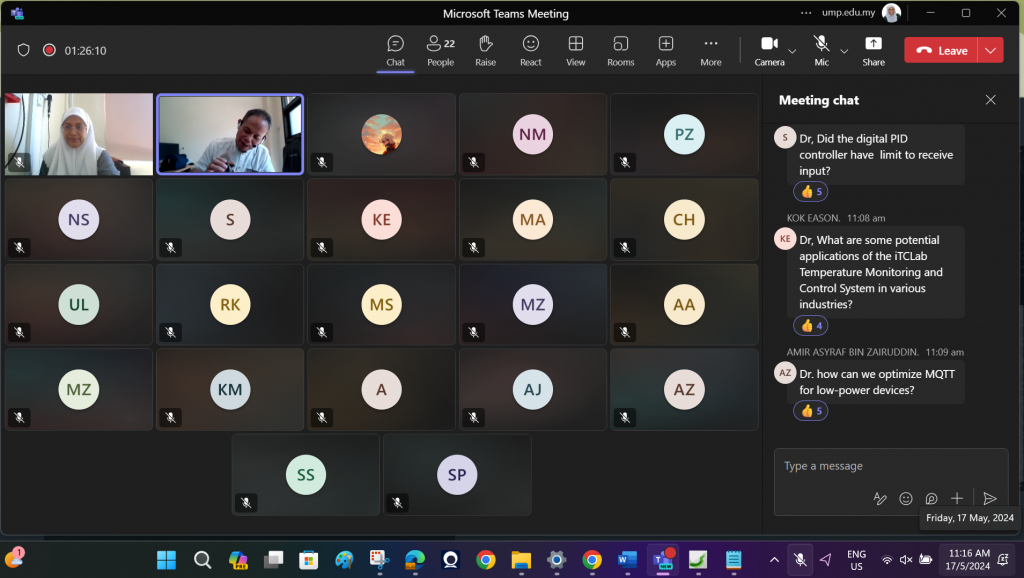
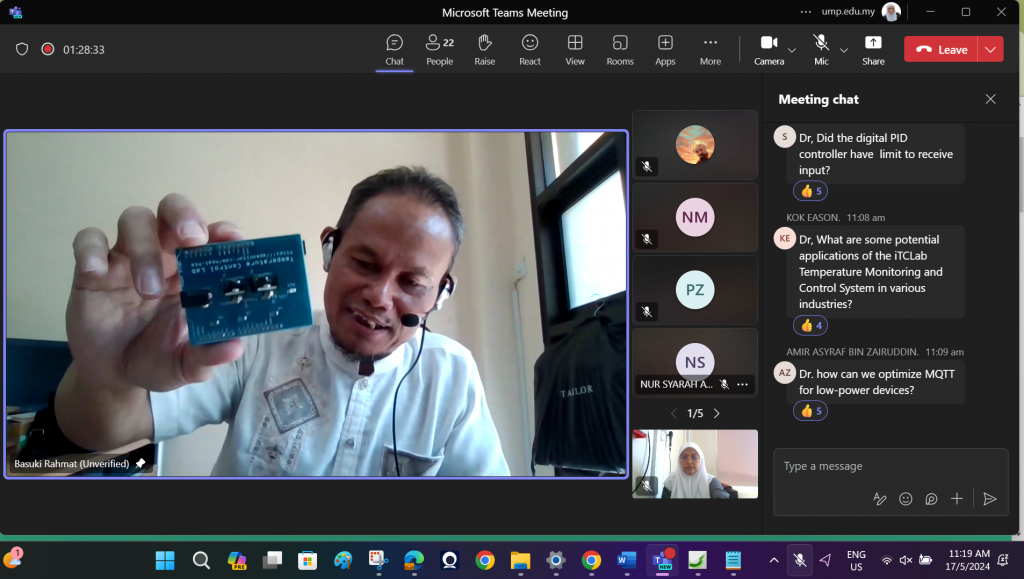
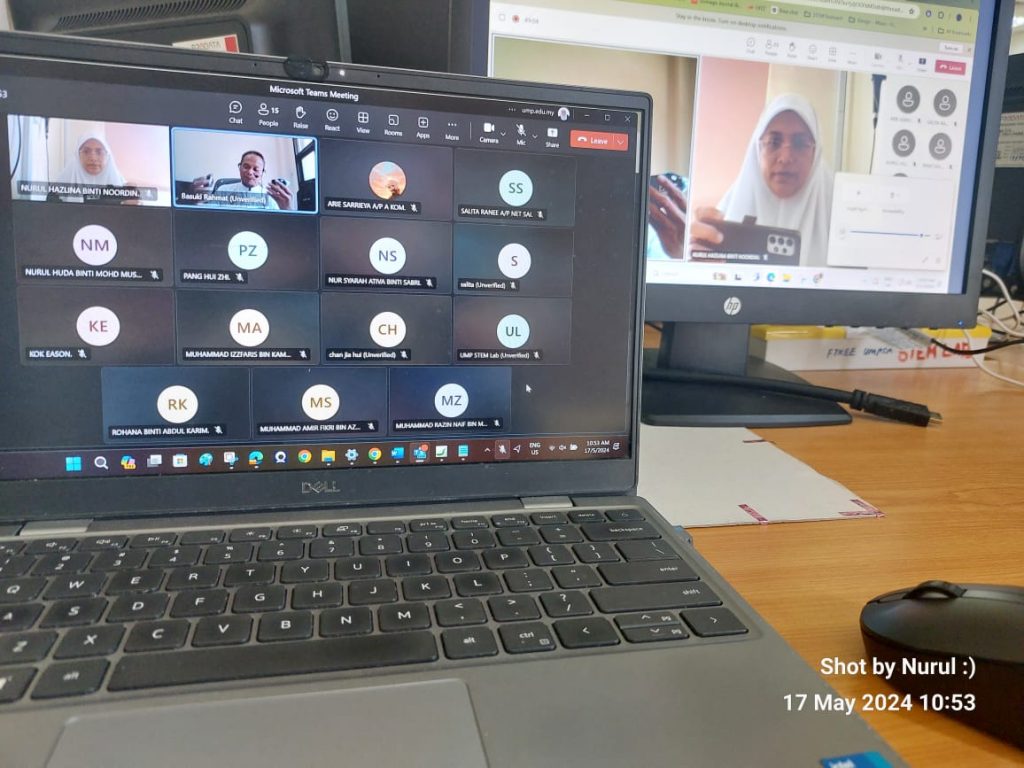
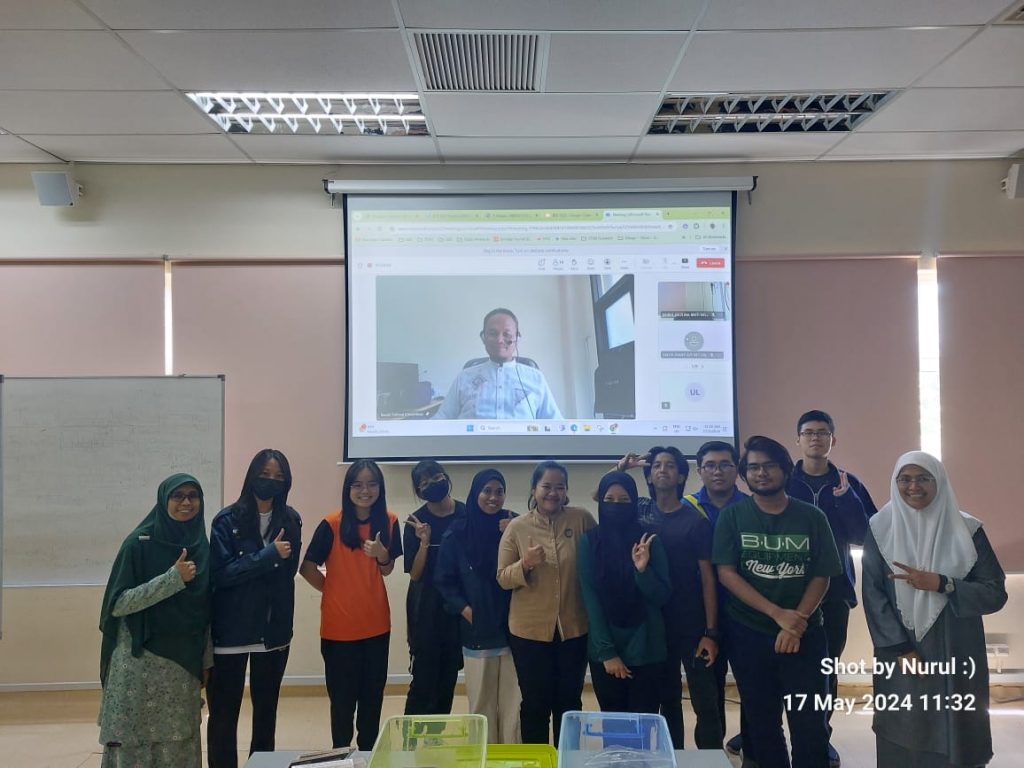
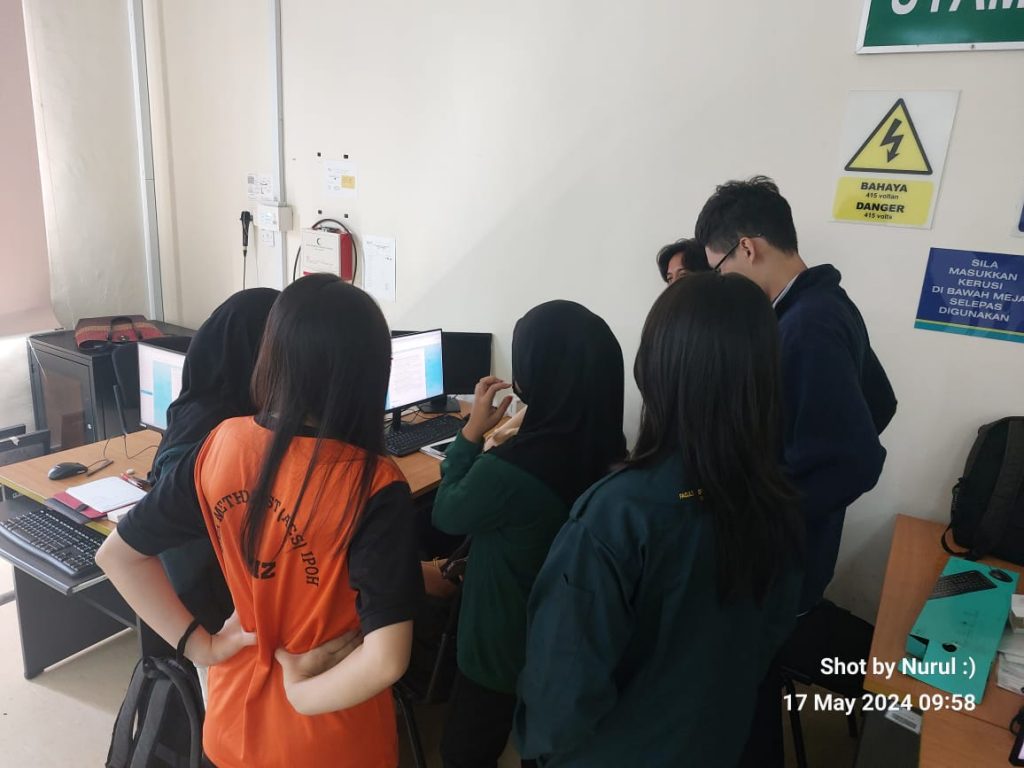
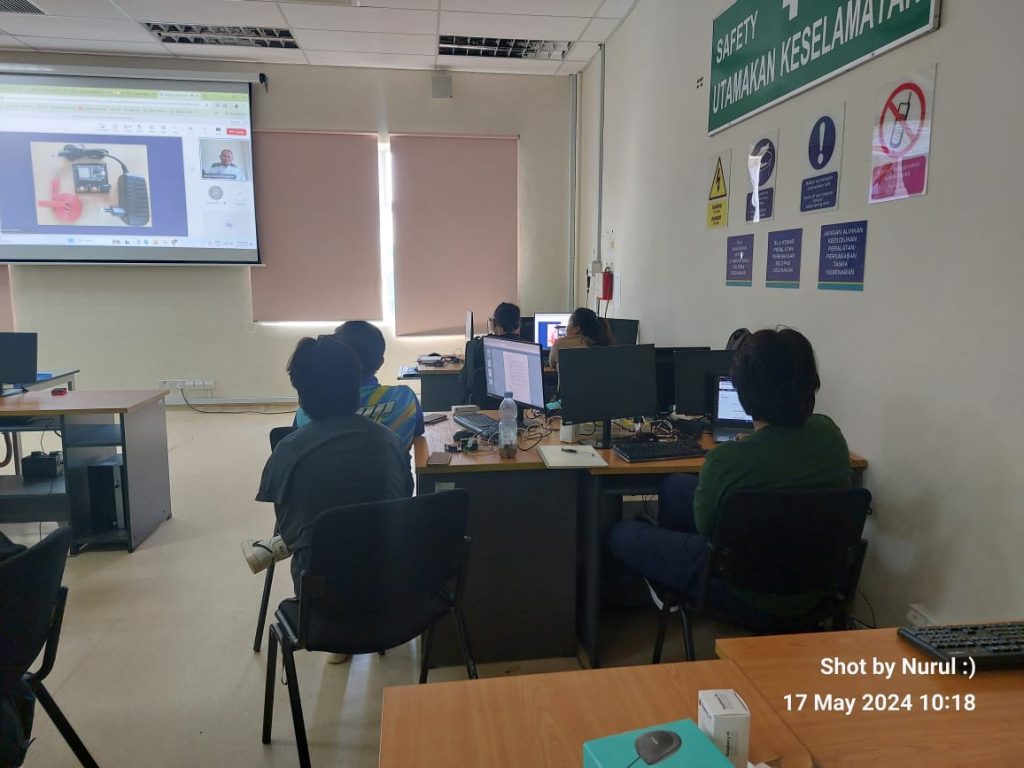
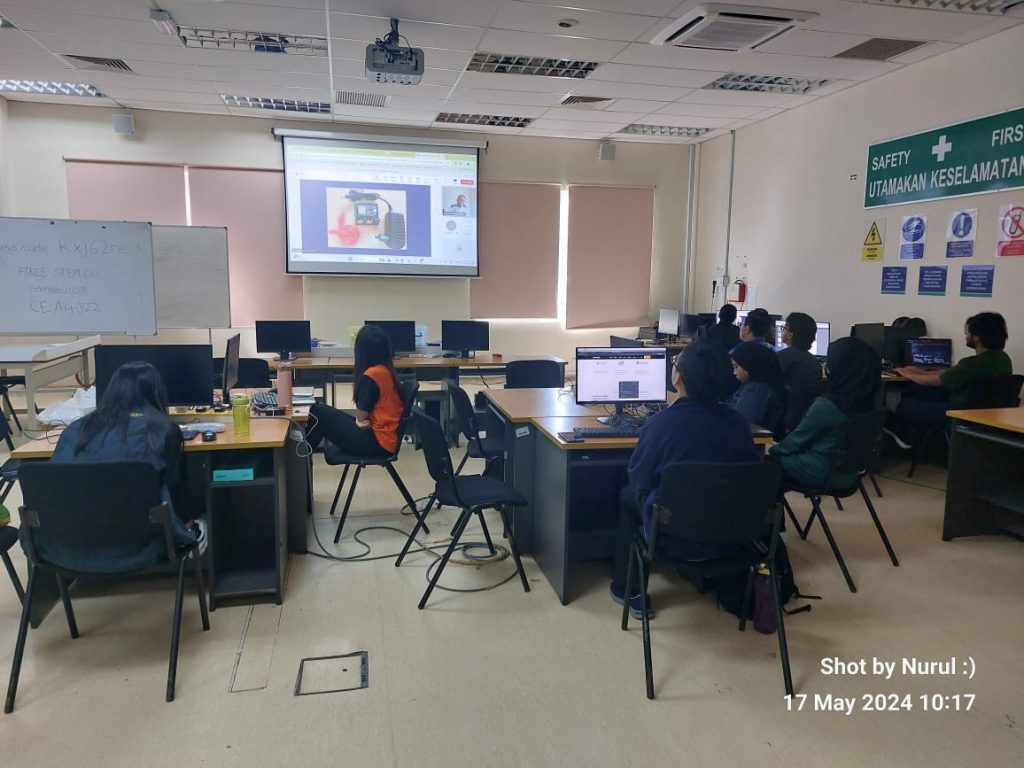
Today’s global classroom session was an honor as I had the privilege of hosting Dr. Basuki Rahmat from Universitas Pembangunan Nasional “Veteran” Jawa Timur. Dr. Basuki’s expertise in IoT-Based Real-Time Temperature Monitoring and Controlling System, particularly the introduction of the Internet-Based Temperature Control Lab (iTCLab), enriched our learning experience and provided valuable insights into the subject matter.
Here’s a recap of today’s session:
Today’s global classroom session gives a valuable insights into the IoT-based real-time temperature monitoring and controlling system, focusing on the technological advancements, challenges, and opportunities in the field.
The interactive discussions and active participations from students highlighted the diverse applications, design considerations, and optimization strategies relevant to IoT deployments.
I look forward to such collaborative learning environments and engage in knowledge-sharing initiatives to drive innovation and address real-world challenges effectively.


Welcome to UMP STEM Lab Arduino programming course! In this program, we look into Arduino microcontrollers and explore various activities to help you grasp the fundamentals of programming and electronics. Whether you’re a beginner or have some experience, this course will provide you with the knowledge and skills to create your own projects and inventions.

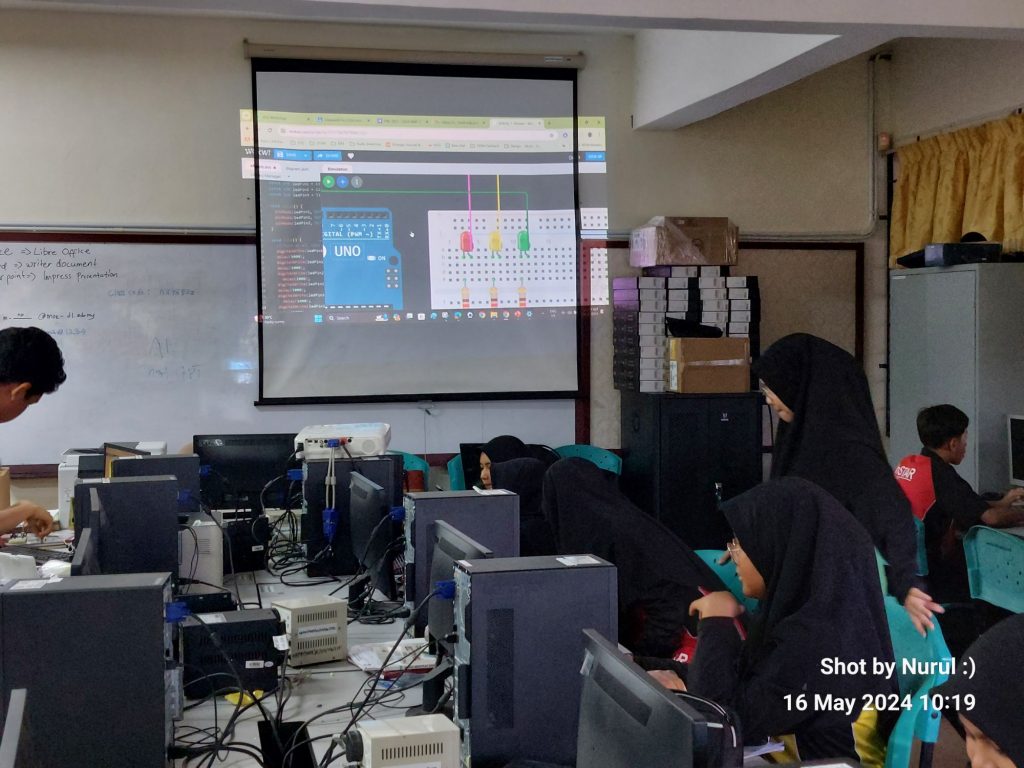
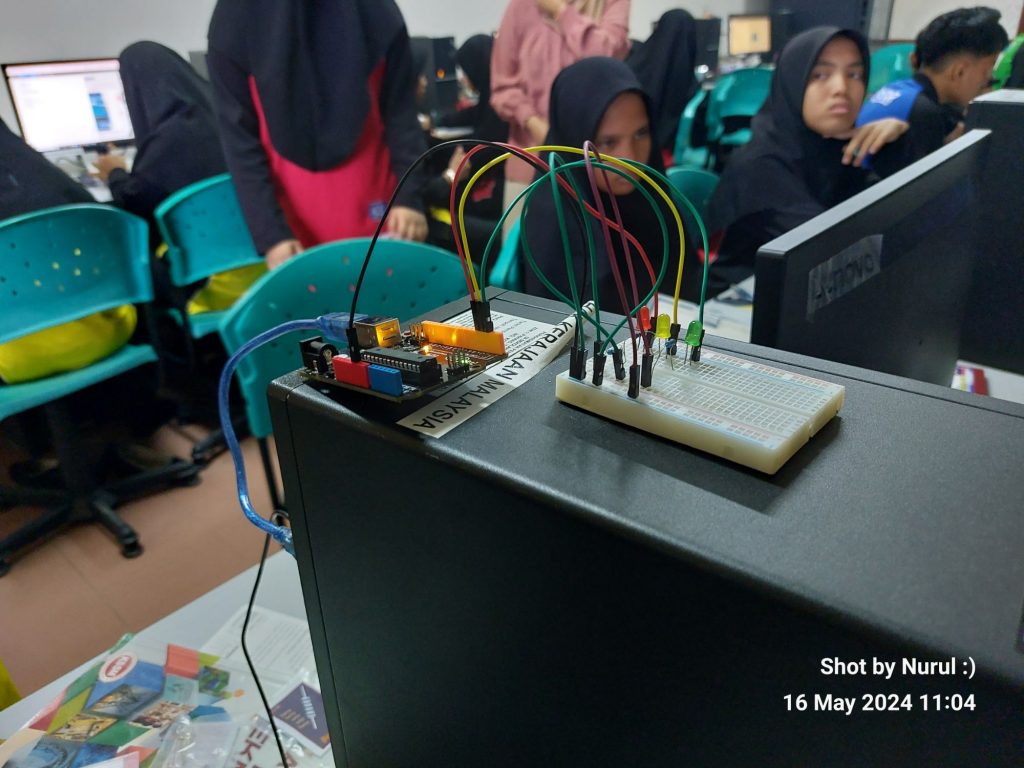
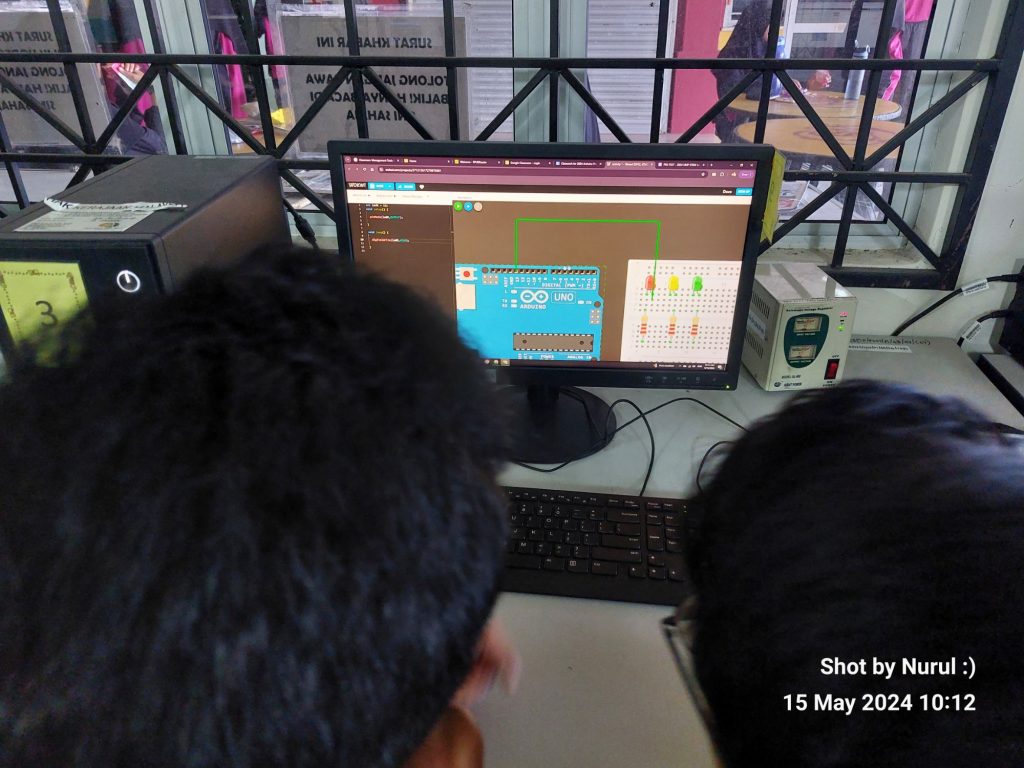
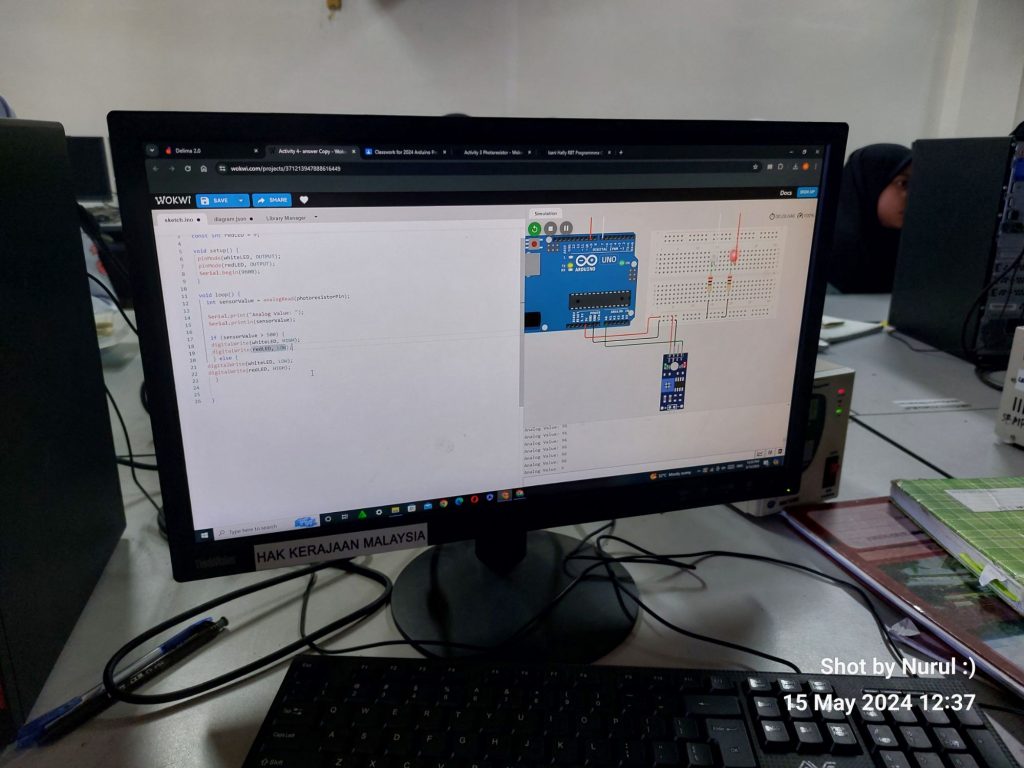
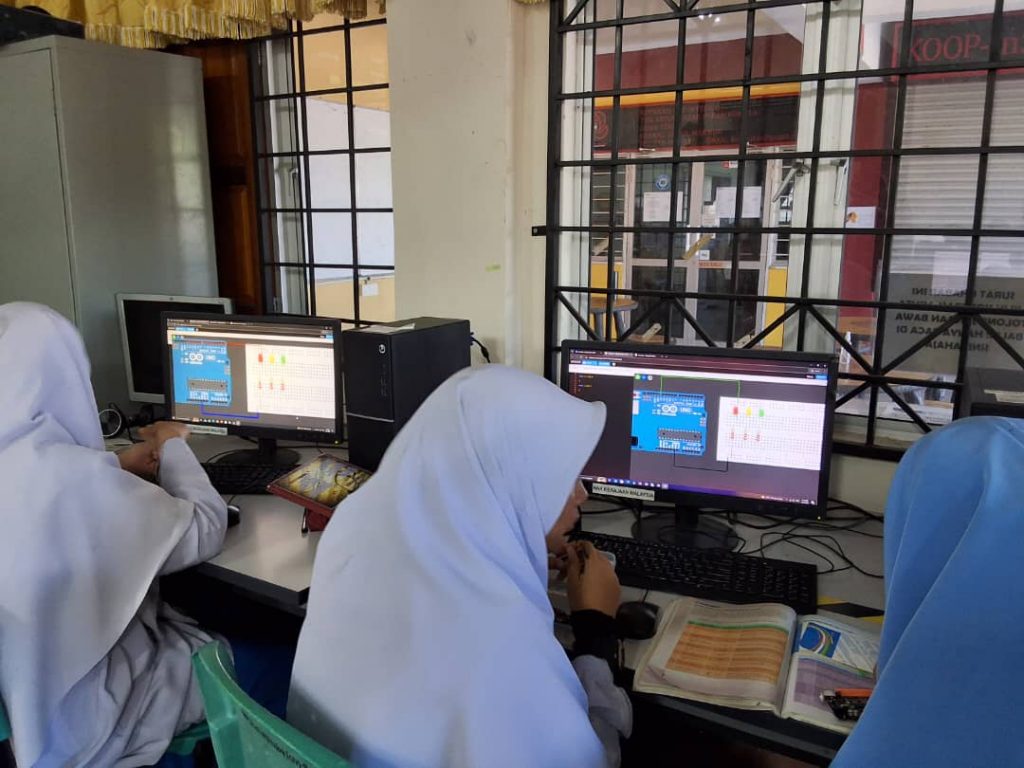
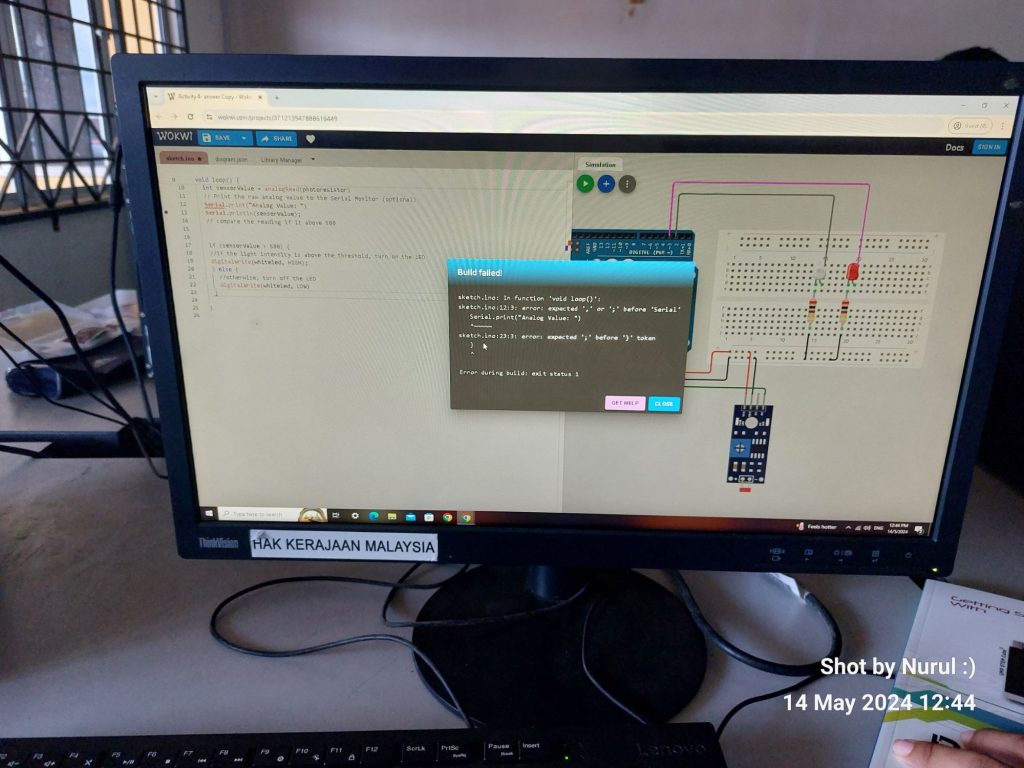
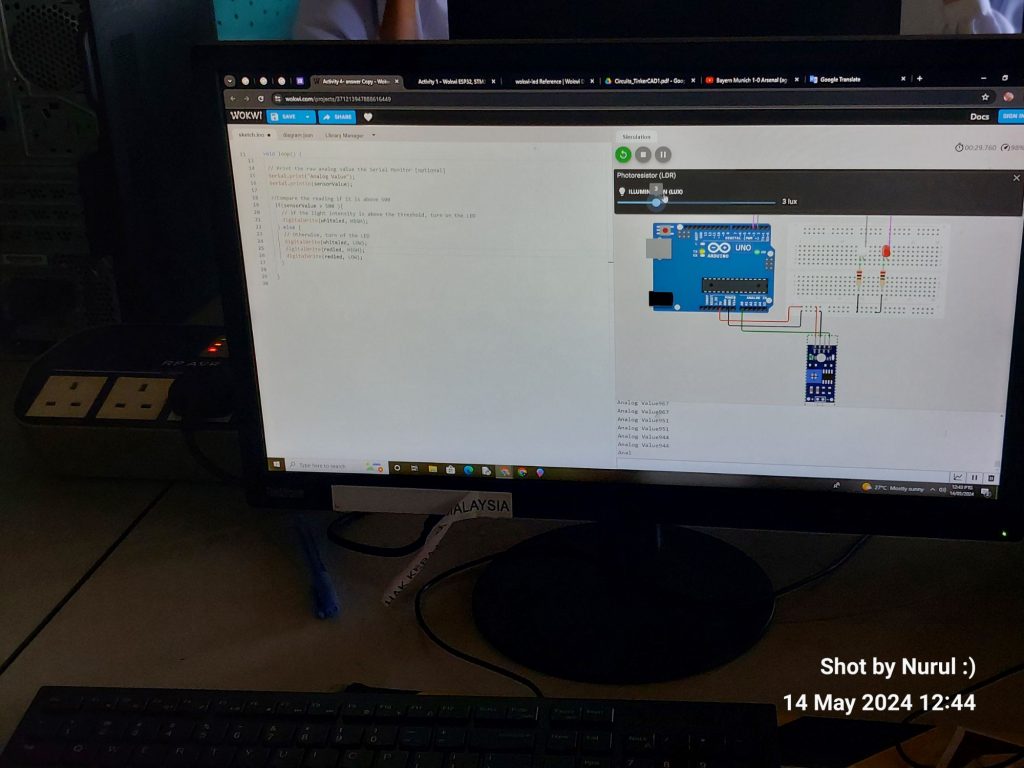
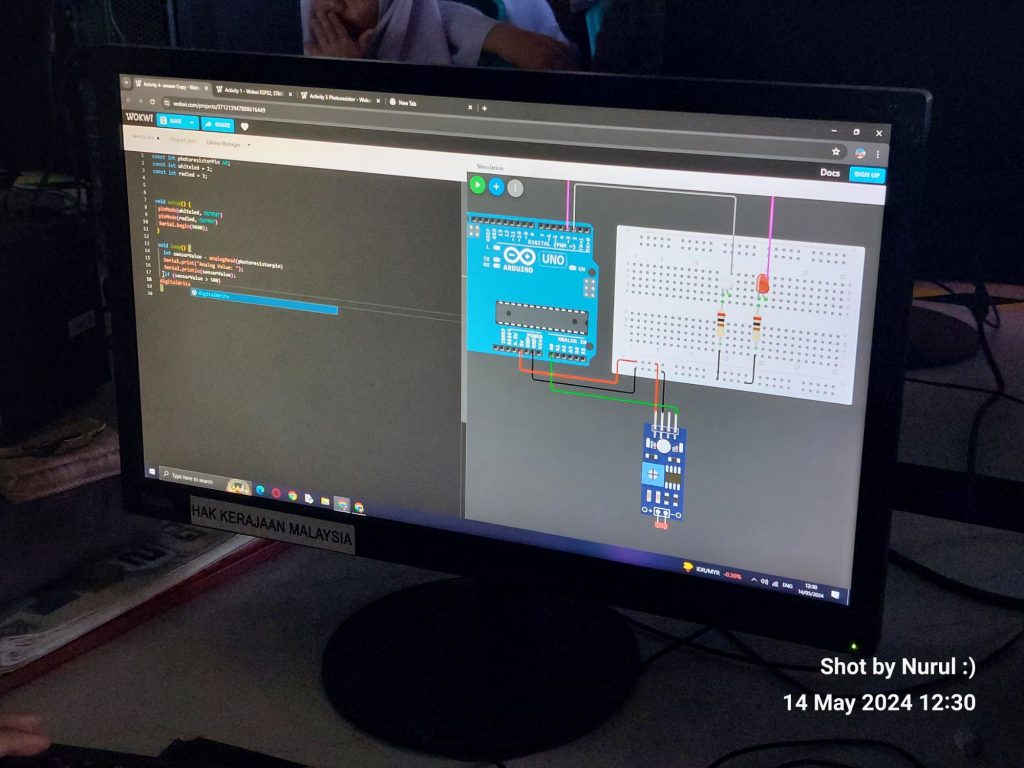
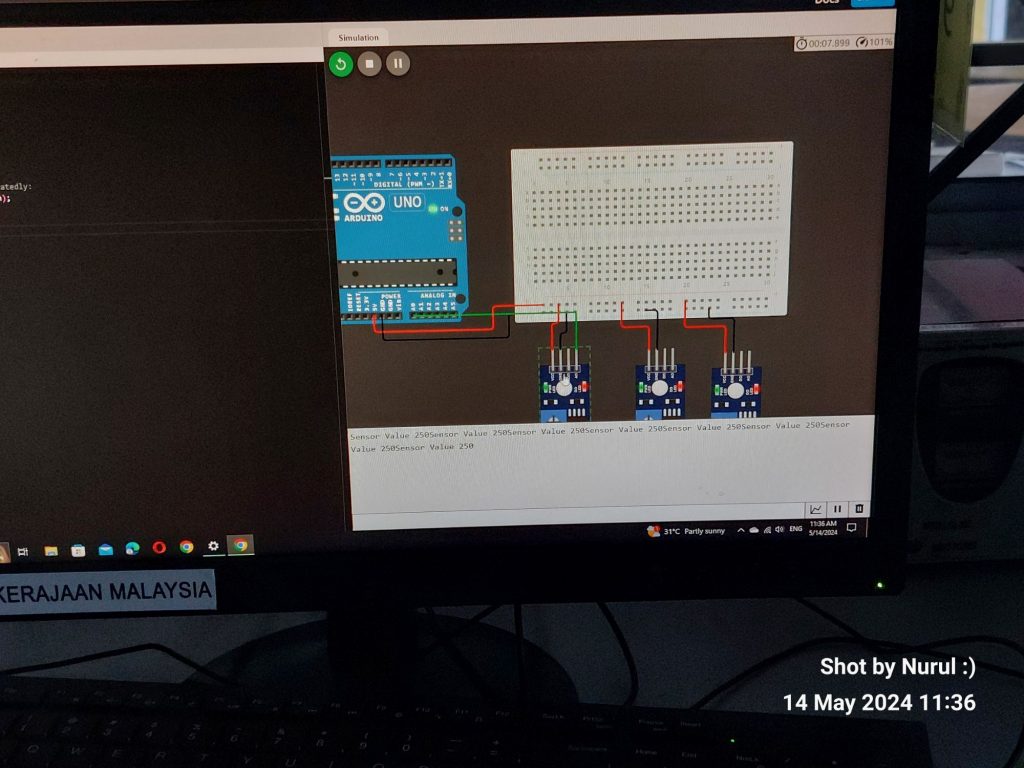
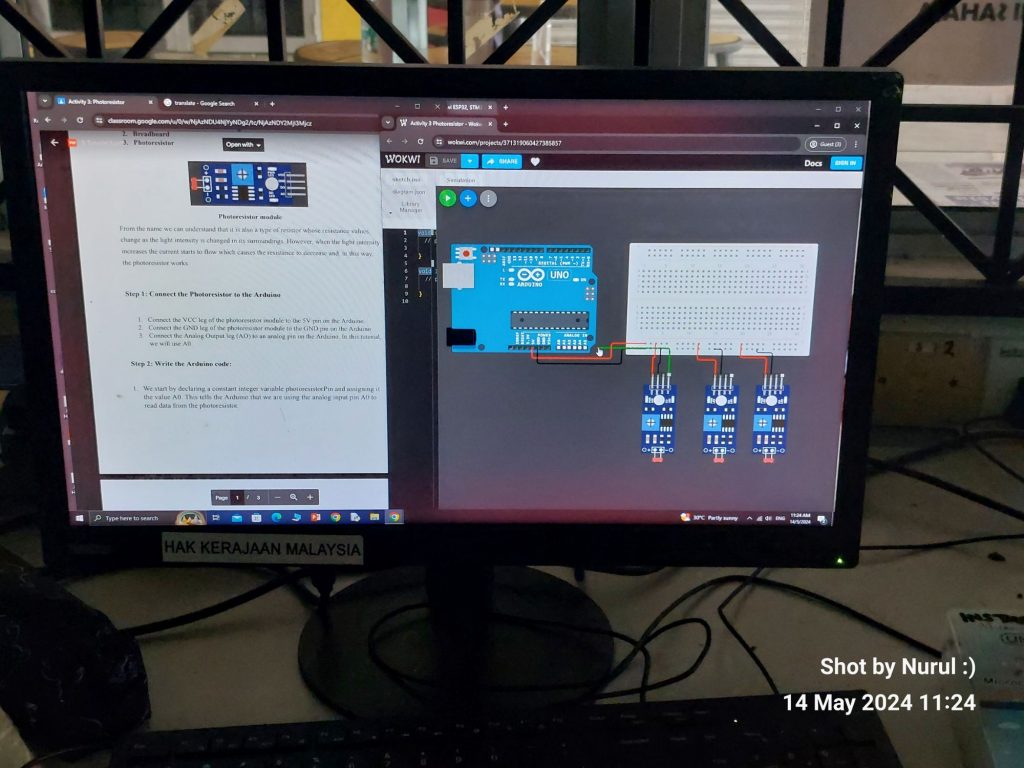
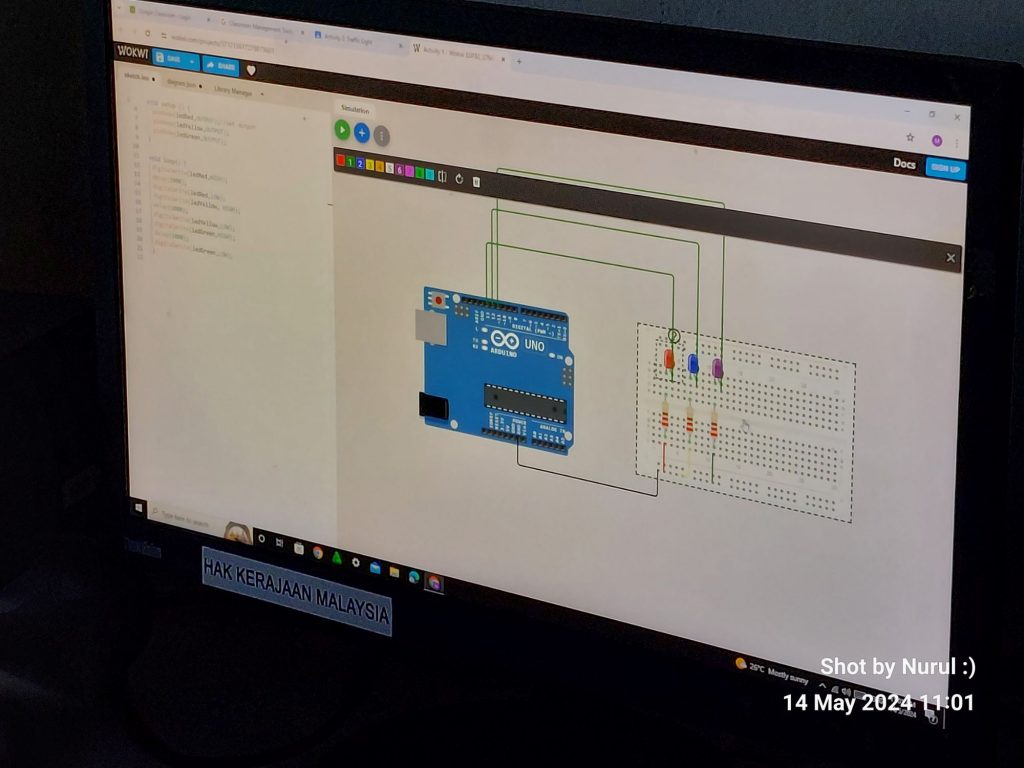
In our course, you’ll engage in a series of hands-on activities designed to familiarize you with Arduino programming and electronics. You’ll start with Activity 1, where you’ll learn the basics of controlling multiple LEDs using Arduino digital pins. Moving on to Activity 2, you’ll simulate a traffic light system, gaining insights into sequential programming concepts. Activity 3 introduces you to light sensing using a photoresistor, delving into analog input principles. Next, in Activity 4, you’ll interface analog sensors with Arduino, controlling digital outputs based on sensor readings. Activity 5 focuses on integrating an OLED display for data visualization in your projects.
In Activity 6, you’ll explore distance measurement using ultrasonic sensors, with applications such as obstacle detection. Activity 7 involves interfacing potentiometers and buttons to interact with your projects.
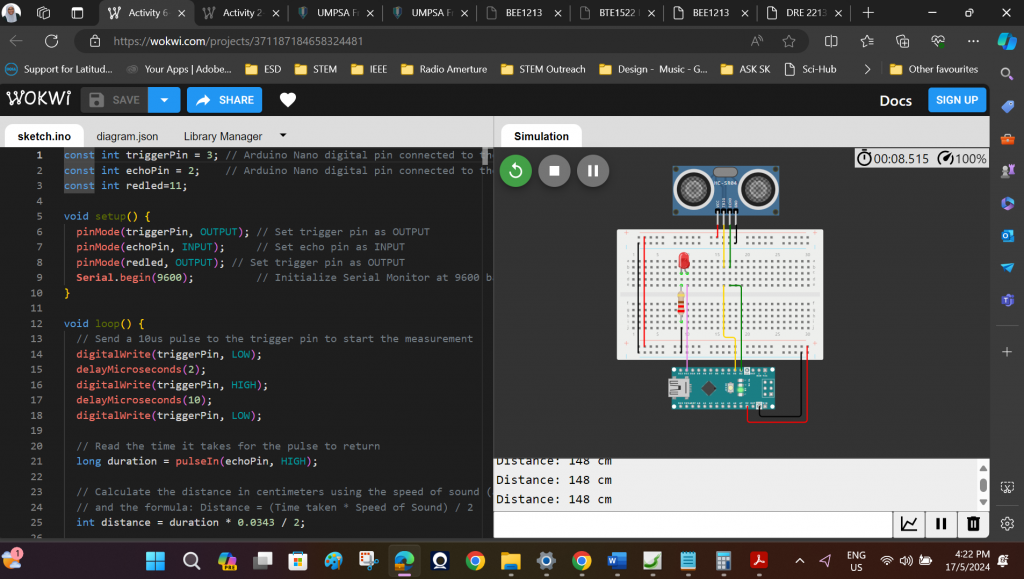
Then, in Activity 8, you’ll grasp servo motor control to add dynamic motion to your creations. Activity 9 combines OLED displays and ultrasonic sensors for advanced projects, offering both visual feedback and distance sensing capabilities. Finally, Activity 10 explores color mixing and control of RGB LEDs, enabling you to create captivating visual effects. Through these activities, you’ll build essential skills and knowledge to embark on your Arduino programming journey.

Objectives

By the end of the course, participants will have acquired a solid foundation in Arduino programming, electronics, and project development. They’ll be equipped with the skills and knowledge necessary to conceive, design, and implement their own Arduino projects and inventions. Whether it’s designing a home automation system, a robotic prototype, or an interactive art installation, participants will have the tools to turn their ideas into reality.
Throughout the course, participants will not only learn the specific syntax and functions of the Arduino programming language but also fundamental programming concepts applicable to any programming language. These include iterative processes using loops, decision-making using conditional statements, and organizing code execution using sequential statements. Mastery of these programming skills enhances participants’ ability to write efficient, readable, and maintainable code, essential for any programming endeavor.
UMP STEM Lab Arduino Robotics Synopsis can be found here.
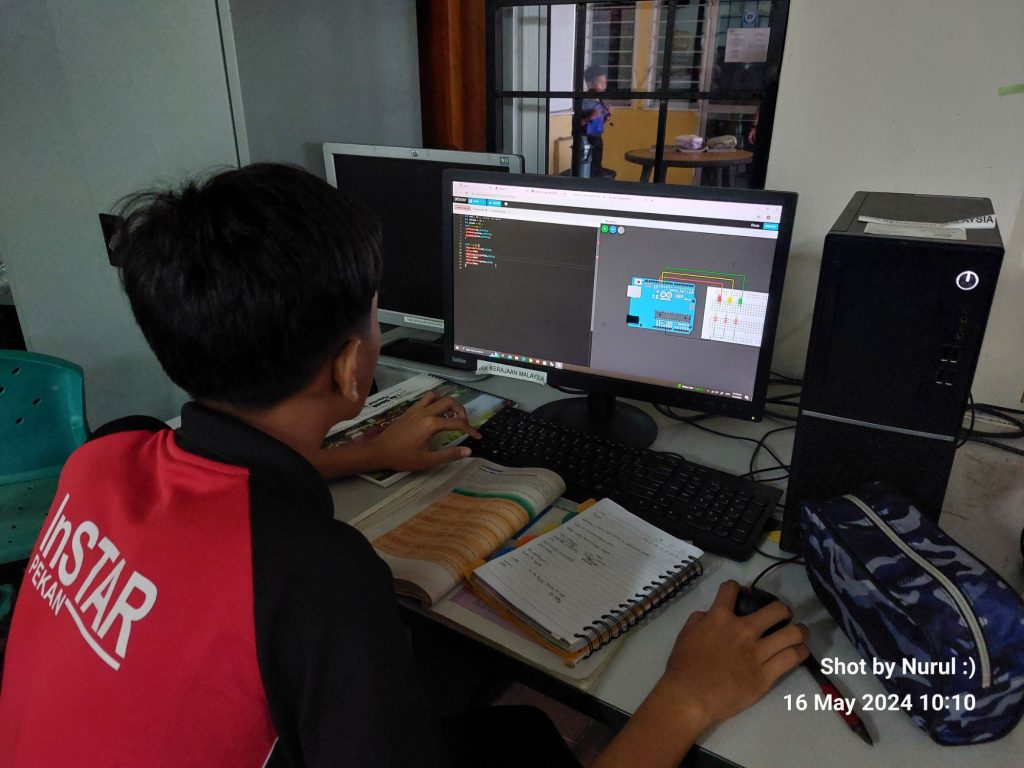
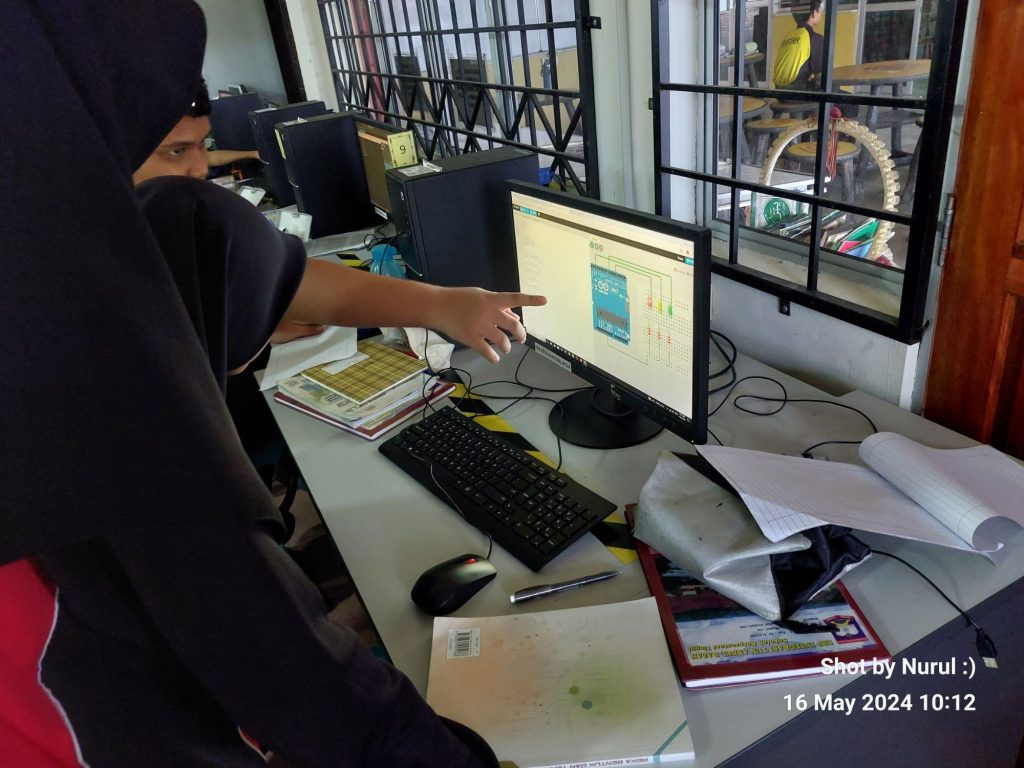
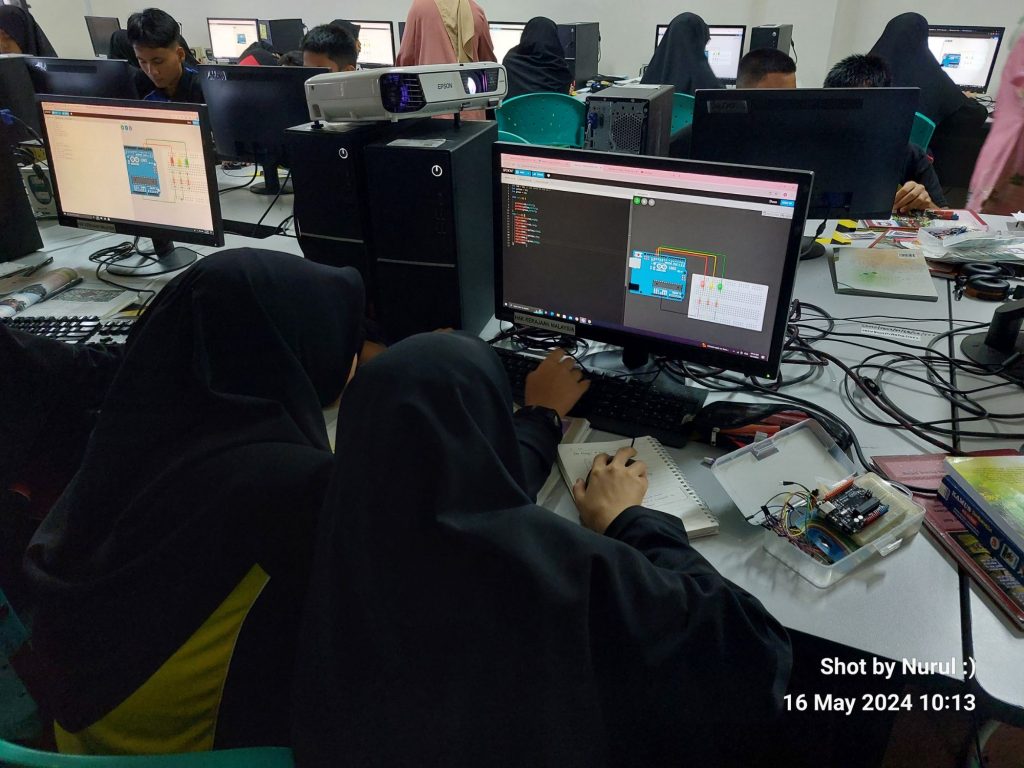
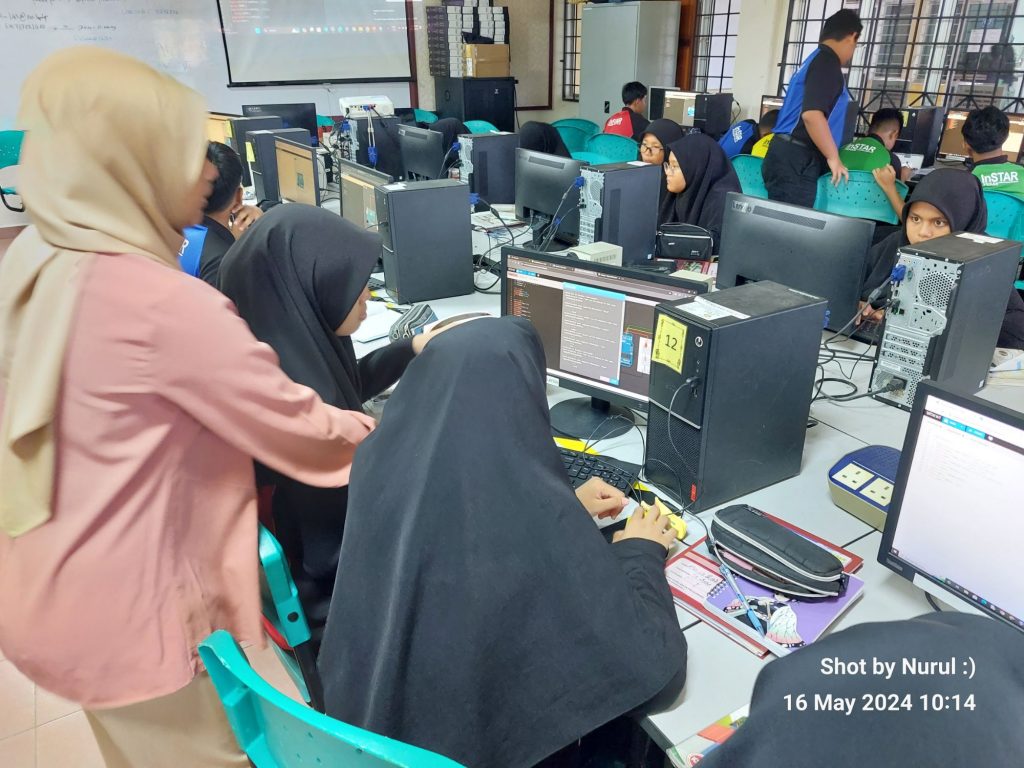
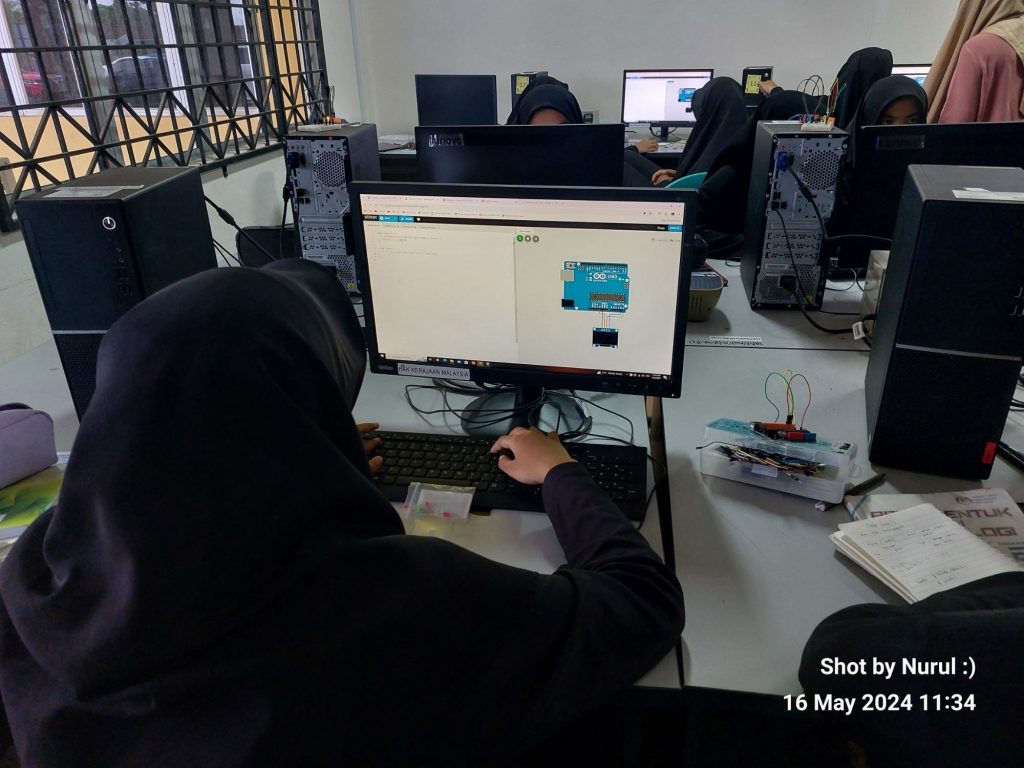
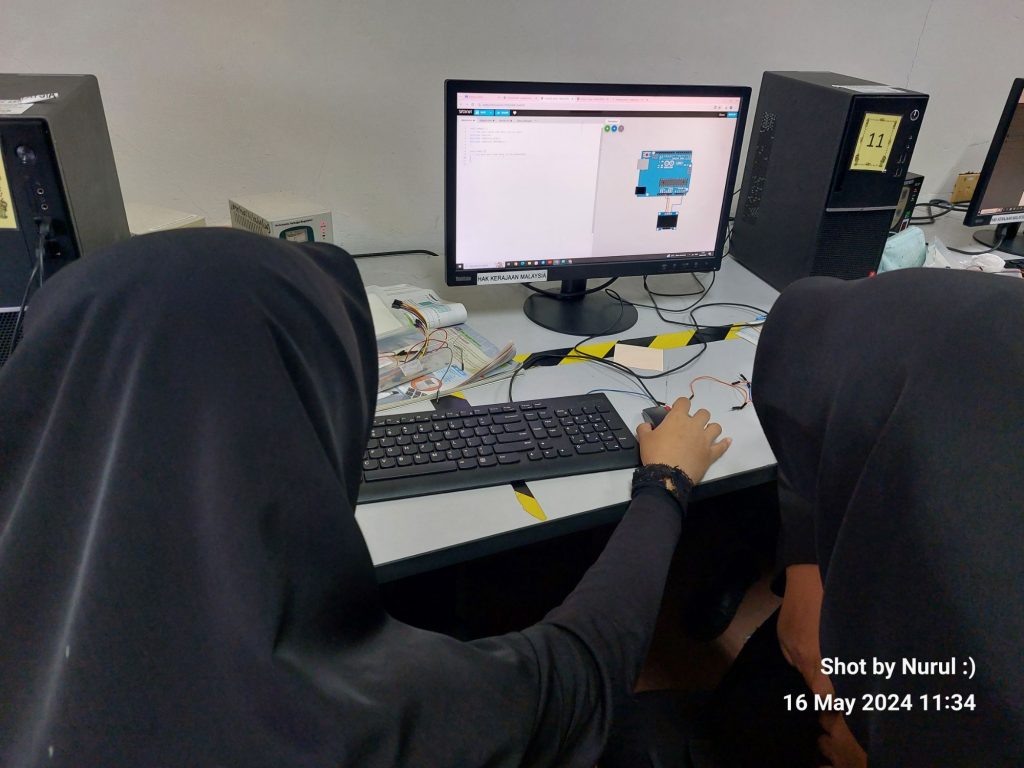
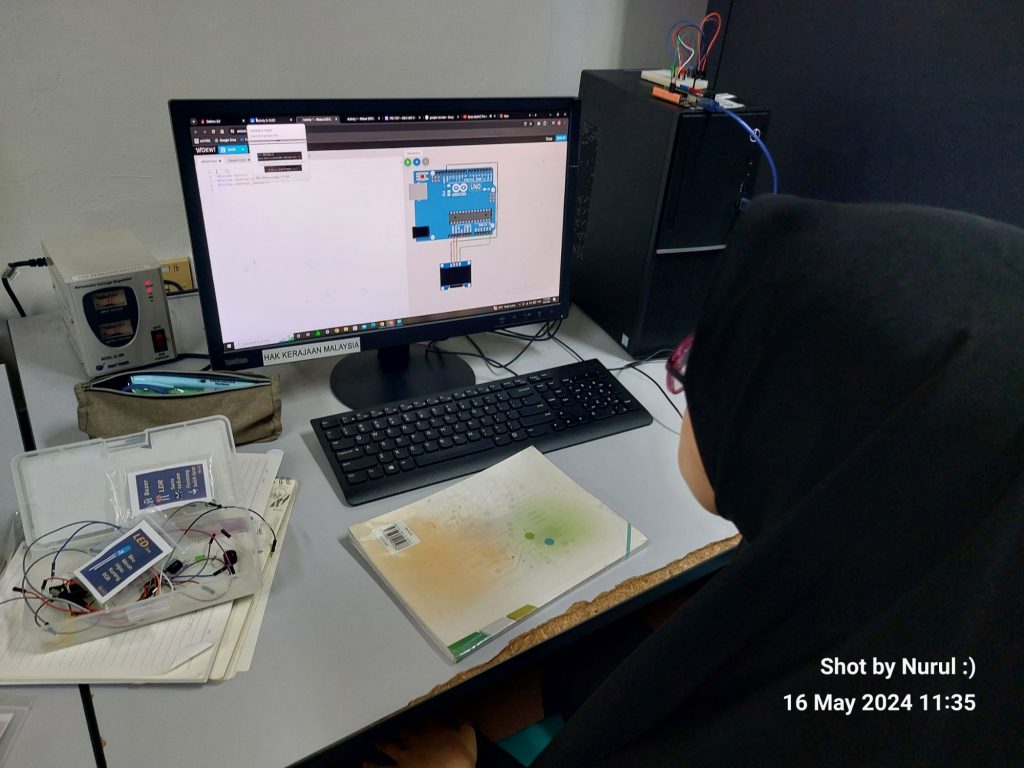
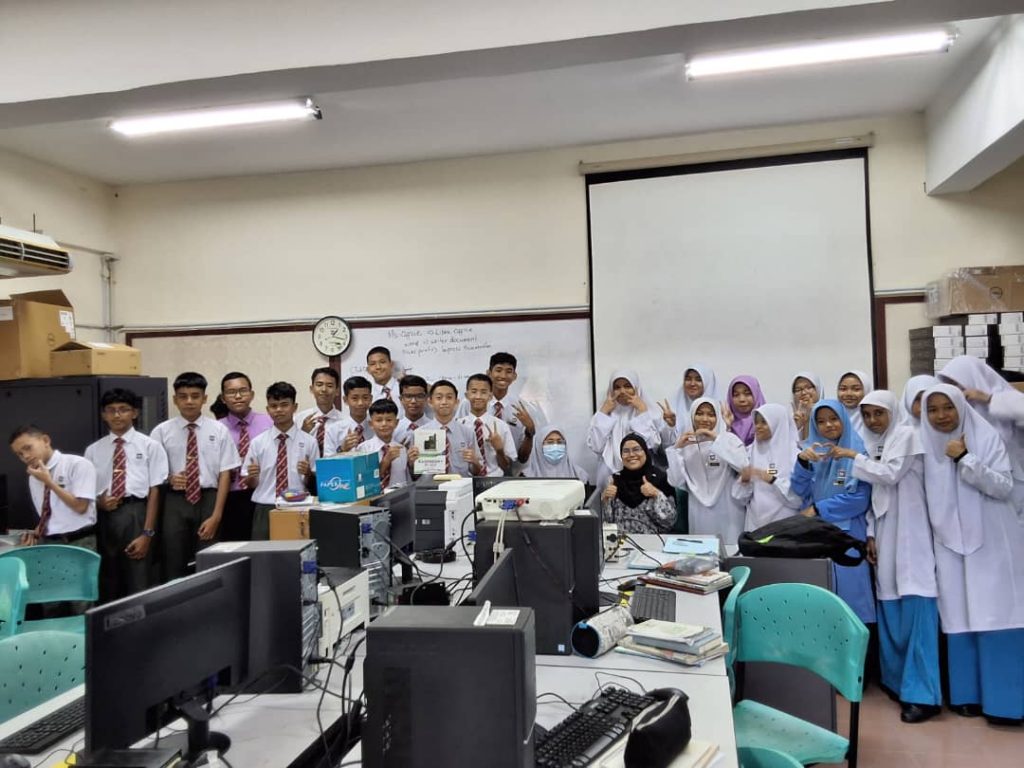
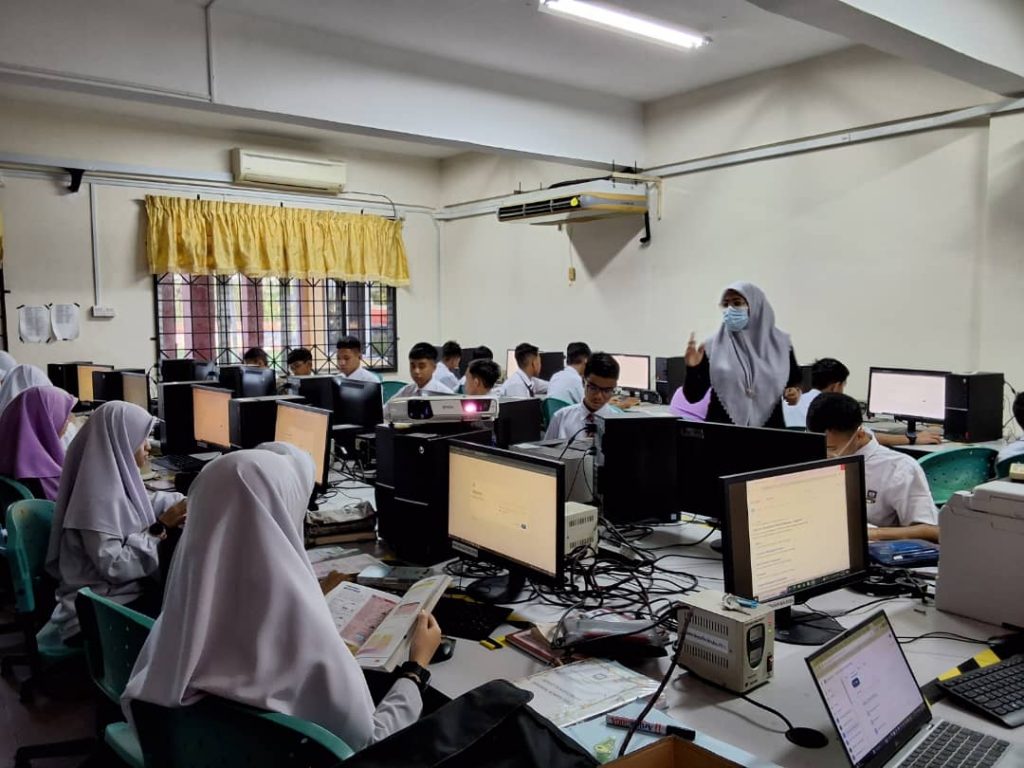
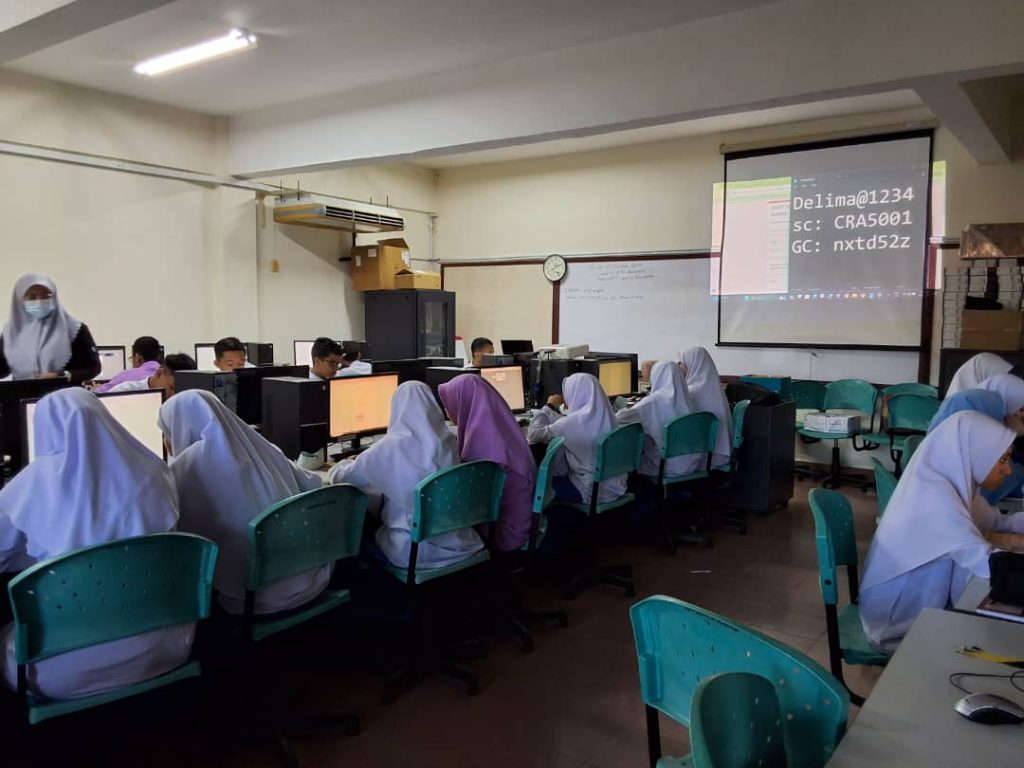
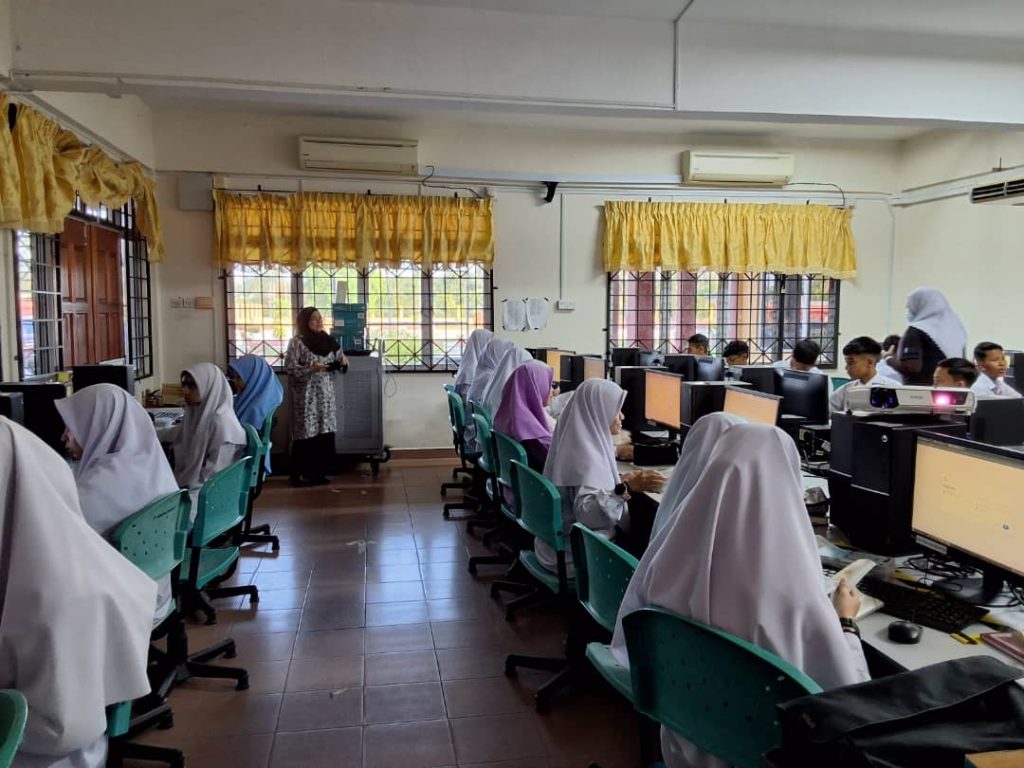
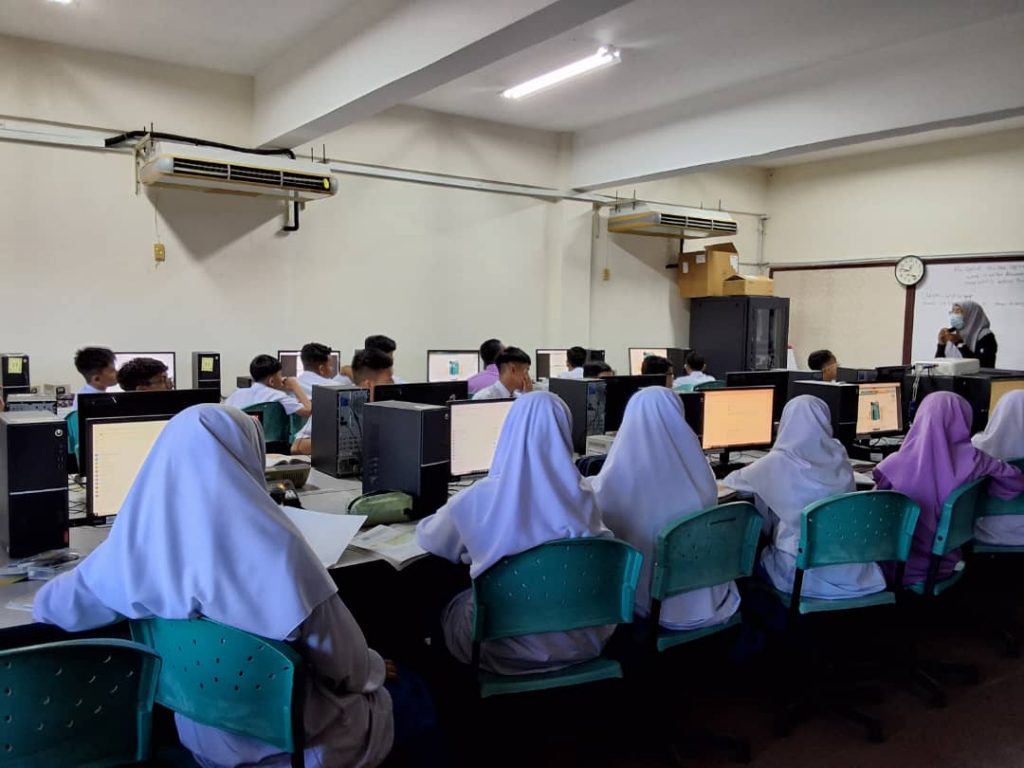
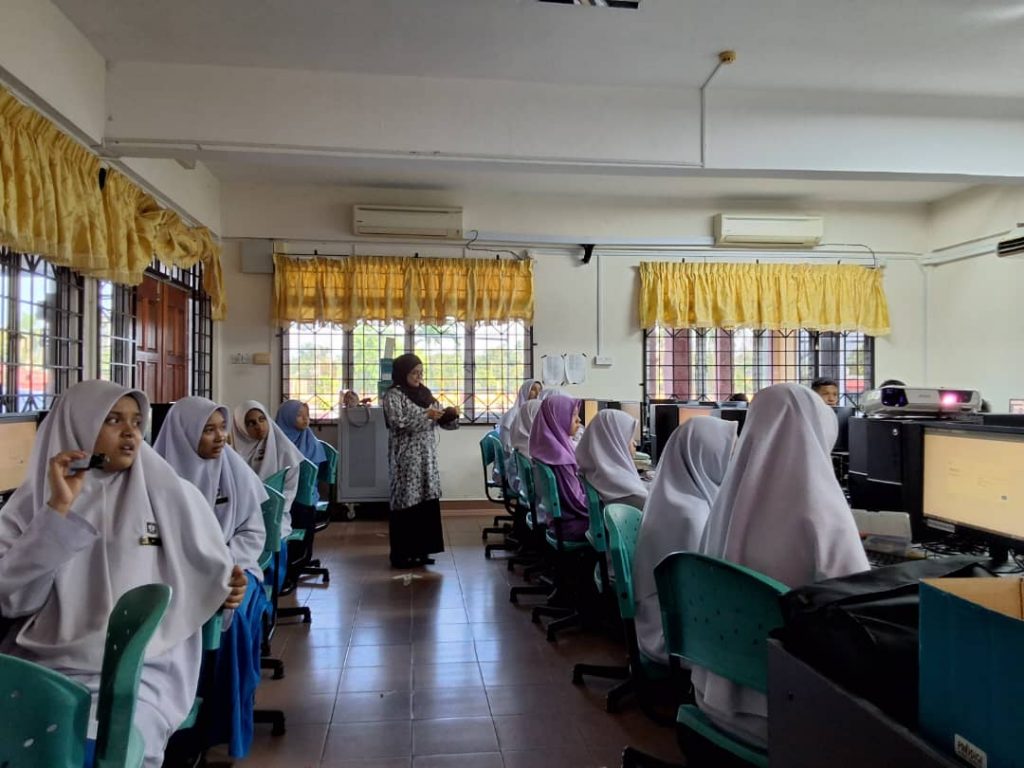
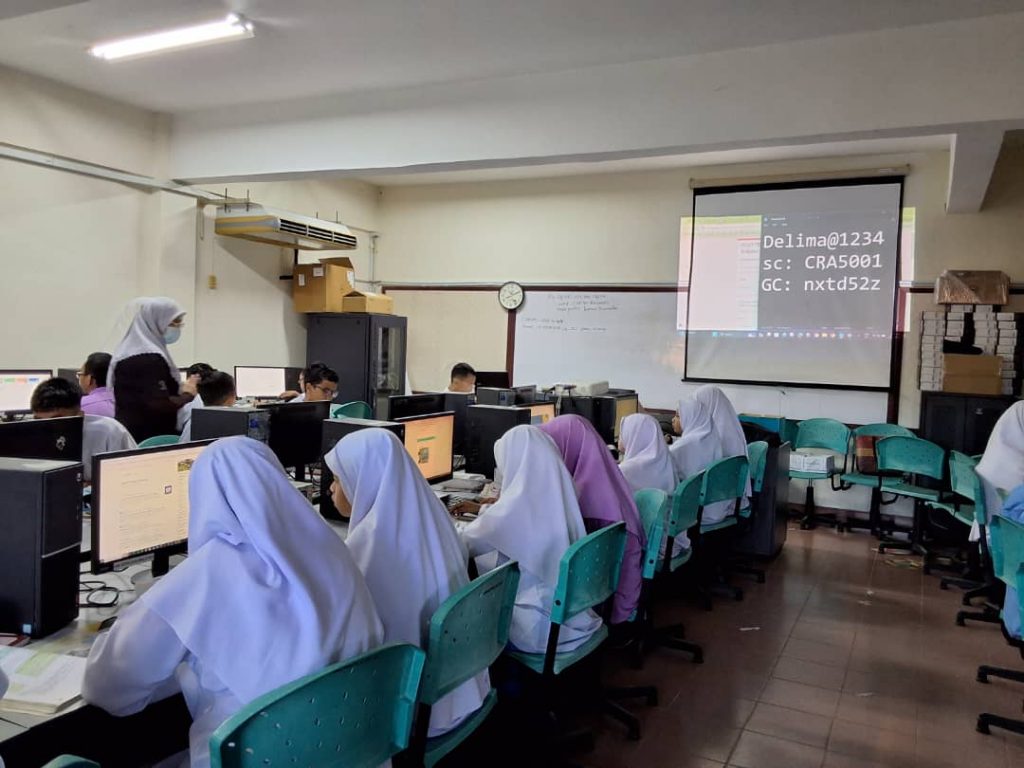
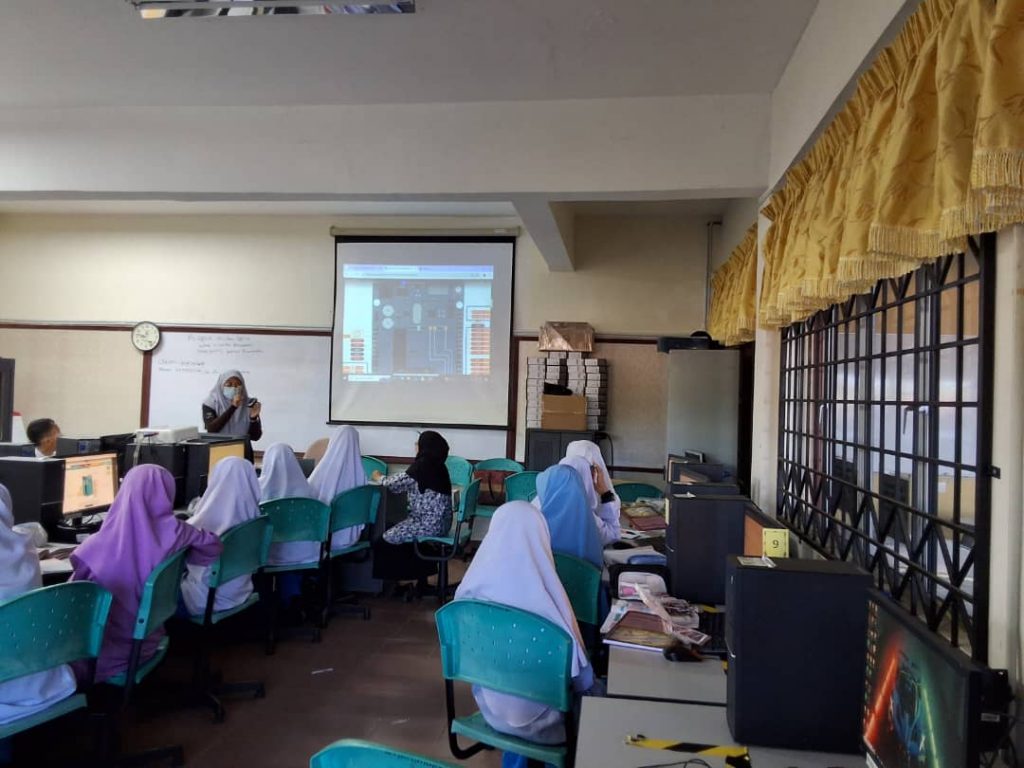
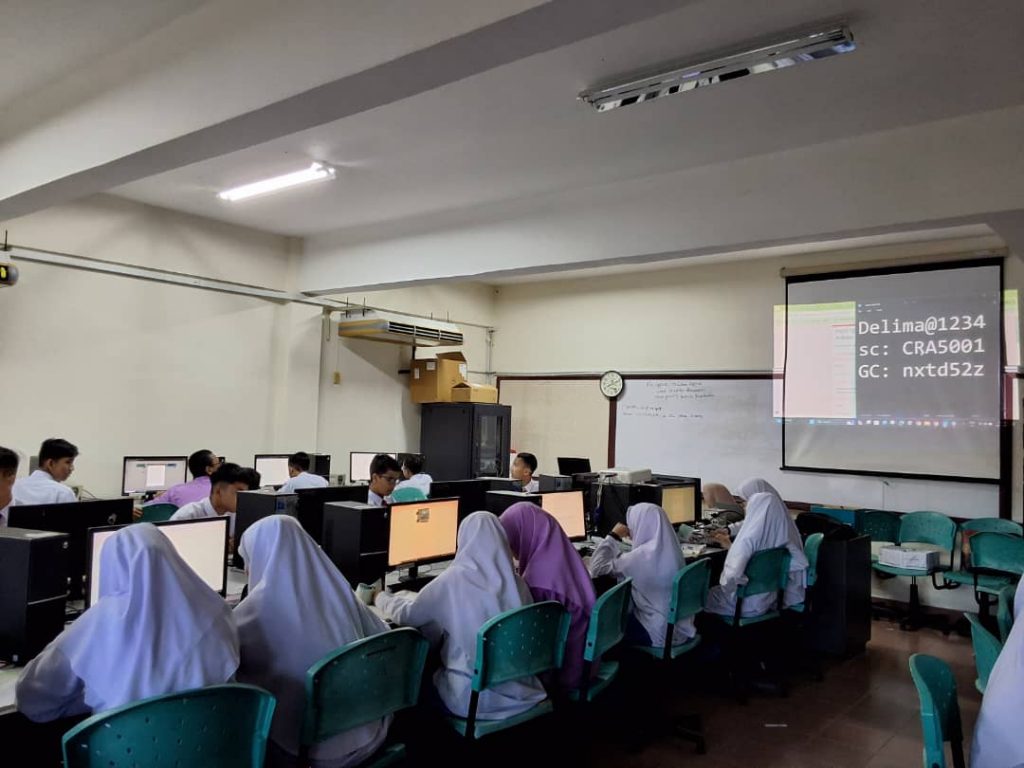
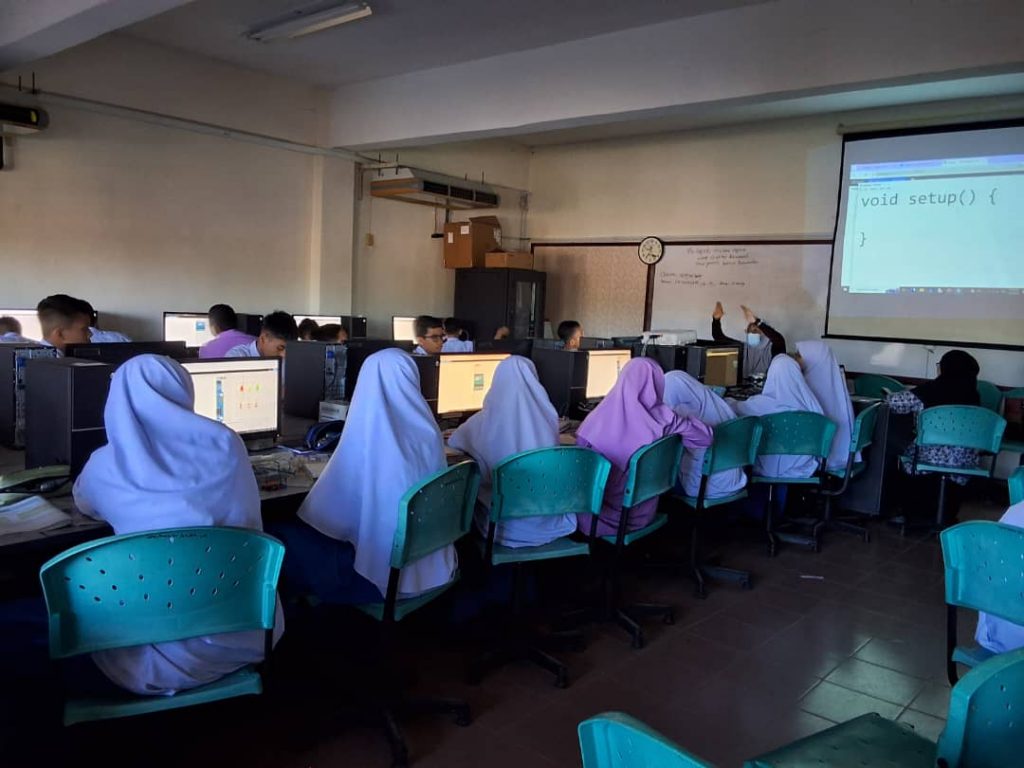
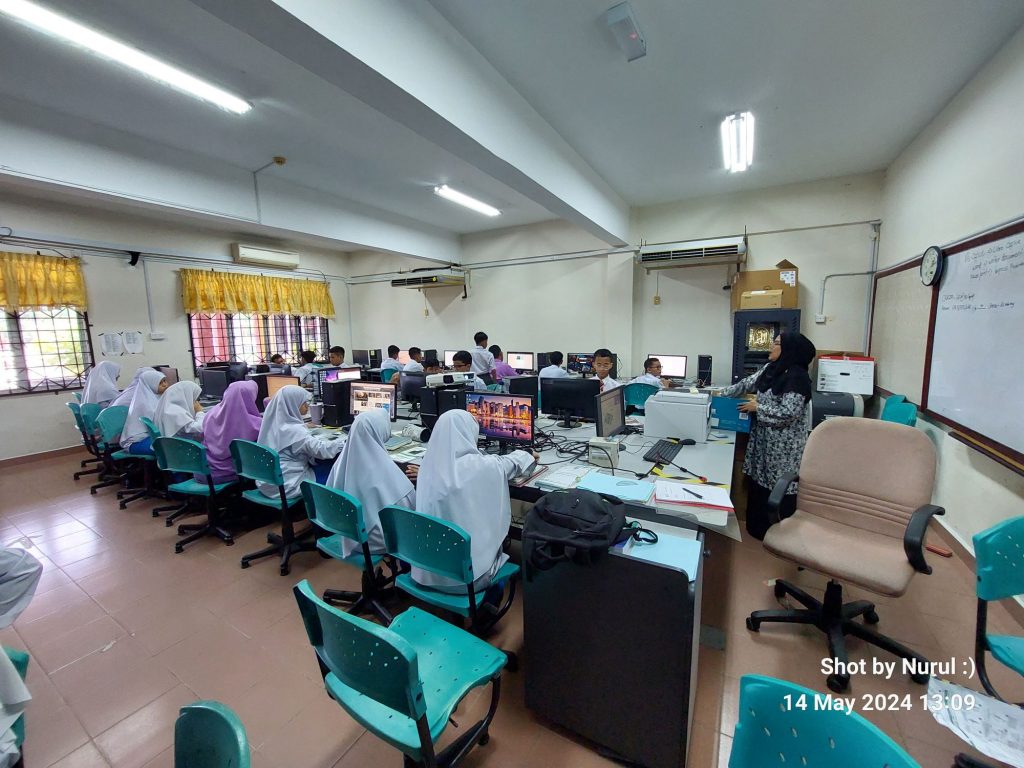
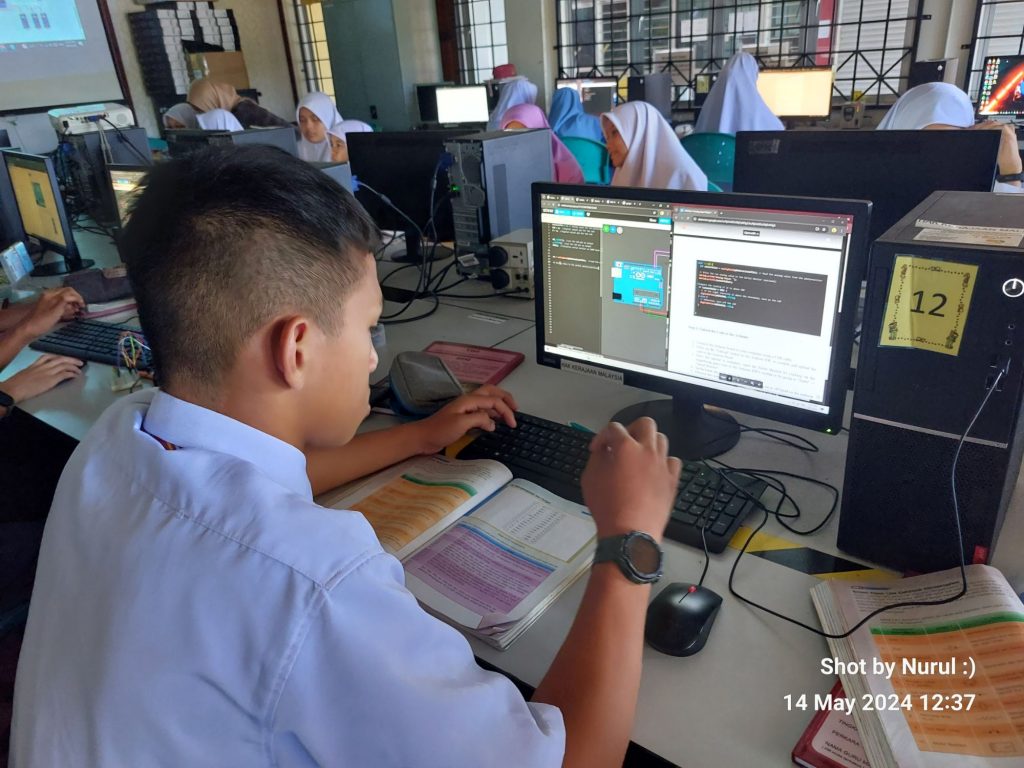
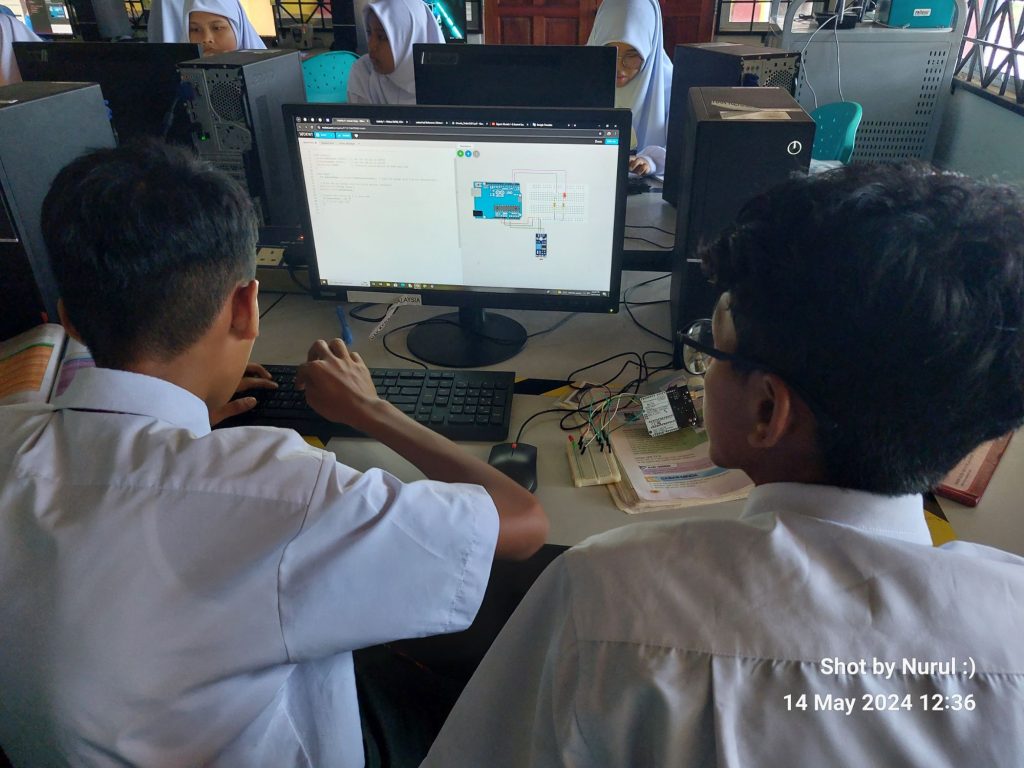
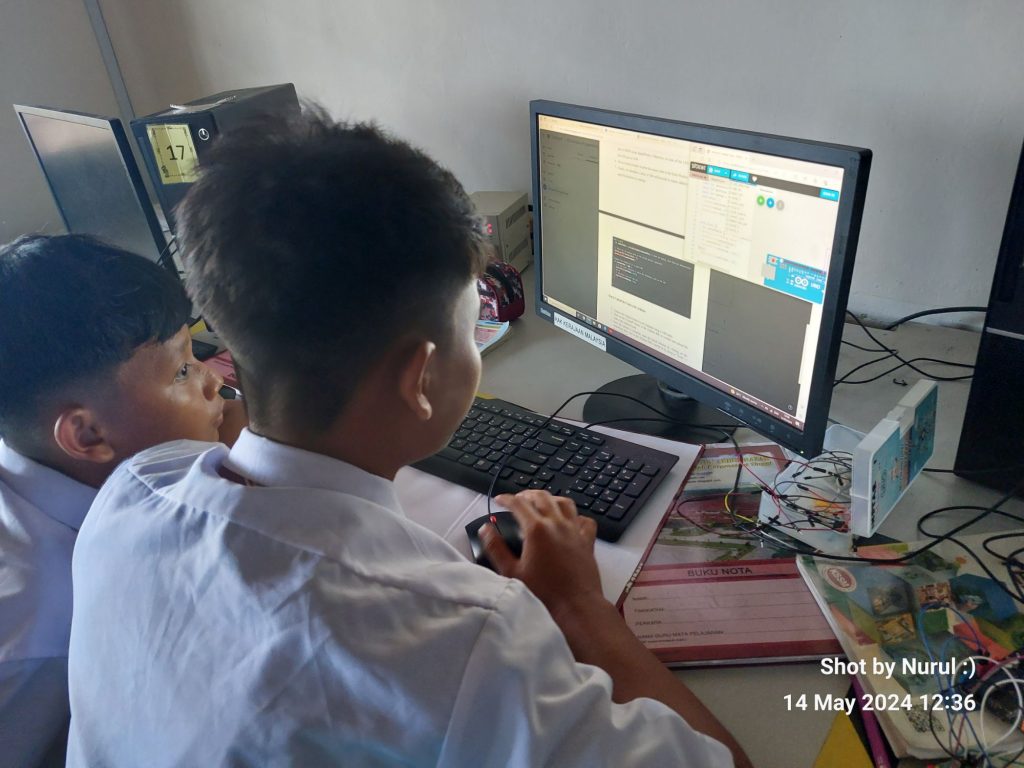
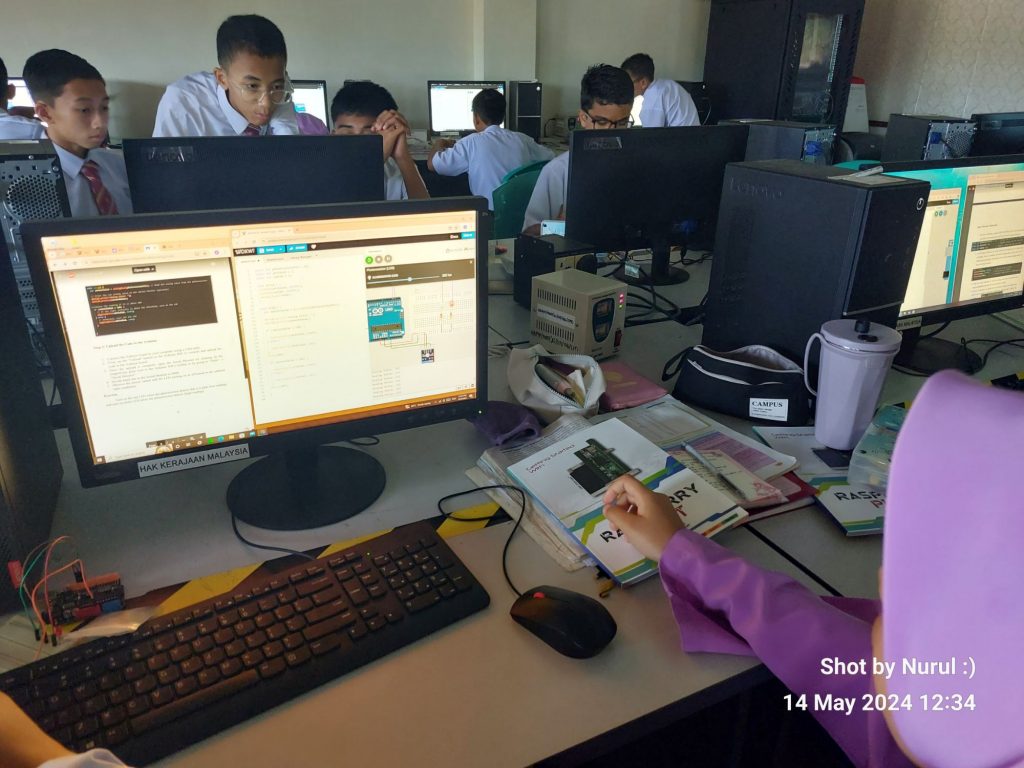
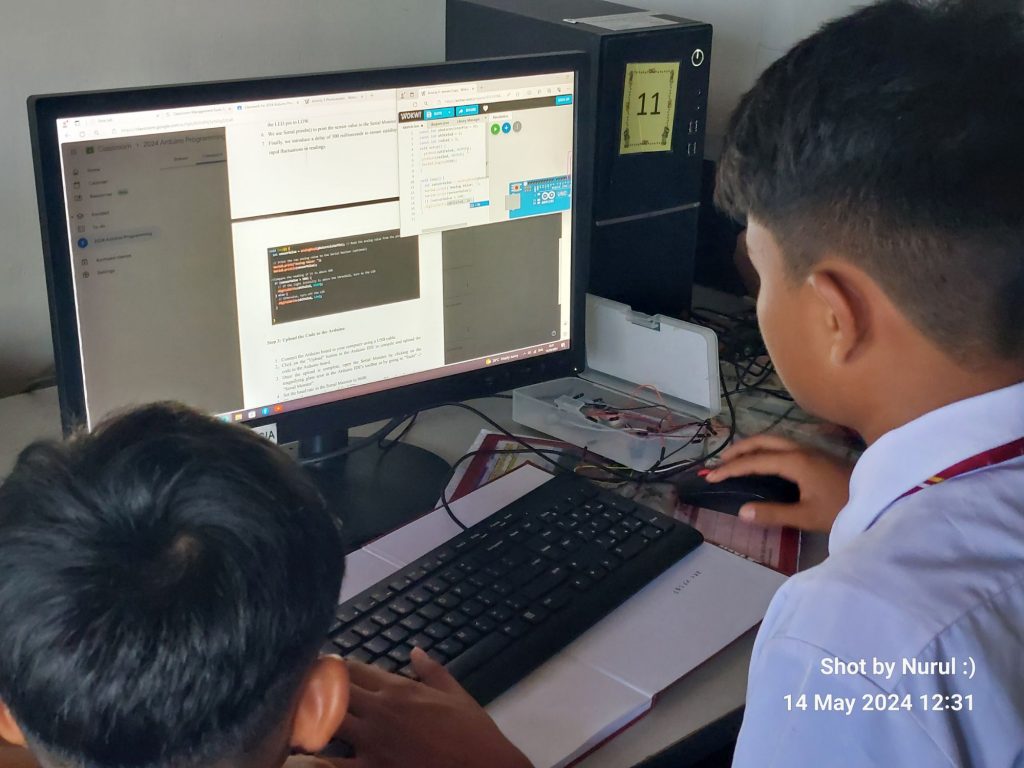
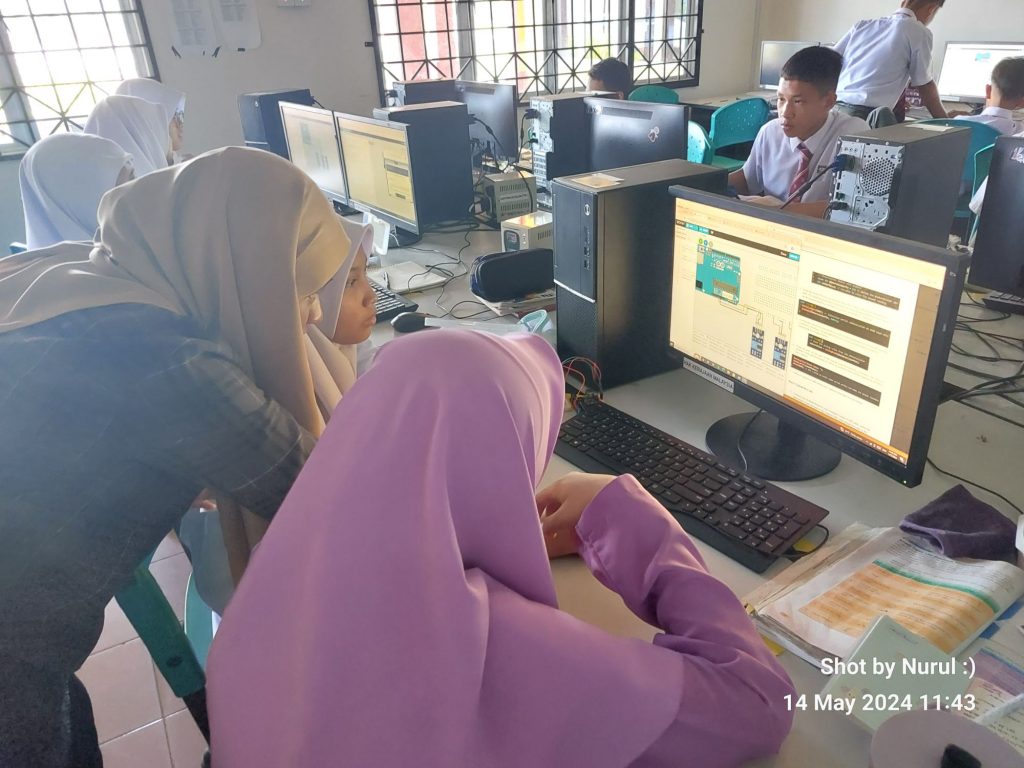
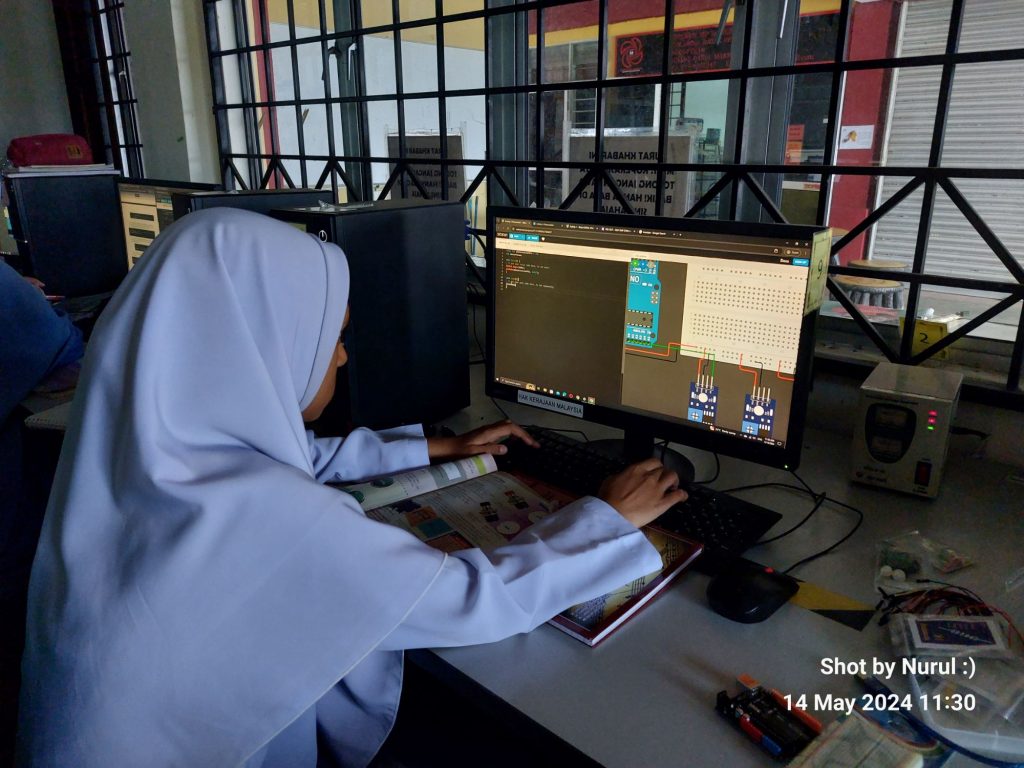
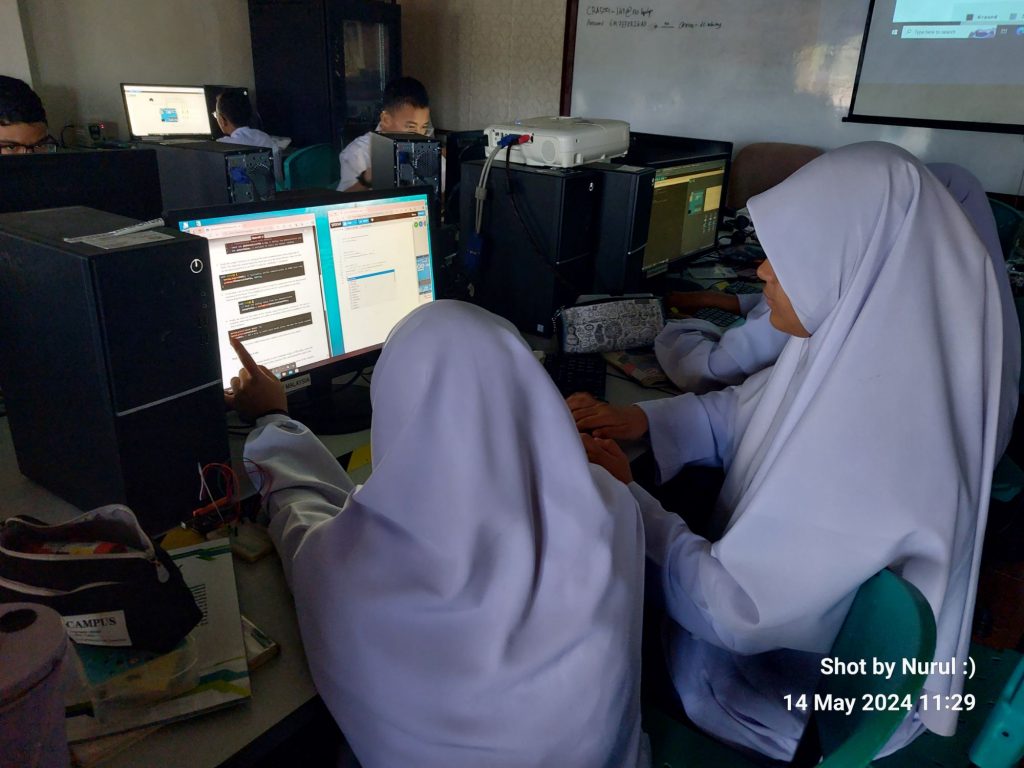
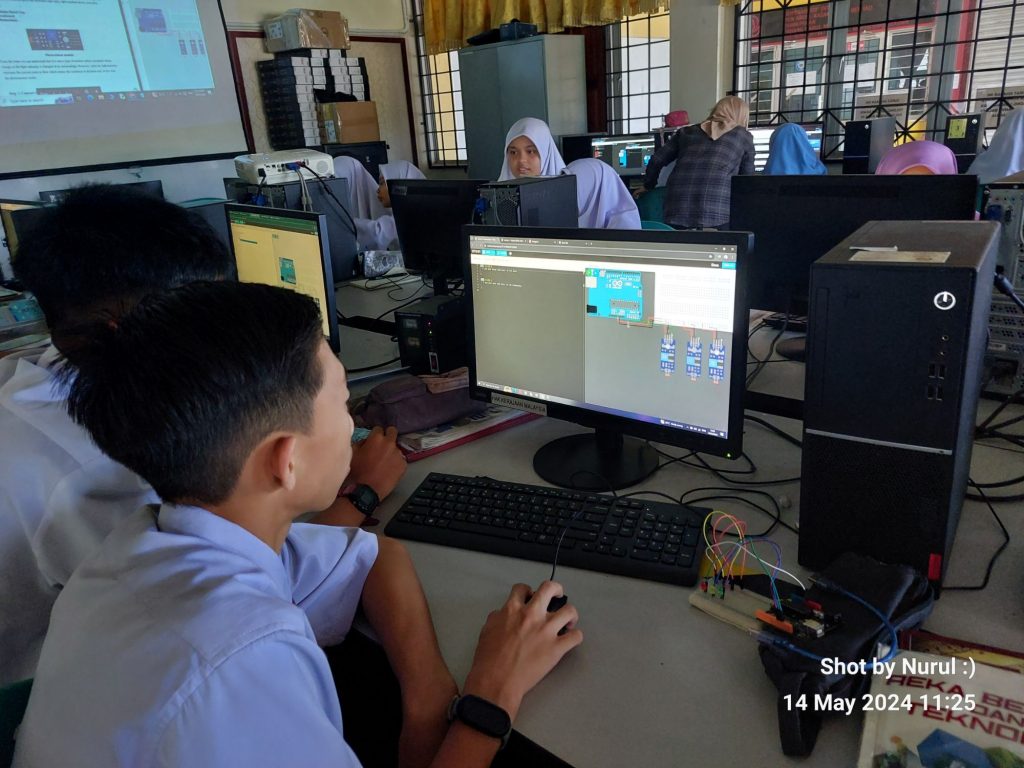
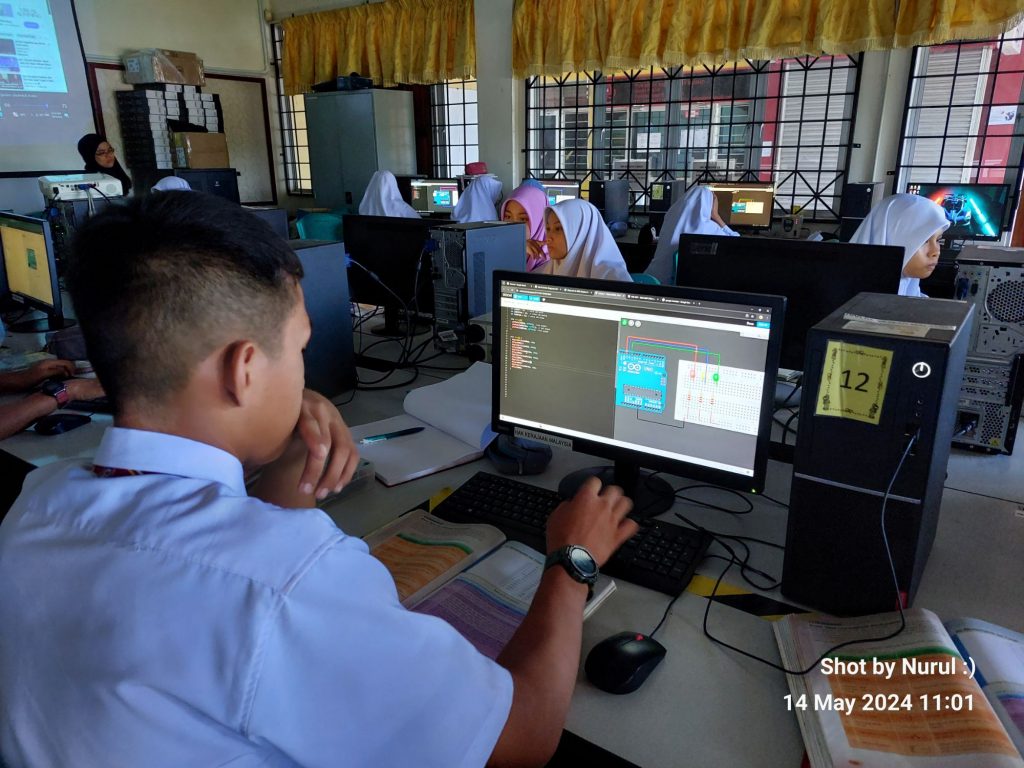
31 students and teachers of SBPI Tun Abdul Razak, Pekan (Batch 3) had participated in this program. Participants went through activities involving Arduino Programming and electronics systems.
Thank you Cikgu Hamidah for coordinating the communication between UMP STEM Lab and the school.





UMP STEM Lab Arduino Robotics Synopsis can be found here.
30 students and teachers of SBPI Tun Abdul Razak, Pekan (Batch 2) had participated in this program. Participants went through activities involving Arduino Programming and electronics systems.
Thank you Cikgu Hamidah for coordinating the communication between UMP STEM Lab and the school.



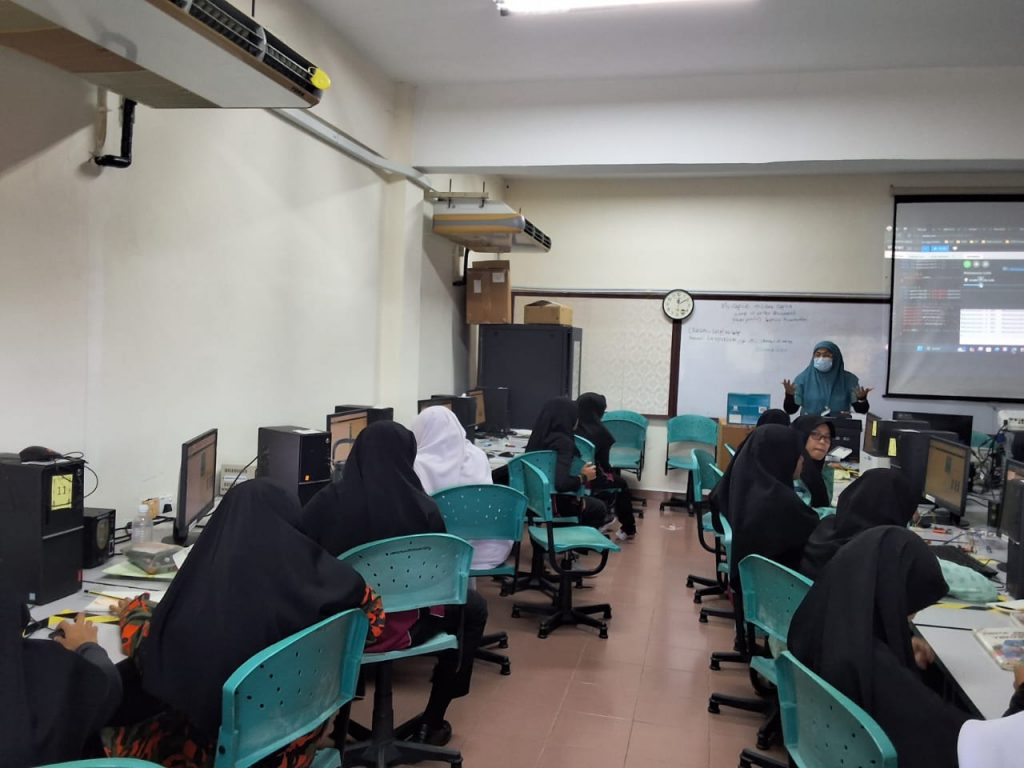
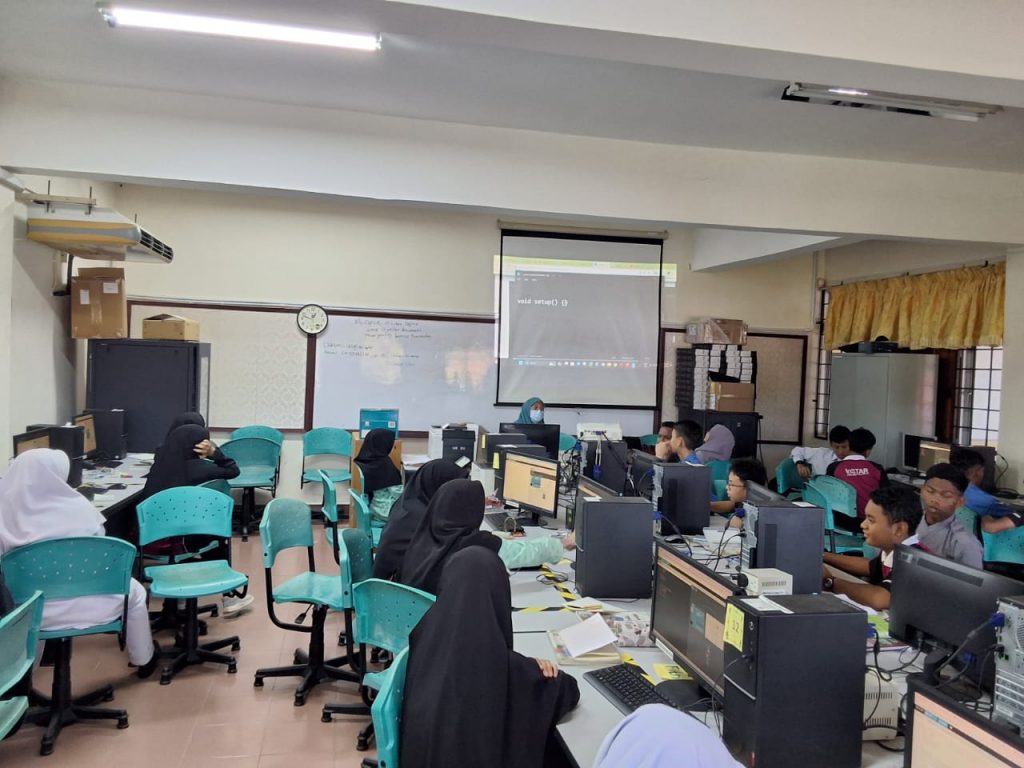
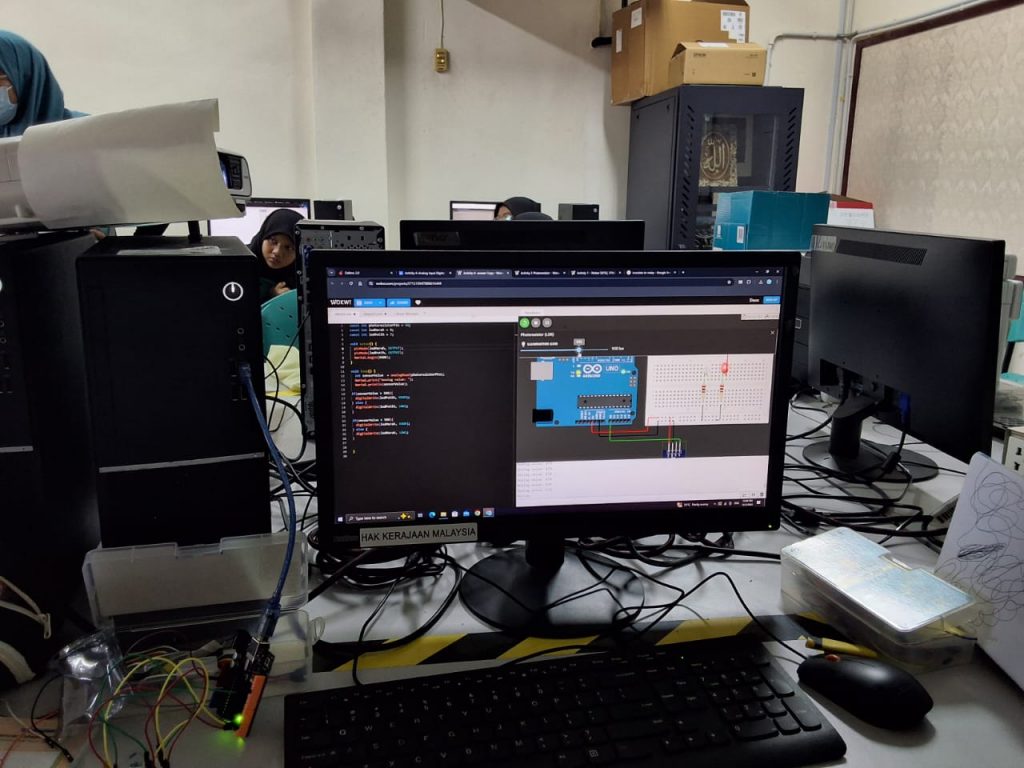

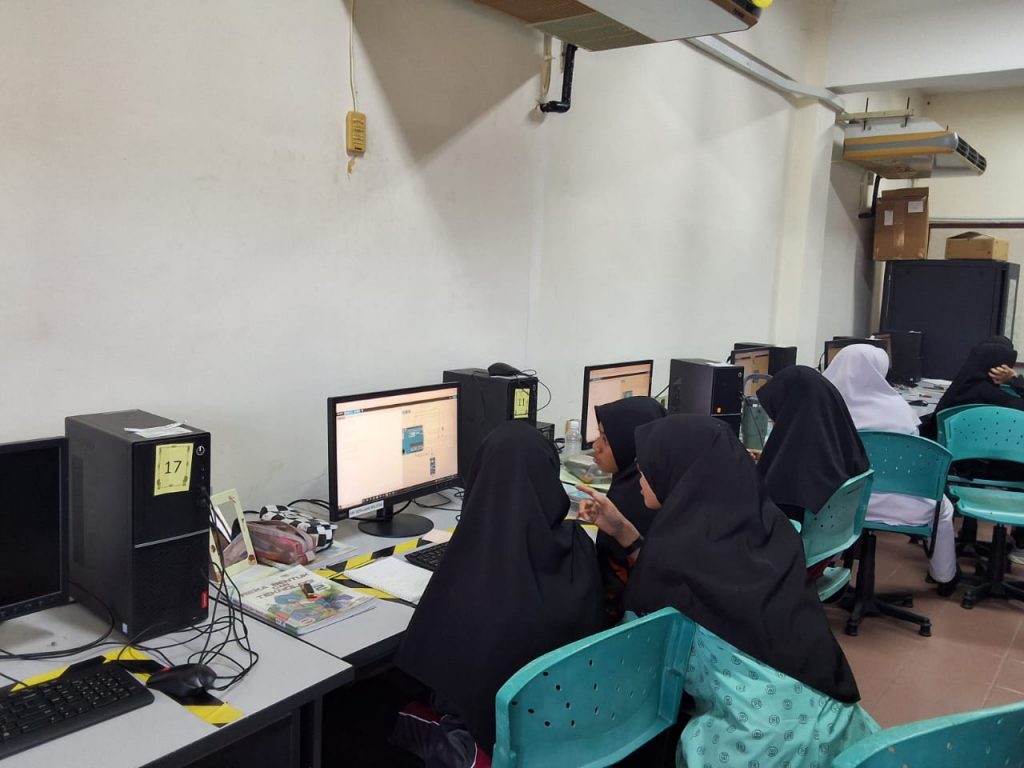







UMP STEM Lab Arduino Robotics Synopsis can be found here.
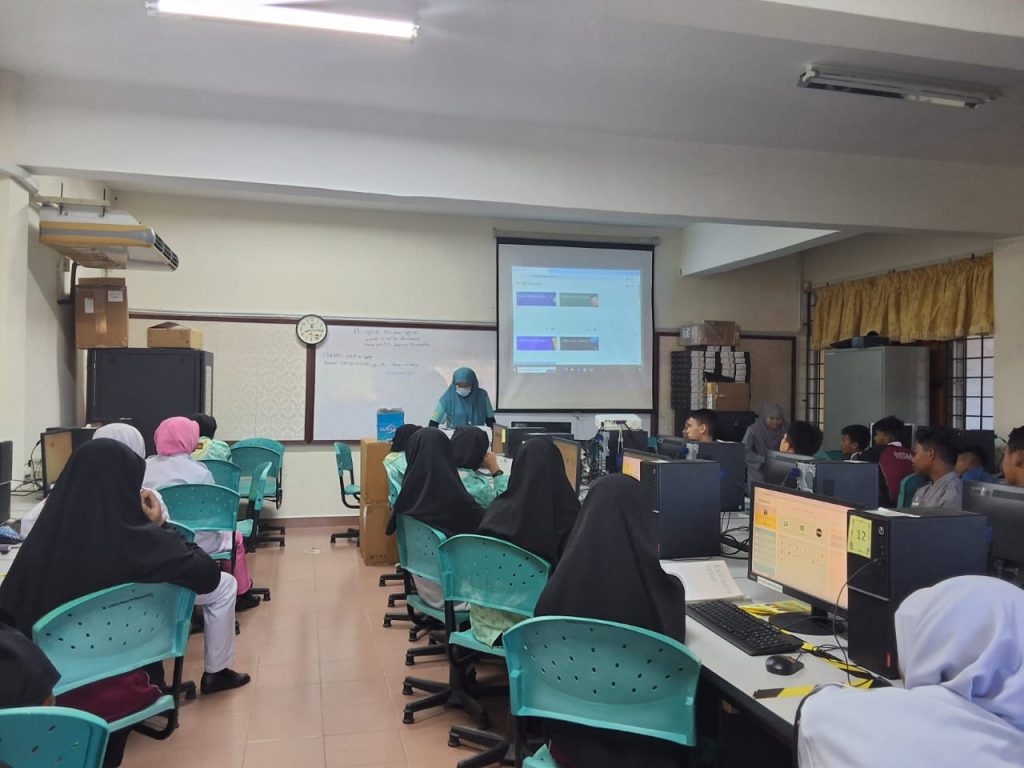
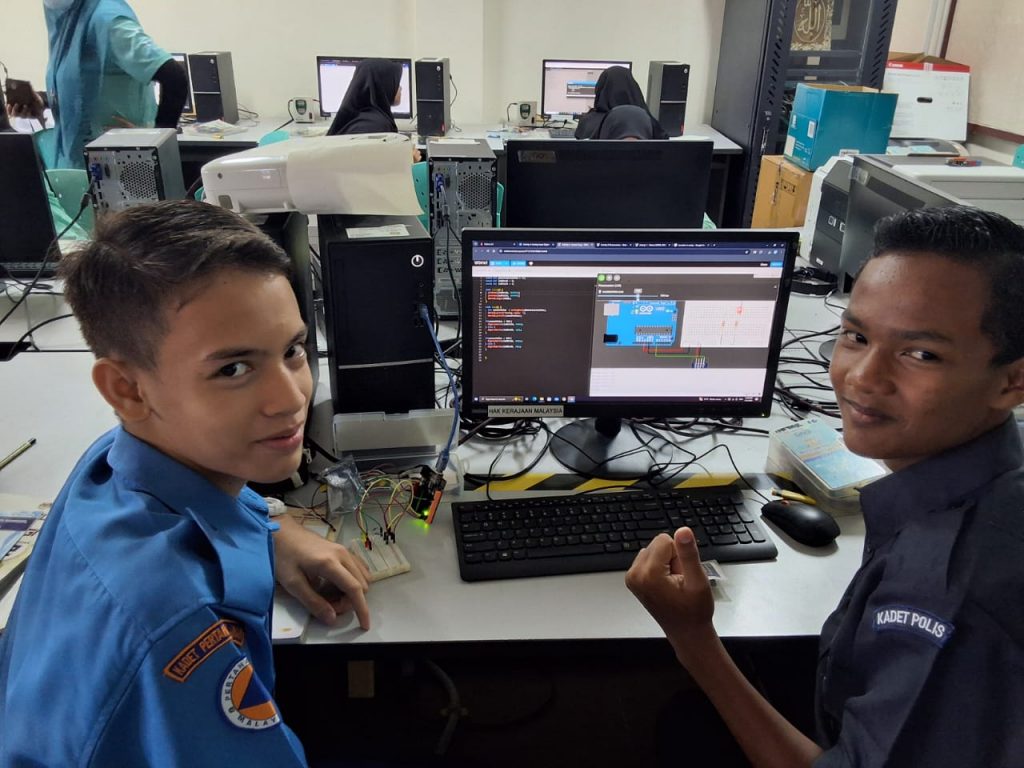
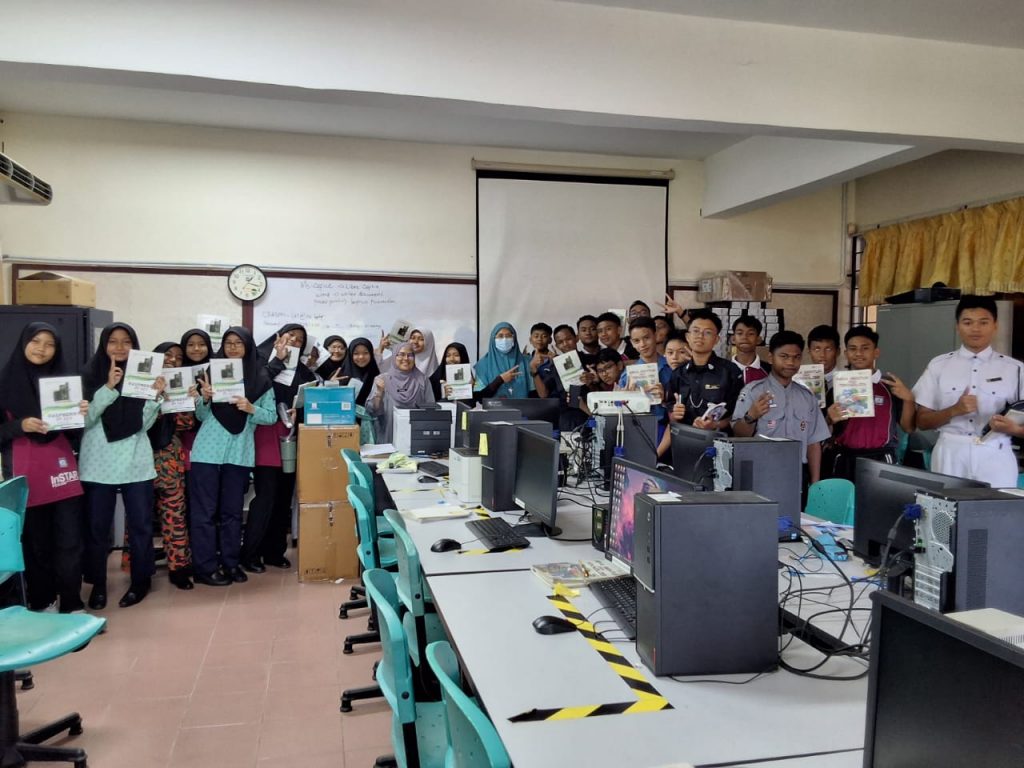
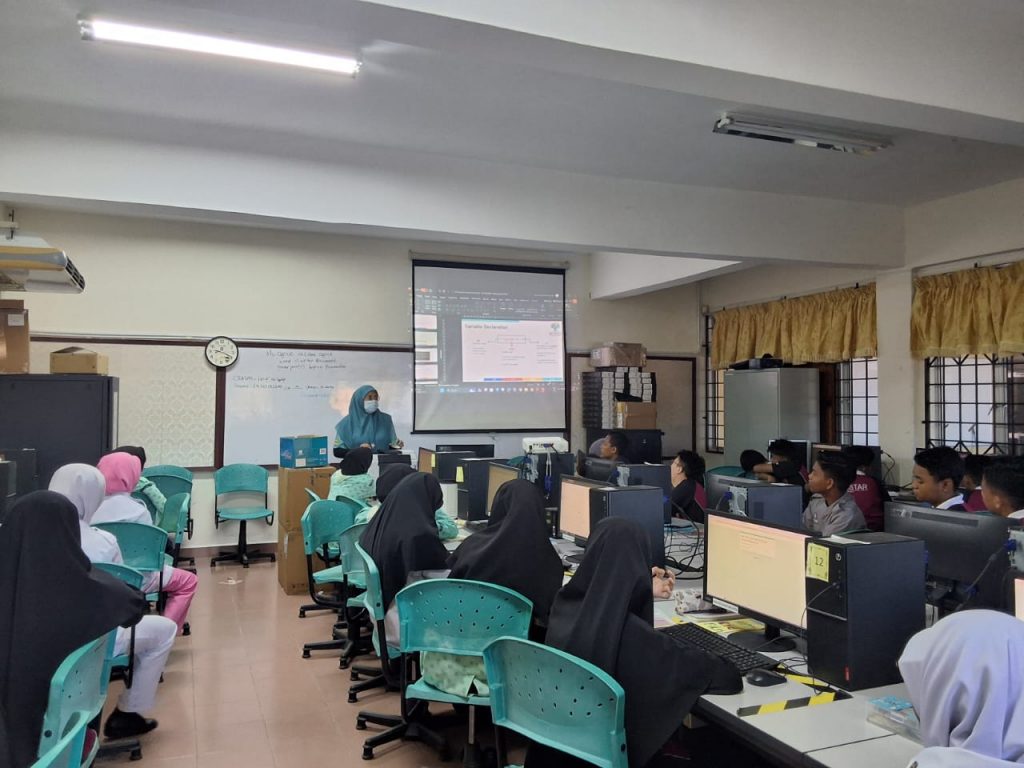
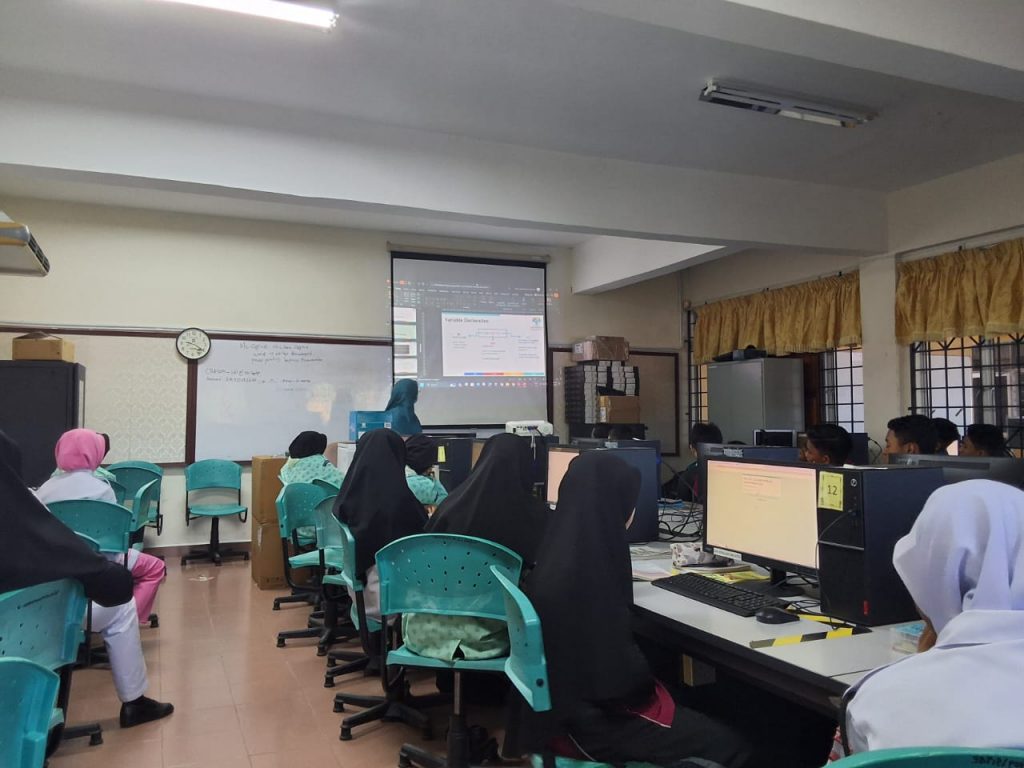
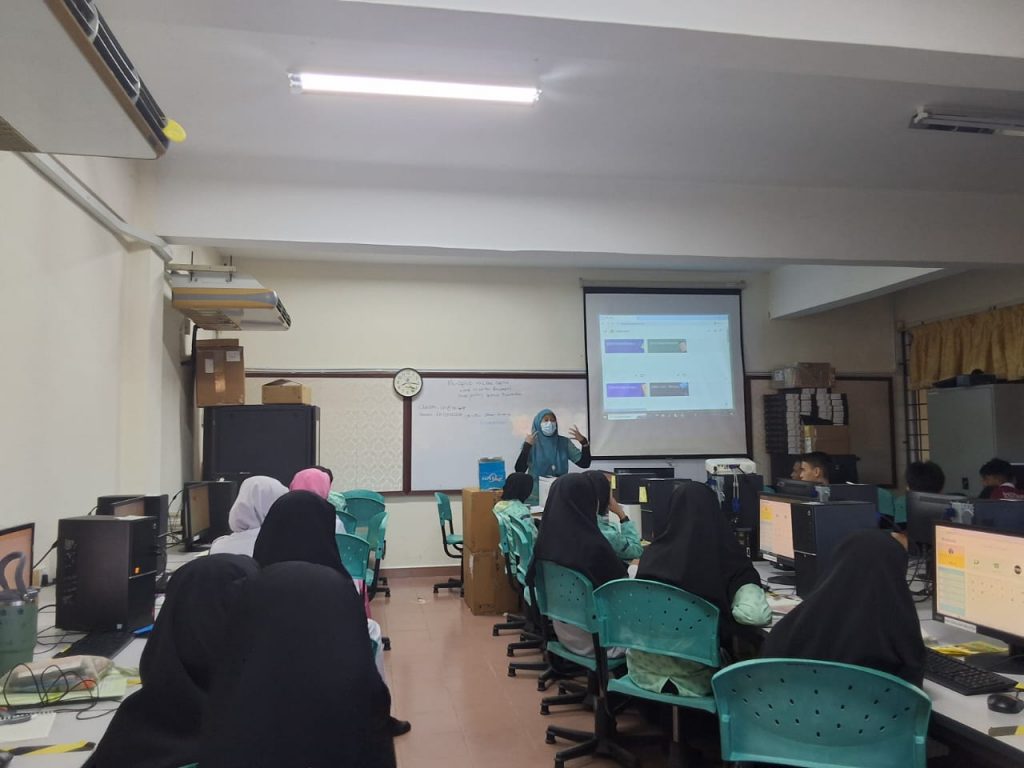
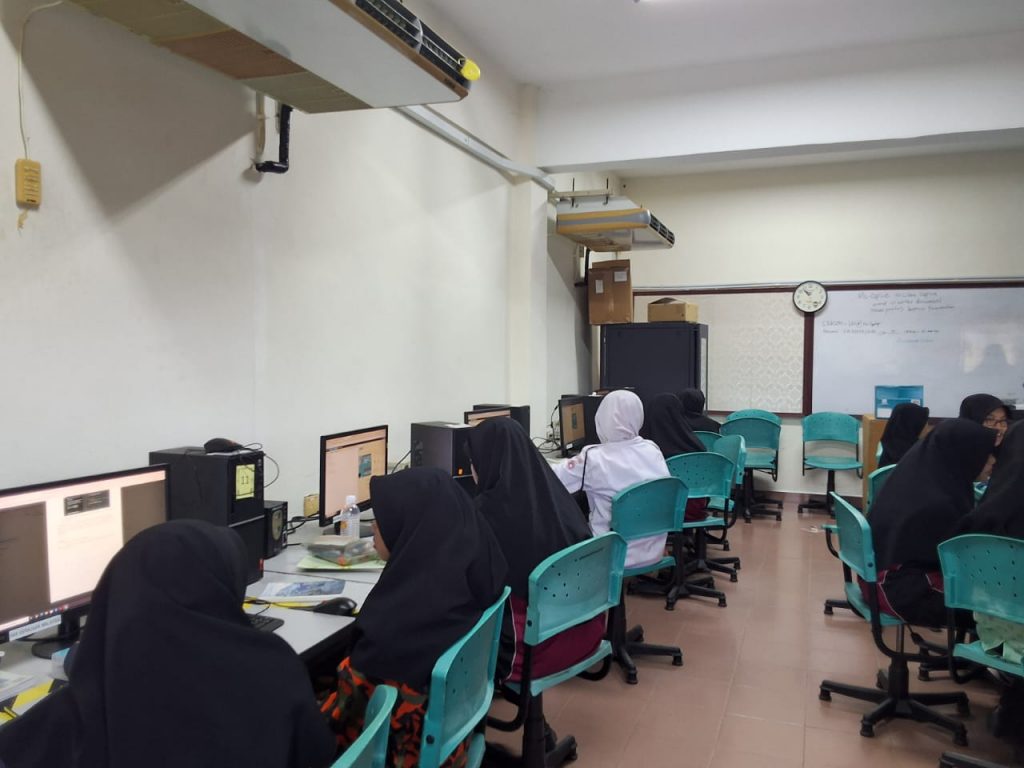
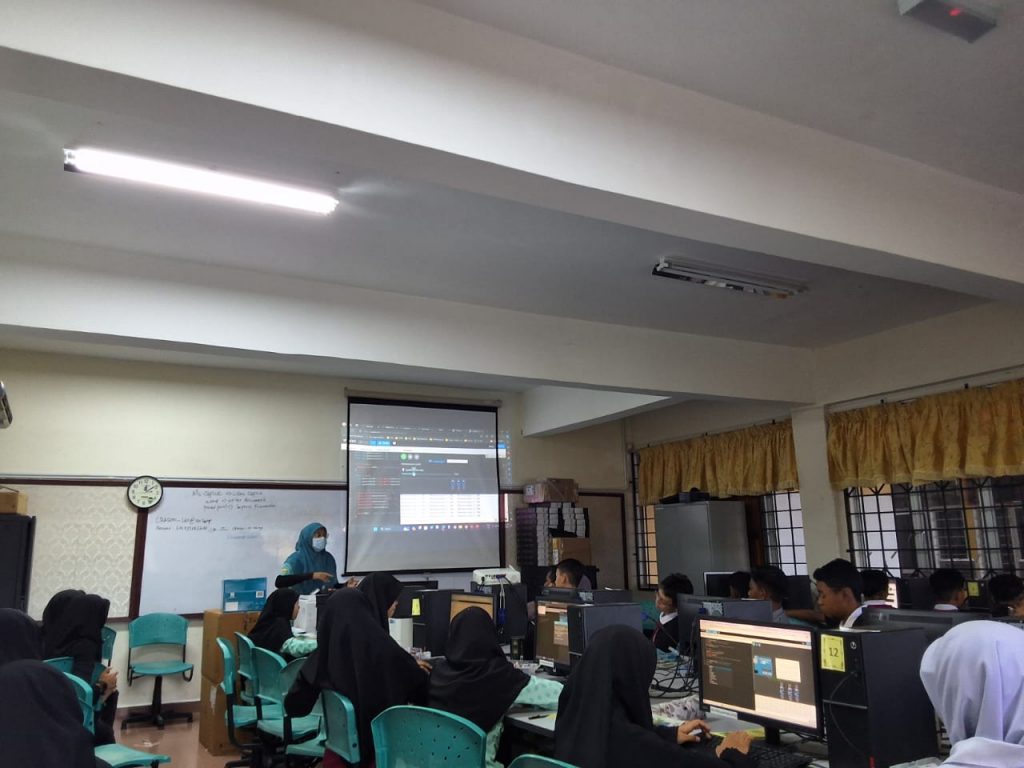
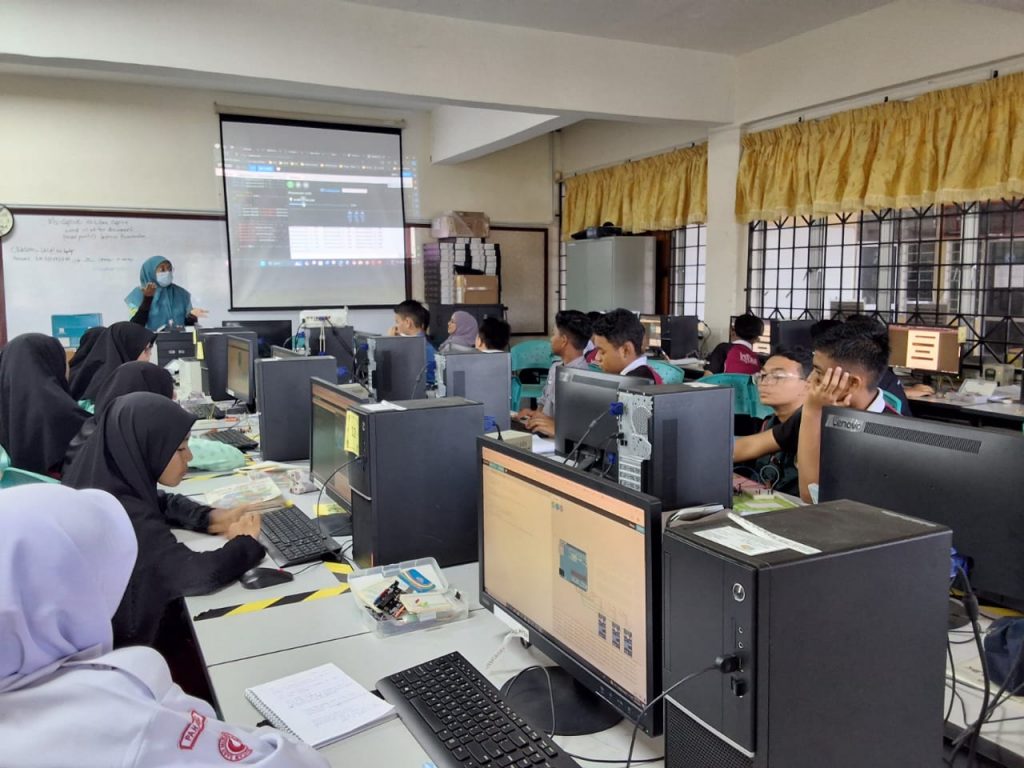
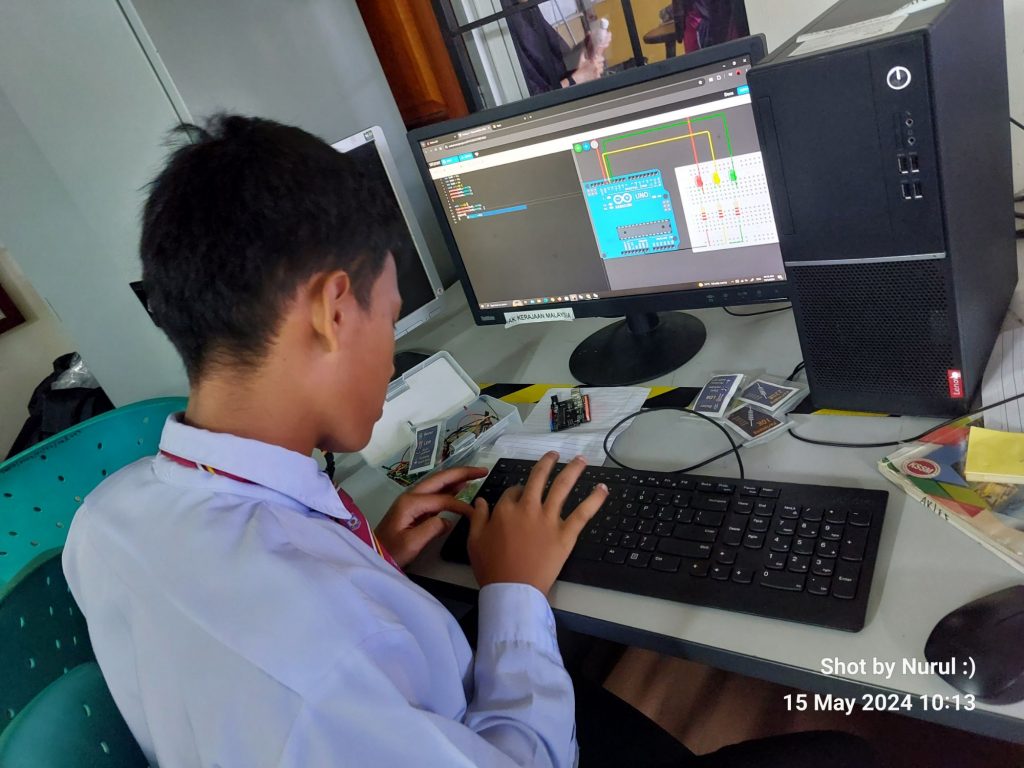
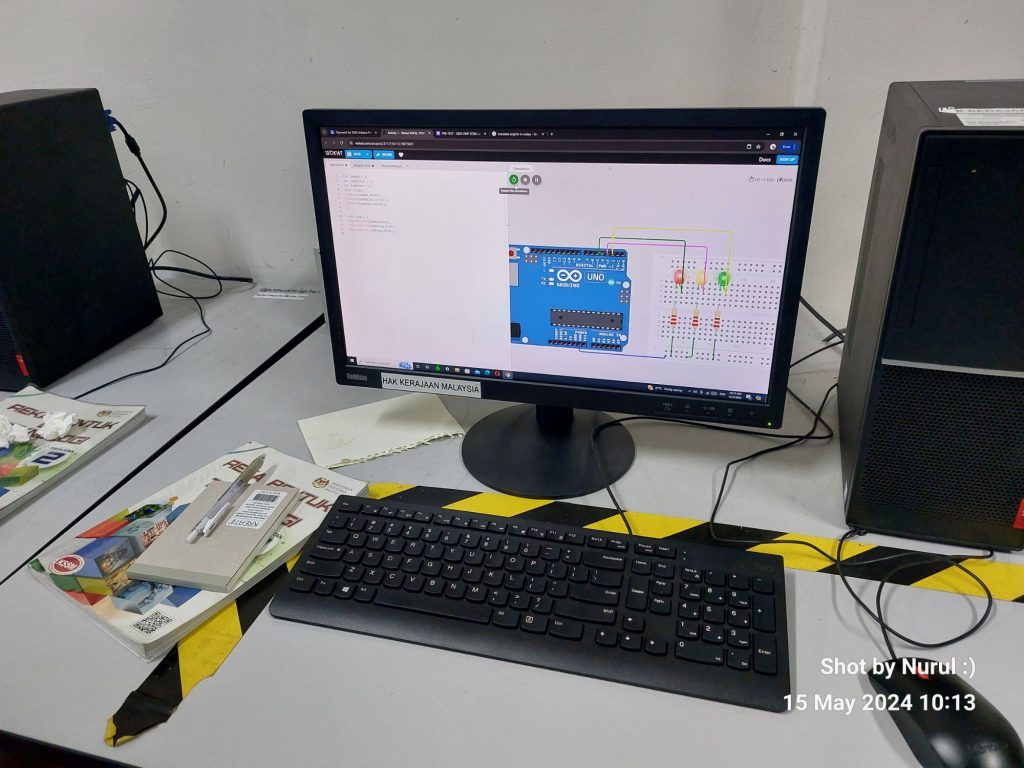
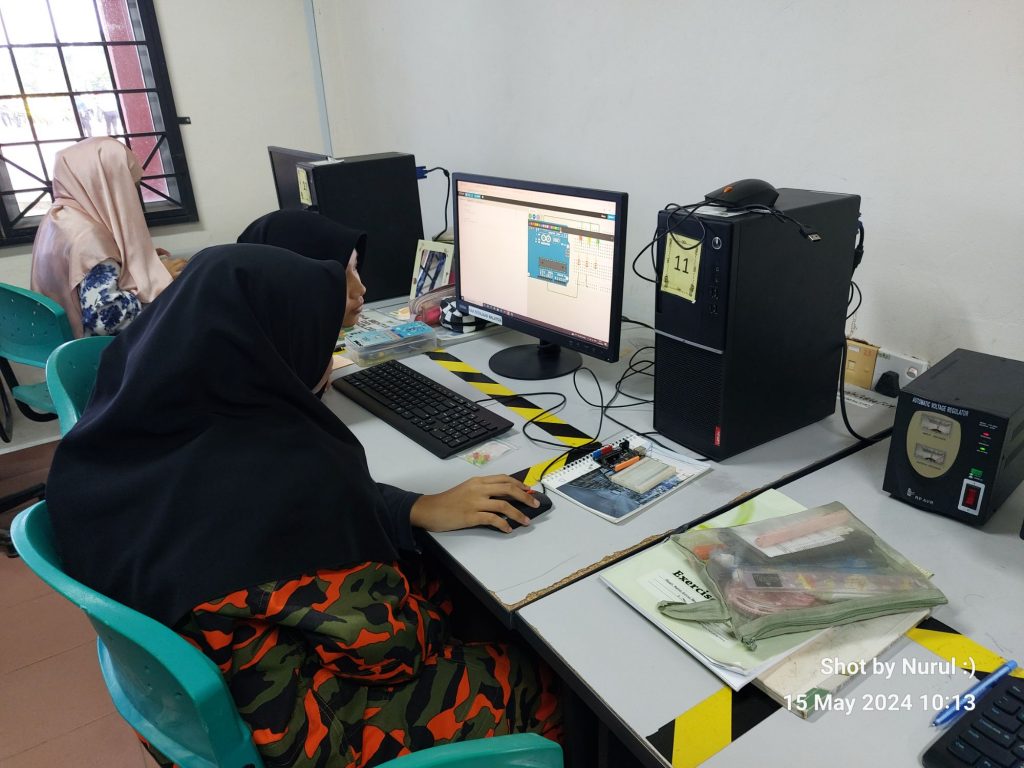
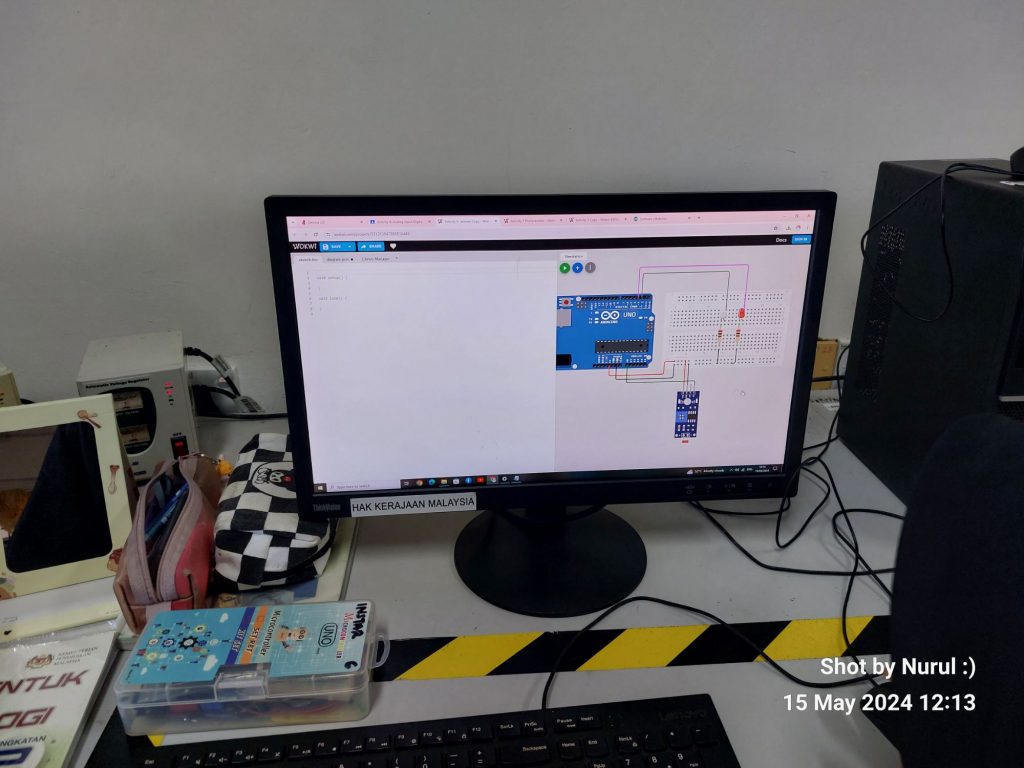
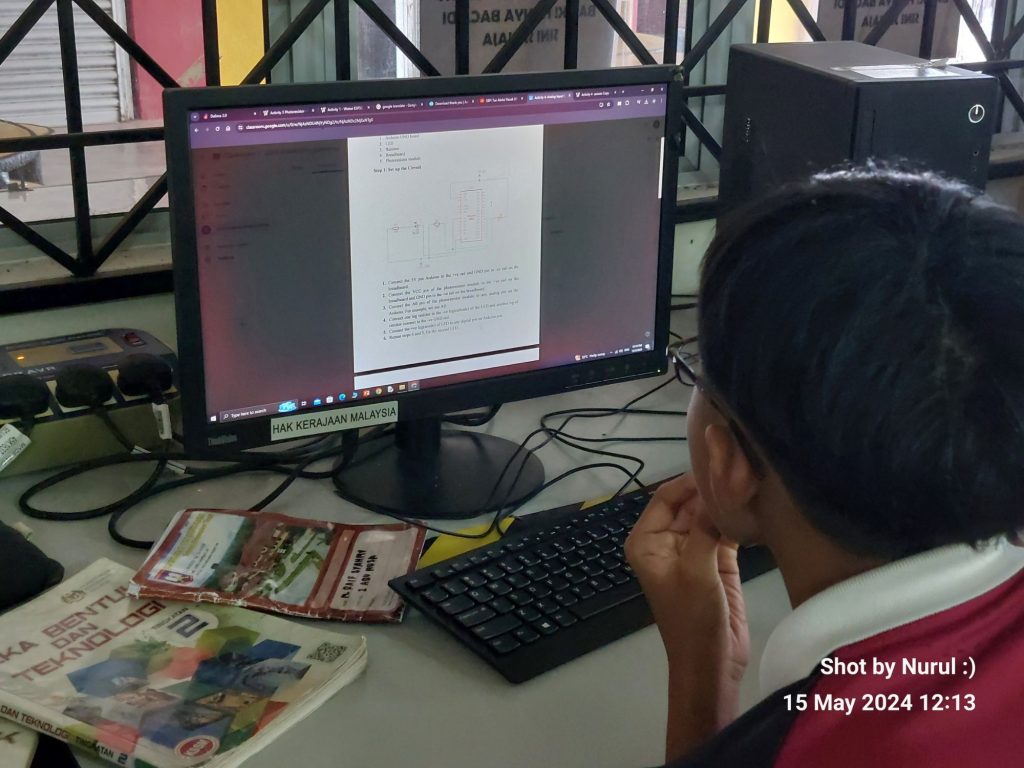
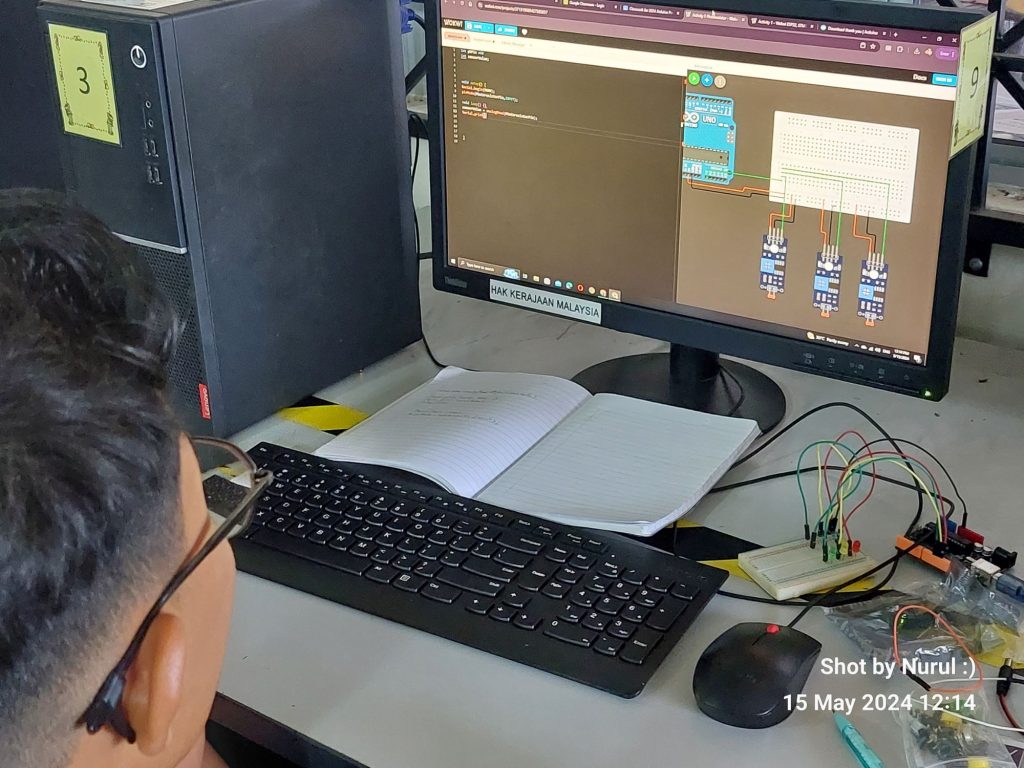
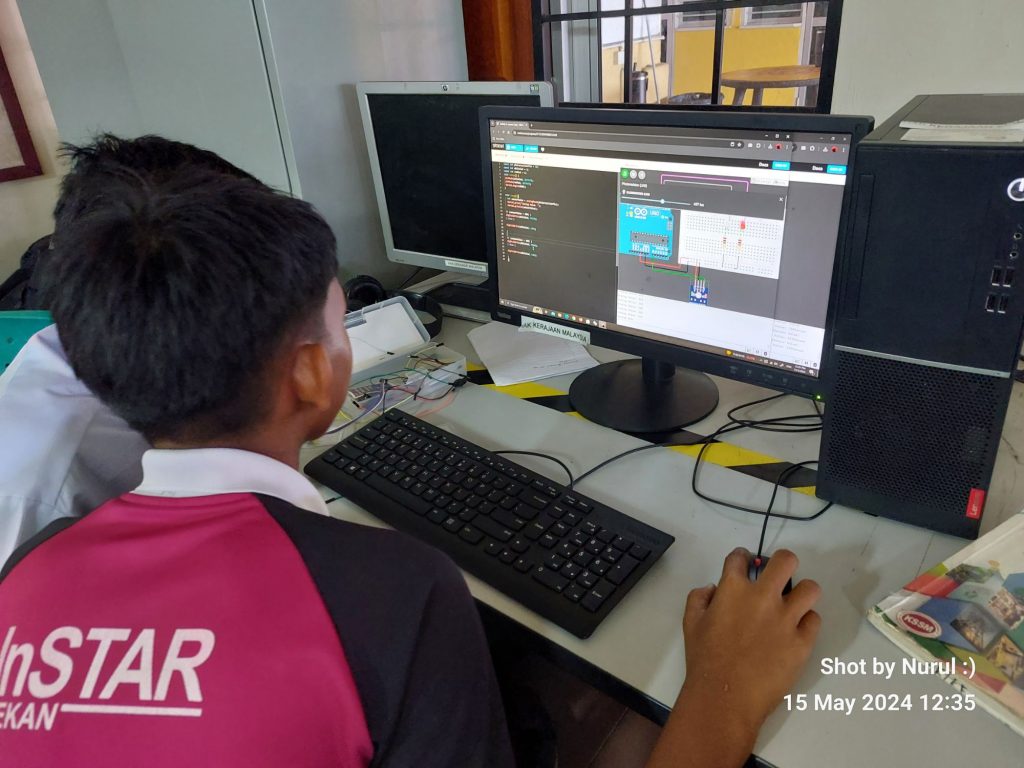
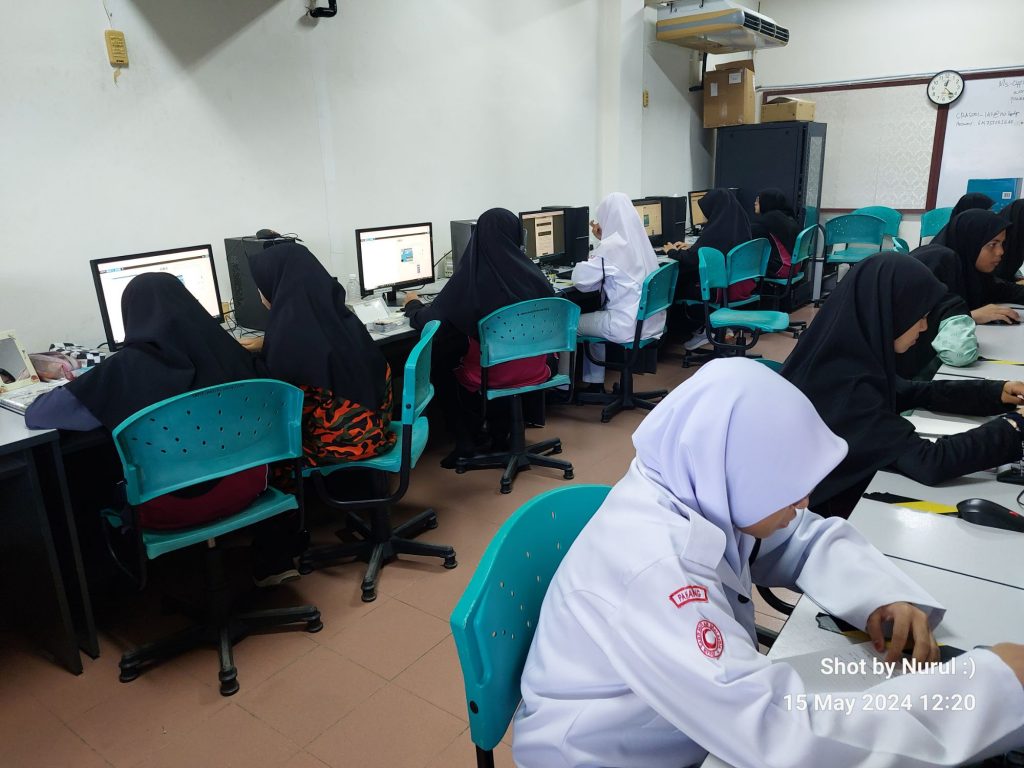
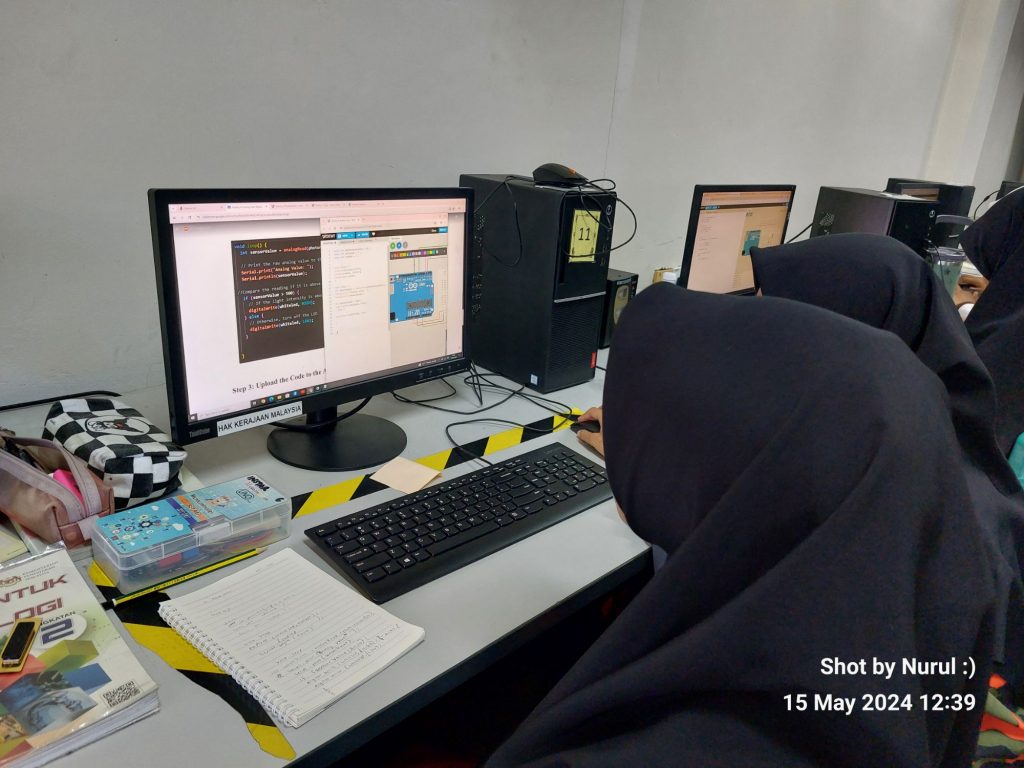
33 students and teachers of SBPI Tun Abdul Razak, Pekan (Batch 1) had participated in this program. Participants went through activities involving Arduino Programming and electronics systems.
Thank you Cikgu Hamidah for coordinating the communication between UMP STEM Lab and the school.

















IEEE STEM Champion for the 2024-2025 term were announced yesterday, and I am honored to be listed !
This opportunity holds great significance for me as I believe it will connect me with a network that can further my passion for STEM education, particularly in digital making skillsets, and allow me to contribute to empowering the next generation of technology innovators and problem solvers.
My involvement in STEM Outreach dates back to 2016, with a focus on digital making skillsets encompassing programming, physical computing, and 3D modeling. Through the UMP STEM Lab, we’ve developed various modules tailored to specific outreach objectives, including robotics, computational thinking, media & information literacy, web development, coding, and game making.
One of the most rewarding aspects of STEM outreach is the challenge it presents: explaining complex concepts, such as electronics engineering principles, in simple terms. As an educator, this challenge pushes me to continuously improve and innovate in my teaching methods, finding creative ways to make STEM subjects accessible to all students.
I firmly believe that overcoming this challenge not only enhances my skills as an educator but also equips me to inspire and empower students to pursue their passions in STEM. It’s a journey of growth and learning, both for myself and for the students I have the privilege to teach.
I am dedicated to ensuring that students at all levels, from undergraduates to school children, are equipped with the right skills and knowledge. Within the framework of the UMP STEM Lab module, we prioritize a collaborative approach that involves undergraduate students becoming mentors to younger school children. This intergenerational collaboration fosters a sense of community, nurturing curiosity, critical thinking, and a passion for lifelong learning.
Engaging in STEM outreach has brought me immense fulfillment. Observing students delve into STEM concepts, such as robot making and computational thinking in programming, fills me with joy and satisfaction. Witnessing their eyes light up with curiosity and excitement upon completing modules is truly rewarding.
The STEM Outreach program for school-aged students that I am most proud of is the open-source robotics program. This program provides students with a hands-on experience in various digital making skillsets, including programming microcontrollers, exploring physical computing concepts in robotics application, and creating detailed 3D models.
One of the most rewarding aspects of the robotics module is witnessing the students’ engagement and excitement as they learn to code microcontrollers to interact with sensors and create their own electronic circuits for robots. This hands-on experience not only teaches them valuable coding skills but also introduces them to the world of sensors and electronic systems. Additionally, when students are able to make their own electronic circuits and code them to be functional, such as designing a line-following robot or obstacle avoidance mechanism, it further enhances their understanding of robotics principles and fosters a sense of accomplishment and confidence in their abilities.
Moreover, the robotics module offers a comprehensive learning experience that covers a wide range of skills within the digital making domain. From programming to 3D modeling, students have the opportunity to explore various aspects of technology and develop their interests.
I am particularly proud of the robotics program because it encourages collaboration and problem-solving among students. Being part of the students’ journey to solve their challenges in learning to make and code robots has been a truly rewarding moment for me. Seeing them work together to overcome obstacles and achieve their goals fills me with pride and reinforces my belief in the power of STEM education to inspire and empower young minds.
As I step into my new role as an IEEE STEM Champion, I am eager to continue making a positive impact in my community and beyond. I am committed to conducting engaging STEM outreach events, sharing results with the vTools platform, and actively participating in the Pre-University STEM Community. Additionally, I’m excited to serve as a reviewer for STEM grants and programs, contribute to promoting IEEE’s pre-university education initiatives, and help build a vibrant STEM outreach volunteer community.
Together, let’s inspire the next generation of technology leaders and change-makers through the power of STEM education.
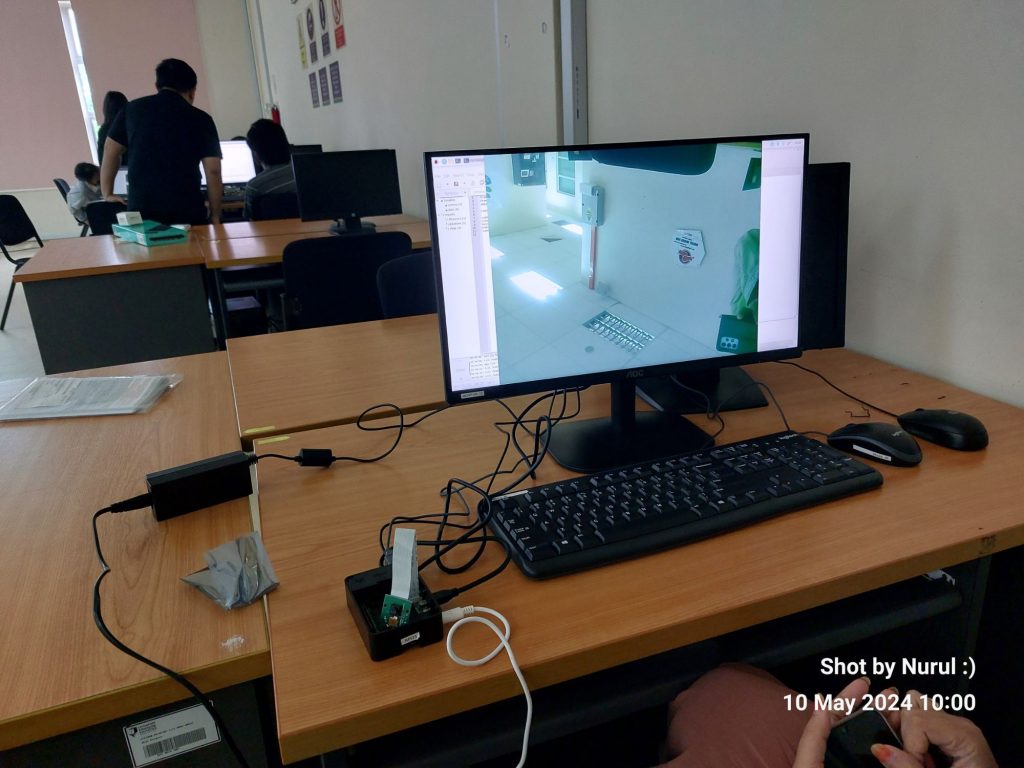
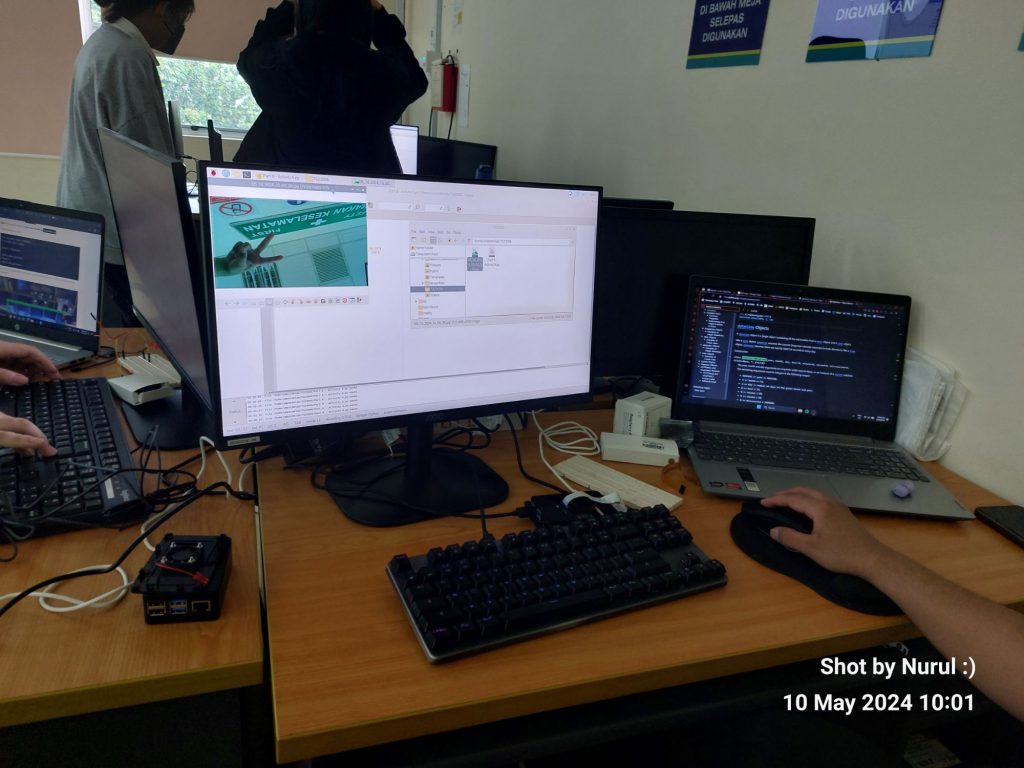
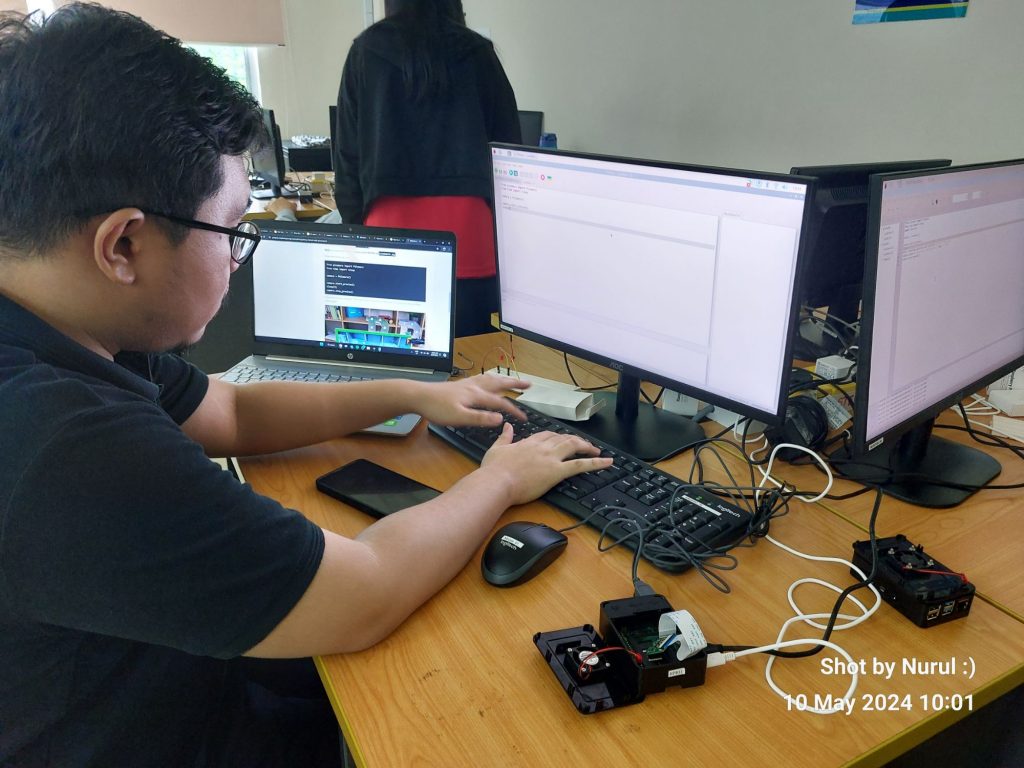
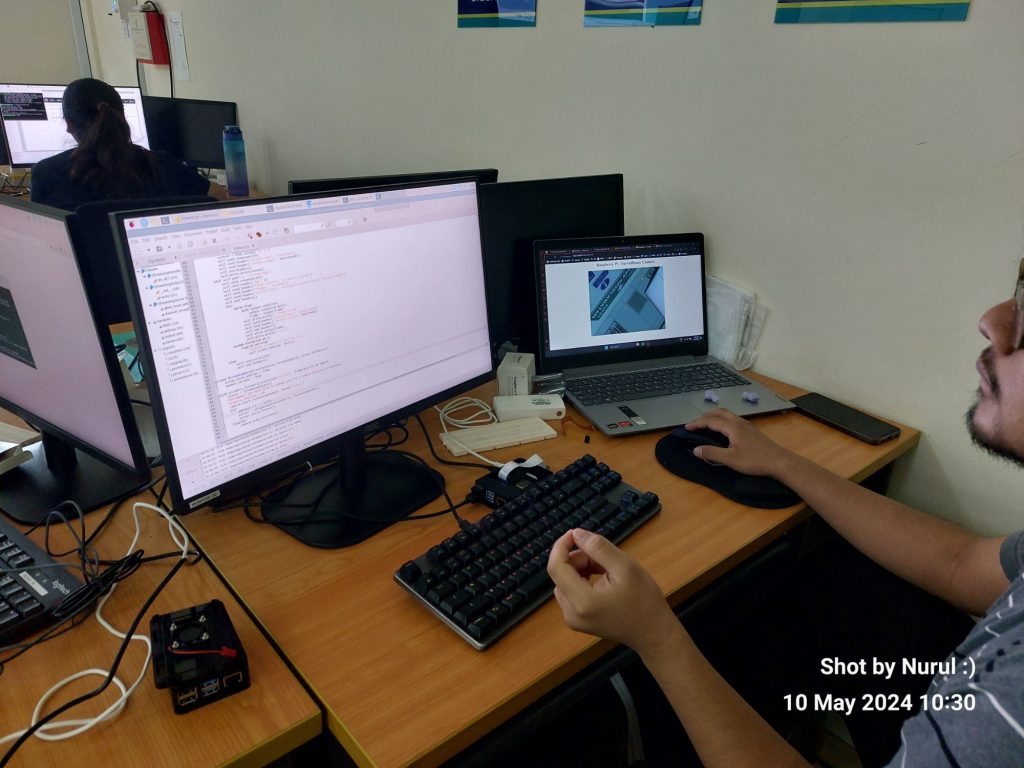
In today’s BTE1522 session, we looked into the multimedia capabilities offered by the Raspberry Pi. Step 6 and Step 7 of our hands-on activities took us through the exciting journey of photo capture, video recording, and local video streaming.
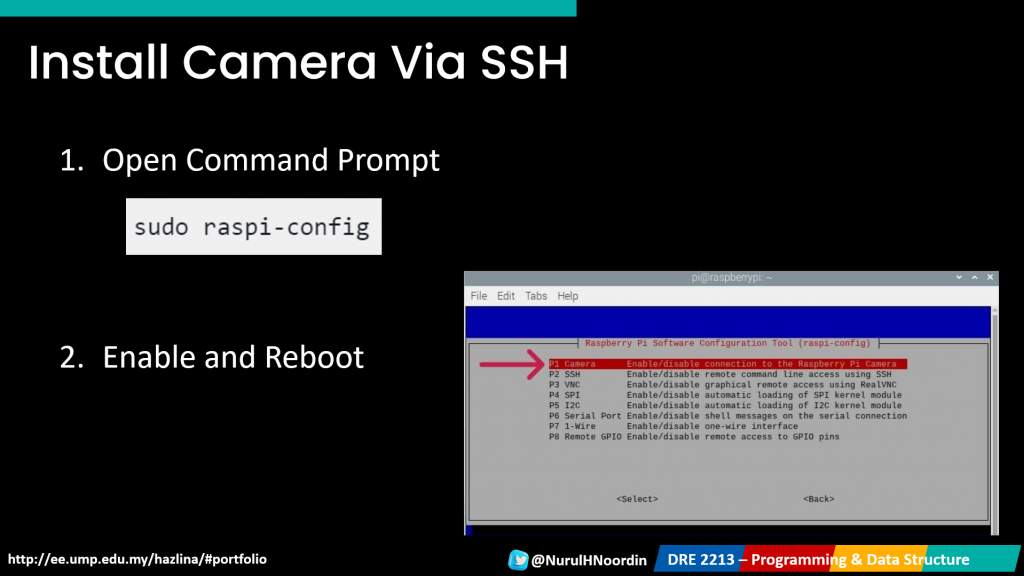
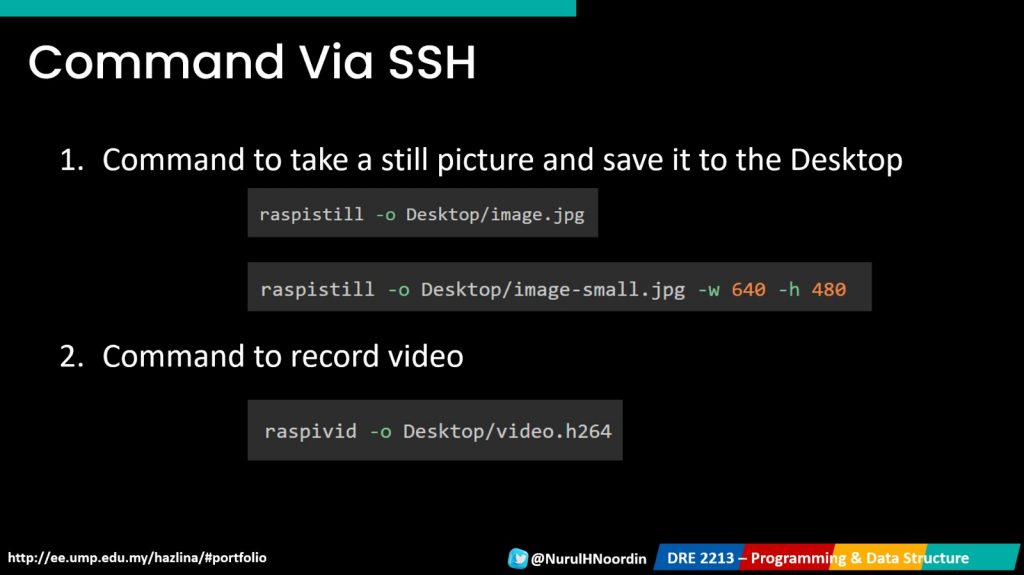
Photo Capture and Video Recording
In this step, our focus was on harnessing the power of the Raspberry Pi camera module to capture photos and record videos using Python. The learning outcomes were twofold: exploring multimedia capabilities and mastering Python programming for media tasks.
Photo capture using the Raspberry Pi camera module enables users to capture high-quality images directly from their Raspberry Pi devices. This functionality is very useful in projects requiring visual documentation, such as surveillance systems, wildlife monitoring, and environmental monitoring. With Python programming, users can customize photo capture settings, automate image capture based on predefined conditions, and integrate photos into larger projects seamlessly.
Innovative Uses includes –
Local Video Streaming
Moving forward, we explored the basics of video streaming and implemented local video streaming on the Raspberry Pi. This step aimed to broaden our understanding of multimedia applications and introduce the concept of live video streaming.
Video streaming on the Raspberry Pi enables users to transmit live video footage over a network, facilitating real-time communication, monitoring, and collaboration. This functionality finds applications in remote surveillance, video conferencing, educational webinars, and live event broadcasting. Using the power of Python and video streaming libraries, users can create customized video streaming solutions tailored to their specific needs.
It’s innovative work includes:-
This activities today laid the foundation for more advanced streaming applications and paved the way for further exploration in multimedia development. By the end of these activities, students gained valuable insights into the multimedia capabilities of Raspberry Pi and develop their Python skills for media-related tasks. They left the session equipped with the knowledge and confidence to embark on more ambitious multimedia projects in the future.

Stay tuned for our next session as we continue our journey into the world of innovation with Raspberry Pi!