Symposium AI in teaching and Learning

Date: 15 October 2025
Venue: Library Universiti Malaysia Pahang Al-Sultan Abdullah (UMPSA)
Organized by: UMPSA STEM Lab, Cardiff Metropolitan University (Cardiff Met), and The British Council
Supported by: Fakulti Teknologi Kejuruteraan Elektrik & Elektronik (FTKEE), Jabatan Pendidikan Negeri (JPN) Pahang, and Universiti Pendidikan Sultan Idris (UPSI)
Grant Support: PIE-WISE (Partnership for Innovation in Education), British Council
UK Lead: Prof. Dr. Esyin Chew (Cardiff Metropolitan University)
Malaysia Lead: PM Ir. Dr. Nurul Hazlina (UMPSA)

The Teaching & Learning Symposium 2025 marks the second major milestone in the collaboration between UMPSA STEM Lab, Cardiff Metropolitan University, and The British Council, following the first roundtable discussion in 2023 which identified key challenges and strategies for empowering teachers in STEM education.

The 2025 symposium extends this vision beyond STEM disciplines, inviting educators from various fields to explore innovative teaching methodologies underpinned by AI (Artificial Intelligence) and immersive Meta technologies. This year’s theme, “Empowering Innovative Pedagogies through Technology Integration,” aligns with national education priorities to embed TPACK (Technological Pedagogical Content Knowledge) frameworks across disciplines.

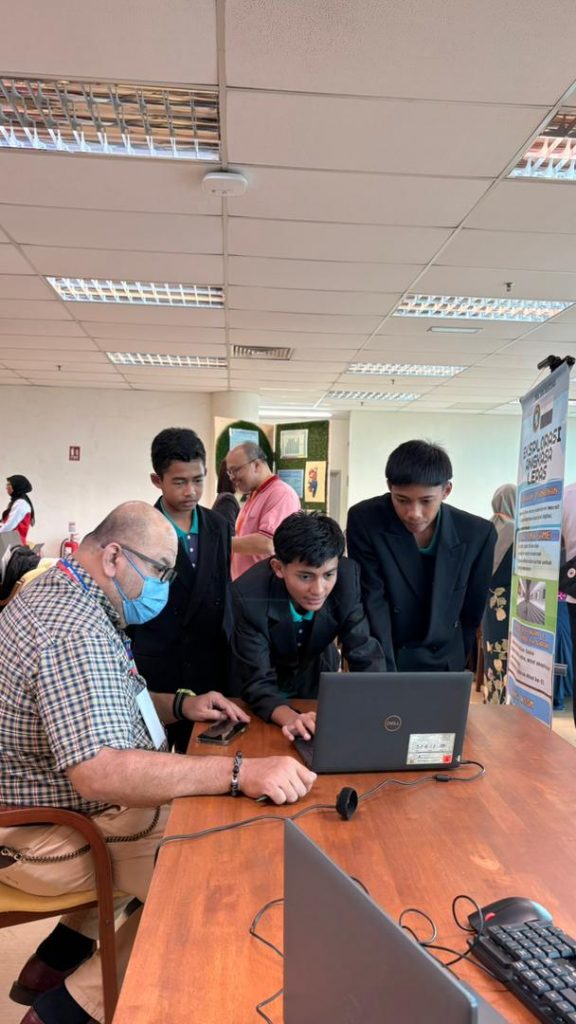
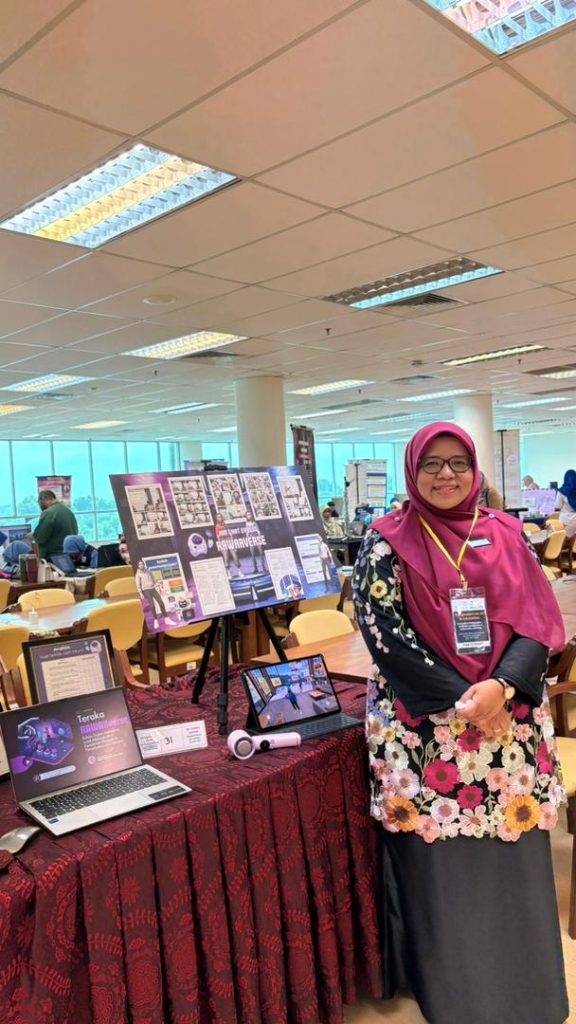
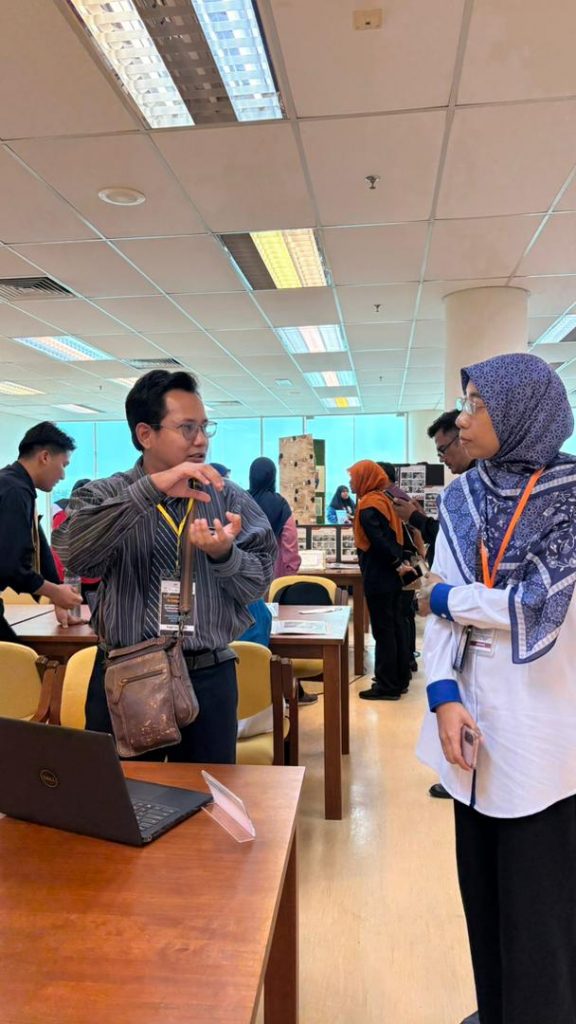
Through this event, teachers from Malaysia’s East Coast region were given the platform to present their digital innovations, exchange ideas, and engage in reflective discourse on ethics, pedagogy, and the human dimension of technology in education.

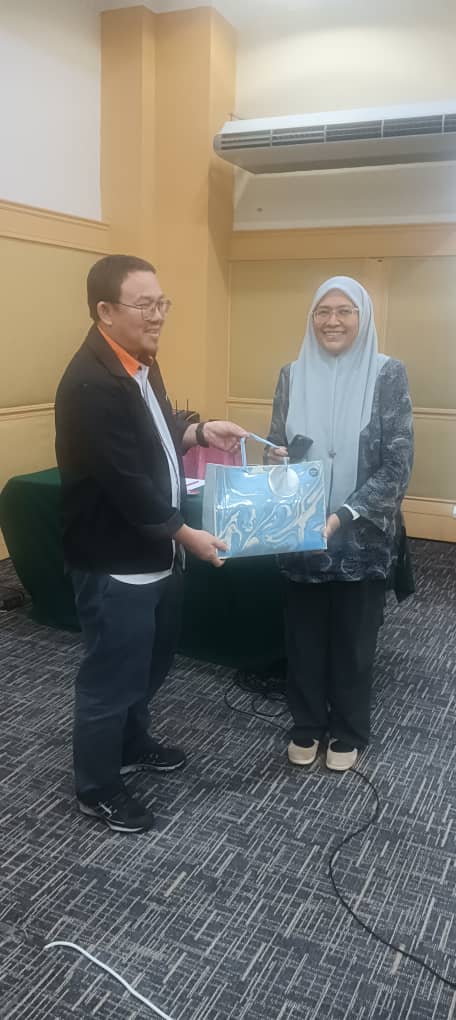
The symposium was officiated by Prof. Dr. Hamzah Ahmad, Dean of the Faculty of Electrical & Electronic Engineering Technology (FTKEE), UMPSA.

In his opening speech, Prof. Hamzah emphasized that technology should not replace the teacher, but rather amplify the teacher’s creativity, empathy, and impact. He commended the partnership between UMPSA, Cardiff Met, and the British Council for creating a platform that nurtures global collaboration and educational innovation.

Following the officiation, two keynote sessions set the tone for the event:

  • Keynote 1: “Embedding AI in Pedagogy: Designing Learning for the Future”
    — delivered by Prof. Dr. Esyin Chew (Cardiff Met), who highlighted the growing role of AI in reimagining classroom instruction, feedback mechanisms, and adaptive learning systems. She encouraged educators to use AI not as a replacement for teaching but as a co-teacher and creative partner.

  • Keynote 2: “TVET Futures: Digital Competency in Classroom and Beyond”
    — delivered by Encik Mohammad Dzulkhairy bin Abdul Rahman, Ketua Penolong Pengarah Kanan TVET, JPN Pahang. He emphasized the importance of digital literacy and pedagogical innovation within Malaysia’s TVET ecosystem and recognized the symposium as an important step in connecting school-level practices with higher education initiatives.

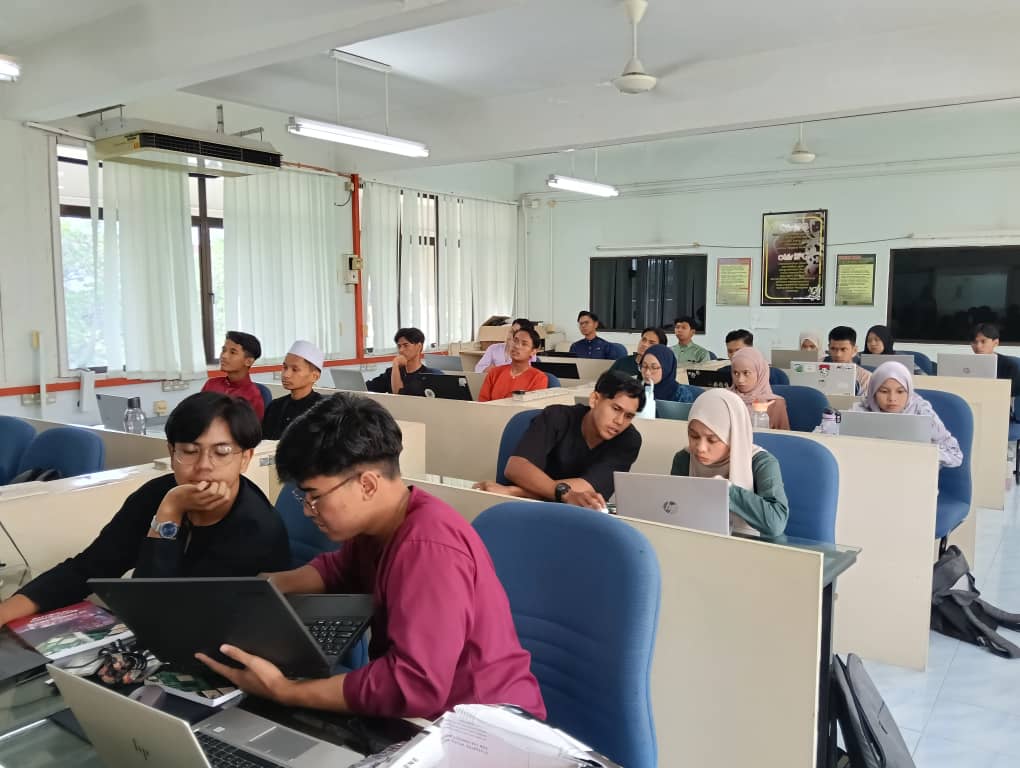
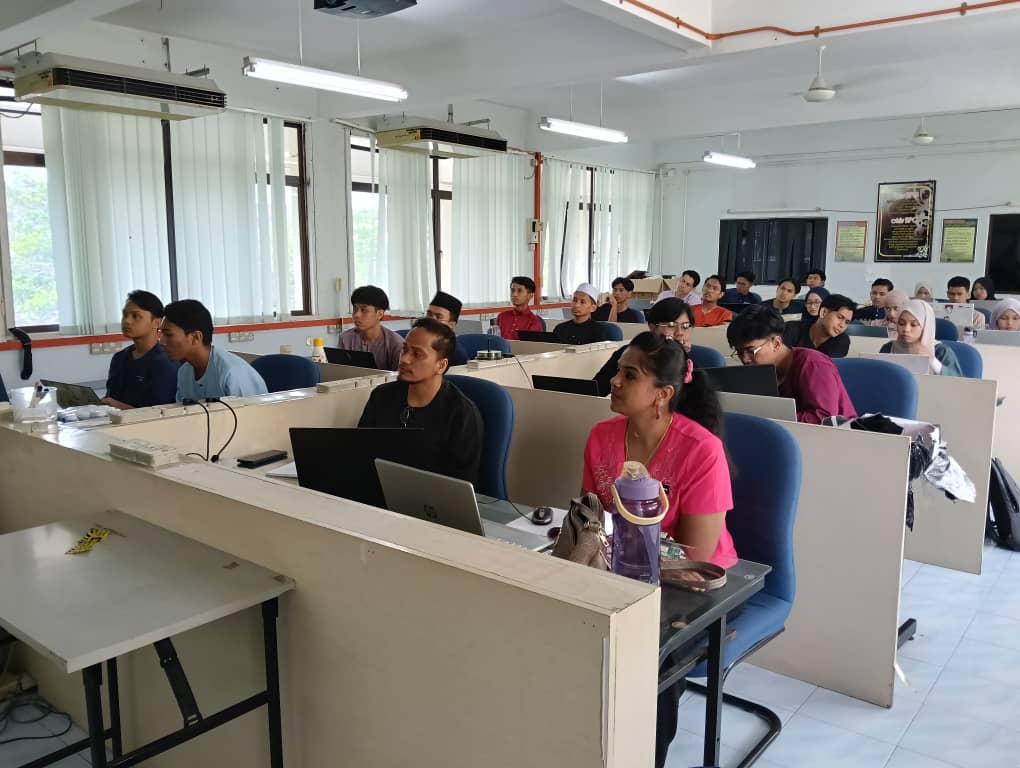
The symposium brought together 59 teachers from across Pahang, Terengganu, and Kelantan, along with 70 university students from UMPSA. Participants were organized into two main presentation tracks:

  • Track A: Immersive Meta Technologies in Education

  • Track B: Artificial Intelligence (AI) in Education

Each track reflected outcomes from two earlier capacity-building workshops conducted in May and June 2025.

Track A — Immersive Meta Technologies

Participants in this track showcased innovative classroom projects developed using Meta and VR tools to simulate immersive learning environments. Projects included:

  • Virtual language classrooms for Bahasa Melayu and Arabic;

  • Interactive STEM labs using 3D spaces to visualize scientific phenomena;

  • Cultural heritage explorations through virtual storytelling environments.

These initiatives demonstrated how immersive technologies foster student engagement, experiential learning, and creativity beyond traditional classroom boundaries.

Track B — AI Integration in Education

Teachers in this track explored AI-assisted pedagogy, using tools such as ChatGPT, Gemini, and other generative platforms to support:

  • Lesson planning and differentiated instruction;

  • Automated quiz generation and content summarization;

  • Reflection activities and learning analytics.

Presentations spanned diverse disciplines—Mathematics, Pendidikan Islam, Arabic Language, Bahasa Melayu, and Science—showcasing how AI can enhance teaching effectiveness while encouraging students to think critically and ethically about AI-generated content.


A panel of judges from UMPSA, JPN Pahang, and UPSI evaluated each presentation based on:

  1. Innovation and Creativity,

  2. Pedagogical Value,

  3. Impact on Student Learning, and

  4. Integration of Technology and Ethics.

The evaluation rubric reflected the symposium’s goal of promoting technology-empowered yet value-driven pedagogy. Winners for each track were announced on the second day of the symposium, recognizing educators who demonstrated exemplary creativity, inclusivity, and pedagogical depth.

The symposium generated both educational and community impact:

  • Teacher Empowerment:
    Strengthened teacher confidence and competence in applying AI and immersive tools in classroom pedagogy.

  • Community Reach Directly benefitted 59 teachers and indirectly impacted approximately 1,700 students through classroom implementation (average 30 students per teacher).

  • Collaborative Ecosystem Created a regional network connecting UMPSA, JPN, UPSI, and participating schools to sustain continuous digital pedagogy innovation.

  • Ethical Awareness Through the forum, educators developed a deeper understanding of the moral, ethical, and spiritual considerations of using AI in education.

  • Knowledge Exchange Facilitated meaningful dialogue between UK and Malaysian scholars, strengthening the bridge between research, teaching, and societal development.

The organizing committee extends heartfelt appreciation to:

    1. The British Council and Cardiff Metropolitan University, for funding and partnership under the PIE-WISE Grant.

    2. FTKEE UMPSA for leadership and venue support.

    3. JPN Pahang and UPSI for their contribution as judges and collaborators.

    4. Participating teachers and students for their enthusiasm and creativity.

    5. The UMPSA STEM Lab for their tireless effort in organizing workshops, symposium tracks, and the AI-Values Forum.


The Teaching & Learning Symposium 2025 stands as a testament to the shared vision of UMPSA, Cardiff Met, and The British Council in advancing education through innovation, technology, and values.

This collaboration demonstrates that meaningful progress in education must balance technological capability with human responsibility. By integrating immersive learning and AI into pedagogy—anchored in ethical and cultural awareness—this initiative has successfully empowered educators to teach with creativity, lead with empathy, and inspire lasting impact in their classrooms and communities.

Raspberry Pi Programming 2025/7 MRSM Kulim

*UMPSA STEM Lab Raspberry Pi Programming Synopsis can be found here.

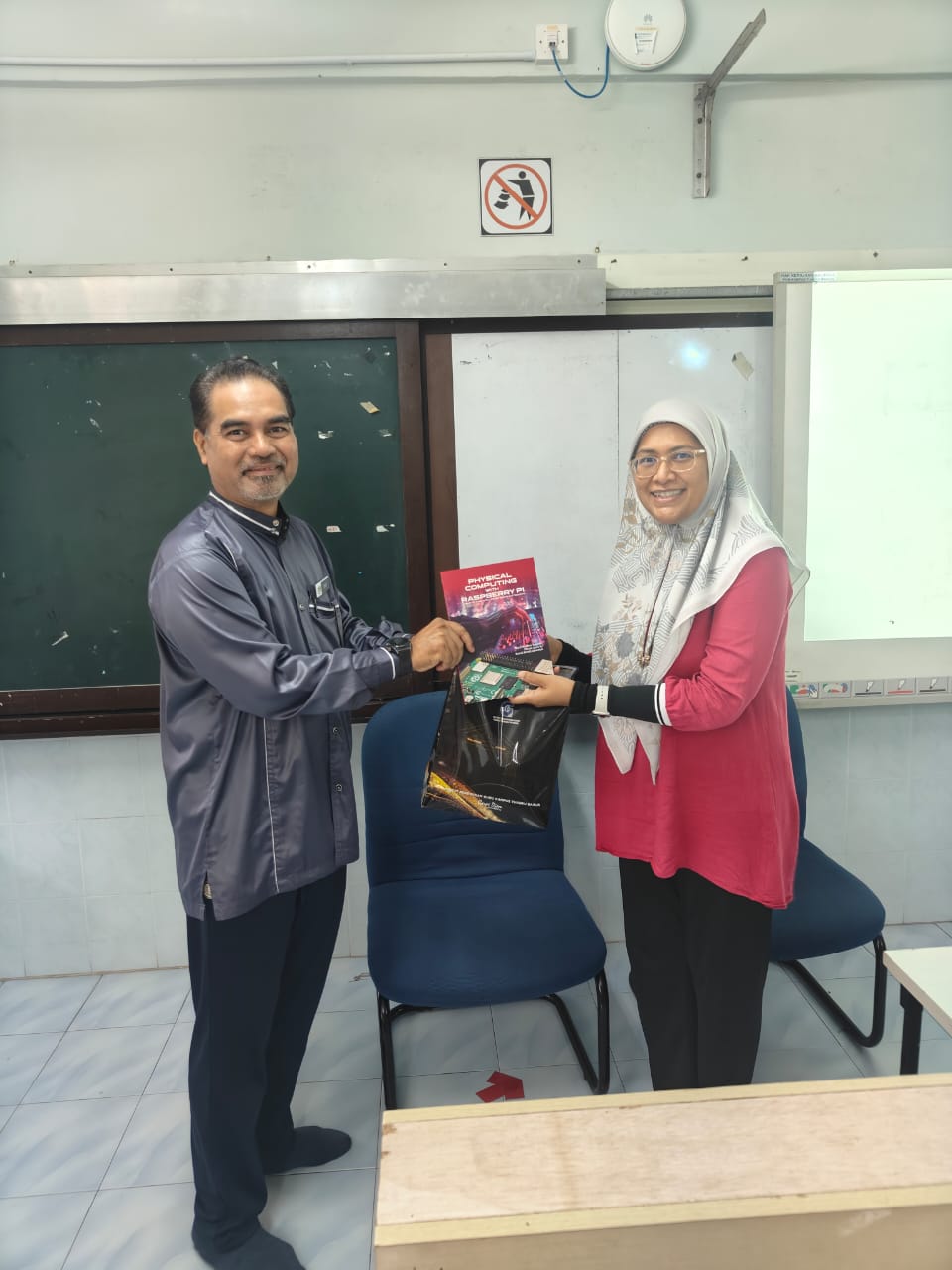
In the Raspberry Pi IoT session, 28 students and teachers from MRSM PDRM Kulim were introduced to the concept of the Internet of Things (IoT) using Raspberry Pi on the UMP STEM Cube, a pico-satellite learning kit specifically designed to facilitate engineering learning.

The content covered basic digital input/output operations on onboard LEDs, as well as topics such as dashboard design using gyro meter and BMU280 sensor data, including collecting and storing data in a cloud database. Participants learned to interface sensors with Raspberry Pi boards and develop IoT applications for real-world scenarios. The session provided students with valuable insights into IoT technology and its applications in various domains.

A special appreciation is extended to Cikgu Salshaheda dan Cikgu Ida Sharlini from MRSM PRDM Kulim for coordination in facilitating communication between the participants and the UMPSA STEM Lab :).

Oct 11th, 2025


Raspberry Pi Programming 2025/6 – IPGSM Tuanku Bainun

*UMPSA STEM Lab Raspberry Pi Programming Synopsis can be found here.

In the Raspberry Pi IoT session, 34 students and teachers from IPGSM Tuanku Bainun were introduced to the concept of the Internet of Things (IoT) using Raspberry Pi on the UMP STEM Cube, a pico-satellite learning kit specifically designed to facilitate engineering learning.

The content covered basic digital input/output operations on onboard LEDs, as well as topics such as dashboard design using gyro meter and BMU280 sensor data, including collecting and storing data in a cloud database. Participants learned to interface sensors with Raspberry Pi boards and develop IoT applications for real-world scenarios. The session provided students with valuable insights into IoT technology and its applications in various domains.

A special appreciation is extended to En Zaki from MRSM PRDM Kulim for coordination in facilitating communication between the participants and the UMPSA STEM Lab :).

Oct 10th, 2025

Board of Studies – Engineering Tech Program

Today I had the privilege to serve as a Board of Studies member for a program review at Universiti Kuala Lumpur (UNIKL), focusing on the Engineering Technology in Electronics Manufacturing field. The session brought together academics and industry experts to discuss and deliberate  how future technologists can thrive in Malaysia’s fast-evolving manufacturing landscape.

Engineeting tech is a forward-thinking approach to curriculum formulation — one that balances practical skills and theoretical foundations in a 50:50 model. The discussion centered on ensuring that graduates are not only technically competent, but also digitally fluent, able to work with modern manufacturing systems that increasingly rely on automation, data analytics, and smart technologies.

In today’s factories, the shift from Excel-based monitoring to Power BI dashboards and AI-driven process insights is transforming how production decisions are made. Embedding data analytics and smart manufacturing concepts into the academic structure will empower future graduates to serve effectively in backend operations, process optimization, and industrial transformation initiatives — areas crucial to Malaysia’s ambition under Industry 4.0.

I found the review process deeply inspiring — a reflection of how universities like UNIKL are proactively aligning their programs with national and global needs, preparing graduates to be creative, adaptable, and industry-ready. This is indeed the way forward: designing curriculum not just for today’s jobs, but for tomorrow’s challenges.

All the best 🙂

AI in Programming Education – PPD Kuantan

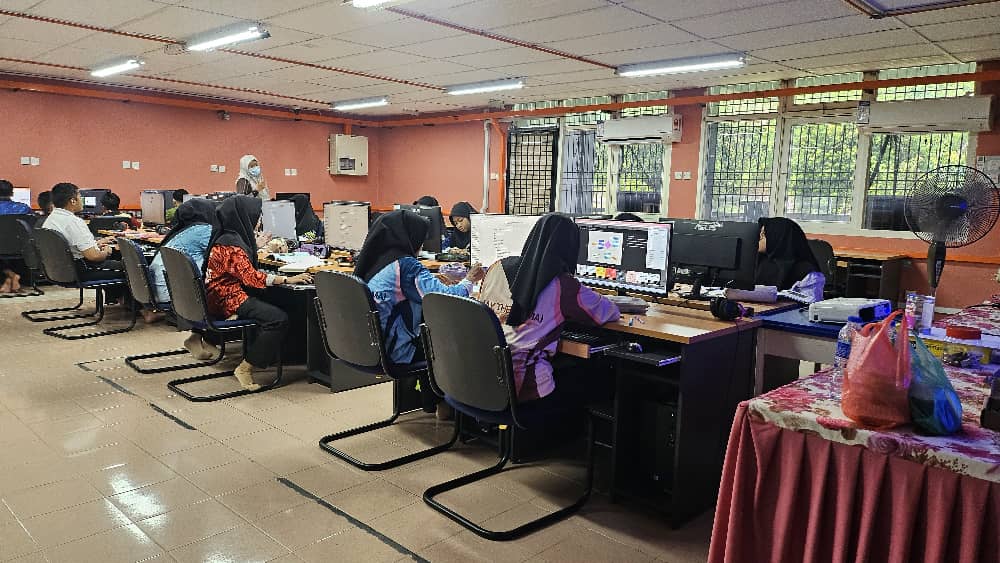
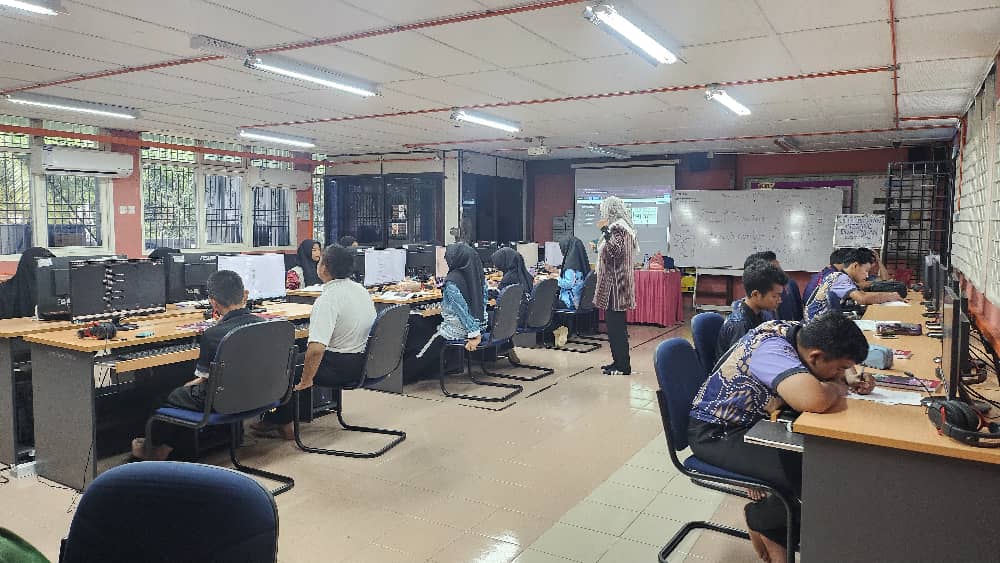
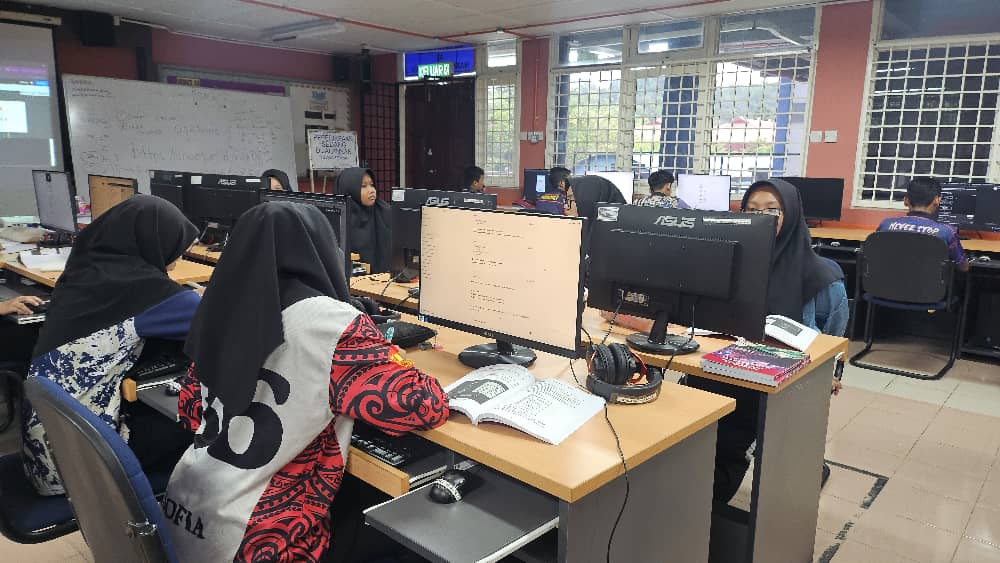
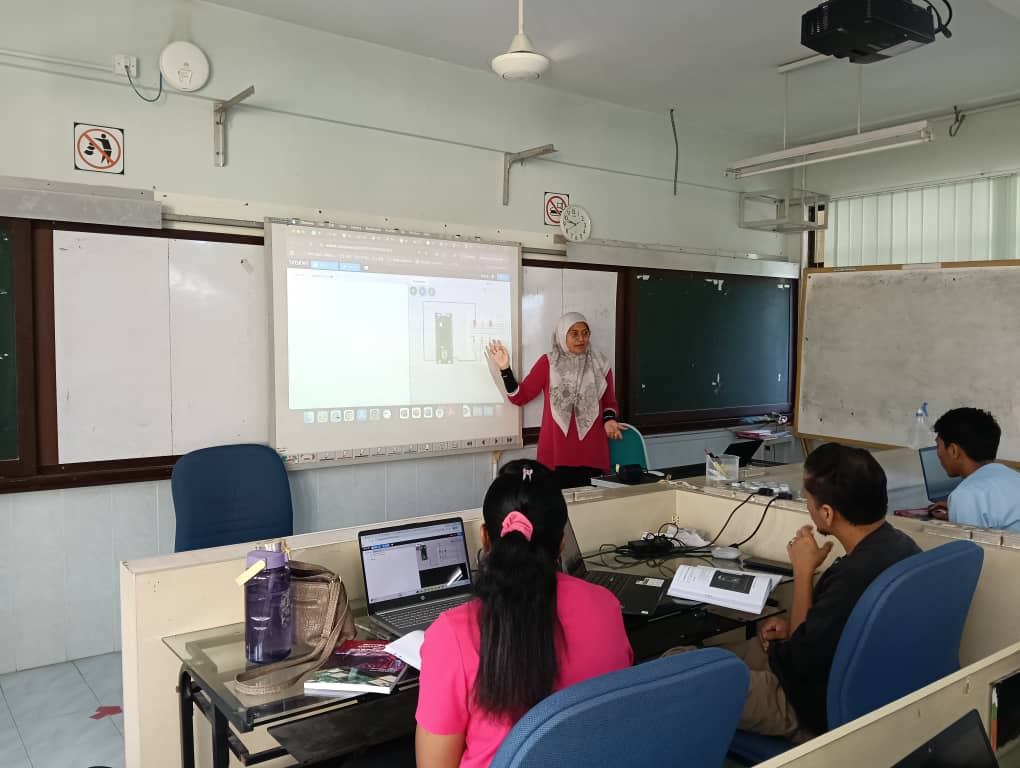
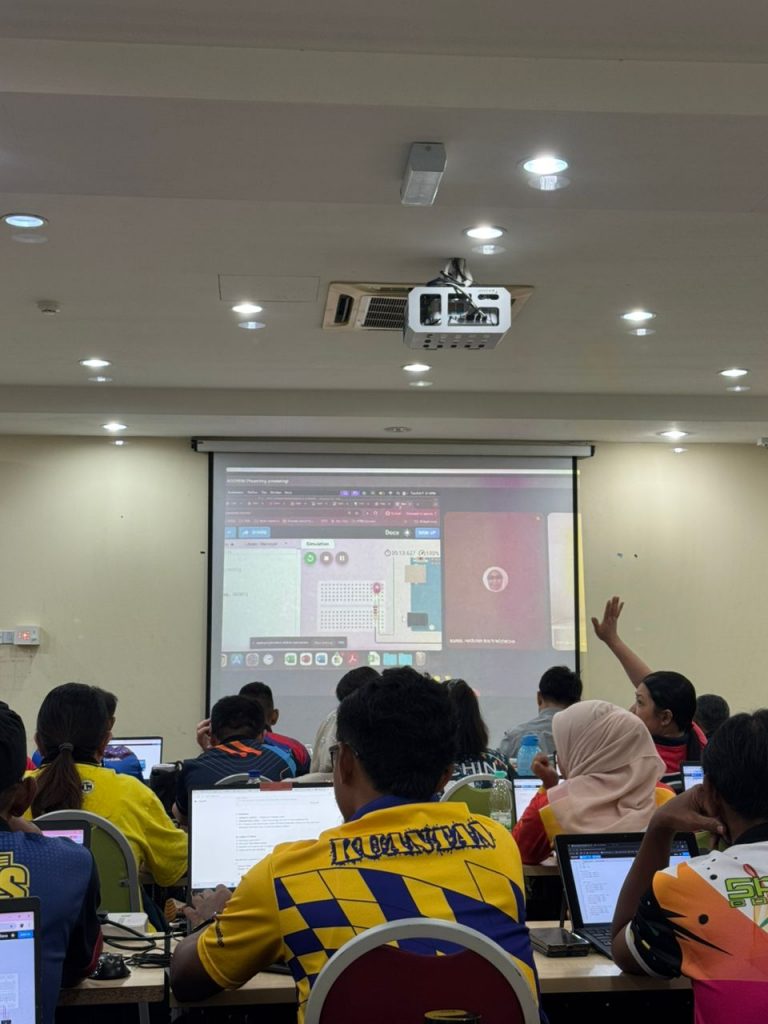
In collaboration with Pejabat Pendidikan Daerah (PPD) Kuantan, the UMPSA STEM Lab conducted a hands-on training session involving 84 teachers from various schools around Kuantan. The program focused on the integration of Artificial Intelligence (AI) in programming education, emphasizing how generative AI tools can assist teachers in guiding students through coding and digital making activities.

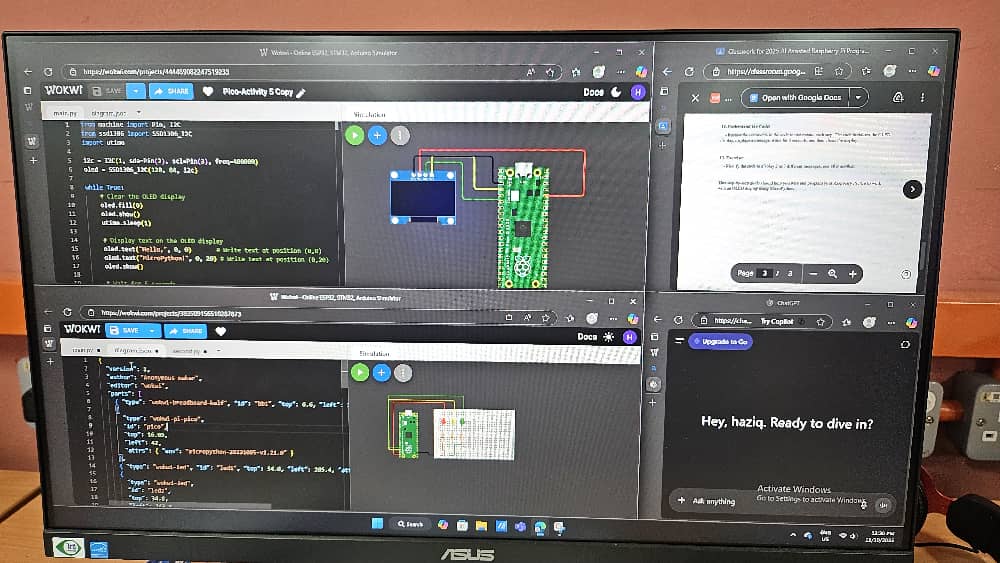
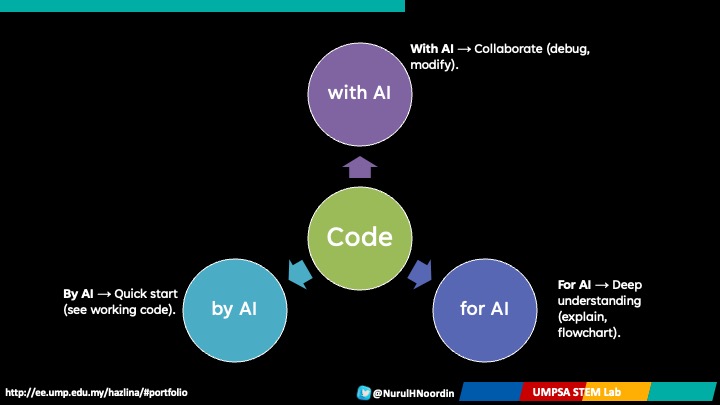
As AI becomes increasingly embedded in education, understanding how to leverage it effectively within programming instruction has become essential. This training aimed to introduce educators to AI-assisted learning environments, particularly through AI prompting strategies and virtual simulations. Teachers explored how Generative AI (GenAI) can support lesson preparation, idea generation, and code debugging when applied thoughtfully and ethically.

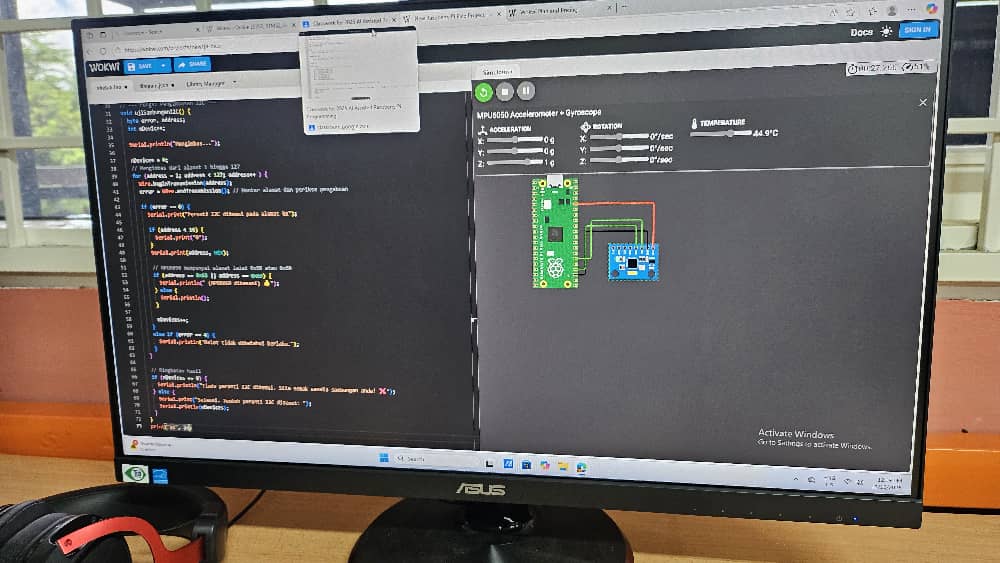
The practical component of the training used Wokwi, an online electronics simulator, to allow participants to experience programming concepts without requiring physical hardware. The circuits built were emulated from UMPSA STEM Board – in the context of line following robot.

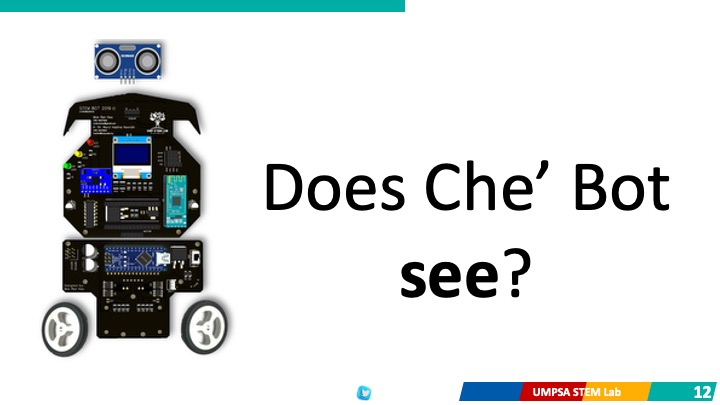
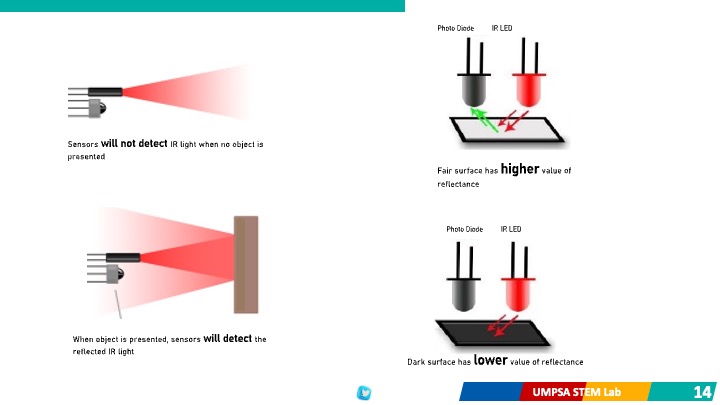
In a line following robot, IR sensors play a crucial role, enabling it to ‘see’ the lines.

‘See’ing in this context is the ability of the robot to differentiate black and white surface. It is then, when the robot can identify lines (black line on white surface – or vice versa).

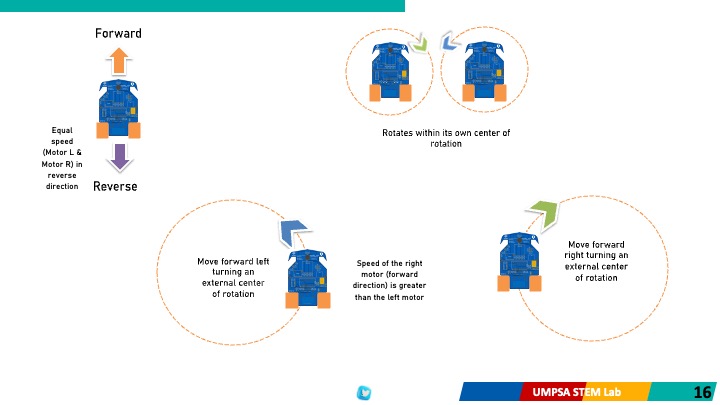
Now that robot can identify lines, we can steer the robot to follow the lines.

Follow the lines by steering its wheel (speed of the motor).

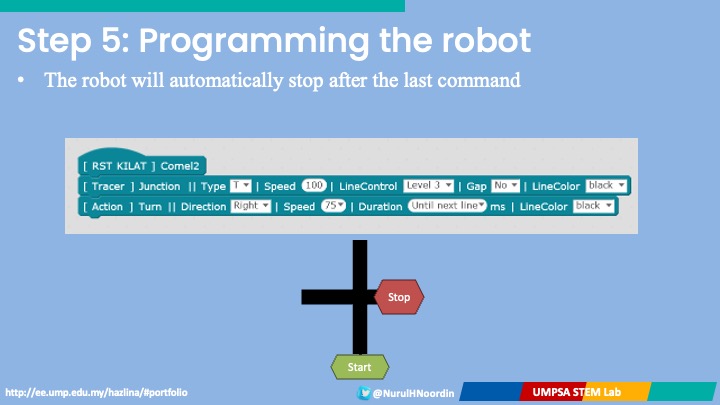
Choosing the right junction.

Two main exercises were conducted:

  1. LED Blinking Simulation
    Teachers learned to simulate an Arduino circuit that controls an LED, turning it ON for two seconds and OFF for one second. Through AI-assisted code generation, participants explored how well-crafted prompts could lead to accurate code suggestions and explanations of syntax.

  2. Photoresistor Diode (LDR) Reading
    The second exercise involved simulating a photoresistor (light-dependent resistor) circuit. Teachers observed how sensor readings could be displayed through the Arduino Serial Monitor, helping students understand analog-to-digital conversion and conditional responses in programming.

These activities allowed teachers to see how AI can serve as a co-facilitator in programming education—helping to generate, explain, and troubleshoot code within a safe simulation environment.

The training highlighted that while AI and Generative AI tools such as ChatGPT can significantly enhance programming education, their use must be structured and contextualized.

Teachers were guided to:

  • Set clear objectives before using AI tools.

  • Frame prompts in the right context, specifying the programming environment (e.g., Arduino, Python, or Scratch).

  • Critically evaluate AI-generated content, ensuring its accuracy and relevance to learning goals.

AI should not replace human reasoning or pedagogical expertise. Instead, it should augment the teacher’s role—offering suggestions, examples, and explanations that support conceptual understanding.

Participants are positive about how AI could make programming more approachable for students, especially when paired with simulation tools like Wokwi. Many teachers noted that AI-assisted simulations could bridge the gap between theoretical instruction and hands-on experimentation, particularly when hardware resources are limited.

However, discussions also emphasized the need for ethical awareness, critical thinking, and responsible prompting—to ensure AI is used meaningfully, not mechanically.

The session concluded with a shared understanding that AI can be a transformative educational ally when used in the right way. By combining AI-assisted learning, simulation-based programming, and thoughtful prompting, educators can nurture more engaging, inquiry-based, and reflective classroom experiences.

As UMPSA STEM Lab continues to support digital and AI literacy initiatives, collaborations with educational partners such as PPD Kuantan remain vital in preparing teachers to lead Malaysia’s next generation of computational thinkers. Thank you Ms Lim from PPD Kuantan for the initiative and facilitating the communication between UMPSA STEM Lab and the participants.

Arduino Programming (AI Assisted) 2025/3 – KV Kulim

Synopsis on AI Assisted Learning @UMPSA STEM Lab module.

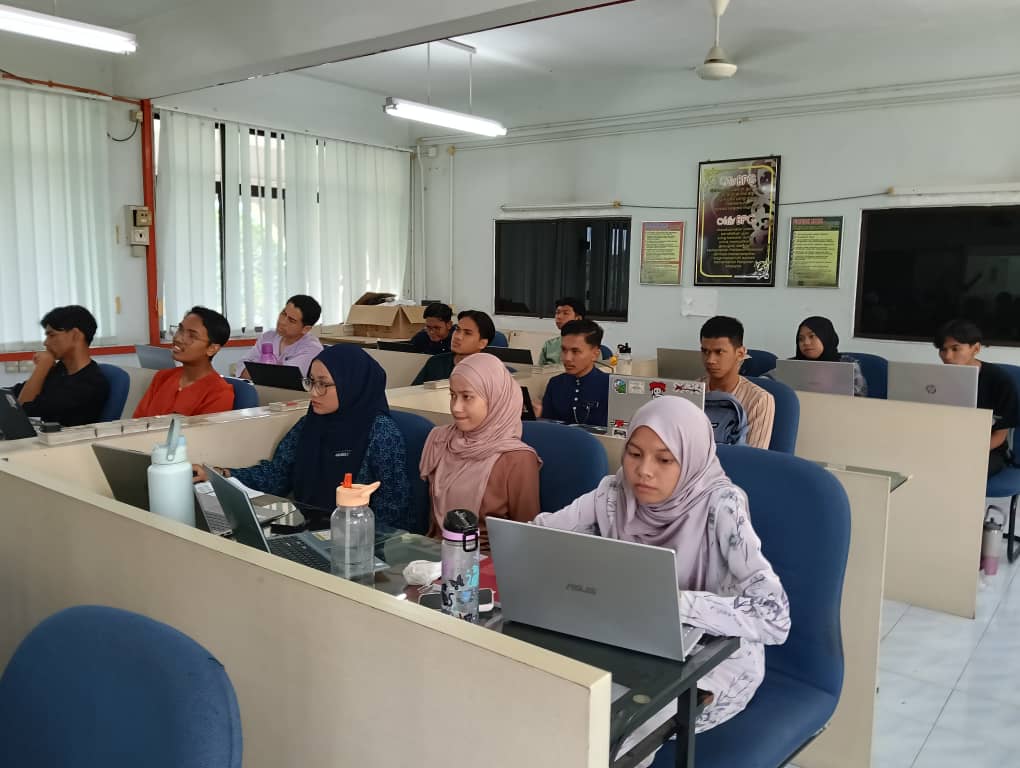
Today’s session, in collaboration with Kolej Vokasional Kulim, involves interactive session for 36 students and teachers.

The session was designed with a clear objective to demystify the basics of Arduino programming and physical computing while leveraging AI tools to make the learning process more intuitive and accessible. For many of these participants, this was their first exposure to the intricacies of coding and the fascinating world of microcontrollers. The use of AI in the learning process provided a significant boost, enabling them to grasp complex concepts more easily and with greater confidence.

The essence of the session was a series of six hands-on activities, each carefully crafted to build upon the previous one, ensuring a gradual yet comprehensive learning experience. These activities were designed not only to teach the basics of programming and electronics but also to illustrate how AI can be a valuable ally in the learning process.

During the session, participants were introduced to the Arduino platform, gaining a solid understanding of its components and the vast potential it holds for creating interactive projects. This foundational knowledge was crucial as it set the stage for the more complex tasks that followed. Leveraging AI tools like ChatGPT, participants witnessed firsthand how AI could assist in generating and debugging code, making the learning process more efficient. This activity demonstrated the practical benefits of AI, especially in reducing the learning curve for beginners.

As they progressed, the participants engaged in the classic “Hello World” of Arduino by writing simple code to control an LED, an experience that built their confidence and deepened their understanding of digital outputs. The next step in their learning journey was the traffic light simulation project, where they applied control structures to manage multiple outputs. This project not only taught them the intricacies of timing and logic but also encouraged them to think critically about how these elements interact in real-world applications.

Further advancing their skills, the participants used AI-generated code to integrate sensors like photoresistors into their projects, introducing them to the world of analog inputs and sensor data processing. The session culminated in an activity where they used an ultrasonic sensor to measure distance, with real-time results displayed, helping them grasp the concepts of pulse measurement and the practical application of their coding skills in tangible, real-world scenarios.

To all the participants, nice meeting you and hope to see you again in the future.

Thank you Ts Roslinda Rosli for coordinating the session between UMPSA STEM Lab and the participants today.