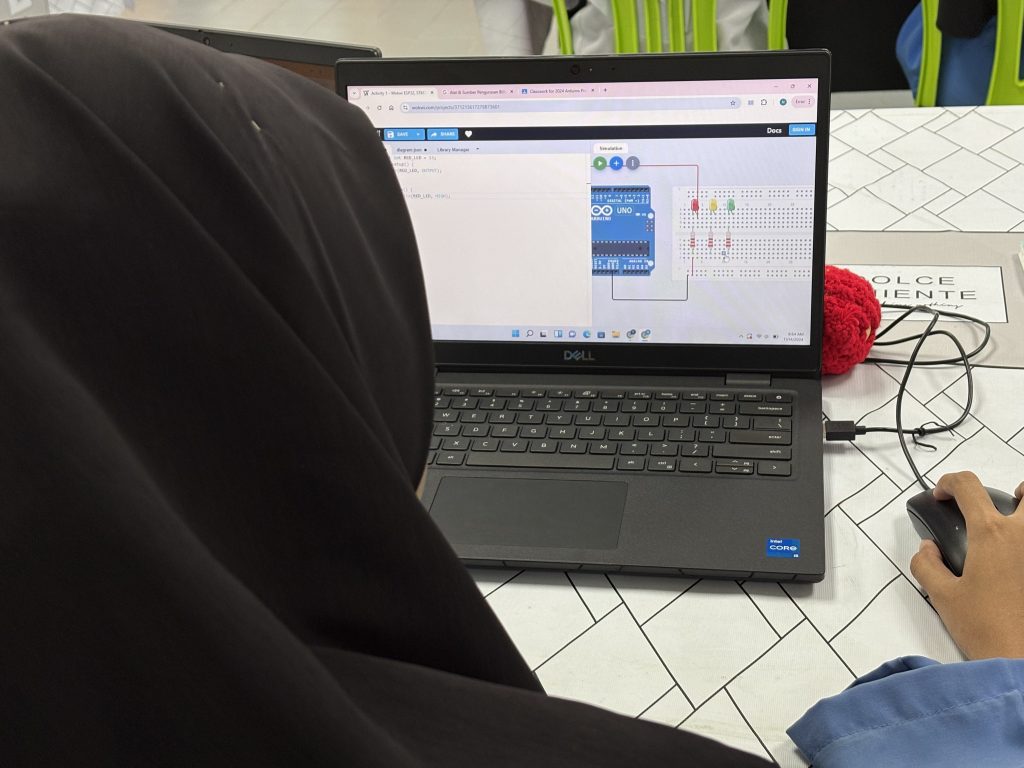
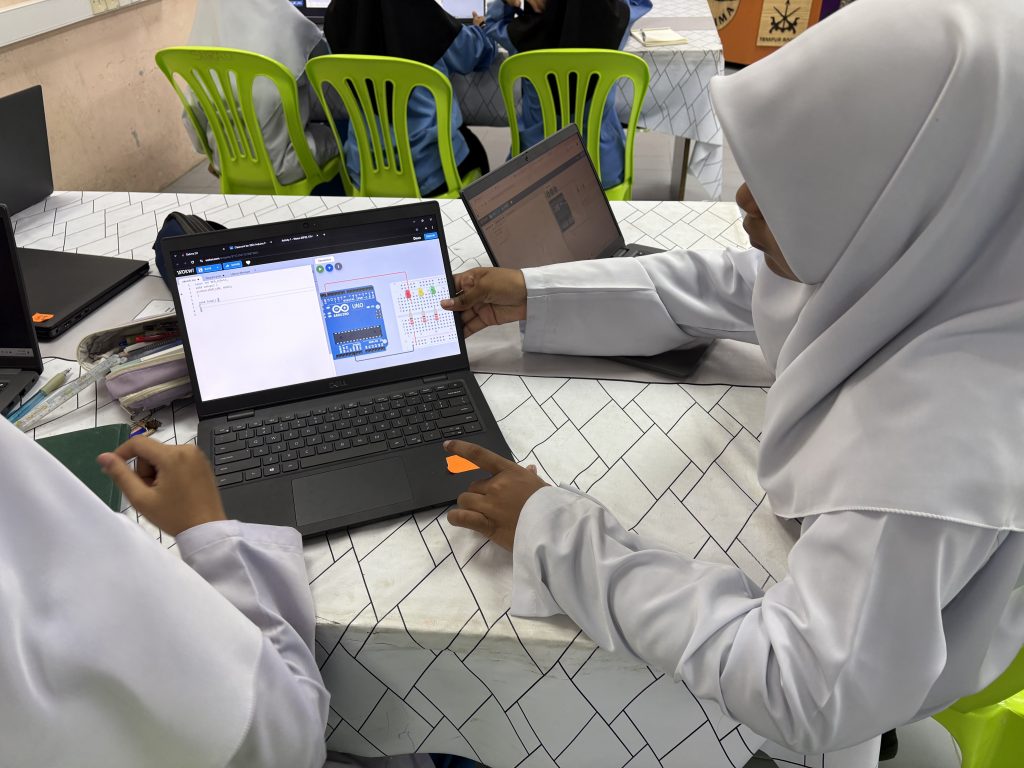
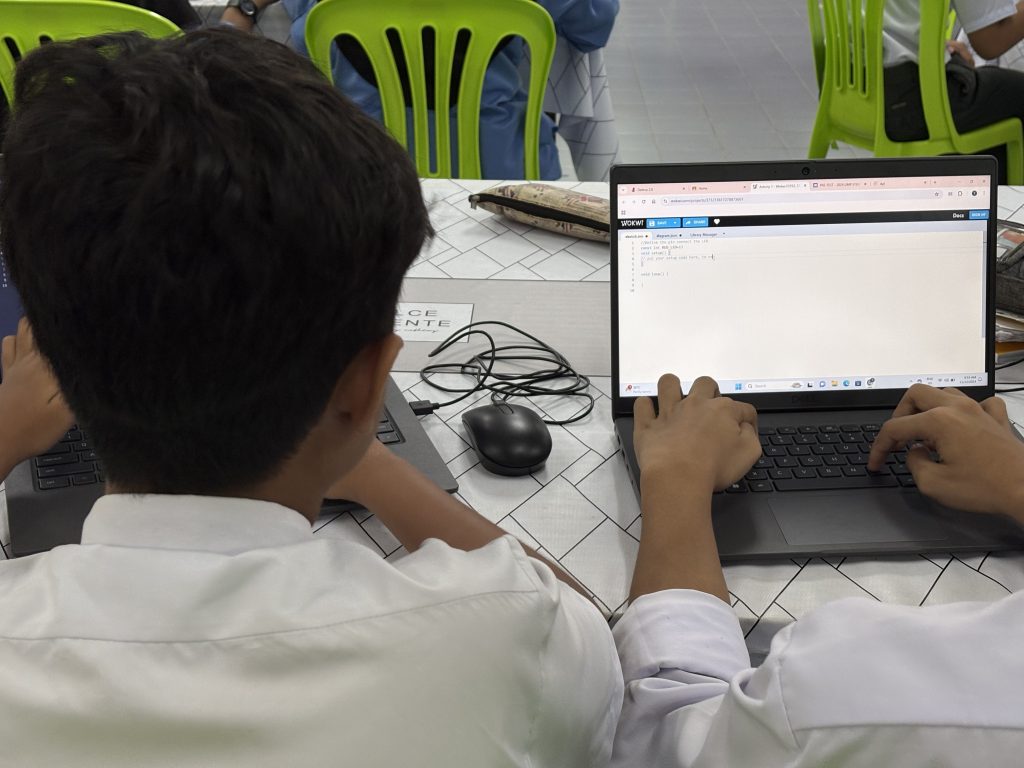
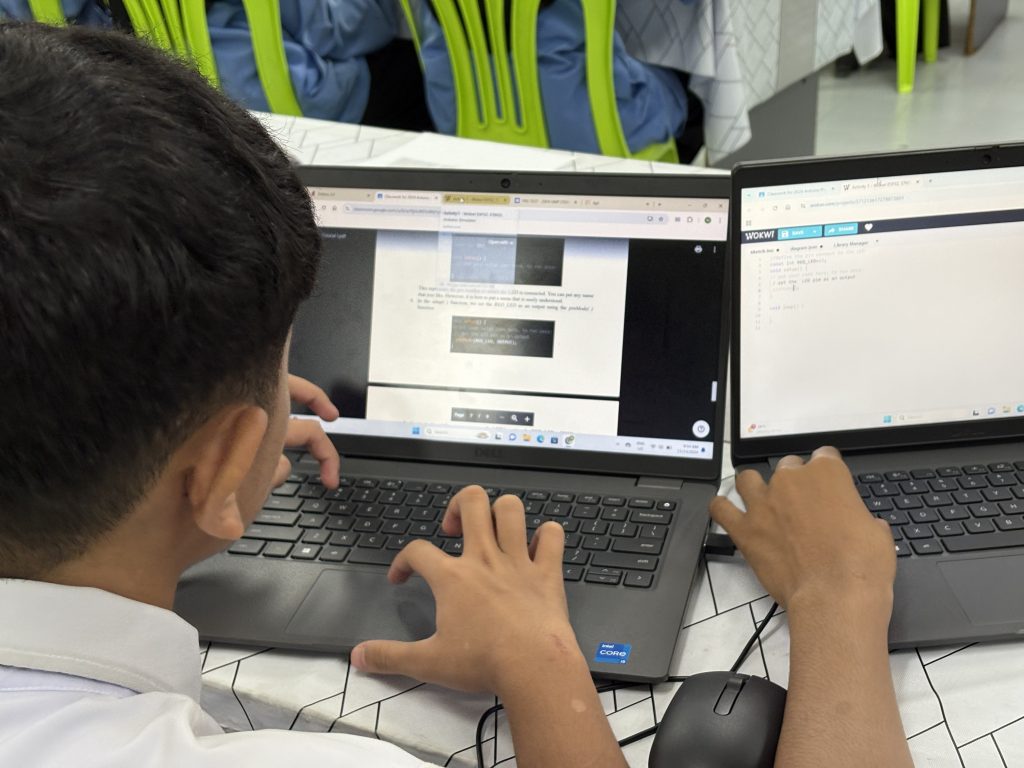
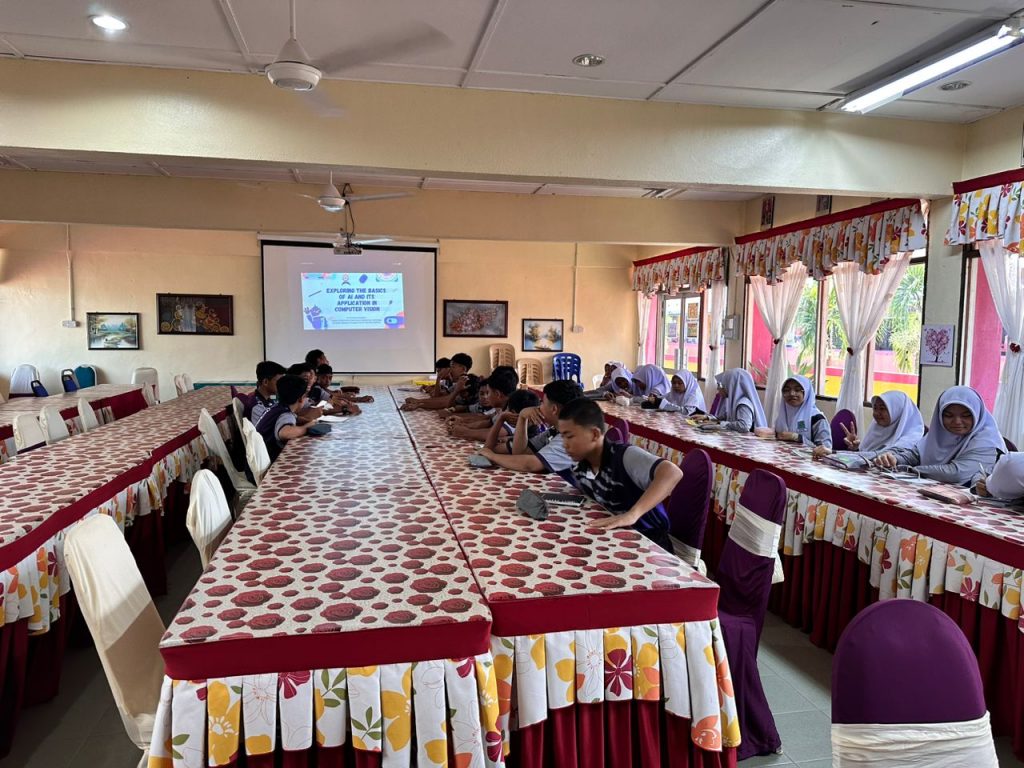
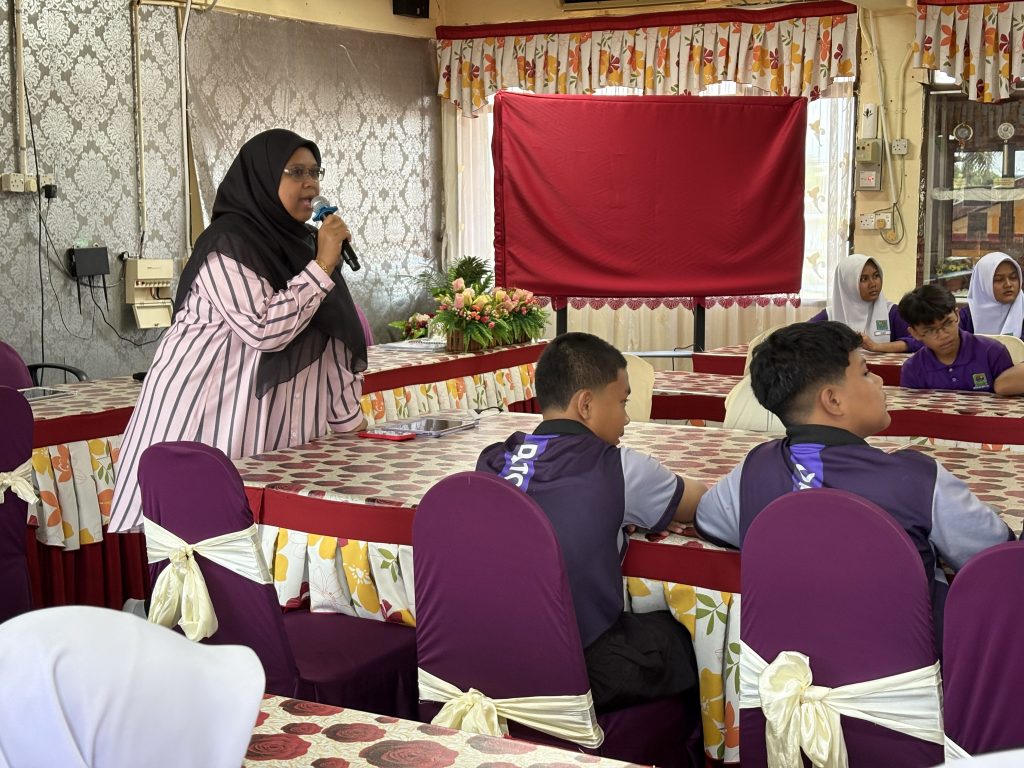
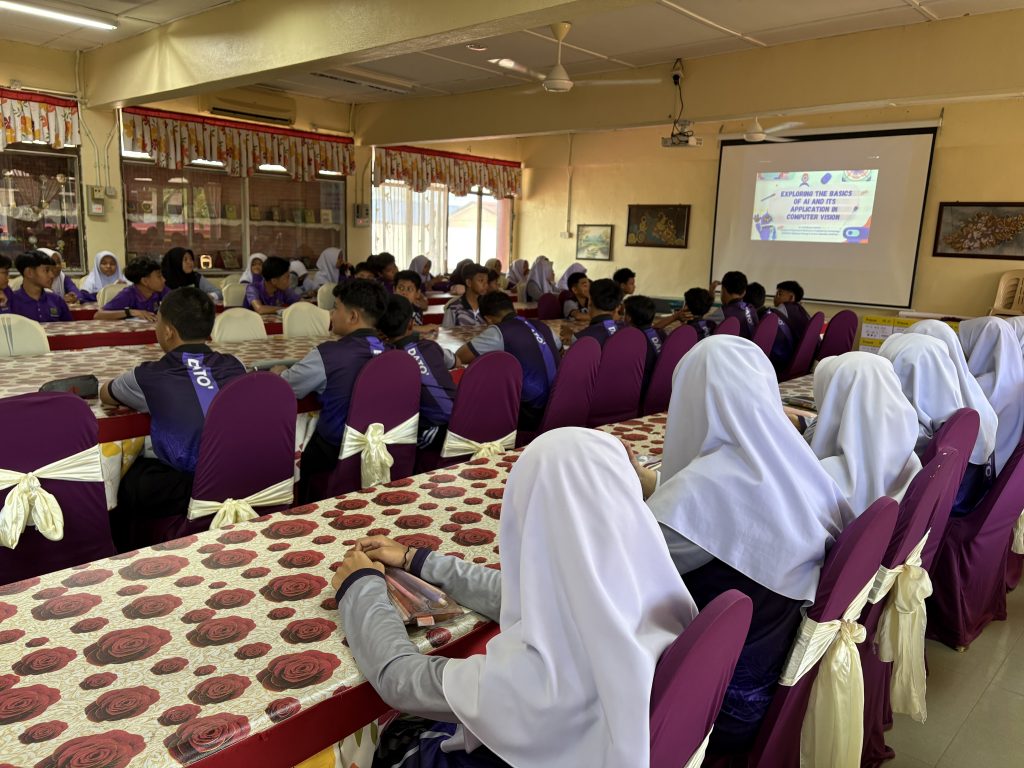
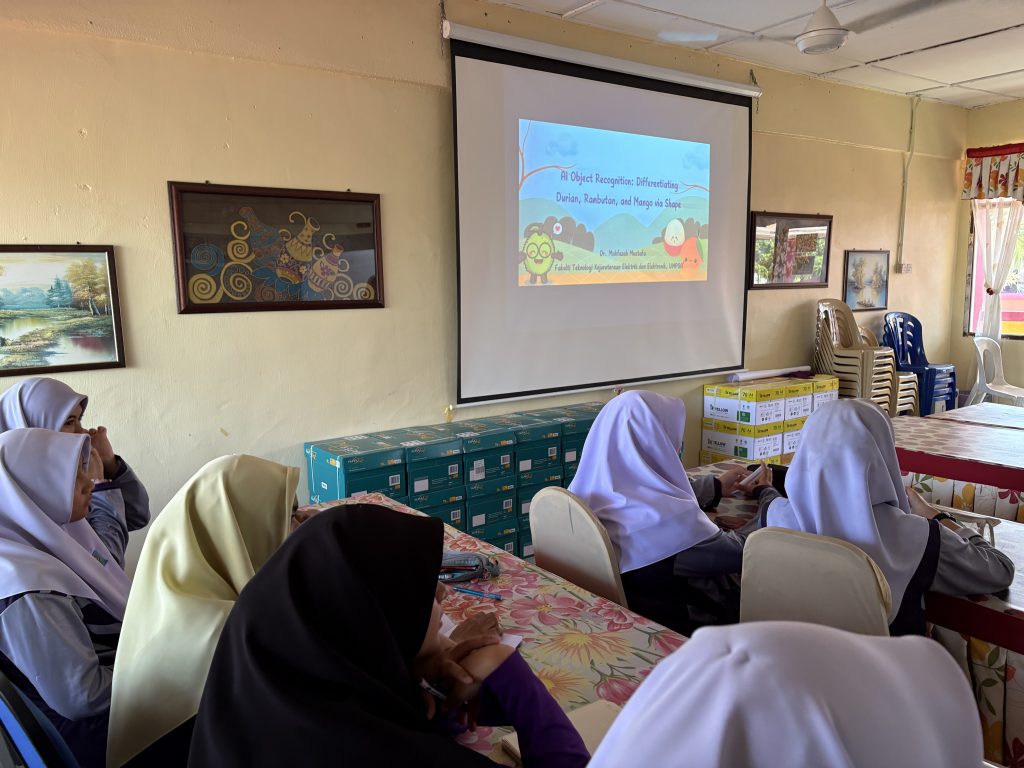
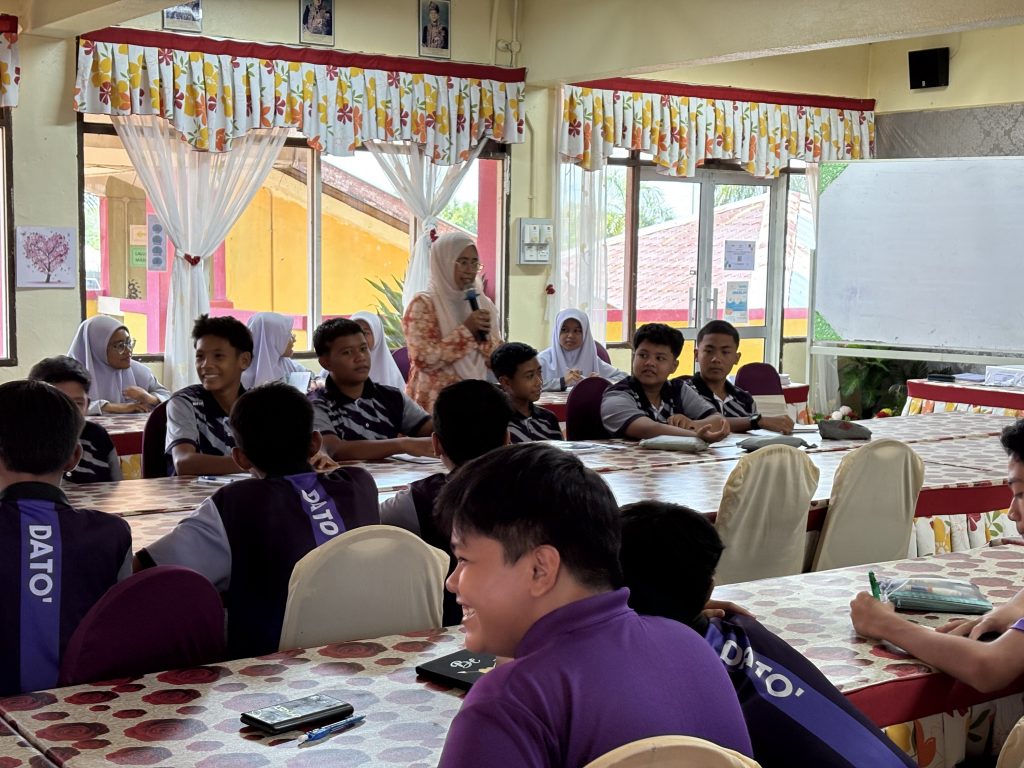
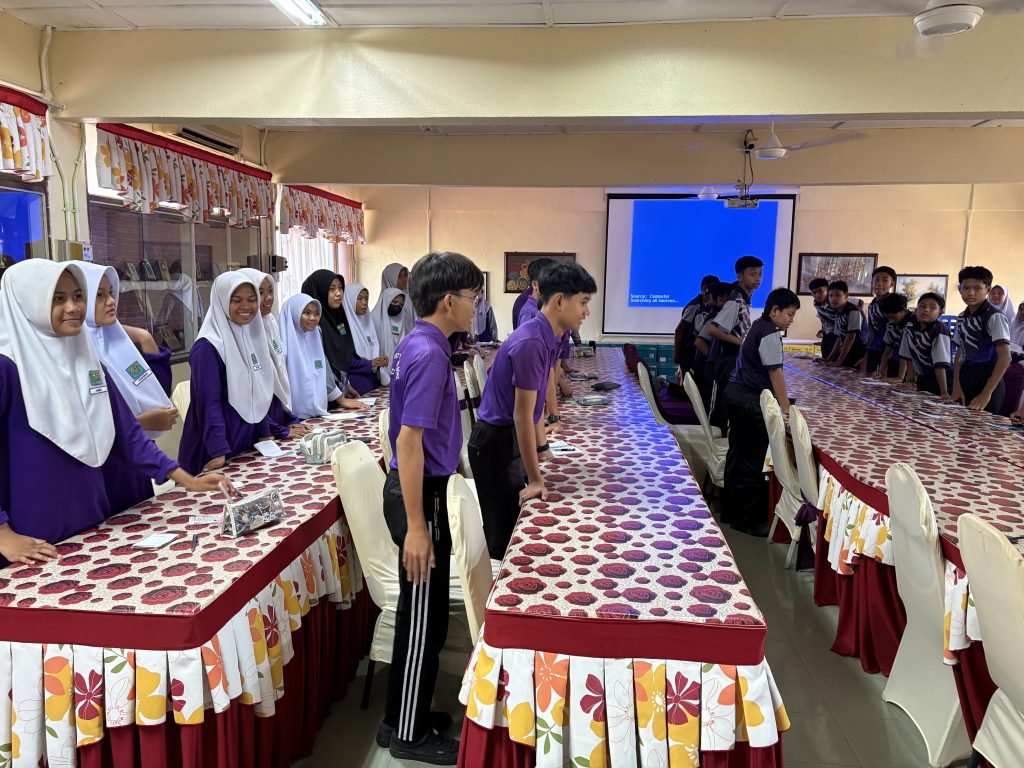
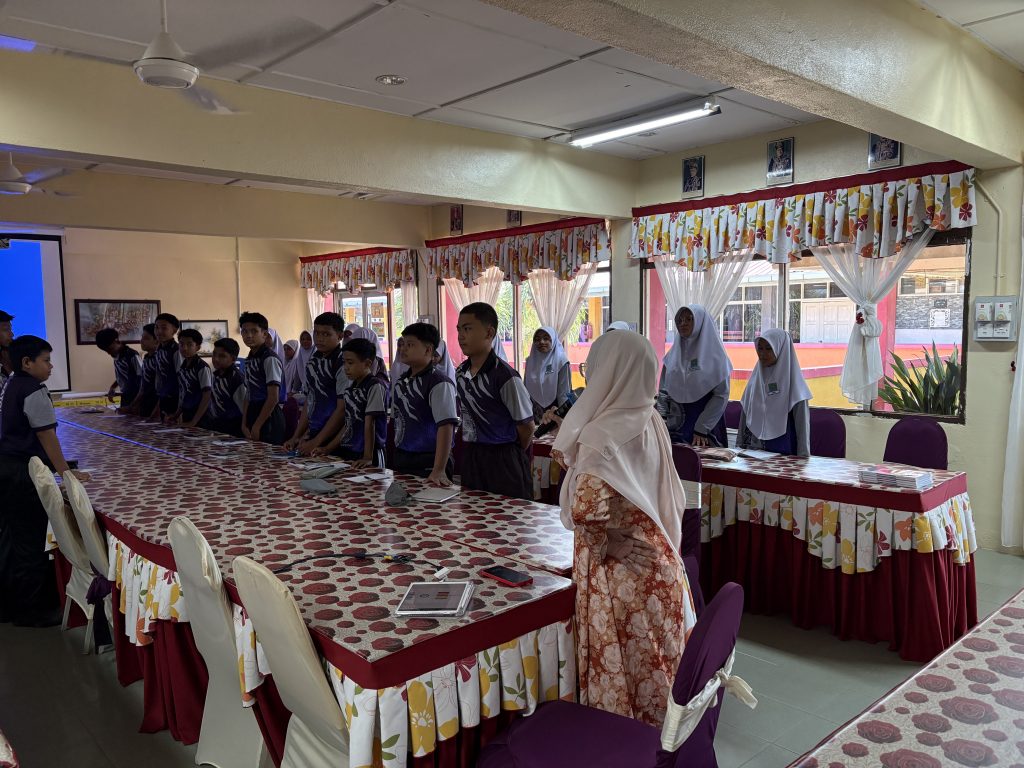
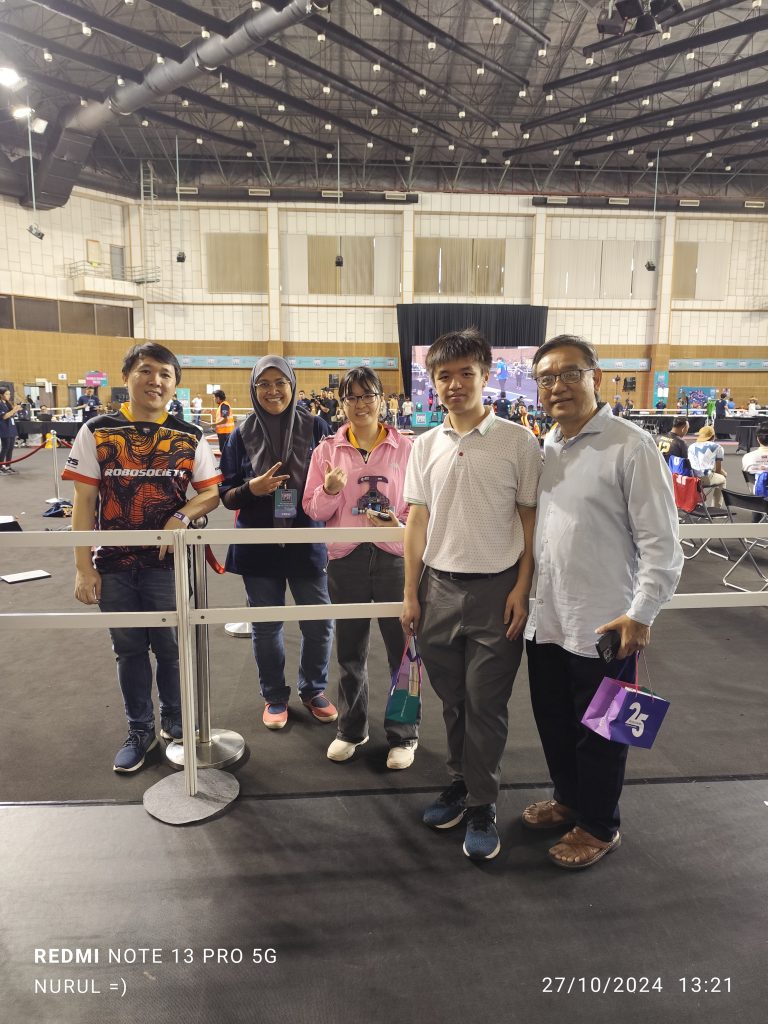
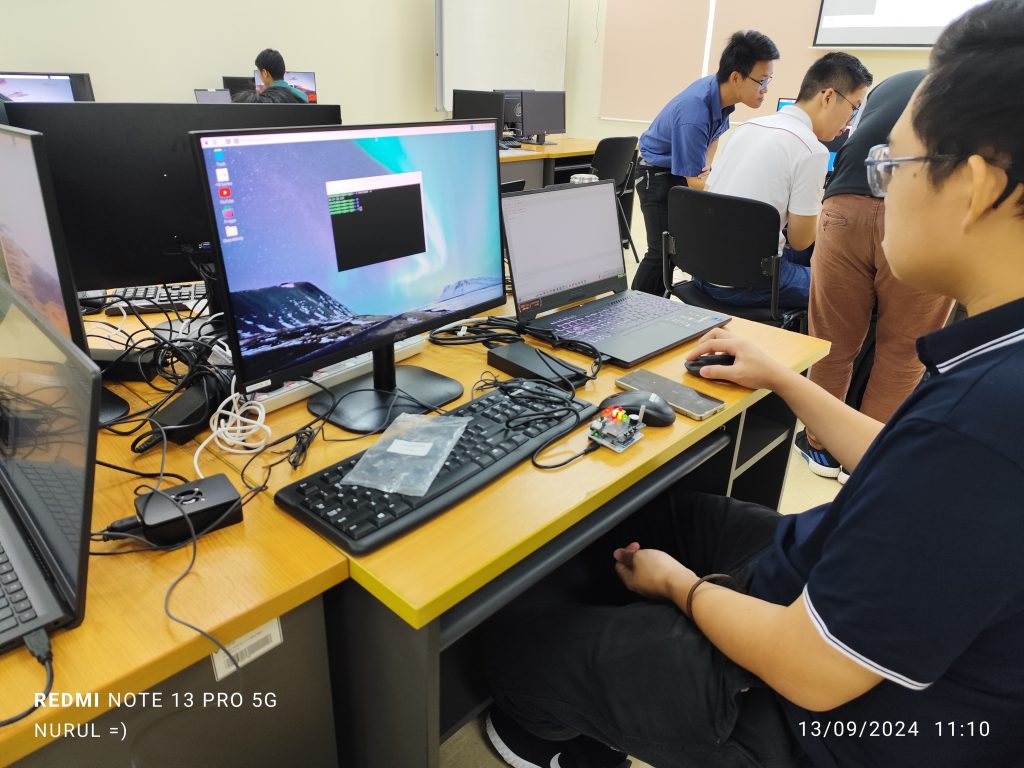
Raspberry Pi Programming 2024/6 – JPN Pahang 2

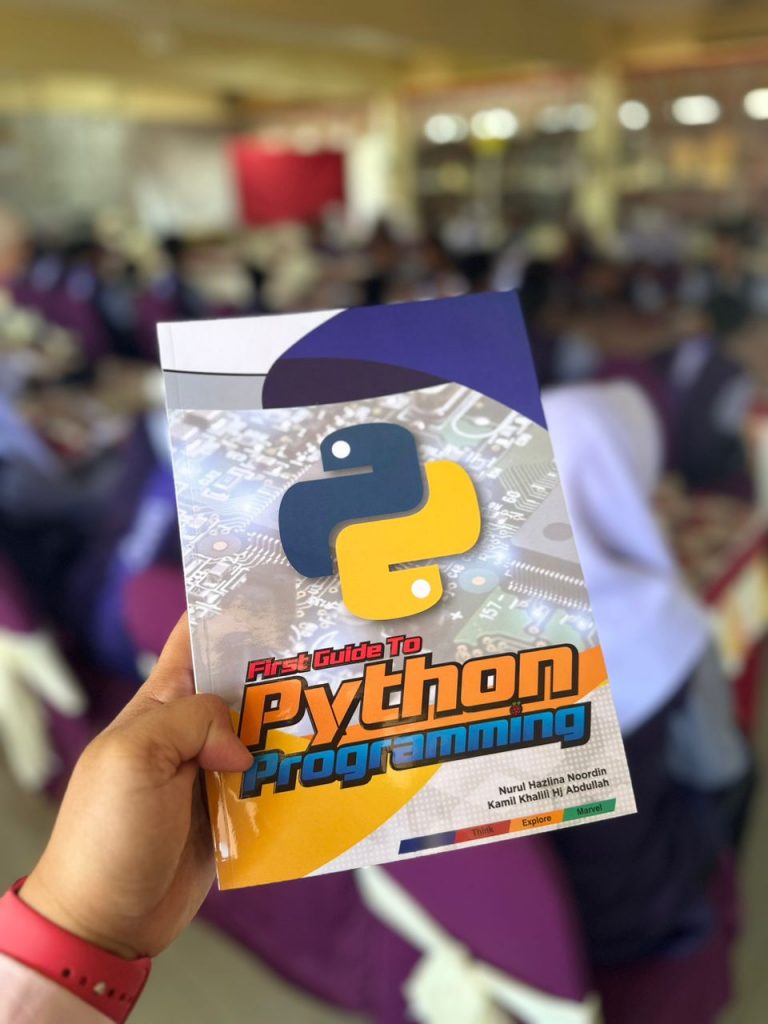
*UMPSA STEM Lab Raspberry Pi Programming Synopsis can be found here.

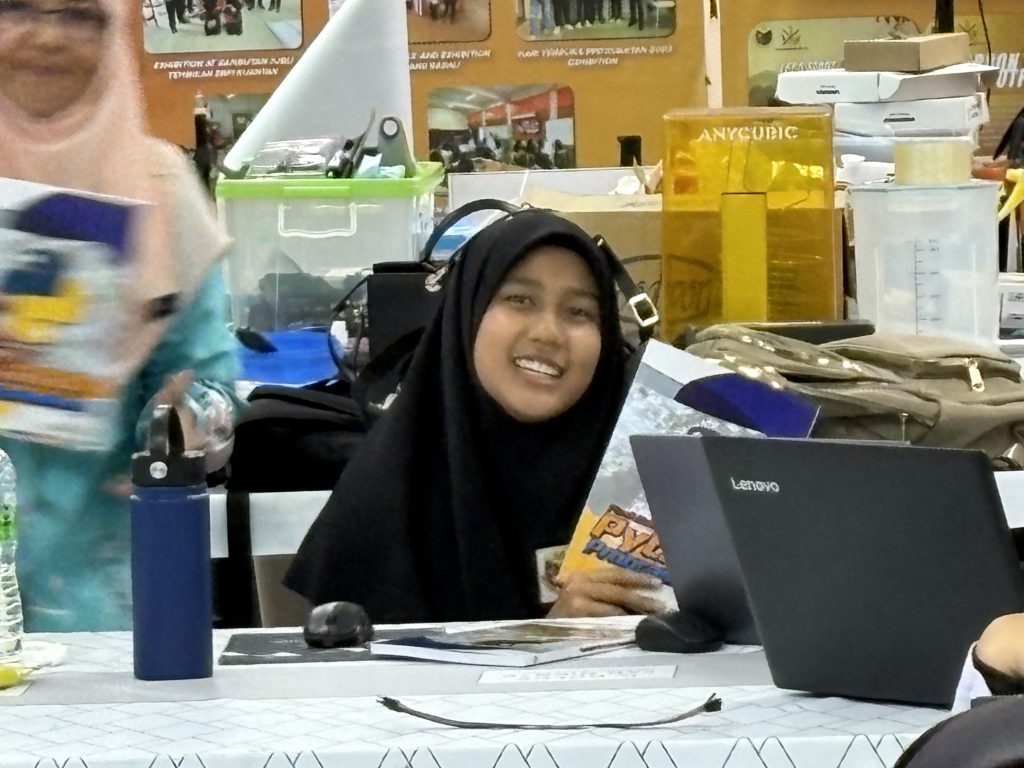
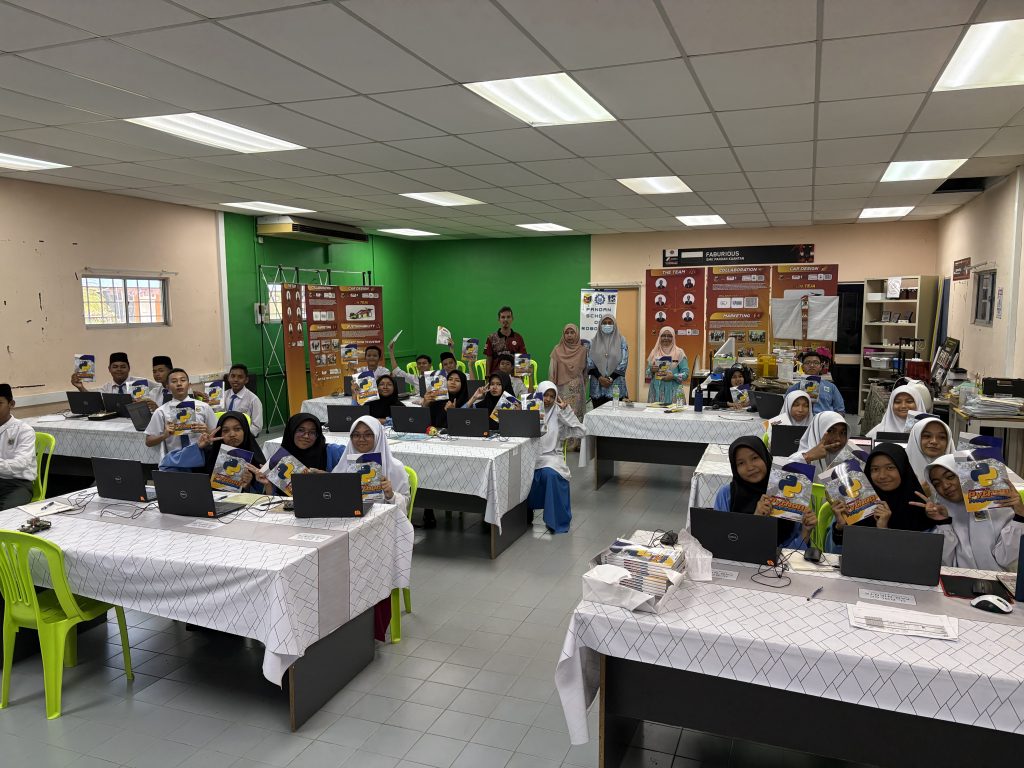
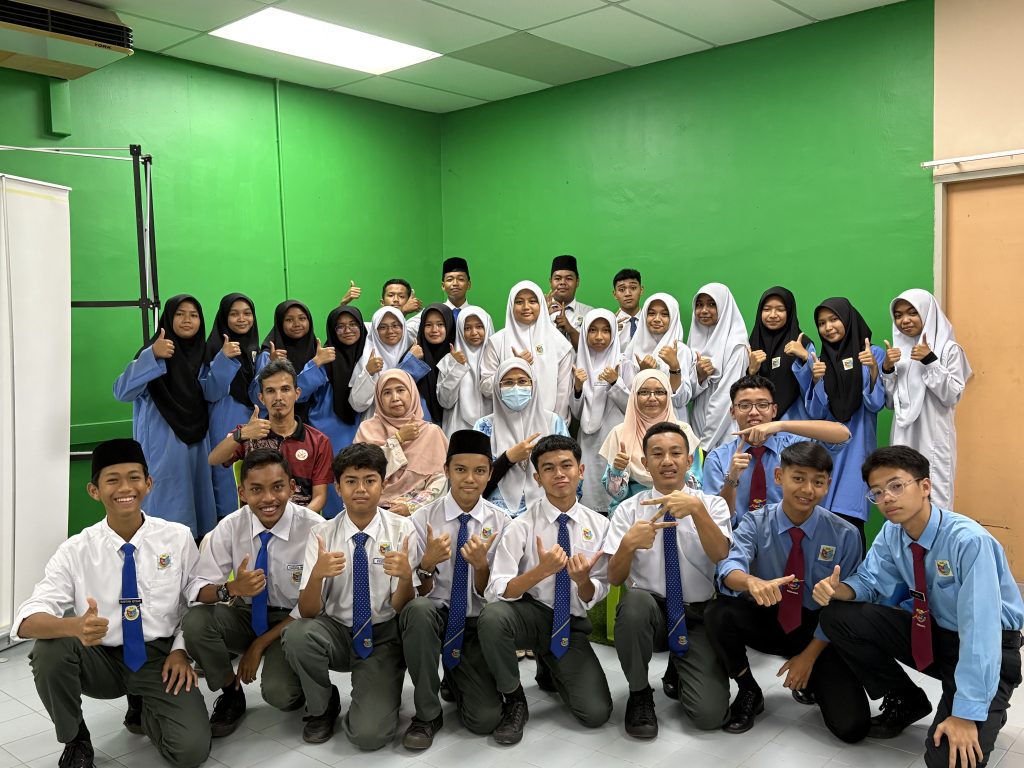
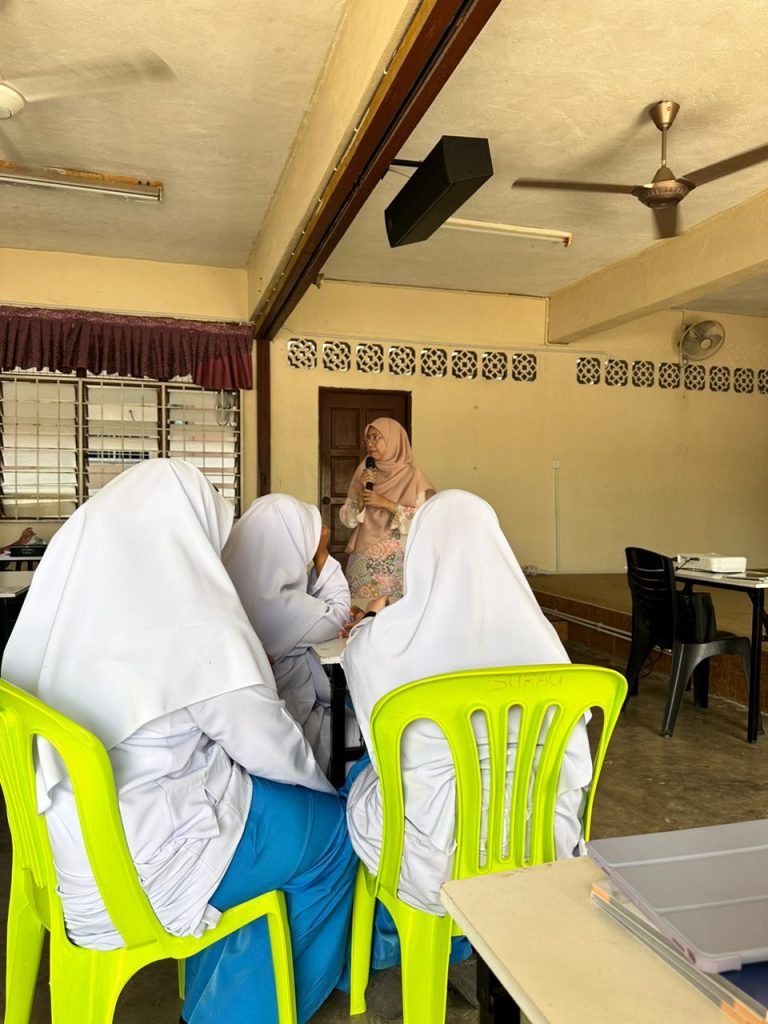
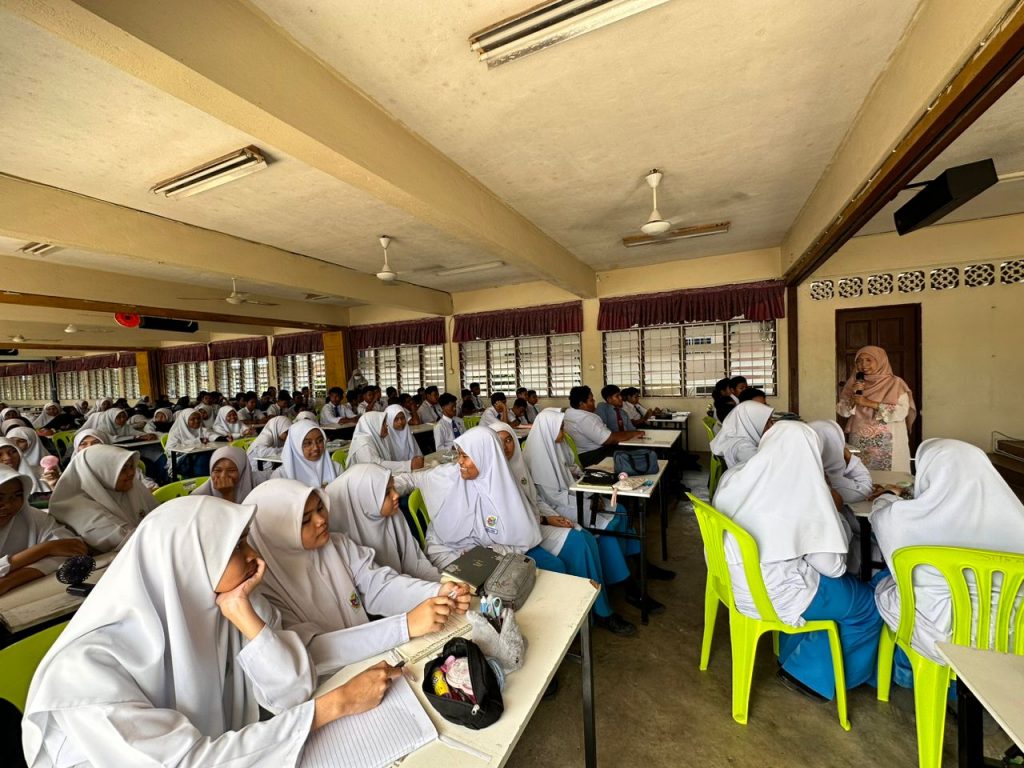
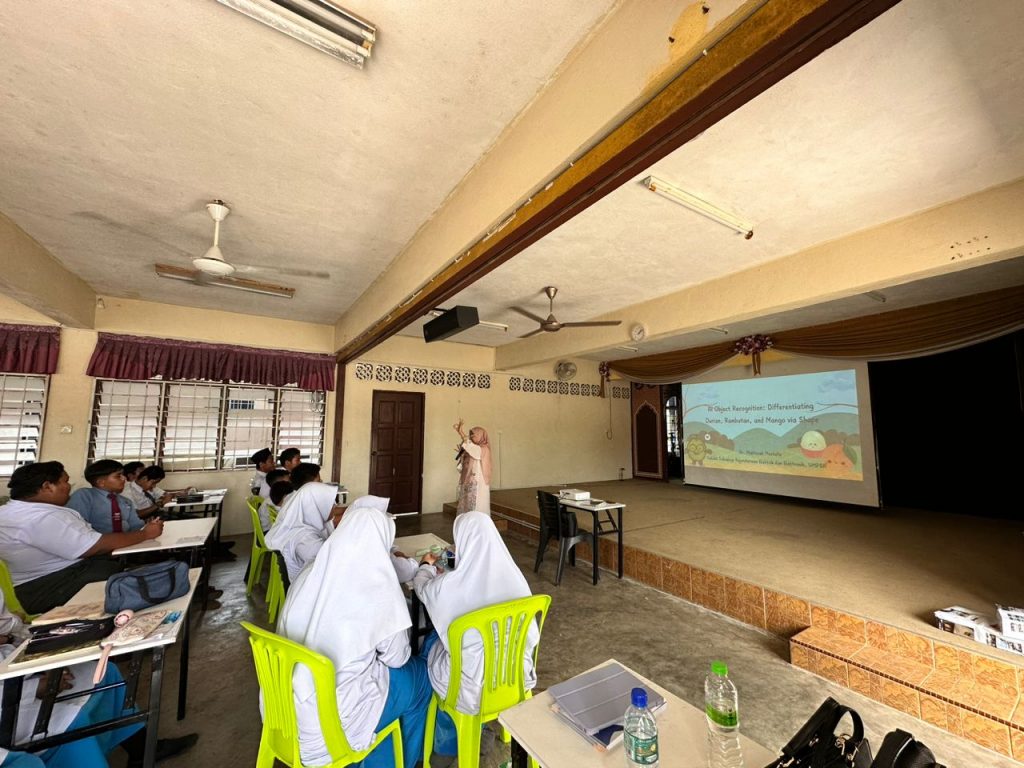
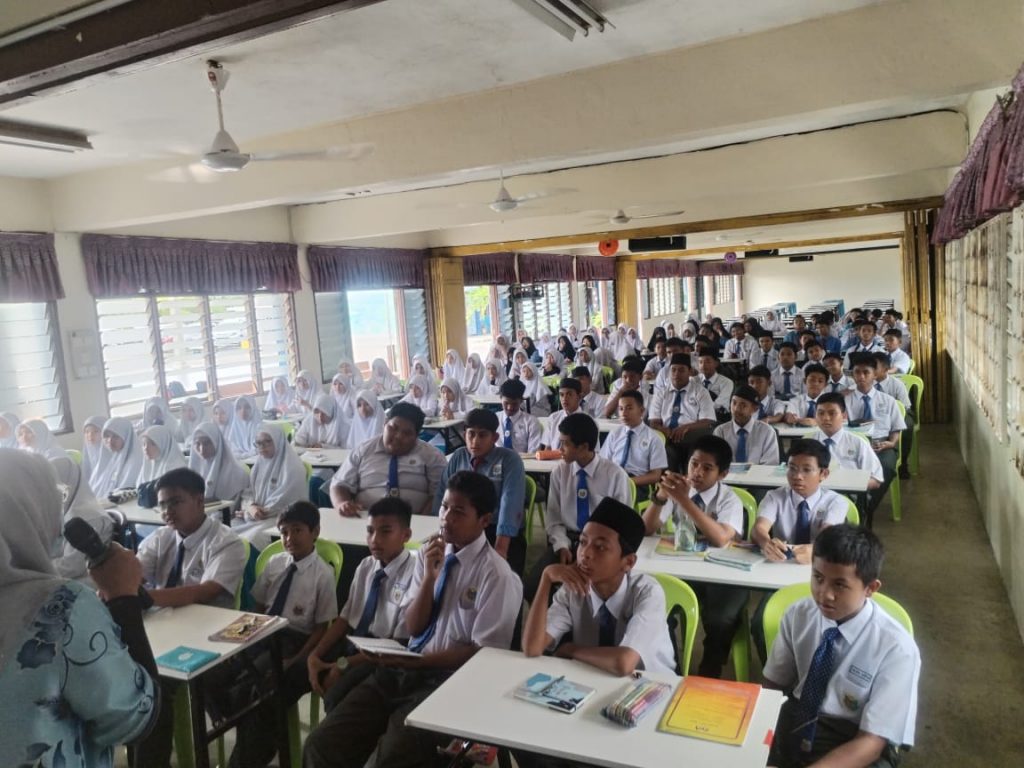
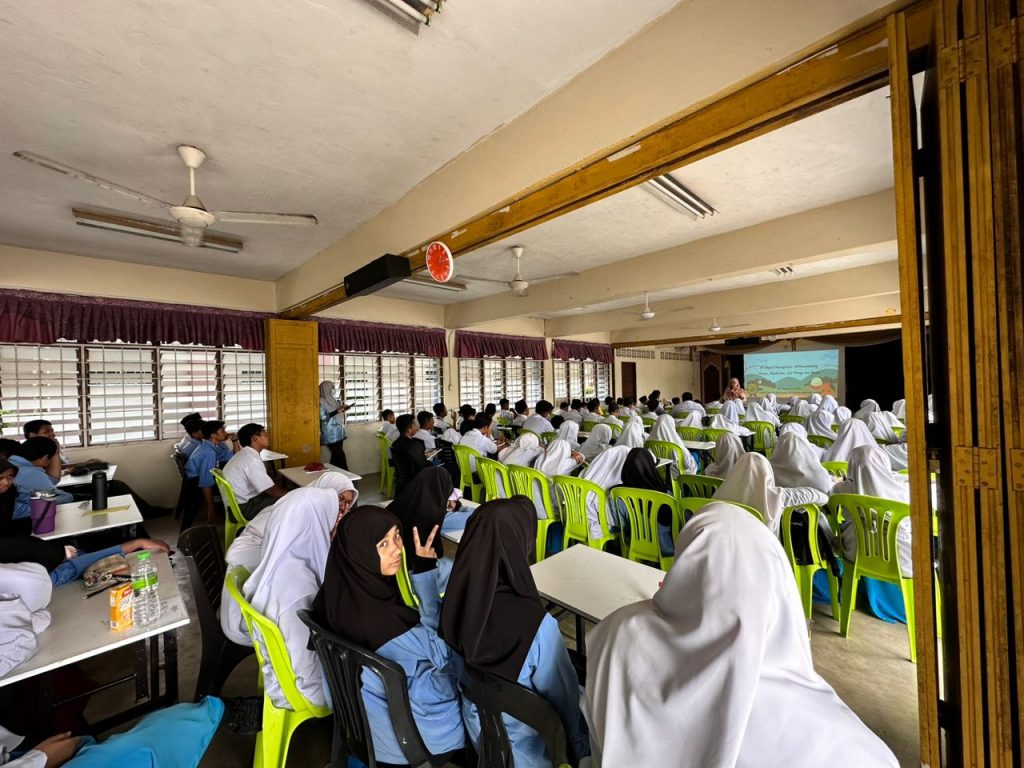
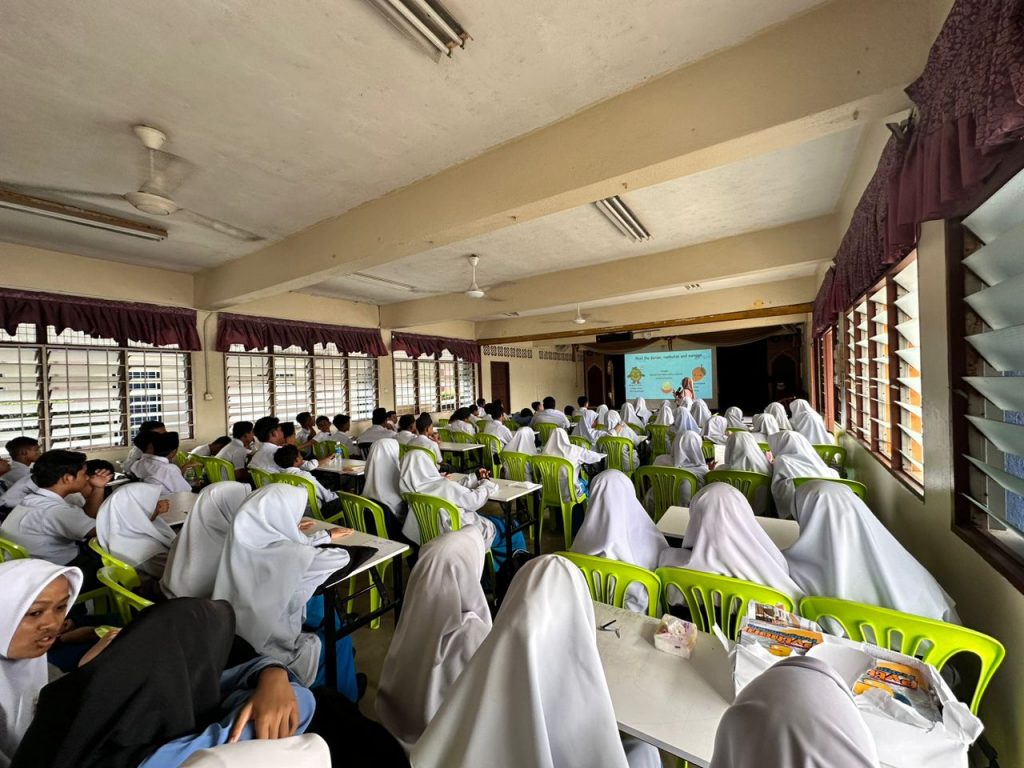
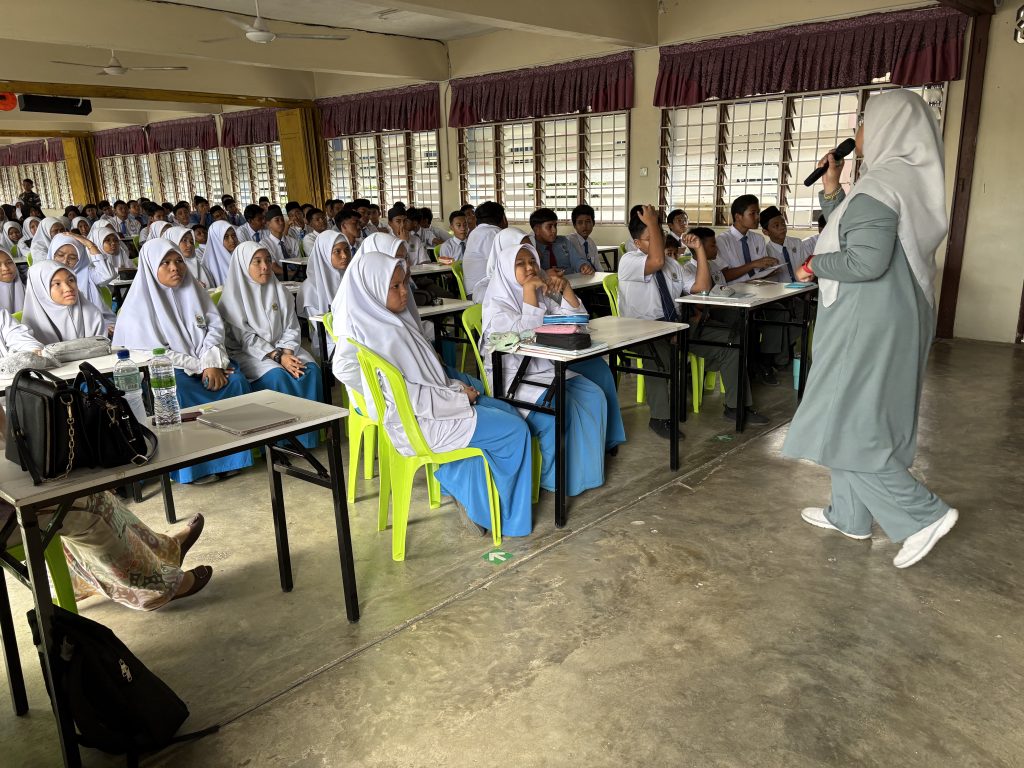
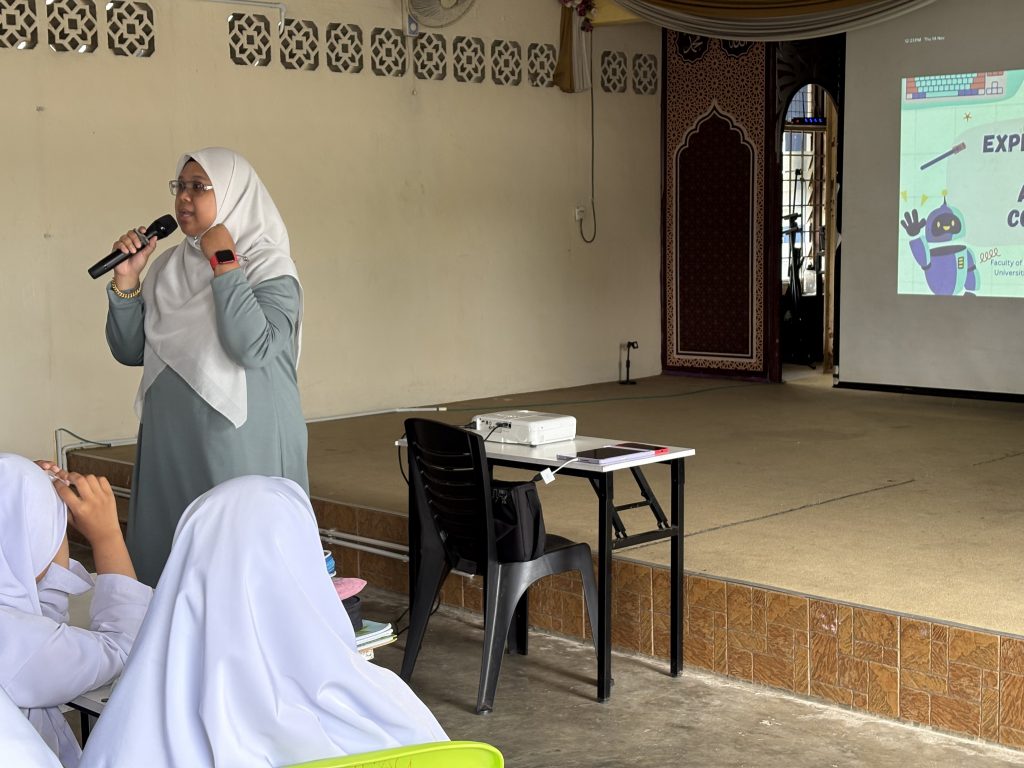
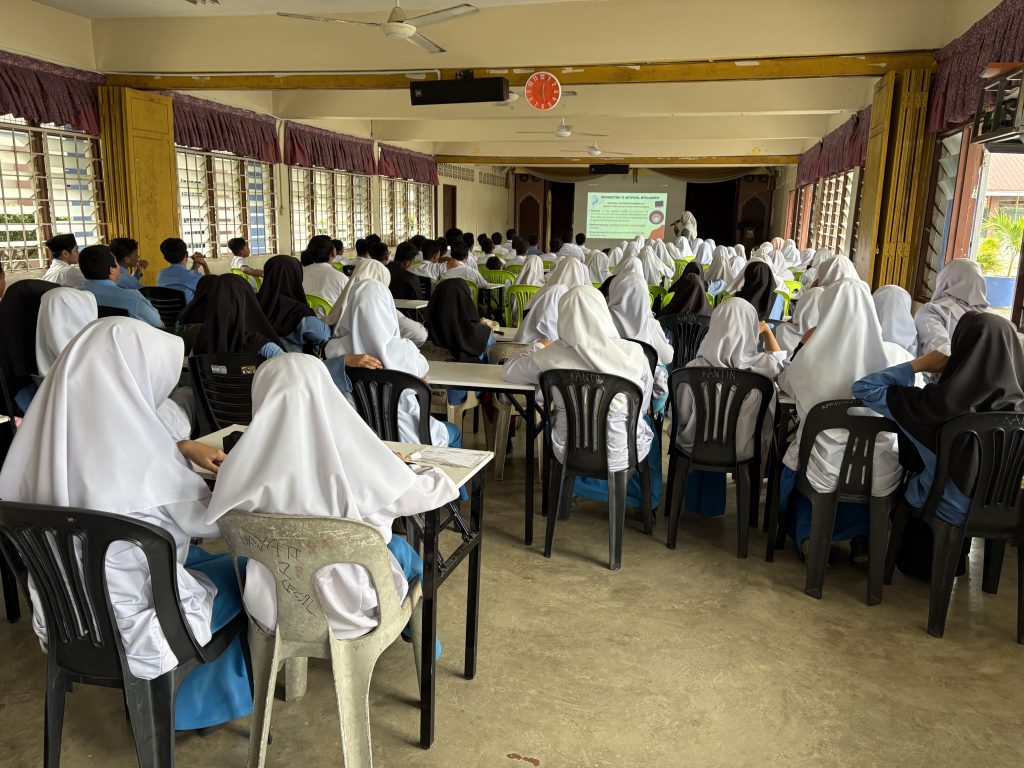
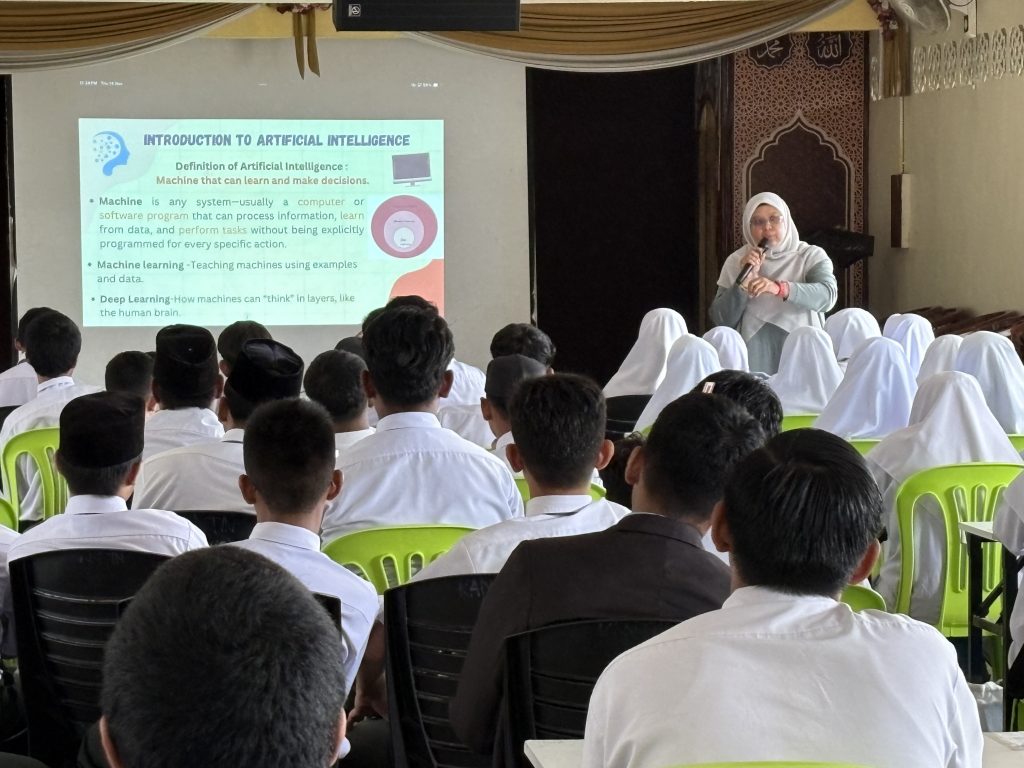
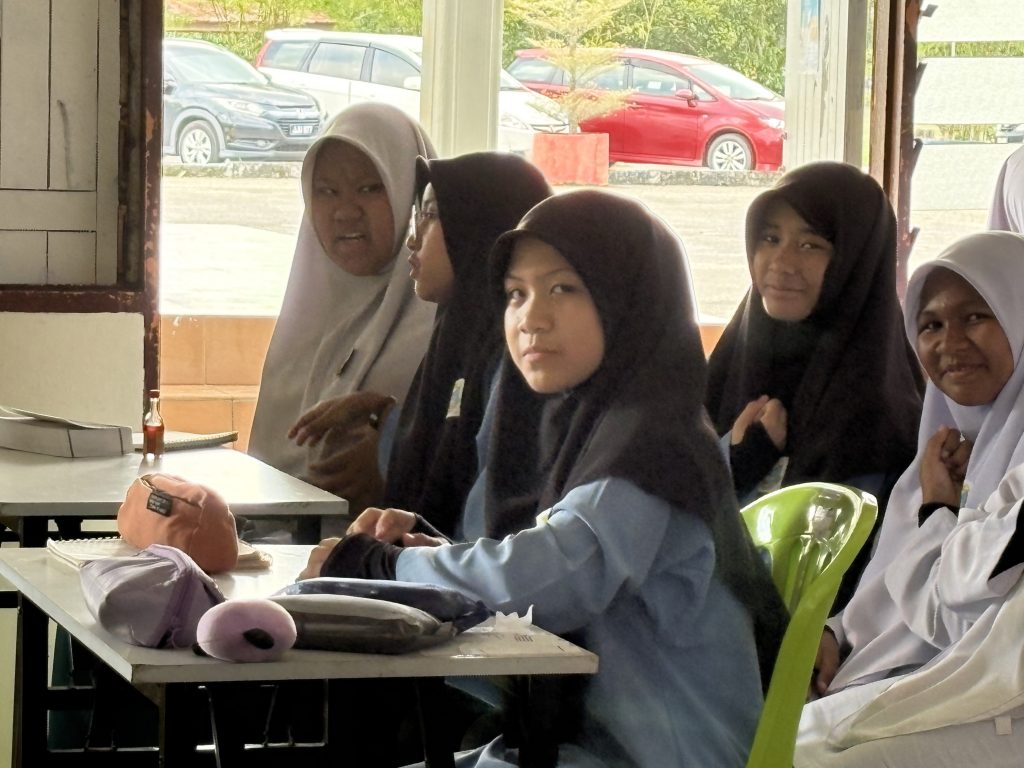
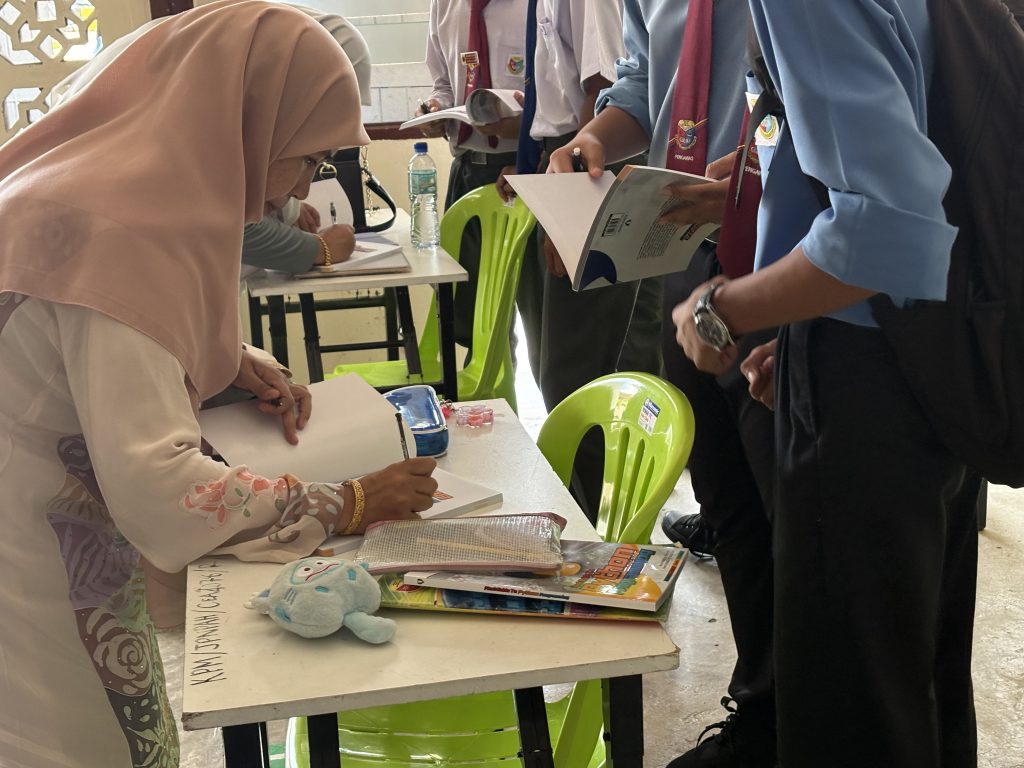
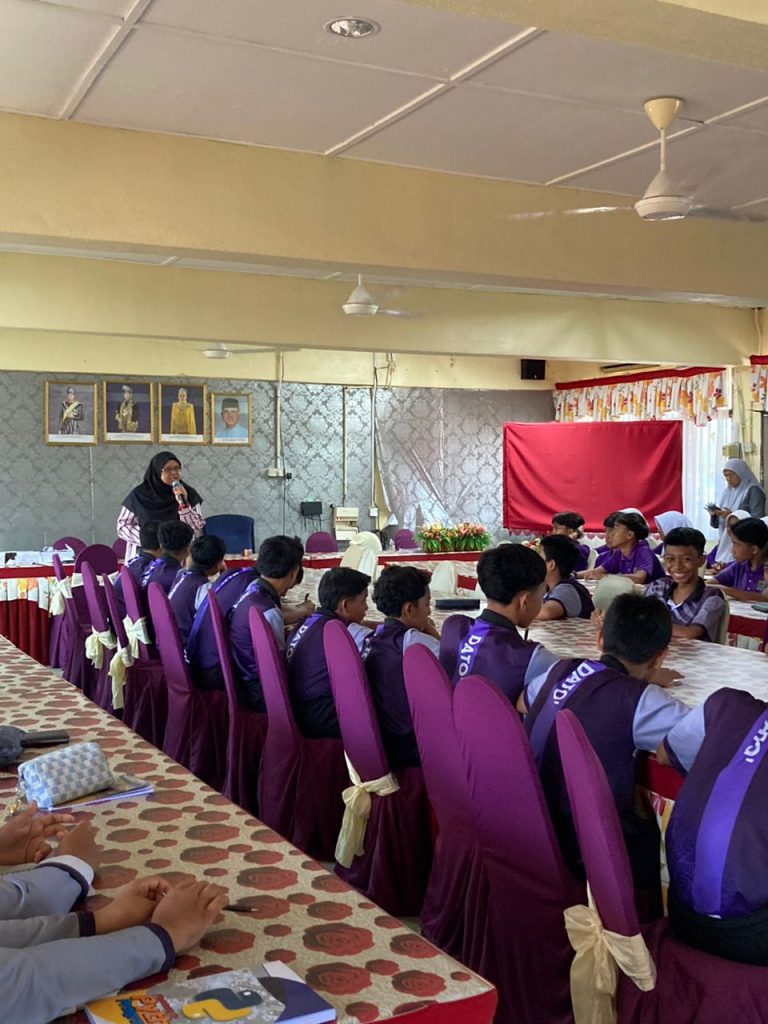
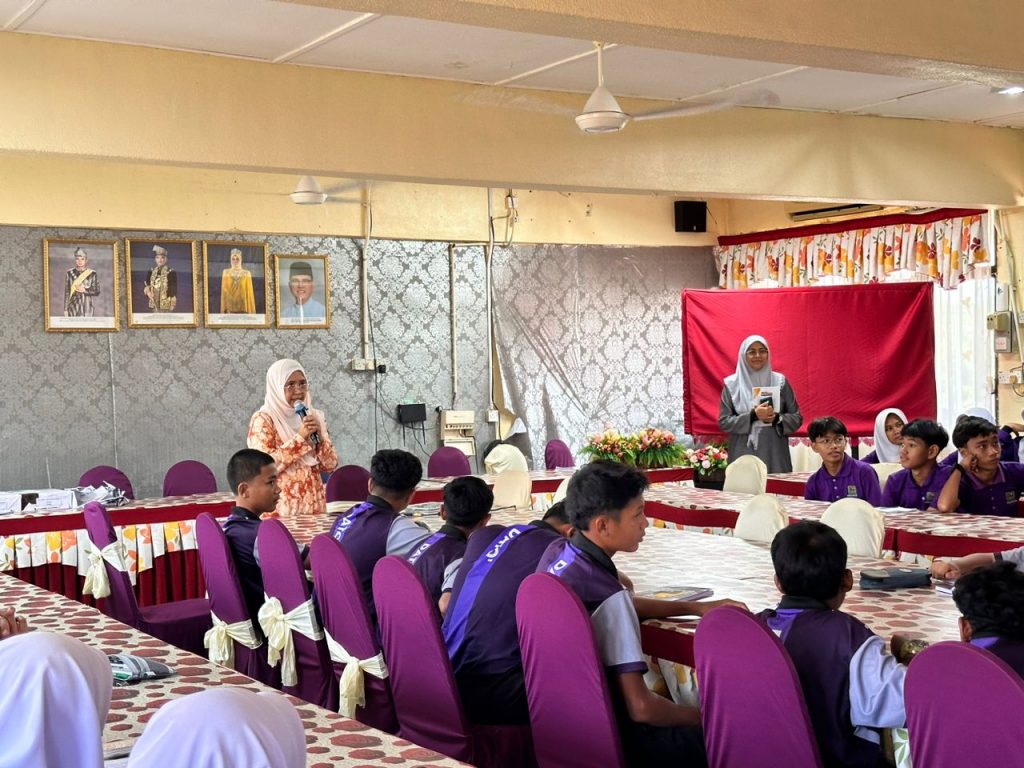
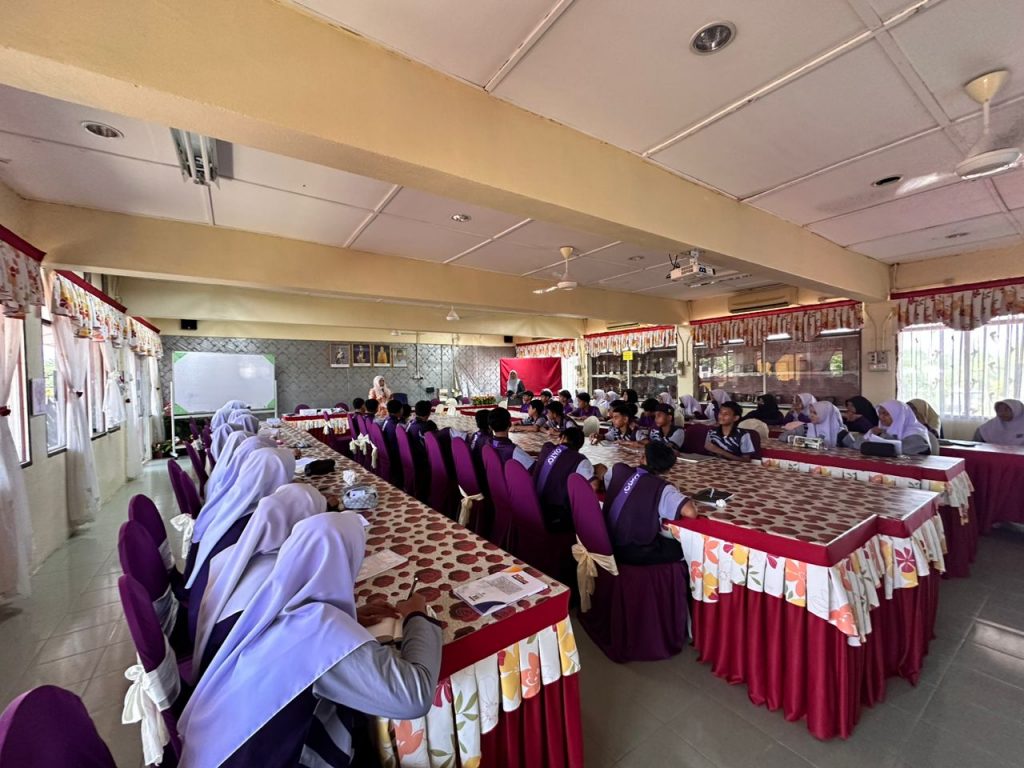
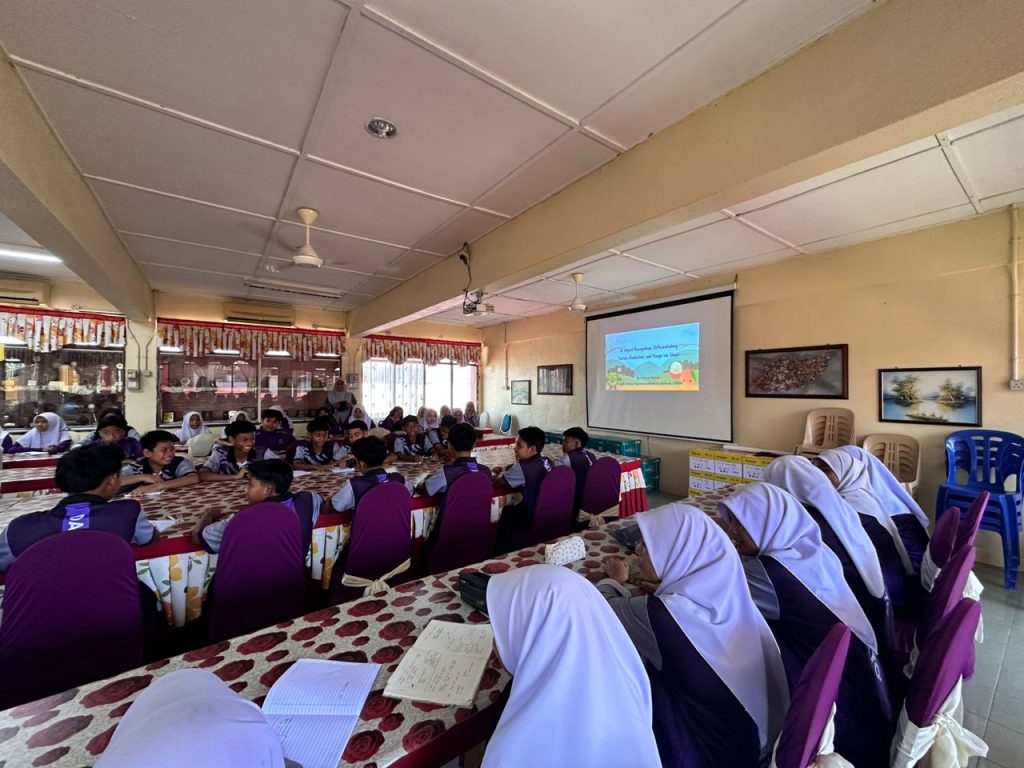
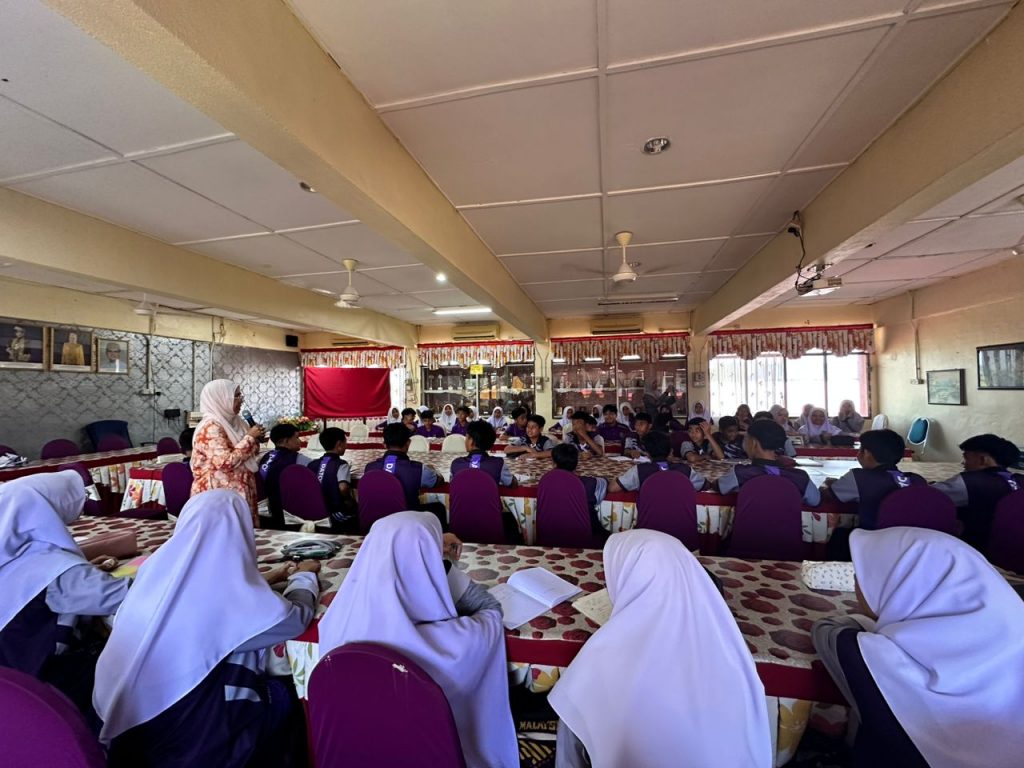
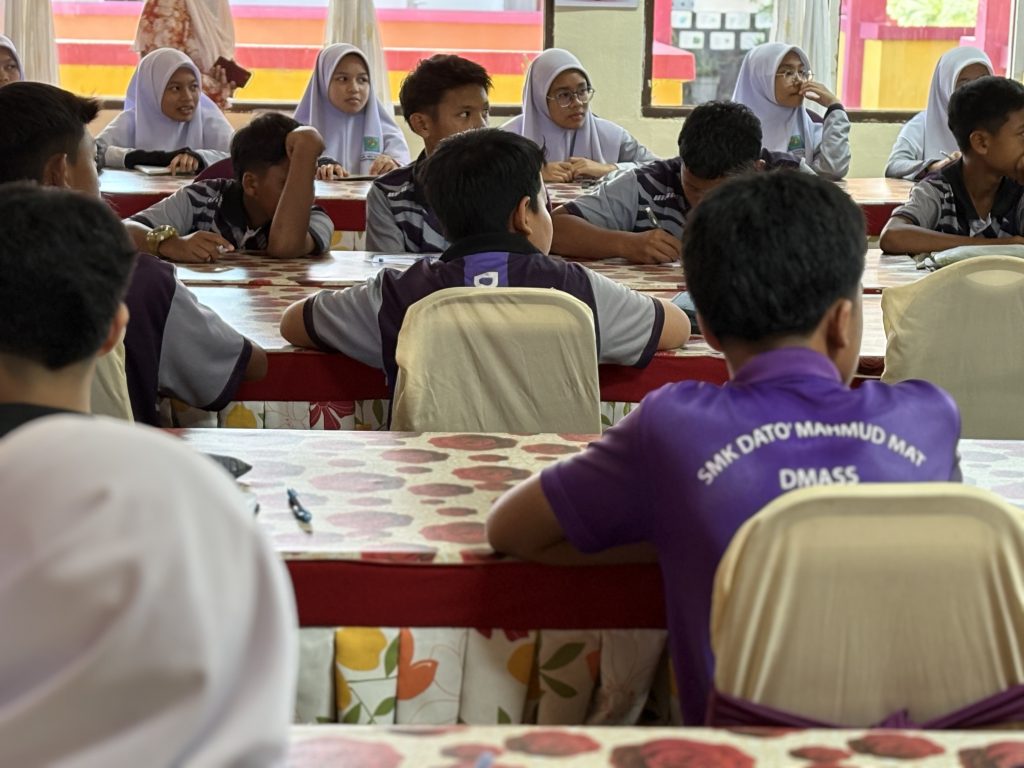
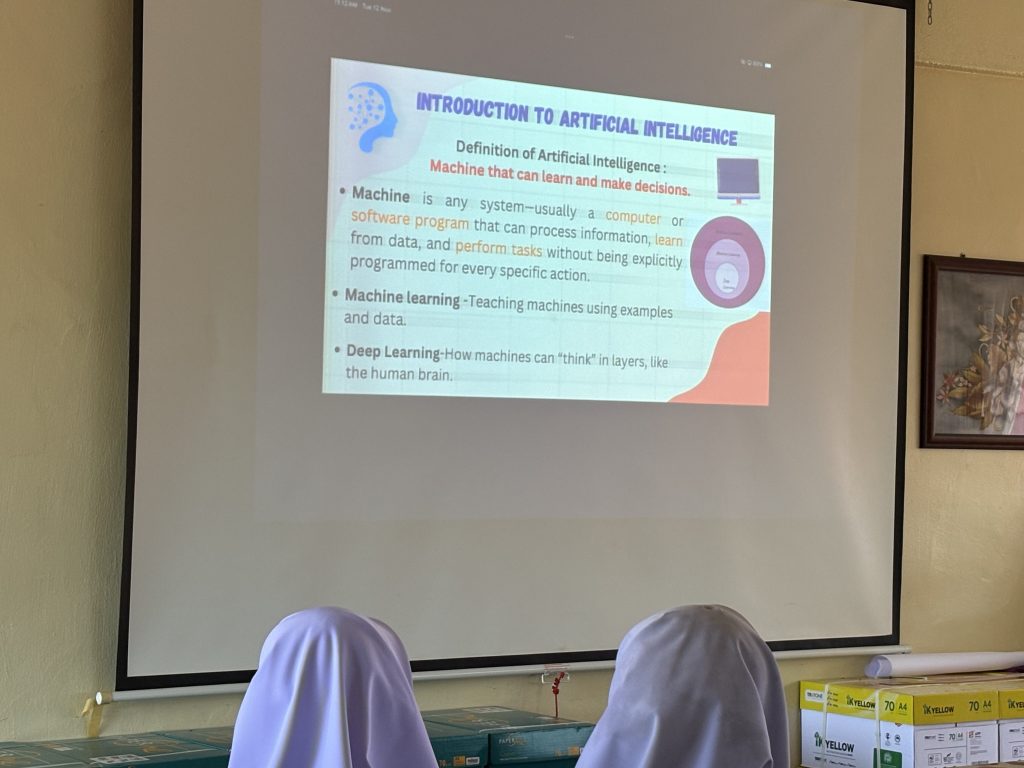
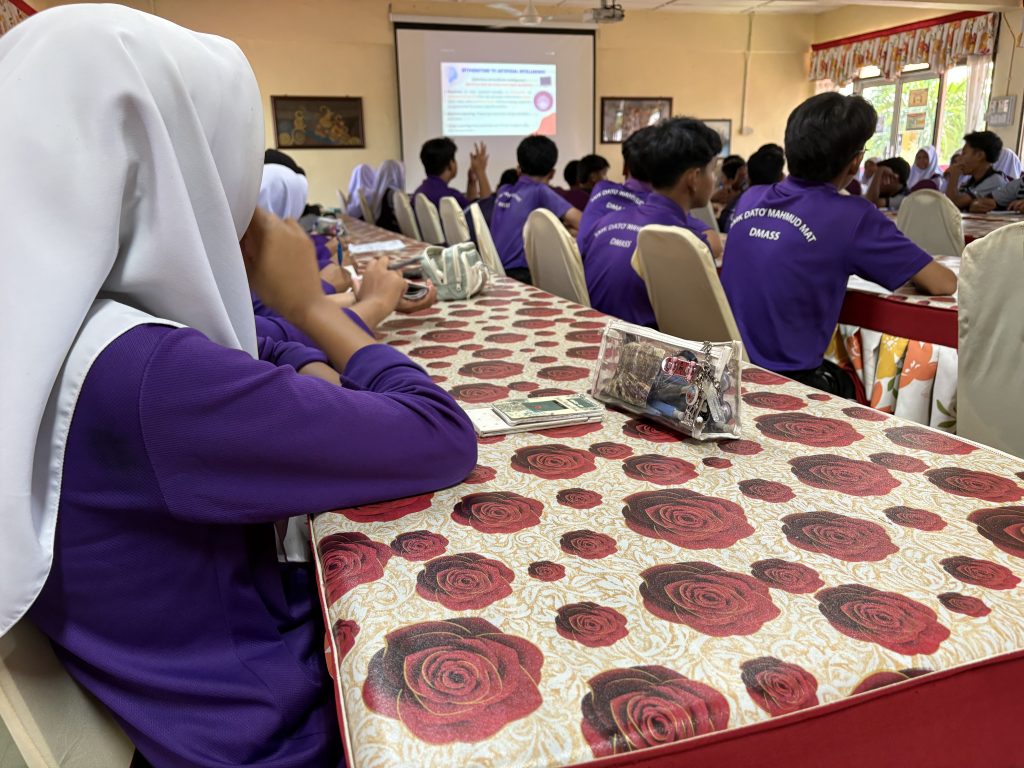
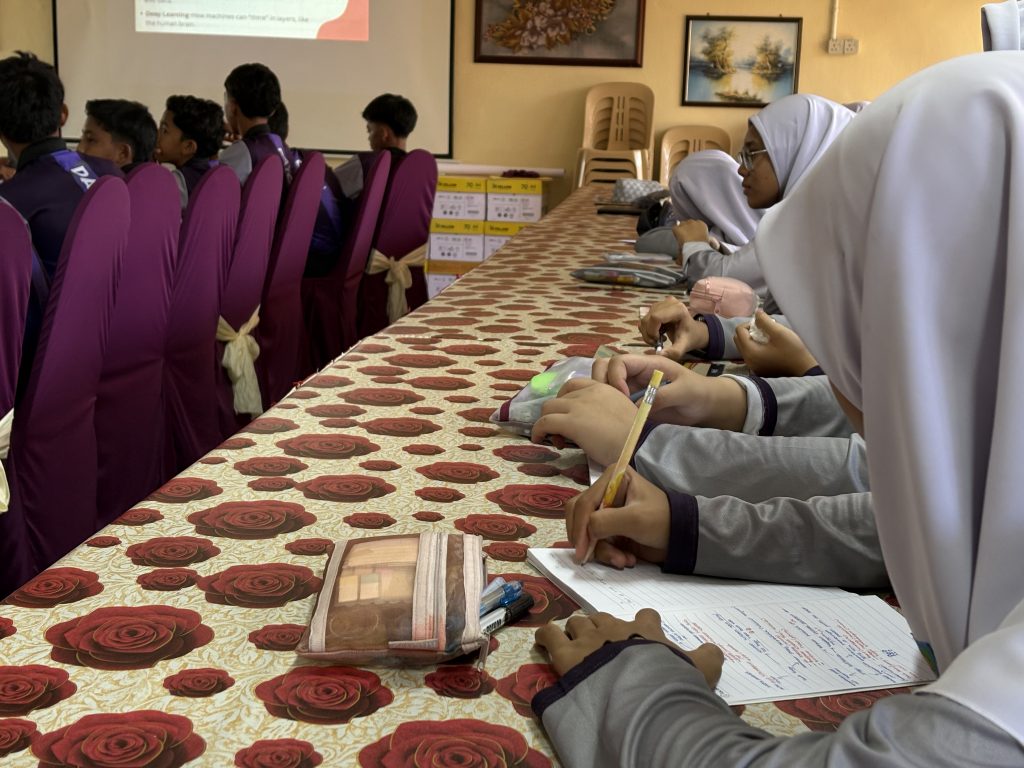
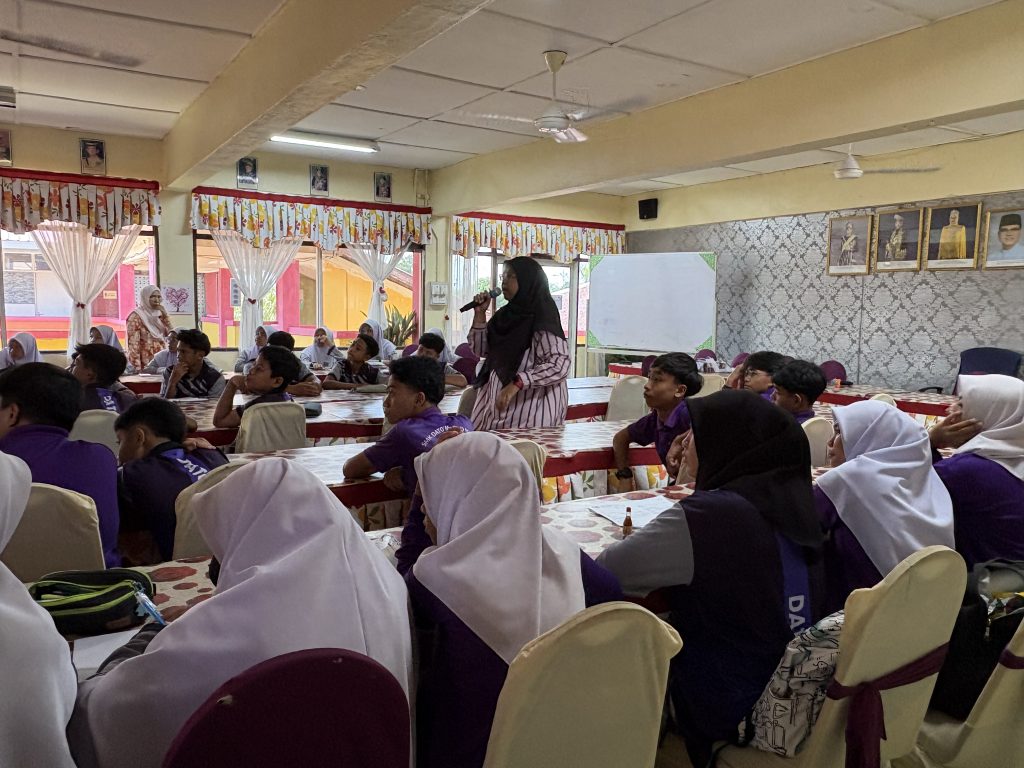
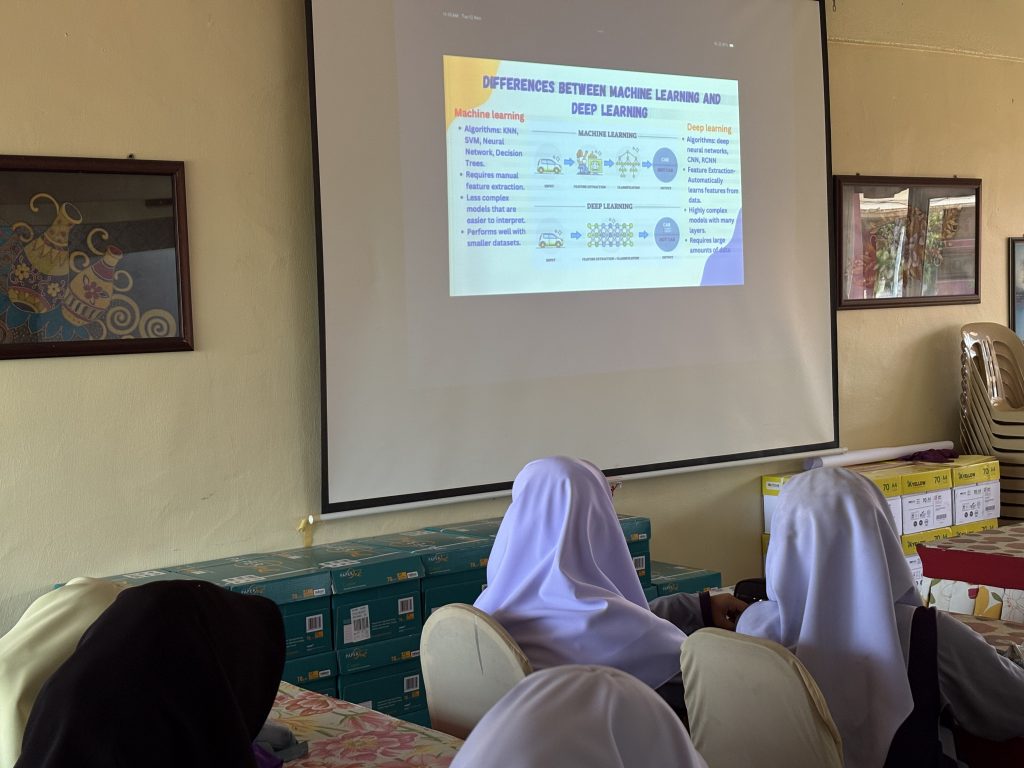
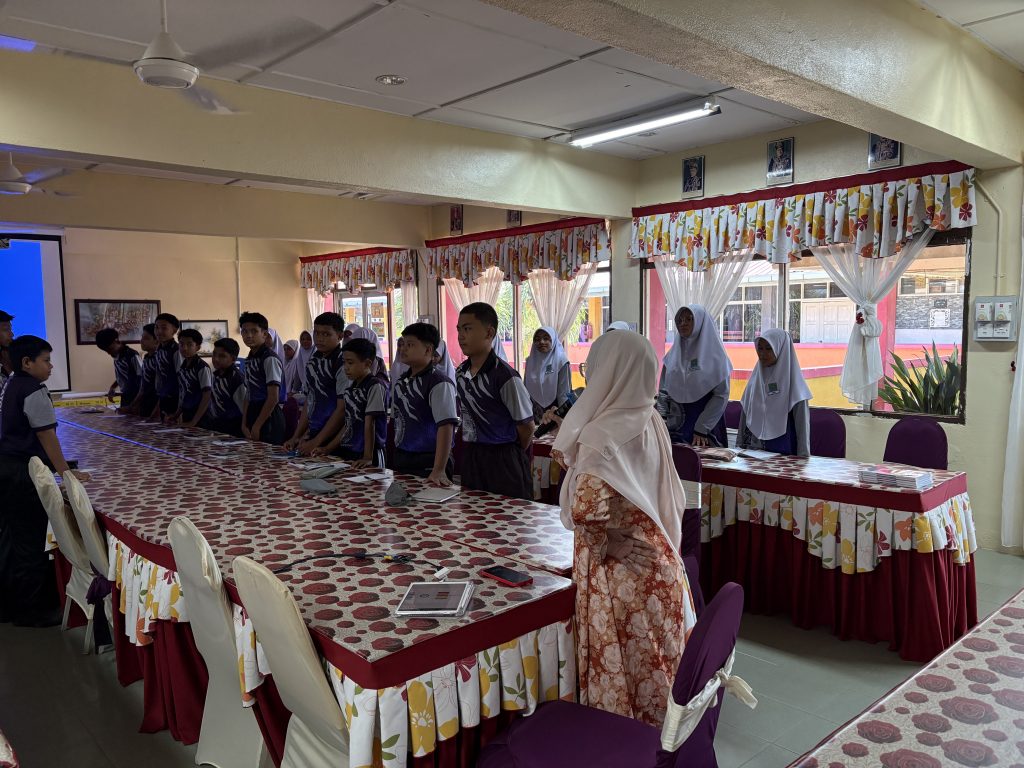
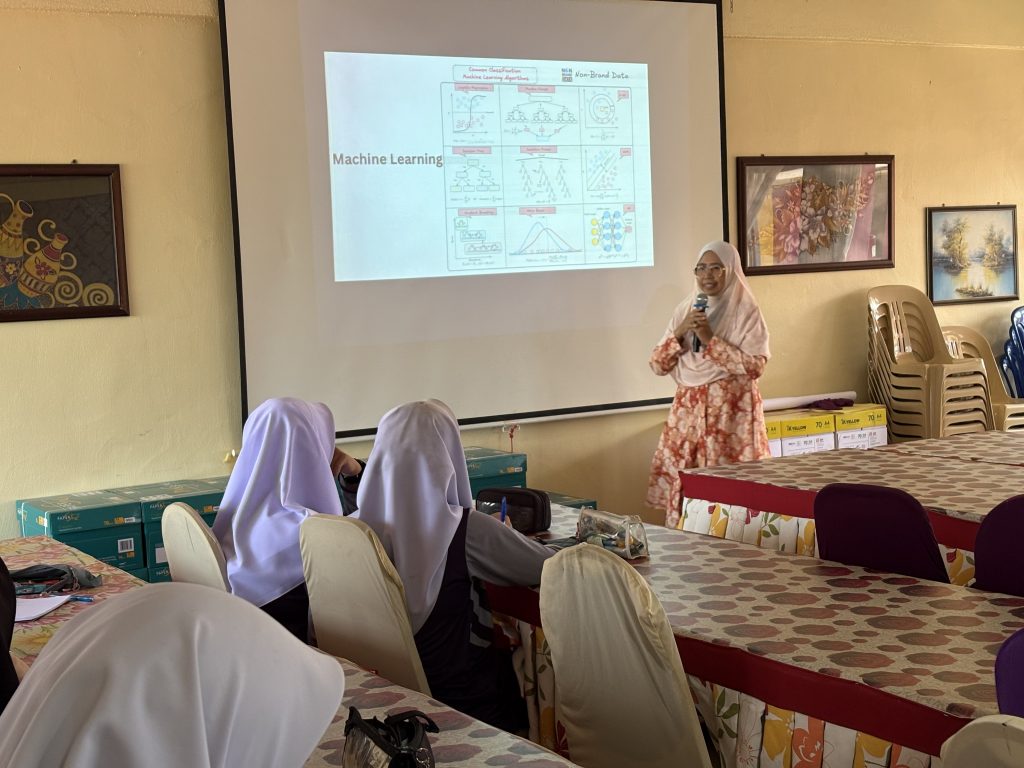
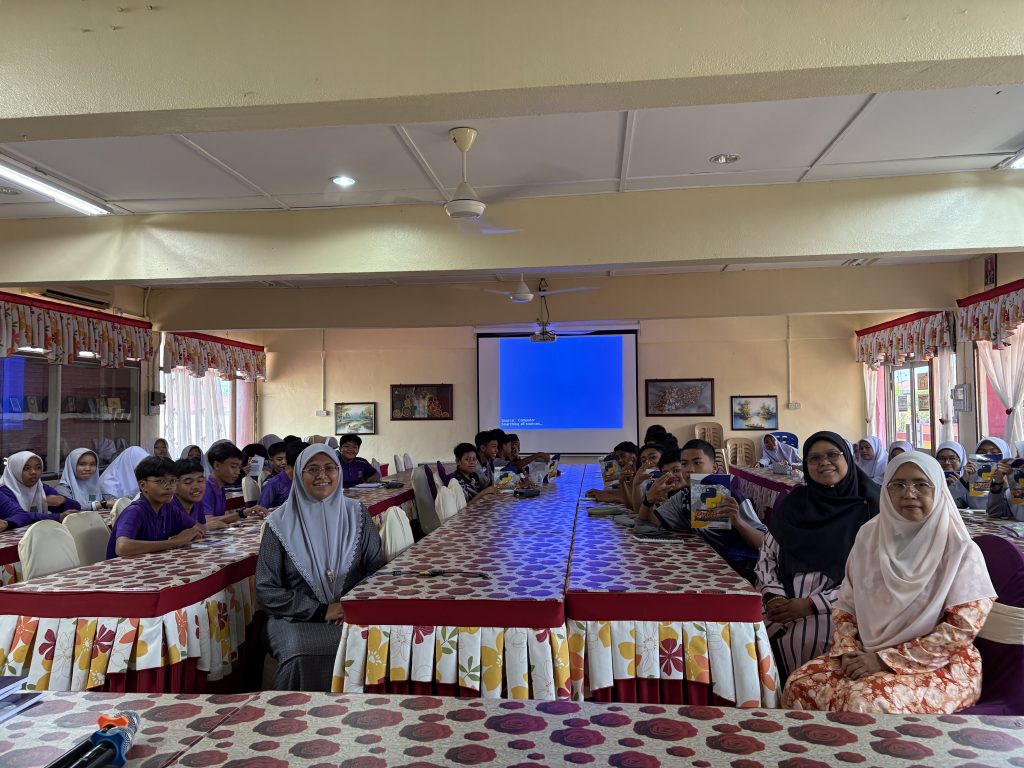
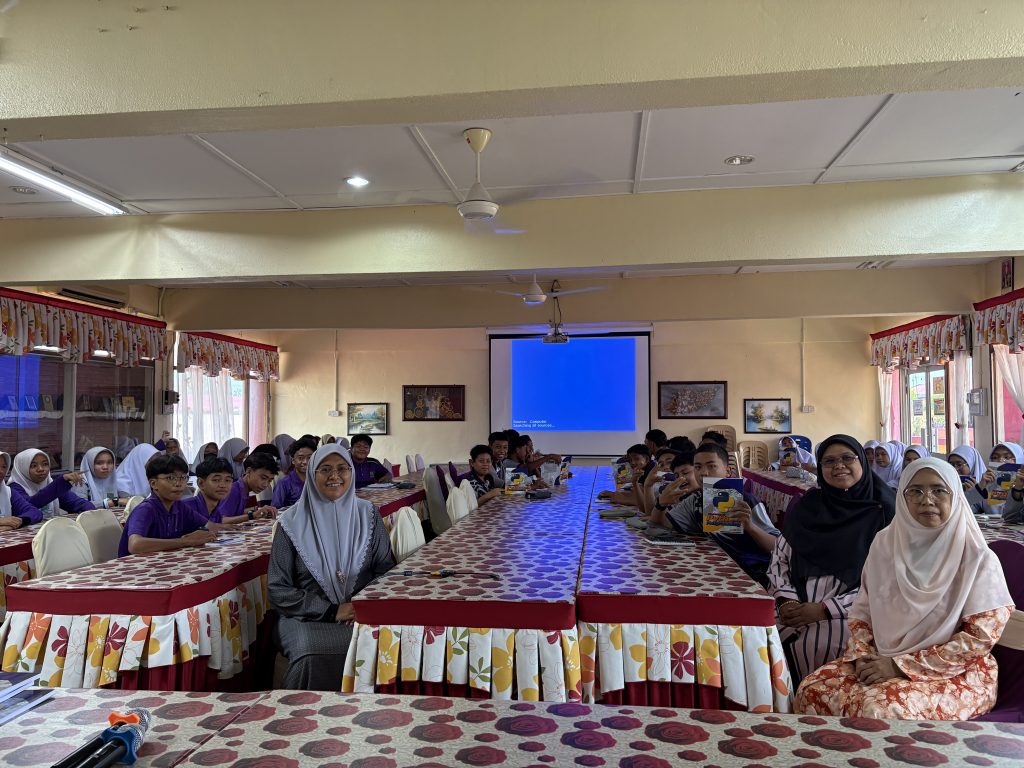
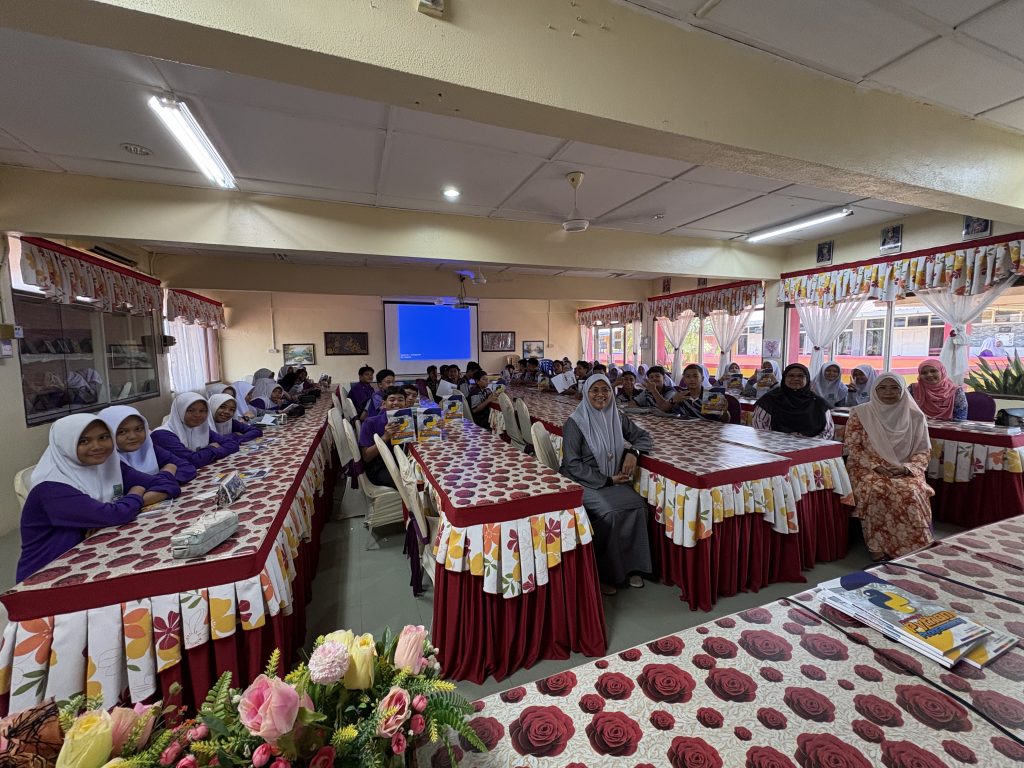
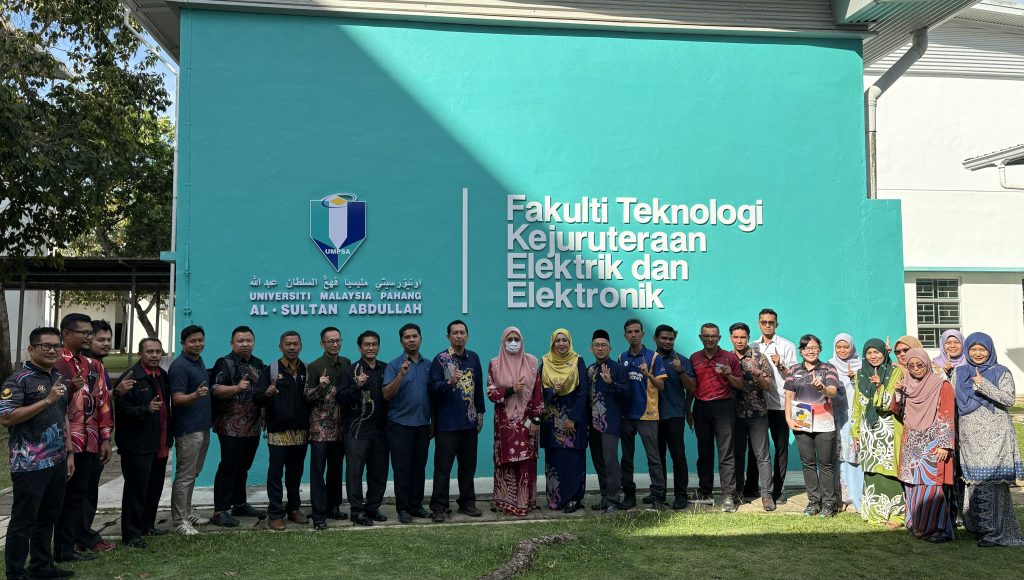
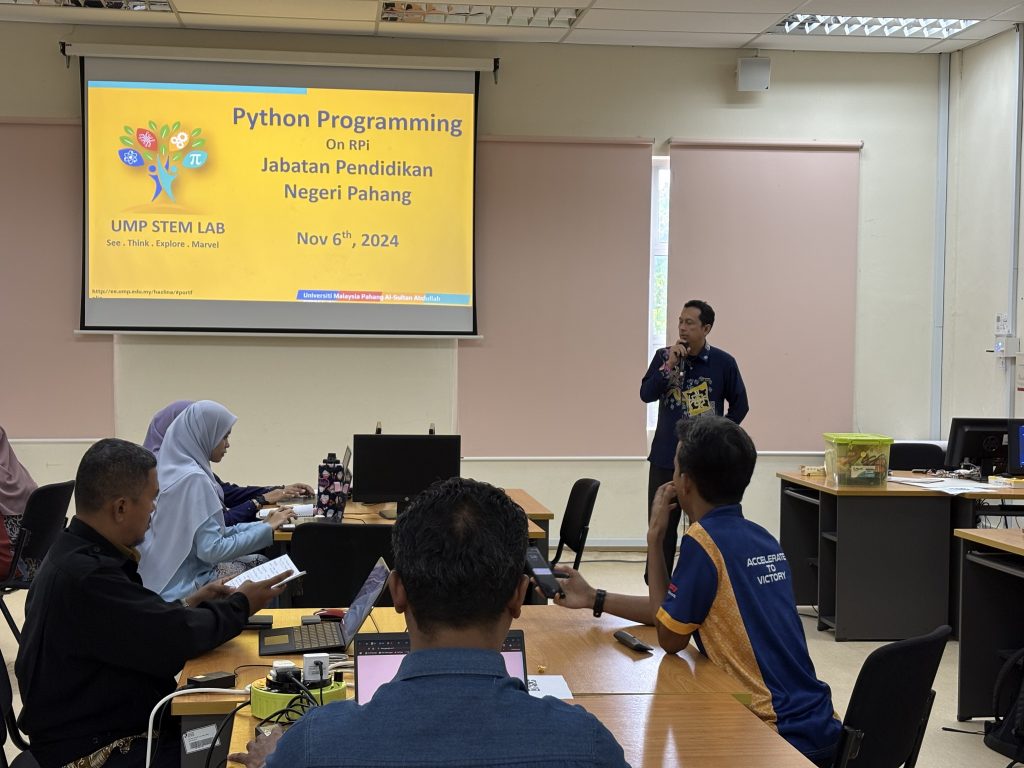
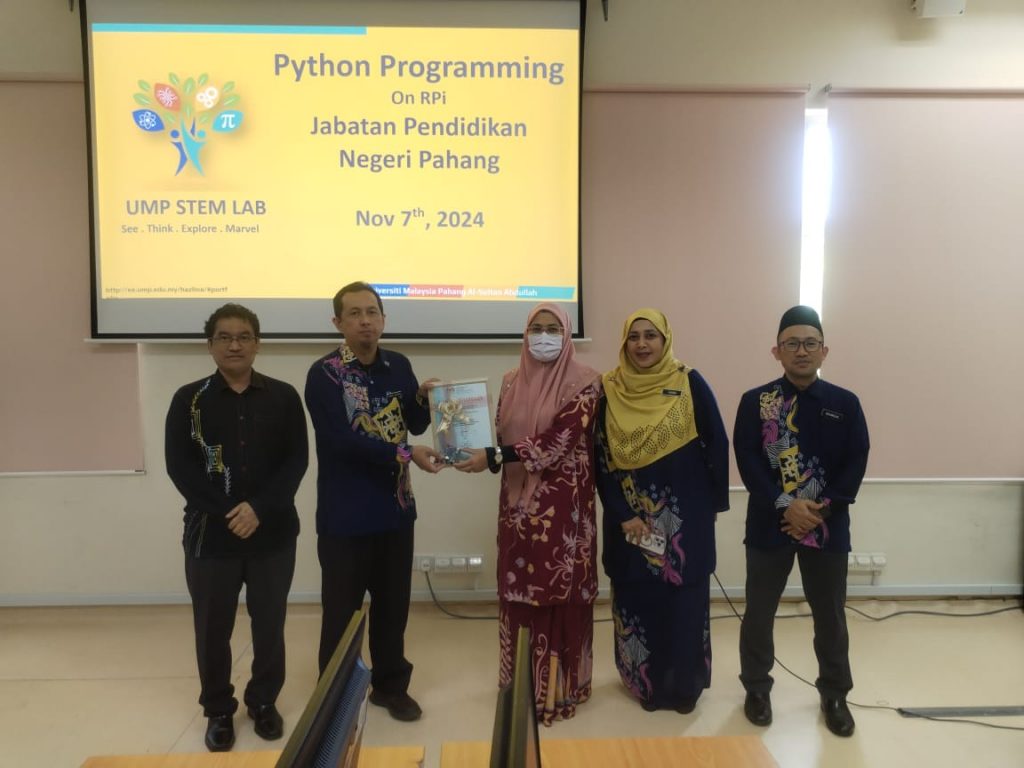
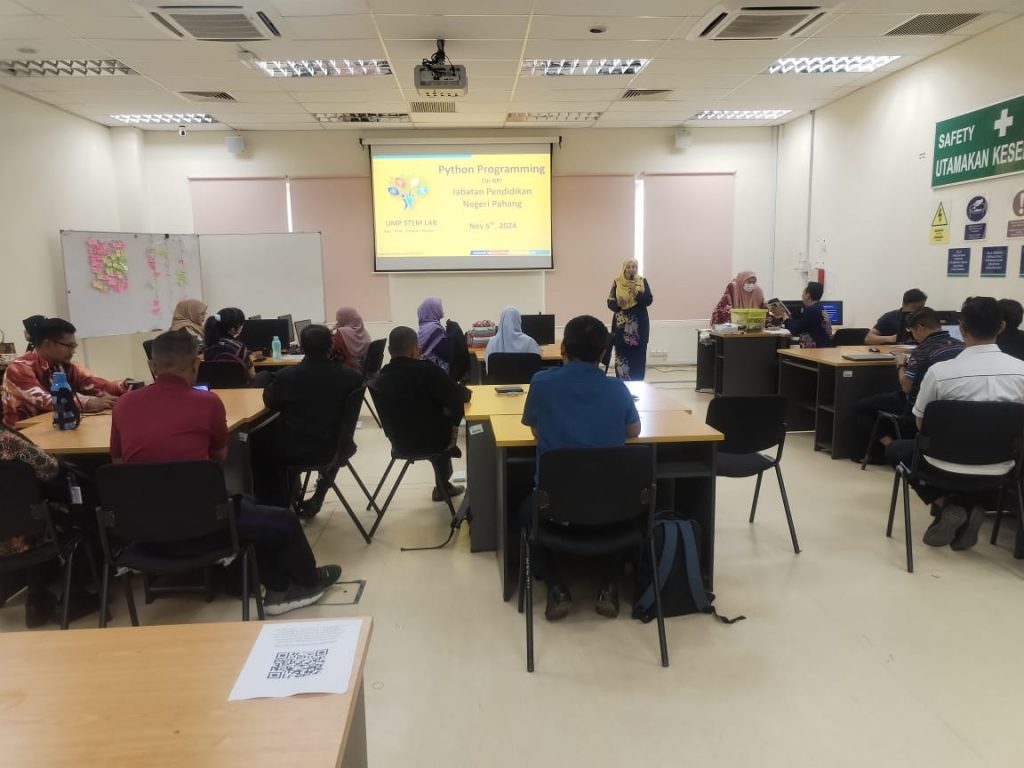
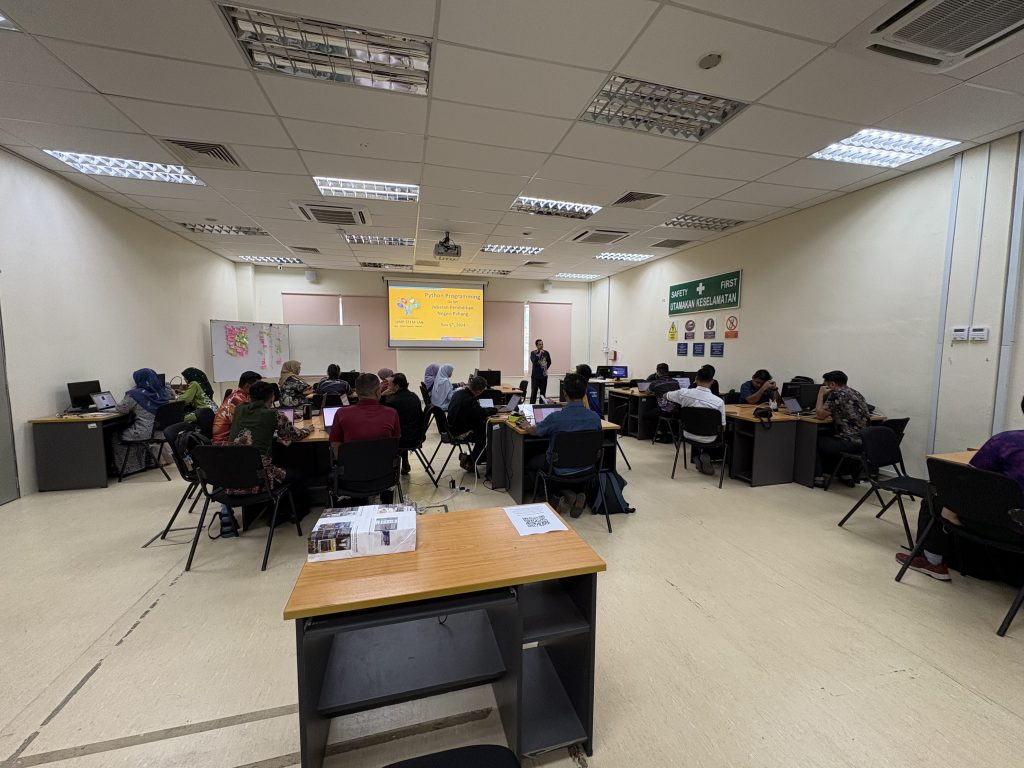
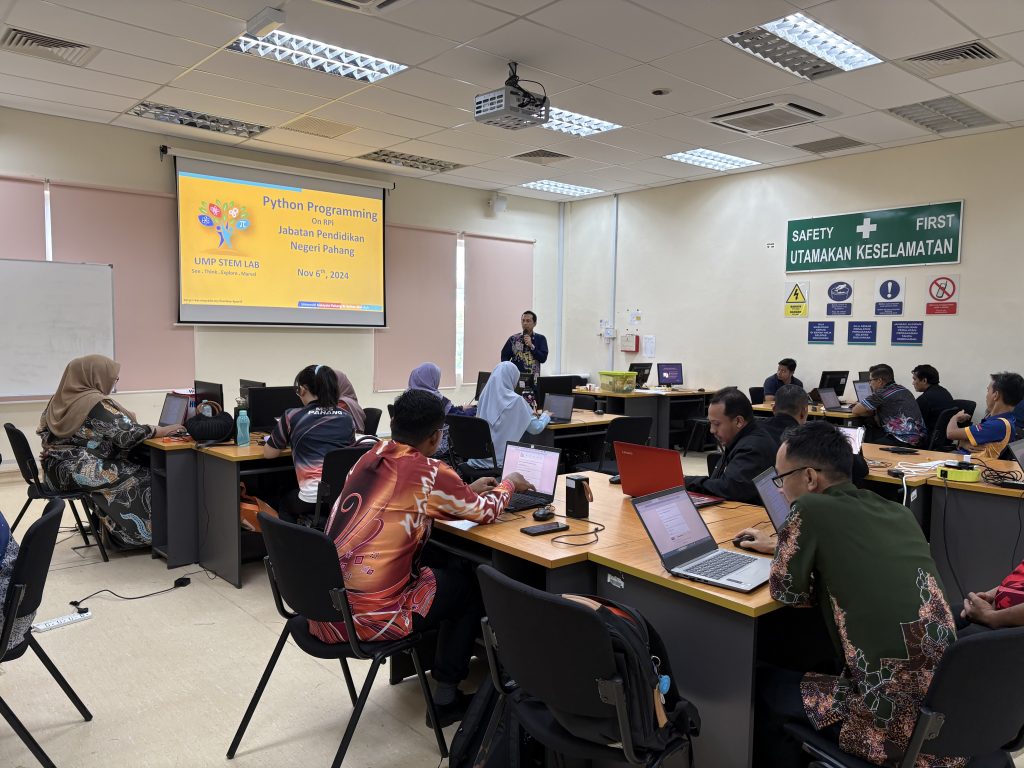
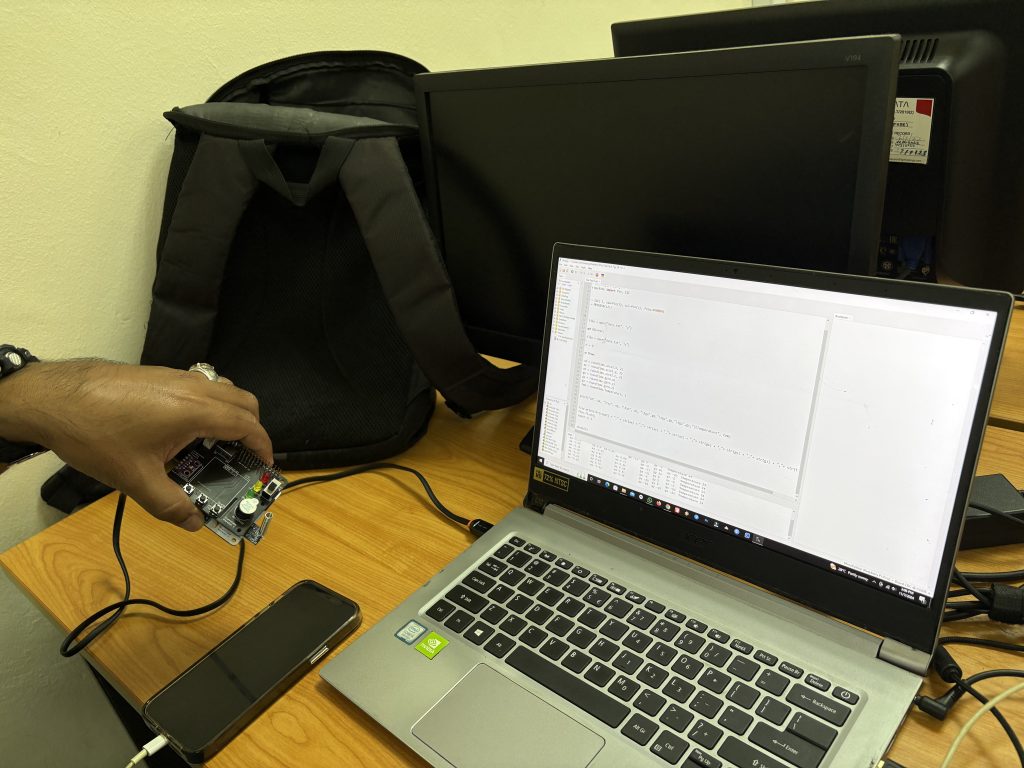
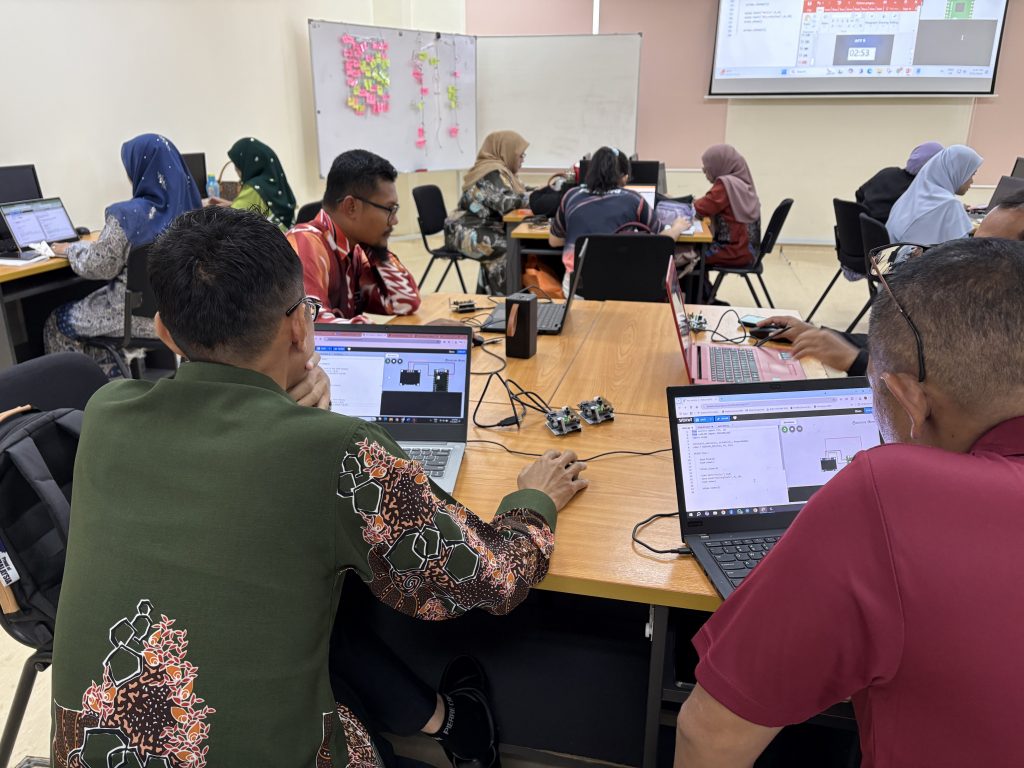
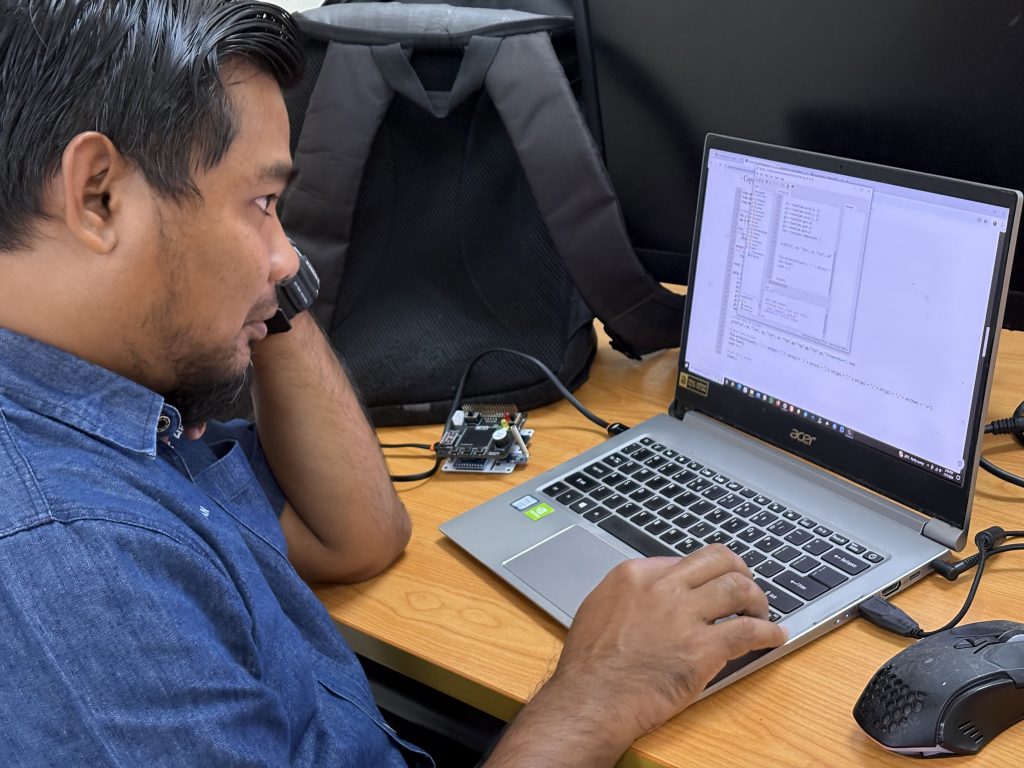
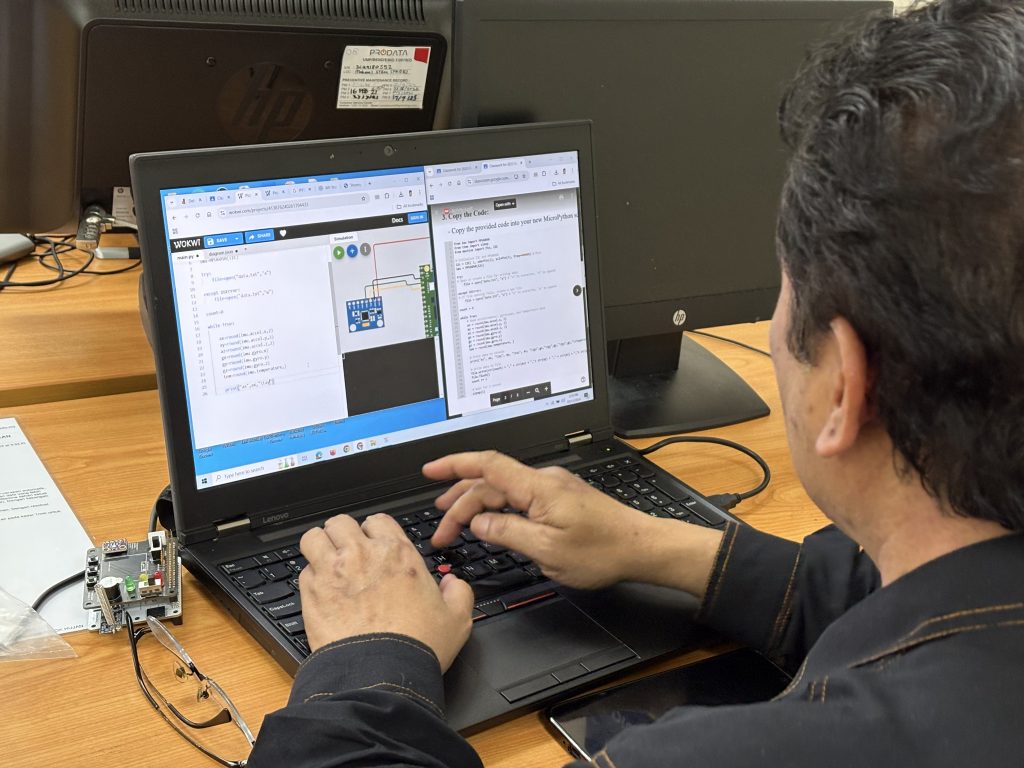
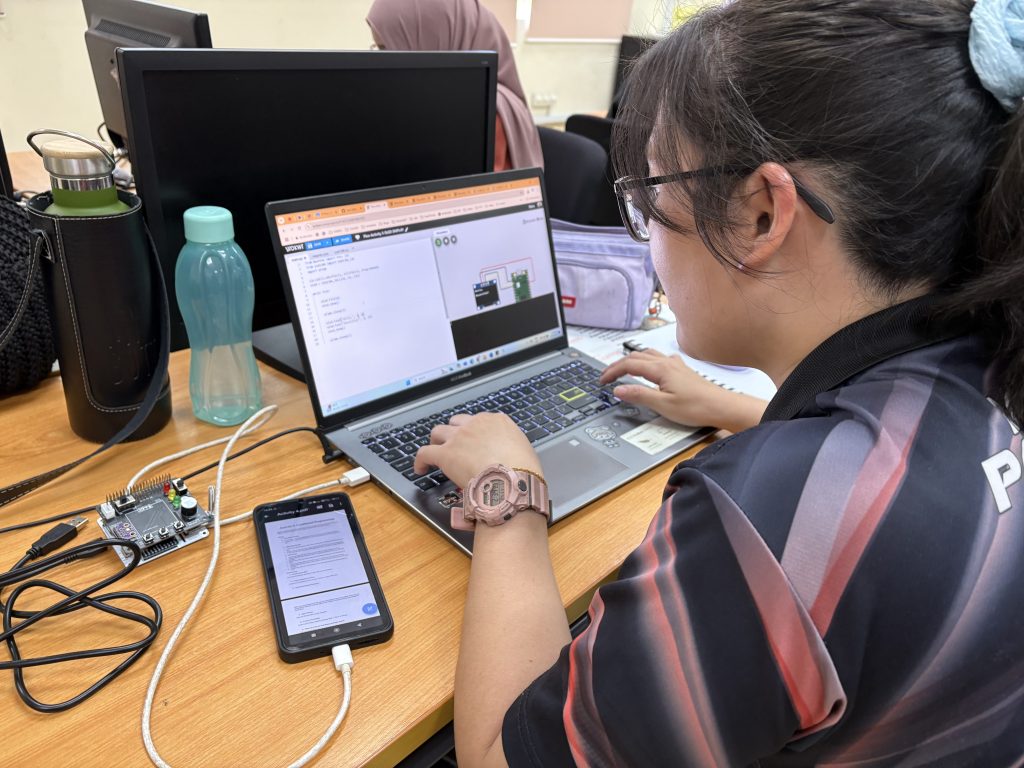
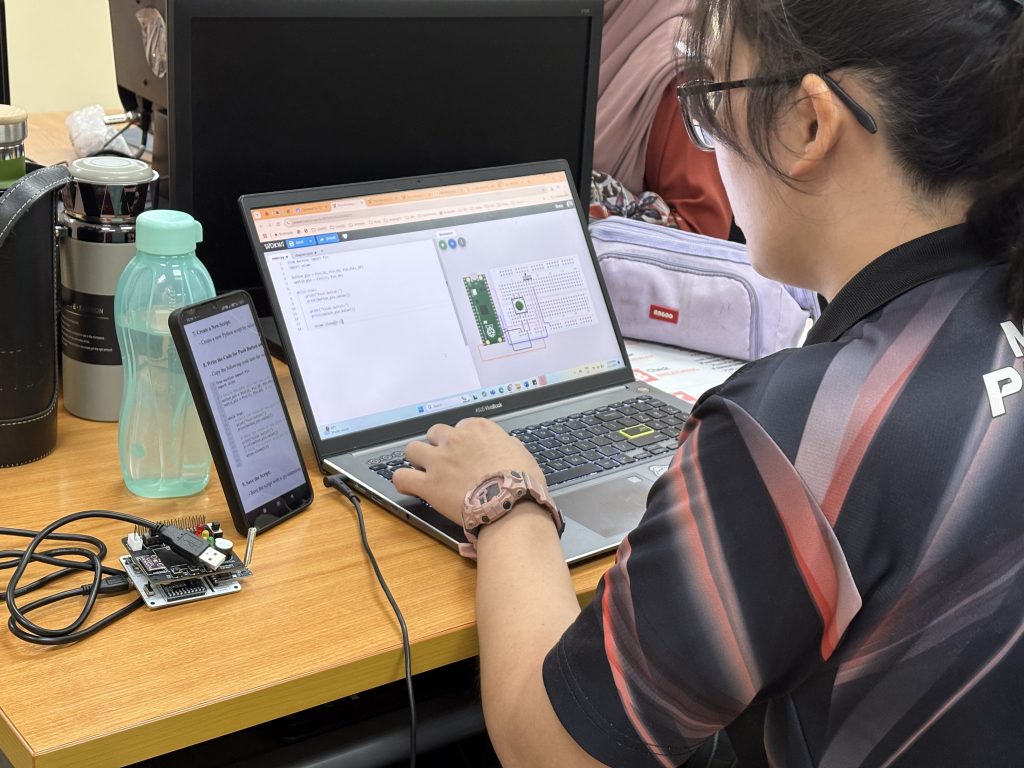
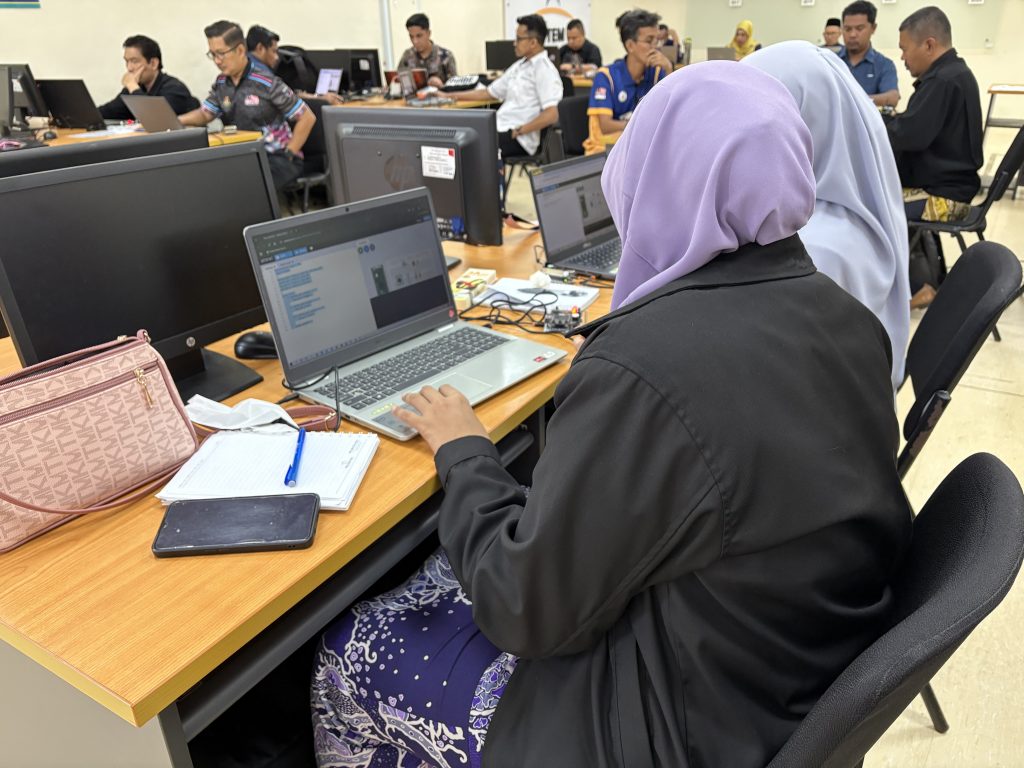
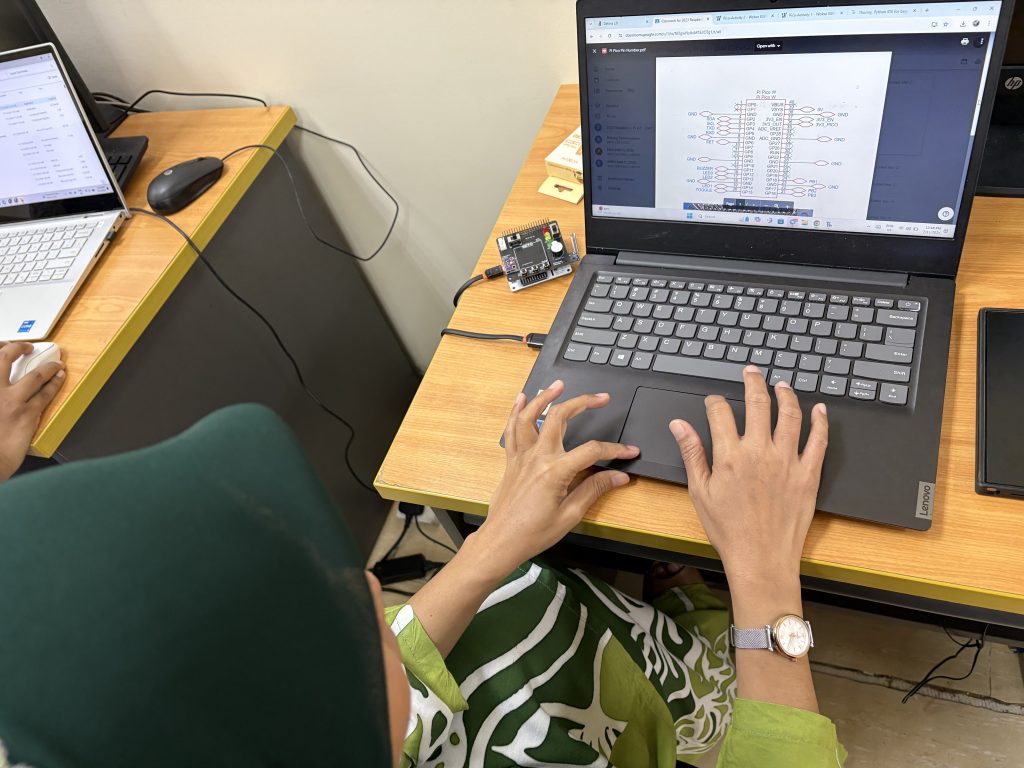
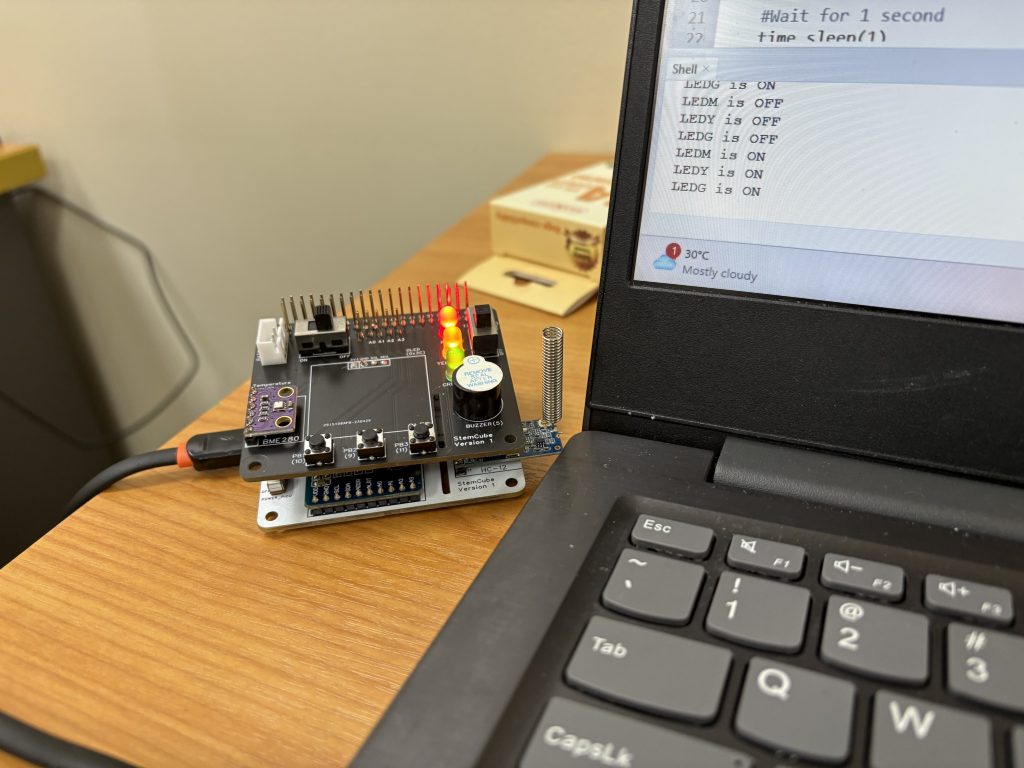
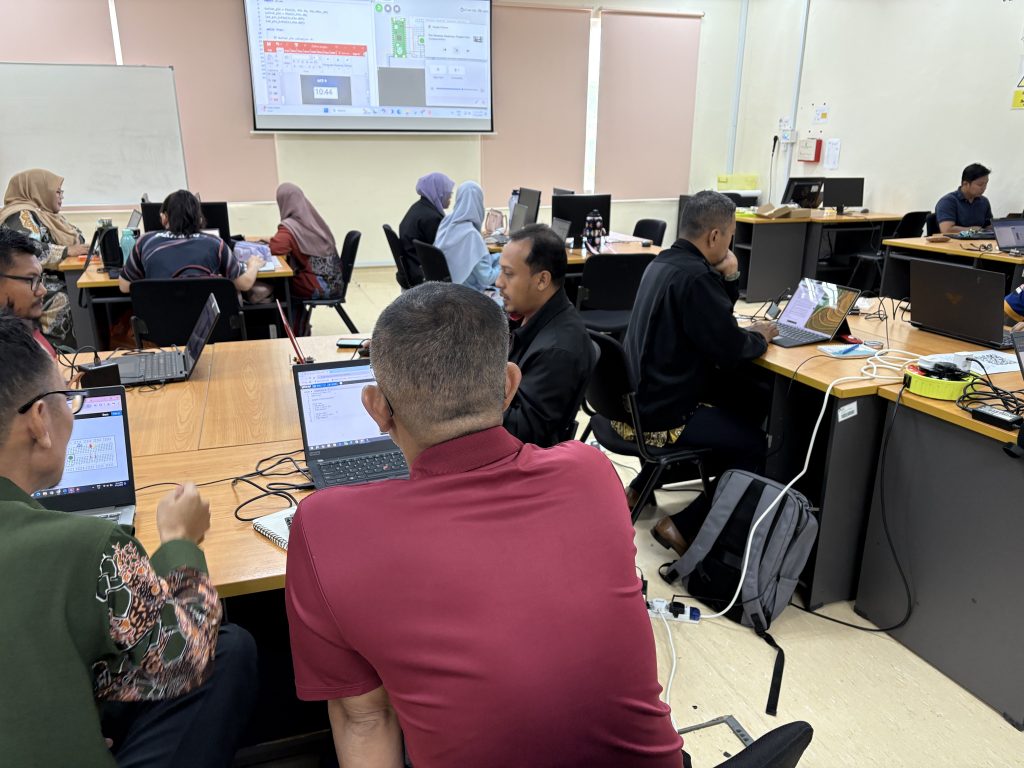
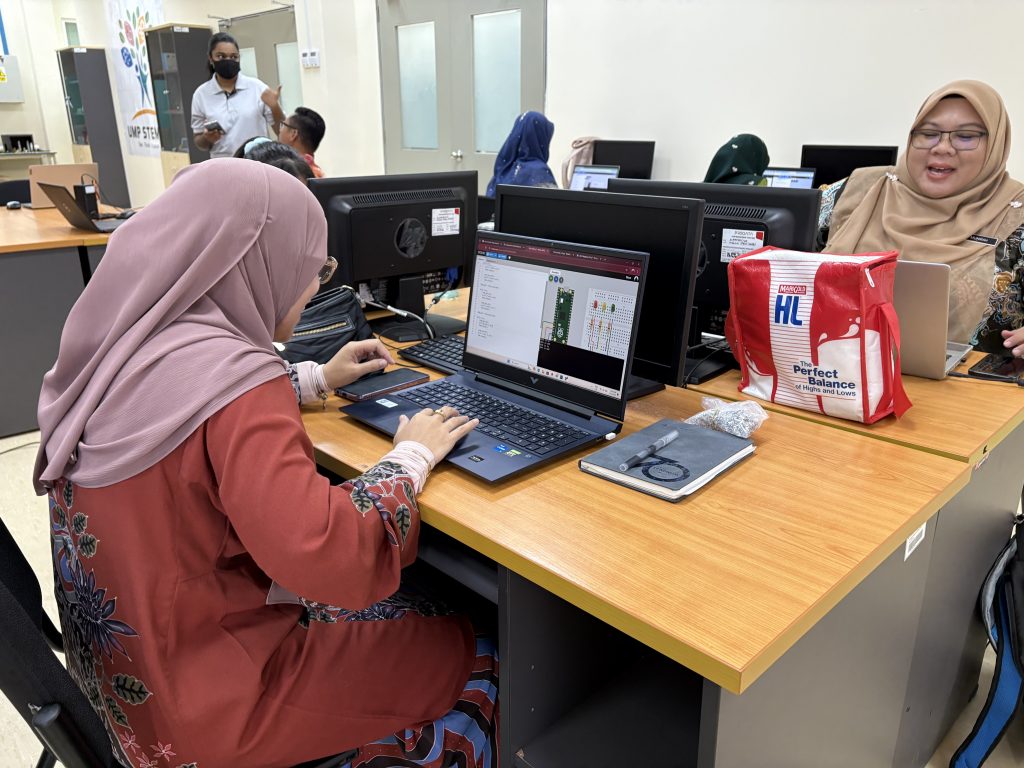
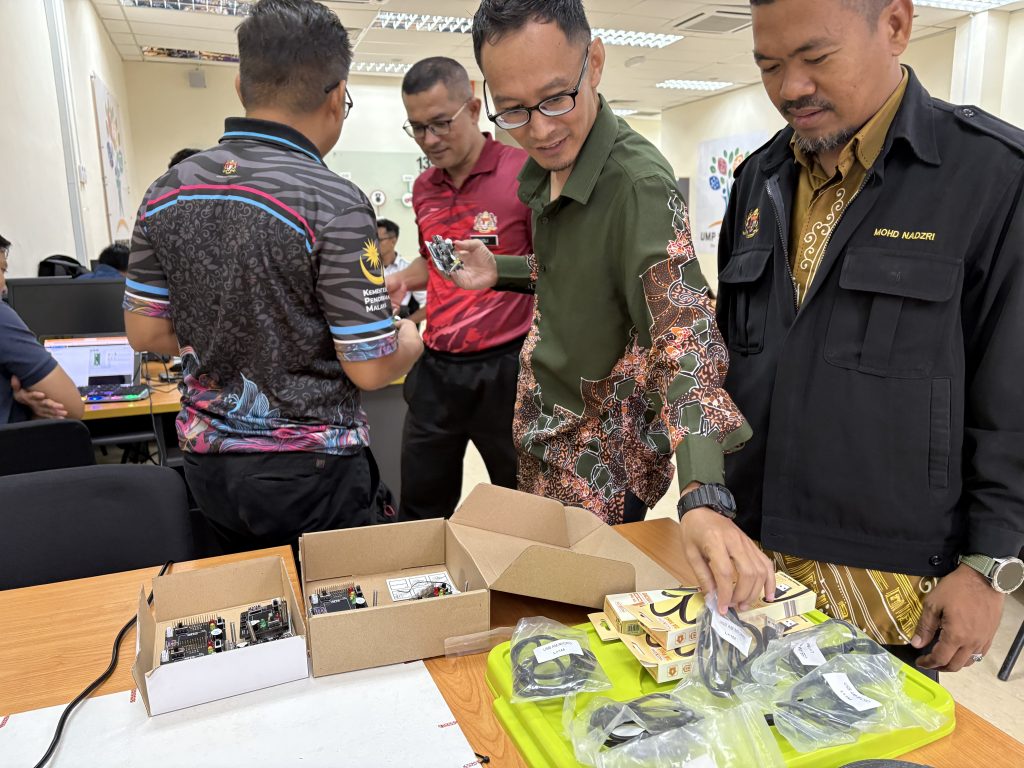
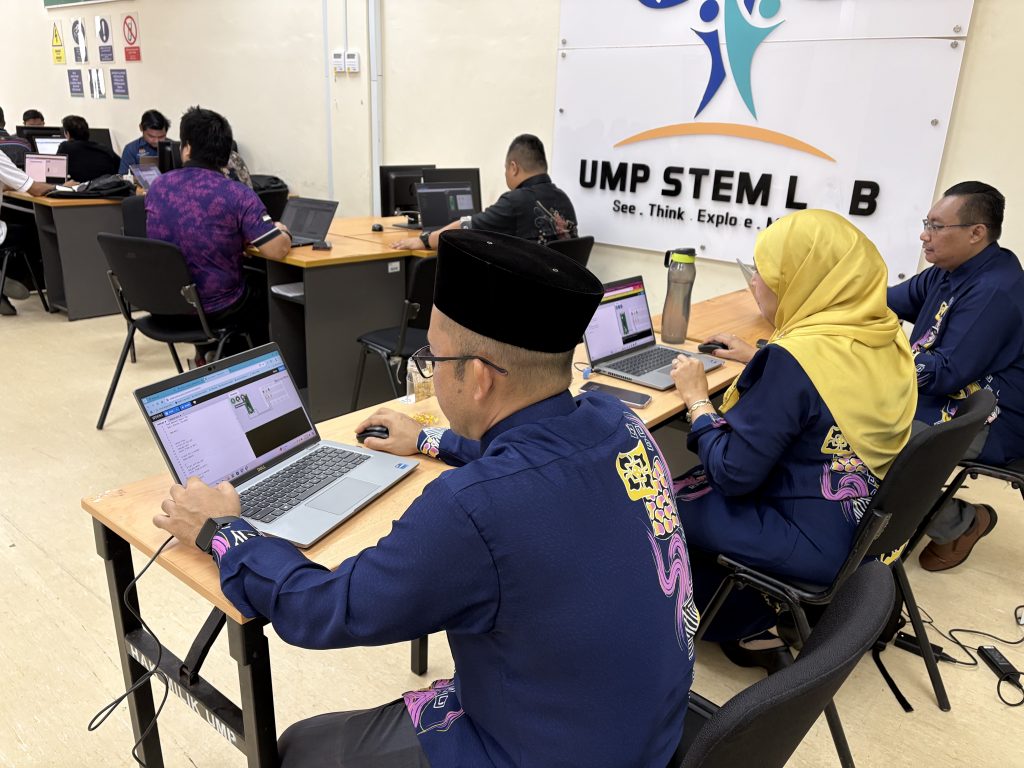
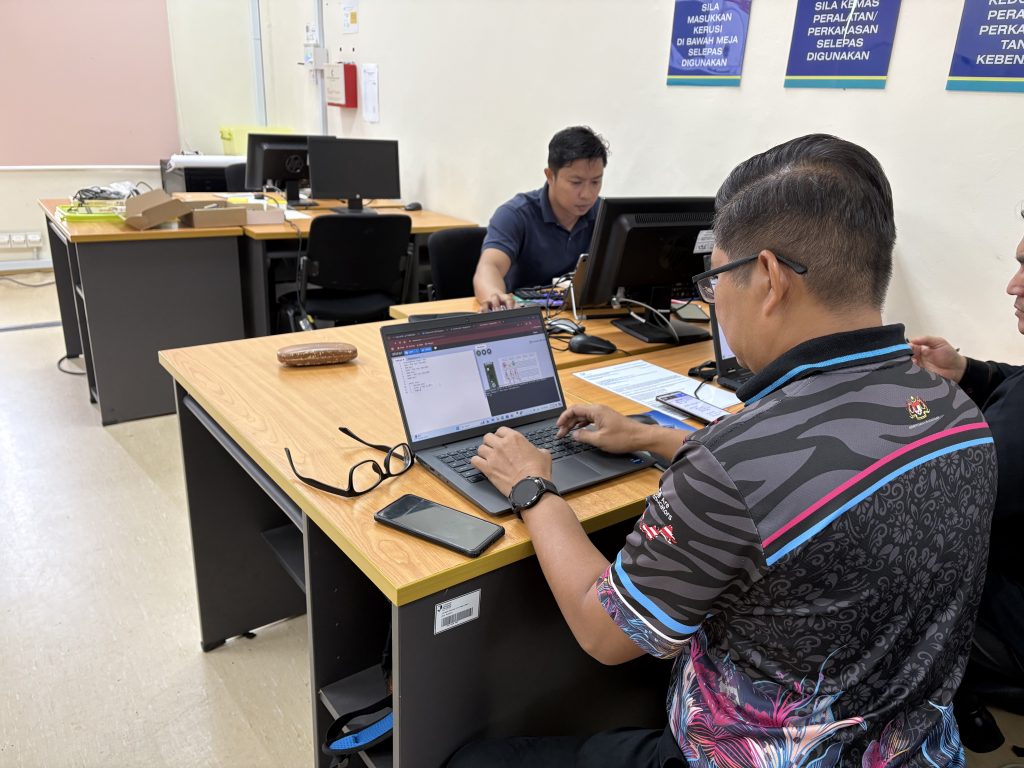
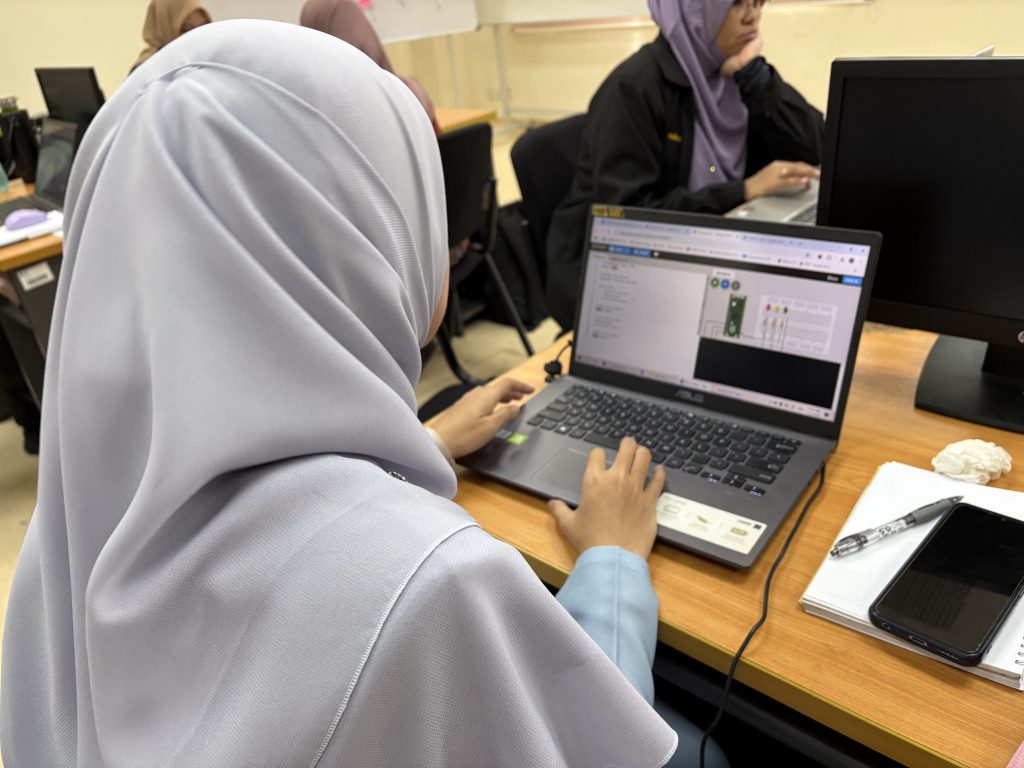
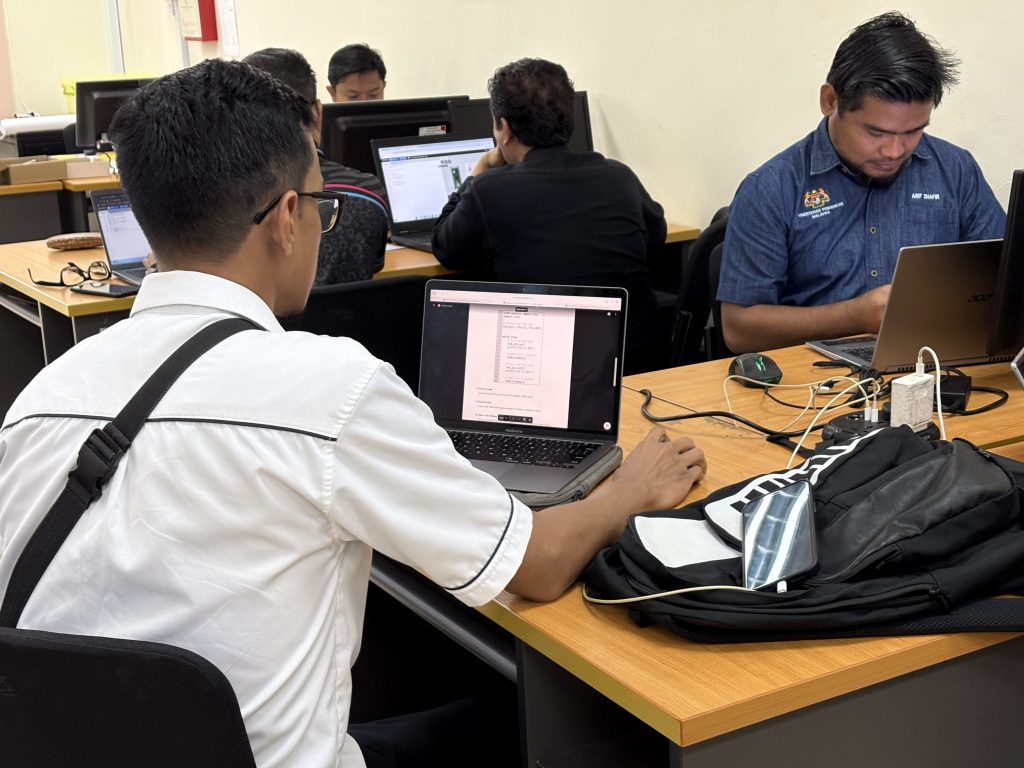
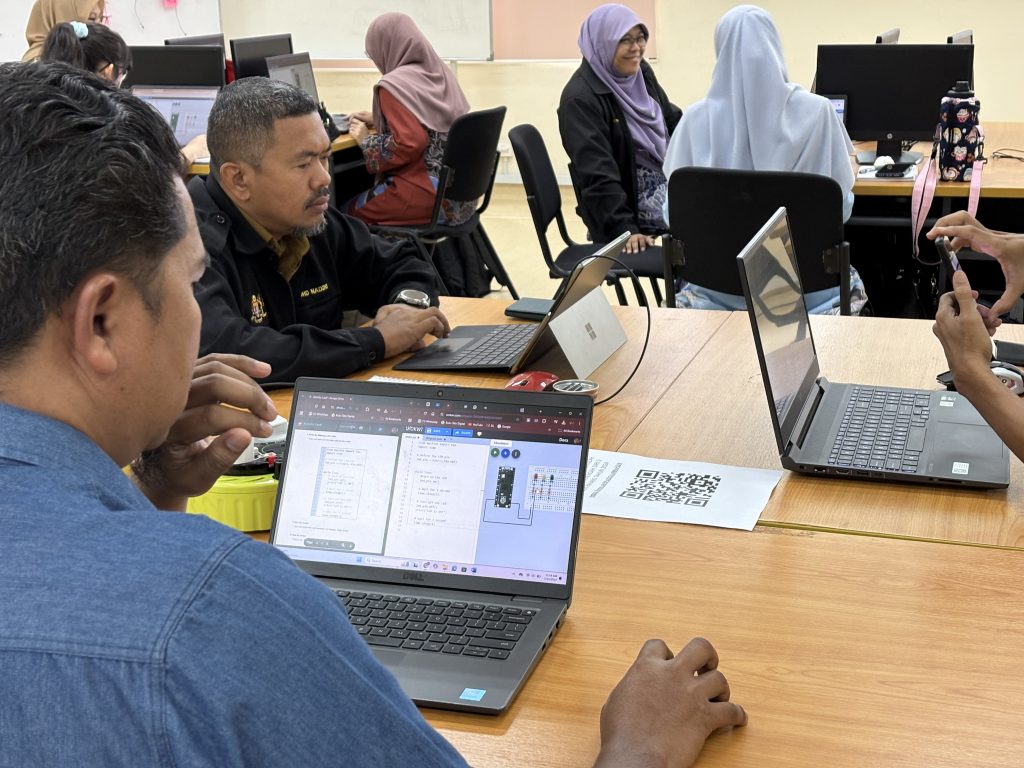
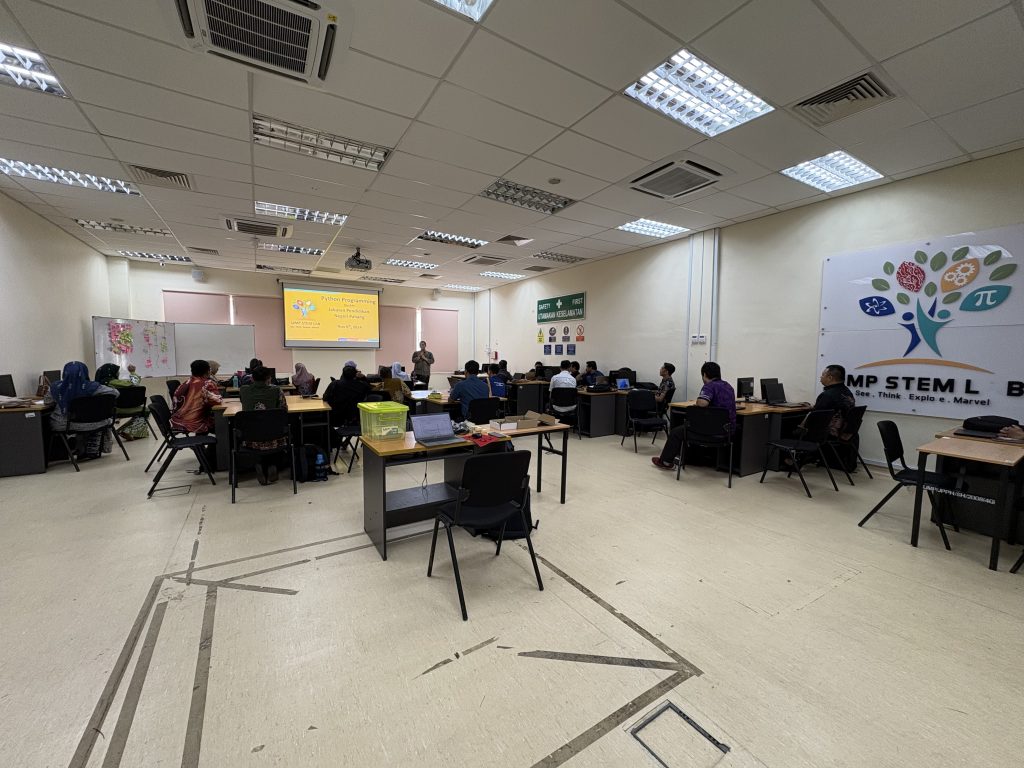
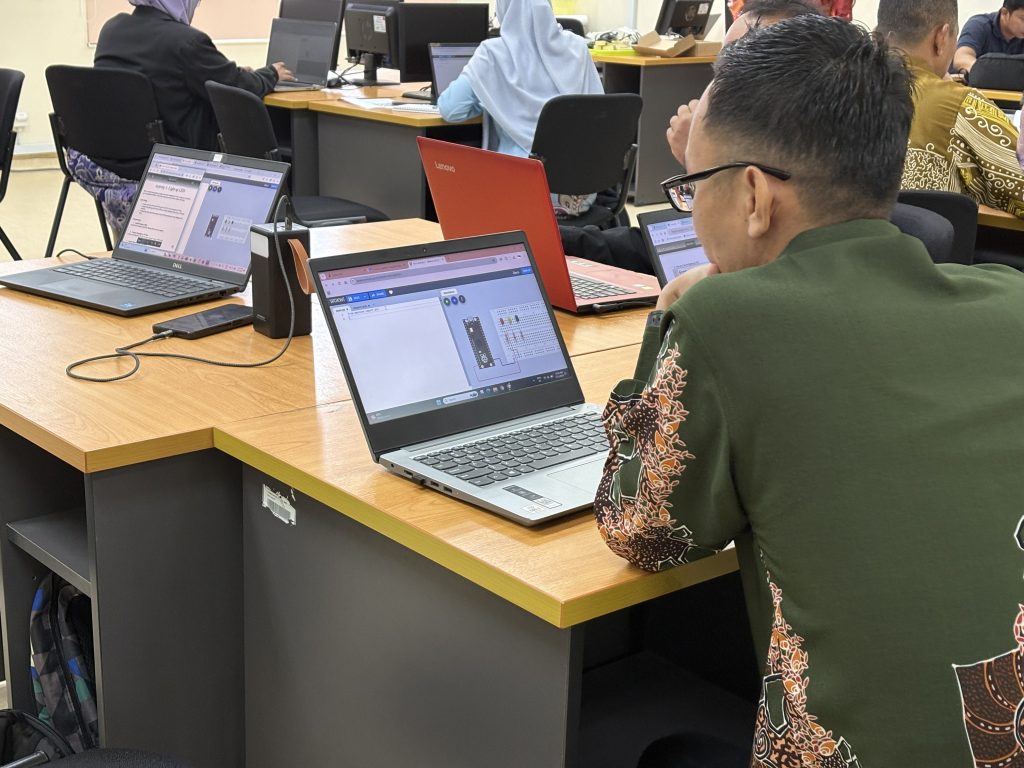
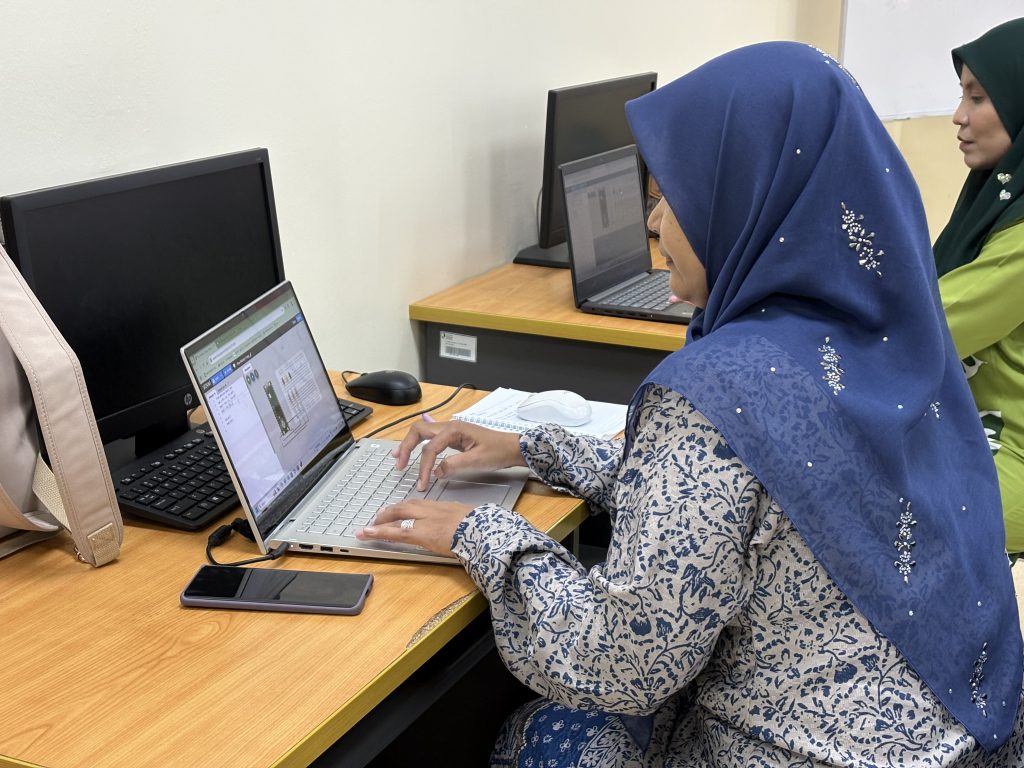
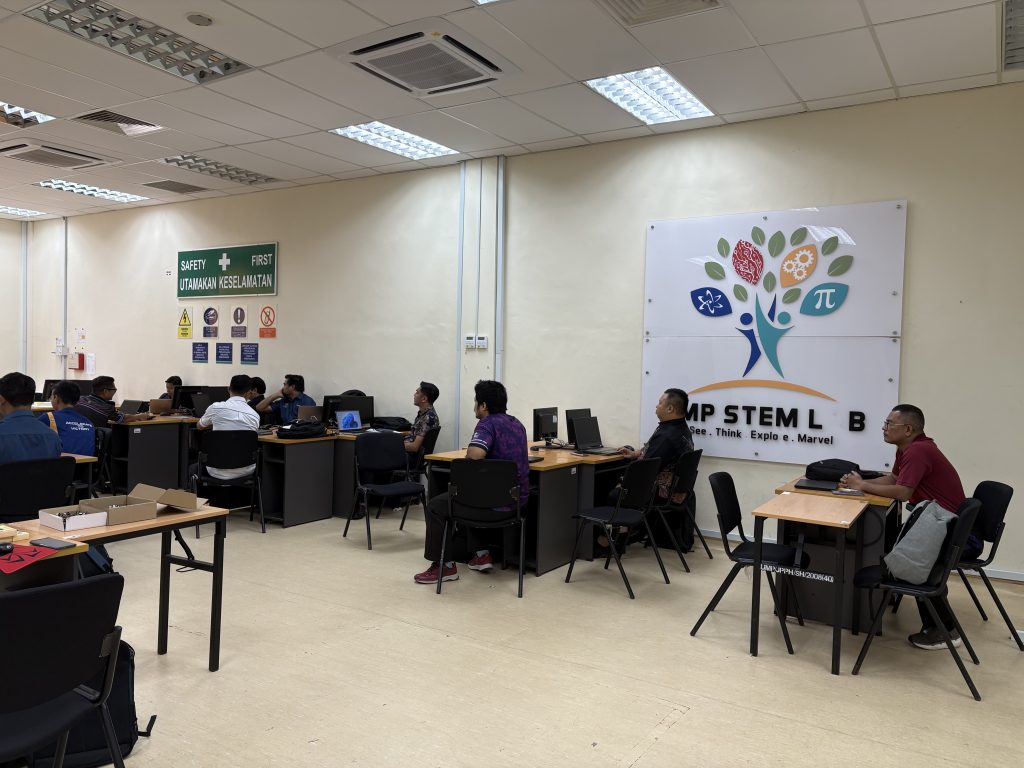
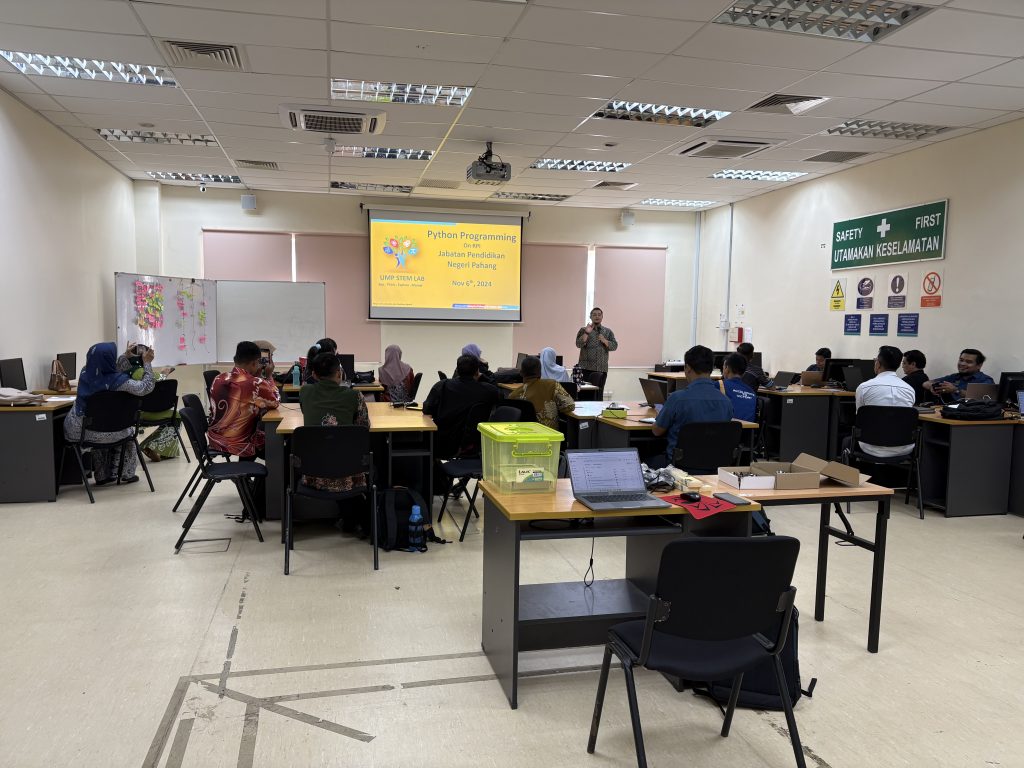
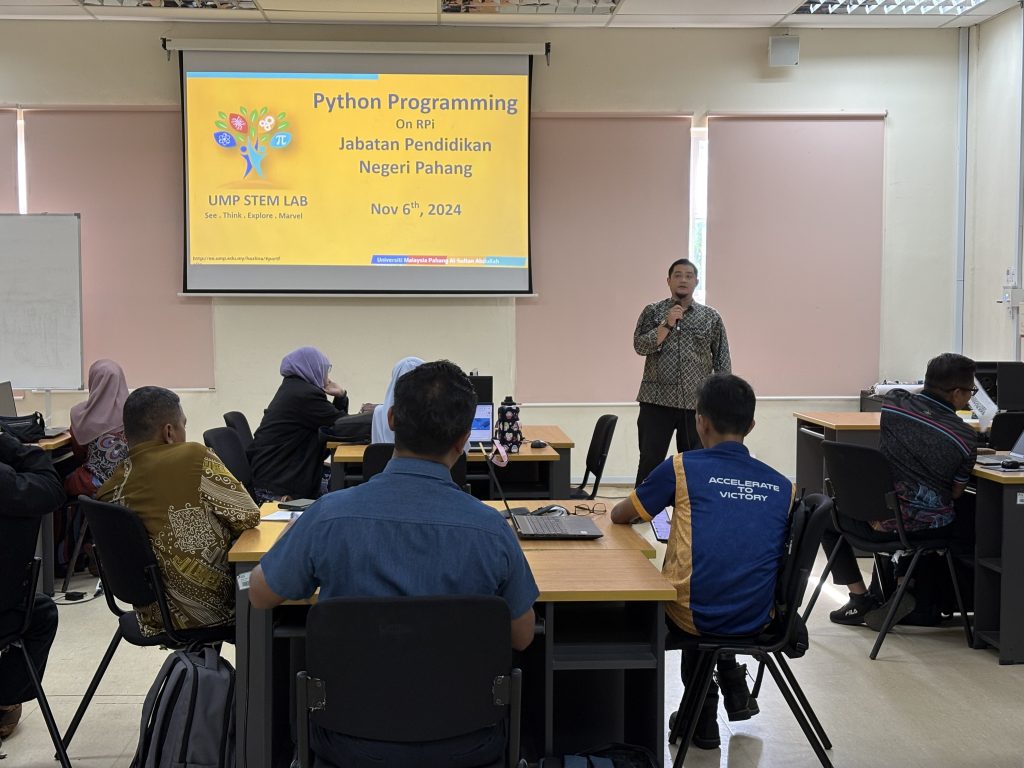
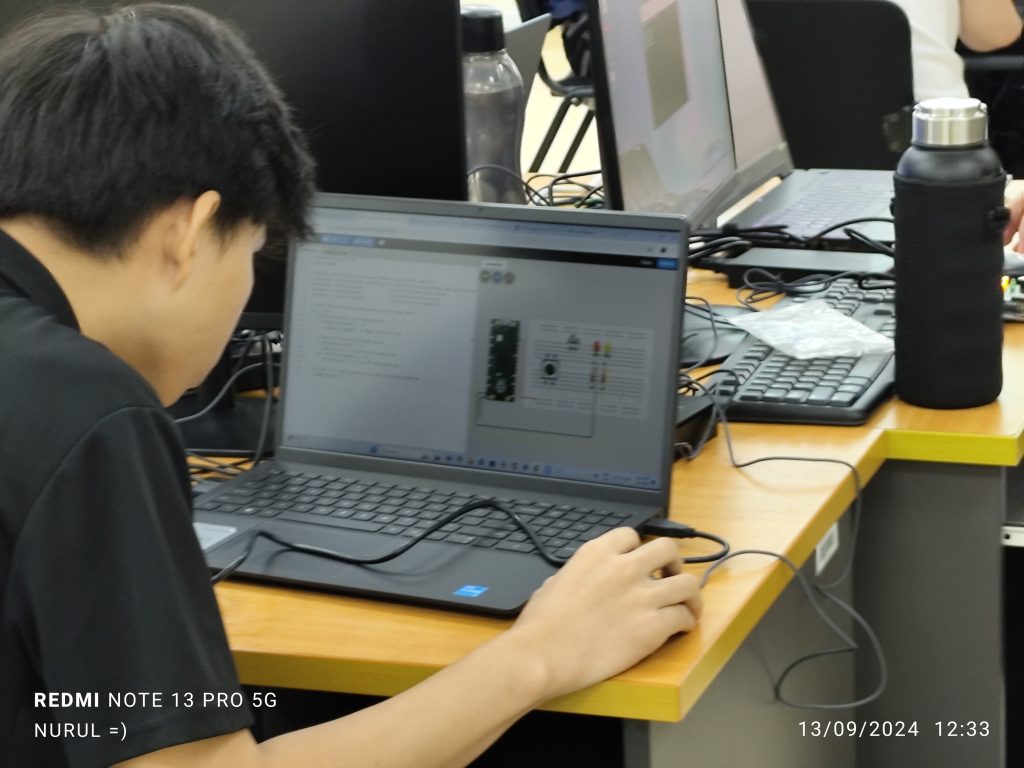
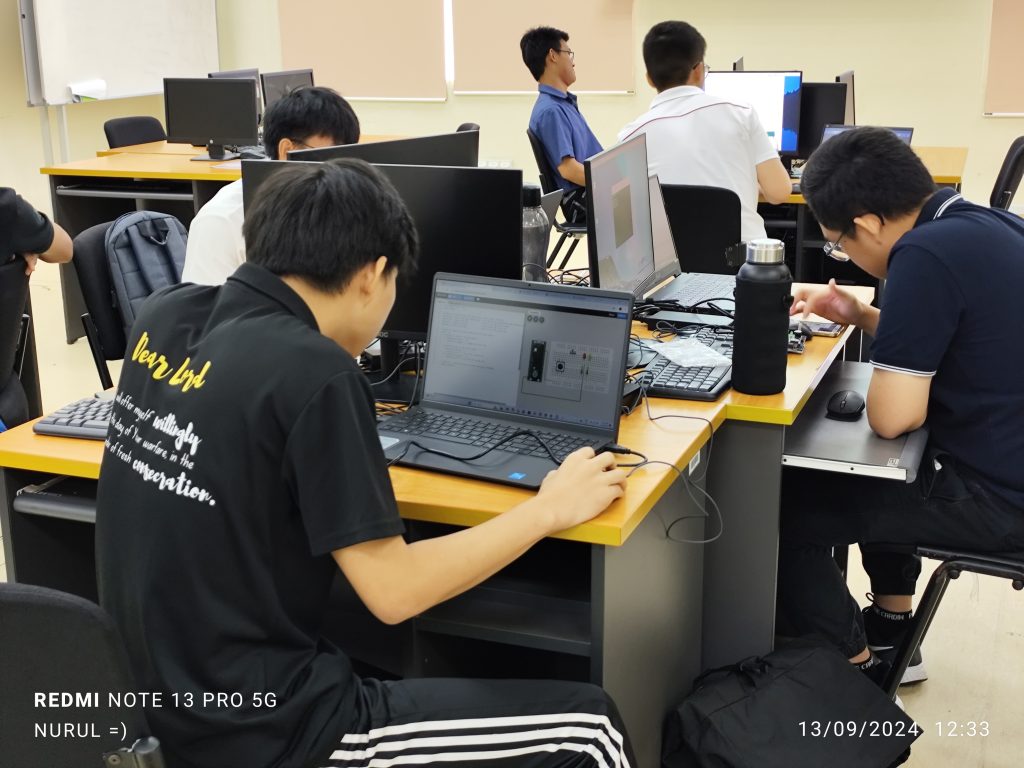
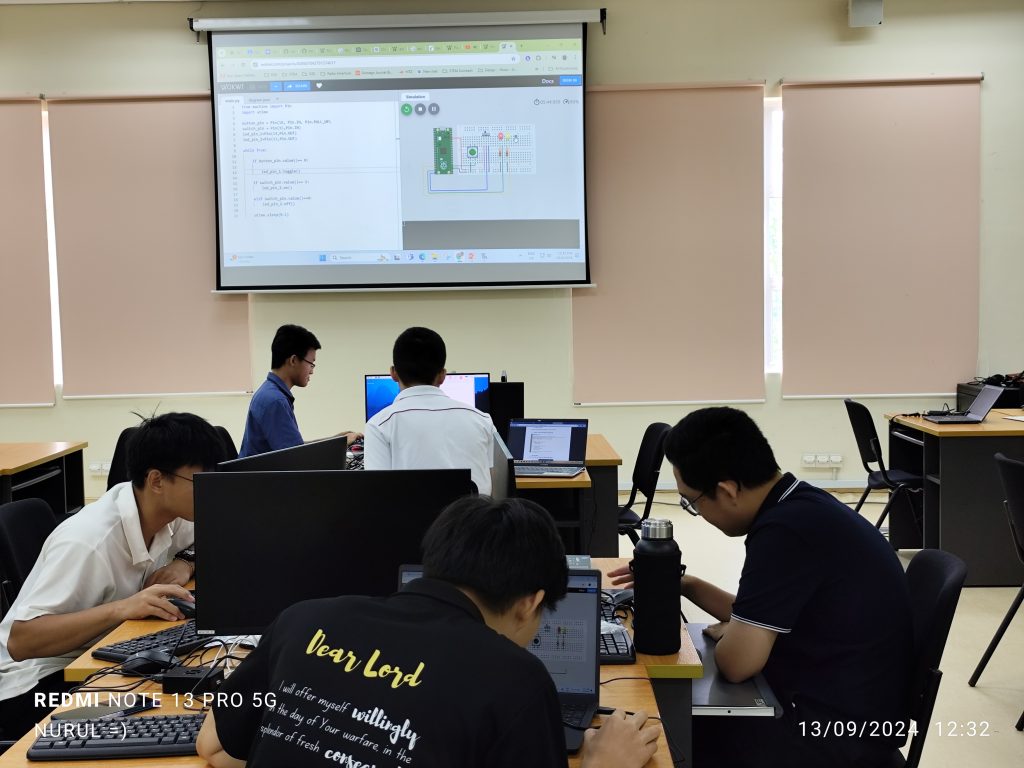
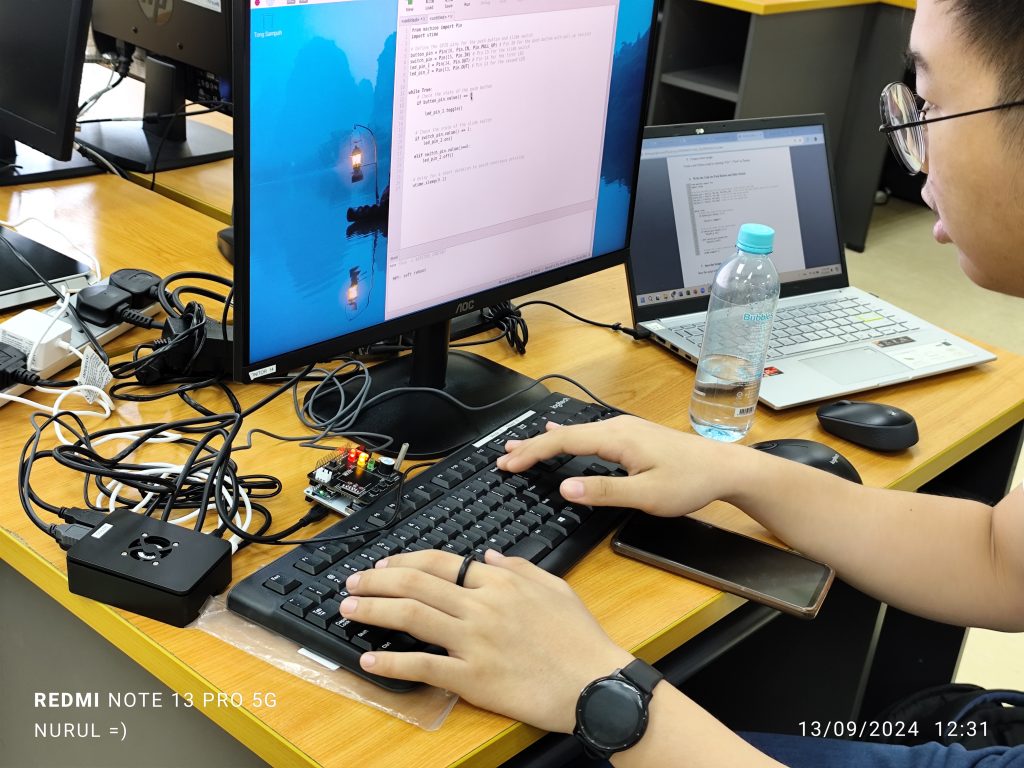
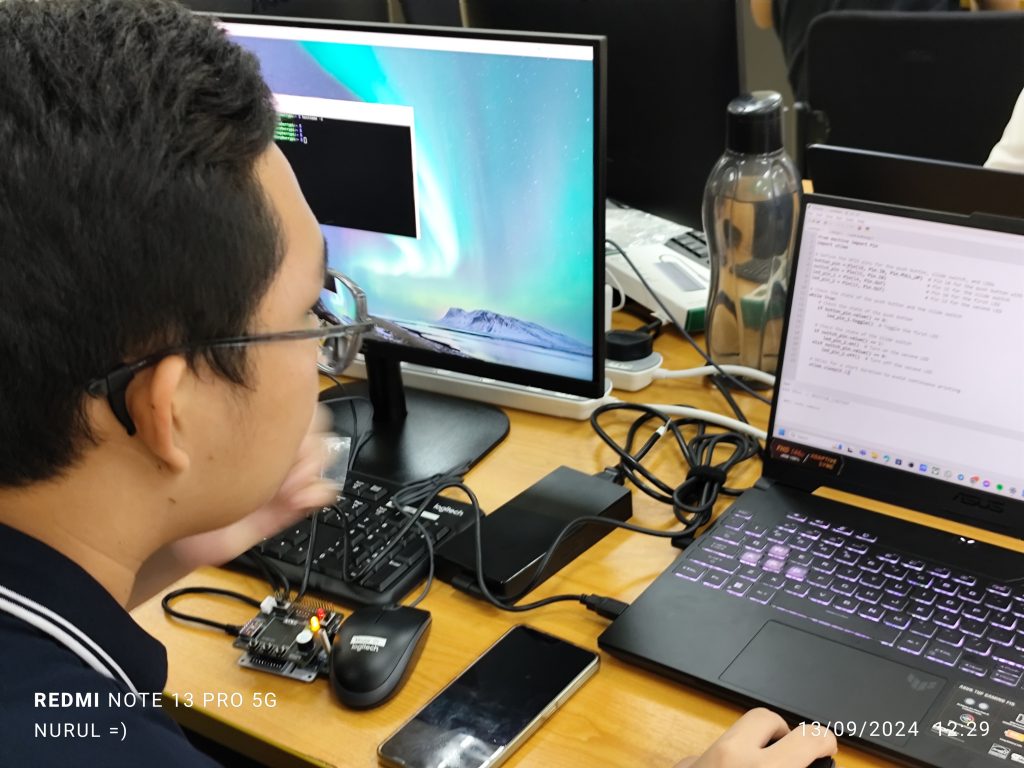
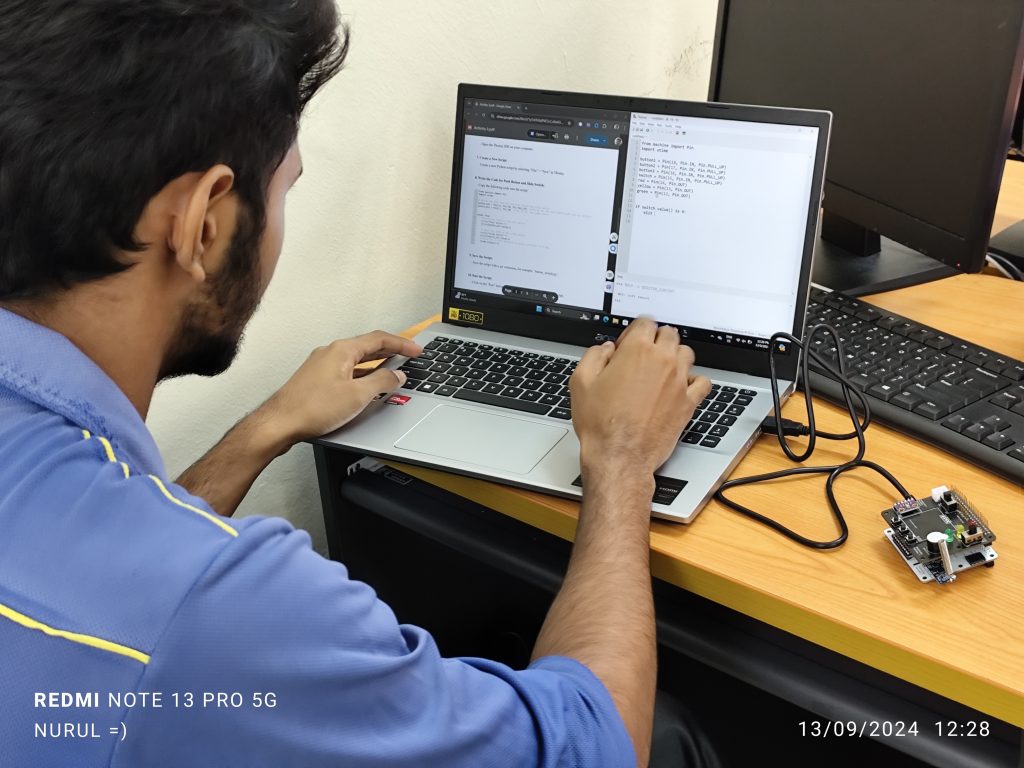
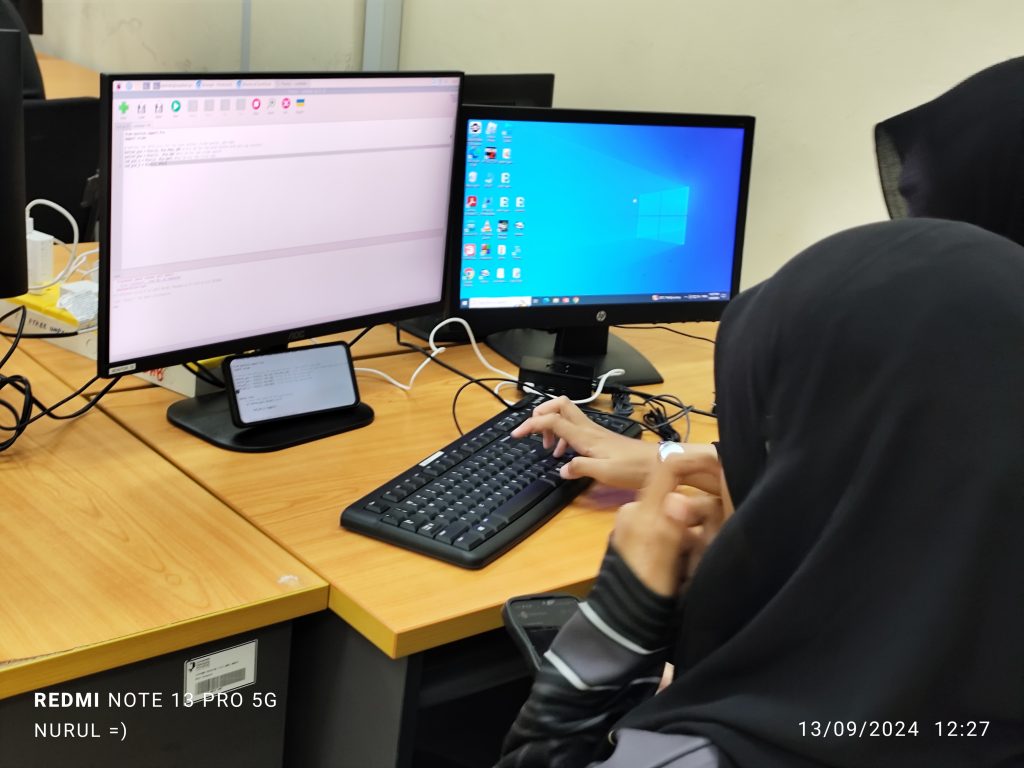
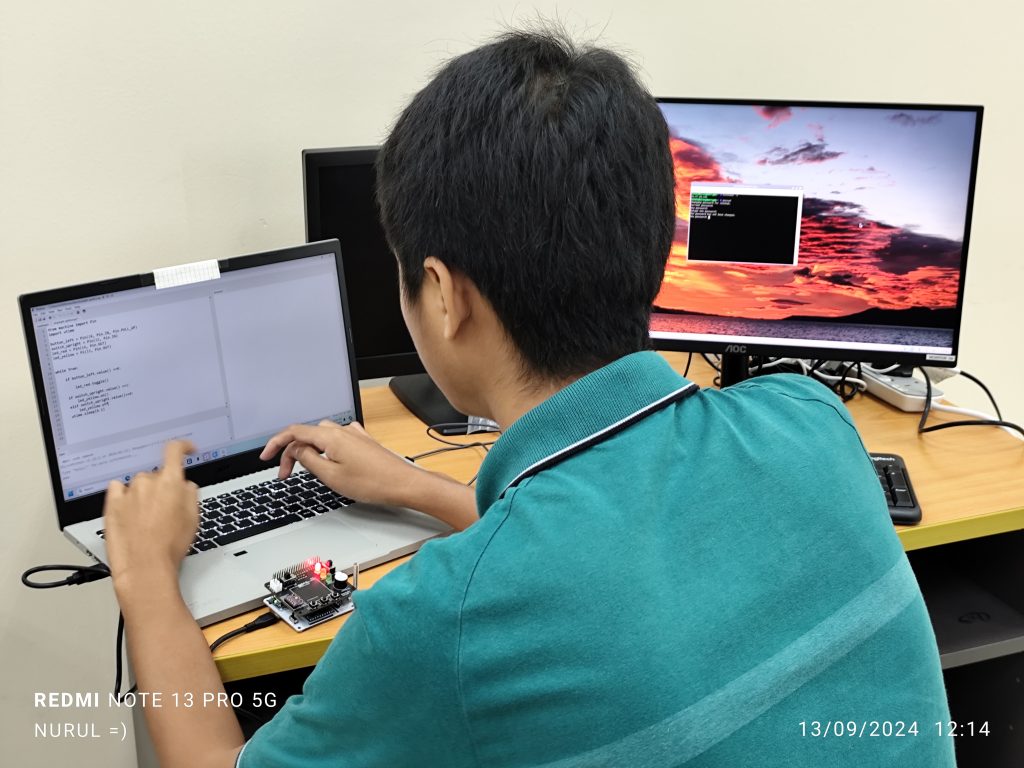
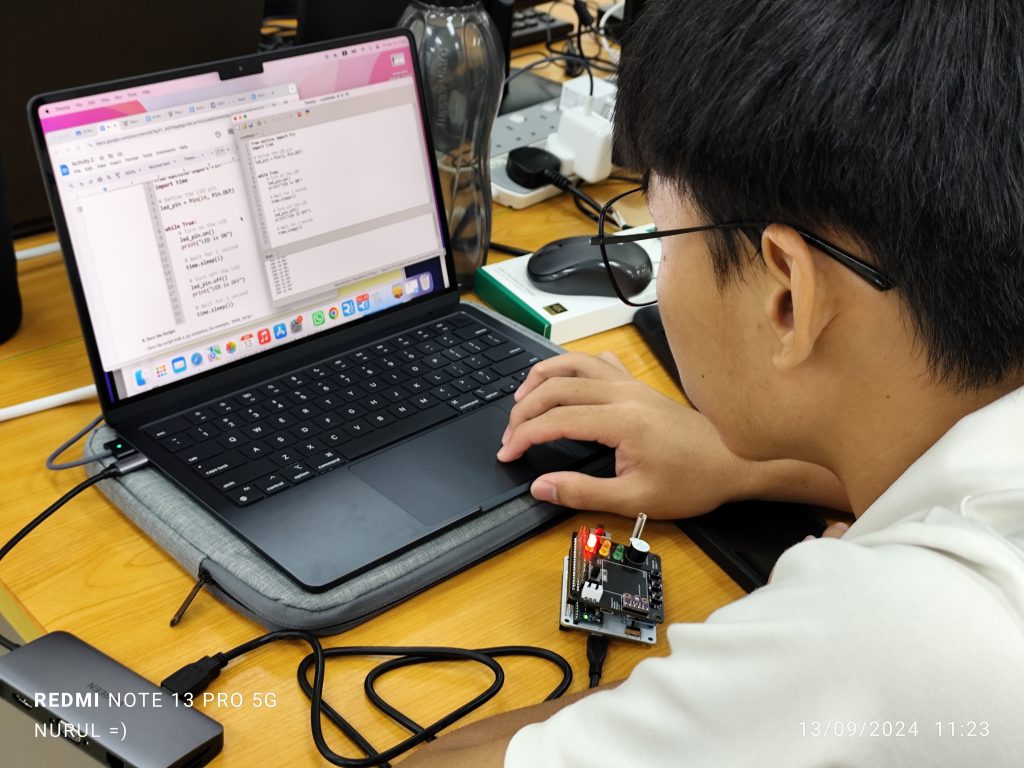
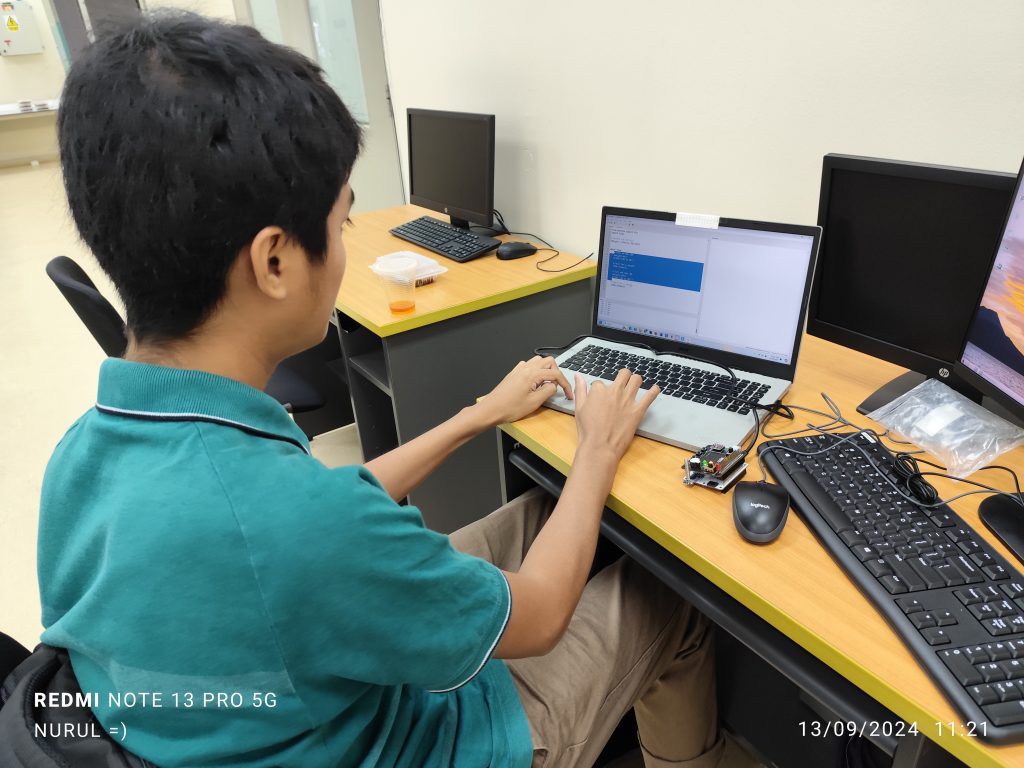
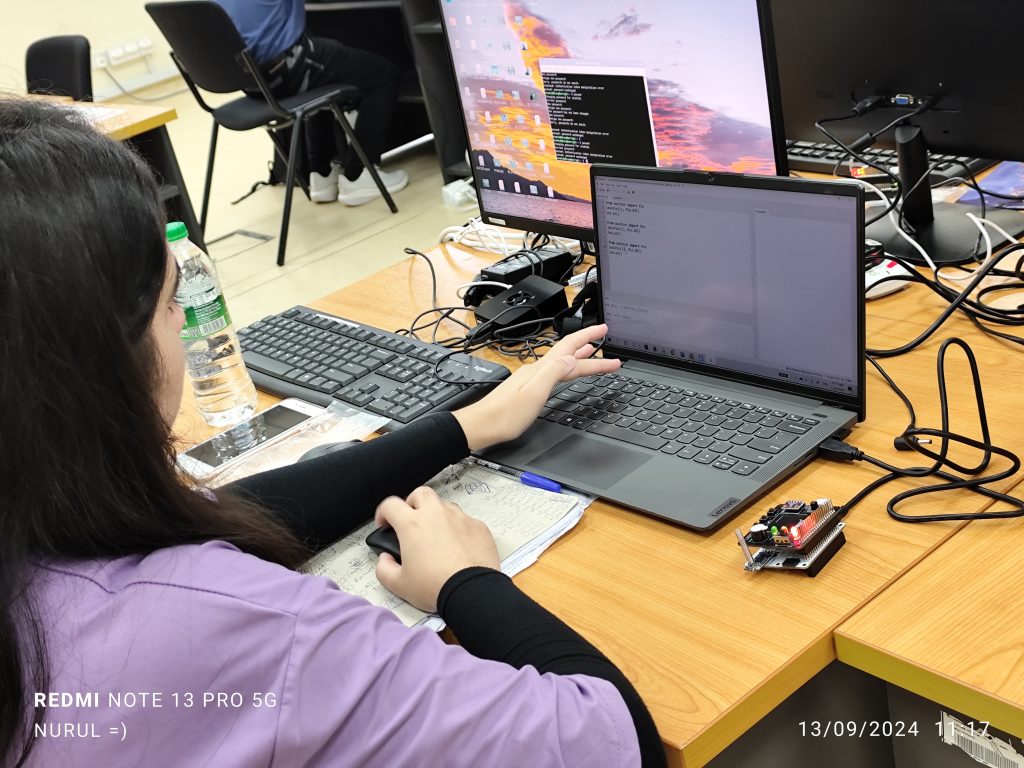
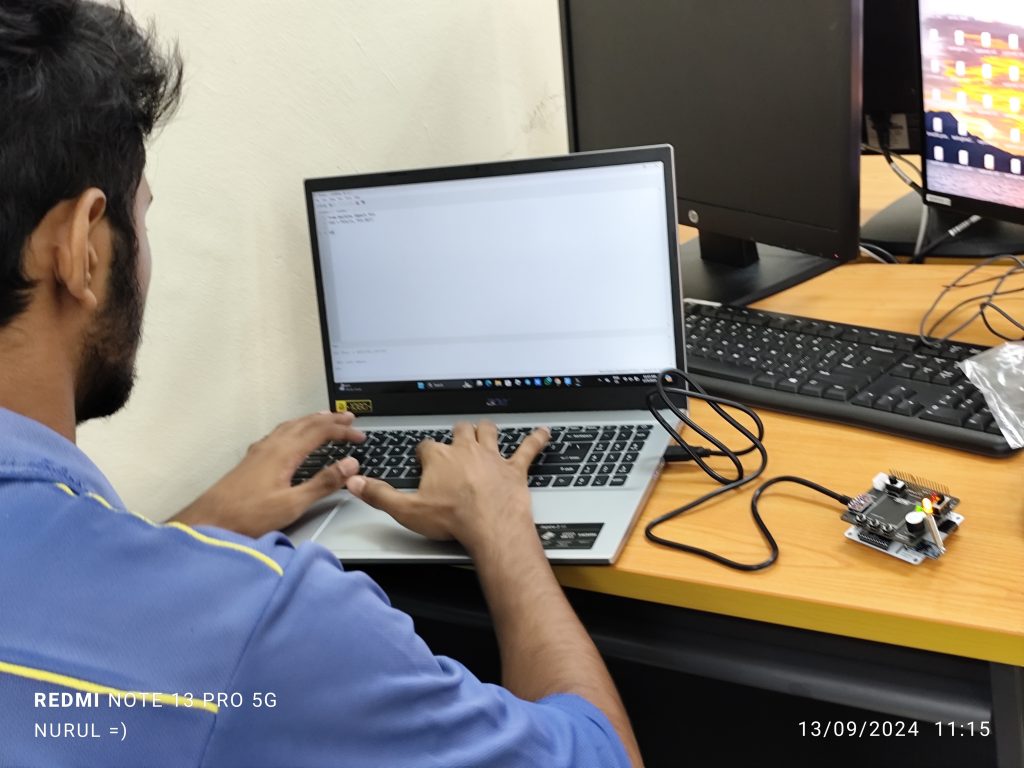
In the Raspberry Pi IoT session, 32 teachers from Jabatan Pelajaran Negeri Pahang  were introduced to the concept of the Internet of Things (IoT) using Raspberry Pi on the UMP STEM Cube, a pico-satellite learning kit specifically designed to facilitate engineering learning.

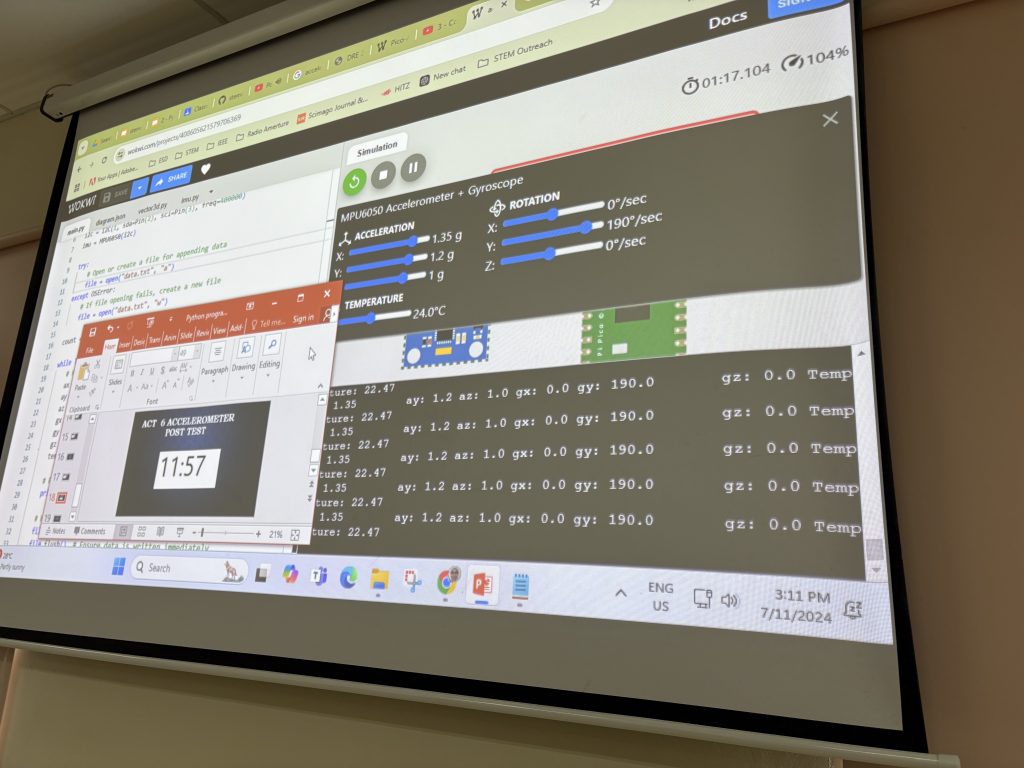
The content covered basic digital input/output operations on onboard LEDs, as well as topics such as dashboard design using gyro meter and BMU280 sensor data, including collecting and storing data in a cloud database. Participants learned to interface sensors with Raspberry Pi boards and develop IoT applications for real-world scenarios. The session provided students with valuable insights into IoT technology and its applications in various domains.

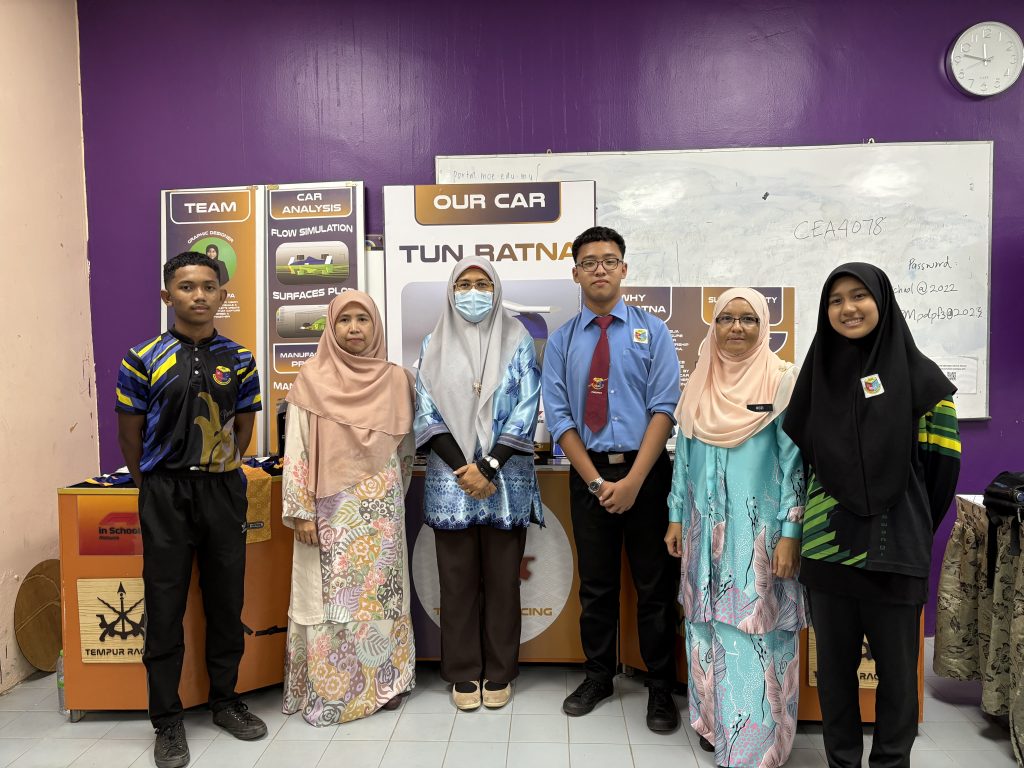
A special appreciation is extended to Tn Hj Bushra for coordination in facilitating communication between the participants and the UMPSA STEM Lab.

Nov 7th

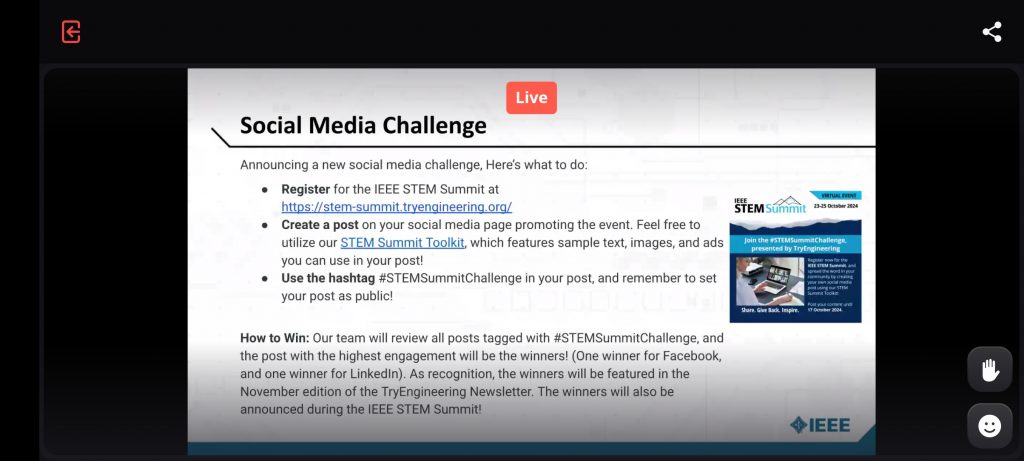
2024 IEEE STEM Summit

STEM Summit 2024 is happening now   Website


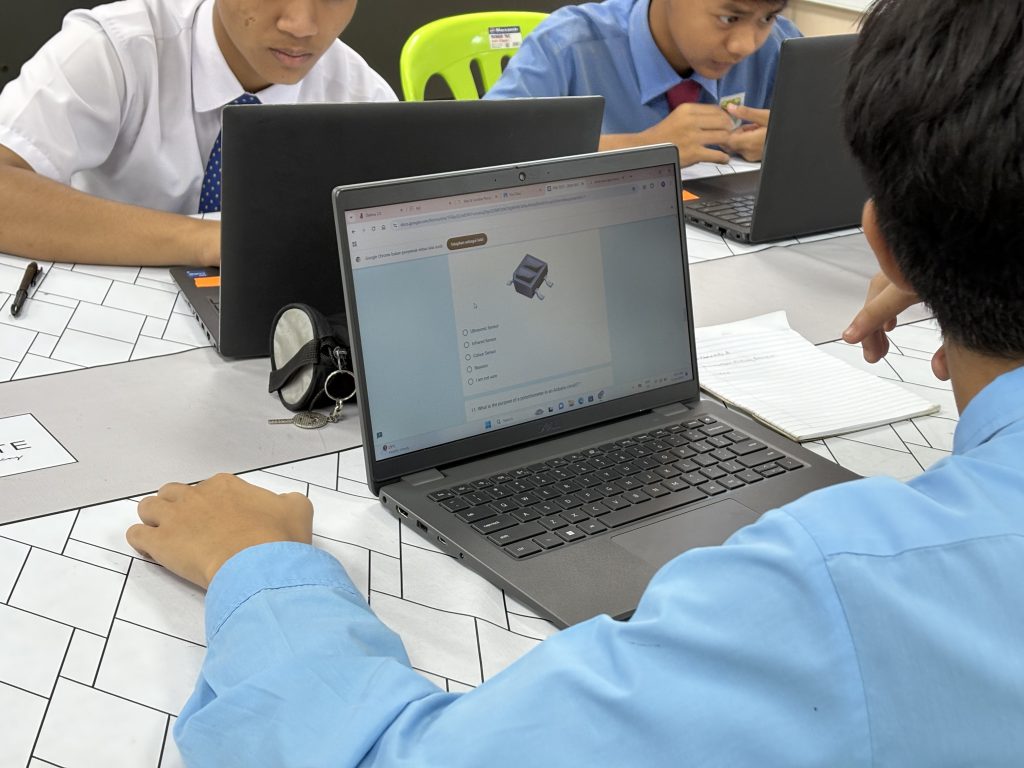
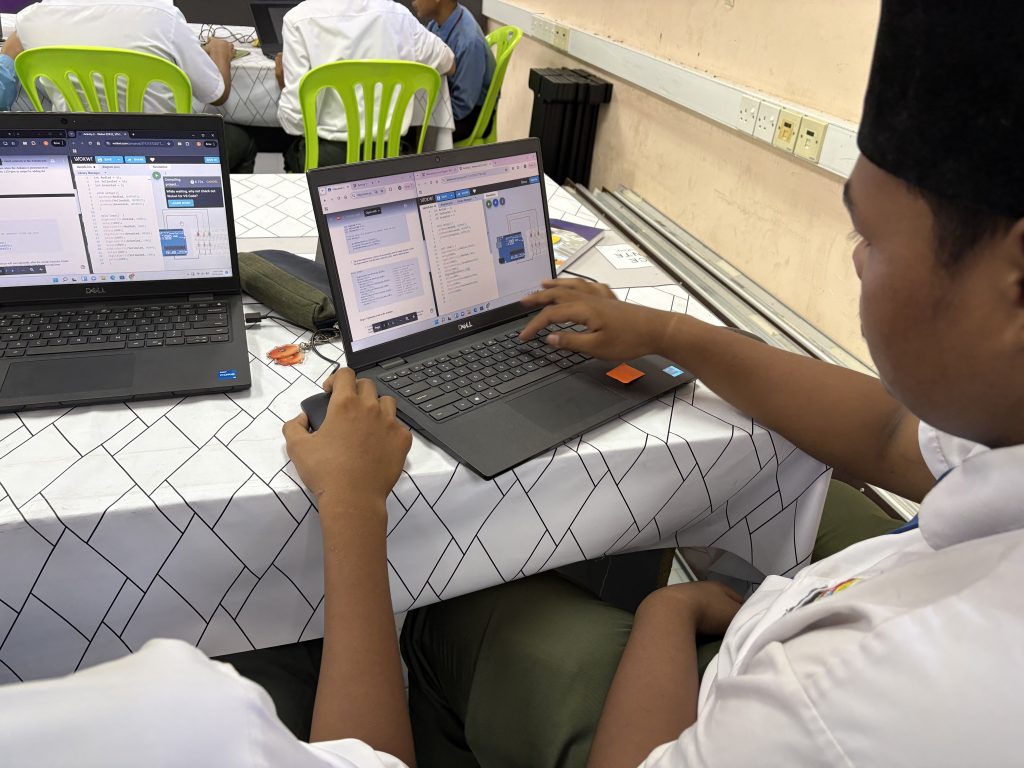
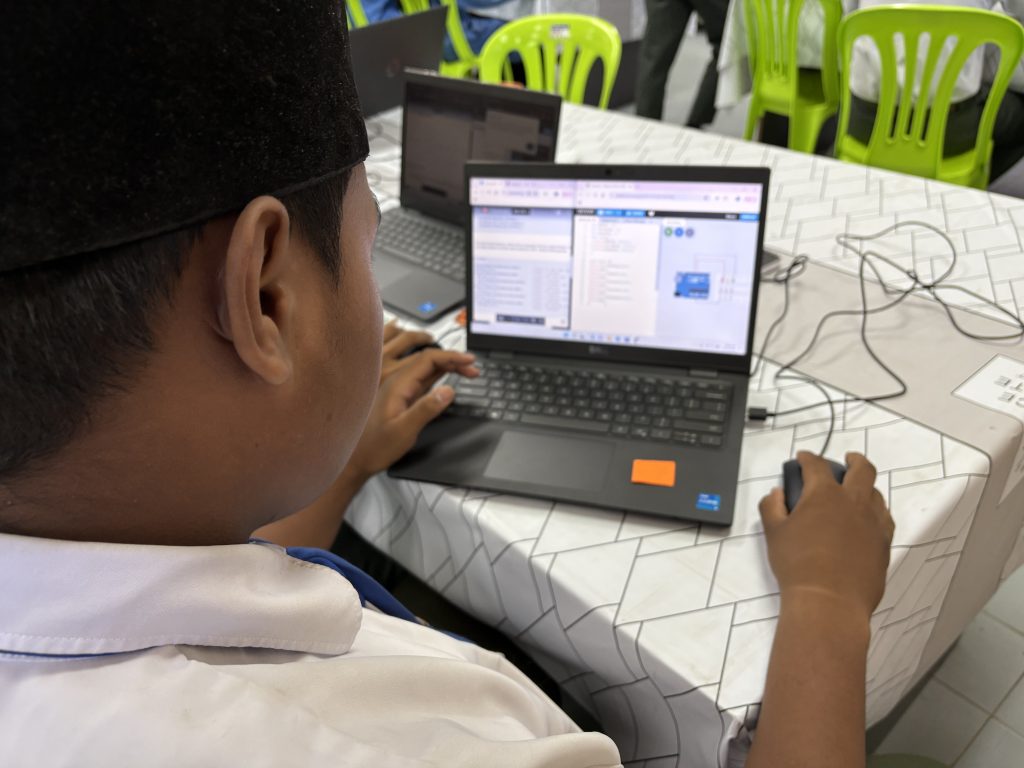
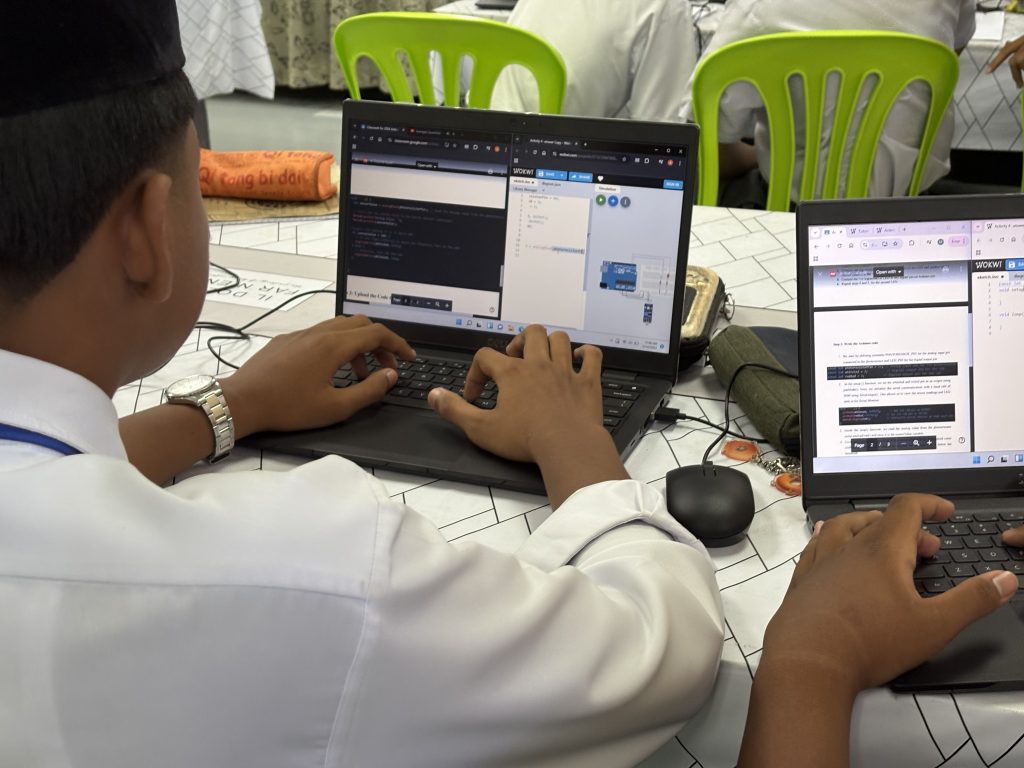
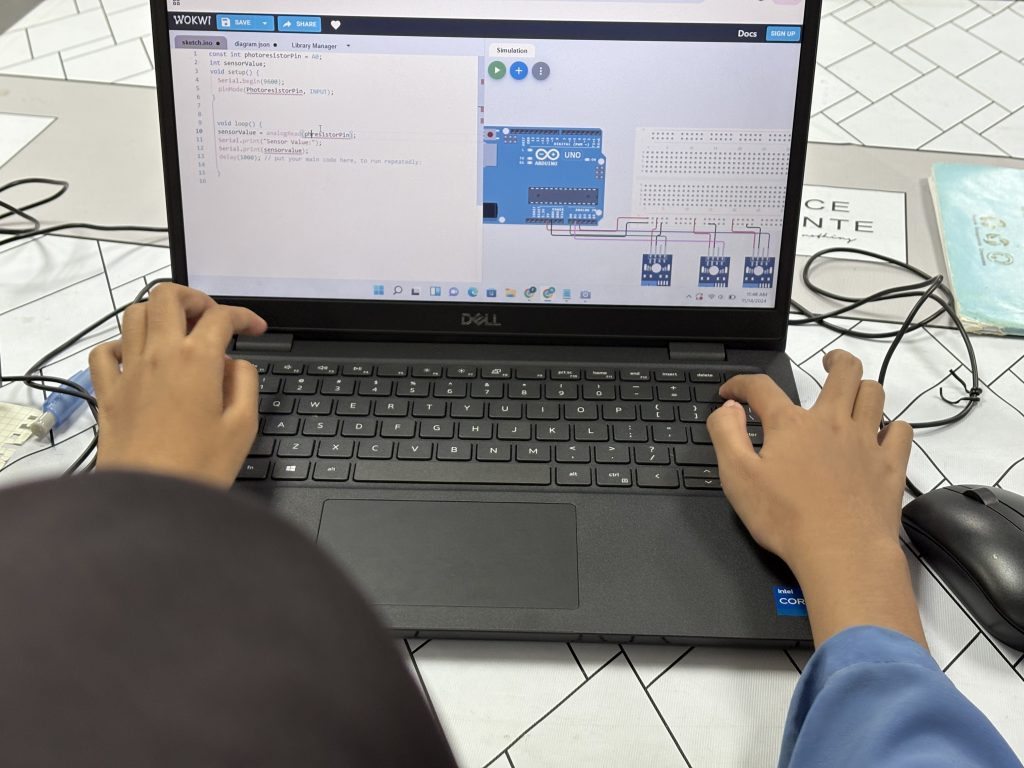
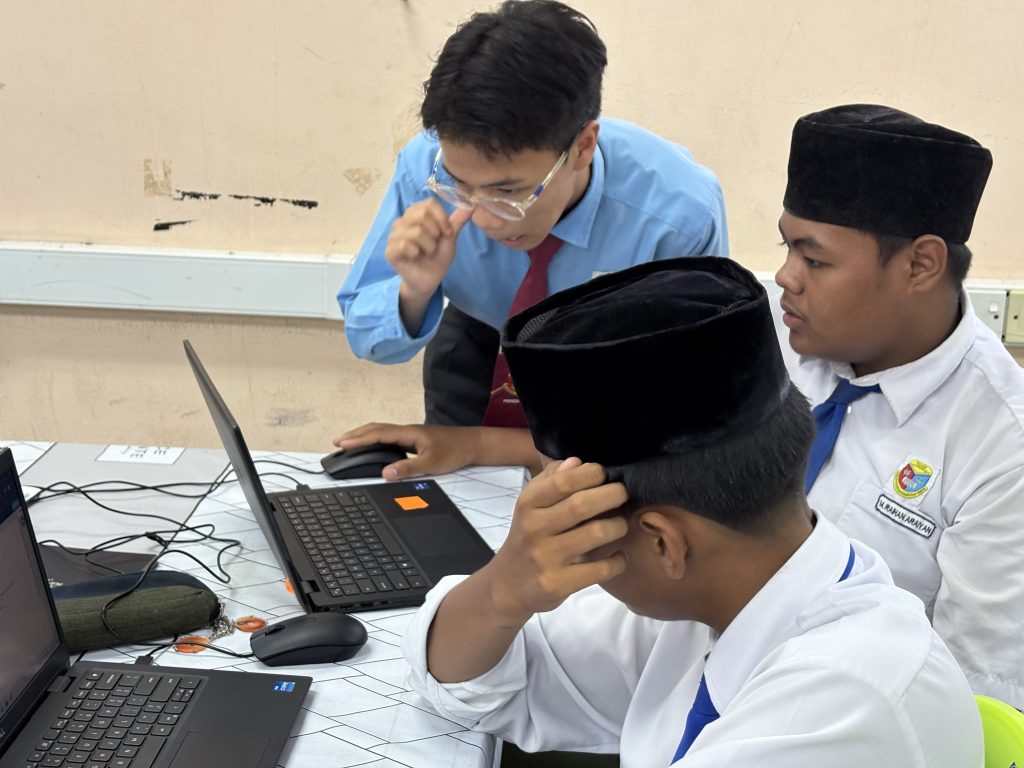
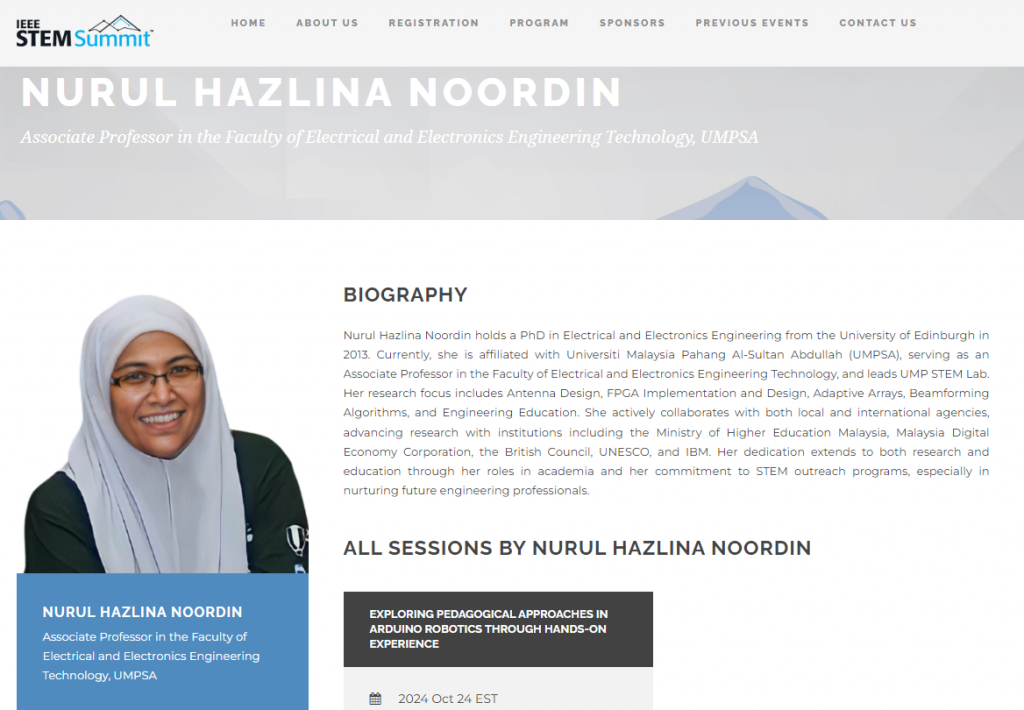
Exploring Pedagogical Approaches in Arduino Robotics Through Hands-On Experience at the 2024 IEEE STEM Summit

The 2024 IEEE STEM Summit brought together educators, researchers, and industry professionals to explore the latest trends and challenges in STEM education. At this event, I had the honour of presenting on “Exploring Pedagogical Approaches in Arduino Robotics Through Hands-On Experience,” where we discussed methods of engaging students in robotics, focusing on building skills through direct, hands-on activities.

The presentation aimed to illustrate the value of blending practical robotics work with foundational theory, especially when working with Arduino robotics, to enhance student learning outcomes.

Key Themes and Teaching Approaches

The main theme of this presentation was how a well-designed hands-on approach can havean impact on learning and make complex topics like robotics and electronics more accessible. Teaching Arduino robotics requires balancing both theory and practice. For students to truly understand the inner workings of a robotic system, theoretical concepts should be taught alongside practical applications, where students directly apply what they’ve learned.

In developing a well-rounded robotics curriculum,  the following approaches are emphasized:-

  1. Incremental Learning through Project Complexity
    Arduino projects were designed to start with simple tasks, such as lighting an LED, and gradually advanced to more complex projects involving sensors, motors, and data communication.

    1. This approach, where complexity is added progressively, allows students to build confidence and competence before tackling more challenging concepts like integration and control.
  2. Black Box to White Box Approach
    1. For beginners, the “black box” method is ideal—they can quickly see results without needing to understand the system’s inner workings. As they progress, students are introduced to the “white box” approach, where they delve deeper into component connections, circuit design, and eventually, creating their own PCBs.
    2. This shift from black box to white box allows students to explore robotics at different levels of complexity based on their skills and confidence.
  3. Balancing Theory with Practical Application
    1. A hands-on robotics curriculum is most effective when balanced with supporting theory. For example, students might first learn about voltage dividers or basic control theory before applying it to Arduino circuit design. Theory complements hands-on tasks by allowing students to validate their project findings and understand the principles driving their robot’s behaviour.
    2. This balance provides a “learn-by-doing” model where the value of theoretical knowledge becomes evident in practical applications.
  4. Scaffolding to Address Cognitive Overload
    1. Robotics can be complex, especially for novices. By scaffolding tasks, we can break down complex projects into manageable activities.
    2. For example, students start by building and testing simple circuits on a breadboard before soldering them onto a PCB. This helps prevent cognitive overload and gives students confidence as they master each stage.

Towards the end of the presentation, participants posed questions, reflecting on the pedagogical aspects in enhancing the Arduino robotics curriculum.

Here’s a recap of some key questions and my responses –

  1. How “deep” is the white box approach? Do students actually solder discrete components?
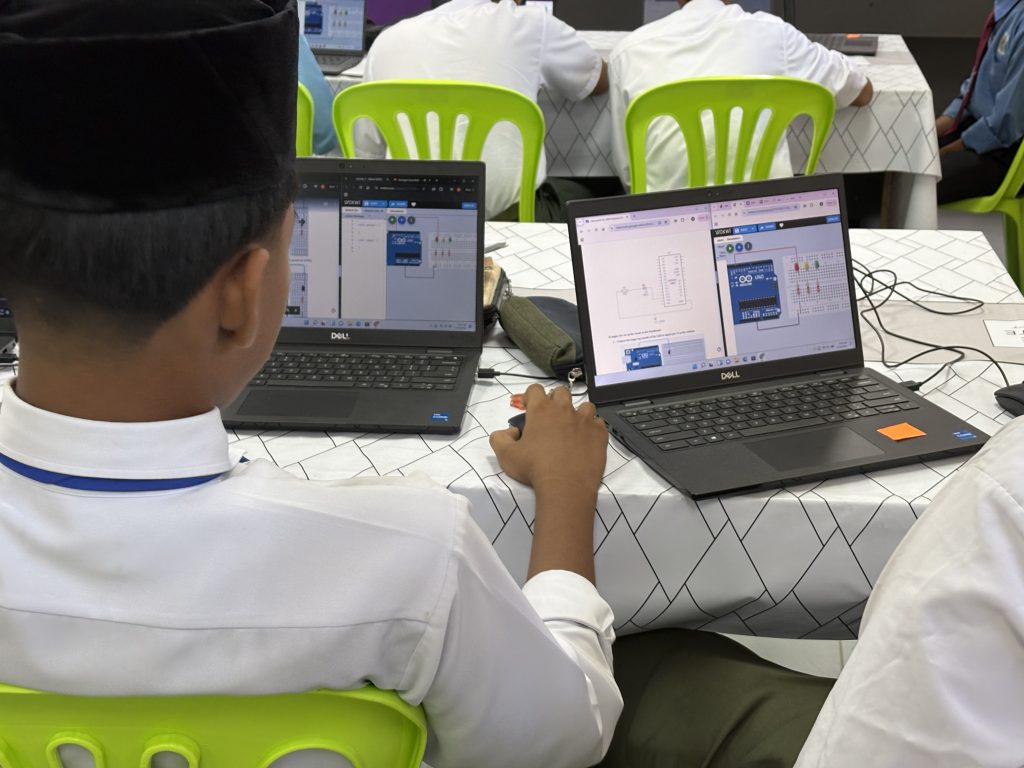
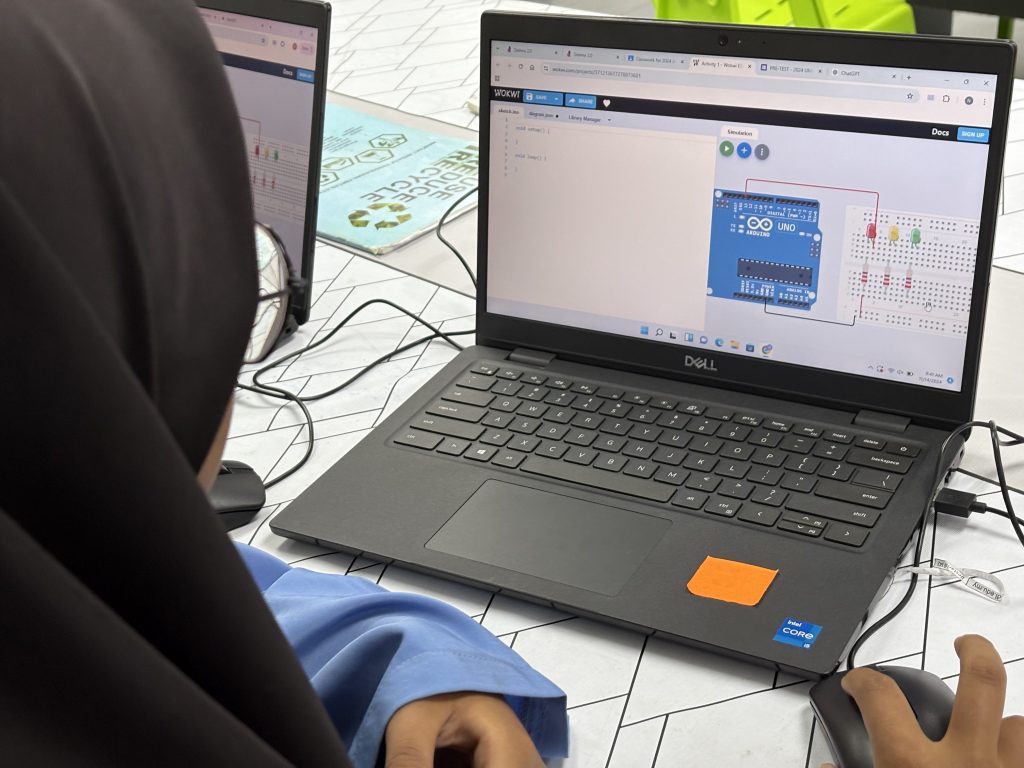
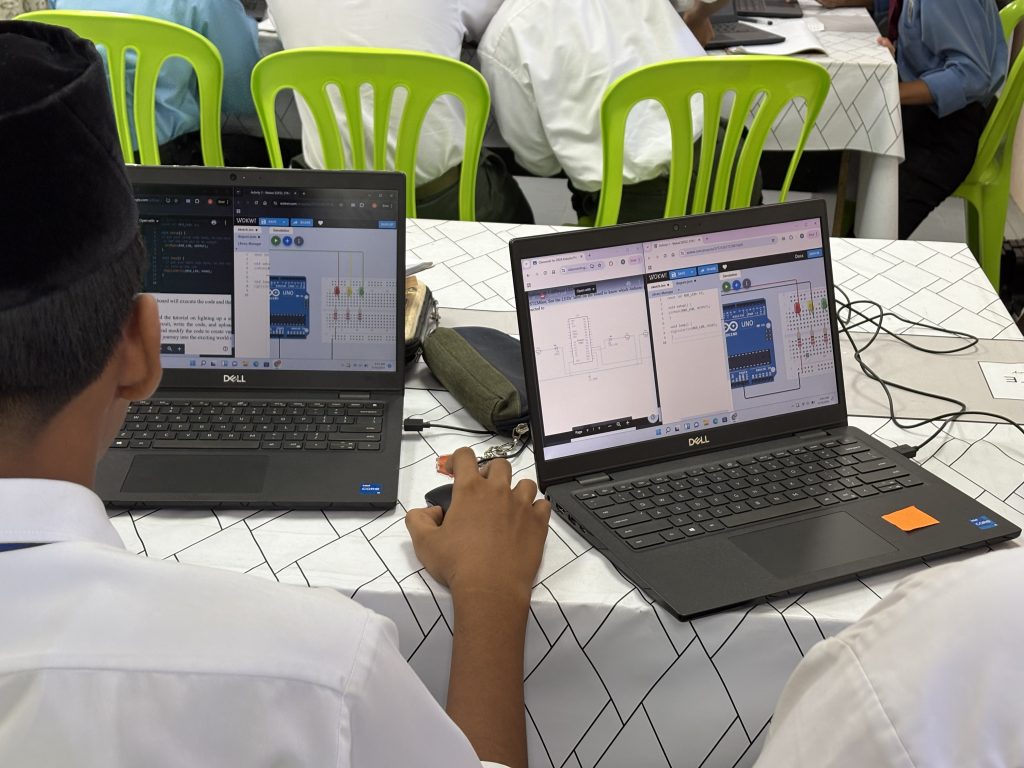
    • Yes, the white box approach goes deep, guiding students to construct their robot from scratch. They progress from breadboarding to soldering and, eventually, designing their own PCB—after thorough testing on the breadboard to validate their circuit design. Check-out our module on circuits design and simulation on TinkerCAD and Wokwi.
  2. When entering circuit design, do you cover foundational theories like voltage dividers and bridge circuits?
    • Absolutely. We walk students through these essential circuit theories, such as voltage dividers, bridge circuits, and stepping up/down voltages, to ensure they understand the principles they’ll apply in the hands-on tasks. Sensors integration and their building circuits among other activities covered.
  3. How do you recommend balancing hands-on work with theoretical learning in robotics?
    • There’s really no one-size-fits-all answer to balancing theory and hands-on work. Well, theory is essential to support hands-on activities—it serves as a foundation that validates the findings or outcomes of practical tasks. So rather than separating the two, theory should flow naturally alongside hands-on work, helping to clarify and reinforce what students observe in real time.
    • For me, balance means students can connect their hands-on experiences with theoretical understanding—being able to reason out their findings during activities. When they can explain why something works (or doesn’t) based on underlying concepts, that’s when the learning truly resonates.
  4. Are you familiar with any work that takes this approach further to circuit design and behavior? For example introduce test tools like oscilloscopes and logic analyzers to introduce students to communications channel behavior
    • Yes, what we’ve done is, once students are familiar with the robot’s anatomy (like the 2-wheel robot), we move to circuit design. They experiment with integrating IR sensors and motor control, building from off-the-shelf components. They solder the circuits, measure performance, and eventually create their own PCBs. This hands-on approach gives them a deeper understanding of circuit behavior and design.
  5. Have you found this approach more effective for particular age groups or skill levels?
    • Age is secondary =).  Rather than age, it’s more about the student’s skill level. Beginners benefit from a black box approach, while those with a stronger foundation excel with the white box approach. Tailoring the curriculum to a student’s competence level helps build confidence and ensures successful outcomes. Novices engage best with a black box approach to build confidence, then progress to white box as their skills and understanding grow.
  6.  What Arduino project is best for students as they advance?
    • For a beginner aiming to pursue advanced robotics, I’d encourage them to explore whichever path interests them most, as passion often drives deeper learning and persistence. Start with projects that build foundational skills—like simple sensor integration or basic movement programming—and gradually take on more complex tasks, such as multi-sensor fusion or autonomous navigation. Consistently challenging yourself just one level up, and taking time to experiment and troubleshoot, will build both confidence and competence over time.
    • The best projects challenge students just a level above their current ability. For example, if they’ve mastered programming a robot with one sensor, we introduce additional sensors or more complex sensor integration. Also, integrating AI / Image processing / data analytics to its function is interesting as well.
  7. How can we balance hands-on work with theoretical learning in robotics
    • Finding this balance can be challenging, as it depends on the student’s ability to connect theory with hands-on experience. I personally believe theory should validate hands-on findings, with concepts tested through activities, allowing students to reason through their results.
  8. Are you familiar with approaches that introduce circuit testing tools, like oscilloscopes or logic analyzers, to help students understand communication channels?
    • Yes, we do incorporate this in advanced stages. Once students are comfortable with the robot’s basic structure, they move to tasks like integrating sensors with motor control and testing these connections. They build and solder components, measure with test tools, and eventually work up to designing custom PCBs.
  9. Can we use co-design pedagogical techniques’ instead of the pedagogical techniques used in this study?
    • Of-course :). Co-design in education involves teachers and students collaboratively designing the learning process. Instead of students being passive recipients, they actively contribute to shaping the curriculum, setting goals, and choosing projects that are meaningful to them.  By involving students in the creation of the learning experience, co-design fosters a more personalized and relevant educational process, making it especially effective for project-based learning environments like Arduino or robotics.

The presentation highlighted how hands-on learning in Arduino robotics can be transformative for students, whether they are beginners or more advanced learners. Through a scaffolded approach that combines theory and practice, students develop not only technical skills but also critical thinking and problem-solving abilities. The summit was an excellent platform to share these insights and learn from other educators in the field who are equally passionate about making STEM accessible and engaging.

Again, thank you IEEE TryEngineering for the opportunity to present at the 2024 STEM Summit! It was an honor to share insights on hands-on learning in Arduino robotics and to explore the impact of the right pedagogical approach in helping students connect with engineering concepts meaningfully =). I look forward to continued collaboration and applying these techniques to create even more engaging learning experiences. Kudos to all the speakers for their inspiring talks and fantastic!


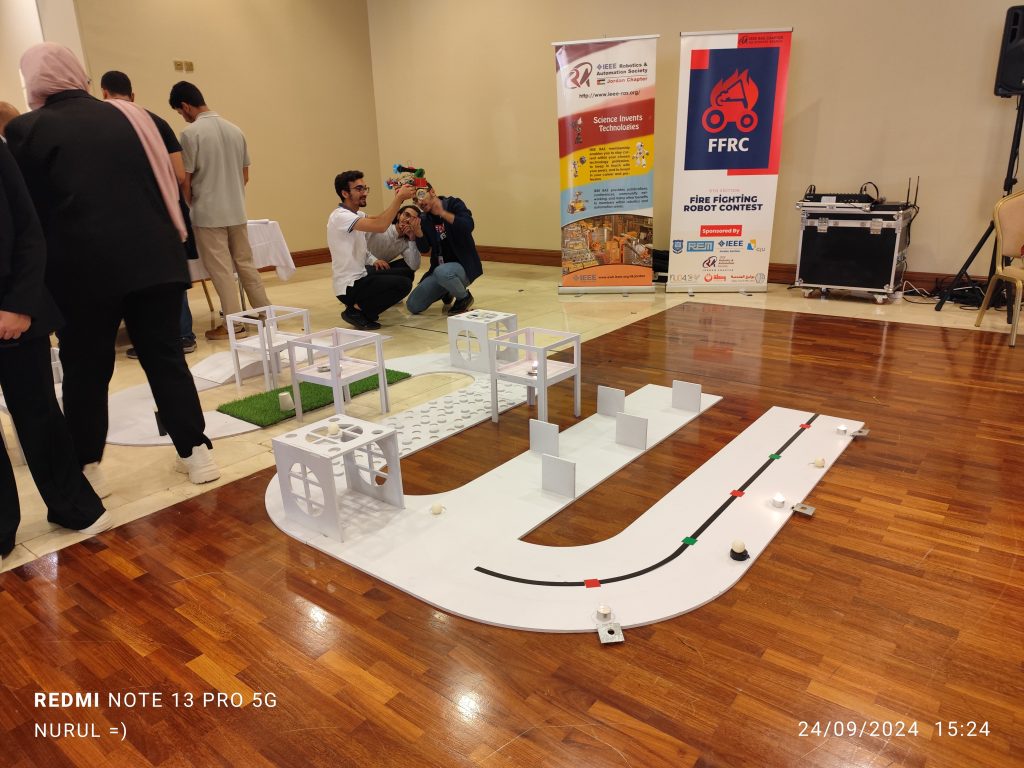
Research and Education in Mechatronics Engineering (REM 2024) – Day 1

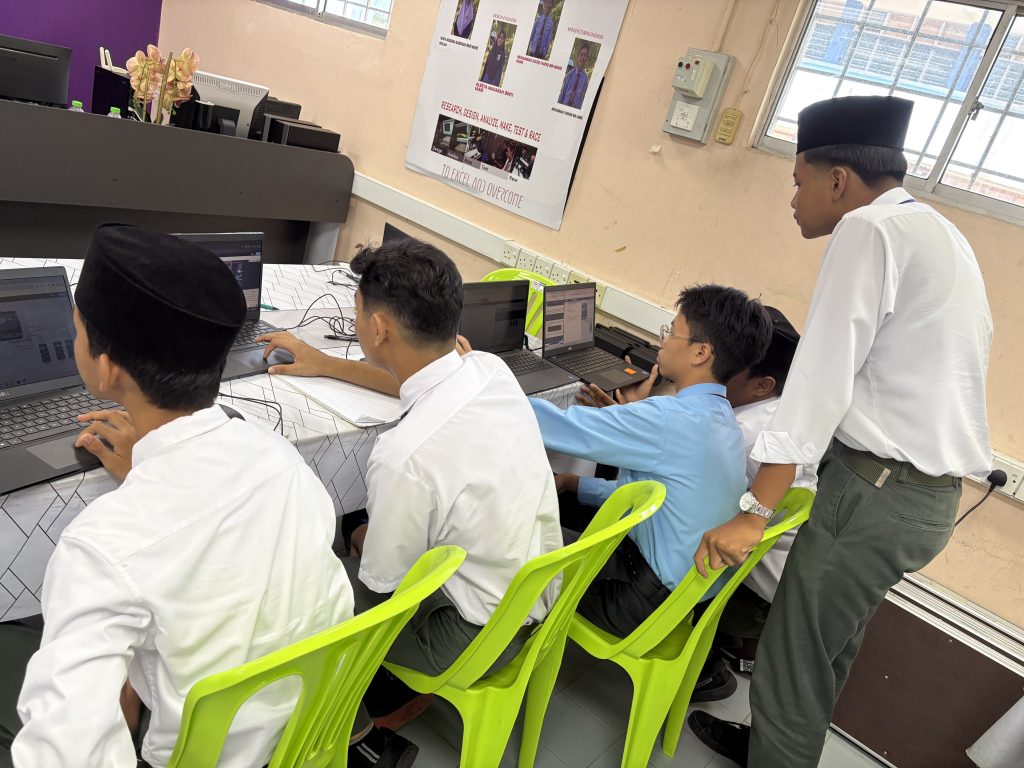
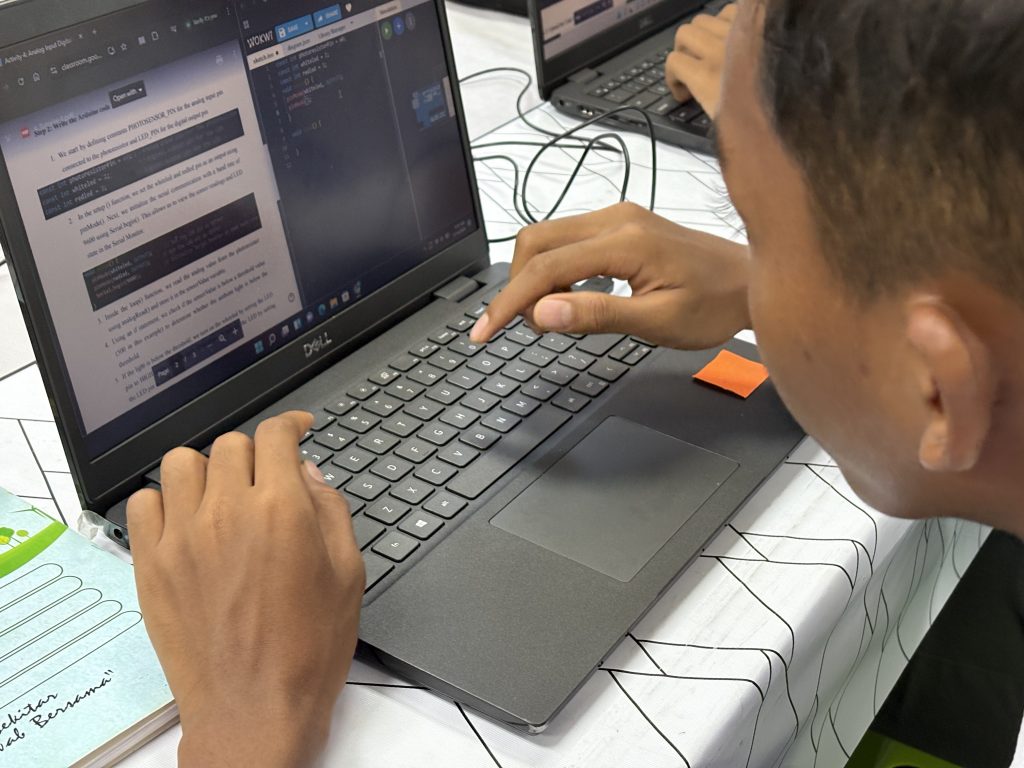
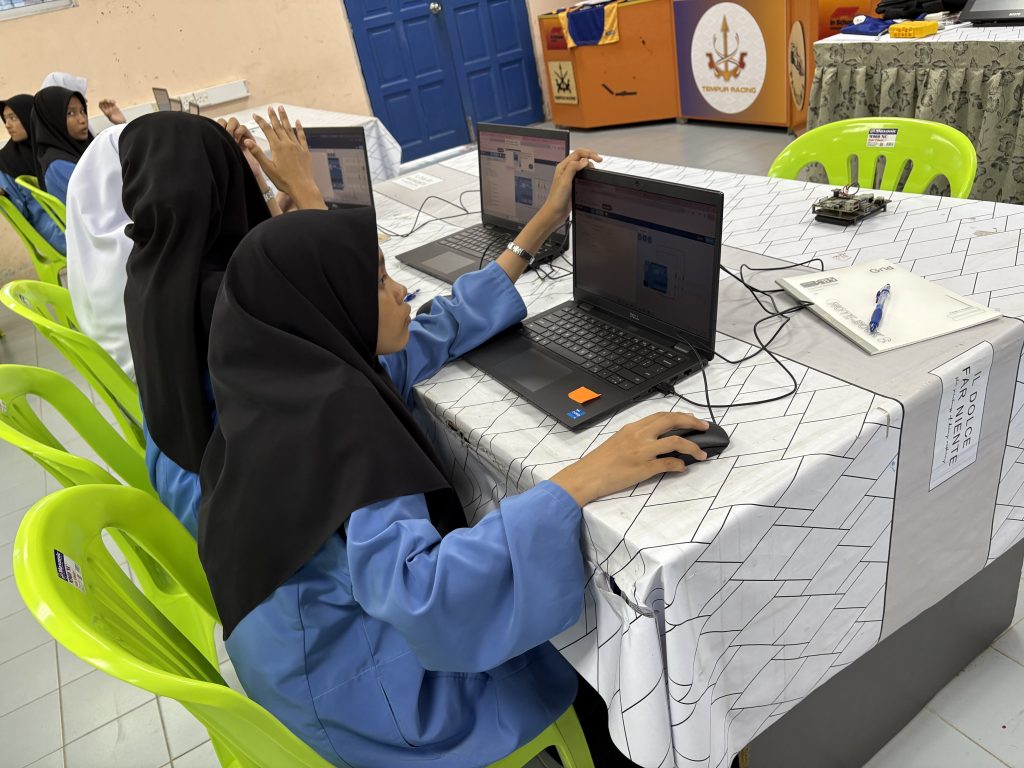
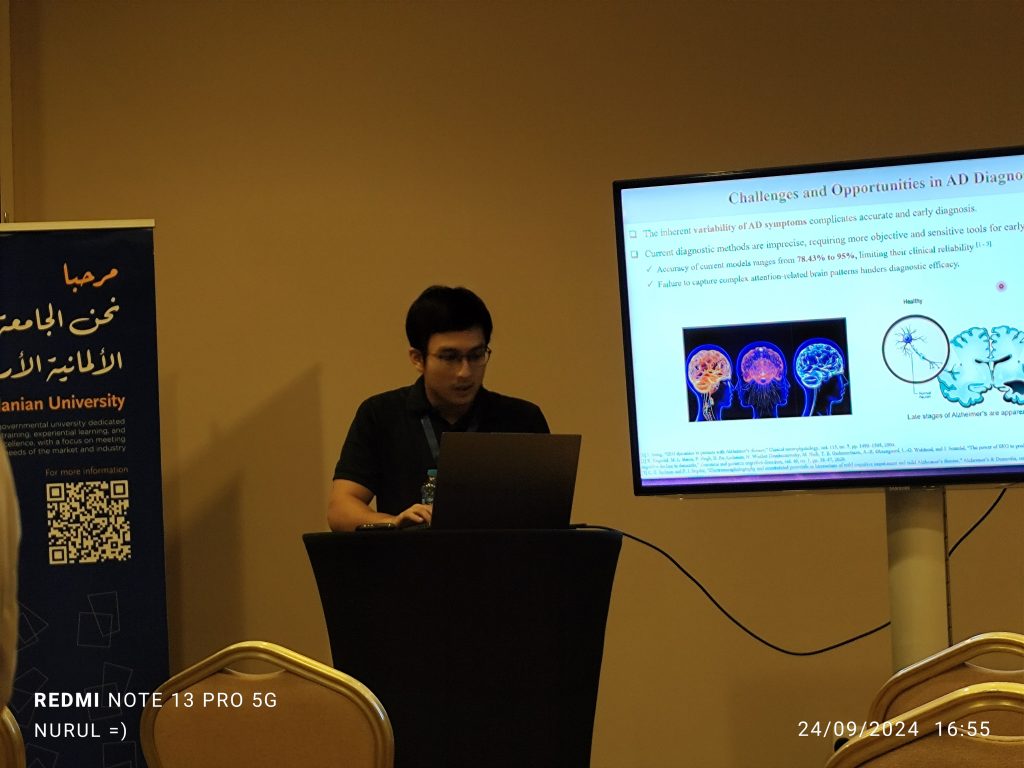
Today I had the opportunity to present UMPSA STEM Lab’s work on – Exploring the Impact of Arduino Robotics Instruction on Physical Computing and Programming Skills, at the 2024 Research and Education in Mechatronics (REM) Conference. This paper highlights the role of Arduino-based robotics education in enhancing engineering students’ programming, physical computing, and problem-solving abilities.
In the study, we found significant improvements in students’ performance after participating in the Arduino Robotics Module.
By comparing pre-test and post-test assessments, students demonstrated an average improvement of 23.24 percentage points in areas like coding proficiency, electronics, and robotics. This shift highlights how hands-on, project-based learning enhances not only theoretical knowledge but also practical skills, which are crucial in engineering education.
The results were further validated through paired T-test analysis, which showed statistically significant improvements (p-value < 0.001), confirming that the Arduino module had a substantial impact on students’ learning outcomes. This analysis is important in educational research settings as it provides a rigorous method of assessing whether the changes observed are truly due to the educational intervention and not just random variation.

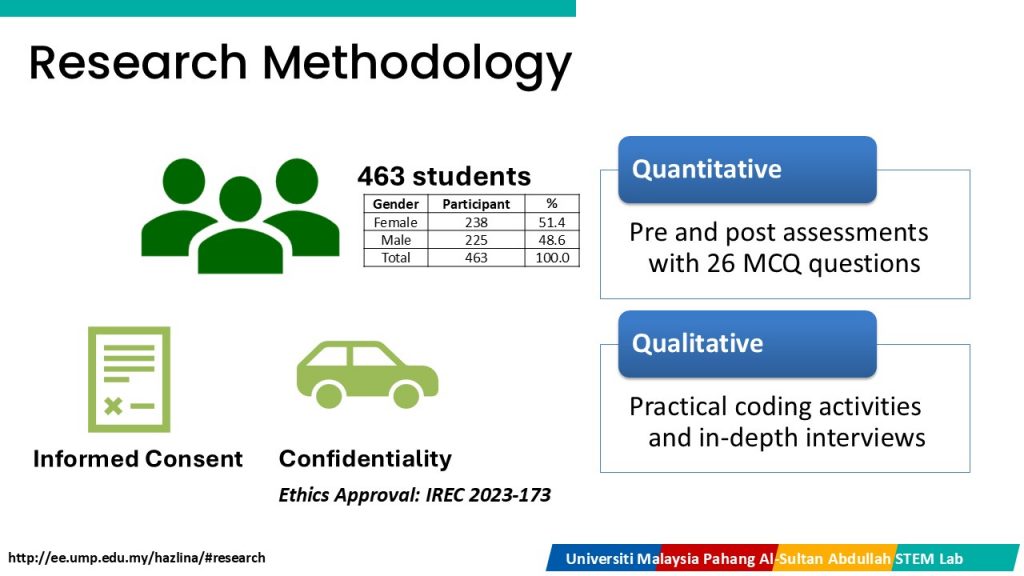
The study employed a mixed-methods approach, combining both quantitative (pre-test/post-test assessments) and qualitative (focus group discussions, surveys) data. In educational research setting, using mixed methods is essential as it allows for a more comprehensive understanding of the students’ learning experiences.

  1. Quantitative Data – The pre- and post-tests provided measurable insights into the knowledge gained by students. The use of a paired T-test helped in statistically validating the learning improvements.
  2. Qualitative Data – Focus group discussions offered deeper insights into students’ perceptions and challenges faced during the module. This data helped contextualize the numbers by revealing students’ experiences, confidence levels, and the areas they found most beneficial or difficult.

Using a mixed-methods approach is especially valuable in the context of engineering education. It combines the objectivity of numerical data with the richness of personal feedback, ensuring that both learning outcomes and student experiences are thoroughly evaluated. This method offers a holistic view of the educational intervention’s effectiveness, making it ideal for complex subjects like robotics education.
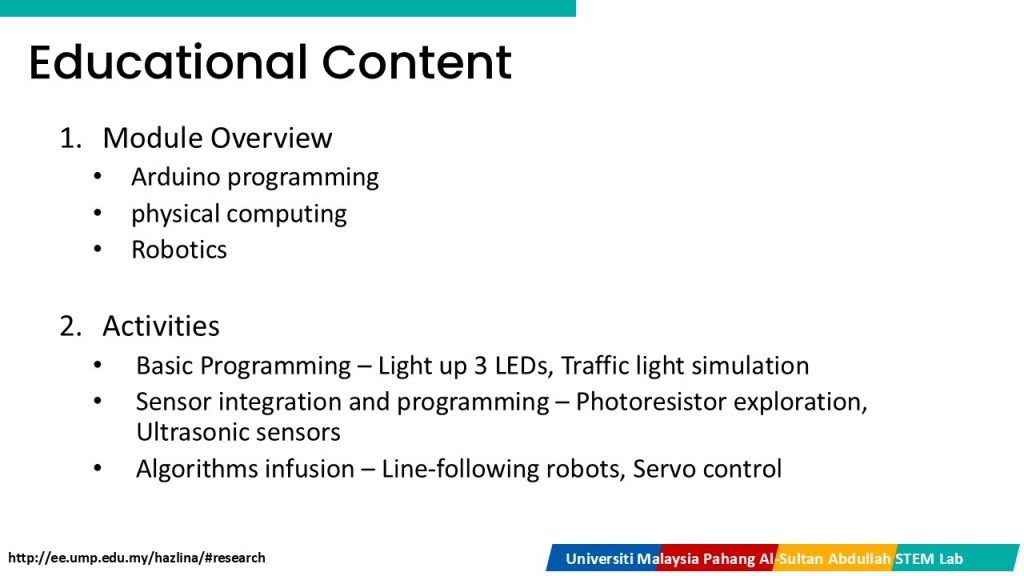
As part of this research, students engaged in a series of structured activities that spanned programming, electronics, and embedded systems with robotics. These activities were designed to develop essential skills in each domain:-

A. Programming – Students wrote and debugged code for various tasks using the Arduino platform.

Key programming activities included:

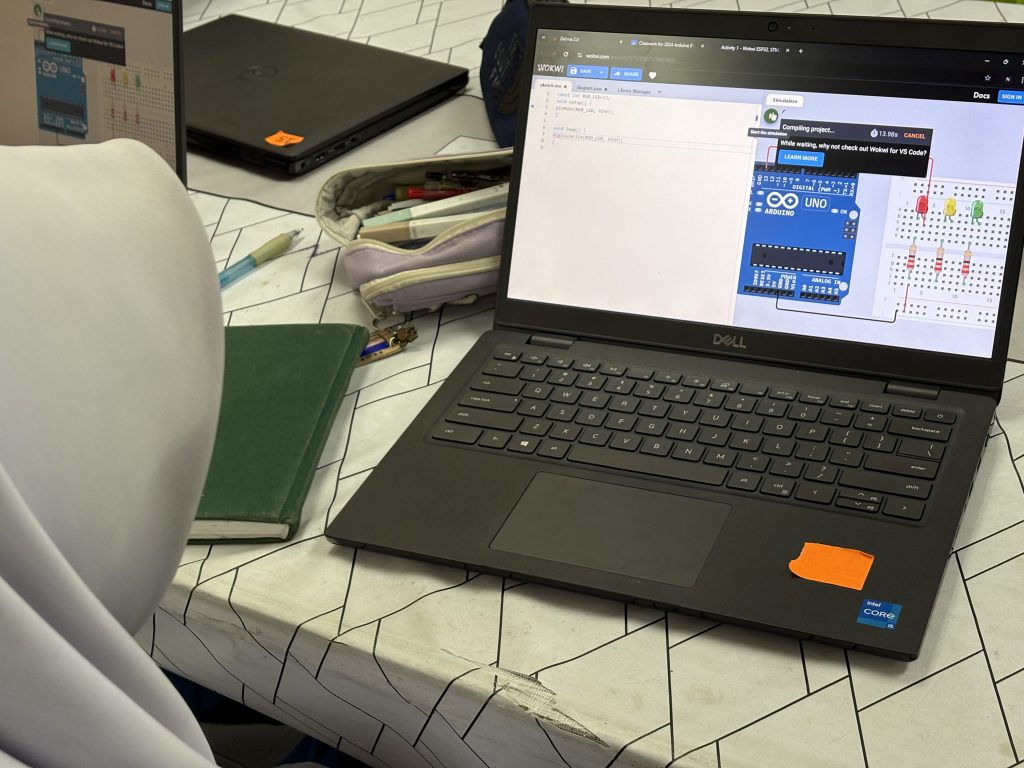
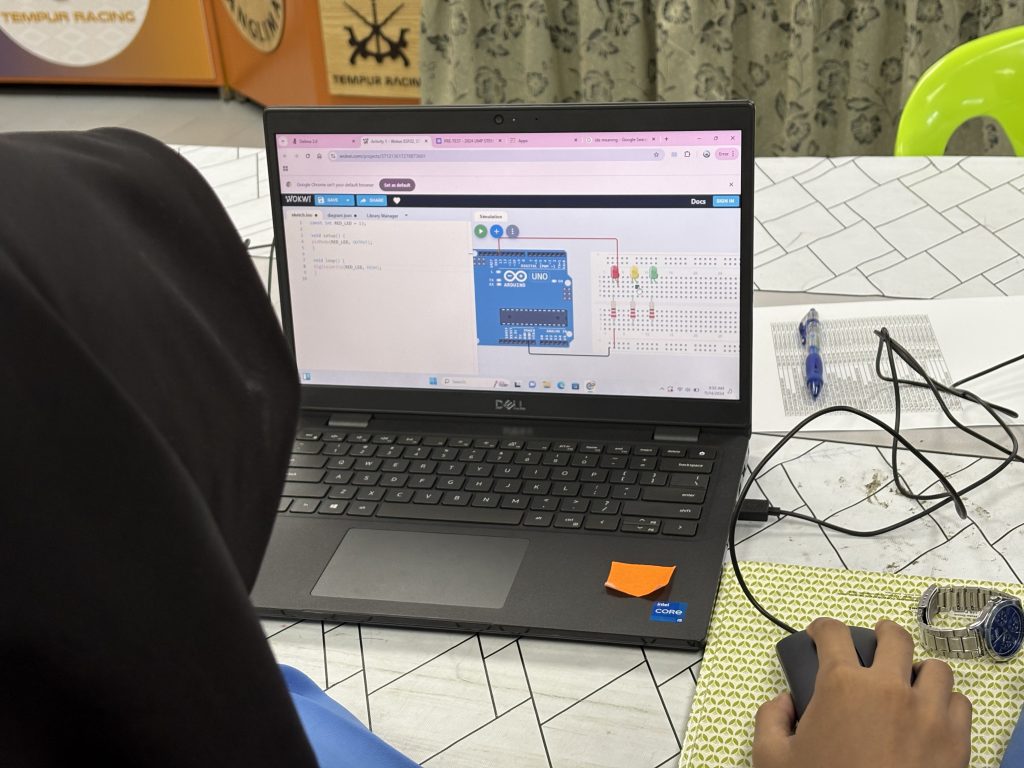
    1. Lighting up LEDs – Basic digital and analog I/O programming.
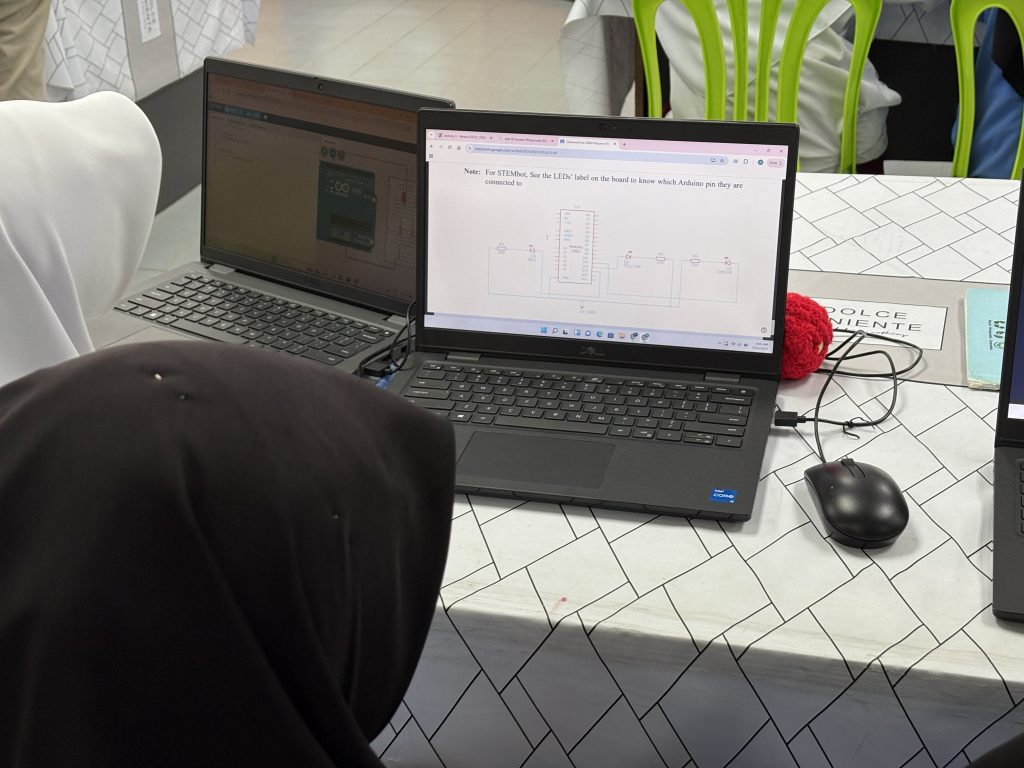
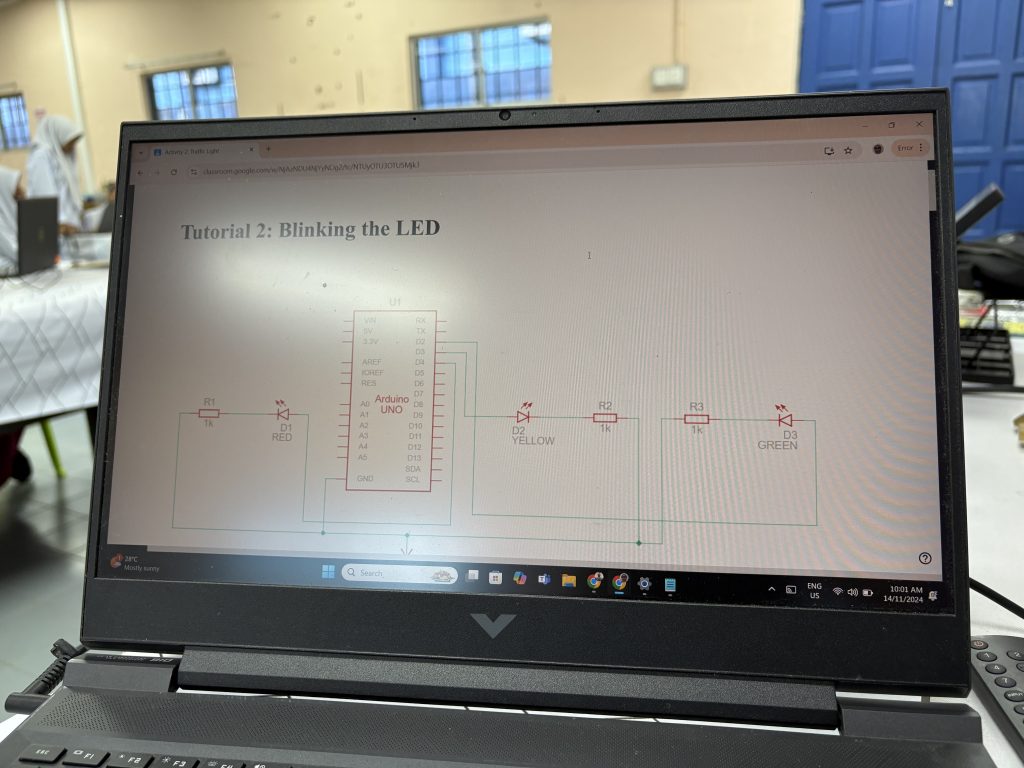
    2. Traffic light simulation – Students programmed an automated traffic light using conditional statements and timers.
    3. OLED display and sensor integration – Students coded Arduino to interact with sensors and display outputs on OLED screens.

Programming is foundational for engineering students, especially in mechatronics. Mastery of programming helps students understand the logic behind automation and control systems, making them capable of designing software solutions for embedded systems.

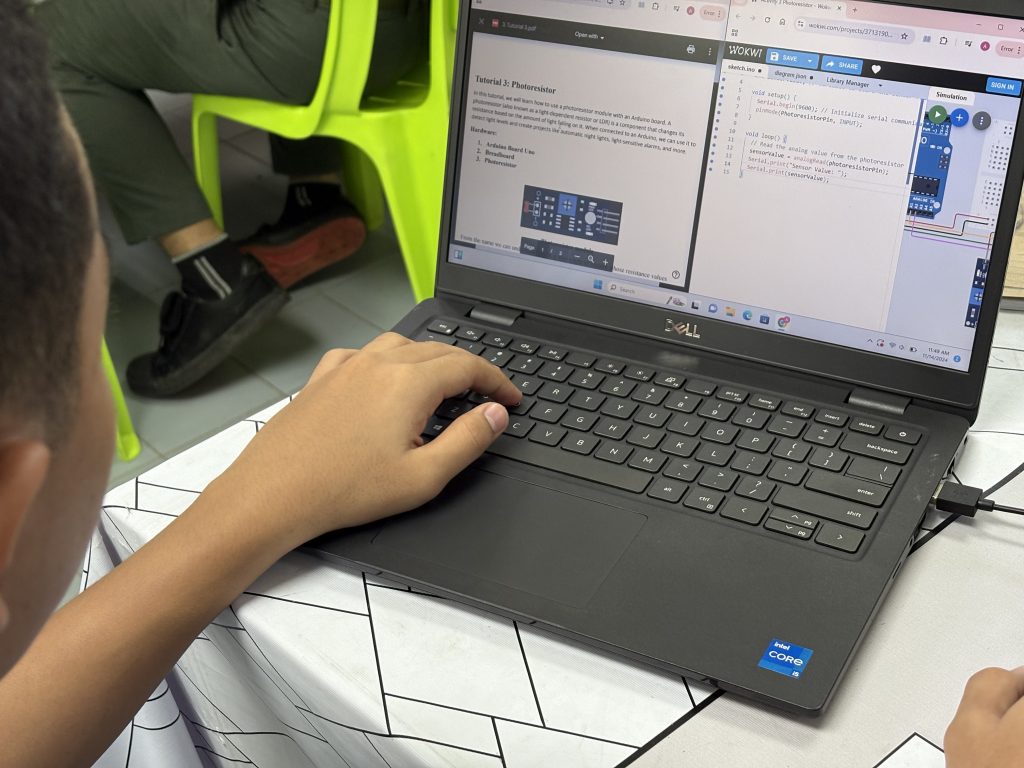
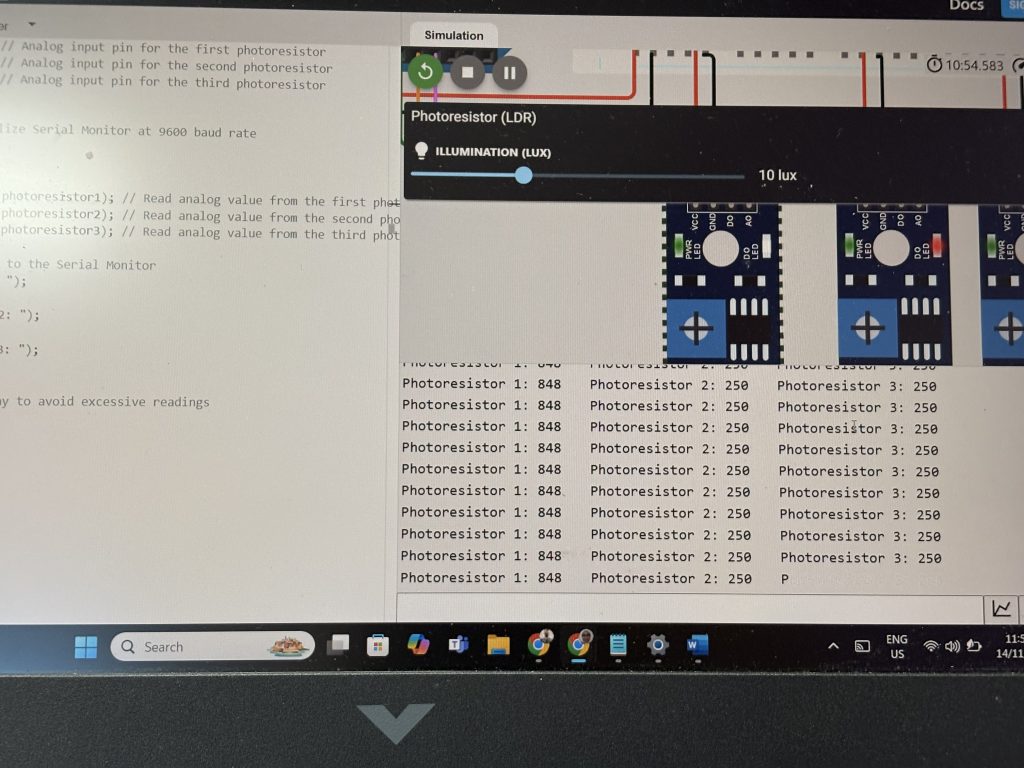
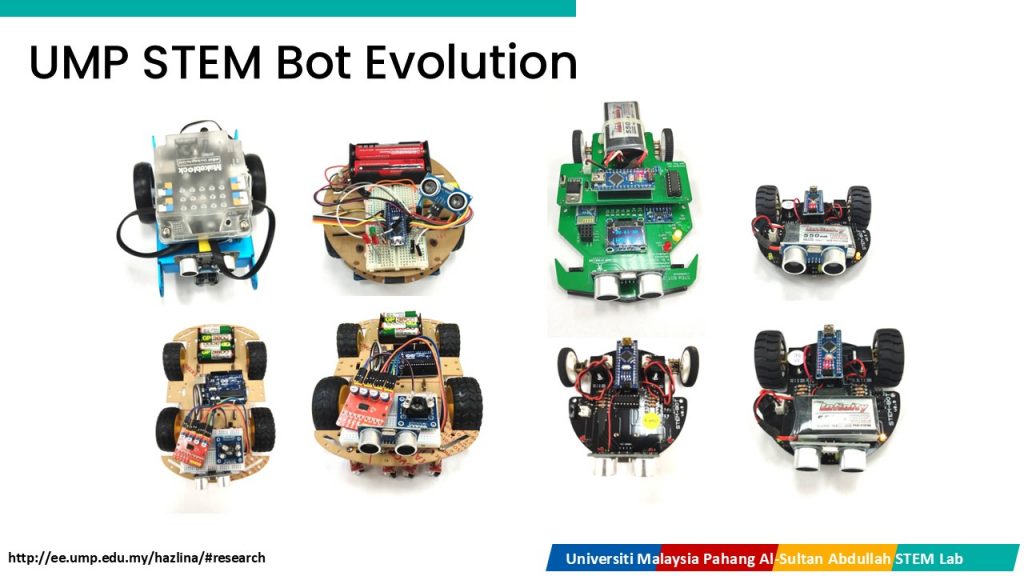
B. Electronics and Embedded Systems – Students explored physical computing by connecting and controlling electronic components such as photoresistors, ultrasonic sensors, and servos with Arduino.

Activities included:

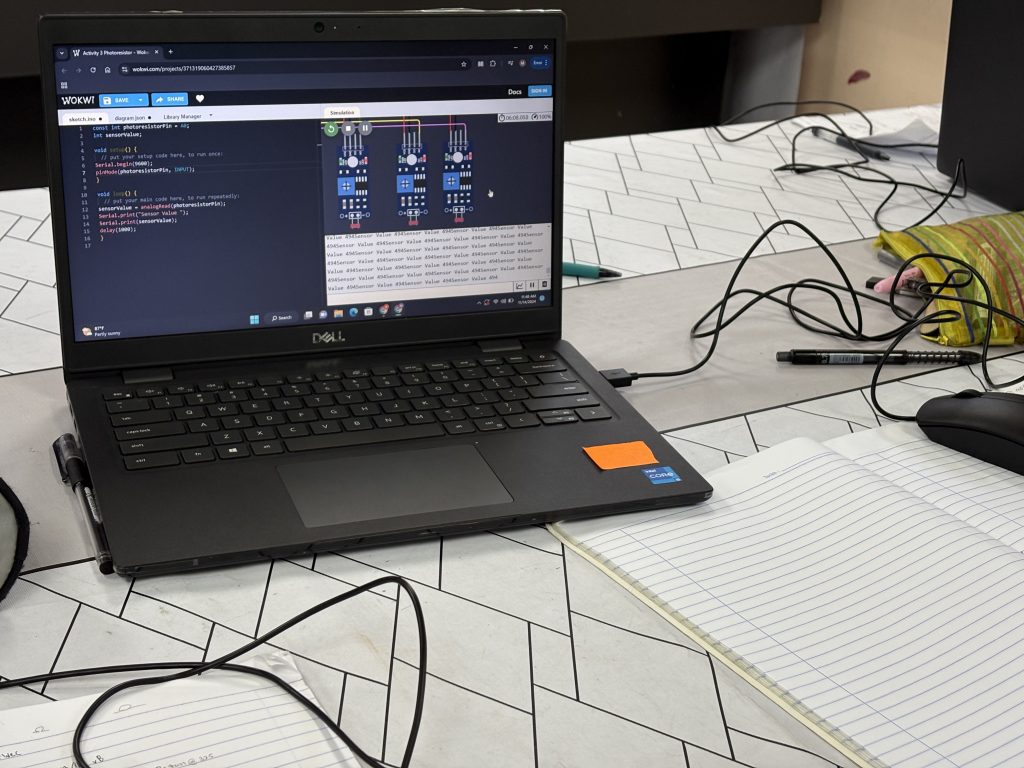
  1. Photoresistor experiments – Students measured light intensity and converted it into electrical signals.
  2. Ultrasonic sensor integration – Students used sensors to detect object distance and trigger actions like LED or motor control.

Electronics form the backbone of physical computing. Understanding circuits and sensors empowers students to design systems that interact with the real world, crucial for embedded systems development. These skills are indispensable for engineers working with IoT and smart devices.

C. Robotics – In the final phase, students applied their programming and electronics knowledge to design and build autonomous robots.

Key activities included:

  1. Line-following robots -Students programmed robots to follow a path autonomously using sensors.
  2. Obstacle avoidance – Robots were equipped with ultrasonic sensors to detect and avoid obstacles during movement.

Robotics brings together various engineering disciplines—mechanical, electrical, and software—allowing students to see how theory translates into practice. It also enhances critical thinking and problem-solving skills, which are vital for engineering graduates facing real-world challenges.
 

This marks the second article on engineering education from the UMPSA STEM Lab in 2024, continuing the mission to enhance engineering education. I strongly believe that being involved in research in engineering education is essential, as it helps to continuously improve teaching methodologies, ensuring that students are equipped with both theoretical and practical skills needed in today’s rapidly evolving technological landscape. With industries increasingly leaning on automation, robotics, and embedded systems, educational interventions like the Arduino Robotics Module bridge the gap between academia and industry requirements.

Educational research also allows educators to measure the effectiveness of new pedagogical approaches, providing insights into how students learn best. In this study, not only the improvements in technical skills are observed but also a marked increase in student confidence, engagement, and interest in the subject are seen.

Figure of Merit T-Test

In doing this research, I learned about the T-test. As discussed in the paper, the T-test revealed a mean improvement of -23.24 in students’ test scores, with a confidence interval confirming that the improvement was statistically significant and not due to random variation.

The T-test is a critical tool in educational research because it provides an objective way to measure the effectiveness of an intervention—in this case, the Arduino Robotics Module. By comparing pre- and post-test results, the T-test demonstrates with statistical certainty that the module genuinely enhanced students’ knowledge and skills. This method not only quantifies the improvement but also provides educators and researchers with concrete evidence of the program’s impact, enabling them to make informed decisions about refining or expanding similar educational initiatives in the future.

A T-test is a statistical method used to determine if there is a significant difference between two sets of data, like students’ scores before and after an educational intervention. To calculate a T-test, you first find the difference between each student’s pre-test and post-test scores. Then, you calculate the average of these differences and determine how much the differences vary (this is called the standard deviation). Using these values, the T-test formula calculates a t-value that shows how large the improvement is compared to random variation. The T-test also considers the sample size (number of students, in this case 463 students) to assess how reliable the result is.

Another important parameter in the T-test is the p-value, which indicates whether the improvement is statistically significant—meaning it likely didn’t happen by chance. In educational research, a low p-value (usually less than 0.05) means the intervention, such as a new teaching method or tool, genuinely improved students’ learning. This helps educators understand the real impact of their teaching strategies and make decisions about future programs.
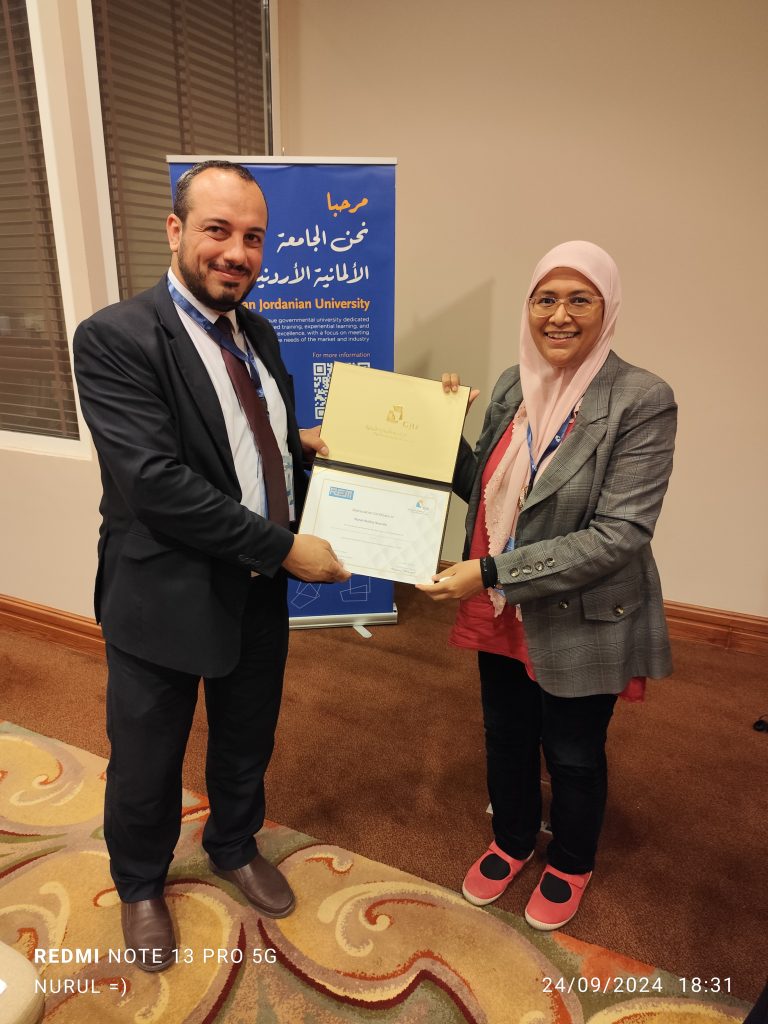
The findings from this study have far-reaching implications for the engineering education community. As technology advances, it’s becoming increasingly important to equip students with not just theoretical knowledge but also practical, hands-on experience. The Arduino Robotics Module bridges this gap by providing an interactive platform where students can apply engineering concepts in real-world contexts.

Integrating robotics and physical computing into the curriculum enhances student engagement, fosters creativity, and improves problem-solving skills. These attributes are essential in preparing future engineers to tackle the challenges of a rapidly evolving technological landscape.

I’m honored to present this work at the 2024 REM Conference and to contribute to the growing body of research in engineering education. I look forward incorporating more hands-on, interactive modules in my teaching, and to leverage the power of robotics in developing critical engineering skills, InSyaAllah

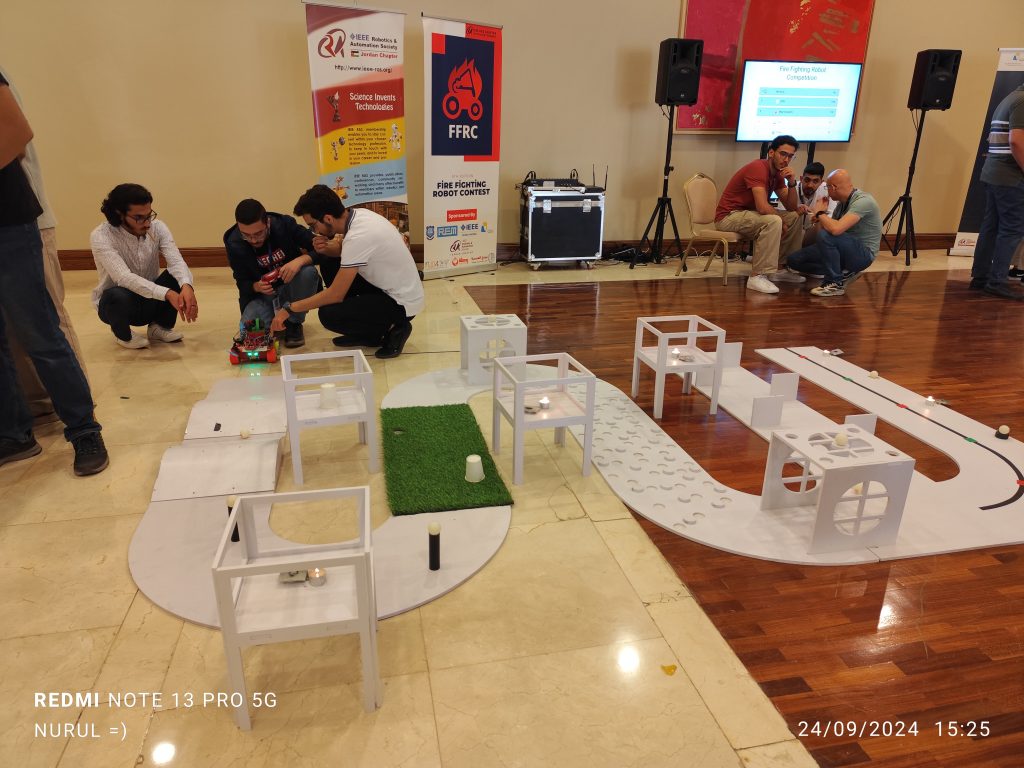
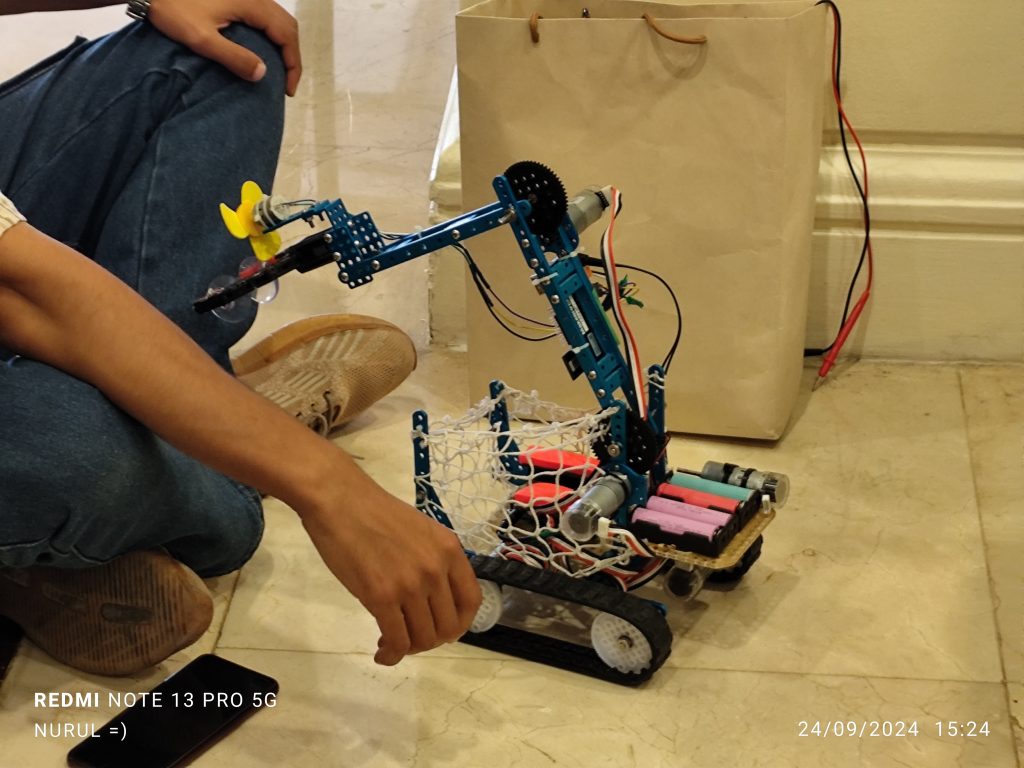
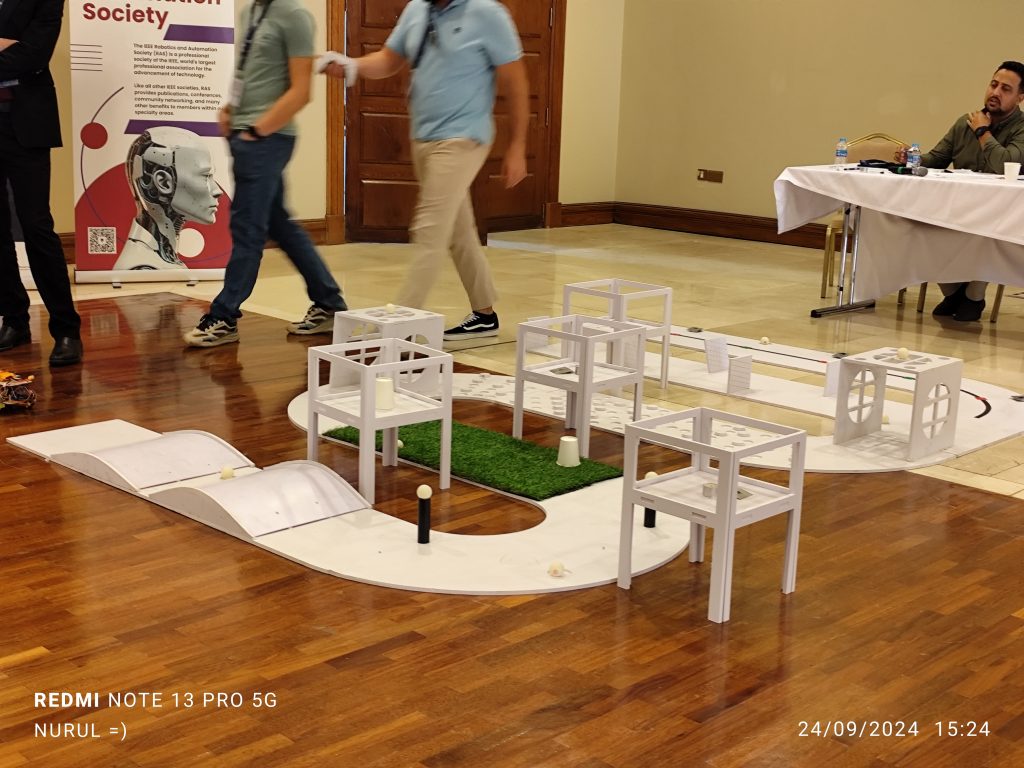
Illaliqa’ 🙂

Nurul – Jordan Sept 24th
 

Raspberry Pi Programming 2024/4 – FTKEE

*UMPSA STEM Lab Raspberry Pi Programming Synopsis can be found here.

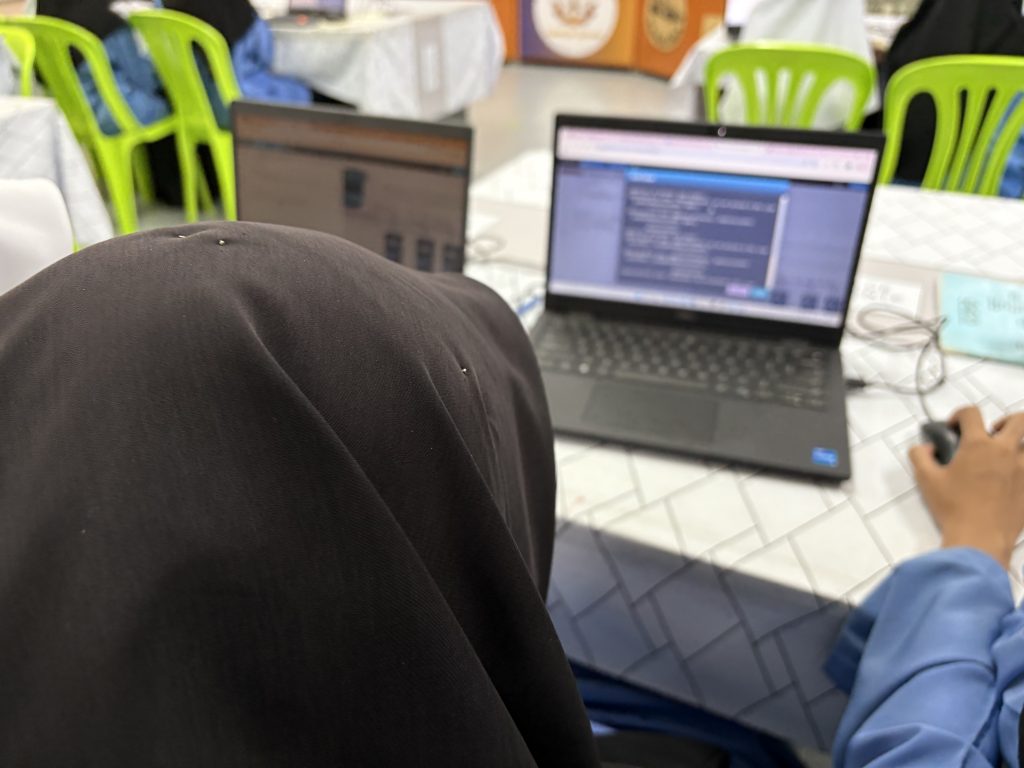
In the Raspberry Pi IoT session, 20 students from FTKEE  were introduced to the concept of the Internet of Things (IoT) using Raspberry Pi on the UMP STEM Cube, a pico-satellite learning kit specifically designed to facilitate engineering learning.

The content covered basic digital input/output operations on onboard LEDs, as well as topics such as dashboard design using gyro meter and BMU280 sensor data, including collecting and storing data in a cloud database. Participants learned to interface sensors with Raspberry Pi boards and develop IoT applications for real-world scenarios. The session provided students with valuable insights into IoT technology and its applications in various domains.
I hope you’ve enjoyed your session today and stay tuned to our exciting programs line up this semester.

mBlock Programming 2024/8 – Pejabat Pendidikan Daerah Pekan (Arduino Edu Reka)

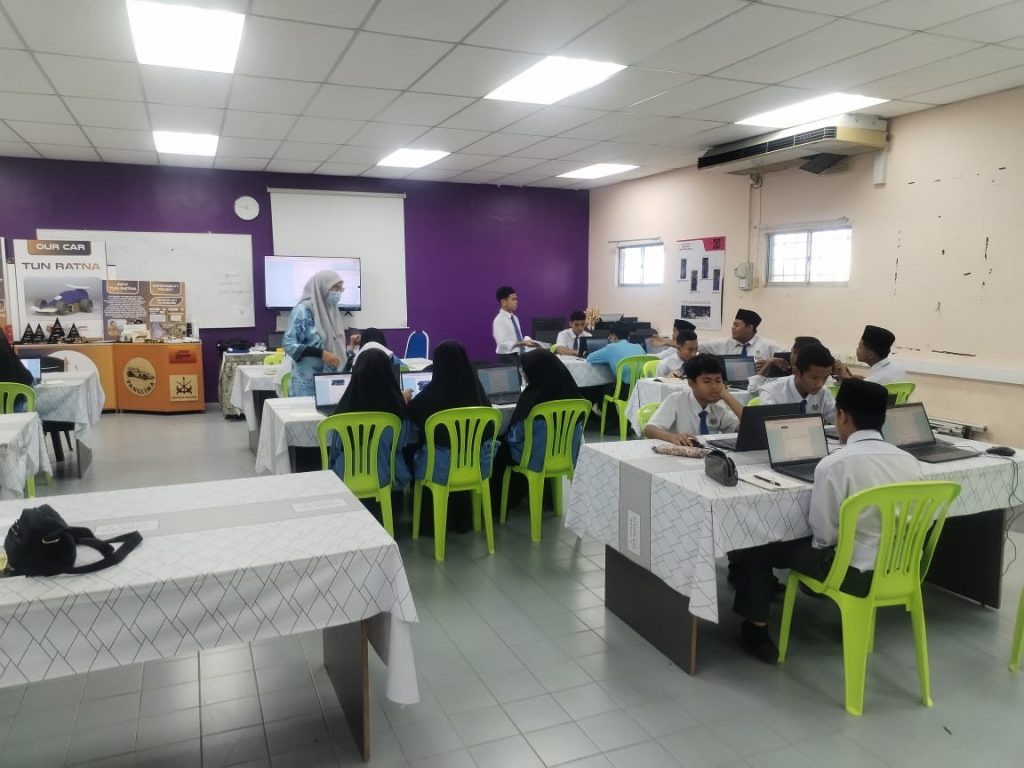
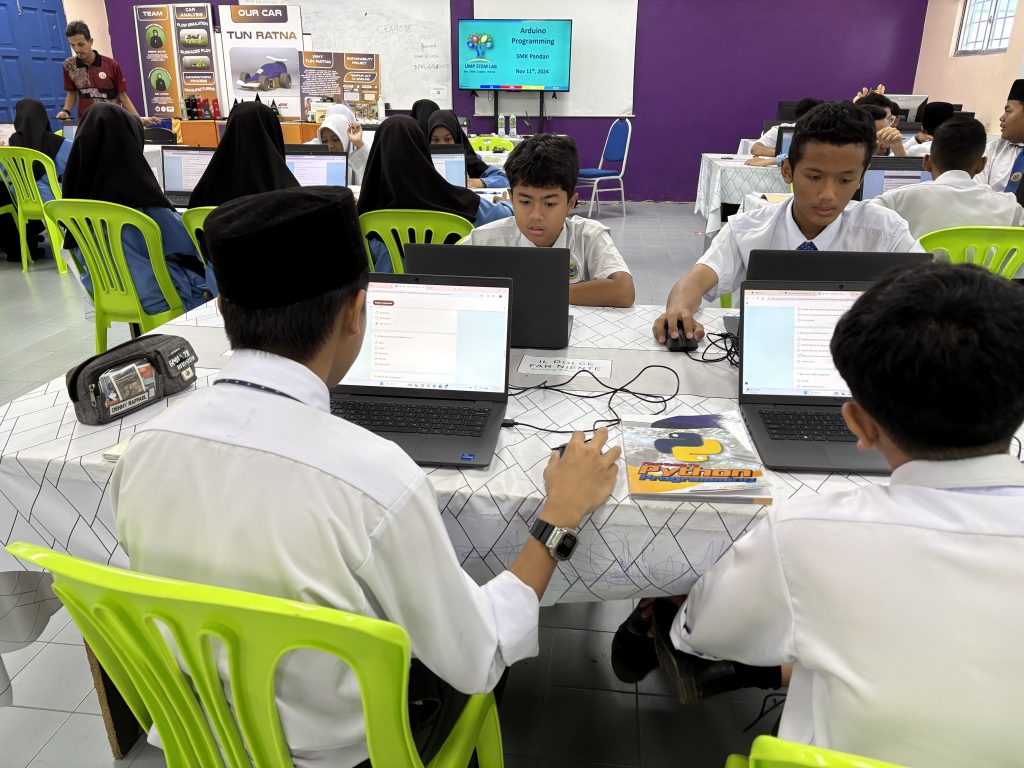
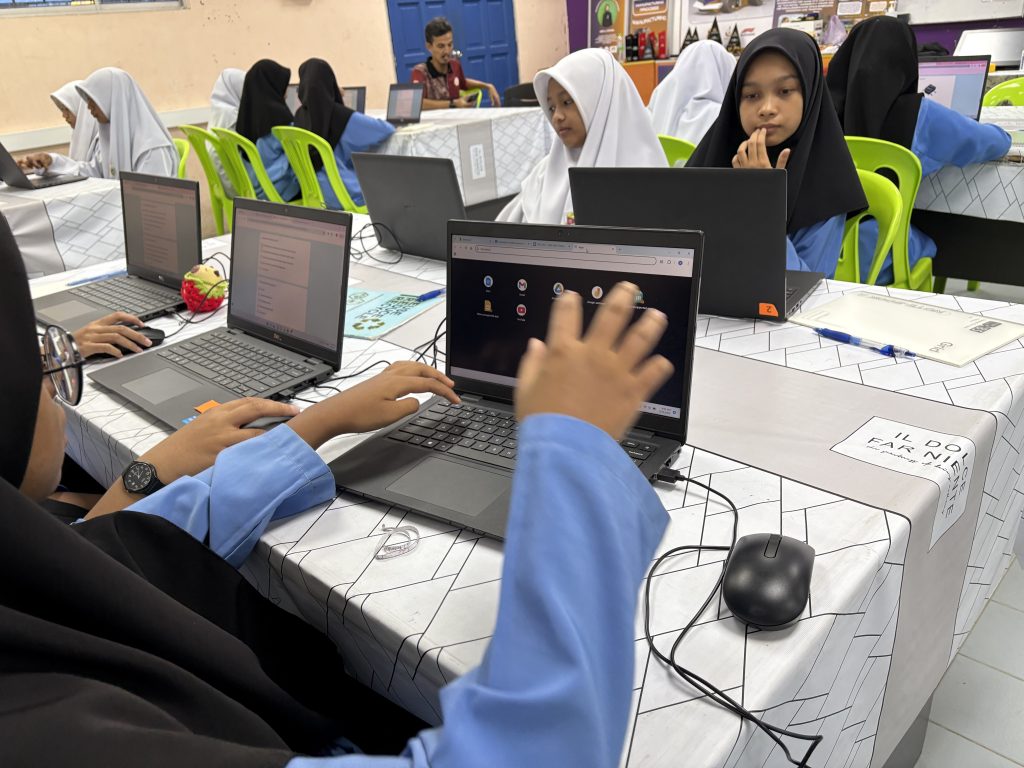
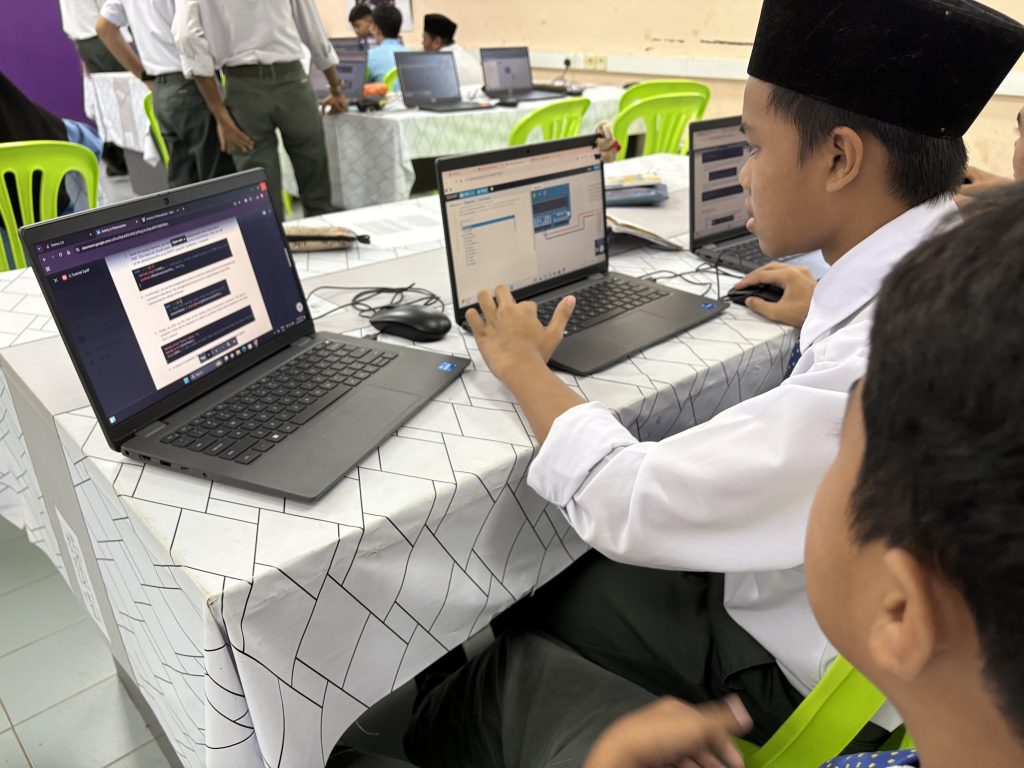
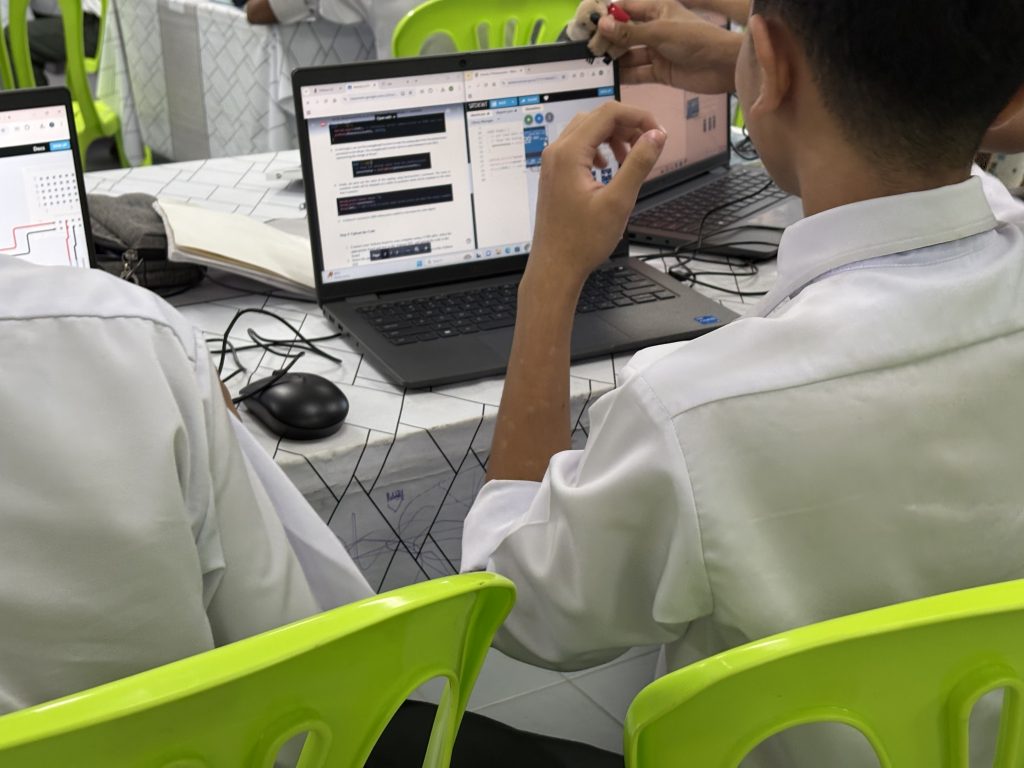
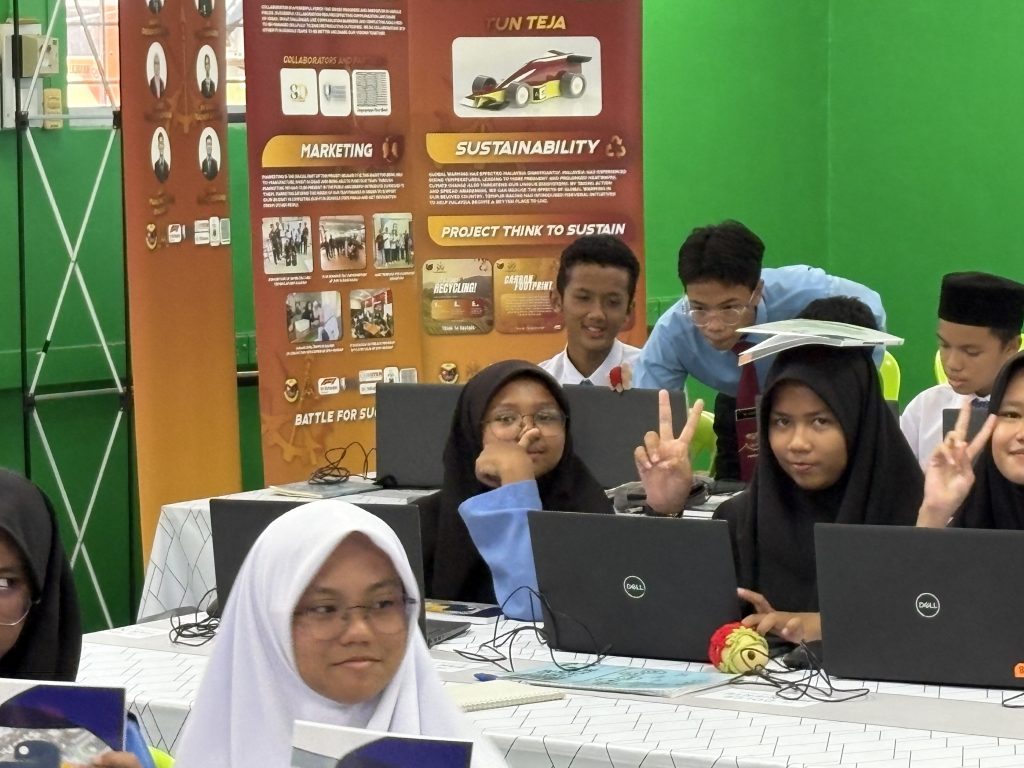
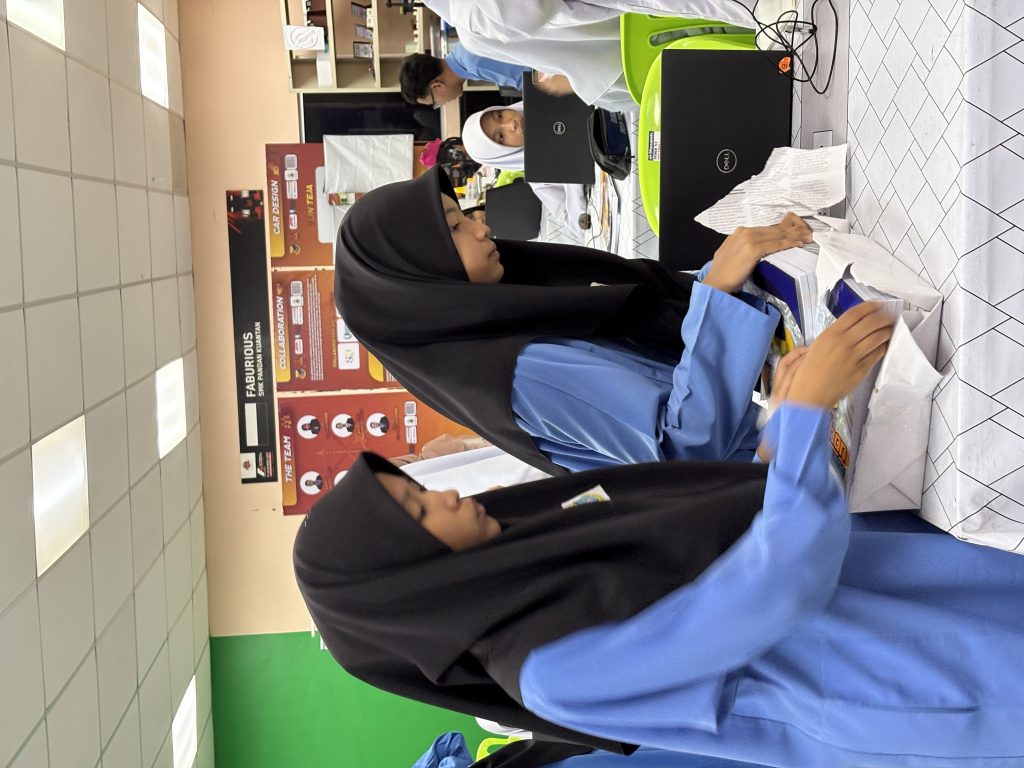
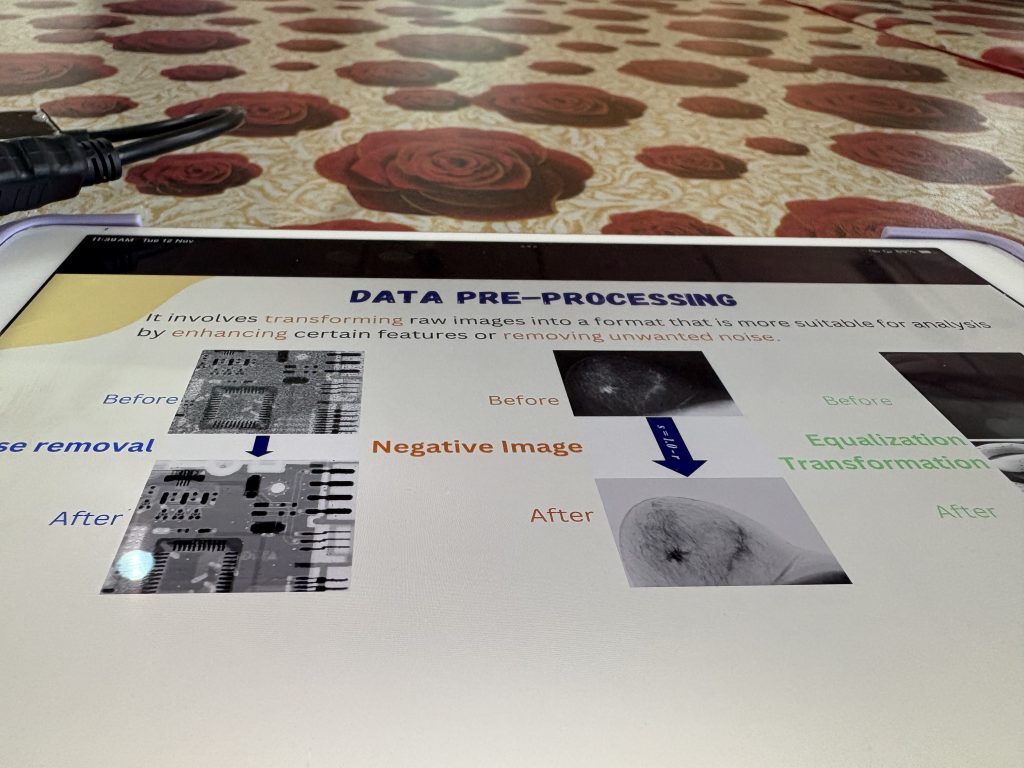
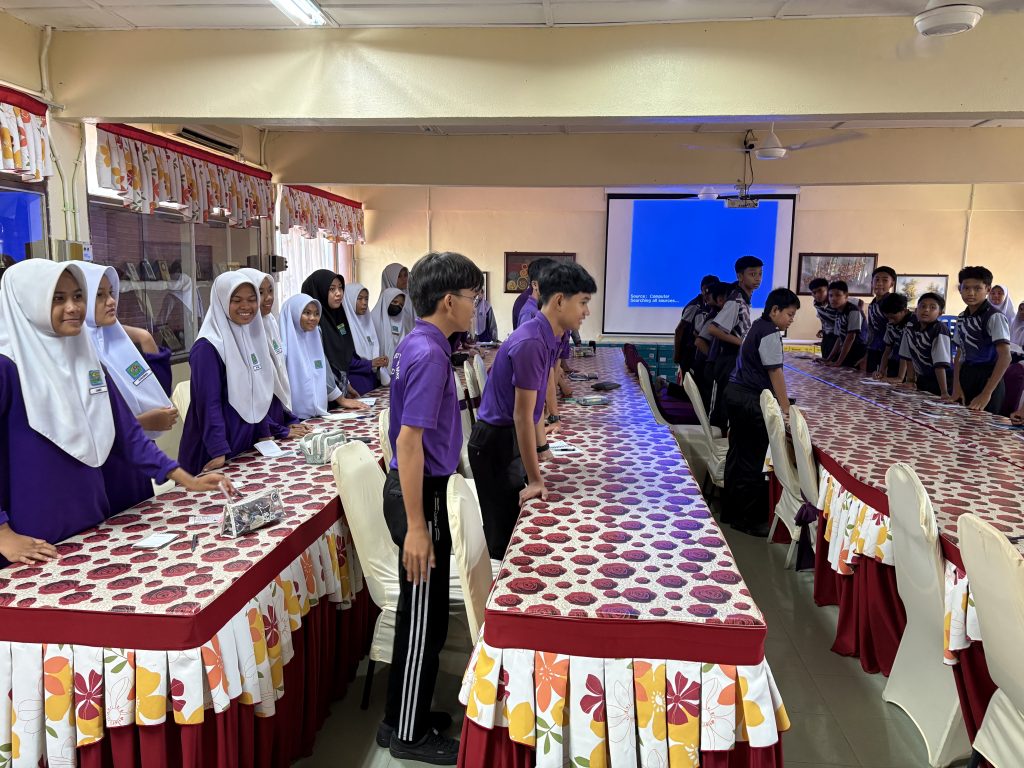
Today, 64 teachers from PPD Pekan had the opportunity to participate in an introductory course on physical computing program in UMPSA STEM Lab. This hands-on workshop introduced the teachers to block/graphical programming, a visual approach to coding that simplifies the process of controlling physical components such as LEDs, buzzers, and sensors.

Block or graphical programming is a method of coding where users create programs by manipulating “blocks” of code instead of writing text-based commands. These blocks represent different functions and commands and can be snapped together like puzzle pieces to form a complete program. This method is particularly useful for beginners, as it reduces the complexity of coding syntax and allows learners to focus on the logic and flow of the program.

In this program, teachers used mBlock, a visual programming tool that allowed them to write code by dragging and dropping blocks, making it easier to program the RekaEduKit components. Instead of manually typing complex lines of code, participants could simply snap together blocks that represented various actions, like turning on an LED or detecting an object with an infrared sensor.
How Block Programming Helps in Learning Physical Computing

1- Simplifies Coding Concepts

One of the major advantages of block programming is that it abstracts away the more complex aspects of traditional programming. For beginners, especially those without a strong background in coding, this makes learning much more approachable. Teachers could easily experiment with coding by dragging blocks like “turn on LED” or “detect object” into their program, without worrying about typos or complex syntax. This lowered the barrier to entry, allowing them to quickly build functional physical computing projects.
2 – Visualizes the Flow of Logic

Block programming provides a visual representation of the coding process. This is particularly useful in physical computing, where understanding the flow of inputs (from sensors) and outputs (like LEDs or buzzers) is crucial. The teachers were able to see how their program would work by following the logical sequence of blocks, making it easier to understand how data flows from the sensors and how devices react.

For example, in Activity 3: Traffic Light System, teachers used block programming to control a set of LEDs based on input from an infrared sensor. They could visually map the logic: “If the sensor detects an object, turn the green LED on; otherwise, turn the red LED on.” This clear visual representation of cause-and-effect relationships helped the teachers understand the underlying logic in physical computing systems.

3 – Encourages Experimentation and Creativity

By removing the complexities of syntax and code structure, block programming encourages learners to experiment. During the training, teachers were able to quickly modify their programs, trying out different configurations without the fear of making critical mistakes. This was evident in Activity 5: Festival of Lights, where teachers used potentiometers to control the brightness and color of Neopixel LEDs. The graphical interface allowed them to change variables and instantly see the results, fostering a deeper understanding of how inputs (potentiometer values) affect outputs (LED colors).

4. Enhances Problem-Solving Skills

Graphical programming also helps build problem-solving skills. Since block-based coding allows for quick iterations, learners can easily test and troubleshoot their code. For example, in Activity 7: Futuristic Music Instrument, participants learned to control the pitch of a buzzer using a potentiometer. When their code didn’t work as expected, they could easily adjust the blocks, get feedback from the AI, and solve the problem.

This iterative approach, paired with the visual nature of block coding, made it easier for teachers to debug their projects, fostering a deeper understanding of both coding logic and the physical computing system they were controlling.

5 – Bridges the Gap Between Software and Hardware

One of the most challenging aspects of physical computing is understanding how software interacts with hardware. Block programming provides a tangible way to bridge this gap. Teachers could see exactly how their code translated into real-world actions—whether it was an LED lighting up, a buzzer sounding, or a sensor detecting movement. The AI-assisted explanations provided additional clarity, helping participants connect the dots between the virtual coding environment and the physical components they were working with.

For example, in Activity 9: Security System, the program connected both a sound sensor and an infrared sensor to a buzzer and Neopixel LEDs. By using block coding, teachers could visually see how multiple inputs (like sound and movement detection) controlled the output (turning on a buzzer or changing LED colors). This helped them understand how software (code) could control and respond to hardware components in real-time.

The UMPSA STEM Lab program successfully empowered 64 teachers from PPD Pekan by combining the strengths of block programming and AI-assisted learning. By simplifying the coding process and providing real-time support, the program gave teachers the tools they need to confidently bring physical computing into their classrooms