Arduino Programming (AI Assisted) 2025/3 – KV Kulim

Synopsis on AI Assisted Learning @UMPSA STEM Lab module.

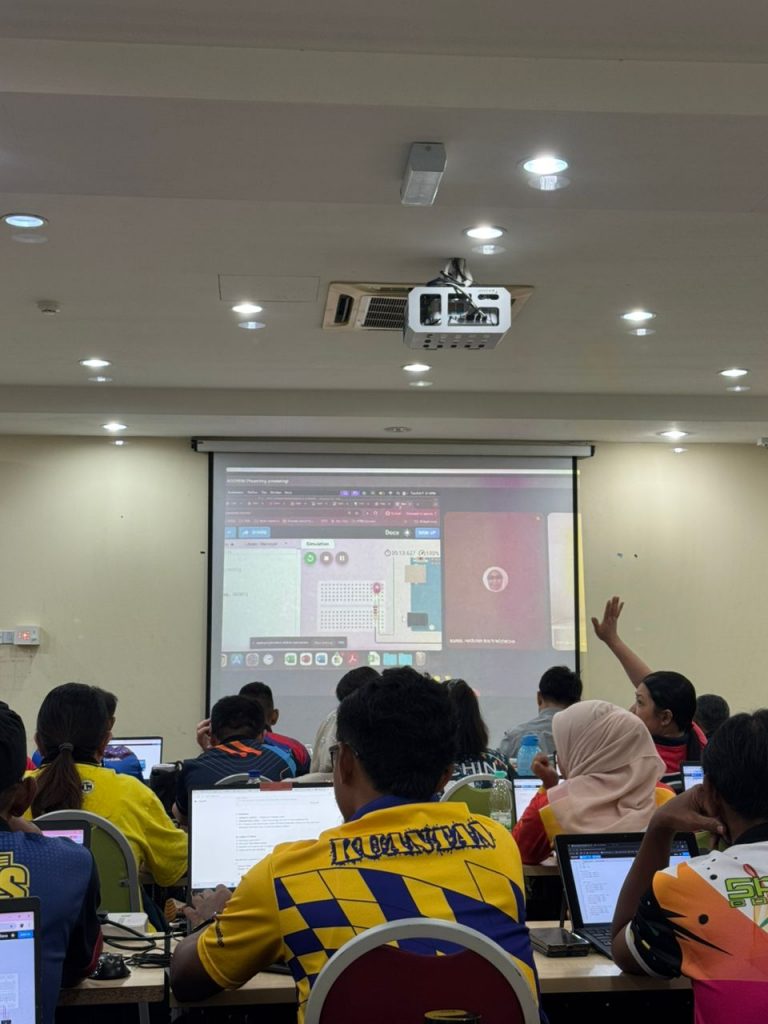
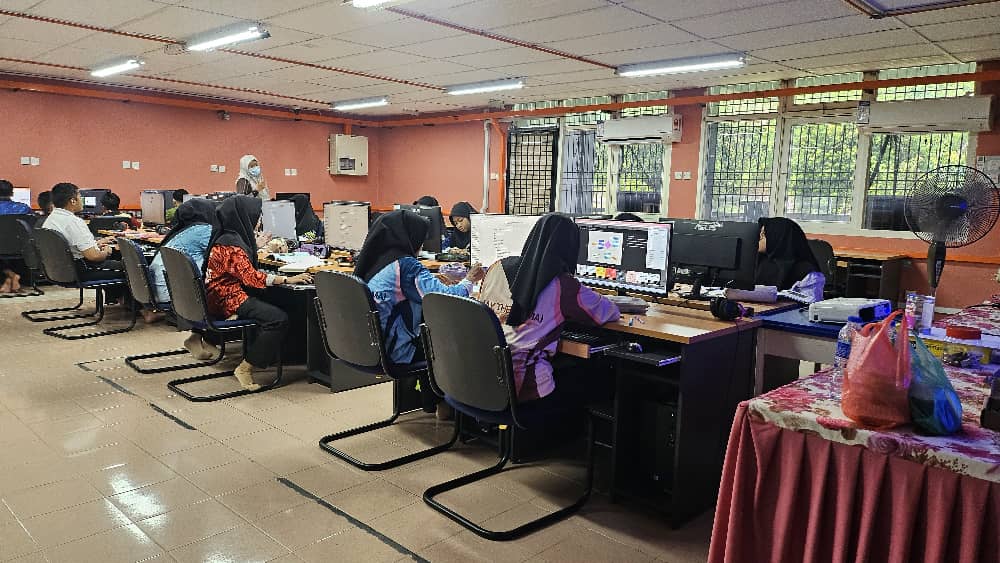
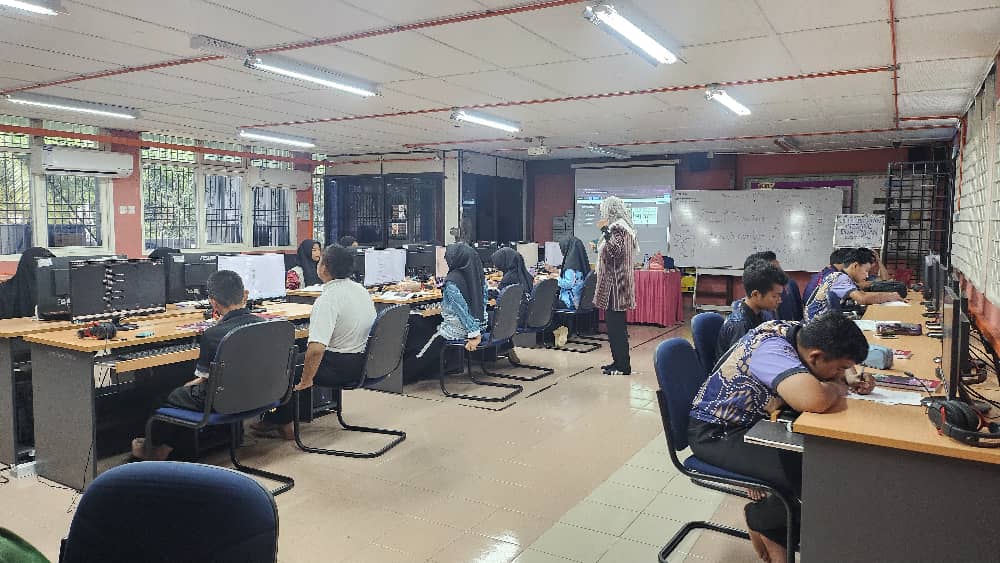
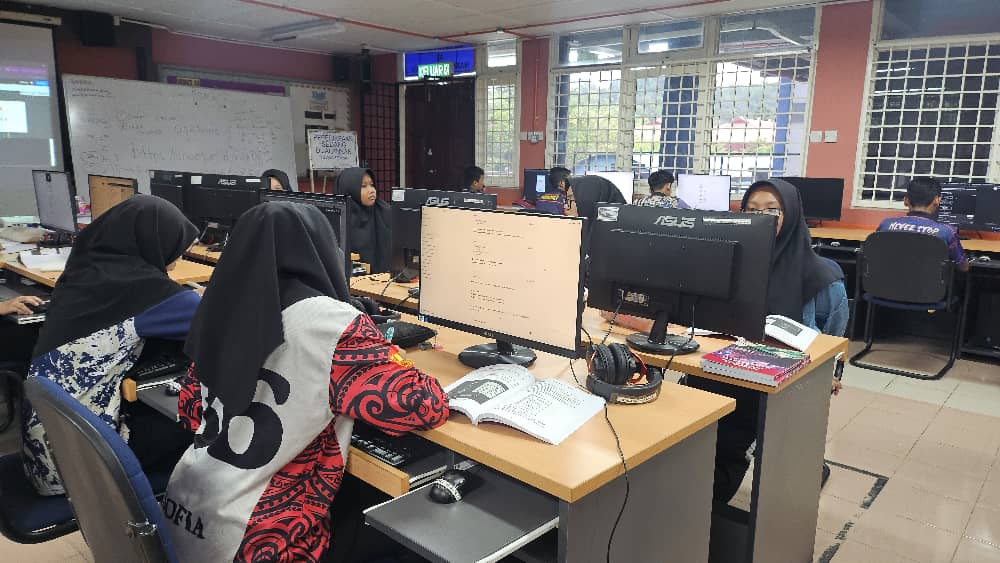
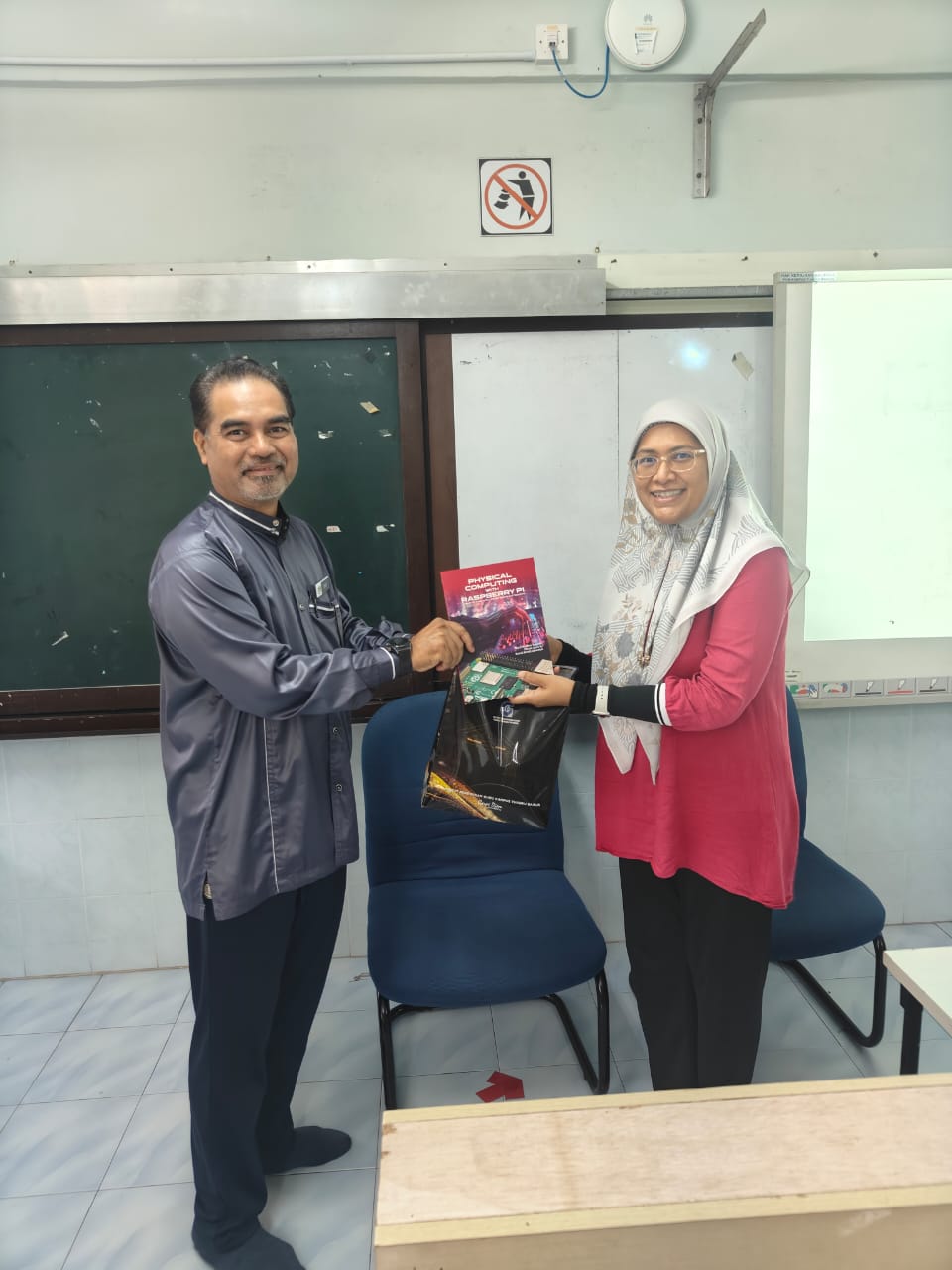
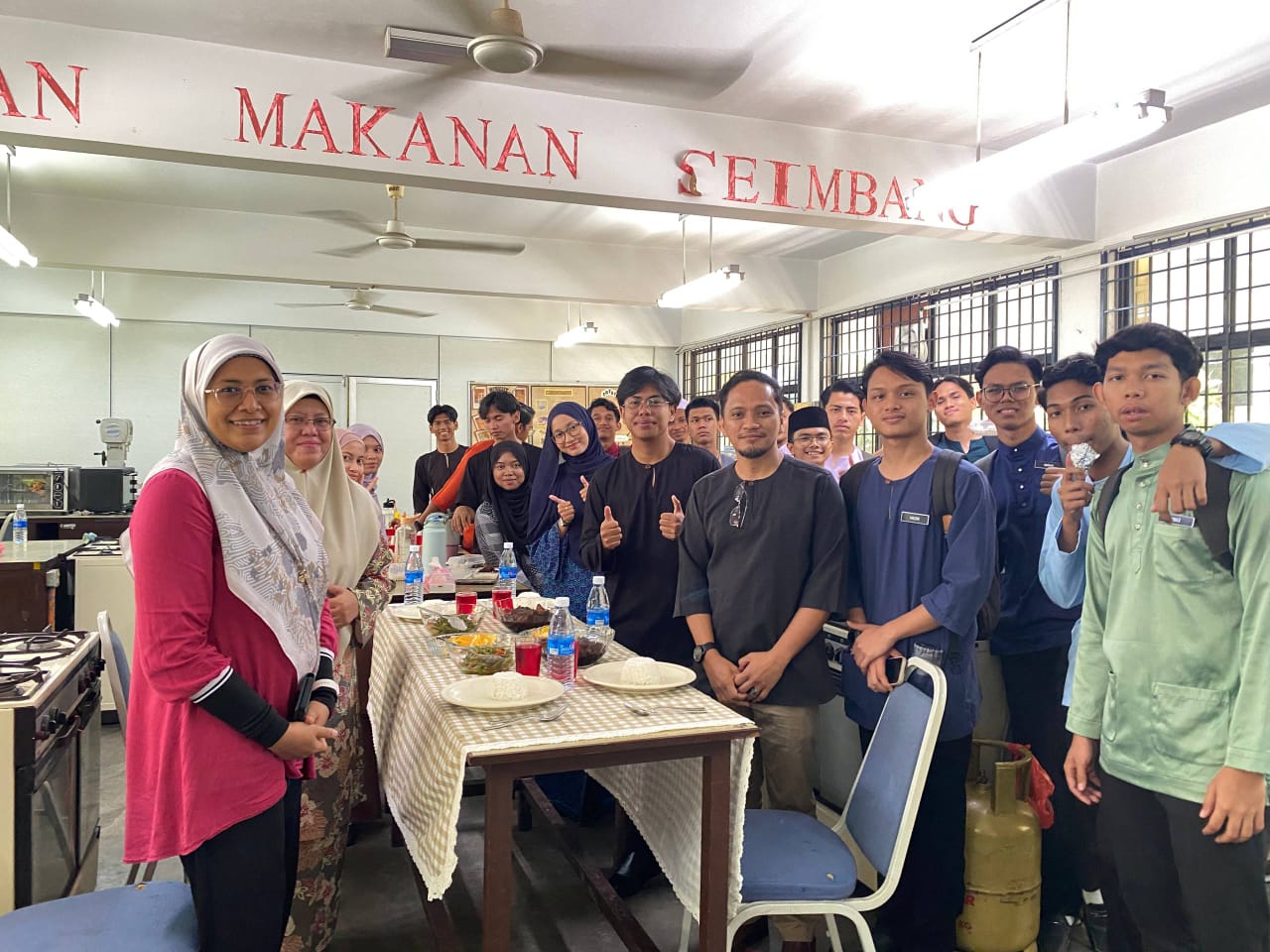
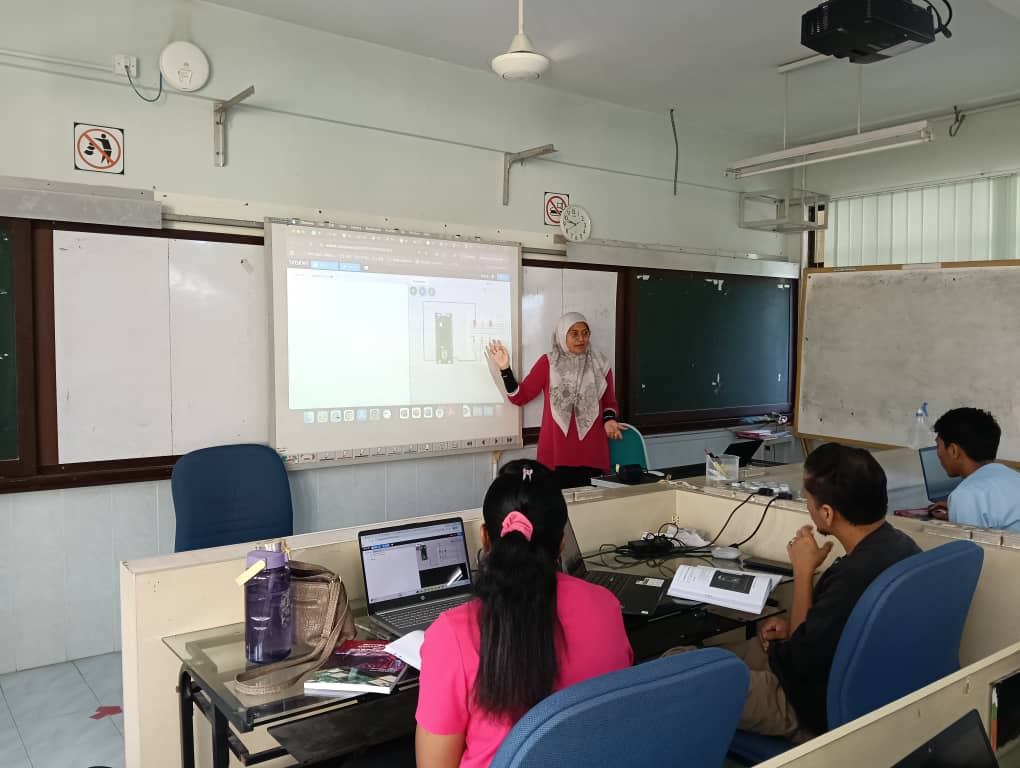
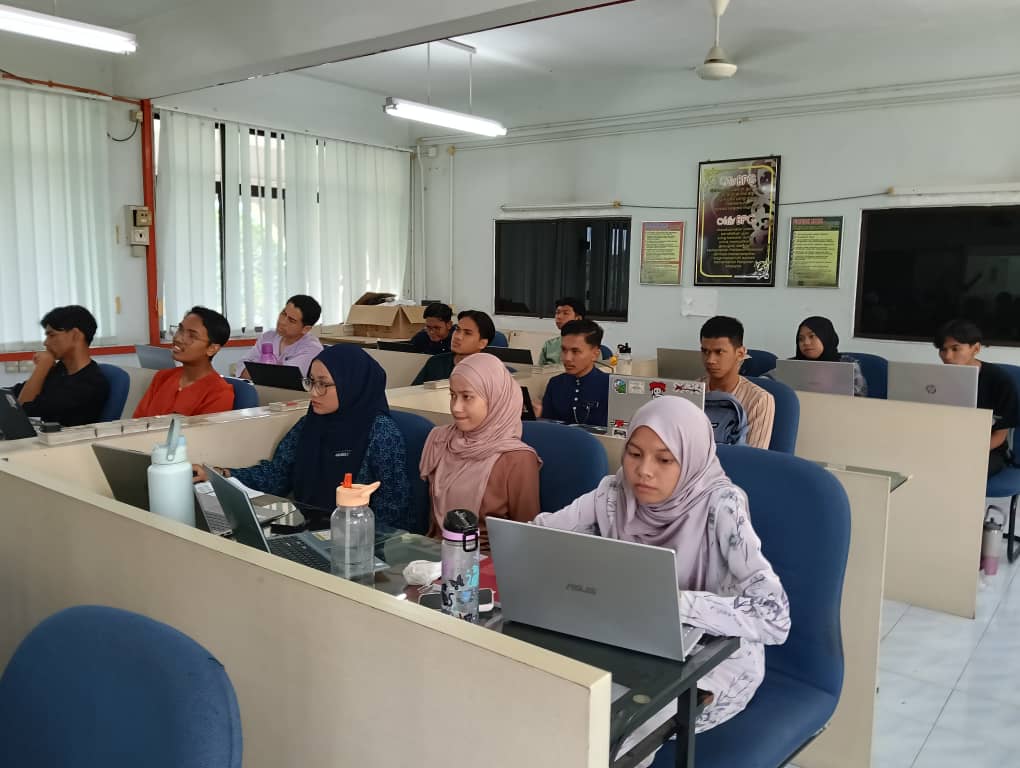
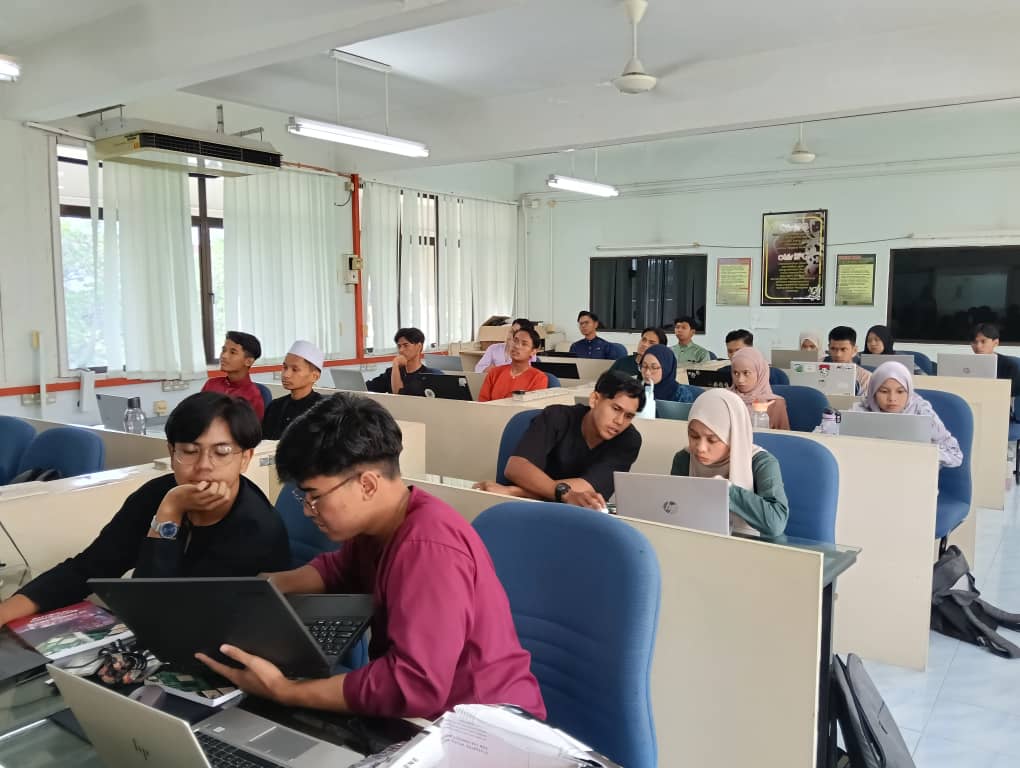
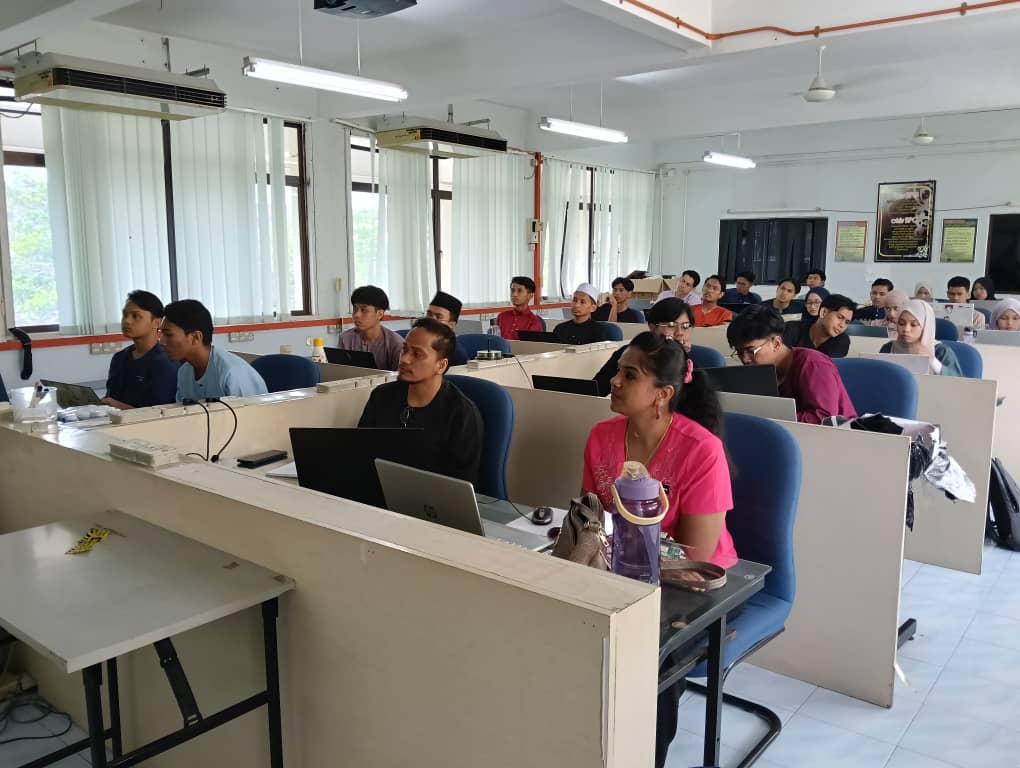
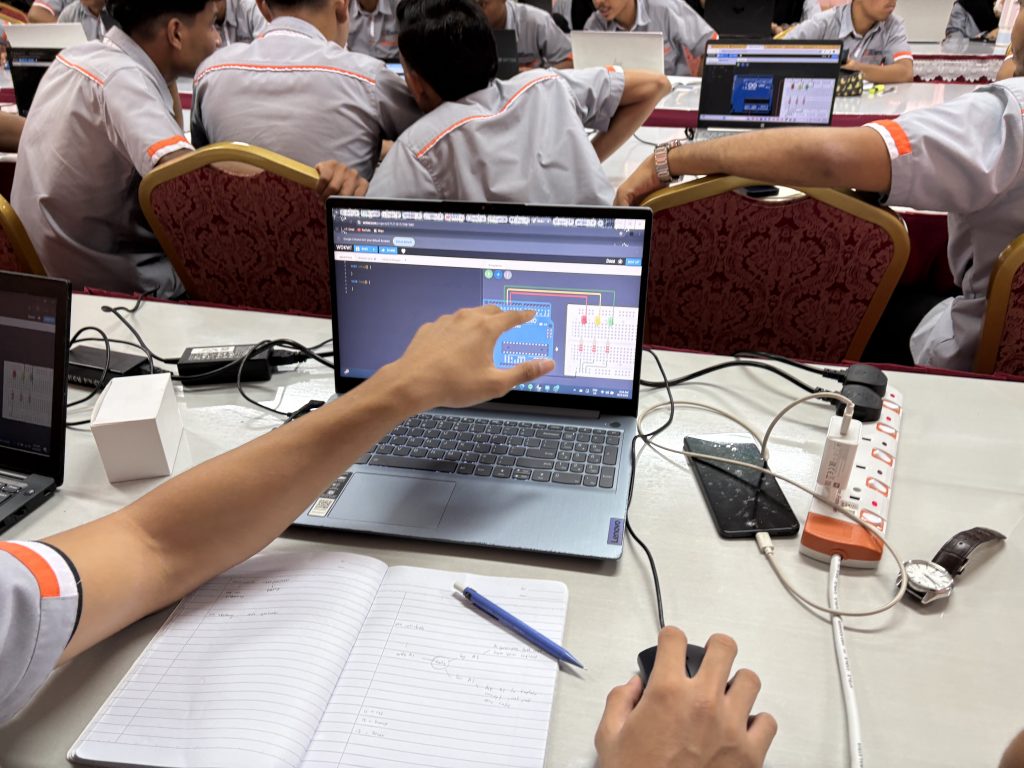
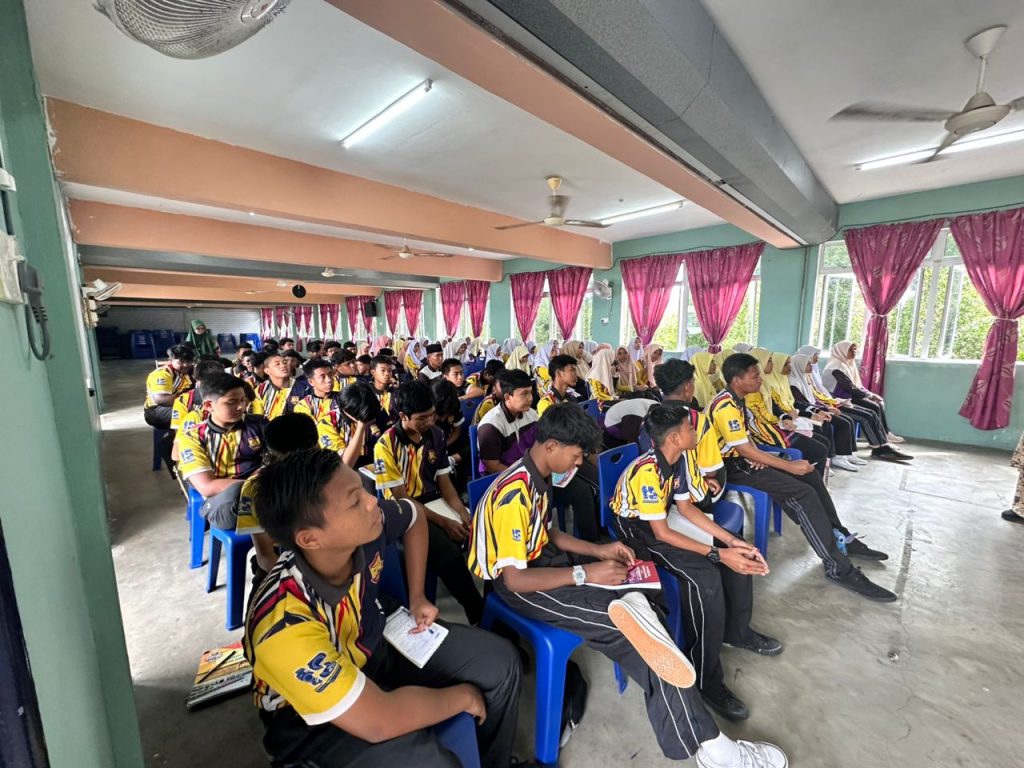
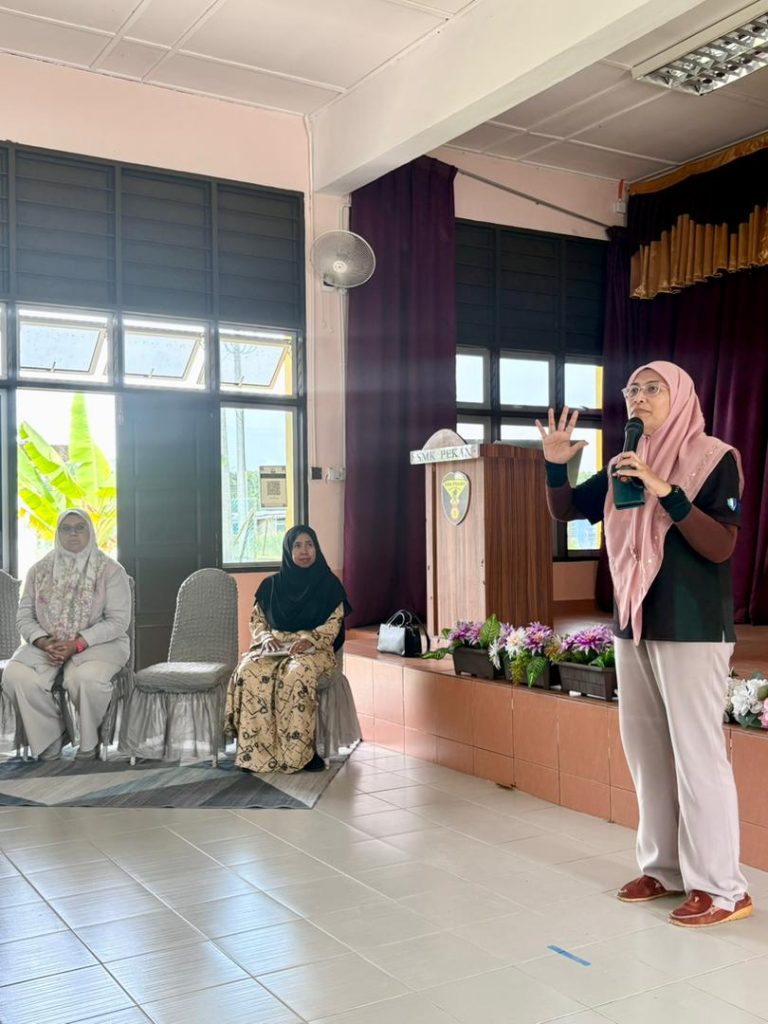
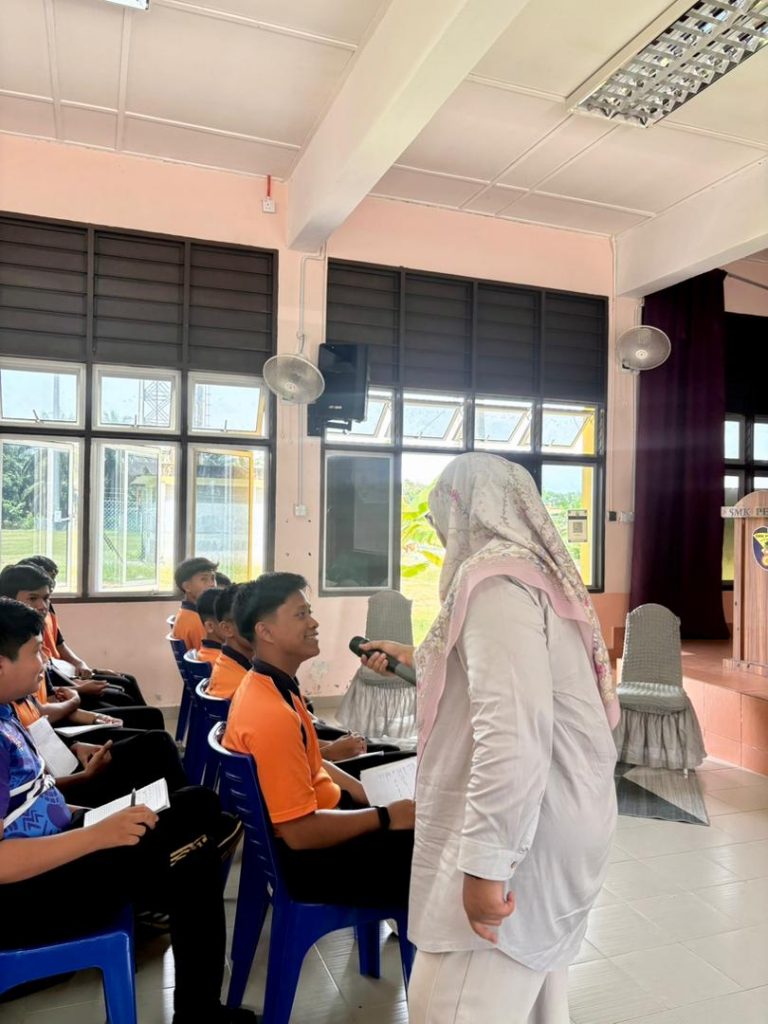
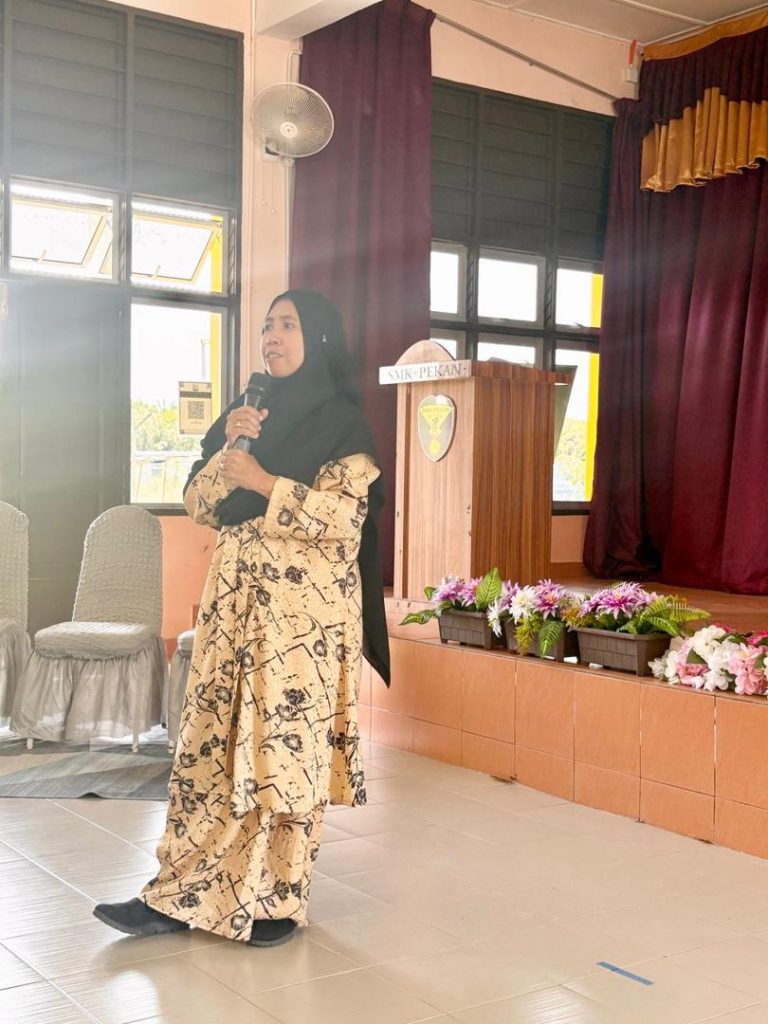
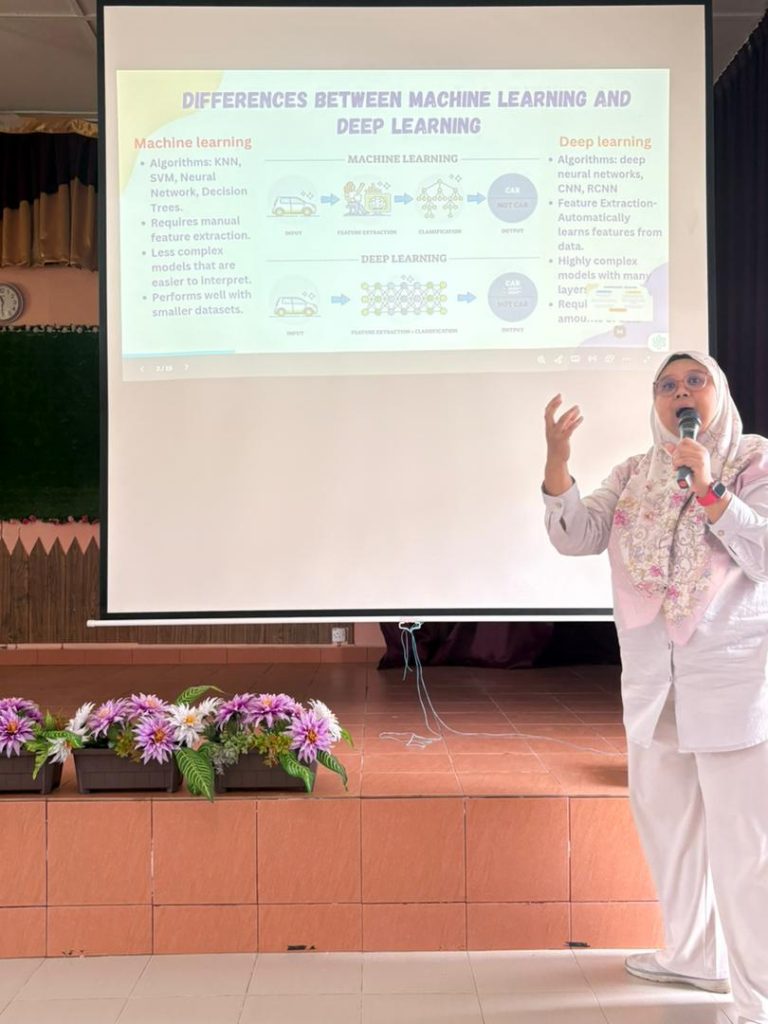
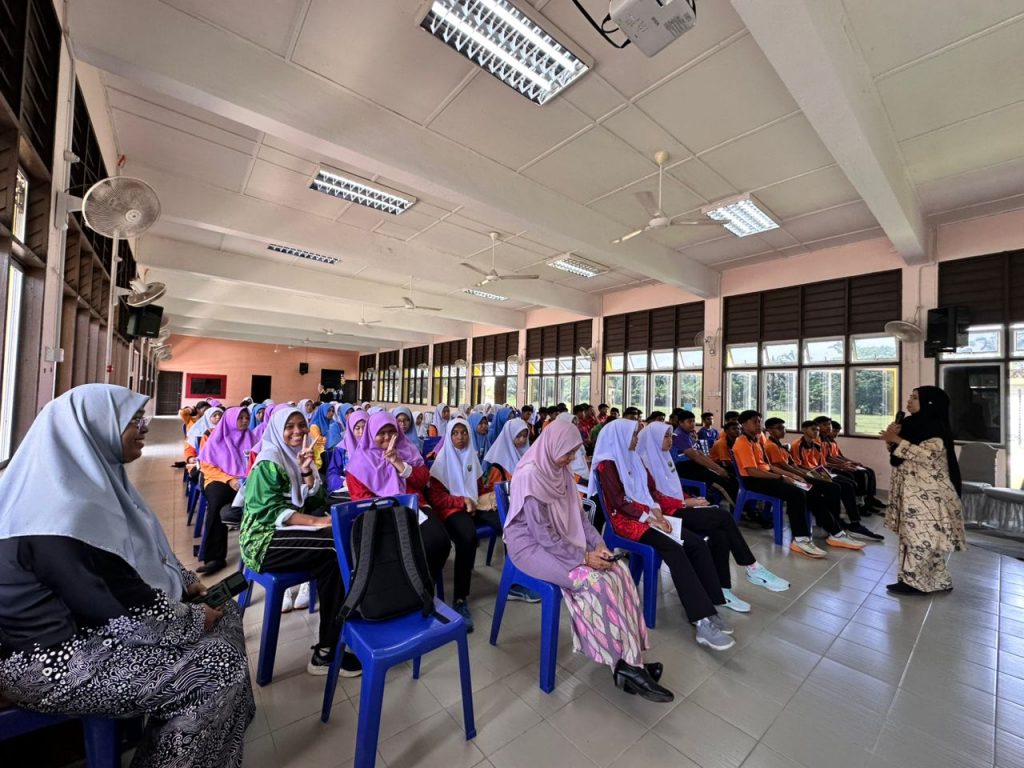
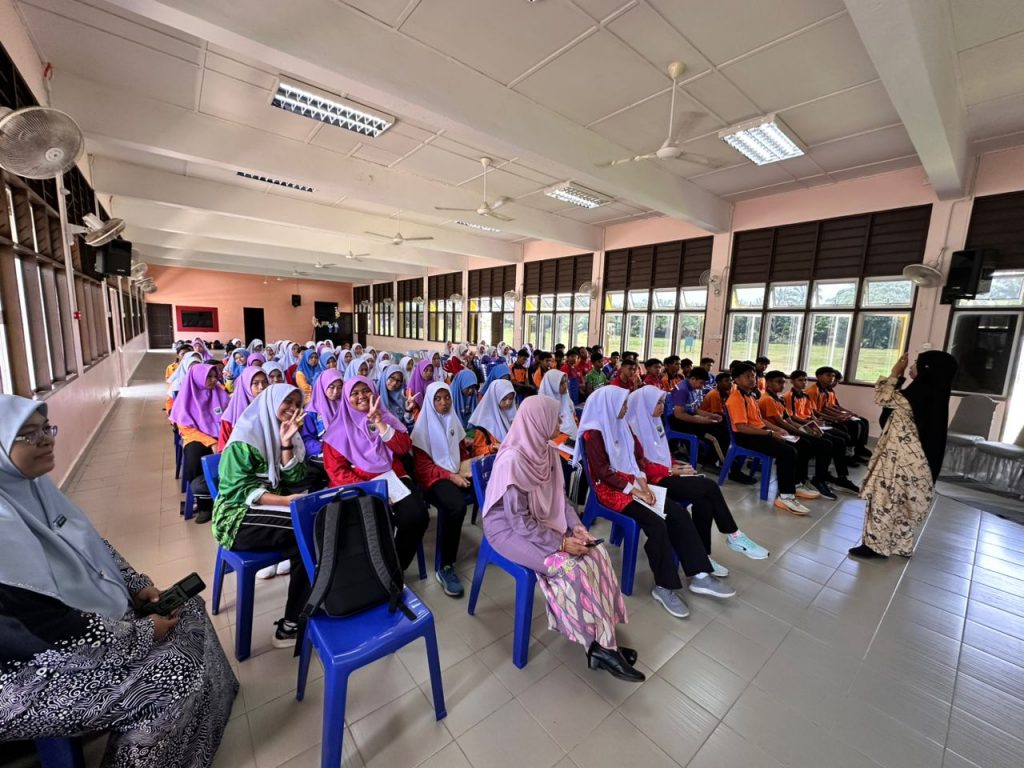
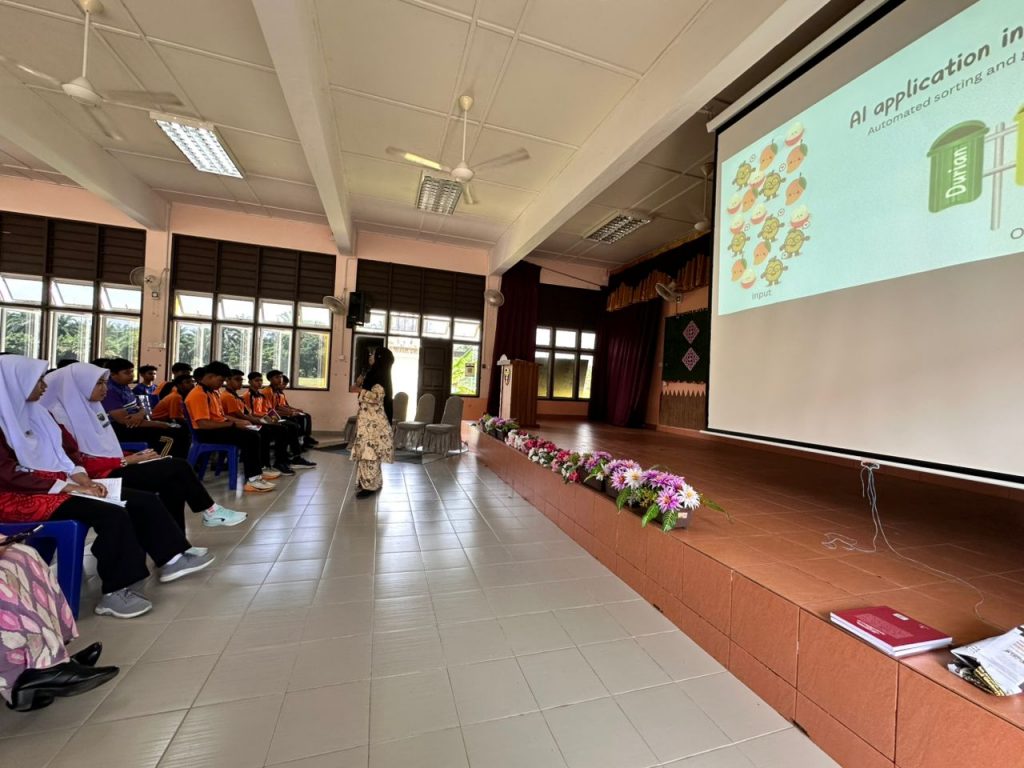
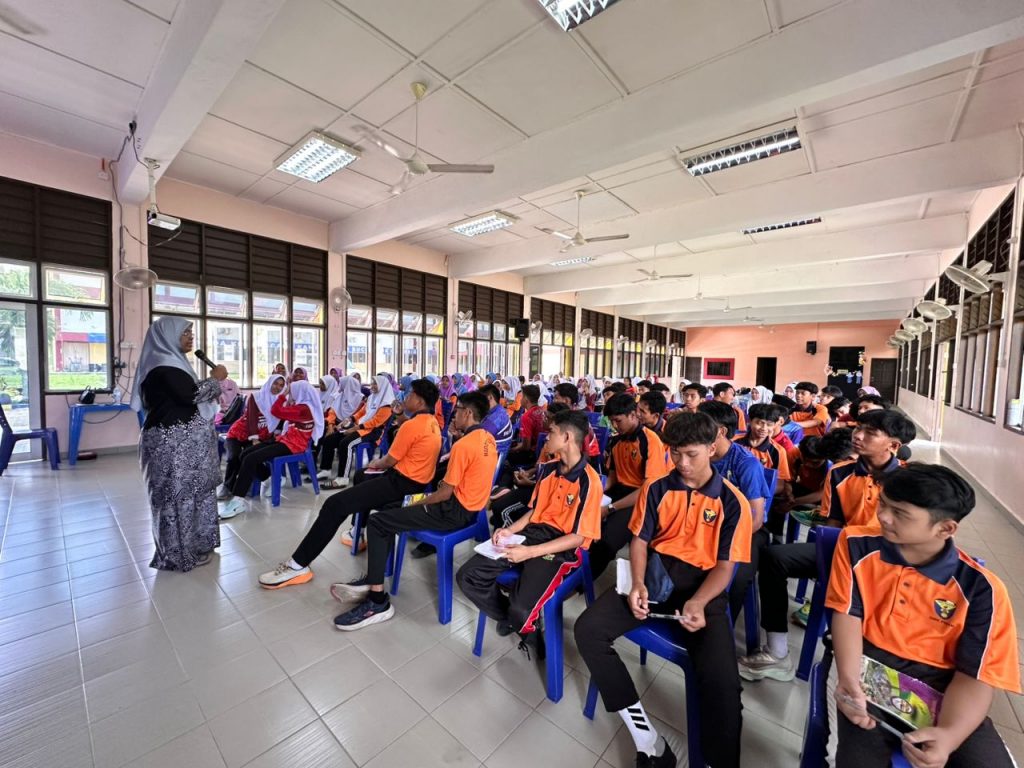
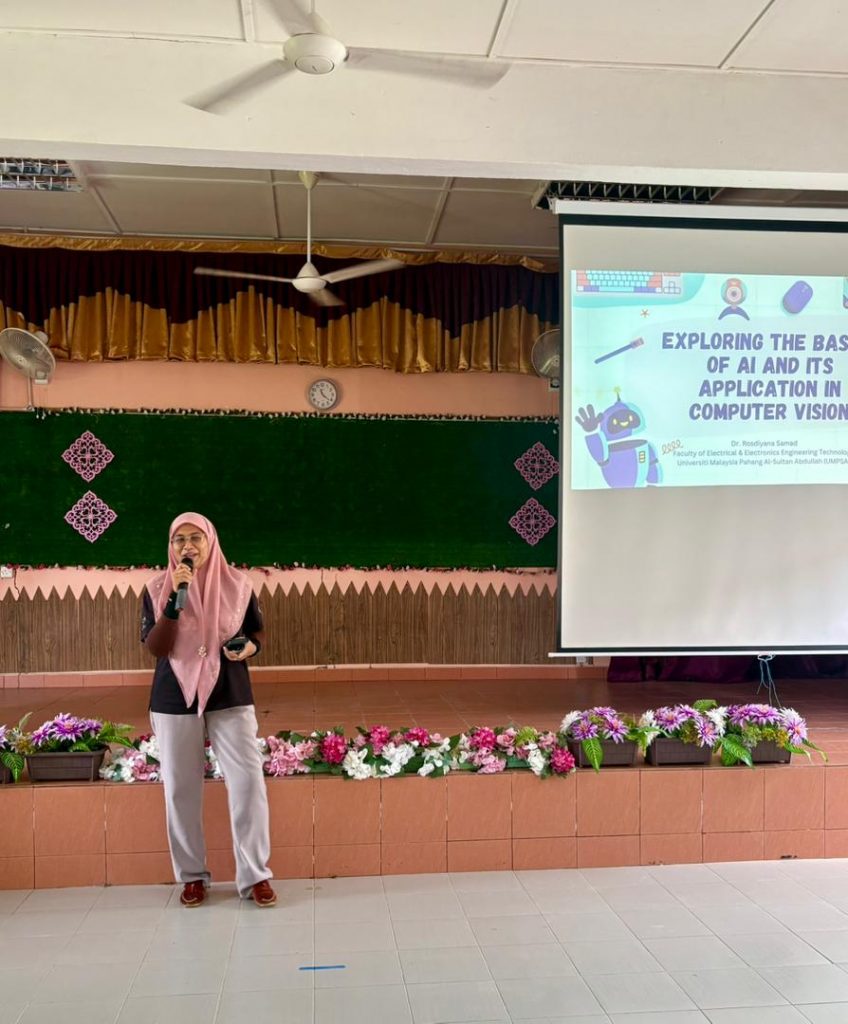
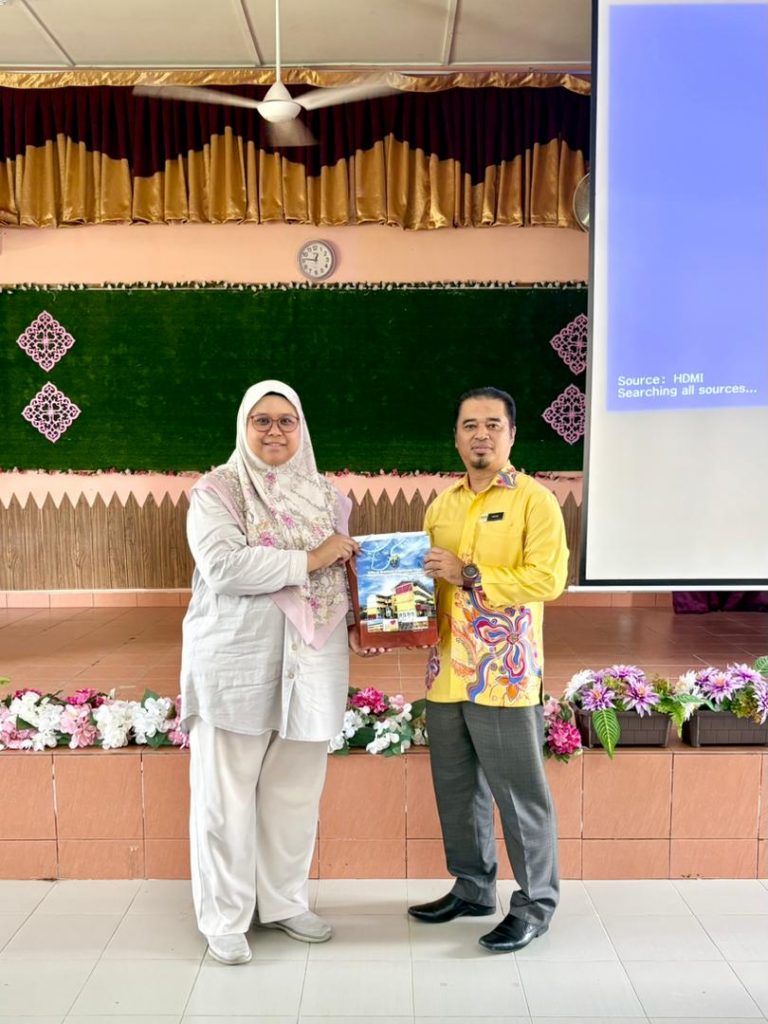
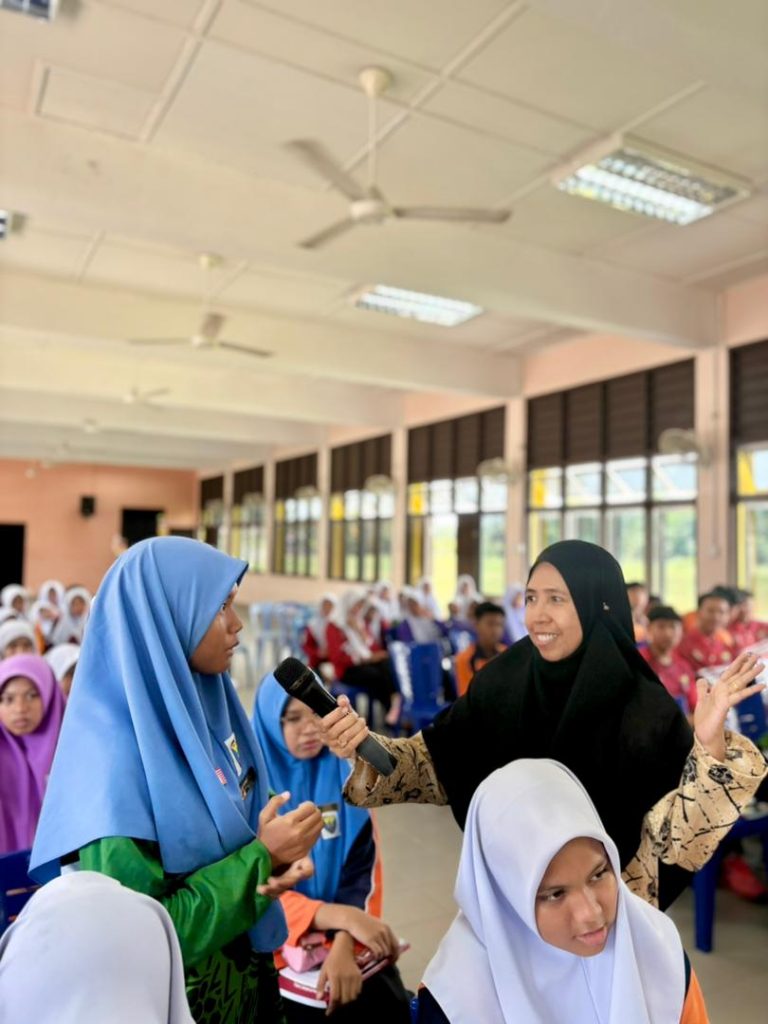
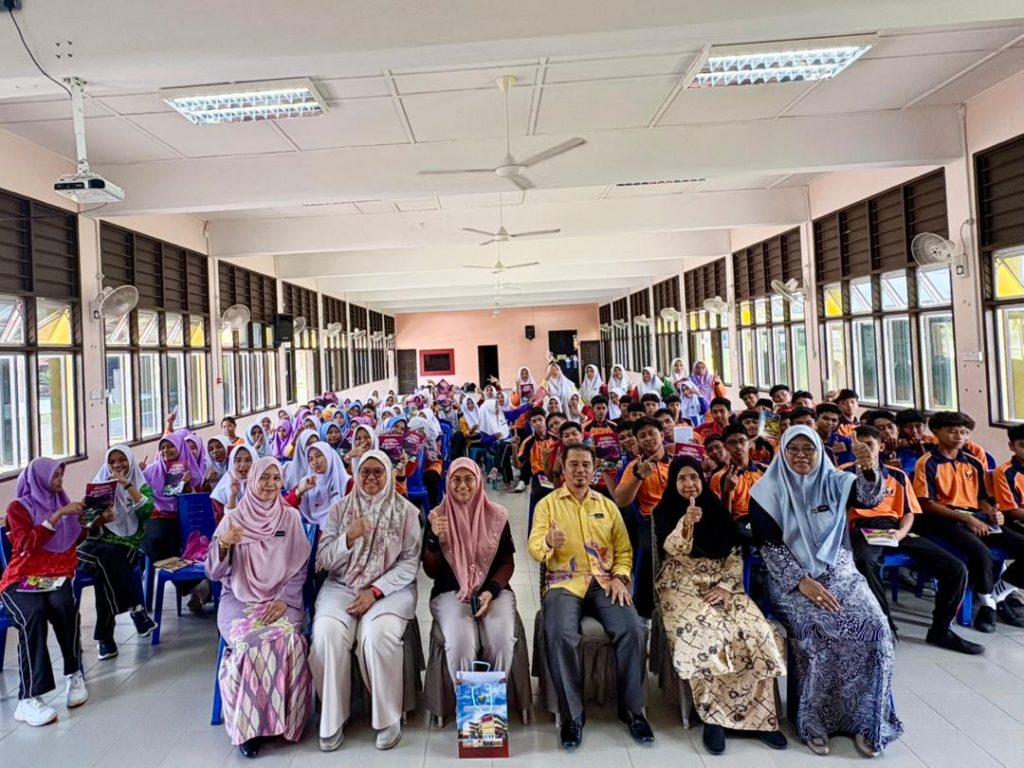
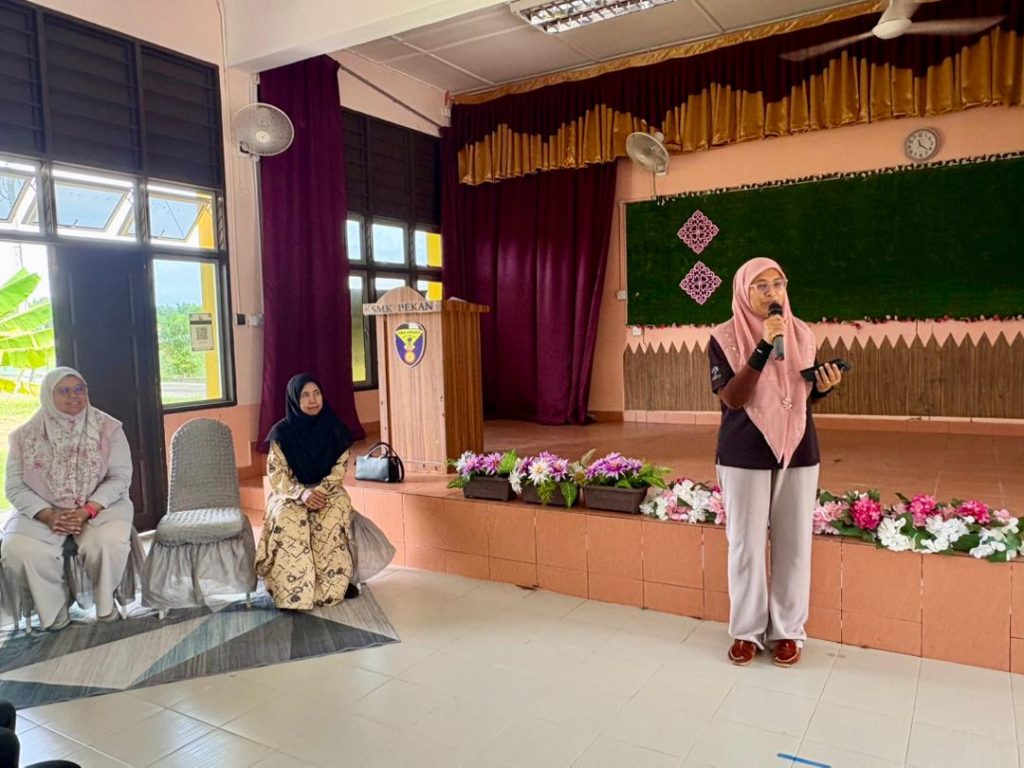
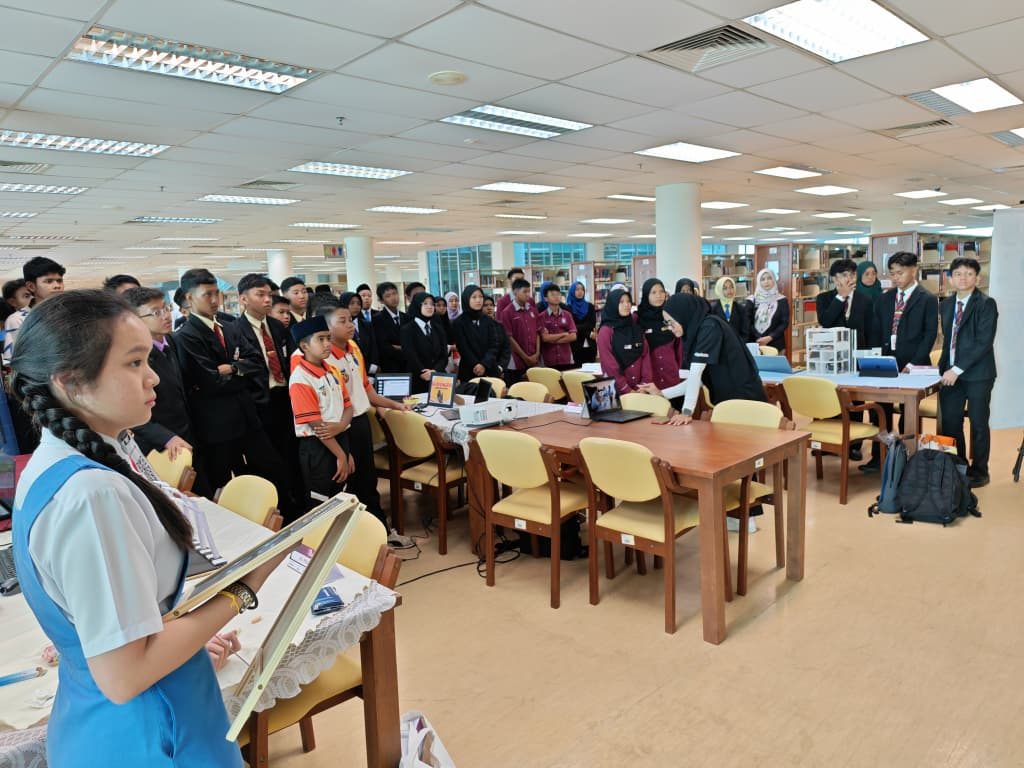
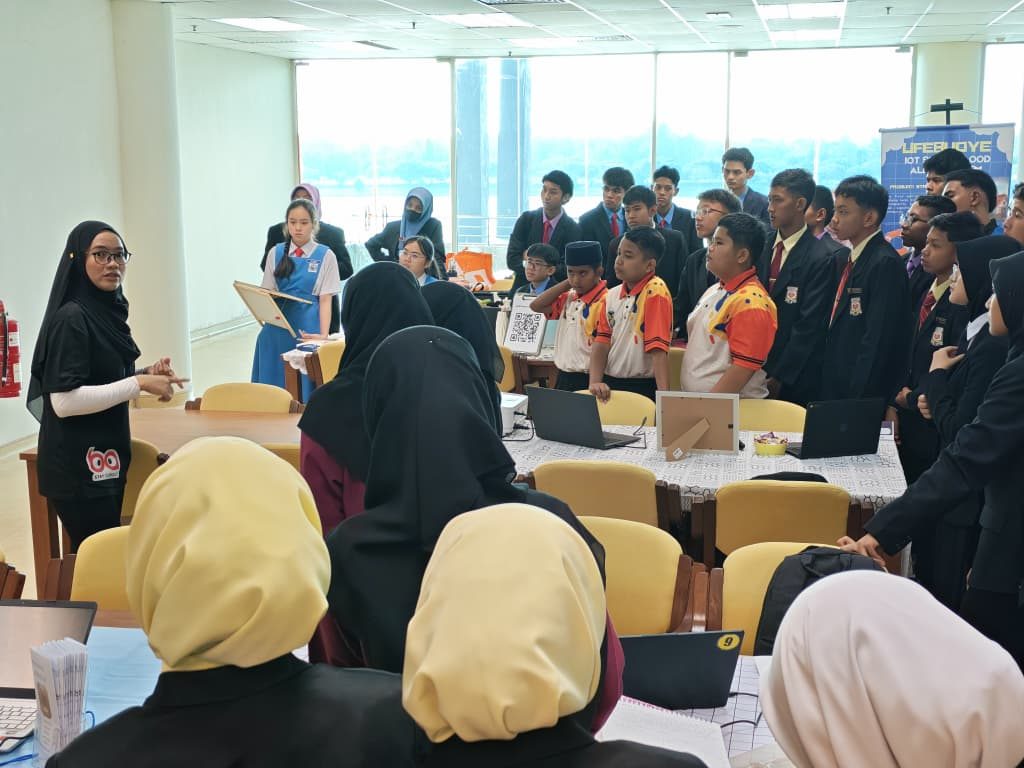
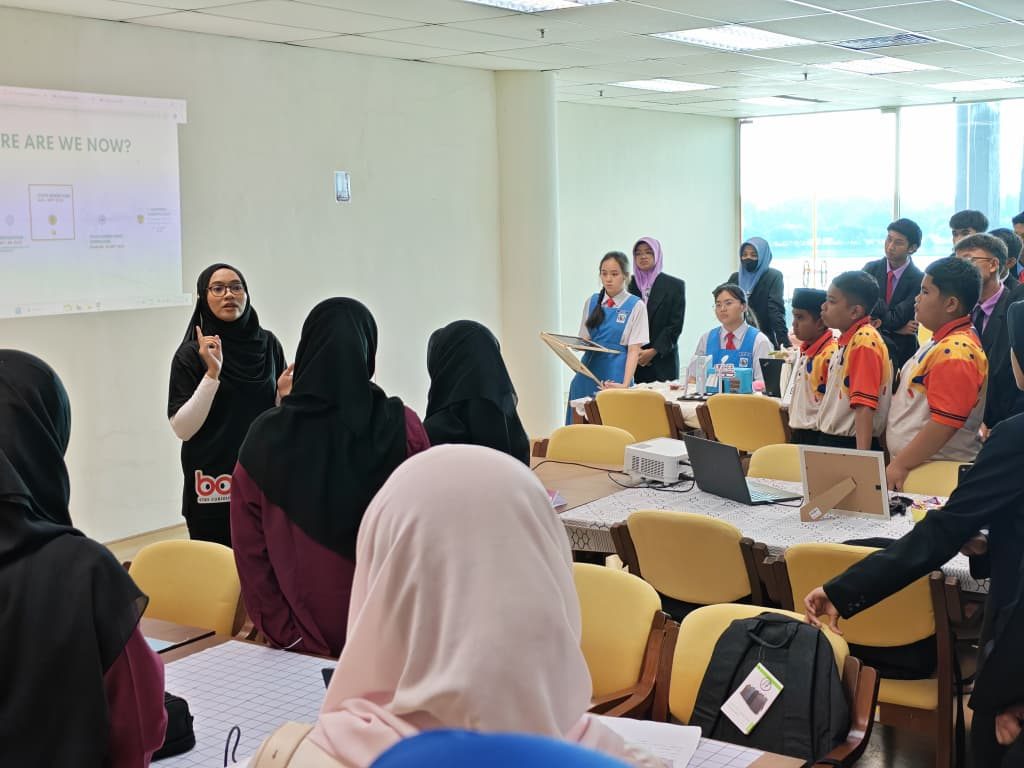
Today’s session, in collaboration with Kolej Vokasional Kulim, involves interactive session for 36 students and teachers.

The session was designed with a clear objective to demystify the basics of Arduino programming and physical computing while leveraging AI tools to make the learning process more intuitive and accessible. For many of these participants, this was their first exposure to the intricacies of coding and the fascinating world of microcontrollers. The use of AI in the learning process provided a significant boost, enabling them to grasp complex concepts more easily and with greater confidence.

The essence of the session was a series of six hands-on activities, each carefully crafted to build upon the previous one, ensuring a gradual yet comprehensive learning experience. These activities were designed not only to teach the basics of programming and electronics but also to illustrate how AI can be a valuable ally in the learning process.

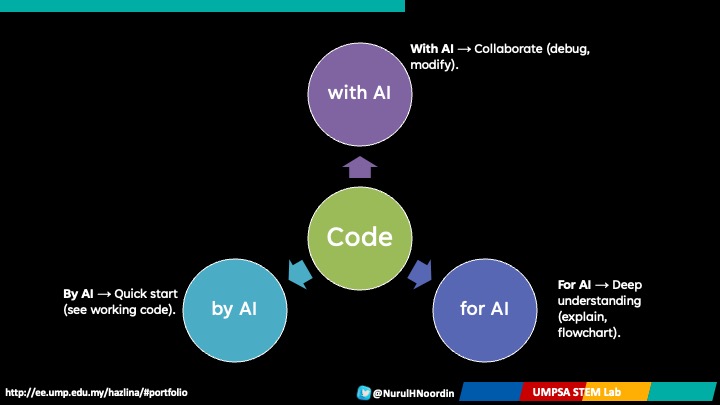
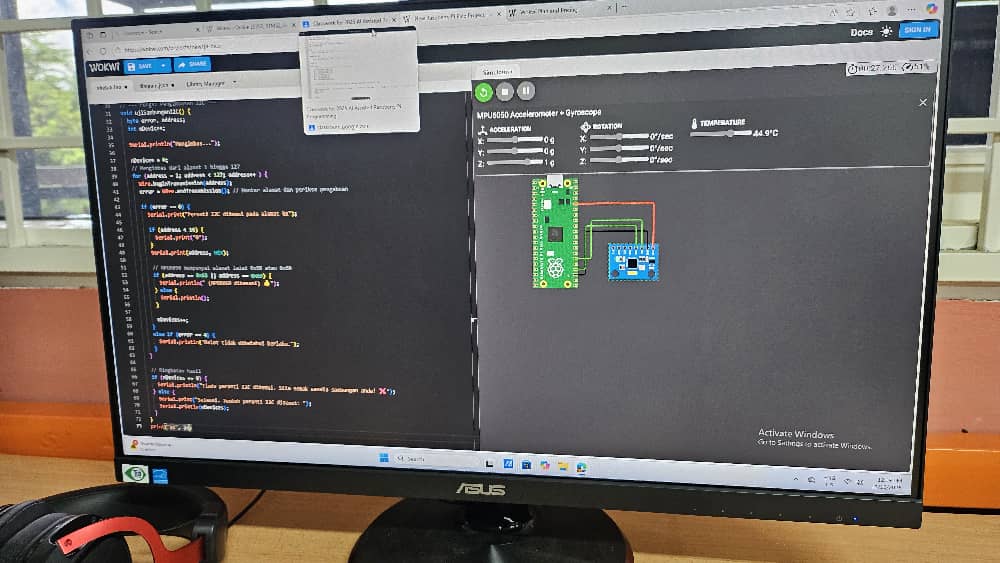
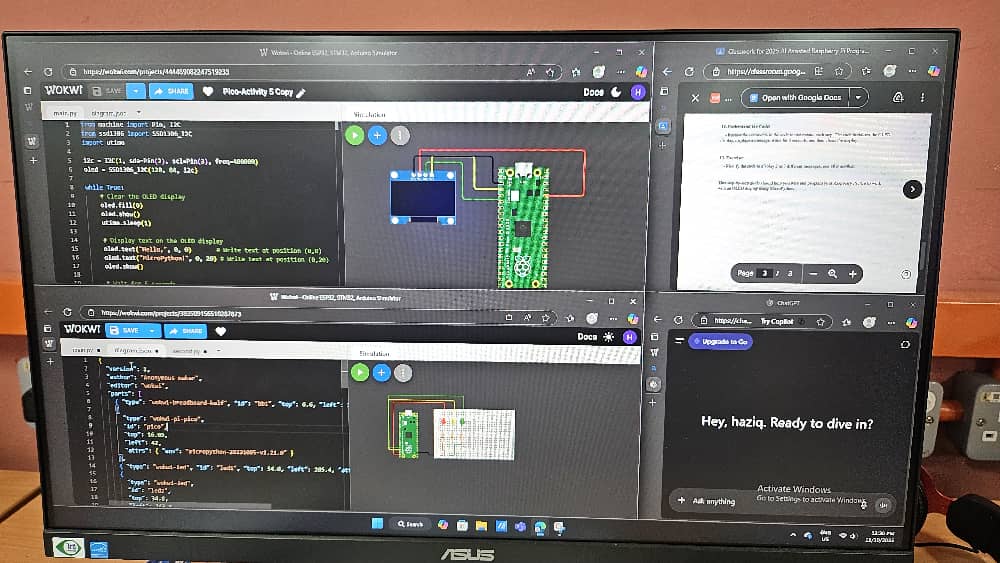
During the session, participants were introduced to the Arduino platform, gaining a solid understanding of its components and the vast potential it holds for creating interactive projects. This foundational knowledge was crucial as it set the stage for the more complex tasks that followed. Leveraging AI tools like ChatGPT, participants witnessed firsthand how AI could assist in generating and debugging code, making the learning process more efficient. This activity demonstrated the practical benefits of AI, especially in reducing the learning curve for beginners.

As they progressed, the participants engaged in the classic “Hello World” of Arduino by writing simple code to control an LED, an experience that built their confidence and deepened their understanding of digital outputs. The next step in their learning journey was the traffic light simulation project, where they applied control structures to manage multiple outputs. This project not only taught them the intricacies of timing and logic but also encouraged them to think critically about how these elements interact in real-world applications.

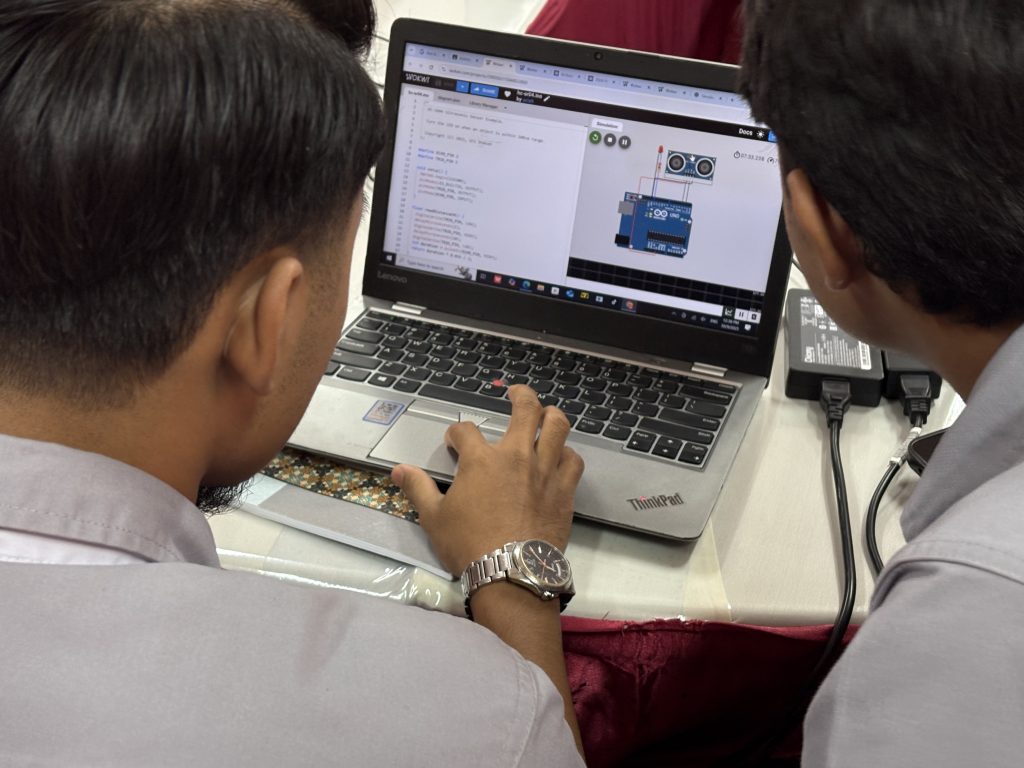
Further advancing their skills, the participants used AI-generated code to integrate sensors like photoresistors into their projects, introducing them to the world of analog inputs and sensor data processing. The session culminated in an activity where they used an ultrasonic sensor to measure distance, with real-time results displayed, helping them grasp the concepts of pulse measurement and the practical application of their coding skills in tangible, real-world scenarios.

To all the participants, nice meeting you and hope to see you again in the future.

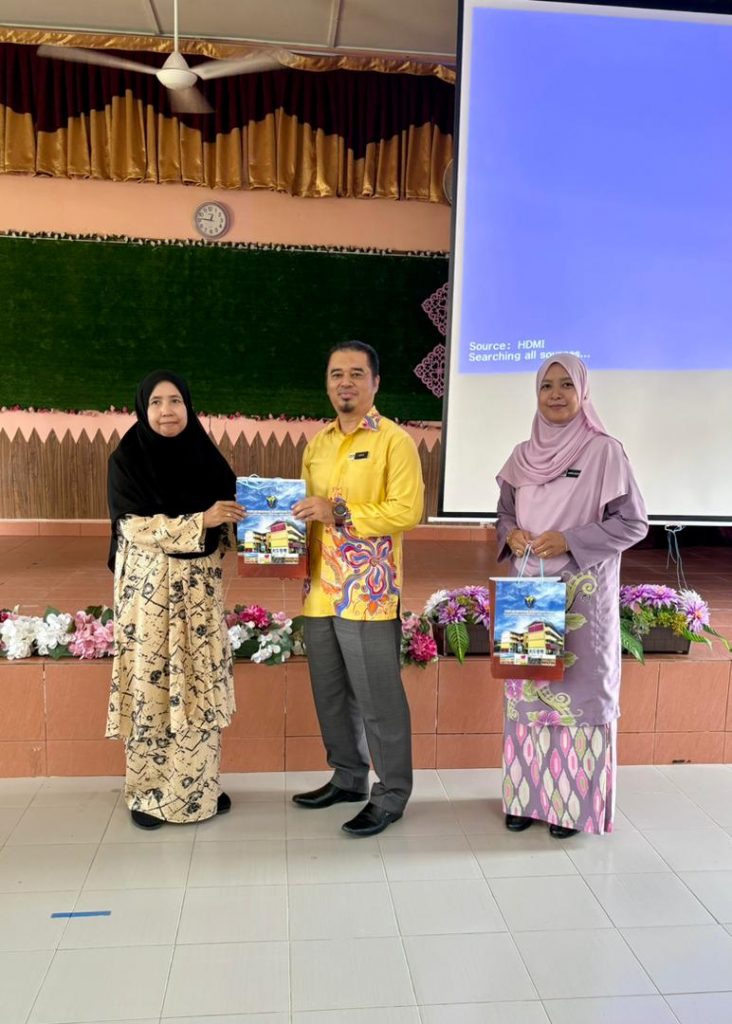
Thank you Ts Roslinda Rosli for coordinating the session between UMPSA STEM Lab and the participants today.

Arduino Programming (AI Assisted) 2025/2 – KV Seberang Perai

Synopsis on AI Assisted Learning @UMPSA STEM Lab module.

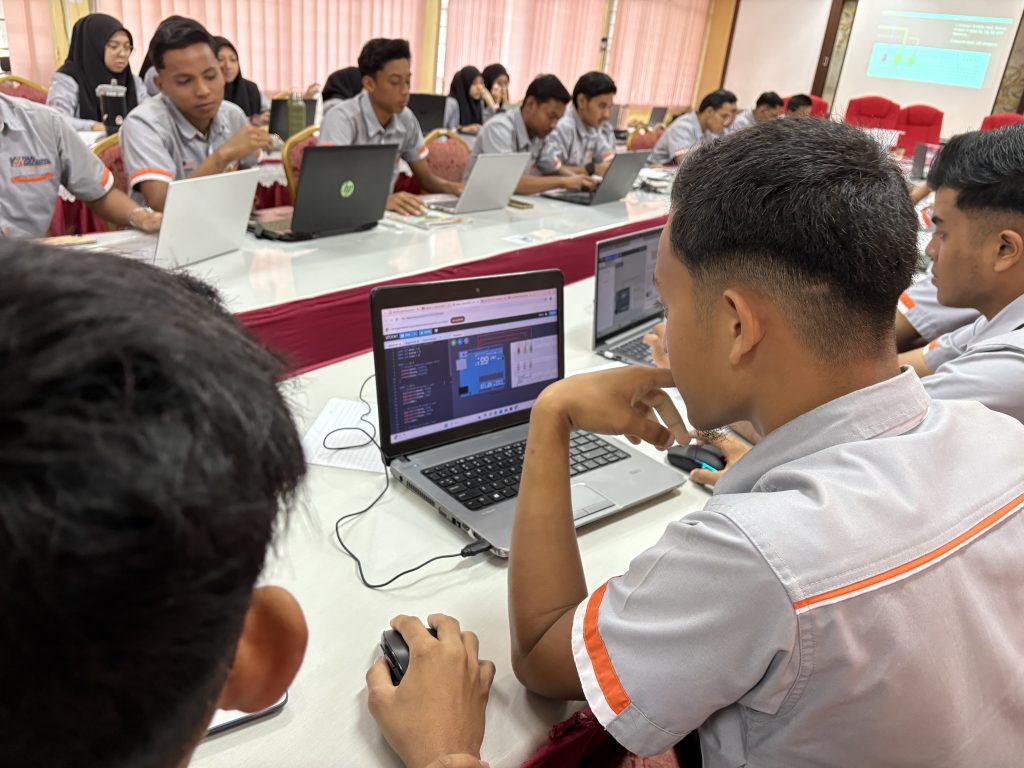
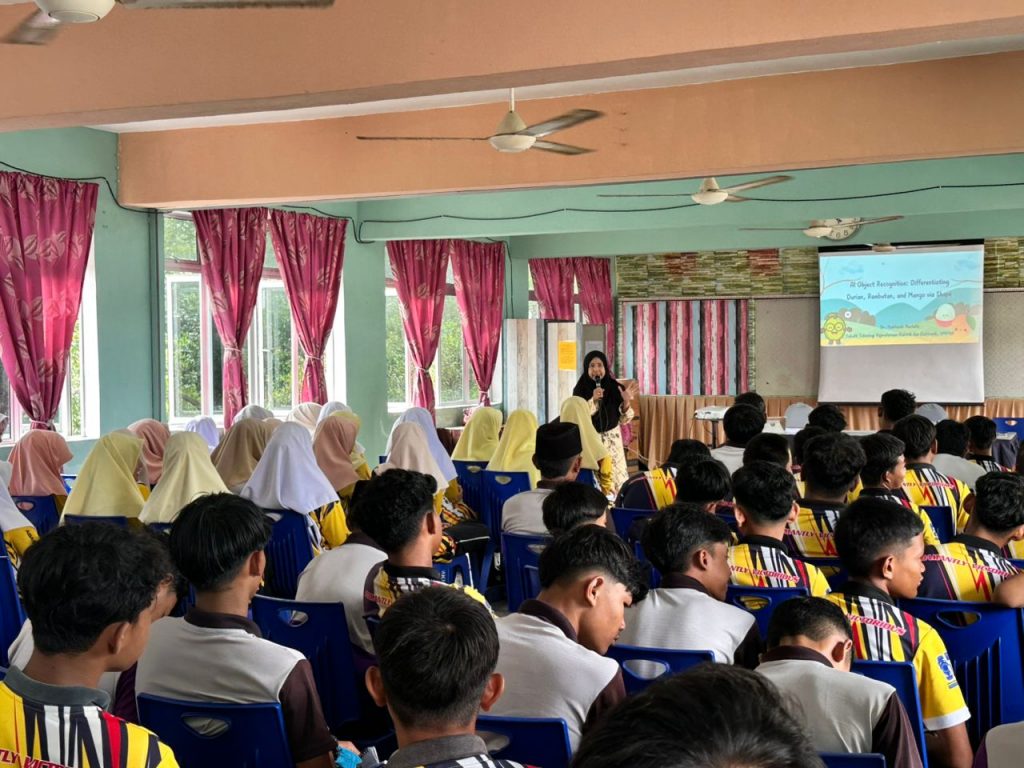
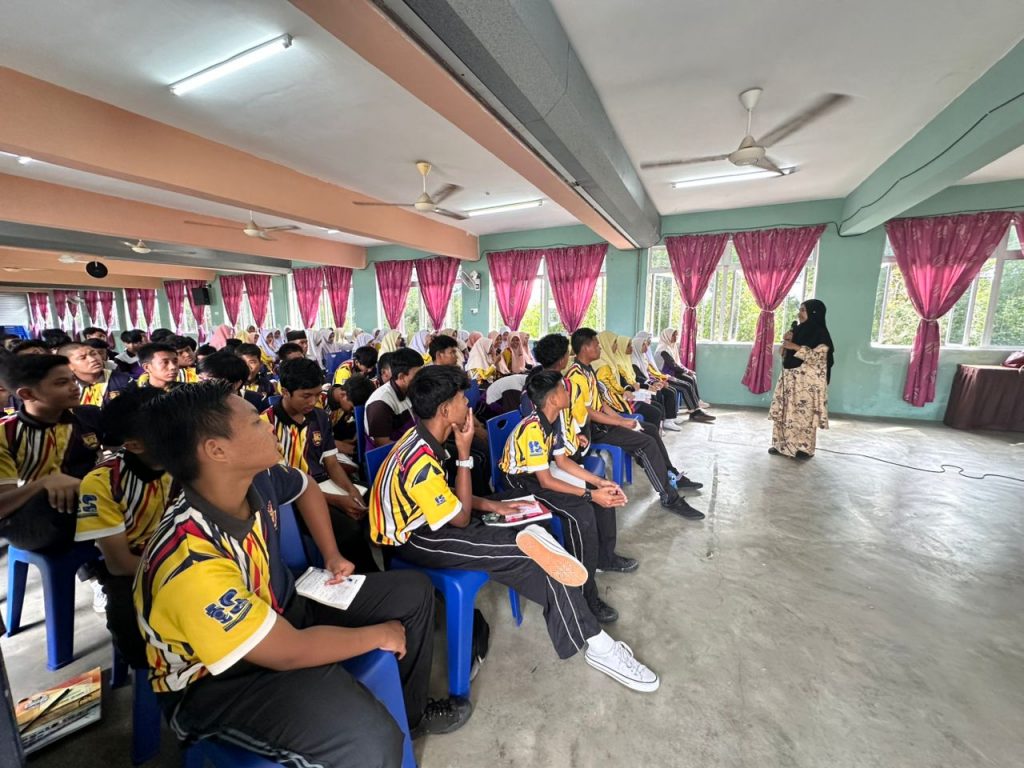
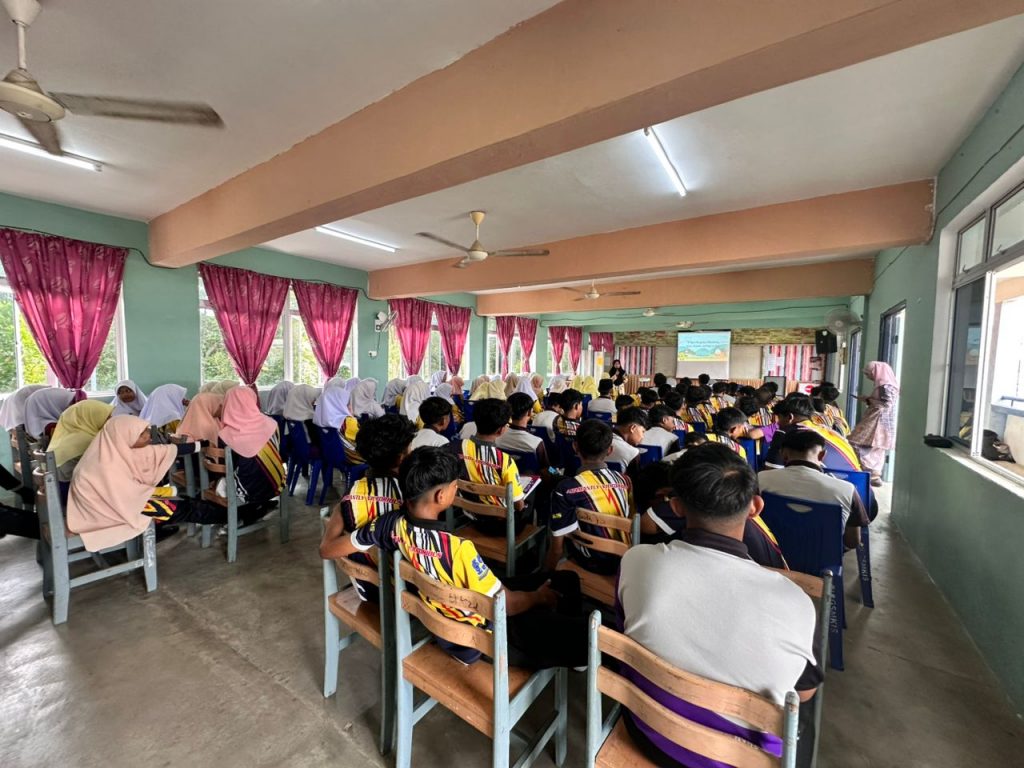
Today’s session, in collaboration with Kolej Vokasional Seberang Perai, involves interactive session for 58 students and teachers.

The session was designed with a clear objective to demystify the basics of Arduino programming and physical computing while leveraging AI tools to make the learning process more intuitive and accessible. For many of these participants, this was their first exposure to the intricacies of coding and the fascinating world of microcontrollers. The use of AI in the learning process provided a significant boost, enabling them to grasp complex concepts more easily and with greater confidence.

The essence of the session was a series of six hands-on activities, each carefully crafted to build upon the previous one, ensuring a gradual yet comprehensive learning experience. These activities were designed not only to teach the basics of programming and electronics but also to illustrate how AI can be a valuable ally in the learning process.

During the session, participants were introduced to the Arduino platform, gaining a solid understanding of its components and the vast potential it holds for creating interactive projects. This foundational knowledge was crucial as it set the stage for the more complex tasks that followed. Leveraging AI tools like ChatGPT, participants witnessed firsthand how AI could assist in generating and debugging code, making the learning process more efficient. This activity demonstrated the practical benefits of AI, especially in reducing the learning curve for beginners.

As they progressed, the participants engaged in the classic “Hello World” of Arduino by writing simple code to control an LED, an experience that built their confidence and deepened their understanding of digital outputs. The next step in their learning journey was the traffic light simulation project, where they applied control structures to manage multiple outputs. This project not only taught them the intricacies of timing and logic but also encouraged them to think critically about how these elements interact in real-world applications.

Further advancing their skills, the participants used AI-generated code to integrate sensors like photoresistors into their projects, introducing them to the world of analog inputs and sensor data processing. The session culminated in an activity where they used an ultrasonic sensor to measure distance, with real-time results displayed, helping them grasp the concepts of pulse measurement and the practical application of their coding skills in tangible, real-world scenarios.

To all the participants, nice meeting you and hope to see you again in the future.

Thank you Cikgu Zamzarina, Cikgu Elizabeth and En Rizal for coordinating the session between UMPSA STEM Lab and the participants today.

Pahang Young Innovator’s Challenge 2025

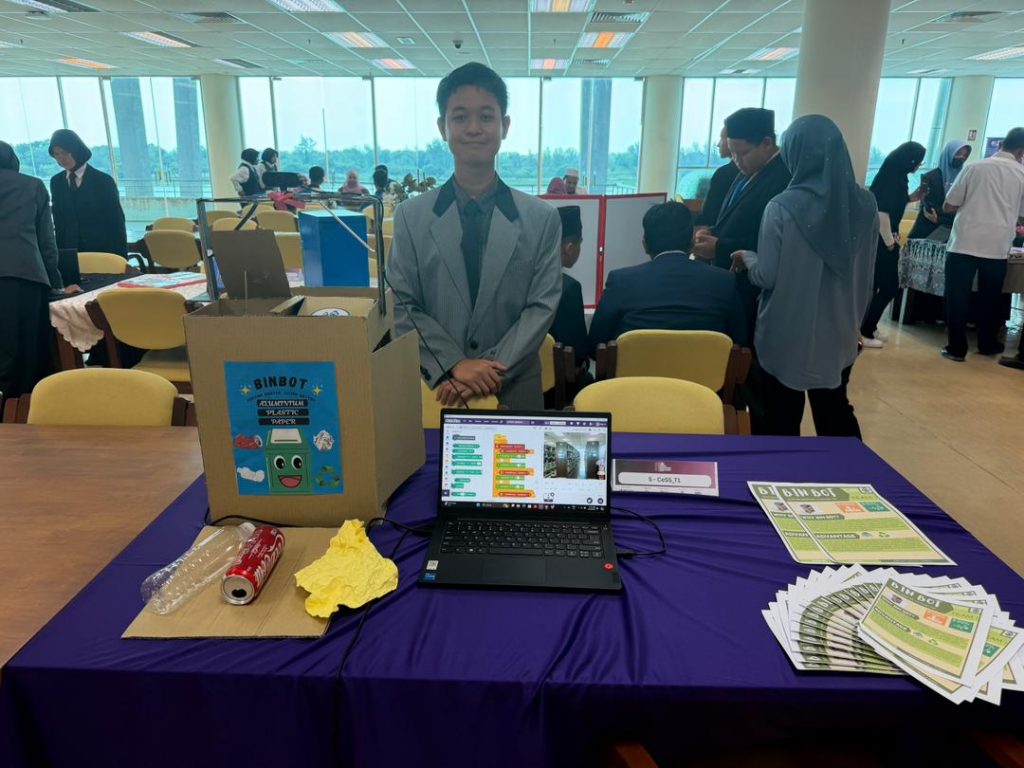
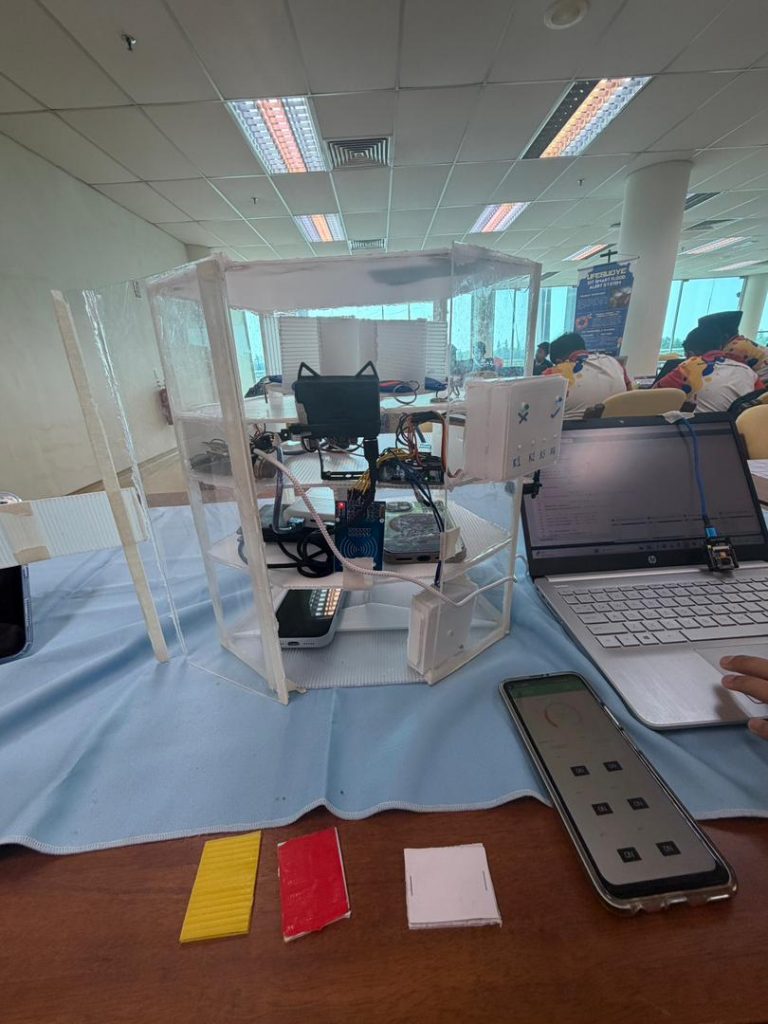
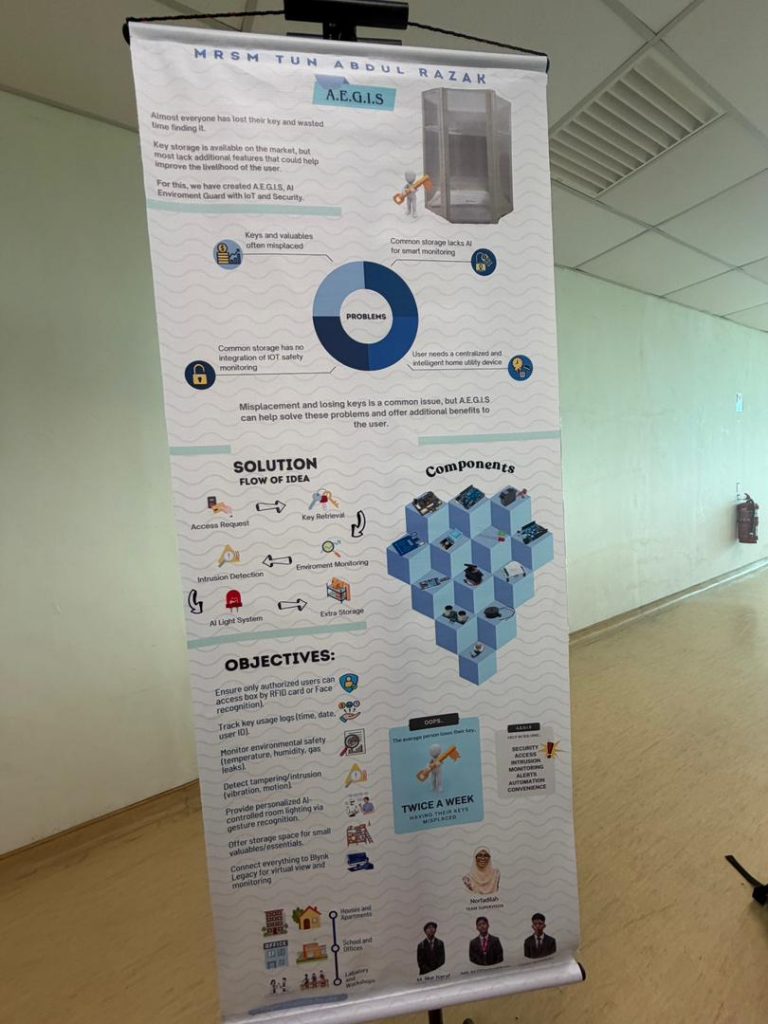
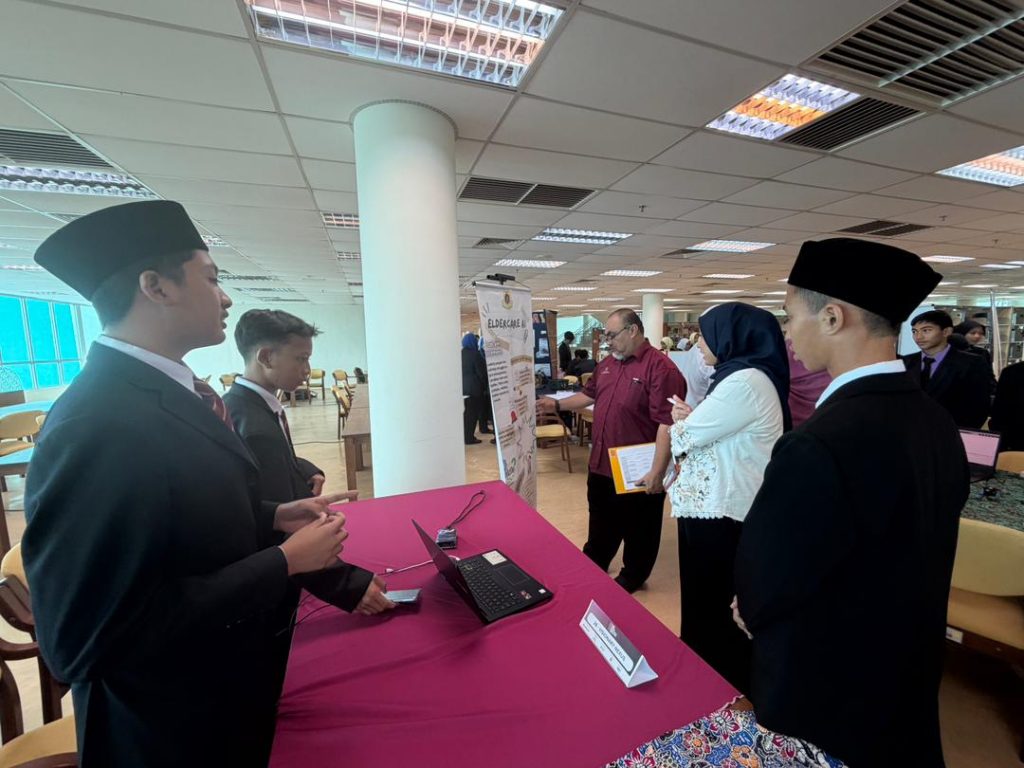
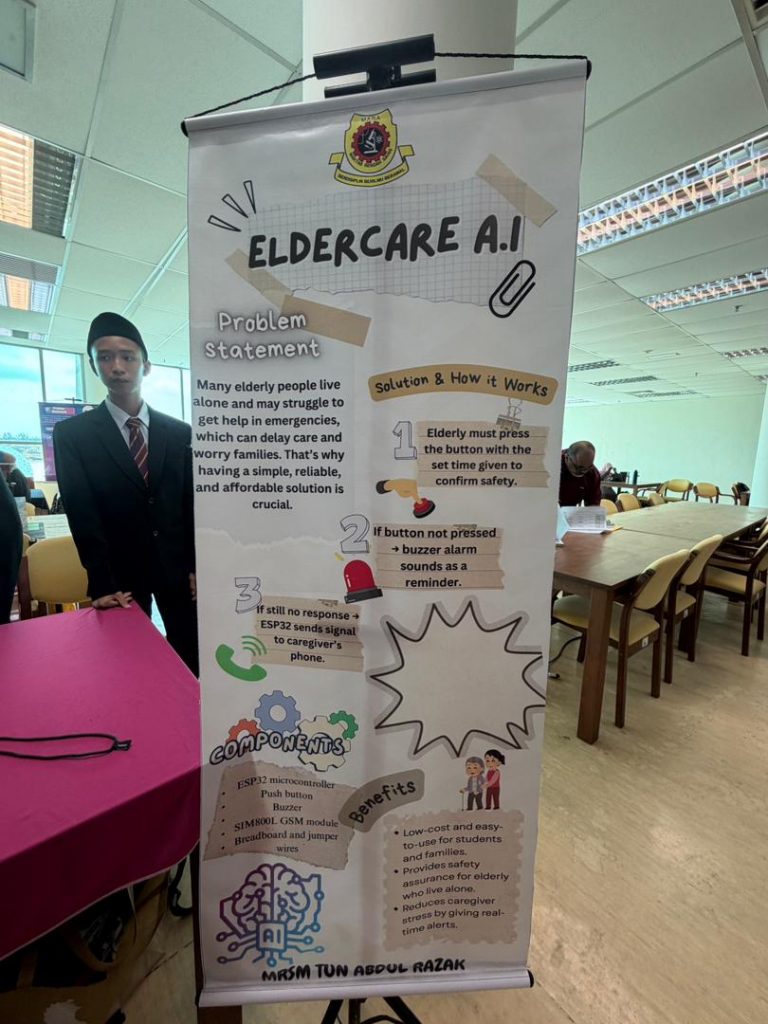
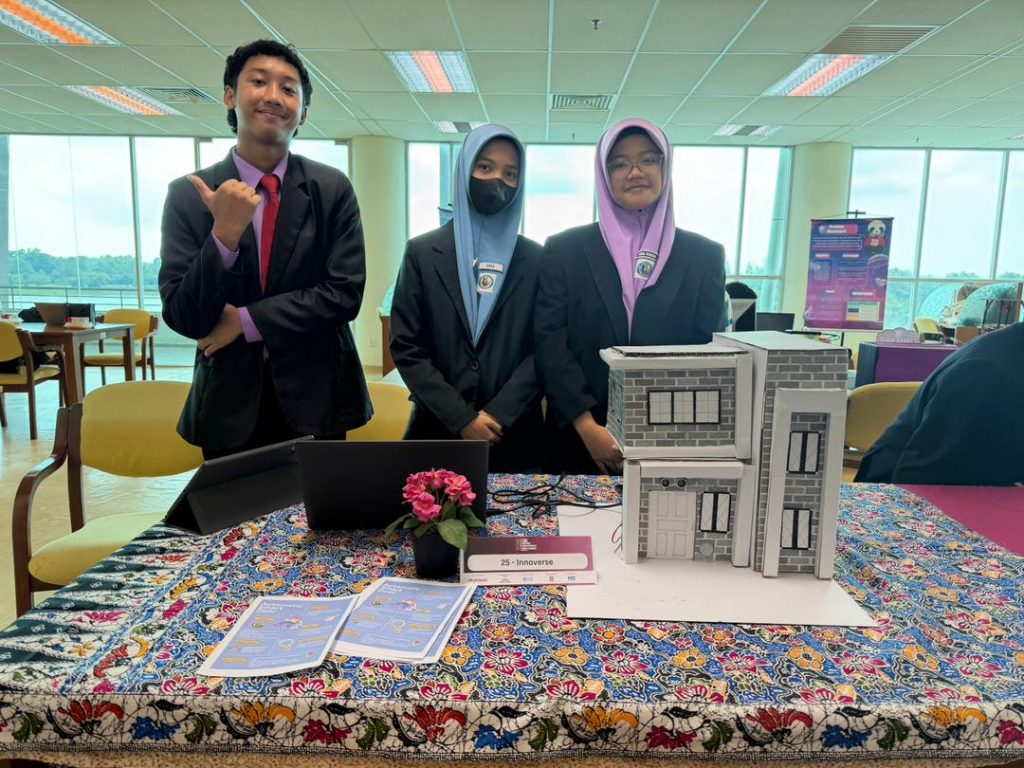
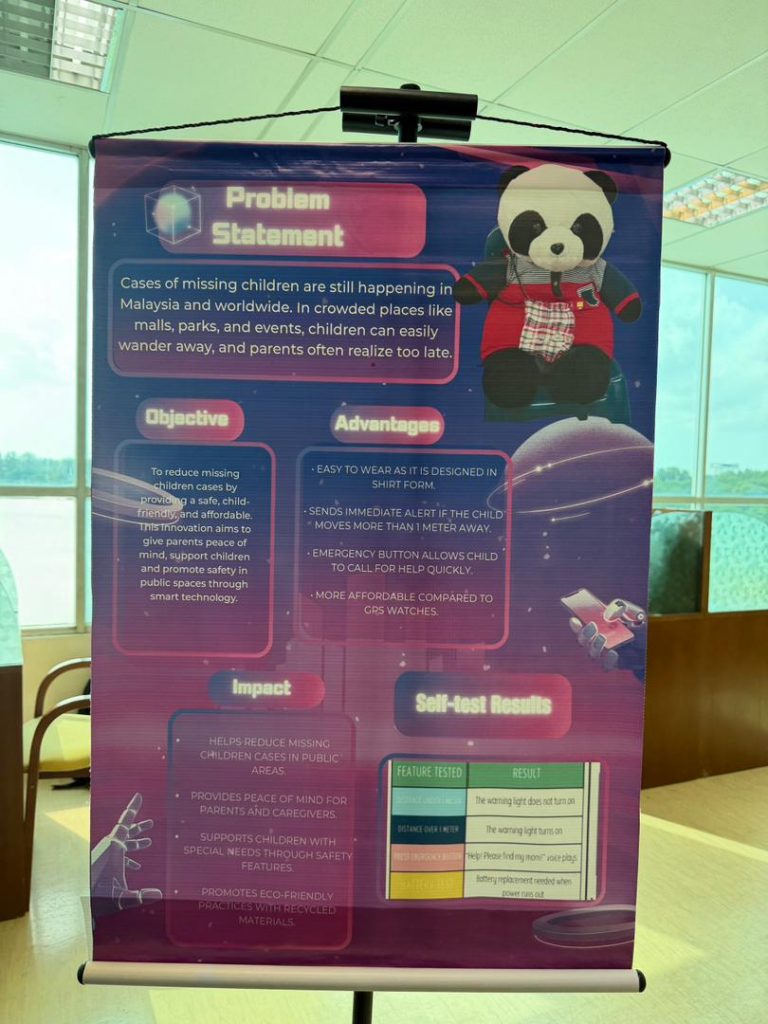
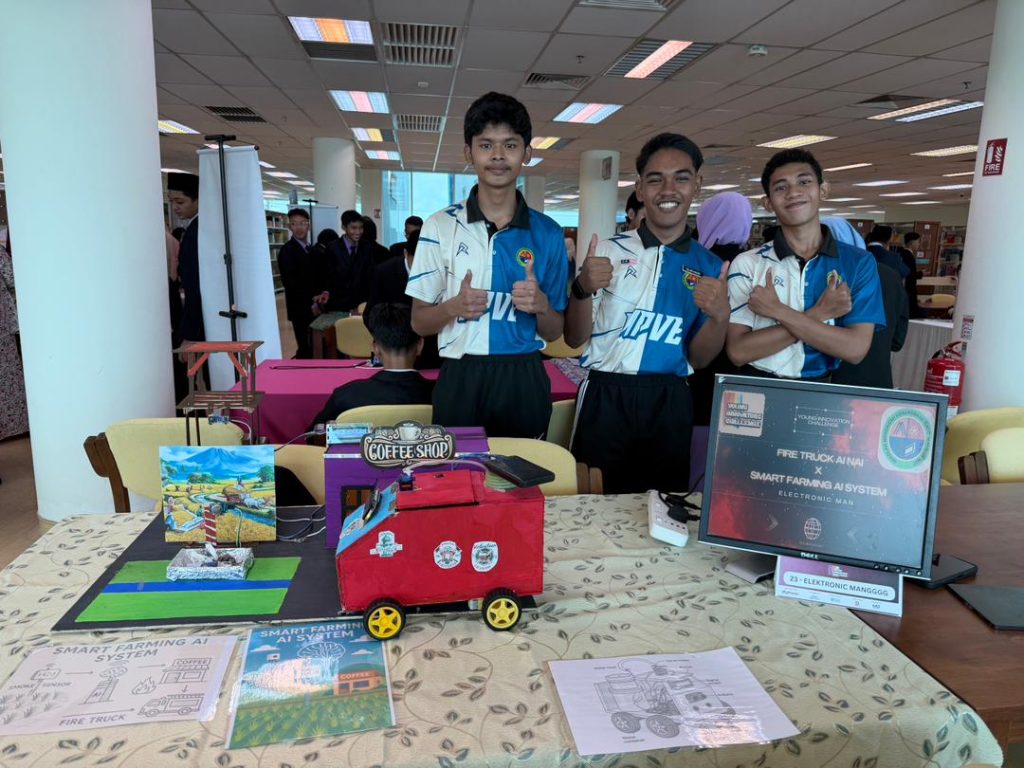
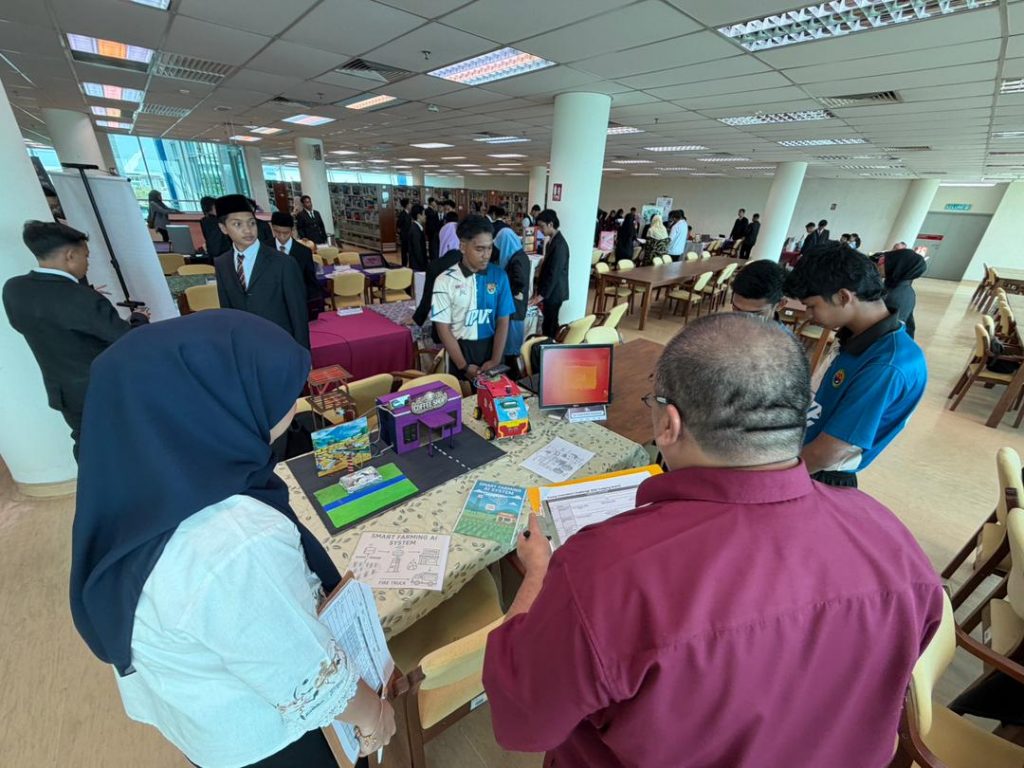
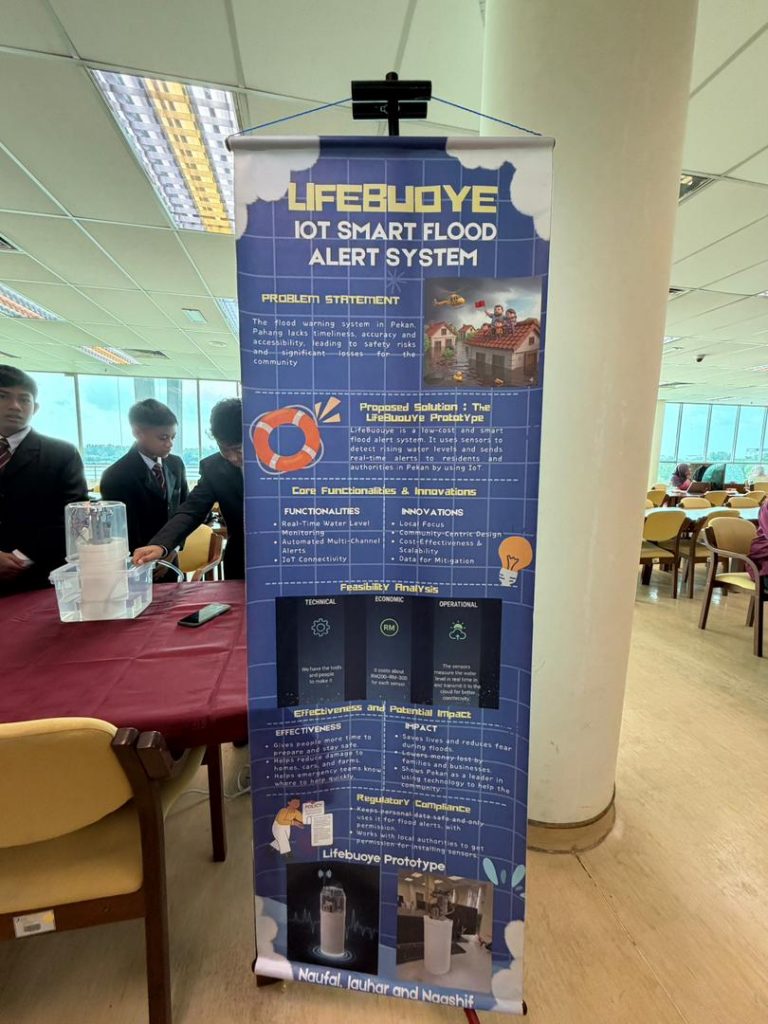
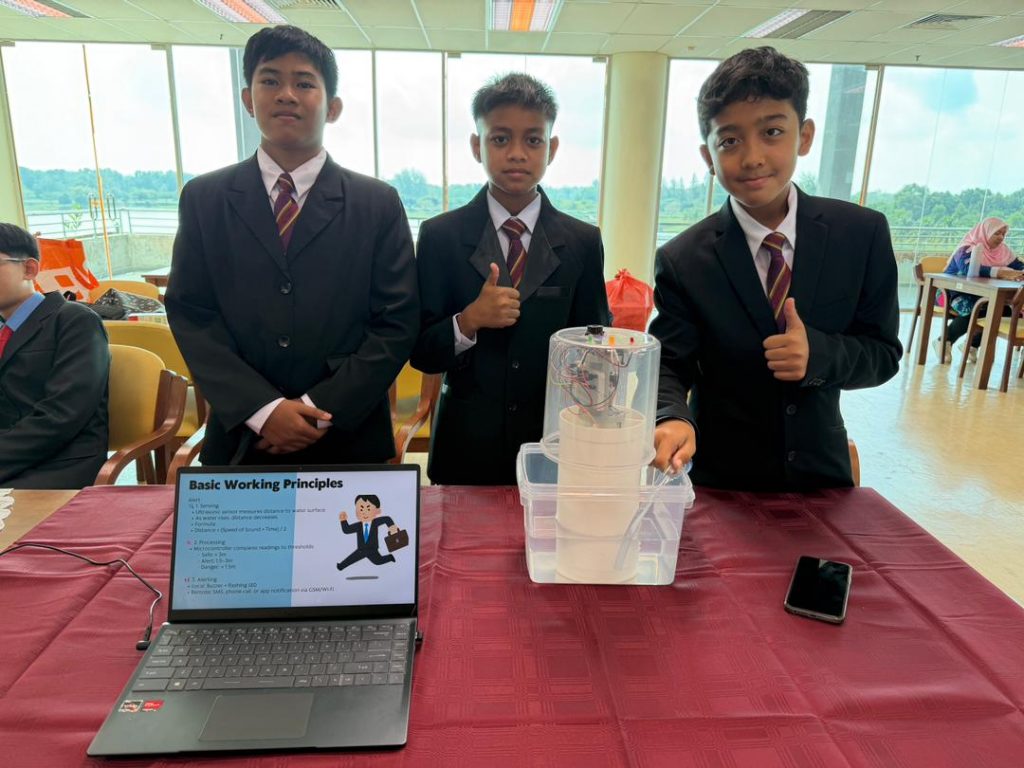
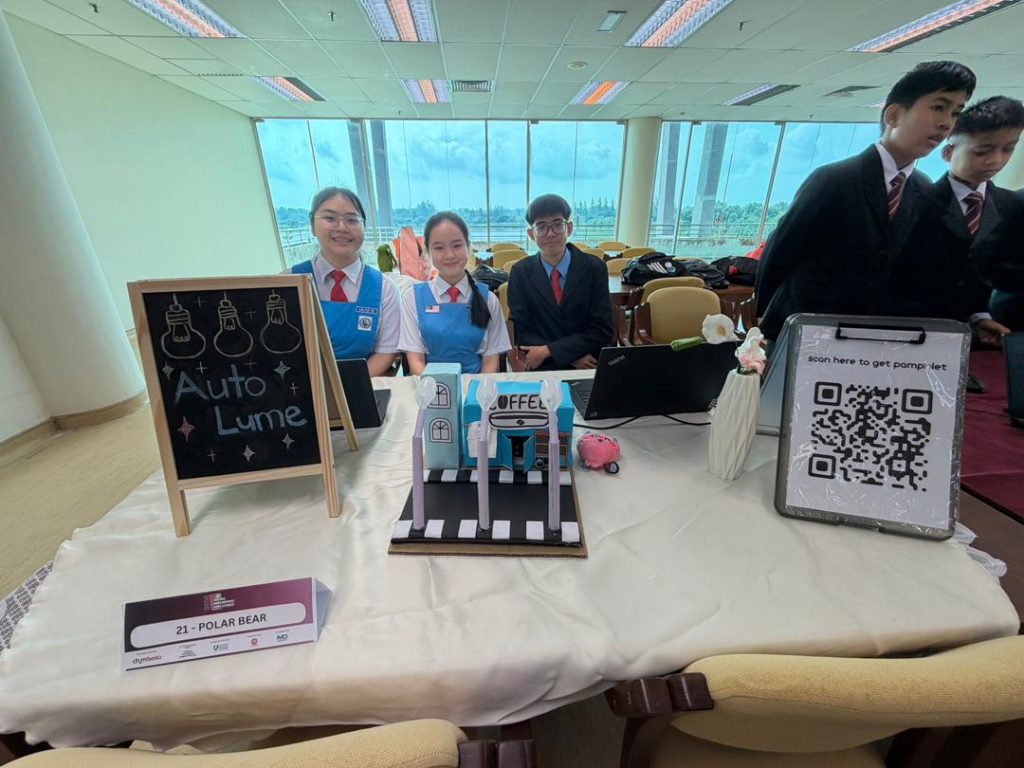
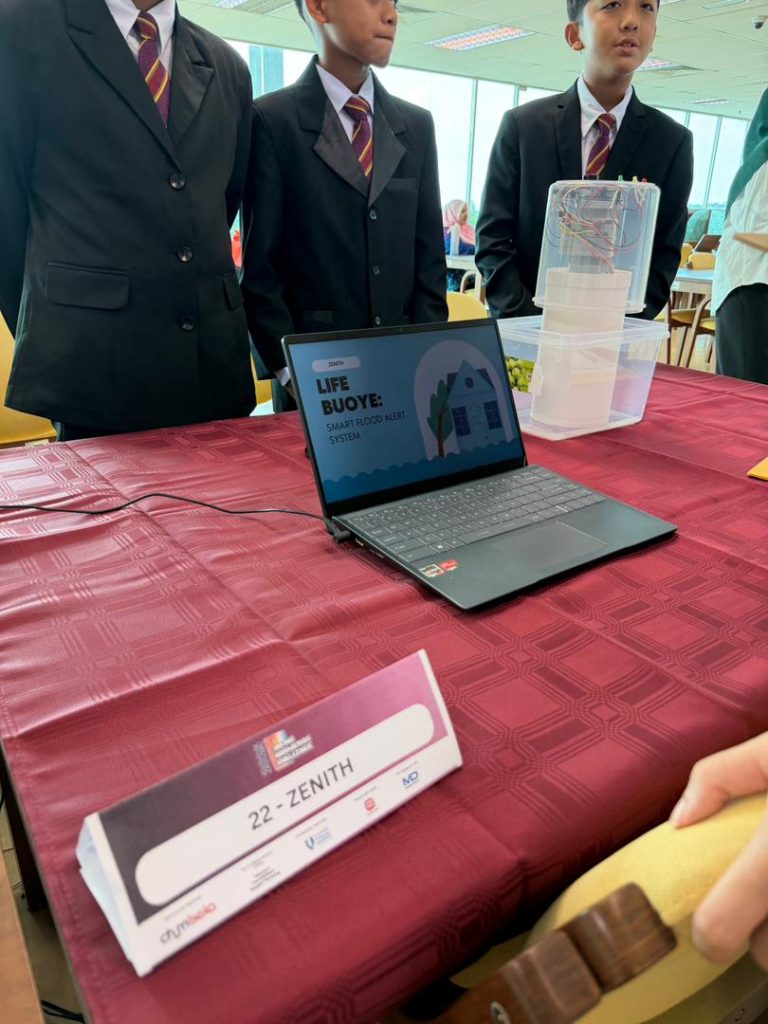
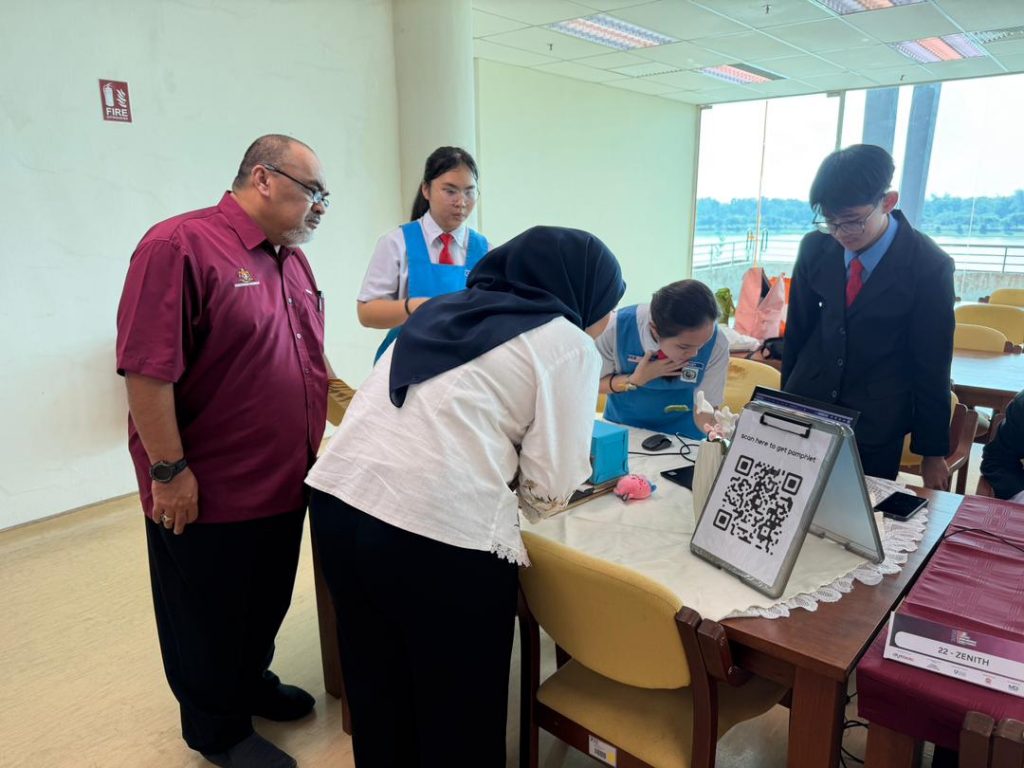
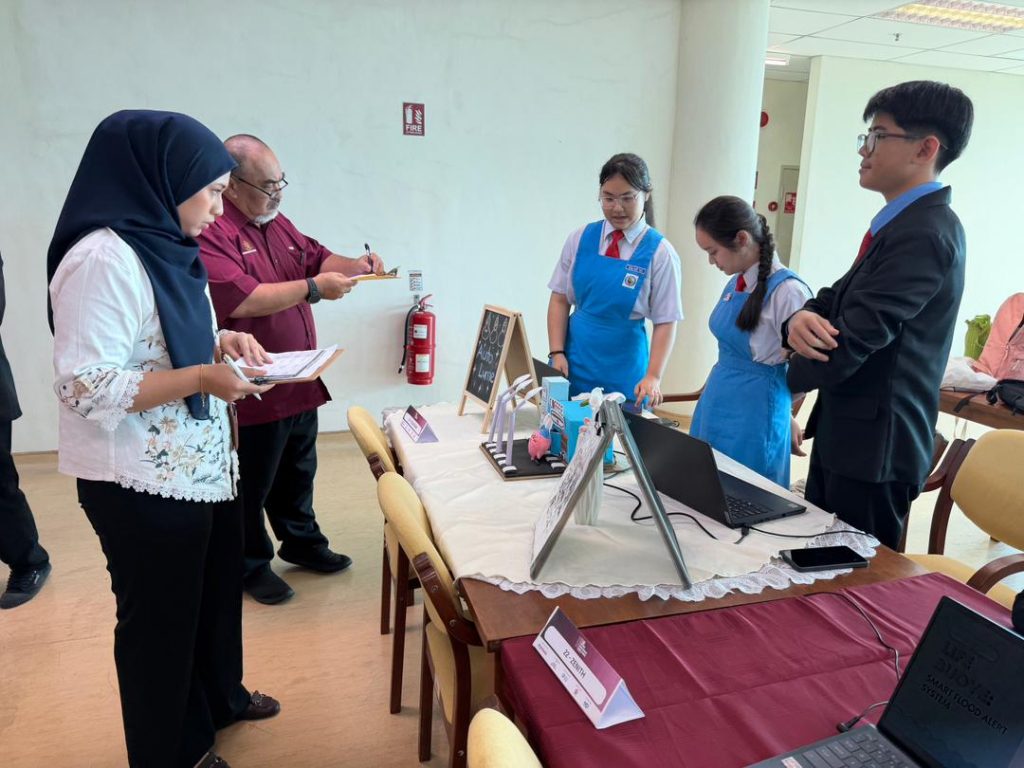
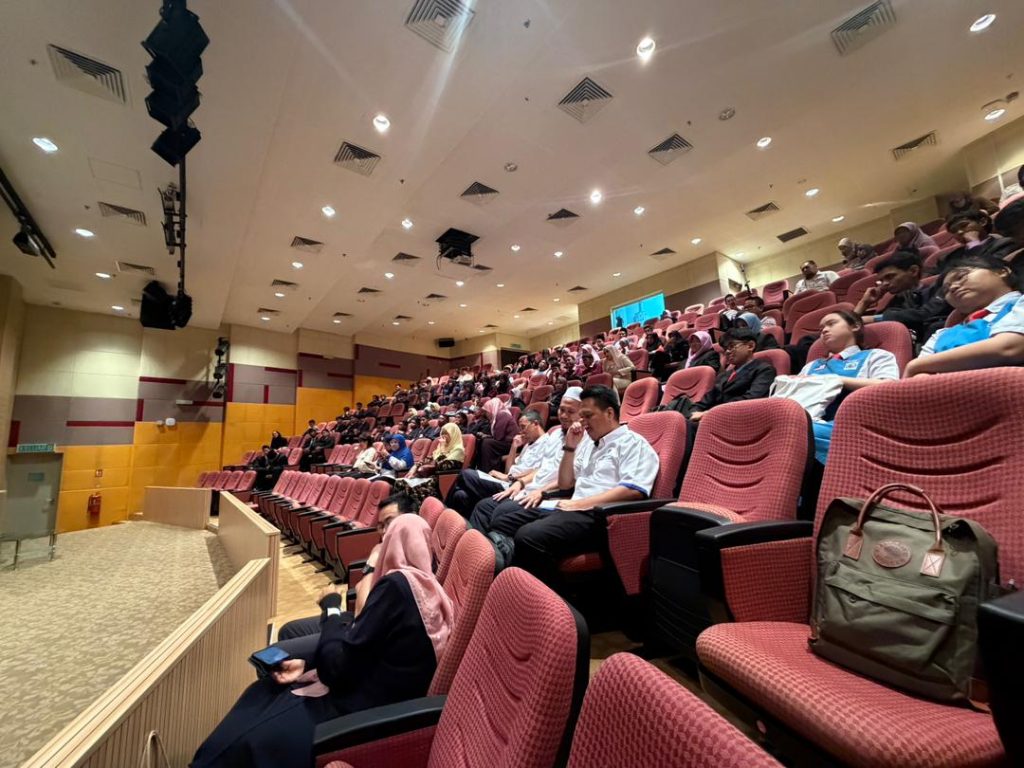
Today, UMPSA STEM Lab, in collaboration with Chumbaka, hosted the Young Innovators Challenge (YIC) 2025 – Pahang State Level, bringing together bright young minds from across the state. A total of 84 school children and teachers participated, represented by 26 teams competing with their creative and impactful projects.

The theme for this year’s challenge is “Solve the One Issue Near You”. This approach encourages students to look around their own communities, identify a real problem, and design a practical innovation that makes a difference.

One of the most exciting aspects of YIC is that students are required to design projects that incorporate at least one microcontroller and sensor. This ensures they are not only thinking about ideas, but also learning how to build working prototypes using digital technologies – a crucial skill in today’s innovation-driven world.

Across Malaysia, YIC 2025 has engaged over 500 teams, each working on solutions that matter most to them – from everyday issues to broader community challenges. Here at the Pahang state level, the energy and creativity were remarkable.

It is always a joy to witness the students’ excitement and pride when they see their projects come to life. From the initial idea to the final prototype, the journey reflects their problem-solving skills, teamwork, and innovative thinking.

UMPSA STEM Lab is proud to be part of this movement that nurtures young innovators and inspires them to take the first steps toward becoming future engineers, technologists, and changemakers.

Robot Literacy 2025/3 – Yayasan Al-Jaafar Center, Kuantan

*UMPSA STEM Lab Robot Literacy – Introduction to Robot and Robotics can be found here.

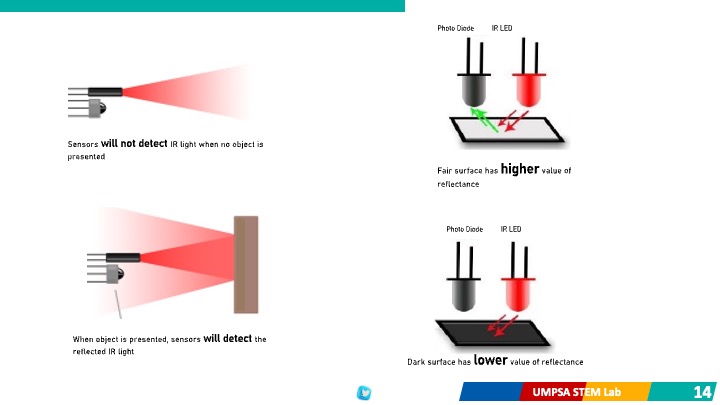
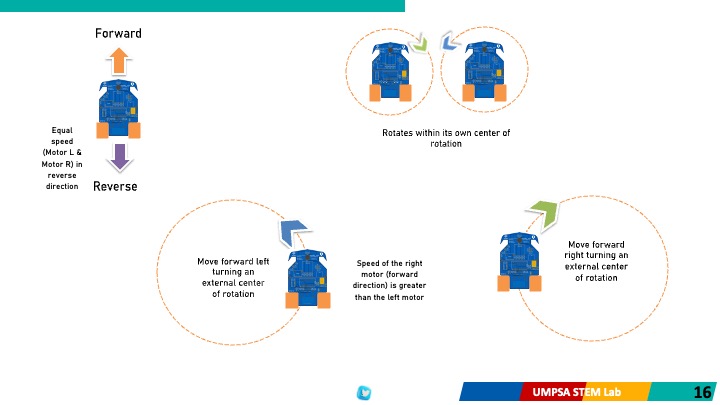
64 school children had participated in this program, in collaboration with Yayasan Al-Jaafar, Kuantan and PEMEKAR. Students have gone through activities including robot anatomy, actuators and sensors.

Robot Literacy module introduced participants to the basics of robot construction, programming, and problem-solving through interactive challenges.


The initiative aimed to:

  1. Build digital and technical literacy among students.

  2. Nurture creativity, teamwork, and critical thinking.

  3. Spark early interest in engineering, robotics, and STEM-related careers.

Importantly, today’s program also reached underrepresented groups ensuring inclusivity in STEM education.

Thank you PEMEKAR – Datin Seri Fazia & Dato Seri Daing, Yayasan Al-Jaafar Dato’ Zulkifli and Khairul, for initiating the program and coordinating the communication between STEM Lab and the participants.


Roundtable Discussion – Program Duta Guru: STEM Education as Opportunity

Today, I had the privilege of attending a roundtable discussion on STEM education, organized by Yayasan PETRONAS in collaboration with Teach for Malaysia. Thank you Tuan Hj Ahmad Bushra from JPN Pahang for looping me in the roundtable discussion today. The session brought together educators, practitioners, and advocates with a shared vision: ensuring that education opens doors of opportunity for every child.

For me, education is opportunity. But opportunity is never equal, just as life is never equal. Some are privileged with access to high-quality education, while others face limitations. Yet, this disparity should never prevent anyone from striving toward learning, nor should it limit society’s responsibility to build pathways that make education more accessible.

I believe that education is not just about access, it is about the ecosystem that makes learning possible. An ecosystem where teachers, resources, communities, and policies come together to shape meaningful learning experiences.

I am often asked why I am deeply involved in STEM education. There are many reasons, but one has always been personal. Growing up in the 1990s, I witnessed how music education was expensive. Not only did it require specialized teachers, but it also demanded instruments, resources not everyone could afford. That personal experience I uphold till today, access to learning opportunities should never be limited by privilege or wealth.

I am inspired by how music education eventually became more accessible. As I mentioned earlier, while instruments such as the piano were costly and out of reach for me, the introduction of the recorder, a relatively affordable instrument, opened the door to learning music for many students, myself included. Through the recorder, I was introduced to musical theory, note reading, and the basics of instrumentation. Later, during my secondary school years, I had the opportunity to join the school marching band and orchestra, where I learned to play the saxophone. Eventually, I was even able to buy my own keyboard, fulfilling my dream of learning and playing the piano. That smooth transition was possible because of the foundation and platform built through earlier, more accessible entry points.

I see a similar story in STEM education. Robotics, programming, and coding often require costly resources, making them inaccessible for many students. However, with affordable kits and platforms, we can open the door for students—just as the recorder once did for me in music. These entry points can spark lifelong learning, creativity, and opportunities.

The roundtable today reminded me of the inspiring teachers who constantly strive to enhance their teaching and bring accessibility into their classrooms. Thank you, Cikgu. And thank you to Yayasan Petronas as well as Teach For Malaysia for this session. I look forward to carrying this spirit forward—not only in my STEM outreach programs but also in my undergraduate classes.

STEM education, in particular, provides a space where creativity, problem-solving, and innovation can flourish. It is not just about science or technology, it is about equipping learners with skills to navigate the future. And most importantly, it is about ensuring no one is left behind, regardless of their background.

Walking away from today’s discussion, I feel encouraged. With collective commitment from organizations like Yayasan PETRONAS and Teach for Malaysia, alongside the voices of passionate educators, I believe we are steadily moving toward an education ecosystem that truly empowers.