This study sits at the intersection of materials science, RF engineering, and flexible electronics, where we explored a fundamental yet often overlooked question: does the fabrication technique influence the final performance of a composite as much as the material itself?
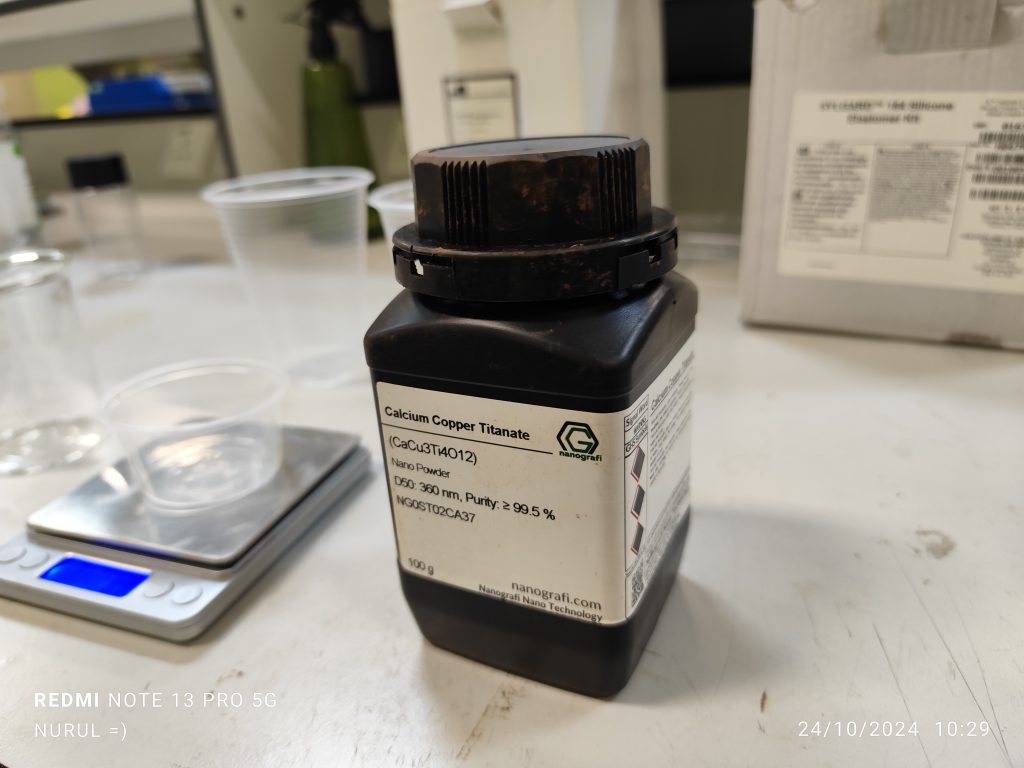
In this work, we developed a composite system combining Calcium Copper Titanate (CCTO), a ceramic known for its high dielectric permittivity, with Polydimethylsiloxane (PDMS), a flexible and stretchable polymer. The objective was to engineer a material that can function as a bendable dielectric substrate for flexible microstrip patch antennas, supporting the growing demand for wearable and conformal RF devices.
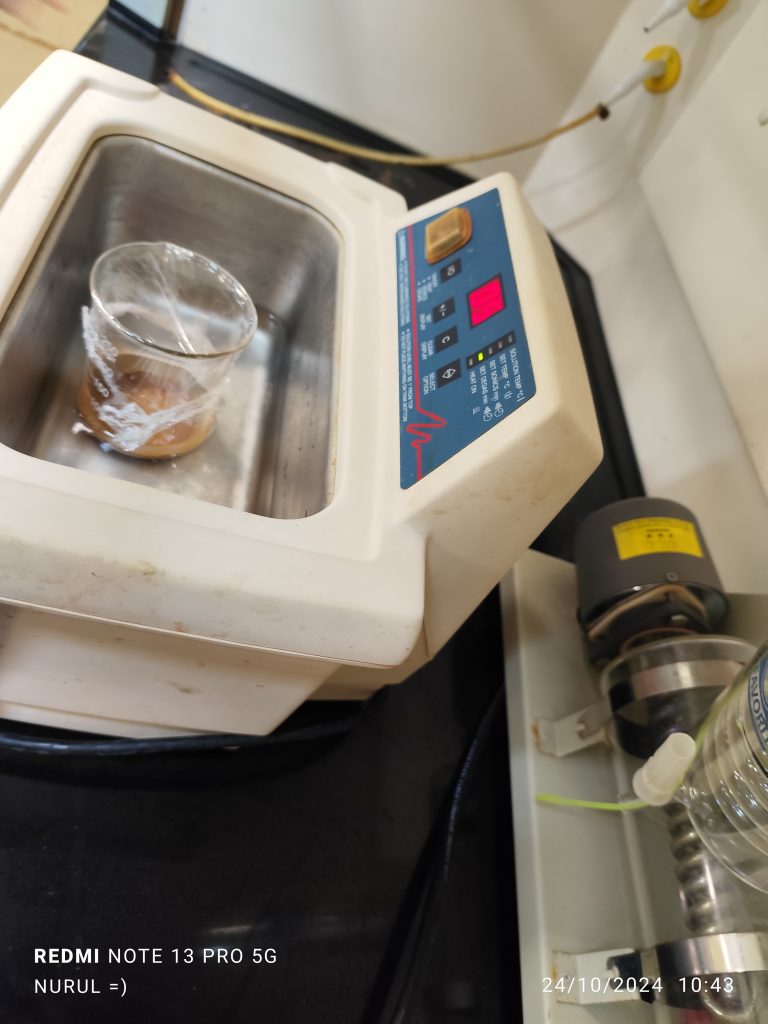
We investigated two fabrication approaches: a solvent-based method using ethanol-assisted dispersion and a non-solvent method based on direct mechanical mixing. While the solvent method can aid particle dispersion, it may introduce challenges such as phase separation or residual effects. In contrast, the non-solvent approach offers a simpler and more environmentally friendly route, avoiding solvent-related inconsistencies.
Our findings showed that the fabrication technique plays a critical role in determining dielectric performance. The non-solvent method consistently resulted in higher permittivity, lower dielectric loss, and more stable electrical behavior, suggesting better filler–matrix interaction and reduced processing-induced defects. On the other hand, solvent-based samples exhibited slightly higher conductivity but with greater variability, likely due to dispersion and interface effects. These results highlight that processing is not merely a step in fabrication, but a key design parameter in engineering high-performance composites.
This work has direct implications for the design of flexible microstrip antennas, where dielectric properties strongly influence antenna size, efficiency, and operational stability at GHz frequencies. By optimizing fabrication methods, we can improve antenna miniaturization while maintaining performance, paving the way for advanced applications in wearable electronics and flexible communication systems.
Congratulations to Roslin Athirah for the hard work and well-documented results that made this study possible.

Read the full paper: JESTEC