Today, I had the privilege of attending a roundtable discussion on STEM education, organized by Yayasan PETRONAS in collaboration with Teach for Malaysia. Thank you Tuan Hj Ahmad Bushra from JPN Pahang for looping me in the roundtable discussion today. The session brought together educators, practitioners, and advocates with a shared vision: ensuring that education opens doors of opportunity for every child.
For me, education is opportunity. But opportunity is never equal, just as life is never equal. Some are privileged with access to high-quality education, while others face limitations. Yet, this disparity should never prevent anyone from striving toward learning, nor should it limit society’s responsibility to build pathways that make education more accessible.
I believe that education is not just about access, it is about the ecosystem that makes learning possible. An ecosystem where teachers, resources, communities, and policies come together to shape meaningful learning experiences.

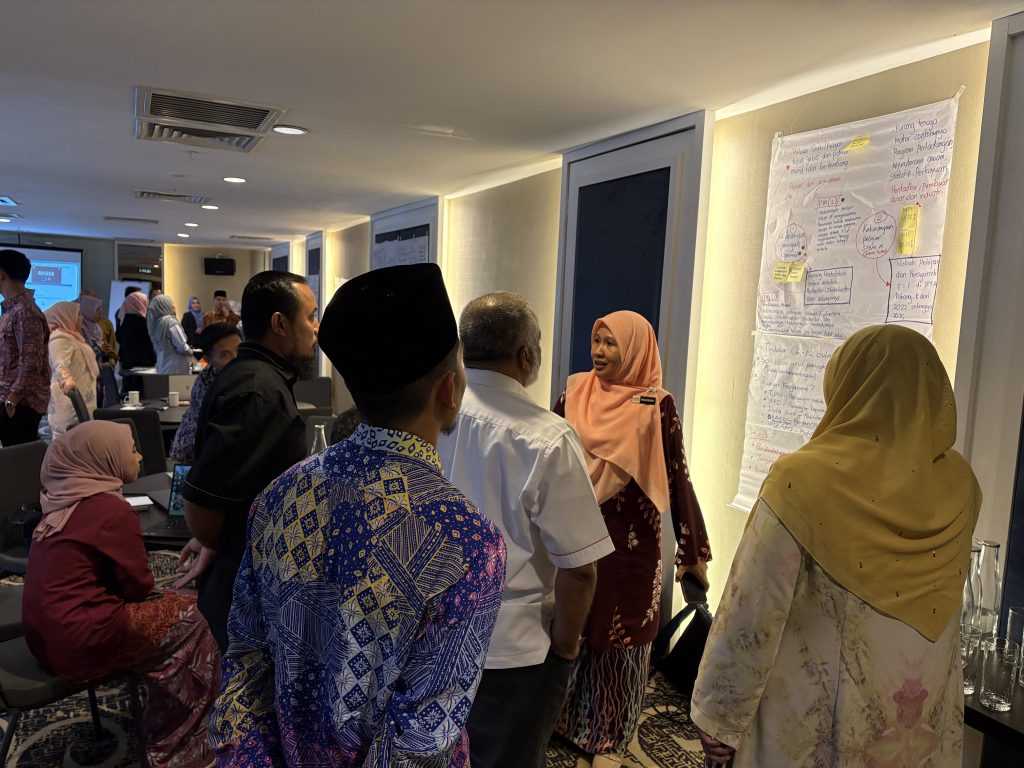


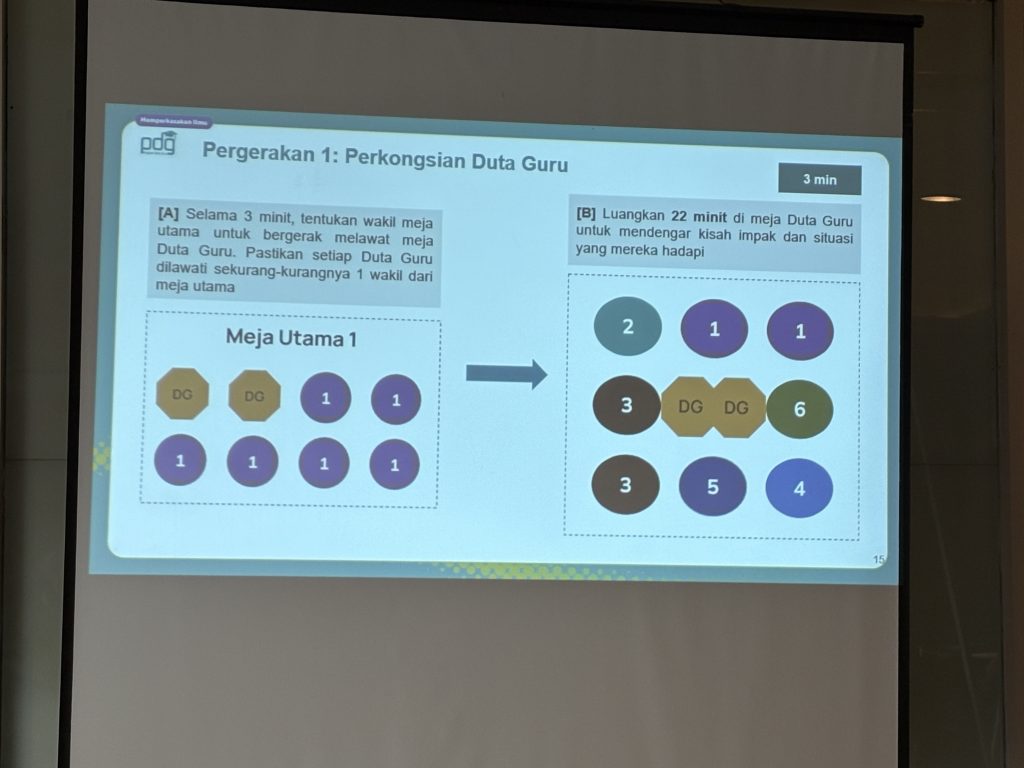

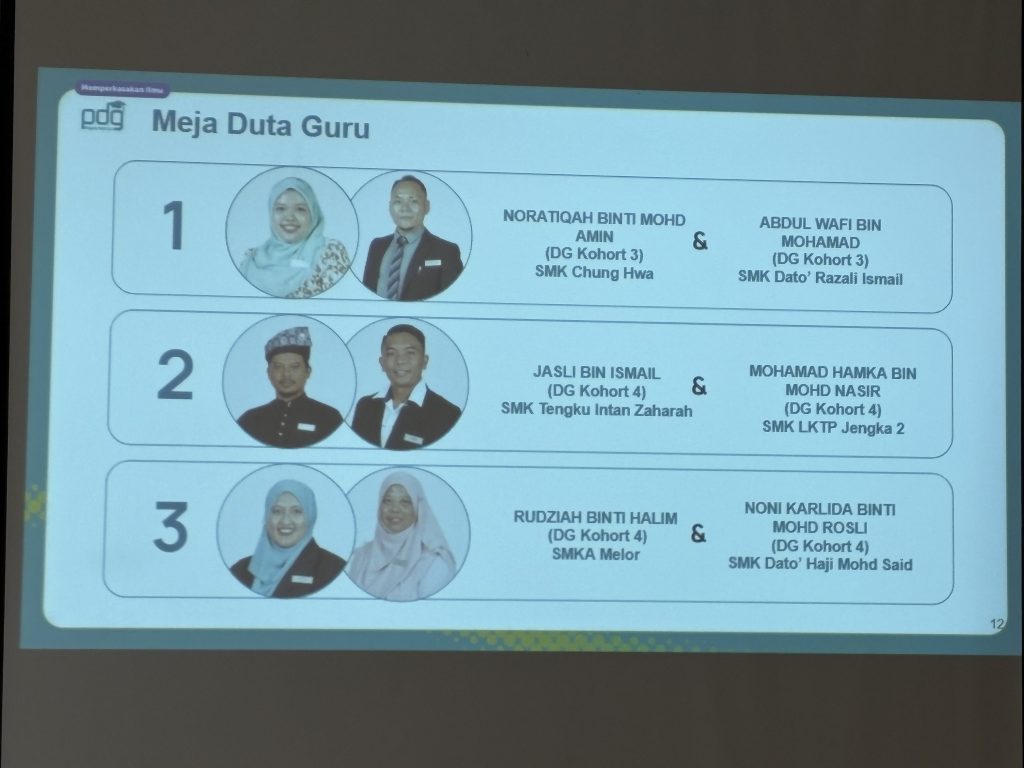


I am often asked why I am deeply involved in STEM education. There are many reasons, but one has always been personal. Growing up in the 1990s, I witnessed how music education was expensive. Not only did it require specialized teachers, but it also demanded instruments, resources not everyone could afford. That personal experience I uphold till today, access to learning opportunities should never be limited by privilege or wealth.
I am inspired by how music education eventually became more accessible. As I mentioned earlier, while instruments such as the piano were costly and out of reach for me, the introduction of the recorder, a relatively affordable instrument, opened the door to learning music for many students, myself included. Through the recorder, I was introduced to musical theory, note reading, and the basics of instrumentation. Later, during my secondary school years, I had the opportunity to join the school marching band and orchestra, where I learned to play the saxophone. Eventually, I was even able to buy my own keyboard, fulfilling my dream of learning and playing the piano. That smooth transition was possible because of the foundation and platform built through earlier, more accessible entry points.
I see a similar story in STEM education. Robotics, programming, and coding often require costly resources, making them inaccessible for many students. However, with affordable kits and platforms, we can open the door for students—just as the recorder once did for me in music. These entry points can spark lifelong learning, creativity, and opportunities.
The roundtable today reminded me of the inspiring teachers who constantly strive to enhance their teaching and bring accessibility into their classrooms. Thank you, Cikgu. And thank you to Yayasan Petronas as well as Teach For Malaysia for this session. I look forward to carrying this spirit forward—not only in my STEM outreach programs but also in my undergraduate classes.
STEM education, in particular, provides a space where creativity, problem-solving, and innovation can flourish. It is not just about science or technology, it is about equipping learners with skills to navigate the future. And most importantly, it is about ensuring no one is left behind, regardless of their background.
Walking away from today’s discussion, I feel encouraged. With collective commitment from organizations like Yayasan PETRONAS and Teach for Malaysia, alongside the voices of passionate educators, I believe we are steadily moving toward an education ecosystem that truly empowers.


