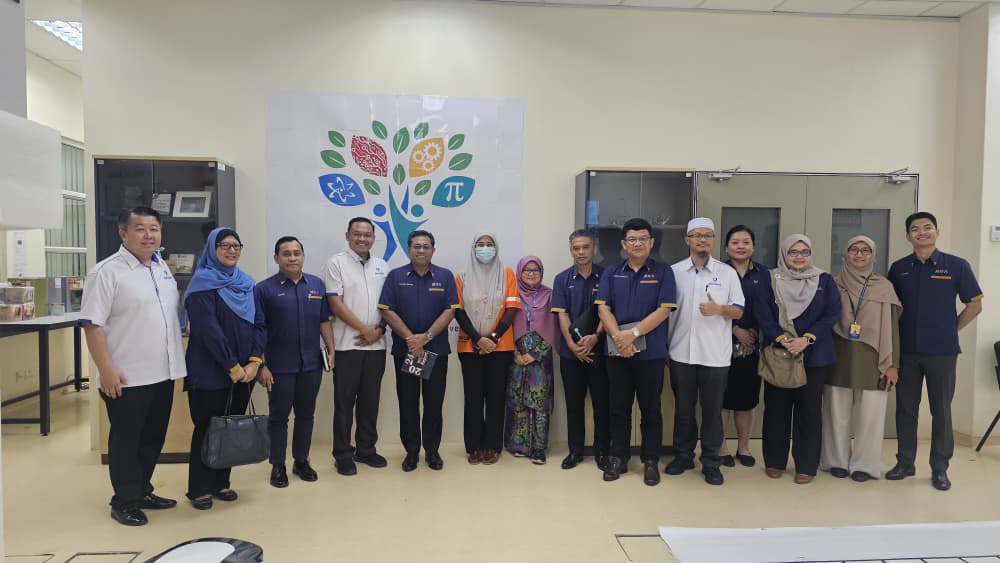
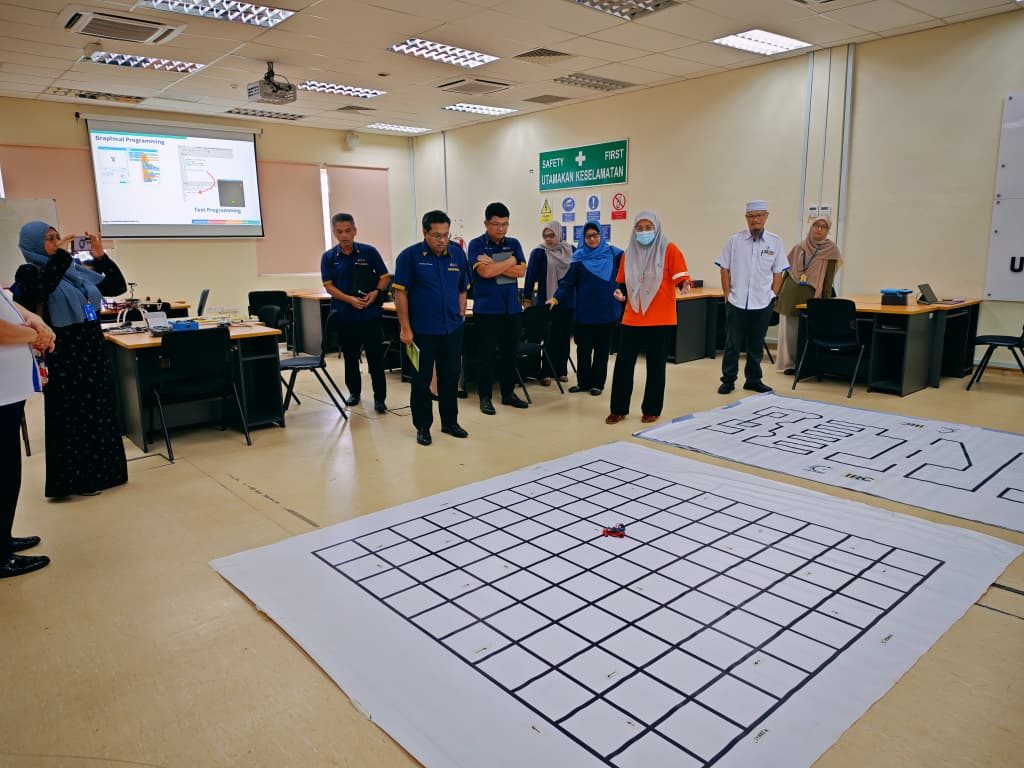
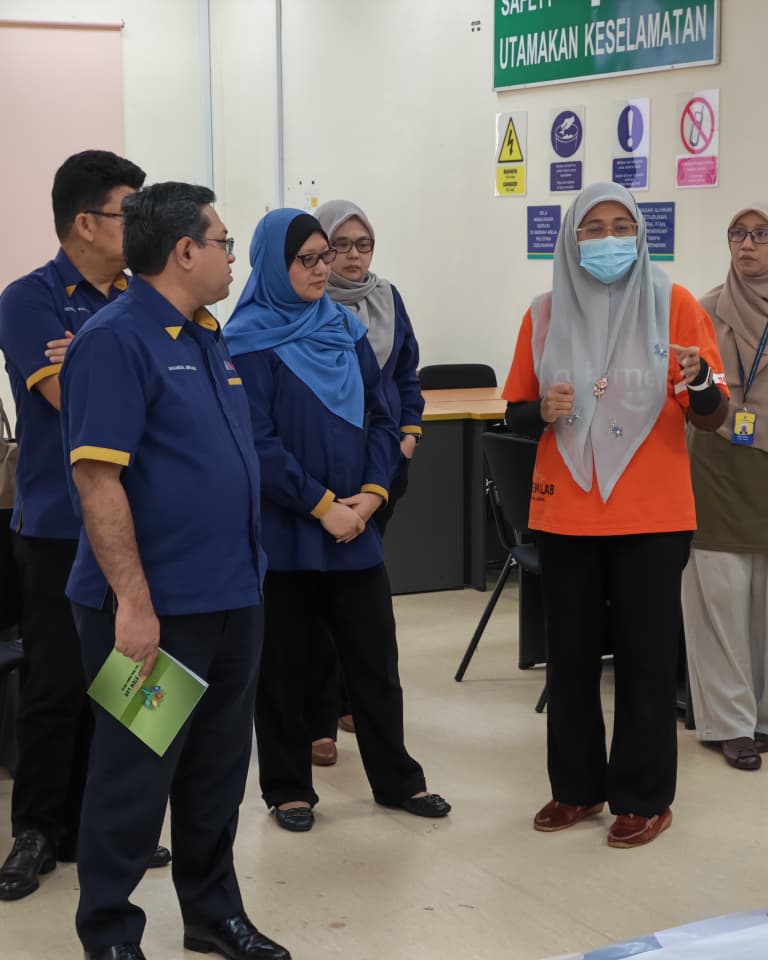
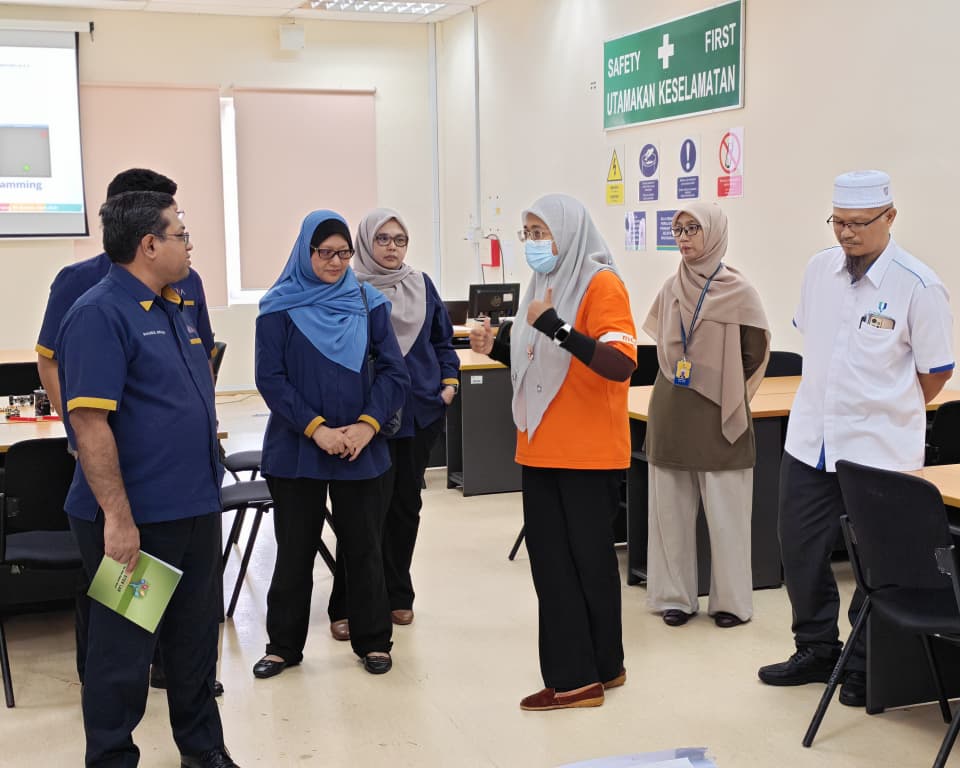
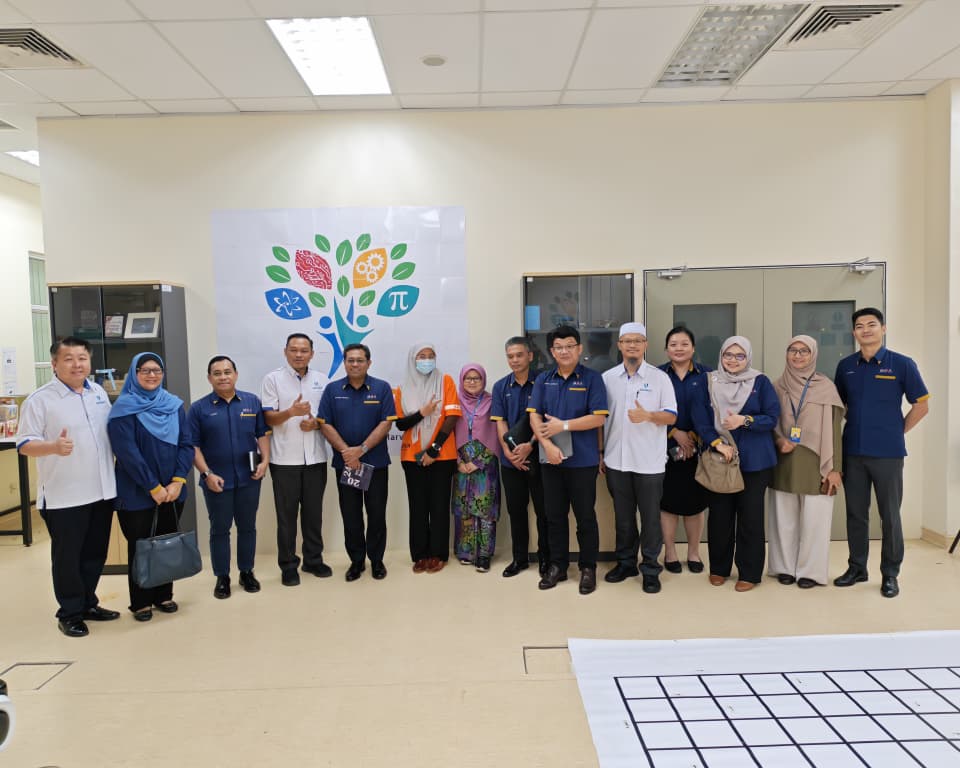
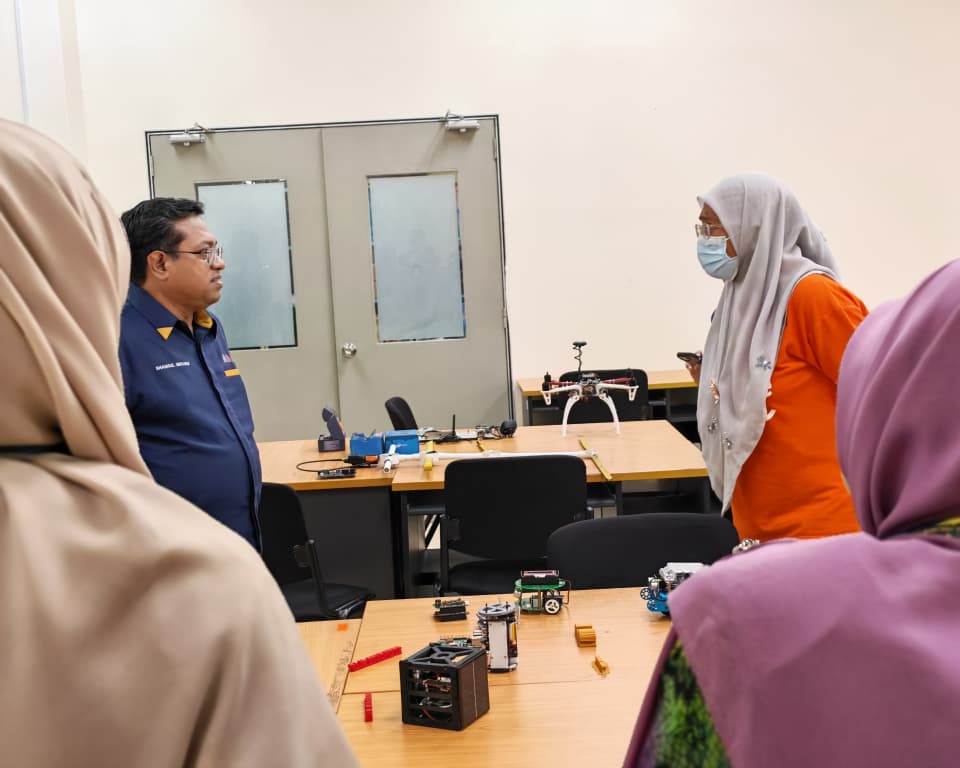
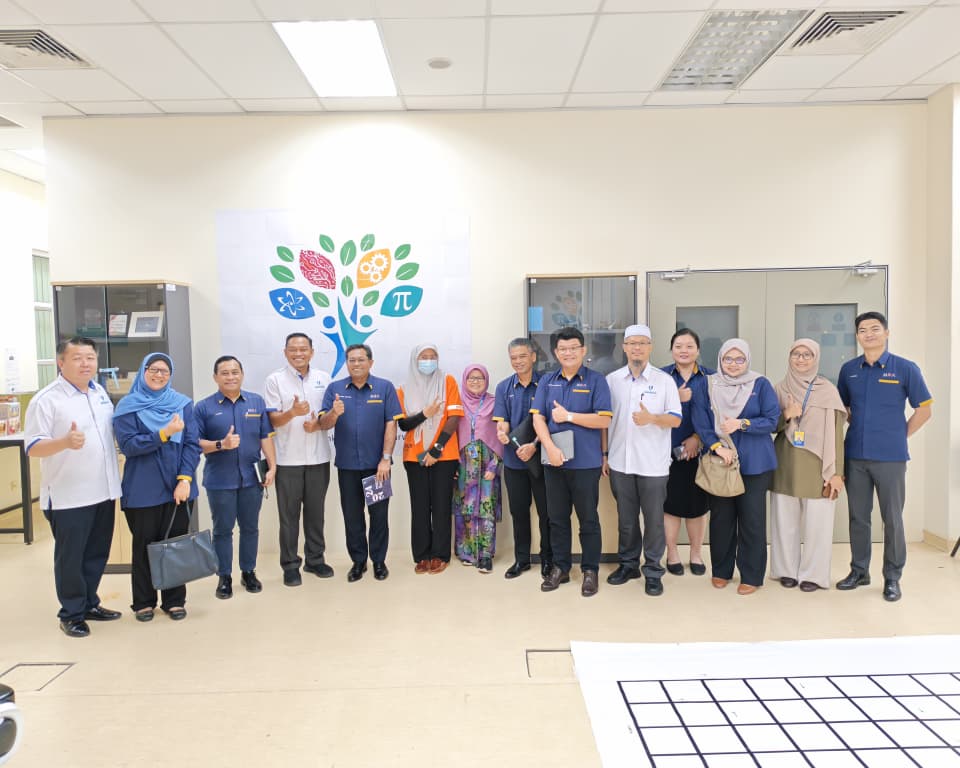
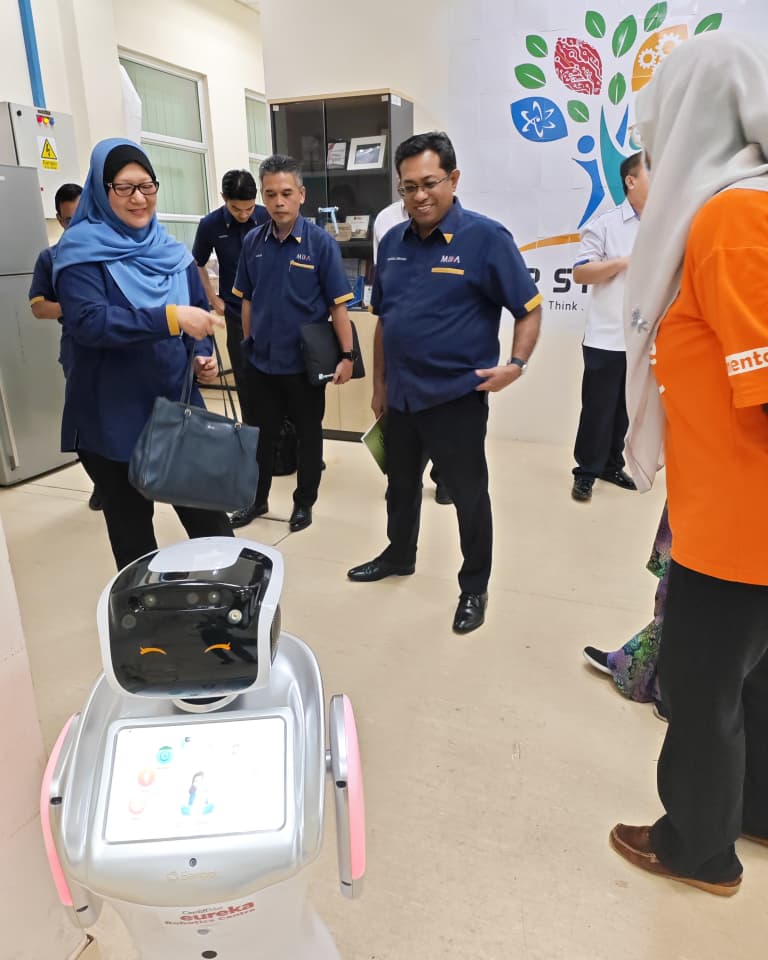
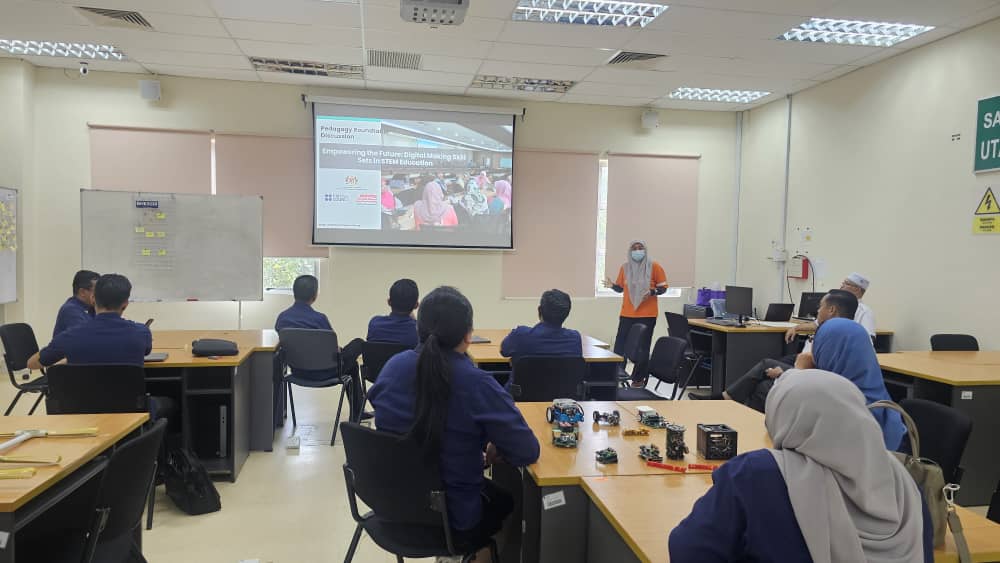
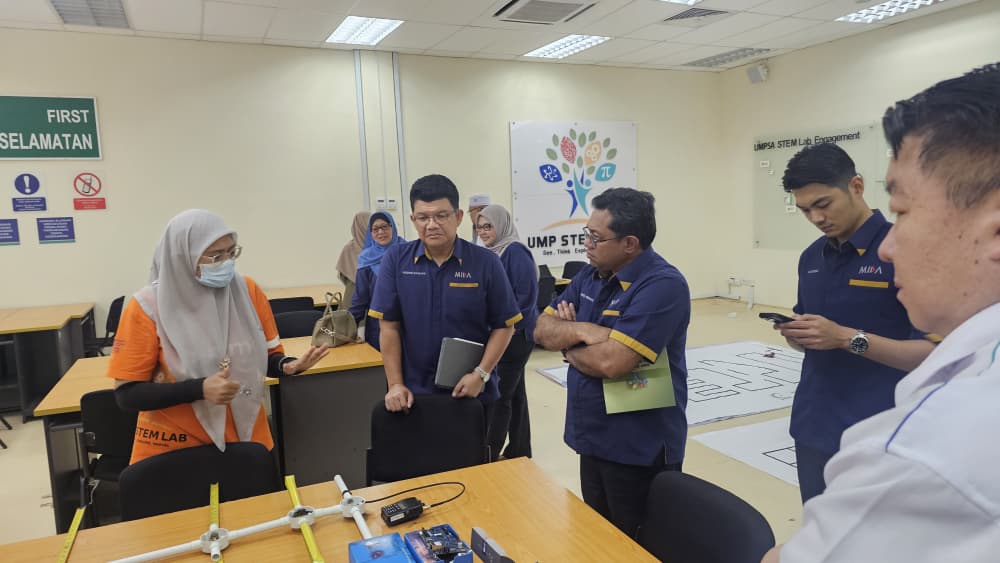
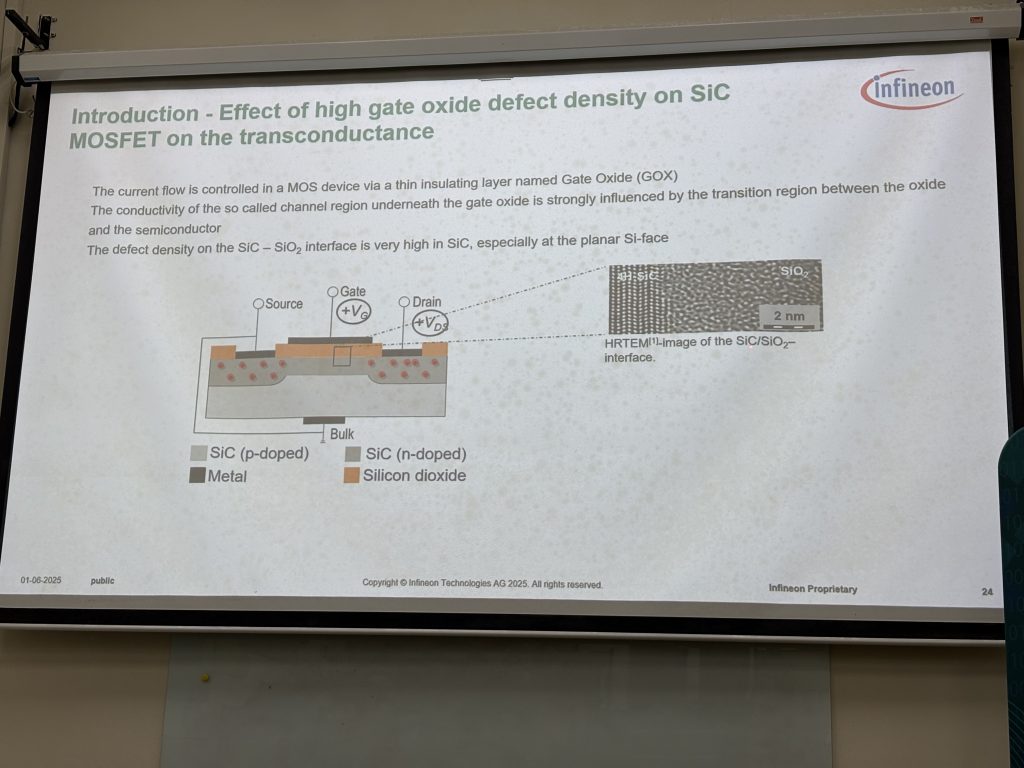
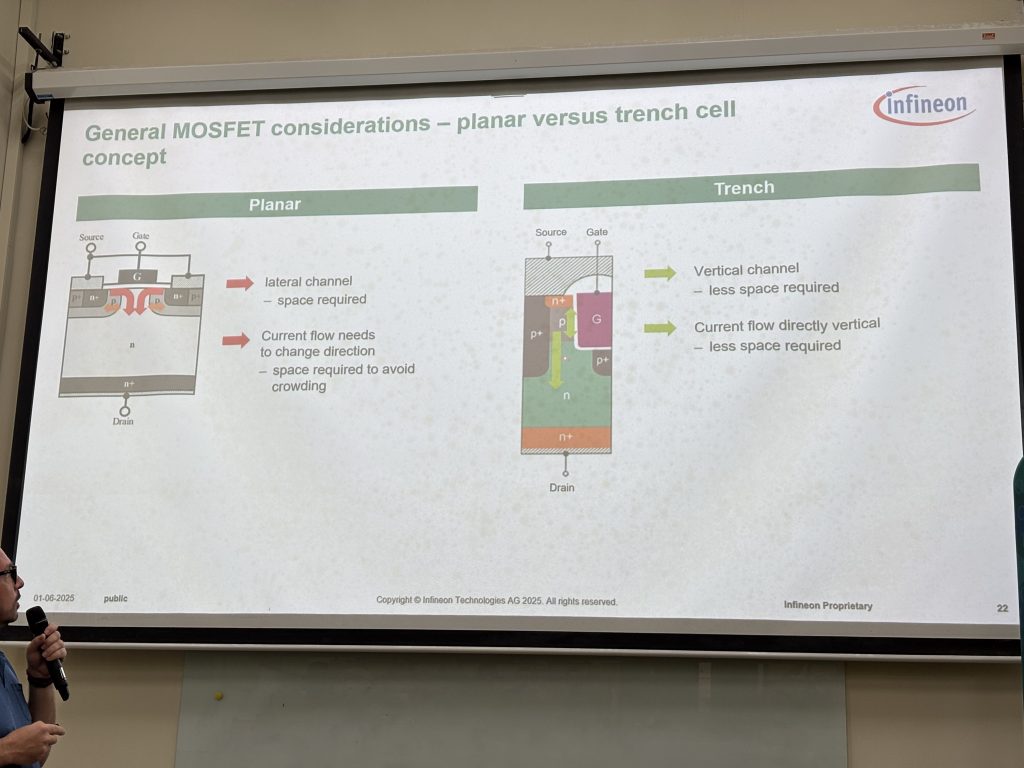
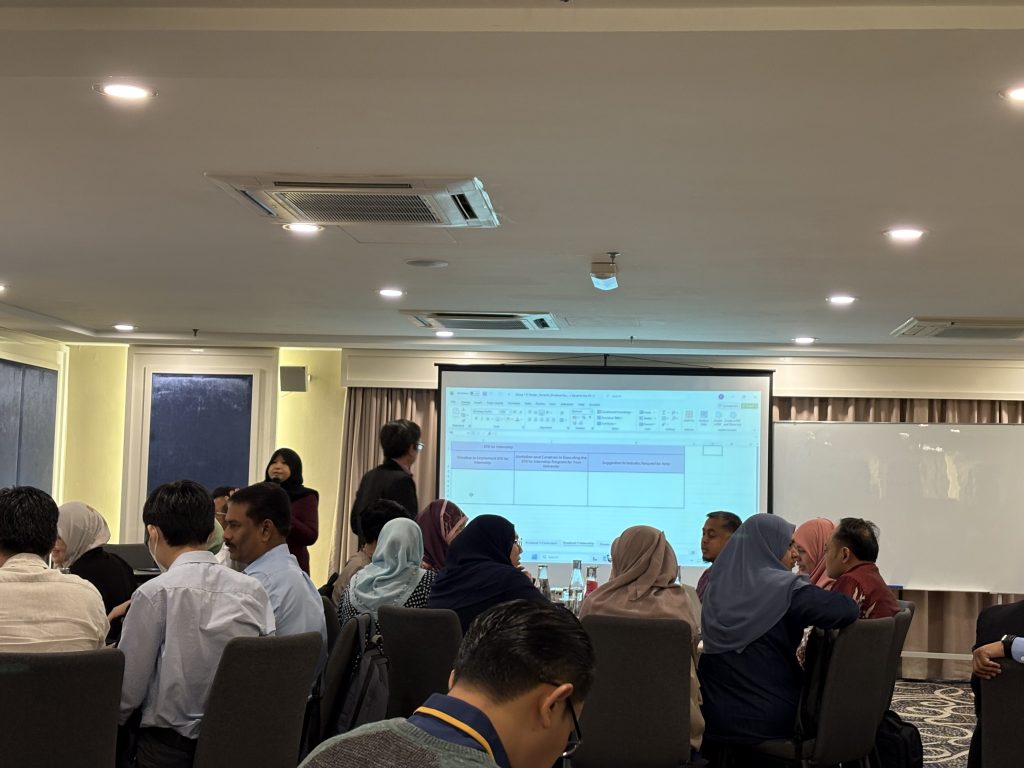
Today, we had the opportunity to conduct an industrial internship (LI) visit to the newly launched Infineon Technologies plant in Kulim, a milestone not only for our student but also for our faculty–industry engagement in the semiconductor domain.
The visit was led by Dr. Aqilah Othman, Head of the Department of Engineering, FTKEE, and was part of our continuous effort to monitor, assess, and enrich students’ industrial training experiences, in line with EAC requirements and our broader academic objectives.
Student Presentation: Learning Beyond the Classroom
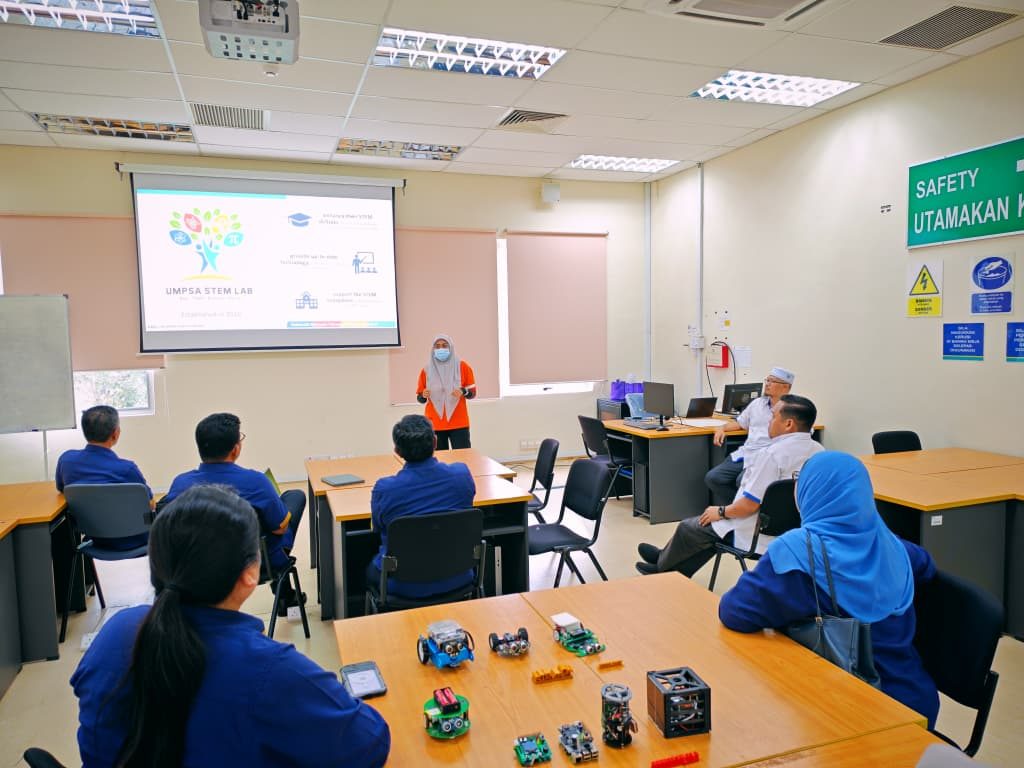
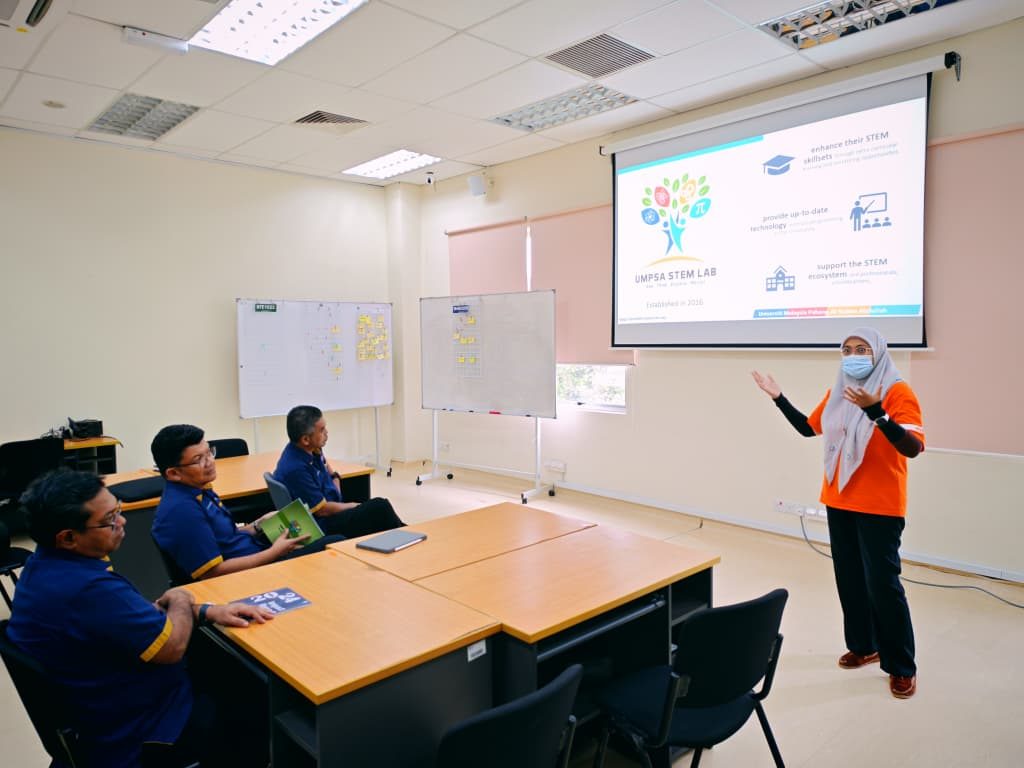
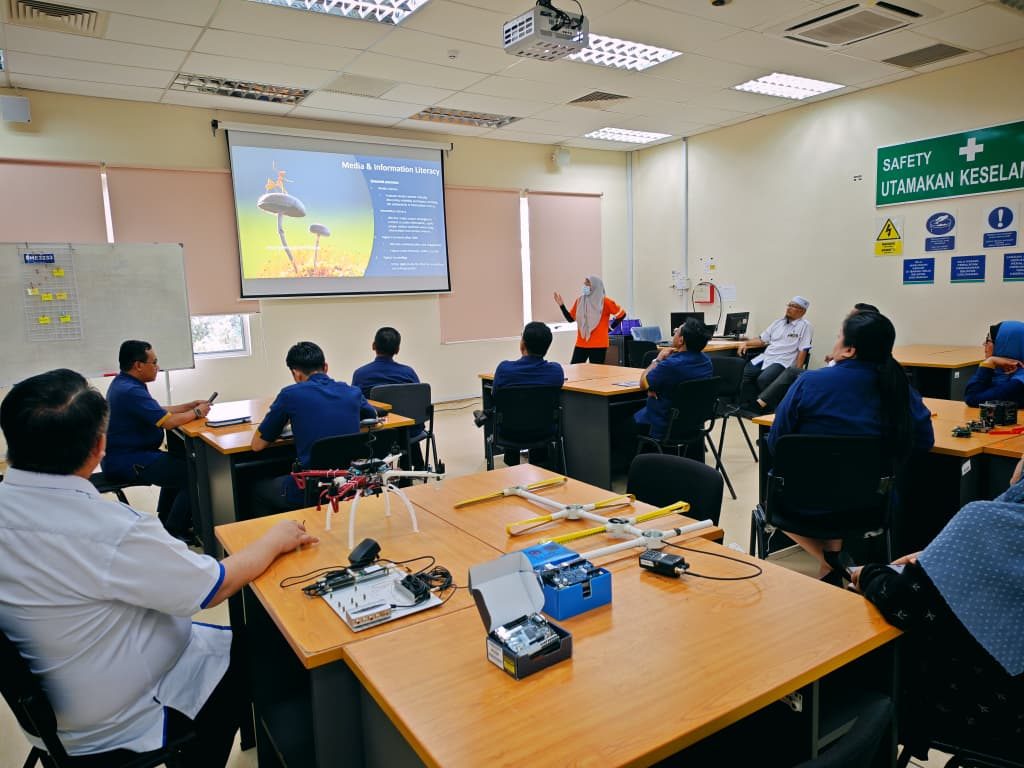
The visit began with a presentation by our trainee, Anum, who is currently undergoing her six-month industrial placement at Infineon Kulim.
Throughout her internship, Anum was tasked with developing an inventory management system—a real, production-relevant problem. Her work involved:
-
-
-
Barcode scanning of reticle wafers
-
Generating structured log files
-
Storing and managing data using an SQL database
-
Developing a web-based dashboard for monitoring and traceability
-
-
For context:
A reticle wafer is a critical component in semiconductor fabrication, used in the photolithography process. It acts as a patterned mask that transfers circuit designs onto wafers. Accurate tracking and inventory control are essential to ensure process integrity, yield, and traceability—making Anum’s system highly relevant to real manufacturing operations.
What stood out was not just the technical execution, but her ability to connect software development, database management, and manufacturing workflows—a clear example of how engineering theory transforms into industrial practice.


Following the student presentation, we had a meaningful discussion with Mr. Jeffery, Managing Director of Infineon Kulim.


Mr. Jeffery has been serving as CEO@Faculty for FTKEE, UMPSA, and has been extremely active in driving semiconductor-related initiatives with the faculty. Among the notable engagements:
-
-
-
Industry input into semiconductor-focused workshops
-
Support for elective development
-
Ongoing collaboration to align curriculum with industry needs
-
-
One of the key outcomes of this visit was guidance for FTKEE to structure and strengthen elective offerings, particularly in the areas of:
-
-
-
VLSI Design
-
Analog IC Design
-
Digital Design
-
Semiconductor Technology & Manufacturing
-
-
These directions are timely and crucial as FTKEE continues to position itself as a strong contributor to Malaysia’s semiconductor talent pipeline.
Into the Fab: A Walk Through Advanced Manufacturing
Towards the end of the visit, we were brought into the fabrication area, where we witnessed state-of-the-art semiconductor manufacturing facilities.


Dressed in full cleanroom suits, the experience was both impressive and nostalgic. It brought back memories of my own early industry exposure at Agilent Technologies back in 2001, where I had the chance to observe etching processes for LED wafers, including die placement.
At that time, white LEDs were still a technological challenge. I vividly remember reading textbooks that explained why LEDs existed in almost every color—except white. Producing white light required combining multiple wavelengths, making the process complex and expensive.
Fast forward to today: white LEDs are everywhere—in our homes, streets, and devices. Standing in Infineon’s fab yesterday was a powerful reminder of how engineering innovation evolves from complexity to everyday reality.
For a better understanding of what’s happening in a litography machine (the one that is always in a cleanroom facilities), refer to the link below:-
A nice explaination about litography process by Verastium
Closing Reflections: Why Internship Matters
This visit reinforced a belief I hold strongly:
Industrial training is one of the most important phases of an engineering student’s journey.
It is during internship that students:
-
Experience real job training
-
Understand industrial constraints
-
Learn how theory translates into practice
-
Discover what it truly means to be an engineer
Seeing Anum confidently present her work, engaging with engineers, and contributing to a real production environment affirmed the value of these experiences.
As educators, our role is not only to teach theory—but to create pathways where students can live the engineering profession before they graduate.
And visits like this remind us why that effort is always worth it.