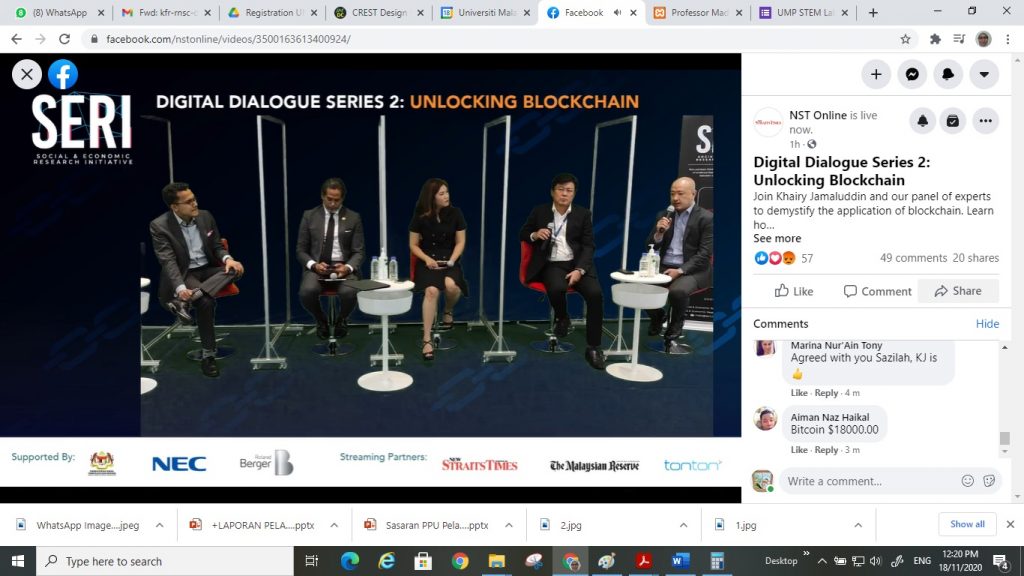
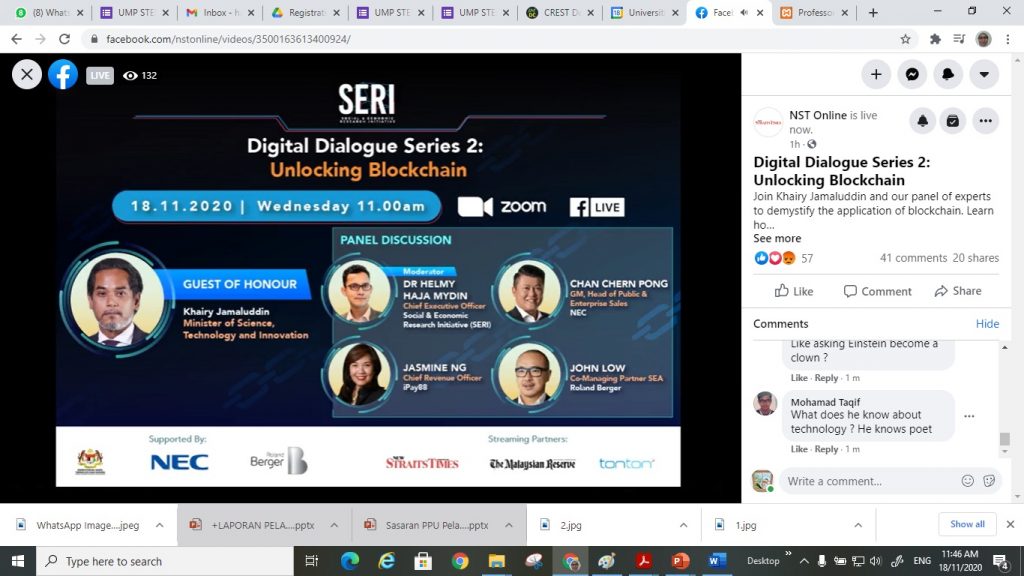
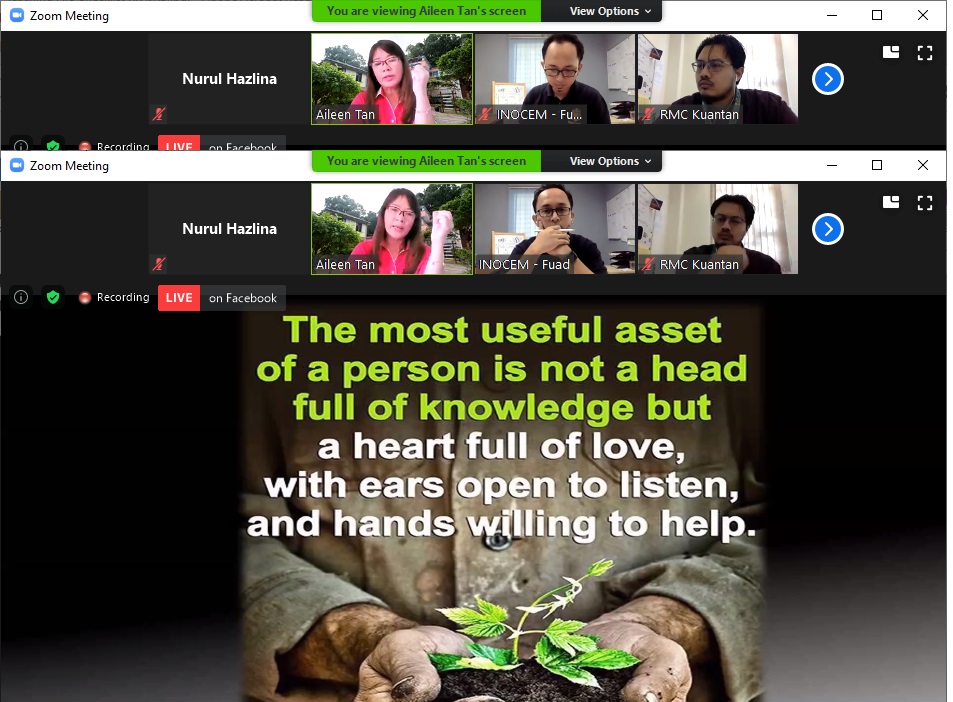
Mencanting Masa Hadapan Industri Agrotek di Malaysia

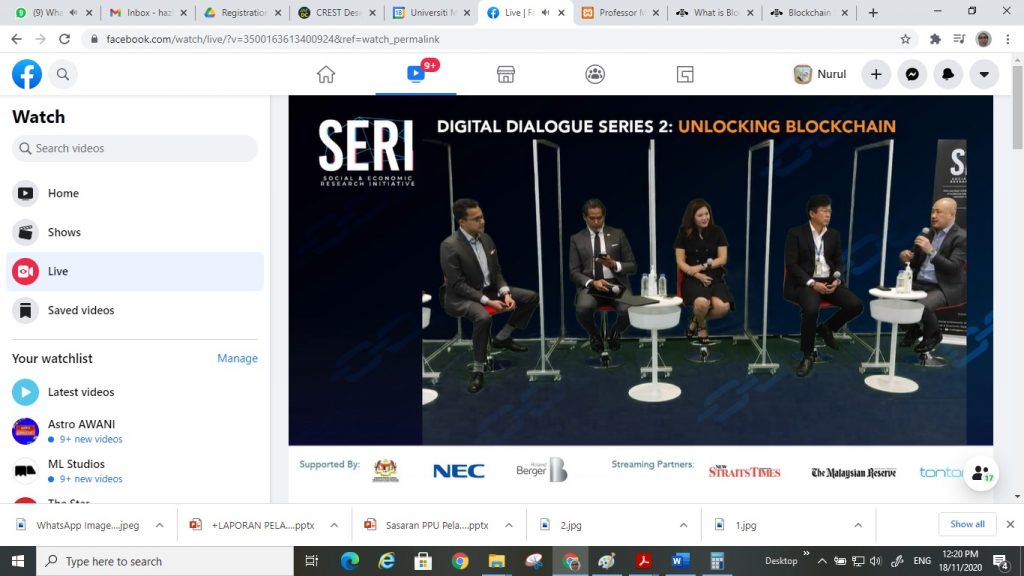
Facebook Live Session

Topic 1 : The Background of Agrotech in Malaysia

  • Prof Dato’ Dr Mortaza: The perception of agricultural sector in Malaysia: Past and present and future
  • Prof Dr Sharr: PPAM (Association of Malaysian Agro Organizations) Aspirations  in supporting the agrotech sector in Malaysia?
  • Mr. Tawfik: The role of MSD Innovation in the development of the agrotech technology industry in Malaysia
  • Dr Mazlinah: Current research trends based on agro technology in Malaysia

Topic 2: Malaysian Agortech Industry: Scenario and Challenges 

  • Prof Dr Sharr: How is modern agriculture different from traditional agriculture?
  • Prof Dato ’Dr Mortaza: The impact of Covid-19 on the agro technology industry in Malaysia
  • Mr. Tawfik: Are Malaysian ready for Urban agriculture – ‘urbanfarming’ culture?
  • Dr Mazlinah: Public awareness on the use of chemicals in agriculture in Malaysia. The effect and efficacy

Topic 3: Nurturing Future Talent to Complement Malaysia’s Agrotech Industry 

  • Mr. Tawfik: The competencies required to support the agrotech industry in Malaysia
  • Prof Dr Sharr: How dependent is Malaysian agrotech industry on foreign workers and ways to motivating more local youth get involve in the industry.
  • Prof Dato ’Dr Mortaza: The role of the university in encouraging the involvement of students / graduates in agro technology in Malaysia.
  • Dr Mazlinah: Motivating future young talent in agrotech industry.


BEE 4433 Antenna Theory and Propagation

Week 3 covers the topic of Electrically Small Antenna, which among the most attractive antenna structure due to it’s simplicity in the design process and compact size. However, these come with a trade off narrow bandwidth and low efficient radiancy.
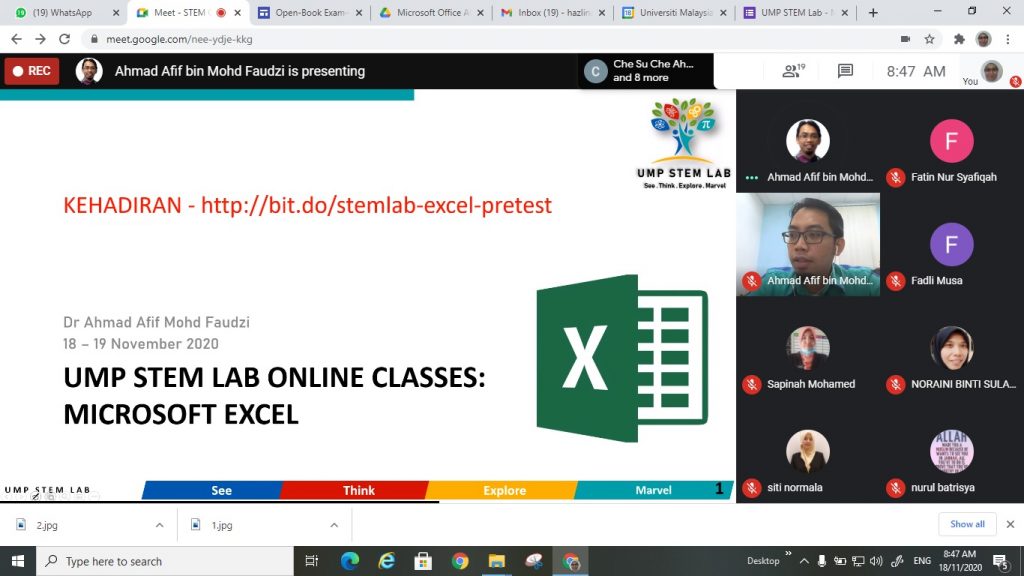
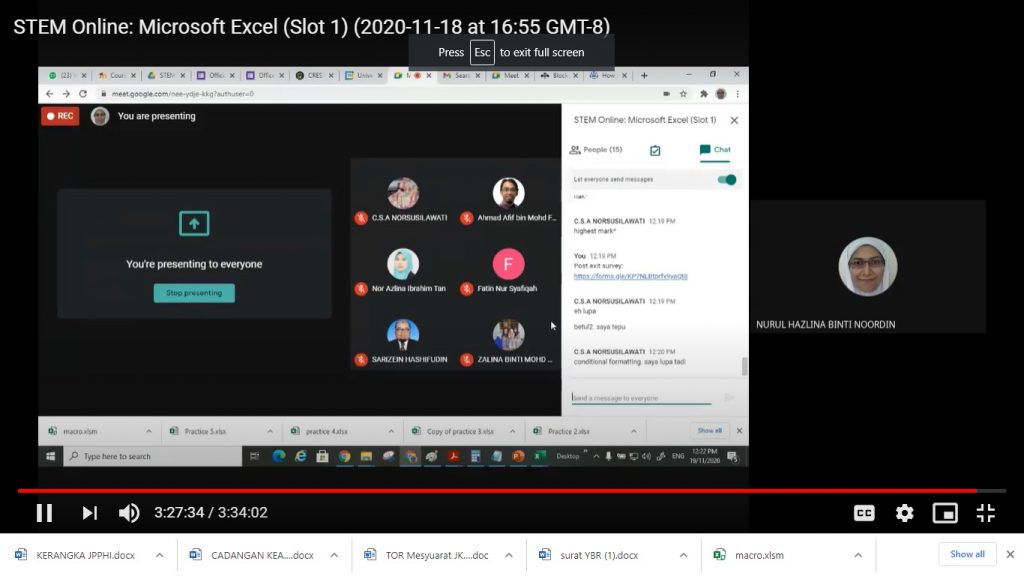
For this chapter, please complete the following:-

  1. Electrically Small Antenna Video Review
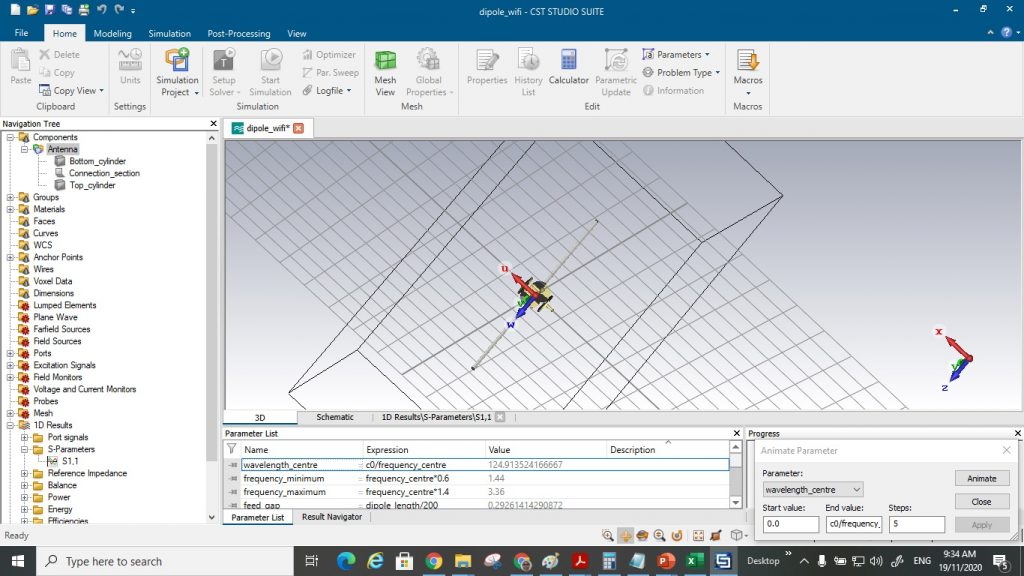
  2. Complete Lab 1 on Dipole antenna design
    1. Simulate the halfwave dipole design
    2. Observe the following items and:-
      • describe the operating frequency of the dipole antenna,
      • describe the radiation characteristics of the antenna,
      • what are the influencing design parameters,
      • estimate the dimensions of a dipole antenna that will radiate at 1.8 GHz
    3. Submit your answers in a 2-page journal article format.The anatomy /structure of a journal article is explained here:-


This Lab assignment contributes 5% to the course works marks.


Video for class today is as follows:-

Class Video


BEE 3233 – Electronic Systems Design

Another subject that I’ll be facilitating this semester is Electronic System Design.


Learning outcomes of this course are as follows:-

  1. The first outcome is targeted into establishing a solid understanding in design concepts for digital electronics. This include being able to
    • Differentiate different digital implementation technologies available – covering from programmable logic arrays, PLD, PAL and FPGAs,
    • The concepts of Arithmetic Logic Units – which covers from the basic adders, carry look ahead adders and multipliers, as well as
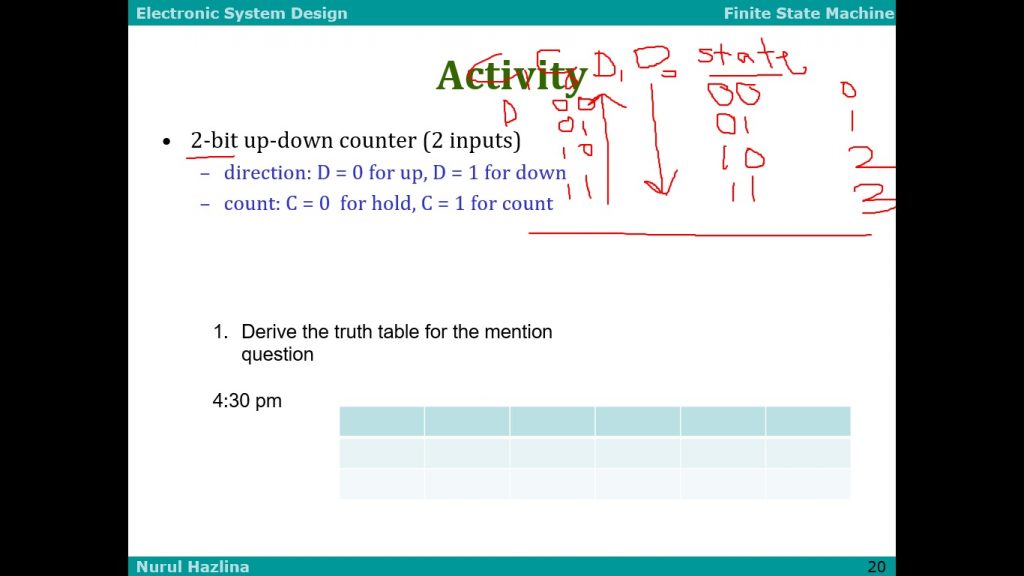
    • Finite state machines and its design techniques
  2. The second outcome aims in developing students ability to design, simulate and implement digital design onto an FPGA. Here, not only is the simulation ability is reflected via
    • FPGA programming using Verilog language,
    • Implementation of the systems onto an FPGA, as well as
    • Analyze and evaluate the performance of the design experimentally
  3. The final outcome touches on a skills that is essential for all engineering graduates – communication both verbal and written skills.Specifically for this course, we’ll look into these two domain:-
    • Review journal articles
    • Convey engineering design ideas and experimental results via scientific reporting

The knowledge content of this course can be charted out in these 3 main domains:-

  1. Implementation Technologies
    • Fixed logic solutions,
    • template based
      • The conventional PAL, PLA and CPLD
    • Look up table
      • FPGA technologies
  2. An arithmetic logic unit (ALU) is a digital circuit used to perform arithmetic and logic operations. It represents the fundamental building block of the central processing unit (CPU) of a computer. Modern CPUs contain very powerful and complex ALUs. In this course, ALU include:-
    • Adders
    • Multipliers, and
    • ALU
  3. And finally, the Finite State Machines. A finitestate machine (FSM), is basically a mathematical model of computation. It is an abstract machine that can be in exactly one of a finite number of states at any given time. Throughout the course, we will look into 3 main concepts in FSM which are:
    • mealy
    • moore
    • mealy moore machine

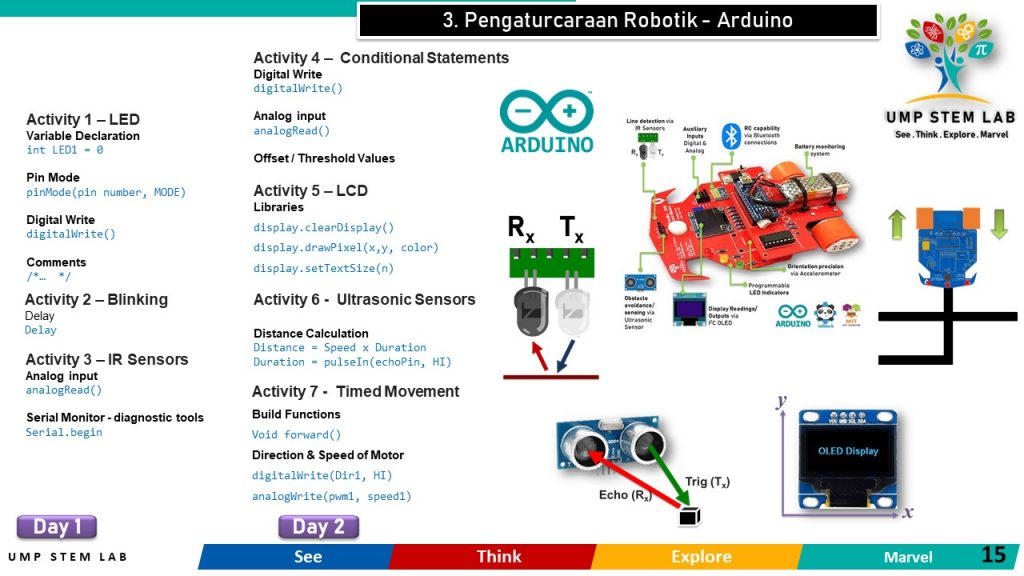
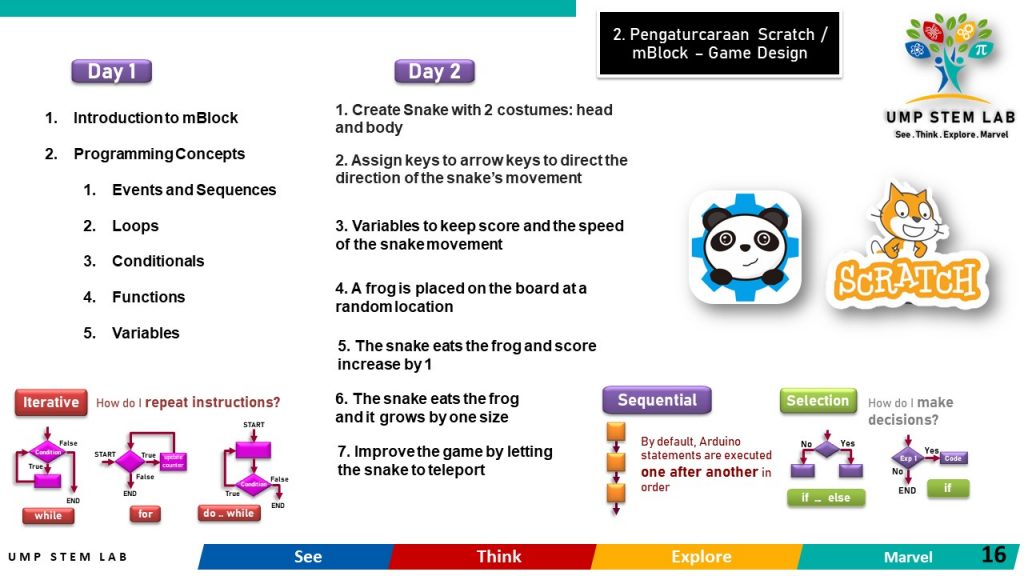
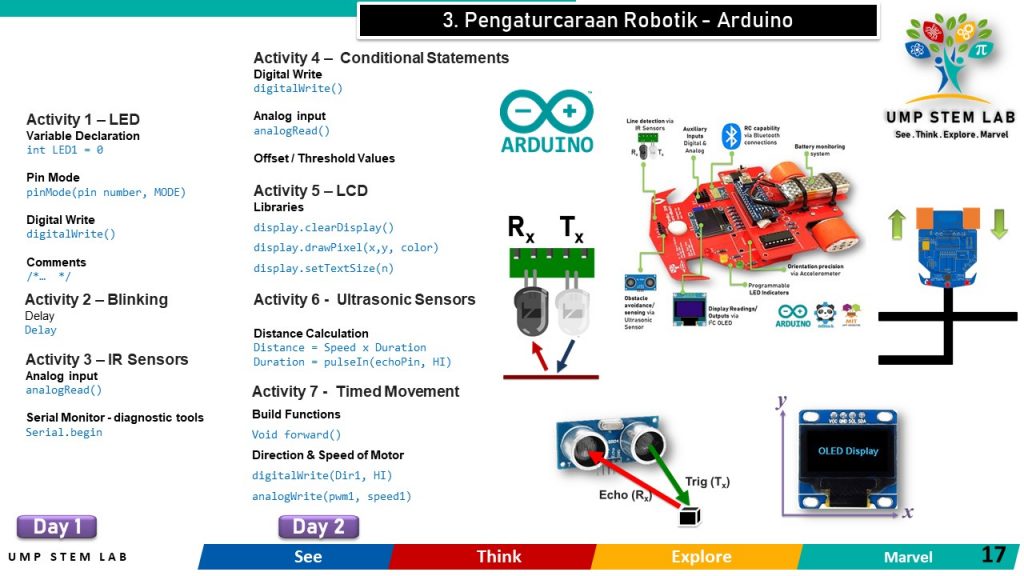
SESI #06: REPUBLIKA MERAH ONLINE – Electronic System Design: The Robot, The Codes and The Apps

Had the privilege to be one of the panelist for today’s Karnival Buku Ilmiah 2020 Session #6.

SESI #06: REPUBLIKA MERAH ONLINE

BICARA 3 BUAH BUKU TERBITAN PENERBIT UMP>> BELALAI GAJAH (CLINACANTHUS NUTANS)>> ELECTRONIC SYSTEMS: THE ROBOT & THE CODES>> LECTRONIC SYSTEMS: THE ROBOT & THE APPS..Saksikan secara LIVE sesi REPUBLIKA MERAH ONLINE bersempena KARNIVAL BUKU ILMIAH DALAM TALIAN (KABI 2.0)Tarikh: 23 Oktober 2020 (Jumaat)Masa 3:00 petang..EKSKLUSIF HANYA DI FACEBOOK 'MAJLIS PENERBITAN ILMIAH MALAYSIA: MAPIM..Boleh streaming kami di..FB LIVE:www.facebook.com/1mapimYOUTUBE:https://youtube.com/channel/UC2P0si4Fh3GeGMyksL4fmsw..#KarnivalBukuIlmiah#MAPIMXShopee#RepublikaMerahOnline

Posted by Majlis Penerbitan Ilmiah Malaysia : MAPIM on Jumaat, 23 Oktober 2020